
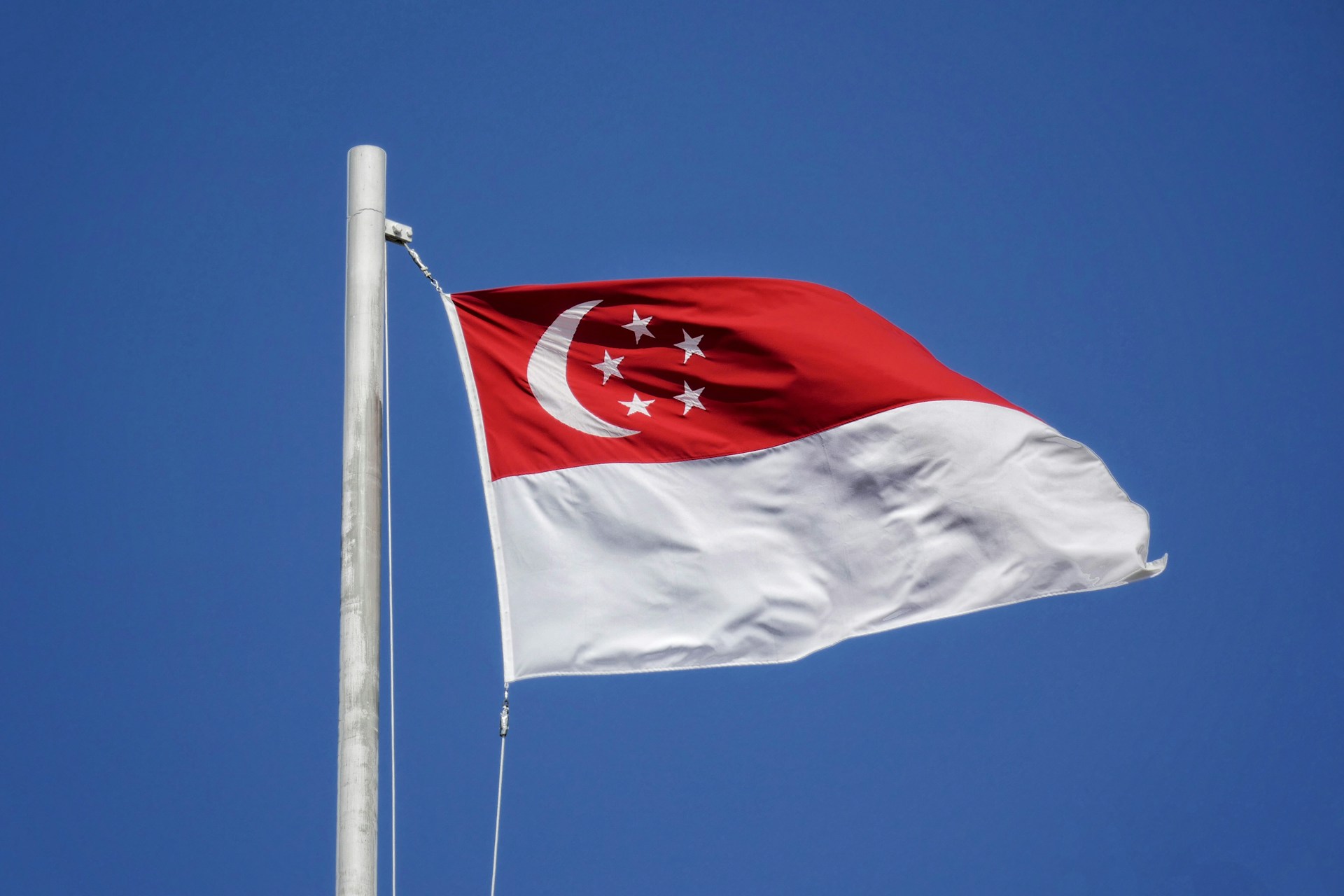
Start Your Journey Here: The Singapore Travel Guide You Can Trust
When it comes to combining futuristic cityscapes with cultural depth and traveller-friendly convenience, Singapore stands in a league of its own. Compact, clean, and incredibly efficient, this microstate offers a seamless experience whether you’re here for 24 hours or a full Singapore vacation. From towering supertrees to ancient temples, it’s a destination that defies expectations — and rewards the curious.
For anyone planning to travel to Singapore, there’s good news: getting around is as smooth as it gets. English is widely spoken, the public transport system is world-class, and cashless payment is accepted almost everywhere. Whether you’re catching a high-speed MRT, calling a ride with Grab, or tapping your eSIM to connect instantly, visiting Singapore is refreshingly friction-free.
Yet, beneath its high-tech polish, Singapore is alive with history and heritage. In one morning, you could sample street food in a bustling hawker centre, wander through the vibrant streets of Little India, and catch panoramic views from the Marina Bay Sands SkyPark. Add lush tropical gardens, island getaways, and a packed calendar of events, and it’s easy to see why Singapore tourism is booming.
This all-in-one Singapore travel guide will help you unlock the city’s best-kept secrets — from transport apps and local SIM tips to cultural etiquette, food zones, and where to stay. Whether you’re a solo explorer, family traveller, or just stopping over en route to Australia or Europe, this guide has everything you need.
Quick Facts Table
| Fact | Details |
|---|---|
| Country Name | Republic of Singapore |
| Capital City | Singapore |
| Area | 728.6 km² |
| Population | ~5.9 million |
| Currency | Singapore Dollar (SGD, S$) |
| Time Zone | GMT+8 |
| Languages | English, Mandarin, Malay, Tamil |
| International Dialling Code | +65 |
| Electrical Plug Type | Type G (UK-style), 230V |
| Emergency Number | 999 (police), 995 (ambulance/fire) |
| Main Airport | Singapore Changi Airport (SIN) |
| Visa Requirement | 30–90 days visa-free for many nationalities |
| Driving Side | Left |
| Religion | Multi-faith (Buddhism, Islam, Christianity, Hinduism) |
Brief History & Background
To understand Singapore today, you need to look at how it reinvented itself. From colonial port to economic powerhouse, this island nation has undergone one of the world’s most dramatic transformations — and this Singapore travel guide wouldn’t be complete without some historical context.
Singapore’s recorded history stretches back to the 14th century when it was known as Temasek, a trading post in the Malay Archipelago. But it was Sir Stamford Raffles, a British official, who put Singapore on the global map when he founded it as a British colony in 1819. The location was ideal — a strategic port at the crossroads of East and West — and it quickly became a thriving hub for trade.
After a turbulent World War II period, including a Japanese occupation, Singapore gained independence from British rule in 1963. Initially joining Malaysia, the union lasted just two years before Singapore became fully sovereign in 1965. Since then, under the leadership of Lee Kuan Yew, the country has grown from a developing backwater to a global leader in finance, education, and urban planning.
Today, Singapore tourism showcases a nation that celebrates both its multicultural heritage and its futuristic ambitions. You’ll find colonial-era architecture standing proudly beside cutting-edge skyscrapers, and street hawkers selling age-old dishes in a city that runs on digital efficiency. For anyone visiting Singapore, the history is more than facts — it’s a living, walkable experience.
Whether you’re here for business, food, or exploration, travel to Singapore is a journey through time, culture, and innovation.
Key Neighbourhoods, Areas & Regions
Despite its compact size, Singapore is made up of distinct neighbourhoods, each offering its own personality, history, and attractions. Understanding these areas helps you plan your time efficiently and ensures you see more than just the city’s headline sights.
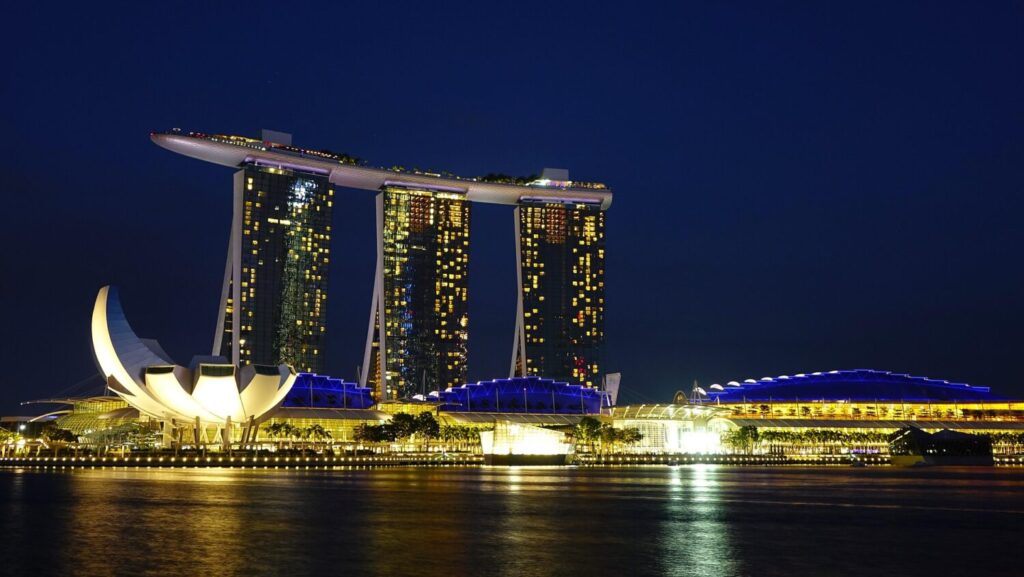
At the heart of the action is Marina Bay, home to Singapore’s most iconic landmarks — the Marina Bay Sands, Gardens by the Bay, the Merlion, and the ArtScience Museum. This area is especially striking at night, with the skyline lit up and the Spectra light and water show drawing crowds along the waterfront promenade.
Just north lies the Civic District, Singapore’s cultural core, where you’ll find the National Gallery Singapore, the Asian Civilisations Museum, and historic buildings such as the Old Parliament House. The wide, open boulevards and riverfront make this an ideal area for walking tours.
Chinatown offers a fascinating blend of heritage and modernity, with traditional temples like the Buddha Tooth Relic Temple standing alongside trendy cafés and boutique shops. It’s a great place to explore on foot, shop for souvenirs, and enjoy authentic hawker food.
In the east, Joo Chiat and Katong showcase the colourful Peranakan heritage through their shophouse architecture, family-run bakeries, and unique fusion cuisine. This neighbourhood is perfect for those who enjoy slower-paced exploration and discovering local traditions.
Little India is a sensory feast of vibrant colours, aromatic spices, and busy markets. From the Tekka Centre to Sri Veeramakaliamman Temple, the area is rich with cultural experiences, especially during festivals like Deepavali.
For nightlife and dining, Clarke Quay and Boat Quay offer lively riverside settings filled with restaurants, bars, and clubs. These areas stay bustling late into the night and are a prime example of Singapore’s cosmopolitan social scene.
Nature lovers will appreciate Bukit Timah and the surrounding green spaces, where the city’s highest natural point and nature reserves provide a peaceful retreat from the urban bustle.
Each neighbourhood is well connected by MRT and bus, making it easy to move between them. Using a local transport app can help you plan routes and maximise your time, ensuring you experience the full variety of Singapore’s districts — from its ultramodern skyline to its deeply rooted cultural enclaves.
Getting There & Around
Airport Overview & Transfers
If you’re arriving by air — as most visitors do — you’re in for a treat. Singapore Changi Airport (SIN) isn’t just a transportation hub; it’s consistently ranked among the world’s best airports. With stunning architecture, free cinema screens, a butterfly garden, and the spectacular Jewel Changi complex, arriving here sets the tone for your entire trip.
| Feature | Details |
|---|---|
| Main Airport Name | Singapore Changi Airport (SIN) |
| Type | International |
| Annual Passenger Numbers | 67.7 million (2024) |
| No. of Terminals | 4 operational (T1–T4), Terminal 5 under construction |
| Distance from City Centre | Approx. 24 km; ~25–30 minutes by MRT or taxi |
| Budget Airlines | Scoot; AirAsia |
| Major Airlines | Singapore Airlines; Qantas (focus city); FedEx Express (cargo hub) |
| Top Domestic Destinations | None – Singapore has no domestic flights |
| Top International Destinations | Kuala Lumpur; Bangkok; Jakarta; Denpasar; Hong Kong; Manila; Tokyo; Shanghai; Seoul; Taipei |
| Unusual Destinations | N/A – primarily a global hub |
| Other Nearby Airports | Seletar Airport (turboprop & general aviation) |
Transit Role
Singapore Changi Airport is one of the world’s busiest and most efficient transit hubs, serving millions of passengers connecting between Europe, Asia, Australia, and beyond. For UK travellers, Changi is a key stopover point on flights from London and Manchester to destinations across Southeast Asia, Australasia, and the Pacific. With fast connection times, seamless terminal transfers, and a wealth of airside attractions, it’s a favourite for those breaking up long-haul journeys or exploring Singapore on a layover.
Onward Travel
From the airport, travellers can take the East West Line MRT straight into the city, with a transfer at Tanah Merah. This journey takes around 40 minutes and costs less than S$2. Alternatively, buses, metered taxis, and ride-hailing services like Grab are readily available. Airport taxi queues are well-managed, with fares typically ranging from S$20 to S$30 depending on your destination.
If you’re carrying lots of luggage or travelling as a group, hotel shuttle services are available to most major tourist districts, including Marina Bay, Orchard Road, and Clarke Quay. To streamline your journey, download the iChangi app in advance for real-time flight info, terminal maps, and retail listings. It’s a useful tool for anyone visiting Singapore, especially during layovers.
No Singapore travel guide would be complete without a note on the airport itself — it’s more than just a place to land; it’s part of the travel experience.


Trains (Inbound & Regional)
While Singapore doesn’t have domestic long-distance rail lines, it does offer a single international train connection that many travellers use to cross the border from Malaysia. The KTM Shuttle Tebrau links Woodlands Train Checkpoint in Singapore with JB Sentral in Johor Bahru. This short five-minute journey is incredibly popular with commuters, day-trippers, and budget-conscious tourists alike.
Tickets are limited and typically sell out quickly, particularly on weekends and holidays, so advance booking is highly recommended. Trains are clean, immigration clearance is handled before departure, and the entire process is efficient — a hallmark of Singapore tourism in general. This setup makes cross-border rail travel smooth for anyone planning to travel to Singapore from nearby Malaysian destinations like Kuala Lumpur or Malacca.
Looking ahead, a major upgrade is in the works. The under-construction Singapore–Johor Bahru Rapid Transit System (RTS Link) is scheduled to open in 2027. Once completed, it will offer a seamless MRT-style cross-border connection, dramatically improving travel times and reducing congestion at the checkpoints.
While Singapore isn’t a rail hub like Bangkok or Tokyo, it plays a key role in regional transport thanks to its location and planning. For travellers who love efficient infrastructure, it’s yet another reason why visiting Singapore feels like stepping into the future.


Buses & Coaches
Singapore is exceptionally well-connected to Malaysia by bus and coach services. These options are affordable, comfortable, and increasingly popular for regional travellers and residents alike. Most routes link Singapore with cities such as Johor Bahru, Kuala Lumpur, Malacca, and even Penang.
Several companies operate these cross-border services, including Transtar, StarMart, Causeway Link, and Aeroline. Coaches typically depart from central Singapore locations such as the Golden Mile Complex, HarbourFront Centre, and Queen Street Bus Terminal. Most coaches are air-conditioned, include onboard WiFi, and some offer premium seating with reclining chairs or onboard meals.
Buses to Johor Bahru can take as little as 45 minutes, depending on immigration wait times. Long-distance journeys to Kuala Lumpur or Penang range from five to eight hours. These are a fantastic budget-friendly option for those combining travel to Singapore with wider Southeast Asia explorations.
Tickets can be booked via each operator’s website or through aggregators like Easybook or BusOnlineTicket. Apps are available for mobile booking, and QR codes or e-tickets are widely accepted.
If you’re planning to connect Singapore tourism with a road trip through Malaysia, cross-border coaches are reliable and hassle-free. Just be sure to check customs regulations and arrive early to avoid delays at the border.


Local Public Transport
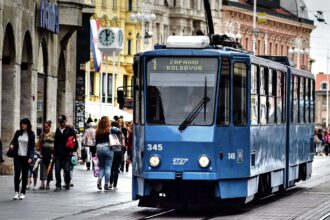
Public transport in Singapore is world-class. With a tightly integrated network of MRT trains, LRT lines, and buses, moving around the city is efficient, affordable, and incredibly easy for travellers. It’s one of the biggest reasons why so many people find visiting Singapore stress-free and enjoyable.
The MRT (Mass Rapid Transit) system is the city’s backbone, with multiple lines connecting all major districts including Marina Bay, Orchard, Chinatown, and Changi Airport. Trains are clean, frequent, and fully air-conditioned. All signs are in English, and station maps are easy to follow. Most stations are wheelchair accessible and have lifts and tactile paths for the visually impaired.
For short hops in suburban areas, the LRT offers feeder services linked to MRT stations. Buses also cover a wide network, with real-time arrival data available via apps like myTransport.SG, SG BusLeh, or SimplyGo. These apps allow users to plan routes, check timings, and pay digitally.
Payment Options & How They Work
Singapore’s fare system is fully integrated across MRT, LRT, and public buses, meaning you can transfer between modes without paying separate base fares — the system charges you for the total distance travelled.
The main payment options are:
– EZ-Link Card – A stored-value card widely used by locals and tourists. You can buy it at MRT stations, Changi Airport, or 7-Eleven stores. Tap in at the fare gate or on the bus reader when boarding, and tap out when you exit. Top-ups are available at ticket machines, convenience stores, and via the EZ-Link app.
– NETS FlashPay – Works the same way as EZ-Link but is issued by NETS, Singapore’s local payment provider. It’s accepted on all public transport, at selected retailers, and for some taxi rides.
– Contactless Bank Cards (Visa / Mastercard) – With the SimplyGo system, you can use your own credit or debit card directly at the gates. Just tap in and out like an EZ-Link card, and fares are automatically billed to your card in local currency. This eliminates the need for top-ups and is especially convenient for short stays.
– SimplyGo App – Allows you to link an EZ-Link account or a bank card, track trips, view fare history, and top up from your phone. Perfect for those who like to monitor spending on the go.
Costs & Tourist Passes
Fares are calculated by distance, typically ranging from SGD $0.92–$2.20 for most journeys. Discounts apply for seniors, students, and children. Bus fares are similar, and transfers between bus and train within a set period are free of an additional boarding charge.
If you’re planning heavy sightseeing, consider the Singapore Tourist Pass (STP), which offers unlimited travel on MRT, LRT, and basic bus services for 1, 2, or 3 days. Prices start from around SGD $10/day, with a refundable card deposit. The pass is available at Changi Airport MRT station and selected TransitLink offices.


Taxis & Ride Shares
There are several major taxi companies, including ComfortDelGro, Strides Premier (a merger of SMRT and Premier Taxis), and Trans-Cab, all of which can be booked by phone, at taxi stands, or via dedicated mobile apps like CDG Zig. Fares start around S$4, with surcharges during peak hours, public holidays, and airport pickups.
For more flexibility, ride-hailing apps like Grab, Gojek, and Ryde are widely used. These platforms allow you to select vehicle type, see fare estimates, and pay via credit card or mobile wallet. Grab is the most popular and also offers GrabShare and GrabFamily options, and has recently launched its own taxi fleet, GrabCab. It’s also worth noting that platform fees on many of these apps have increased slightly in 2025 to comply with new regulations.
Taxis and ride shares are generally considered very safe. All drivers are licensed, and vehicles are well-maintained. Female travellers and solo tourists can feel secure using these services day or night — yet another reason why Singapore tourism is often praised for its traveller-friendly infrastructure.
If you’re short on time or carrying luggage, taking a taxi or Grab can save you hassle. For anyone looking to combine convenience with comfort, it’s a solid transport option while you travel to Singapore.


Scooter & Bike Rentals
For those who prefer two wheels to four, Singapore has several options for cycling — but it’s important to understand that scooters are heavily regulated. Unlike many cities where electric scooters can be rented freely, Singapore imposes strict rules on their use.
First, let’s talk about bikes. Dockless bike-sharing services such as Anywheel and SG Bike are widely available, especially in neighbourhoods like East Coast Park, Marina Bay, and the Civic District. These bikes are unlocked using a mobile app, and pricing is generally low — with pay-per-use and daily pass options. Helmets are not mandatory but are strongly recommended, and bicycles must be parked within designated yellow boxes.
Scooters, on the other hand, are mostly restricted to private ownership. Riding personal mobility devices (PMDs) on footpaths is banned, and scooter use is only allowed on dedicated cycling paths or park connectors. Tourists can use scooters only if they meet local LTA guidelines, which include weight and speed restrictions.
The Park Connector Network (PCN) is a highlight for cyclists. This linked network of green corridors allows riders to explore large areas of the island without dealing with heavy road traffic. It’s especially scenic in the mornings and evenings.
Although travel to Singapore doesn’t revolve around scooter culture like in some Southeast Asian cities, the infrastructure for biking is strong and steadily improving. If you’re planning a Singapore vacation and want to explore at a slower pace, bike rental apps are an excellent addition to your toolkit.


Driving, Parking & Car Access
Singapore is not a car-friendly city for most tourists, and that’s entirely by design. With a focus on sustainability and space management, the government has created policies that limit private vehicle use while enhancing public transport. That said, driving is certainly possible — especially for those who plan to explore across the border into Malaysia.
Firstly, be aware that driving in Singapore means navigating an Electronic Road Pricing (ERP) system. This network of gantries charges vehicles during peak hours to reduce congestion. The charges are automatically deducted via an in-vehicle unit (IU), which rental cars and local vehicles are fitted with. Most visitors find ERP convenient but may be surprised by how quickly the charges add up if they’re not paying attention.
Parking is another consideration. While hotels and malls usually offer on-site car parks, street parking is rare and closely monitored. You’ll need to use parking coupons or apps like Parking.sg, which allows mobile top-ups and time extensions.
Driving is on the left-hand side, and road signs are in English, making navigation easy. However, heavy traffic, one-way streets, and high costs make renting a car within city limits unnecessary unless you have a specific reason.
For most people visiting Singapore, the transport system makes driving redundant. But for travellers planning to travel to Singapore and then cross into Johor Bahru, a car may be worthwhile — just be sure to review entry rules and insurance policies for cross-border travel.


Car Rental
While car rental in Singapore is available, it’s not commonly recommended for short-term visitors. The city’s compact size, extensive public transport, and high vehicle-related costs make it more of a niche option.
Major rental providers such as Avis, Hertz, Sixt, and local firms like Drive.sg offer daily and weekly rental packages. Most providers require renters to be at least 23 years old and hold a valid international driving permit (IDP), along with a passport and credit card.
Rental prices are higher than in many neighbouring countries, largely due to local taxes, insurance, and ERP-related costs. Expect to pay S$100–S$150 per day for a compact vehicle, plus fuel and parking. That price tag alone deters many on a Singapore vacation from considering it unless they have a specific itinerary.
One valid reason to rent a car is for trips across the border into Malaysia. Popular destinations include Johor Premium Outlets, Legoland Malaysia, and Desaru Coast. If you’re considering this, ensure your rental car is legally allowed to leave the country — not all providers permit cross-border usage. You’ll also need a Touch ’n Go card for Malaysian toll roads.
As any comprehensive Singapore travel guide will tell you, car rental works best when public transport doesn’t meet your needs. But for general city exploration, other options are far more efficient, environmentally friendly, and budget-conscious.


Walking
One of Singapore’s most underrated pleasures is simply walking. With its clean streets, wide sidewalks, urban greenery, and reliable signage, it’s a city built for pedestrians. In fact, walking is often the best way to discover the hidden corners and contrasts that define Singapore tourism.
The city’s central districts — Marina Bay, Civic District, Chinatown, and Bugis — are all very walkable. Covered walkways help protect from sun and rain, and there are plenty of seating areas, drinking fountains, and convenience stores en route. Major roads have pedestrian crossings with countdown timers, and overpasses or underpasses are provided where needed.
Safety is excellent. Whether day or night, walking around central Singapore is considered low-risk. CCTV coverage, well-lit paths, and active street life make it an ideal city for solo explorers, families, or elderly travellers.
The Park Connector Network (PCN) deserves another mention here — not just for cycling, but for walkers too. These linked green corridors stretch across the island and provide scenic routes between neighbourhoods and parks.
While the heat and humidity can be intense, especially from noon to 3pm, planning your walks during mornings or evenings makes a huge difference. Wear breathable clothing, carry water, and consider downloading a walking tour app or GPS guide to make your routes more efficient.
Whether you’re here for a few days or a full Singapore vacation, walking is a must-do. It’s the best way to see both the city’s polished highlights and its authentic everyday life.
Ferries & Cruises
For a city-state surrounded by water, it’s no surprise that Singapore offers access to a small but important network of ferry and cruise options. These services aren’t just for leisure — they’re also practical links to nearby Indonesian islands and major cruise destinations in the region.
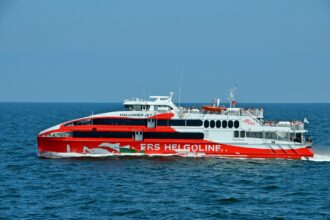
The most common ferry routes are to Batam and Bintan, both part of Indonesia’s Riau Archipelago. These islands are less than an hour away and make popular weekend escapes for both locals and tourists. Ferries depart from HarbourFront Centre and Tanah Merah Ferry Terminal, with operators like Batam Fast Ferry, Sindo Ferry, and Majestic Fast Ferry offering multiple daily sailings.
These services are efficient, reasonably priced (around S$40–S$60 round trip), and easy to book online or via app. Immigration procedures are handled on both ends, and passports are required. Travellers heading to Batam often go for affordable spas, seafood, or shopping, while Bintan is better known for its resorts and beaches.
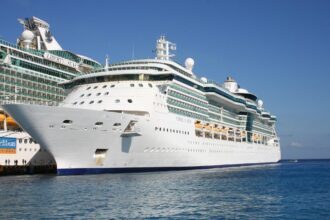
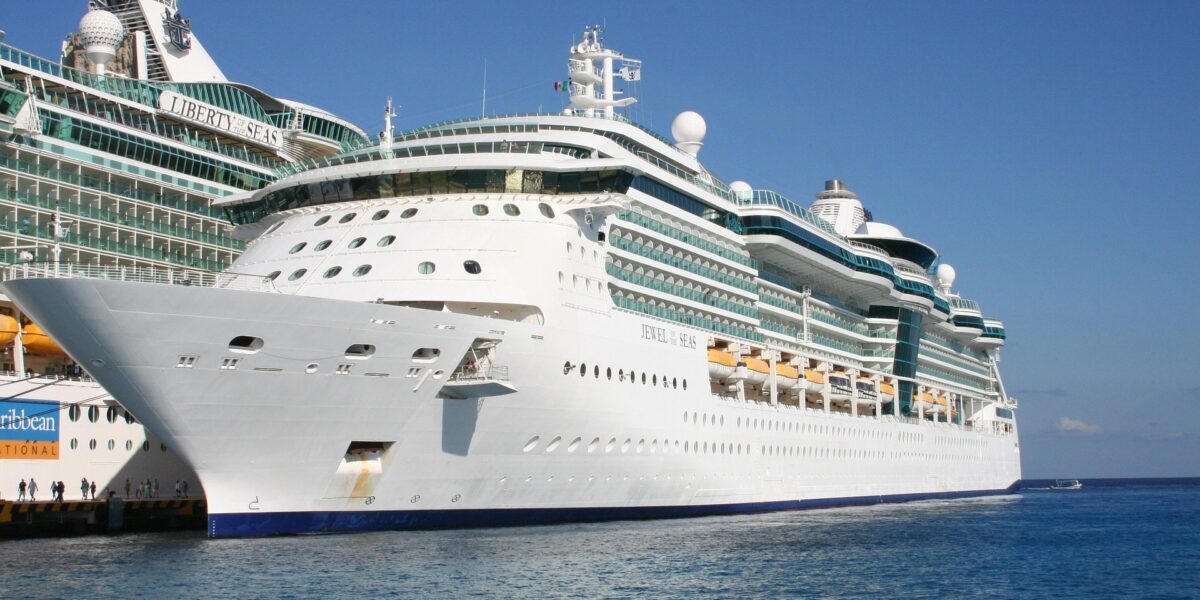
On a larger scale, Singapore is also a regional hub for international cruises. The Marina Bay Cruise Centre hosts ships from Royal Caribbean, Princess Cruises, and Dream Cruises, among others. It’s modern, spacious, and well-located near the downtown core.
If you’re planning to travel to Singapore as part of a cruise itinerary or hoping to extend your trip with an island hop, these maritime options add flexibility and variety. A good Singapore travel guide won’t skip this section — water routes are part of the city’s DNA.
Batam Fast Ferry: This app is a great choice for travelers who want to skip the queues. Key features include:
- Booking and confirming seats anytime, anywhere.
- Mobile e-boarding passes, which can save you from having to print a physical ticket at certain terminals.
- Exclusive access to the latest promotions and deals.


Compact City Transport
Singapore is frequently cited as one of the most transport-friendly cities in the world. With a seamless, affordable, and high-tech infrastructure, moving around is not just easy — it’s often a pleasure. For anyone using a Singapore travel guide to plan their trip, this section is essential.
The MRT (Mass Rapid Transit) system is the beating heart of city transport. Clean, punctual, and inexpensive, it connects all major districts, including Changi Airport, Orchard Road, Chinatown, Marina Bay, Little India, and Sentosa. Trains operate from around 5:30am to midnight, with high frequency during peak hours. The entire system is wheelchair-accessible, and announcements are made in English, Mandarin, Malay, and Tamil.
Buses complement the MRT network by covering areas not served by train. They’re air-conditioned, frequent, and extremely affordable. Riders can pay with EZ-Link or NETS FlashPay cards, or simply tap a contactless Visa or Mastercard using the SimplyGo system. Apps like MyTransport.SG and SG BusLeh provide live updates on bus arrivals and MRT disruptions — an essential tool when visiting Singapore during rainy season or peak travel times.
Cycling is on the rise too. While car traffic remains dense in the city core, dedicated bike lanes and the expanding Park Connector Network are encouraging locals and tourists to travel greener. Bike-sharing apps like Anywheel and SG Bike make it easy to rent and ride.
All of this contributes to why Singapore tourism is so stress-free. Whether you’re here for a short layover or a longer Singapore vacation, there’s no need to rent a car or rely on taxis. With digital tools, smart ticketing, and a polite commuting culture, getting around is both intuitive and enjoyable.
Top Cities Nearby
While Singapore is a compact city-state, it’s ideally positioned for short trips to vibrant destinations in neighbouring Malaysia and Indonesia. These nearby cities can be reached in a matter of hours, making them excellent options for weekend escapes or day trips.
Johor Bahru (Malaysia) is just across the Causeway in the north, accessible via bus, train, or taxi in under an hour depending on traffic. It offers lively street markets, family attractions like Legoland Malaysia, and a growing dining scene. Border crossing is straightforward, though travellers should allow extra time during weekends and public holidays.
To the northwest, Malacca is a UNESCO-listed heritage city famous for its colonial architecture, Peranakan culture, and vibrant Jonker Street night market. The drive or bus ride takes around 3.5–4 hours, making it ideal for an overnight stay.
By ferry from Tanah Merah, Batam in Indonesia is a quick 45-minute journey and is popular for seafood dining, golf resorts, and spa getaways. Slightly farther, Bintan offers luxury beach resorts, water sports, and a slower pace, reached in about an hour by high-speed ferry.
These nearby cities not only expand your travel experience beyond Singapore but also provide a fascinating cultural contrast. Transport connections are frequent and affordable, and using bus booking apps, train booking apps, or ferry aggregator apps makes planning your onward journey seamless. Whether you’re seeking shopping bargains, cultural heritage, or island relaxation, the surrounding region offers rewarding destinations that complement your Singapore adventure.
Unique & Scenic Ways to Travel
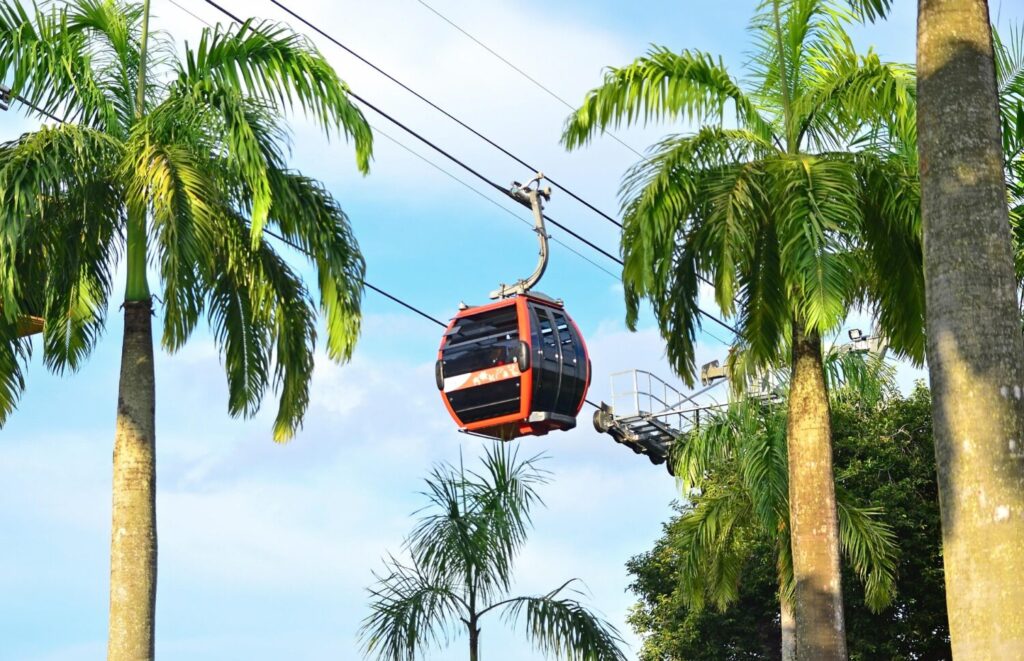
Singapore’s efficiency extends beyond its everyday MRT and bus services, offering travellers unique and scenic ways to get around that turn transport into part of the sightseeing experience. One of the most iconic is the Singapore Cable Car, which connects Mount Faber to Sentosa Island via panoramic gondolas. The ride offers sweeping views over Keppel Harbour, the city skyline, and lush greenery, making it a must for photographers. Tickets can be purchased online, at stations, or through attraction ticket apps for convenience and discounts.
On the waterfront, Singapore River Cruises provide a charming way to explore the historic heart of the city. The bumboats — modelled after traditional cargo vessels — glide past Clarke Quay, Boat Quay, and the illuminated skyline of Marina Bay. Evening cruises are particularly atmospheric, with city lights reflecting off the water.
Cycling is another scenic option, with extensive park connector networks linking nature reserves, coastal areas, and heritage districts. Anywheel and other bike-sharing services allow you to pick up and drop off bicycles at multiple points, making it easy to combine cycling with MRT or bus travel.
For those seeking a bird’s-eye view, the Singapore Flyer is technically an attraction, but it doubles as a unique form of slow-motion “travel” as you make a full 30-minute rotation over the city. While not a practical commuting tool, it’s an unforgettable way to experience the scale and layout of Singapore from above.
Whether it’s a breezy cable car ride, a nostalgic riverboat, or a leisurely bike tour along the waterfront, these scenic transport modes offer a different perspective on the city — perfect for adding variety to your itinerary.
Top Attractions
Singapore may be small in size, but it delivers big on sights and experiences. Its top attractions are globally recognised, technologically stunning, and culturally rich — making the city-state an ideal destination for first-time travellers and seasoned explorers alike. If you’re building your Singapore vacation around must-see stops, this is the place to begin.
Start with the Marina Bay Sands, a landmark not just for Singapore but for all of Asia. The SkyPark Observation Deck offers panoramic views of the city skyline, and the rooftop infinity pool (available to hotel guests) is one of the most photographed in the world. Just across the bay, you’ll find the ArtScience Museum, with its iconic lotus-shaped design and rotating exhibitions that blend art, science, and technology.
Adjacent to Marina Bay is the breathtaking Gardens by the Bay, featuring futuristic Supertree Grove, biodomes like the Flower Dome and Cloud Forest, and light shows in the evening that feel like something out of science fiction. For many, this is the highlight of their travel to Singapore — where nature meets innovation in the most spectacular way.
Another crowd-pleaser is Sentosa Island, Singapore’s playground for leisure and thrills. Home to Universal Studios Singapore, S.E.A. Aquarium, Adventure Cove Waterpark, beaches, zip-lines, and luxury resorts, Sentosa is a full day (or multi-day) destination, especially for families.
No Singapore travel guide would be complete without mentioning Chinatown, Little India, and Kampong Glam. These heritage districts are full of colourful shophouses, temples, mosques, and food stalls — giving travellers a taste of the country’s multicultural heart.
Other top attractions:
- Singapore Zoo & Night Safari
- Jewel Changi Airport with its rain vortex and canopy gardens
- Singapore Flyer (giant observation wheel)
- National Gallery Singapore
- Botanic Gardens (UNESCO World Heritage Site)
Whether you’re into nature, technology, shopping, history, or theme parks, Singapore tourism offers something for every type of traveller — all within easy reach thanks to the city’s compact layout.
Big Bus Tours Singapore
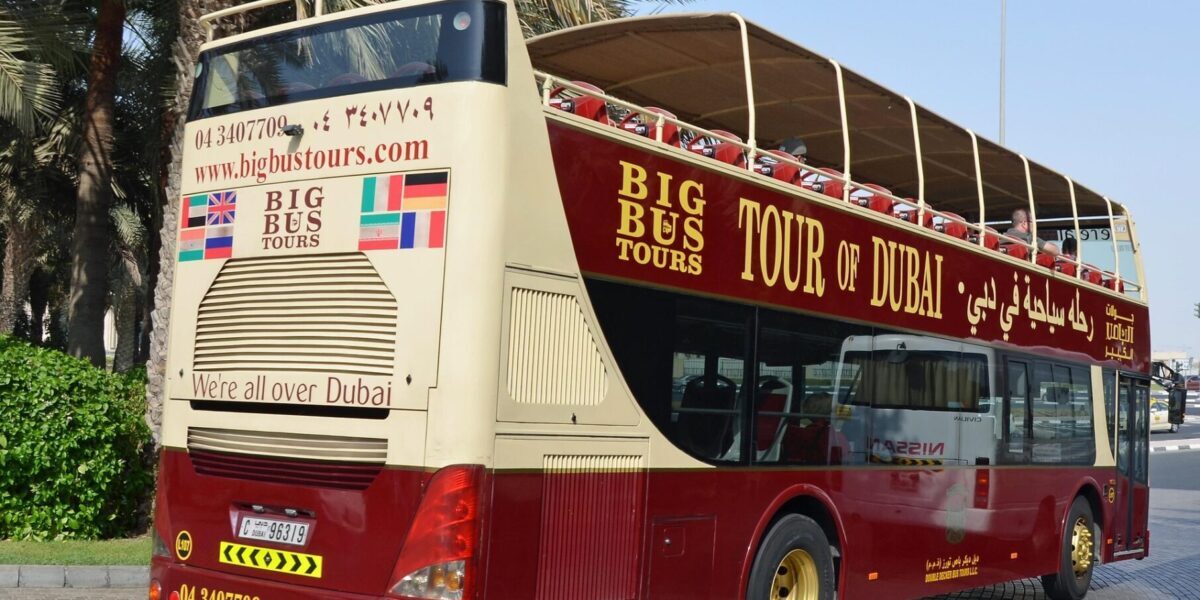
Singapore is one of the most rewarding cities to explore using the Big Bus Tours app, which connects visitors with multiple sightseeing routes and a memorable evening tour. The app provides live bus tracking, digital ticket storage, and audio commentary in seven languages — making it easy to plan a seamless day of discovery.
City Tour – Yellow Line
– Duration: 90 minutes
– Frequency: Every 25–40 minutes
The Yellow Line is the main sightseeing route, blending Singapore’s iconic landmarks with vibrant shopping districts. Starting from Suntec City Tourist Hub, the route covers highlights such as Marina Bay Sands, Gardens by the Bay, the Fullerton Hotel, and the Singapore River. It also takes in the Singapore Botanic Gardens and several stops along Orchard Road, making it perfect for combining sightseeing with retail therapy. Commentary is available in seven languages through complimentary headphones, providing insights into Singapore’s history, culture, and architecture.
Heritage Tour – Red Line
– Duration: 60 minutes
– Frequency: Every 25–35 minutes
The Red Line focuses on Singapore’s traditional districts and cultural quarters. Travellers can hop off to explore Little India, with its temples and bustling markets, or wander through Kampong Glam, home to the golden-domed Sultan Mosque and colourful Haji Lane. The route also stops in Chinatown, where attractions include the Buddha Tooth Relic Temple, Sri Mariamman Temple, and Maxwell Food Centre. Using the app, visitors can navigate between these districts with confidence, checking bus timings and nearby attractions in real time.
Night Tour
– Duration: 3–3.5 hours
– Departure: 6:15 pm from Suntec City
The Night Tour reveals Singapore’s skyline and nightlife in a whole new light. After boarding at Suntec City, the tour visits Marina Barrage for sweeping evening views, followed by Lau Pa Sat, where guests sample satay in Singapore’s oldest Victorian market. The highlight is the Supertree Grove light and sound show at Gardens by the Bay, an unmissable spectacle. The tour concludes with a drive past Clarke Quay and down Orchard Road, with the option to disembark early at Clarke Quay to enjoy the nightlife.
Ticket Options for Singapore
Discover Ticket
– Inclusions: Single-day pass for either Yellow or Red Line, free onboard commentary
– Approx. Price: $50 (adult) / $35 (child)
Essential Ticket
– Inclusions: 2-day hop-on hop-off access to both Yellow and Red Lines, free onboard commentary
– Approx. Price: $70 (adult) / $50 (child)
Explore Ticket
– Inclusions: 2-day hop-on hop-off (Yellow + Red), includes Night Tour, walking tour options
– Approx. Price: $85 (adult) / $65 (child)
Night Tour
– Inclusions: 3–3.5 hour evening tour with commentary, Lau Pa Sat food stop, Gardens by the Bay light show
– Approx. Price: $55 (adult) / $40 (child)



If you require further information or would like to book via desktop – visit the official website.
Hidden Gems & Local Secrets
Beyond its famous skyline and tourist landmarks, Singapore hides a treasure trove of lesser-known experiences that often surprise even seasoned travellers. These hidden gems are what give the city its depth — and they’re a crucial part of any well-rounded Singapore travel guide.
One such place is Tiong Bahru, one of Singapore’s oldest housing estates turned hipster enclave. It blends art deco architecture with indie bookstores, artisan bakeries, and murals that tell stories of old Singapore. You’ll find traditional kopi (coffee) shops next to contemporary galleries — a microcosm of the city’s cultural blend.
For nature lovers, the Labrador Nature Reserve offers coastal trails and World War II relics, far removed from the bustle of downtown. Unlike the more famous East Coast Park, Labrador remains quiet and peaceful, even on weekends. Nearby, Mount Faber Park provides panoramic views and connects to Sentosa via the Singapore Cable Car — an underrated way to see the city from above.
The official gateway to all things Sentosa, the MySentosa app is your essential companion for exploring Singapore’s famous island resort. It features a comprehensive map to guide you through the island’s many attractions, including the iconic Singapore Cable Car, and provides real-time information on events and happenings. The app also includes the ‘Islander’ loyalty program, where you can earn points and redeem exclusive vouchers for dining, attractions, and other perks, making it a must-have for maximizing your visit.
In the northeast, Pulau Ubin is a throwback to 1960s Singapore. This island — just a 10-minute bumboat ride from Changi Point Ferry Terminal — is home to gravel trails, wooden kampong houses, and wetlands filled with wildlife. Rent a bicycle and explore the island’s unpaved roads — it’s the closest thing to rural life in this ultra-modern nation.
Foodies will appreciate the lesser-known hawker centres like ABC Brickworks, Old Airport Road, and Changi Village Food Centre. These places offer everything from satay and nasi lemak to oyster omelettes, with fewer crowds than Maxwell or Lau Pa Sat.
Other quiet corners worth exploring:
- Joo Chiat and Katong for Peranakan culture and shophouses
- Haw Par Villa, a surreal park of Chinese mythology
- Thow Kwang Pottery Jungle, home to one of Singapore’s last dragon kilns
These offbeat destinations show a different side of the city. If you’re planning a longer Singapore vacation, or just want to escape the crowds, they’re ideal places to slow down and experience the authentic heartbeat of the island.
Exploring smaller, lesser-known districts is easier when you plan routes with one of the apps in our local transport apps guide, which covers bus, MRT, and walking connections in detail.
Historical Highlights & Landmarks
Singapore’s history is woven into its streets, architecture, and cultural landmarks, offering a fascinating journey through centuries of trade, colonial rule, wartime occupation, and rapid modernisation. Exploring these historical highlights gives visitors a deeper appreciation of the city beyond its sleek skyline.
One of the most significant sites is Fort Canning Park, a hilltop green space that has served as a military base, royal seat, and colonial command centre. Today, its paths lead past archaeological digs, historic gates, and the Battle Box — a preserved underground command bunker from World War II.
In the Civic District, you’ll find some of Singapore’s most elegant colonial-era buildings. The National Gallery Singapore, housed in the former Supreme Court and City Hall, preserves the architecture while showcasing Southeast Asian art. Nearby, the Victoria Theatre and Concert Hall and The Arts House (formerly the Old Parliament House) stand as reminders of Singapore’s British colonial past.
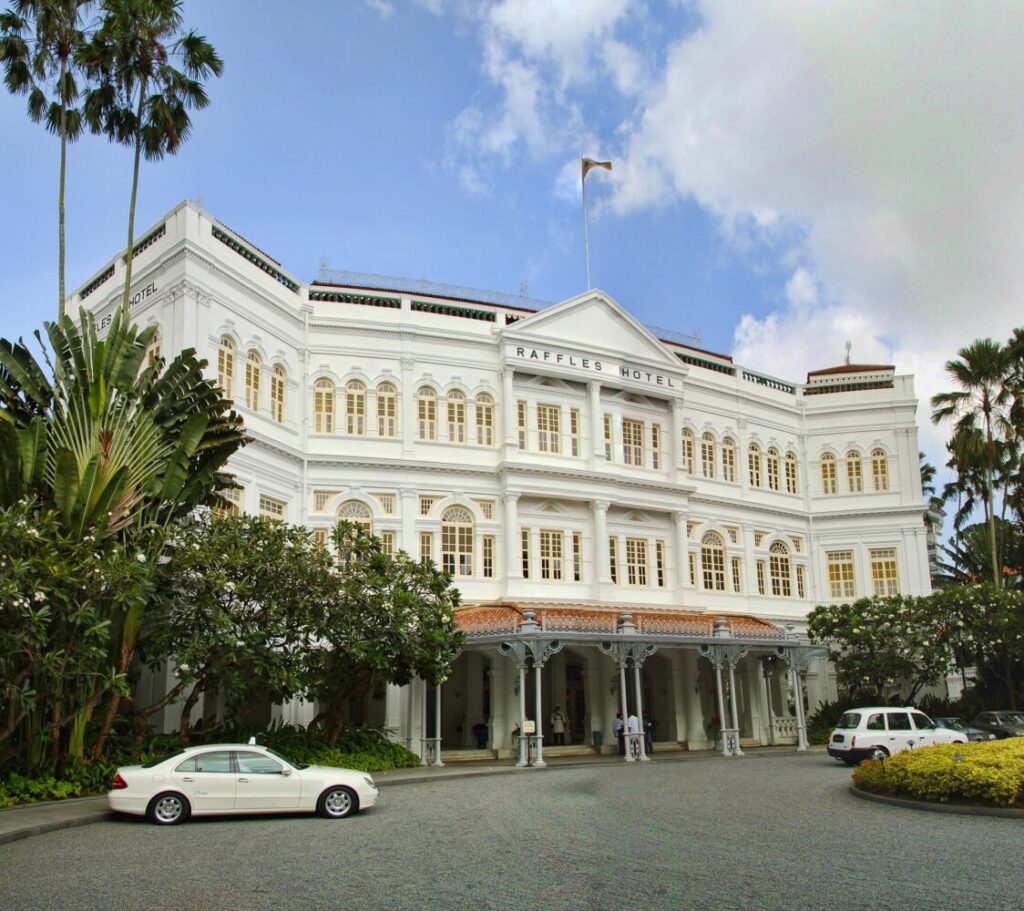
Raffles Hotel, an icon of luxury since 1887, offers a glimpse into Singapore’s glamorous early tourism era. Its white colonial façade and famous Long Bar — birthplace of the Singapore Sling — are a nod to a time when the city was a key stopover on imperial trade routes.
In Chinatown, heritage shophouses line the streets alongside temples like the Buddha Tooth Relic Temple and Thian Hock Keng Temple, one of the oldest Hokkien temples in the city. Meanwhile, Little India is home to the colourful Sri Veeramakaliamman Temple, built in the late 19th century by Indian pioneers.
For a moving account of Singapore’s wartime history, visit the Kranji War Memorial, which honours Allied soldiers who lost their lives during the Japanese occupation. Similarly, the Changi Chapel and Museum tells personal stories of resilience and sacrifice during World War II.
Another landmark steeped in history is Lau Pa Sat, a Victorian-era market building in the heart of the financial district, which has transformed from a colonial wet market into a popular hawker centre.
These sites are spread across the island, but with Singapore’s efficient transport network, they can be explored in just a few days. Using local transport apps can help you plan an itinerary that connects multiple landmarks, allowing you to explore Singapore’s rich history with ease. Whether you’re drawn to colonial grandeur, religious heritage, or wartime stories, the city’s landmarks tell the tale of a place shaped by its past yet firmly focused on the future.
Indoor Attractions & Rainy-Day Ideas
Thanks to its tropical climate, Singapore sees frequent bursts of rain — especially during the Northeast Monsoon season (November to January). Fortunately, there’s no shortage of indoor attractions to explore when the skies open up. Whether you’re looking for culture, shopping, or pure entertainment, this part of your Singapore vacation will stay high and dry.
One of the best rainy-day options is Jewel Changi Airport. Even if you’re not flying, Jewel is worth the visit for its architectural beauty and sheer variety of experiences. The world’s tallest indoor waterfall, the Rain Vortex, sits at its heart, surrounded by indoor gardens, canopy bridges, a mirror maze, and over 300 shops and restaurants.
Art and culture lovers should head to the National Gallery Singapore, housed in the beautifully restored City Hall and Supreme Court buildings. It boasts the world’s largest public collection of Singaporean and Southeast Asian modern art. For something more interactive, the ArtScience Museum combines technology and design in its cutting-edge exhibitions — ideal for families and curious minds alike.
Shoppers can indulge at ION Orchard, VivoCity, or The Shoppes at Marina Bay Sands, all offering extensive food courts and entertainment zones. For a unique twist, try Bugis+ or Funan Digital Mall, which mix retail with gaming zones, VR centres, and even indoor cycling tracks.
Kids (and the young-at-heart) will love indoor amusement options like:
- HeadRock VR at Sentosa
- Kidzania Singapore
- Snow City, Singapore’s only indoor snow playground
Finally, hawker centres and food courts are sheltered and social spaces, perfect for tasting local delicacies while you wait out the rain. Rainy weather is no barrier to adventure in this city — and any great Singapore travel guide will help you make the most of it.
Shopping & Markets
Singapore is a shopper’s paradise, with everything from glittering luxury malls to colourful street markets offering unique finds. At the heart of the retail scene is Orchard Road, a 2.5 km boulevard lined with flagship department stores, designer boutiques, and sprawling shopping centres like ION Orchard, Ngee Ann City, and Paragon. Here, you’ll find the latest fashion, electronics, and beauty brands, often paired with gourmet dining options under the same roof.
For a more local experience, Bugis Street Market is one of Singapore’s most famous budget shopping spots. Packed with over 600 stalls, it’s a treasure trove of affordable clothing, accessories, souvenirs, and street snacks. Prices are negotiable, and the market stays lively well into the evening.
Chinatown Street Market offers a mix of traditional Chinese goods, handmade crafts, and modern souvenirs, while Little India’s Tekka Centre combines fresh produce, spice stalls, and fabric shops in a vibrant indoor market setting. For a distinctly Malay flavour, head to Geylang Serai Market, which showcases textiles, handicrafts, and halal food.
High-end shoppers shouldn’t miss The Shoppes at Marina Bay Sands, where luxury brands sit alongside celebrity-chef restaurants and a canal complete with gondola rides. For quirky finds, Haji Lane in the Kampong Glam district features independent boutiques, vintage clothing stores, and creative concept shops.
Singapore’s markets are also food havens, often connected to hawker centres serving authentic local dishes at budget-friendly prices. Payment is increasingly cashless, and many stalls now accept contactless cards and mobile wallets. If you want to score event or seasonal sale deals, shopping apps and discount card apps can help you plan purchases and maximise savings.


City Passes, Discount Cards & Tourism Bundles
For travellers who want to see and do as much as possible while saving money, Singapore offers a variety of city passes, discount cards, and tourism bundles. These products bundle entry tickets to multiple attractions, public transport options, and sometimes even dining vouchers into a single purchase — ideal for short stays where you plan to visit several major sights.
The Singapore Tourist Pass (STP) is one of the most popular, giving unlimited travel on MRT, LRT, and public buses for 1, 2, or 3 consecutive days. This pass is particularly good value if you’re using public transport multiple times per day. It can be purchased at Changi Airport MRT station, selected TransitLink ticket offices, and online via official channels.
For attraction-focused sightseeing, the Singapore Pass and the Go City Singapore All-Inclusive Pass include entry to major highlights such as the Singapore Flyer, Gardens by the Bay, and the S.E.A. Aquarium. These passes often come with “skip-the-line” privileges, saving you time during peak hours. Some also include hop-on hop-off sightseeing bus tickets, making it easier to get between attractions without worrying about navigation.
Digital bundles are increasingly popular, with apps and websites offering fully mobile passes that can be scanned directly at attractions. This not only saves paper but also makes it easy to track what’s included and how much value you’ve used. Keep an eye out for seasonal promotions or family packages, which can further reduce costs.
Before purchasing any pass, it’s important to check the list of included attractions, validity period, and whether transport coverage matches your travel needs. Some bundles are better suited to first-time visitors aiming to hit the big-ticket sights, while others focus on niche experiences like cultural tours or wildlife parks. Using attraction ticket apps can help you compare bundles and find the best deal for your itinerary.


Parks, Gardens & Green Spaces
Singapore’s reputation as a “City in a Garden” is well earned, with lush parks, manicured gardens, and tropical green spaces woven into its urban fabric. Even in the heart of the city, you’re rarely more than a short walk or MRT ride from a tranquil escape into nature.
One of the crown jewels is Gardens by the Bay, an award-winning waterfront park featuring the futuristic Supertree Grove, the climate-controlled Flower Dome and Cloud Forest, and a series of themed outdoor gardens. The park is open daily, and many outdoor areas are free to enter, though the conservatories require paid admission. Evening visitors can enjoy the Garden Rhapsody light and sound show at the Supertrees — a must-see experience.
Singapore Botanic Gardens – UNESCO World Heritage Site
For something more traditional, the Singapore Botanic Gardens provide a peaceful retreat of sweeping lawns, lakes and themed plant zones such as the celebrated National Orchid Garden. Open from 5 am to midnight and free to enter (except the Orchid Garden), it’s a favourite spot for joggers, families and anyone seeking a calm green break from city life.
Getting there is simple:
- MRT: Take the Downtown (DTL) or Circle Line (CCL) to Botanic Gardens station (CC19/DT9) for the Bukit Timah Gate, or ride the Thomson–East Coast Line (TEL) to Napier station (TE12) for the Gallop / Nassim Gate. From Napier MRT it’s an 8–10 minute walk (about 600–700 m) along Napier Road to the Gallop entrance.
- Bus: Direct services 75, 77, 106, 174 and 855 stop at Singapore Botanic Gardens (Stop 13019) or Opp Singapore Botanic Gardens (Stop 13011), putting you a few minutes from the gates.
Shaded paths, regular benches and drinking fountains make the gardens easy to explore even in the midday heat. Whether you plan a short stroll, a family picnic or a deeper look at tropical plant collections, this world-class park is one of Singapore’s most rewarding natural spaces.
East Coast Park, stretching over 15 km along the southeastern coast, is perfect for cycling, rollerblading, or simply relaxing by the beach. The park is dotted with food centres, BBQ pits, and rental shops for bikes and skates, making it a lively weekend destination.
Nature enthusiasts shouldn’t miss MacRitchie Reservoir Park, which offers forest trails, kayaking, and the popular TreeTop Walk — a suspension bridge offering panoramic views over the rainforest canopy. In the north, Sungei Buloh Wetland Reserve showcases mangroves, mudflats, and migratory birds, providing an important habitat for wildlife and a peaceful environment for visitors.
For elevated views and landscaped trails, Mount Faber Park is a highlight, linked by the Southern Ridges walkway to HortPark and Kent Ridge Park. This scenic route features canopy walks, nature trails, and dramatic views over the harbour.
With Singapore’s tropical climate, it’s best to explore parks in the early morning or late afternoon. Many parks have water fountains, rest areas, and wheelchair-friendly paths. To find the best routes, track walking distances, or discover hidden trails, apps like NParks Explore a Route or other local transport apps can help plan your journey. Whether you prefer manicured gardens or wild rainforest reserves, Singapore’s green spaces offer a refreshing balance to the city’s urban energy.


Seasonal Highlights & Annual Events
One of the best ways to experience local culture is by timing your trip to match Singapore’s festivals and seasonal events. From grand parades to light shows and global sporting events, the calendar is packed with reasons to visit year-round. Every Singapore travel guide should highlight a few of these — they add colour and excitement to any itinerary.
Chinese New Year is one of the biggest celebrations of the year, typically falling between late January and mid-February. During this period, streets in Chinatown come alive with lanterns, dragon dances, and festive markets. Don’t miss the River Hongbao at Marina Bay, which features fireworks, performances, and traditional snacks.
Hari Raya Aidilfitri, celebrated by the Malay-Muslim community, is another major event. Head to Geylang Serai Bazaar, where you’ll find colourful lights, festive clothes, and amazing food stalls. Around the same time, Deepavali, the Hindu Festival of Lights, transforms Little India with oil lamps, kolam art, and temple rituals.
If you’re planning to travel to Singapore in August, National Day (August 9) is unmissable. Expect military parades, aerobatic displays, and a dazzling fireworks show — all celebrating Singapore’s independence.
Other highlights include:
- Thaipusam (January/February): A Hindu procession of devotion and endurance
- Singapore Art Week (January): Citywide exhibitions and installations
- Singapore Food Festival (July): Showcasing culinary diversity through pop-ups and tastings
- F1 Singapore Grand Prix (September): A night street race and concert extravaganza
- Mid-Autumn Festival (September): Lanterns and mooncakes in Chinatown and Gardens by the Bay
- Christmas Wonderland (December): Massive light displays at Gardens by the Bay
Singapore also holds seasonal sales (Great Singapore Sale in June–July) and international conferences like Singapore FinTech Festival, drawing business travellers and digital nomads.
From cultural roots to global spotlights, these events add depth to your experience. Whether you’re visiting Singapore for five days or fifty, aligning with local festivities makes your trip even more memorable — and a highlight of your Singapore tourism journey.
Singapore’s weather can change fast, especially during event season — our weather apps guide highlights reliable tools for real-time radar and accurate forecasts so you can adjust plans on the go.
Day Trips
Singapore’s compact size makes it perfect for day trips that showcase the diversity of the surrounding region. Just across the causeway, Johor Bahru in Malaysia is a favourite escape for locals, offering large shopping malls, theme parks like Legoland Malaysia, and a vibrant street food culture. Buses, trains, and taxis make the journey in under an hour, though you should allow time for border formalities.
Nature lovers can head to Pulau Ubin, a rustic island northeast of Singapore reached by bumboat from Changi Point Ferry Terminal. The island’s traditional kampong (village) atmosphere, cycling trails, and Chek Jawa wetlands make it a refreshing contrast to the city’s modern pace.
Kusu Island and St John’s Island are accessible via Marina South Pier and offer quiet beaches, walking trails, and picnic spots — ideal for a relaxing afternoon. These islands are perfect for travellers who want to experience Singapore’s natural heritage without venturing too far.
For history enthusiasts, Malacca in Malaysia is within a 4-hour drive or bus ride and boasts UNESCO-listed architecture, Peranakan culture, and bustling night markets. Meanwhile, ferry services to Batam and Bintan in Indonesia provide easy access to beach resorts, golf courses, and spa retreats, making them great choices for short escapes.
For hassle-free travel between Singapore and Malaysia, look no further than Easybook. This all-in-one app is your go-to for comparing and booking bus, train, and ferry tickets across a vast network of routes and operators. It’s perfect for finding the best price, skipping the ticket counter queue, and managing all your cross-border travel plans in one convenient place


Where & What to Eat
Food is not just a necessity in Singapore — it’s a national obsession. A defining pillar of local identity, cuisine here reflects the city’s multicultural heritage and is an unmissable part of any Singapore travel guide. Whether you’re eating from a S$3 hawker stall or indulging in a Michelin-starred tasting menu, visiting Singapore means eating well.
Start with the classics. No trip is complete without tasting Hainanese chicken rice — available everywhere from food courts to fine dining establishments. Other must-try dishes include:
- Char kway teow (wok-fried noodles)
- Laksa (spicy noodle soup with coconut milk)
- Chilli crab (iconic and messy but worth it)
- Satay (grilled skewers with peanut sauce)
- Nasi lemak (coconut rice with fried anchovies, egg, and sambal)
The best place to sample these is at hawker centres, which are UNESCO-listed for their cultural value. Popular spots include Maxwell Food Centre, Lau Pa Sat, and Tiong Bahru Market. These buzzing venues bring together dozens of stalls under one roof, each with a loyal following.
For international cuisine, head to Arab Street for Middle Eastern fare, Little India for Tamil thalis and biryanis, or Jalan Besar for Vietnamese pho and Thai noodles. Upscale experiences can be found at Marina Bay Sands, where celebrity restaurants like CUT by Wolfgang Puck and Waku Ghin elevate the dining scene.
Street food and fine dining aren’t mutually exclusive in Singapore. In fact, even hawker stalls have earned Michelin recognition — most famously, Hawker Chan, known for its soy sauce chicken rice.
Want to avoid queues and get the best tables? Download apps like Chope and Quandoo to make reservations and earn points. Many restaurants also accept bookings via Google Maps integration.
And don’t forget dessert. Try ice kachang (shaved ice with beans and syrup), chendol, or a slice of kueh lapis — a layered cake that showcases Peranakan flavours.
Whether you’re on a budget or splurging on a gourmet experience, Singapore offers some of the world’s most diverse and rewarding culinary landscapes. Food is where culture, history, and innovation meet — and a must-have focus in any Singapore vacation itinerary.


Where to Stay
Singapore offers a wide range of accommodation options to suit every budget and preference — from sleek city hotels and riverside hostels to boutique heritage stays and sky-high luxury. Whether you’re planning a weekend getaway or a longer Singapore vacation, choosing the right area and style of stay is key to maximising your experience.
First-time visitors often gravitate toward Marina Bay, where iconic properties like Marina Bay Sands and The Fullerton Hotel offer stunning skyline views, rooftop pools, and direct access to the city’s top attractions. For shopping and nightlife, Orchard Road is a favourite, while culture lovers may prefer the historic vibes of Kampong Glam, Chinatown, or Little India.
Travellers on a tighter budget can find quality hostels and capsule hotels around Bugis, Lavender, and Clarke Quay, all of which are well-connected by MRT. Backpacker-friendly options include The Pod Boutique Capsule Hotel and the ultra-modern ST Signature co-living spaces.
Singapore’s boutique hotel scene is growing fast, with stylish stays in converted shophouses, such as Hotel Indigo Katong and The Scarlet Singapore, offering charm and character. Many of these blend colonial, Peranakan, and Art Deco influences — ideal for travellers seeking more than just a place to sleep.
Raffles Hotel – Opened in 1887, this legendary colonial-era hotel is a Singapore icon, famed for its elegant architecture, palm-lined courtyards, and world-class service. It’s also the birthplace of the Singapore Sling cocktail, still served in the historic Long Bar.
Wherever you choose to stay, convenience is key. With public transport covering the entire city, almost every hotel is within walking distance of an MRT station — a huge plus for anyone visiting Singapore without a car.
This Singapore travel guide recommends booking early, especially during major events like Chinese New Year or the F1 Grand Prix, when hotels fill fast and prices surge. Use trusted booking platforms and compare deals — and don’t forget to check for mobile-exclusive discounts via hotel apps.
Singapore Hotel Grid – Editor’s Picks
| Hotel Name | Type | Location | Key Features | Price Range (per night) |
|---|---|---|---|---|
| Marina Bay Sands | Luxury | Marina Bay | Rooftop infinity pool, SkyPark, direct MRT access | $$$$ |
| The Scarlet Singapore | Boutique | Chinatown | Heritage shophouse, rooftop bar | $$$ |
| Hotel Boss | Mid-range | Lavender | Outdoor pool, near Arab Street | $$ |
| ST Signature Bugis | Capsule / Co-living | Bugis | Smart pods, social spaces, self check-in | $–$$ |
| The Fullerton Hotel | Luxury Heritage | Marina Bay | Colonial-style, riverside dining, spa | $$$$ |
| Hotel G Singapore | Affordable Design | Bencoolen | Instagram-worthy interiors, gym | $$ |
Major International Hotel Chains in Singapore
| Hotel Chain | Present in Singapore? | Locations in City | Number of Properties |
|---|---|---|---|
| Accor | ✅ | Novotel, Sofitel, ibis, Mercure in multiple districts | 20+ |
| Hilton | ✅ | Hilton Orchard, Hilton Garden Inn Serangoon | 3 |
| Marriott | ✅ | JW Marriott, Marriott Tang Plaza, Four Points | 4 |
| IHG (InterContinental) | ✅ | InterContinental, Holiday Inn, Voco | 5 |
| Hyatt | ✅ | Grand Hyatt Orchard, Andaz Singapore | 2 |
| Radisson | ✅ | Radisson Blu at Marina Bay | 1 |
| Wyndham | ✅ | Ramada by Wyndham, Days Hotel Zhongshan Park | 2 |
| Best Western | ✅ | Best Western Premier Amara | 1 |
| Choice Hotels | ❌ | Not currently operating in Singapore | 0 |
Whether you’re brand-loyal or just want hotel points, this Singapore travel guide confirms: major hotel groups are well represented across the island.
When you’re ready to choose accommodation, the hotel booking apps guide will help you compare rates, filter by amenities, and check guest reviews all in one place.
Nightlife
Singapore’s nightlife scene blends cosmopolitan sophistication with a lively local edge, offering something for every mood and budget. The city’s bars and clubs are clustered in vibrant districts, each with its own vibe. Clarke Quay is the most famous, with waterfront terraces, live music venues, and dance clubs drawing both locals and tourists. Nearby, Boat Quay is smaller and more intimate, ideal for casual drinks with a view of the Singapore River.
For rooftop glamour, venues like Ce La Vi atop Marina Bay Sands and 1-Altitude offer breathtaking skyline views alongside signature cocktails. Ann Siang Hill and Club Street in Chinatown are popular with the after-work crowd, featuring trendy wine bars and speakeasies.
If theatre and live performance are more your style, the Esplanade – Theatres on the Bay hosts everything from orchestral concerts to contemporary dance. Smaller independent venues like The Projector offer film screenings and cultural events into the night.
Music lovers can catch international DJs and live bands at venues such as Marquee Singapore in Marina Bay Sands or Zouk, a clubbing institution since the 1990s. For something more laid-back, Haji Lane offers indie bars, street art, and an eclectic café culture that stays lively well into the evening.
Getting home after a night out is straightforward thanks to taxi hailing apps and late-night bus services, many of which run until the early hours on weekends. Whether you want high-energy dancing, riverside cocktails, or world-class performances, Singapore’s nightlife is as diverse and dynamic as the city itself.
Toilets & Accessibility
Singapore is one of the most accessible and hygienic cities in Asia — and that includes its public facilities. For any traveller, knowing where to find clean, safe toilets and how accessible a city is can be crucial. Fortunately, Singapore tourism makes both areas a priority.
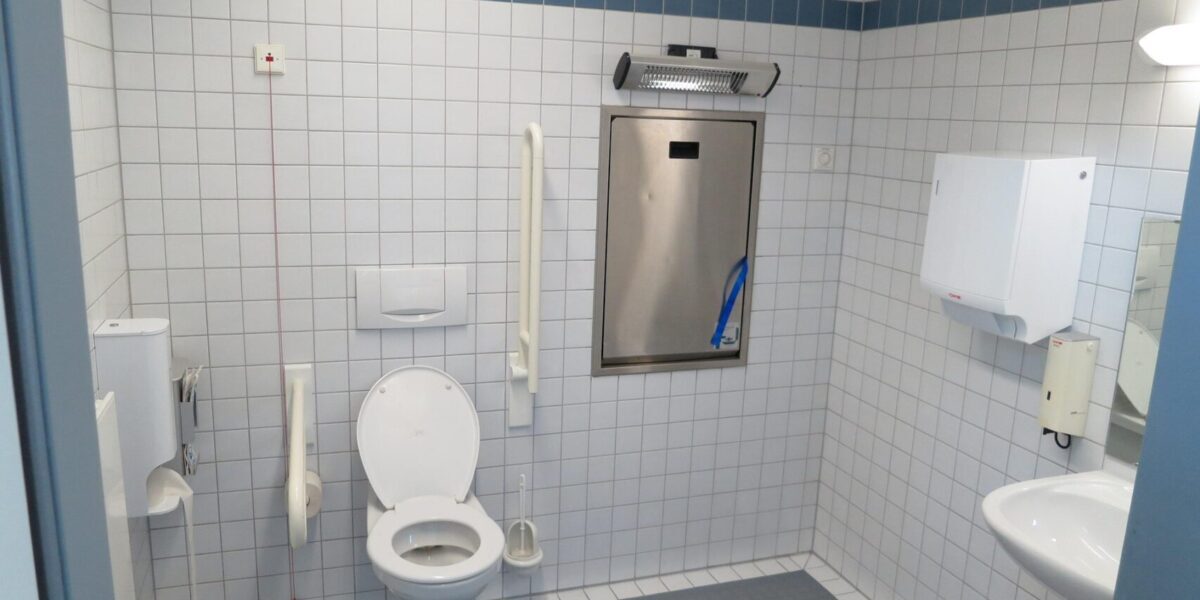
Public toilets are widely available in MRT stations, malls, hawker centres, parks, and museums. They’re generally clean, well-maintained, and free to use. Most are equipped with Western-style seats, toilet paper, and hand soap. Shopping malls often have family restrooms and baby-changing stations, making them ideal stops for families with young children.
For those with mobility needs, the city excels in accessibility. Most MRT stations feature elevators, tactile ground surfaces, barrier-free routes, and audible announcements. Public buses are wheelchair-accessible, with retractable ramps and designated seating. Sidewalks are smooth and wide, and crossings have audio signals for the visually impaired.
Accessible toilets are marked with the wheelchair symbol and can be found in all major public buildings. Many attractions, including Gardens by the Bay, National Gallery Singapore, and the Zoo, offer wheelchair rentals and designated access routes.
Apps like SG Enable and Wheelchair Friendly Singapore provide maps of accessible routes, parking, and restrooms. These are useful tools for planning your Singapore vacation, especially if you’re travelling with elderly parents, young children, or anyone with additional needs.
This Singapore travel guide strongly recommends using MRT and mall facilities as your go-to stops. Clean, inclusive, and convenient — it’s a city that sets global standards in accessibility.
Weather & Best Time to Visit
Singapore is located just north of the equator, which means it experiences a hot and humid tropical climate year-round. There are no real seasons here — just warm days, occasional downpours, and constant greenery. For anyone planning a Singapore vacation, understanding the local weather will help you pack and plan accordingly.
Temperatures usually range from 24°C (75°F) to 32°C (90°F), with high humidity levels of 80% or more. You’ll rarely need a jacket, but you’ll always need an umbrella. Rain can fall at any time, but showers are typically brief and followed by sunshine.
There are two key monsoon periods:
- Northeast Monsoon (November to January): Brings the heaviest rain and occasional thunderstorms.
- Southwest Monsoon (June to September): Generally lighter showers, with occasional hazy days due to regional burning.
For outdoor activities like visiting Gardens by the Bay, Sentosa, or the Singapore Botanic Gardens, early mornings and evenings are best. Midday sun can be intense, especially when combined with the urban heat. Always carry water, sunscreen, and a foldable umbrella.
If your trip centres on shopping, museums, or festivals, there’s no bad time to go. Major events like Chinese New Year, F1 Night Race, and Christmas Wonderland each offer unique weather considerations, but the city is prepared year-round.
Any good Singapore travel guide will tell you the weather is predictable, if not perfect. Plan for the heat, expect occasional rain, and enjoy a tropical getaway that’s just as vibrant under clouds as it is in the sun.
For popular spots that draw long queues, consider using our attraction ticket apps guide to book mobile tickets in advance, skip the lines, and keep all your confirmations in one place on your phone.
eSIMs & Connectivity
Staying connected in Singapore is easy, affordable, and fast. With widespread 4G and 5G coverage, free public WiFi in many locations, and multiple eSIM options, you’ll have no trouble navigating, translating, or booking activities on the go. For any modern Singapore travel guide, connectivity is a must-cover topic.
The city has three major telecom providers: Singtel, StarHub, and M1. All offer reliable high-speed networks with excellent urban and indoor coverage. Travellers can purchase physical SIM cards upon arrival at Changi Airport, convenience stores, or shopping malls. However, for many tourists, eSIMs are the smarter option.
eSIMs can be activated instantly via apps like Airalo, Nomad, or Holafly, offering packages with local data and no physical installation required. These are particularly helpful for short stays or if you’re planning to hop across Southeast Asia with a single data plan. For longer trips, Singtel and M1 both offer tourist-specific eSIM bundles with generous data allowances.
Free public WiFi is also available at MRT stations, libraries, malls, and selected hawker centres under the Wireless@SGx network. Registration requires a local number or a one-time code via SMS, which is easy once your SIM is active.
From booking Grab rides to checking MRT schedules and restaurant reviews, having a solid connection transforms how you travel to Singapore. This Singapore tourism hub is a model of digital infrastructure — even in places like Sentosa’s beaches or Botanic Gardens, coverage remains strong.
For those planning a connected Singapore vacation, set up your eSIM before landing or get one at the airport. It’s one less thing to worry about — and one more reason the city is so easy to enjoy.
Stay connected without roaming charges by using tools from our eSIM apps guide, which compares global and regional data packages that work instantly on arrival.
Laws, Safety & Warnings
Singapore is widely regarded as one of the safest cities in the world — but it’s also one of the most tightly regulated. Understanding local laws and safety standards will not only keep you out of trouble but will enhance your respect for this incredibly well-run city. Any responsible Singapore travel guide should explain the essentials.
First, the basics: violent crime is extremely rare, and petty theft is uncommon. The police are visible, efficient, and approachable. Surveillance cameras are widespread, adding to the city’s sense of order and security. You can walk alone at night, take public transport late, and feel safe almost anywhere.
However, laws are strict — and enforcement is real. Chewing gum is banned for import and sale, and littering, jaywalking, and smoking in non-designated areas can result in hefty fines. Drug offences carry severe penalties, including capital punishment. Even failing to flush a public toilet can result in a fine.
Common safety and legal reminders for travellers include:
- No eating or drinking on public transport
- Cross roads only at designated crossings
- Vaping is illegal and e-cigarettes are banned
- Alcohol sales are restricted after 10:30pm
- Public displays of disorderly conduct (even small outbursts) can lead to fines
If you’re visiting Singapore with prescription medication, check that it’s legal in the country. Some common ingredients in sleeping aids and ADHD medication are classified as controlled substances.
Emergency numbers are simple: 999 for police, 995 for ambulance and fire. Most locals speak English, and emergency services are fast and reliable.
Singapore’s combination of order, safety, and low crime contributes to its reputation as a model city. For travellers, this means peace of mind — and a chance to explore freely during your Singapore vacation without fear or stress.
Unexpected events can disrupt even the best-planned trip — our travel insurance apps guide shows how to compare cover and buy policies directly from your phone.
Religious Customs & Behaviour in Sacred Spaces
Singapore’s rich cultural mix means that religious customs and sacred spaces are a natural part of daily life. Visitors are welcome to enter many temples, mosques, and churches, but understanding and respecting local practices is essential.
In Buddhist and Taoist temples, such as the Buddha Tooth Relic Temple in Chinatown, modest dress is expected — shoulders and knees should be covered. Hats are usually removed, and photography rules vary, with some shrines prohibiting photos entirely. Visitors should move quietly and avoid blocking worshippers during prayers or ceremonies.
At Hindu temples like Sri Mariamman Temple, you’ll need to remove your shoes before entering. Some areas may be restricted to devotees only, and photography should be done discreetly. During festivals like Thaipusam or Deepavali, these temples can be especially busy, so patience and respect for crowd control measures are important.
In mosques, including the historic Sultan Mosque in Kampong Glam, modest attire is essential. Women may be asked to wear a headscarf, which is often provided for free. Shoes must be removed before entering the prayer hall, and visitors should avoid entering during prayer times unless invited.
Christian churches, such as St Andrew’s Cathedral, are generally more relaxed but still require respectful dress and behaviour. Services may be open to the public, but talking during sermons or walking around during worship is discouraged.
Regardless of faith, sacred spaces in Singapore are places of active worship, not just tourist attractions. Always look for signage explaining rules, follow the lead of locals, and ask politely if you’re unsure. Many sites provide free leaflets or guided tours to explain the religious and cultural significance of the location. For those interested in learning more, translation apps can be useful for understanding signage and ceremonial details, enriching your visit while ensuring you remain respectful.
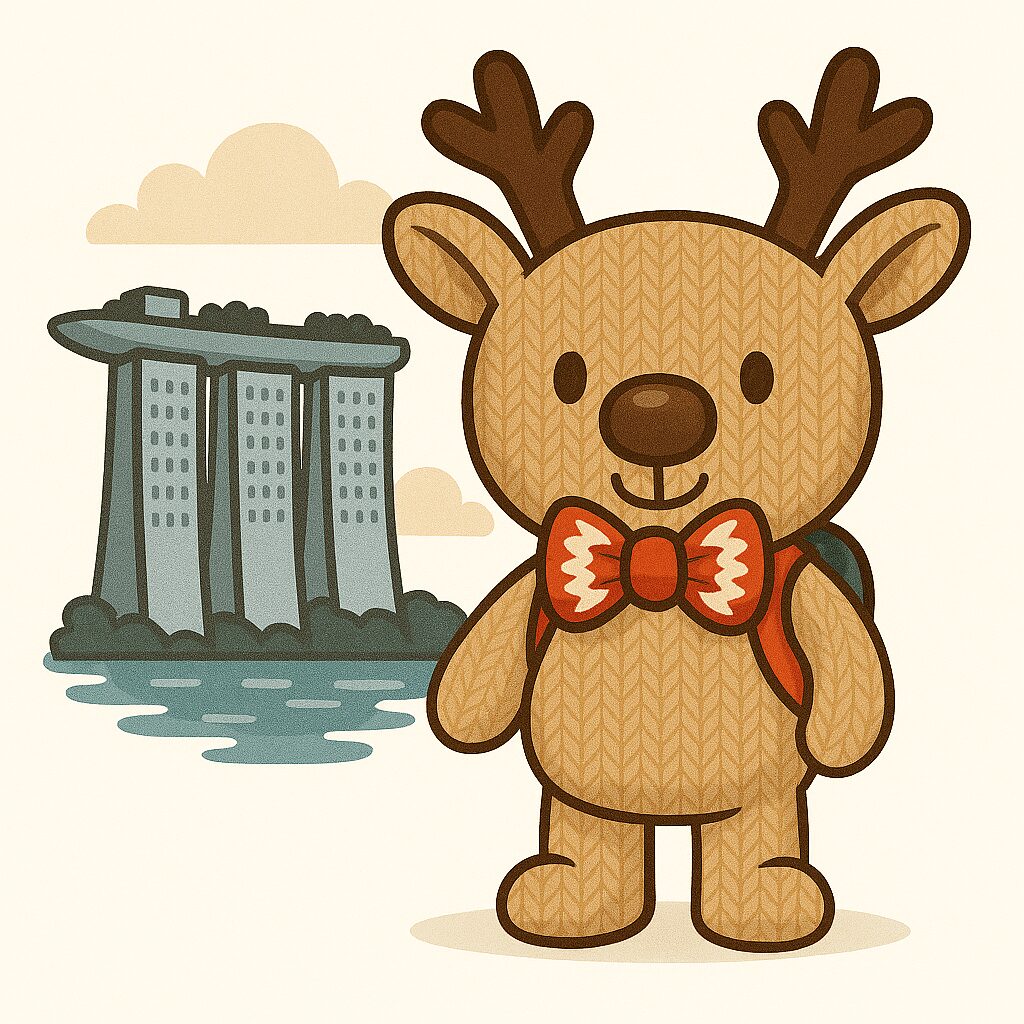
Rupert’s Handy Travel Tips
Singapore is one of the easiest cities in the world to explore with apps. Here’s how to get the most from them while keeping your trip smooth and stress-free:
- Use multiple transport apps – Pair MyTransport.SG for official updates with Grab for taxis and Citymapper for route planning.
- Enable cashless payments – Link your card to PayNow or GrabPay; many hawker centres now accept QR code payments.
- Track food hotspots – Use restaurant booking apps like Chope or Quandoo to reserve seats at popular eateries.
- Plan for attractions – Book Gardens by the Bay or Sentosa tickets through apps like Klook to skip queues.
- Stay weather-ready – Singapore’s tropical climate changes quickly; a reliable weather app helps dodge sudden showers.
- Connect with an eSIM – Avoid roaming costs by installing a travel eSIM before you land at Changi Airport.
Want to meet the reindeer behind our travel tips? Find out more in our page Who is Rupert?.
Frequently Asked Questions
Yes, Singapore is one of Asia’s pricier cities, especially for accommodation and alcohol. That said, affordable hawker food, free attractions like Gardens by the Bay, and efficient public transport help balance costs.
Absolutely. English is one of the official languages and is used in government, signage, education, and daily conversation. You’ll have no trouble communicating across the city.
Many nationalities can enter visa-free for 30 or 90 days. Always check the latest requirements on the Immigration & Checkpoints Authority (ICA) website before travelling.
Public transport. The MRT, LRT, and buses are fast, reliable, and cheap. Taxis and ride-hailing apps are also widely available but cost more
Yes, tap water is safe to drink. The Public Utilities Board (PUB) maintains high-quality water standards across the country.
Further Reading & Related App Guides
Want to prepare for every part of your Singapore trip? These related guides will help you navigate smoothly, stay connected, and make the most of your visit.
- Plan city journeys with ease → Local Transport Apps Guide
- Reserve tables at Singapore’s hottest restaurants → Restaurant Table Booking Apps Guide
- Stay online with instant connectivity → eSIM Apps Guide
- Check forecasts before exploring the tropics → Weather Apps Guide
- Translate menus and street signs in real time → Translation Apps Guide
Last Updated Box
14th August 2025
Affiliate Disclosure
This page contains affiliate links. If you click through and make a purchase or booking, we may earn a small commission at no extra cost to you. This helps support our work and allows us to continue providing detailed, independent travel advice. We only recommend apps and services we personally use or have verified as high-quality.