Reviewed by our editorial team Published
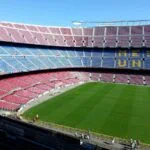
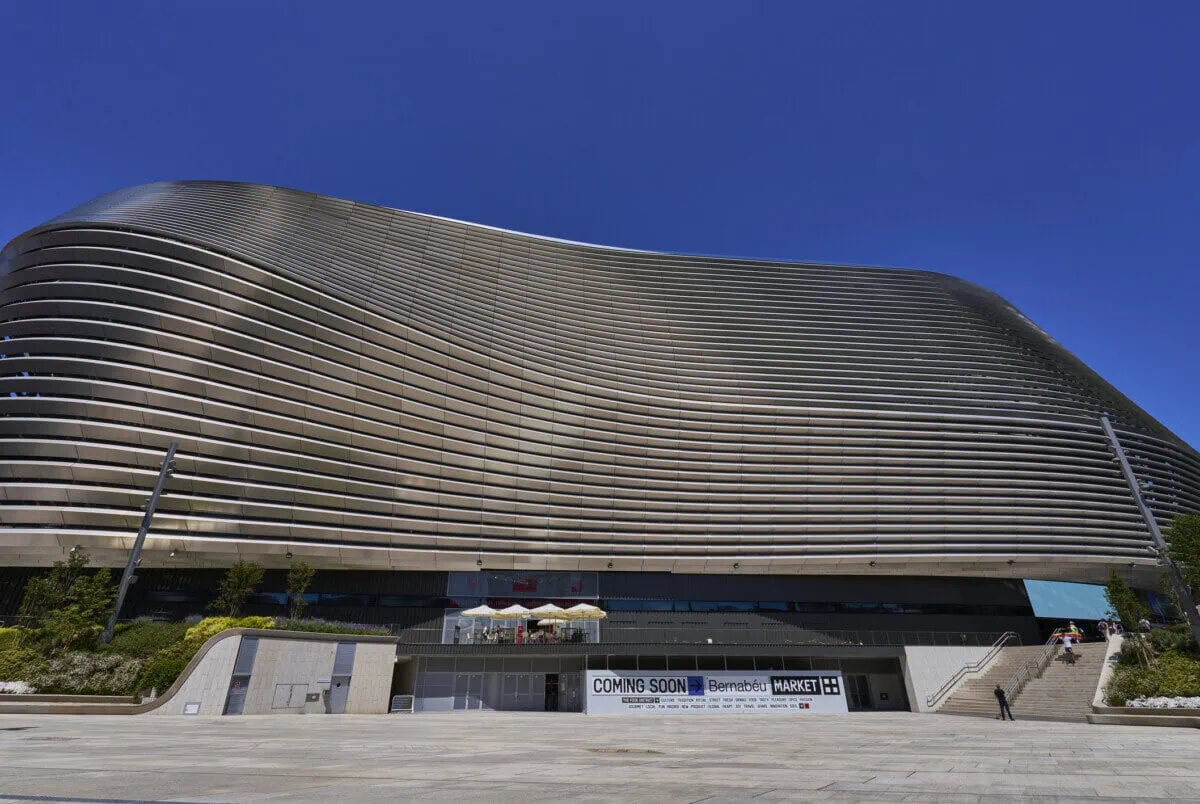
The Santiago Bernabéu sits at Av. de Concha Espina 1, in Madrid’s Chamartín district, and it is the home ground of Real Madrid. It’s one of the most recognisable stadiums in world football, built into the fabric of a working European capital rather than tucked away on the outskirts of the city.
Real Madrid’s trophy cabinet and global reputation make the Bernabéu a genuine pilgrimage for football fans, and the ground has hosted the biggest occasions the sport offers, from Champions League finals to World Cup matches. Since 2026 it has also welcomed American football, with the NFL bringing a regular-season game to the stadium as part of its expanding International Series.
A multi-year renovation completed in 2025 transformed the stadium into something closer to an entertainment venue than a traditional ground, adding a retractable pitch, a 360-degree retractable roof and an underground district built for concerts and events. That overhaul changed what a visit here actually involves, whether you’re heading in for a match, a concert or simply the stadium tour.
Getting to the Bernabéu is refreshingly uncomplicated compared with many of Europe’s landmark stadiums, several of which sit stranded in suburban business parks reachable only by a long shuttle bus. The Bernabéu instead sits directly inside central Madrid on Paseo de la Castellana, with its own dedicated Metro station essentially at the gates.
This guide covers every practical angle of getting there and getting in, from the fastest Metro route and sensible backups, through matchday crowd behaviour and the stadium’s prohibited items list, to buying tickets, taking the Bernabéu Tour and knowing what’s genuinely worth eating nearby. Fixtures, tour times and event dates all change, so treat the specifics here as a starting point and double-check details with realmadrid.com before travelling.
| Stadium | Location | Capacity | Nearest Station | Primary Uses |
|---|---|---|---|---|
| Santiago Bernabéu | Av. de Concha Espina 1, 28036 Madrid | Around 78,000-80,000 (Real Madrid has never confirmed an exact figure since the 2025 renovation) | Santiago Bernabéu (Line 10) | Real Madrid football, Champions League, NFL, concerts |
Transport at a Glance: Every Station Worth Knowing
Getting to the Bernabéu almost always means using the Metro, and one line does the heavy lifting for the vast majority of visitors. The table below covers every genuinely useful station, plus how each one actually compares for a matchday or tour visit.
| Mode | Station | Line | Journey from Central Madrid | Walk Time to Stadium |
|---|---|---|---|---|
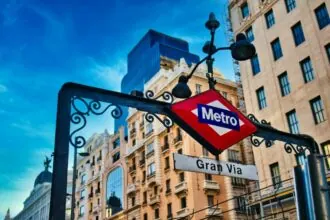
| Metro | Santiago Bernabéu | Line 10 | 15-20 minutes from Sol or Gran Vía, changing onto Line 10 | 2-3 minutes |
| Metro / Cercanías | Nuevos Ministerios | Lines 6, 8, 10 plus Cercanías | 10-15 minutes from Atocha or Chamartín | 5 minutes |
| Bus | EMT stops on Paseo de la Castellana | Various EMT routes | Varies by route | 5-10 minutes |
| Taxi or rideshare | Drop-off at the stadium gates | N/A | Around 20 minutes from central Madrid outside peak traffic | Direct to gates |
Metro Line 10: The Fastest Way to Santiago Bernabéu
Line 10, the dark blue line on the Metro map, stops directly at Santiago Bernabéu station, and stepping off the platform puts you within a two to three minute walk of the stadium gates. It’s one of the shortest stadium-to-station walks anywhere in European football, with no major road or car park to navigate on the way.
Reaching Line 10 from central Madrid usually means changing trains at least once, since the line runs north-south through the city rather than through Sol or Gran Vía directly. A typical journey from Sol takes around fifteen to twenty minutes door to door, changing onto Line 10 at an interchange such as Tribunal or Nuevos Ministerios along the way.
Trains run frequently throughout the day, dropping to a reduced service late at night, and a standard Zone A ticket covers the whole journey with no special stadium supplement. For ticket types, zones and loading a Tarjeta Multi card, our Madrid Public Transport guide covers the whole system in detail.
On matchday, Line 10 gets noticeably busier in the hour before kickoff, and station staff sometimes manage the flow of passengers exiting toward the stadium to avoid platform overcrowding. Building in a little extra time for a slower-than-usual exit is a sensible habit rather than a wasted precaution.
Best if you want daily housekeeping and a front desk. Filter by area first, then by price.
Check availabilityBest for longer stays. Whole apartments and houses, so you are not eating out three times a day.
View rentalsBest as a last check before booking. Compares hotel rates across several sites in one search.
Compare ratesNuevos Ministerios and Other Ways In
Nuevos Ministerios sits a short walk south of the stadium and works as a genuinely useful backup station, especially for anyone arriving from Madrid’s Chamartín rail hub or the airport. It’s a major interchange serving Lines 6, 8 and 10 together with Cercanías commuter rail, so it often ends up being the first station a visitor actually passes through.
From Nuevos Ministerios it’s roughly a five minute walk north up Paseo de la Castellana to reach the Bernabéu, making it a realistic alternative whenever Santiago Bernabéu station itself is unusually crowded around a major fixture. Anyone connecting from Chamartín station or Terminal 4 via Cercanías Line C1 will likely pass through here anyway.
EMT buses running along Paseo de la Castellana also stop close to the stadium, and while they’re rarely the fastest option, they’re a reasonable fallback if the Metro is disrupted or a group is travelling with luggage. A taxi or rideshare from central Madrid typically takes around twenty minutes outside peak traffic, though matchday congestion can push that considerably higher.
Whichever route is used, it’s worth checking live service status before setting out, since engineering works occasionally affect a single Metro line without warning. The Metro de Madrid app and Google Maps both show real-time line status and are worth having open in the final stretch of any matchday journey.
Matchday Crowds: What Tens of Thousands of Fans Actually Look Like
A Bernabéu crowd close to 80,000 strong moves through a genuinely limited number of Metro exits and stadium gates, and the crush around kickoff is real rather than exaggerated. Arriving with only fifteen minutes to spare before a big fixture usually means queuing outside rather than being seated in time.
The busiest window runs from roughly ninety minutes before kickoff, once the Metro starts filling with fans in replica shirts, through to about thirty minutes before, when queues at the turnstiles peak. Arriving closer to two hours early, especially for a Champions League night or a Clásico, buys a far calmer walk from station to seat.
Leaving is its own kind of crowd management. The platforms at Santiago Bernabéu station fill quickly the moment the final whistle blows, and lingering in the concourse or a nearby bar for twenty to thirty minutes before heading to the Metro is usually faster overall than joining the immediate crush.
Families and anyone uncomfortable in tight crowds should factor in genuinely wide gaps either side of kickoff, since the flow of fans on Paseo de la Castellana can feel intense even before reaching the station. Stadium stewards and Metro staff are used to managing these numbers and are generally helpful if asked directly for the clearest route.
What You Can’t Bring: Bernabéu Prohibited Items and Bag Rules
Real Madrid’s matchday regulations ban alcoholic drinks outright, along with any food or drink brought in metal, glass, ceramic or wooden containers larger than 500ml. Narcotics, psychotropic substances and anything that could be used as a stimulant are also explicitly prohibited under the stadium’s official rules.
Bulky items are barred too, covering anything large enough to obstruct evacuation routes, which includes full-size backpacks as well as children’s prams once inside the seating bowl. There’s no cloakroom service at the stadium, so anything refused at the gate has to be left elsewhere entirely rather than checked in.
Smoking, vaping and e-cigarettes are not permitted inside the stadium, and domestic animals aren’t allowed in either, aside from officially recognised assistance dogs. Certain flags, banners and symbols are also restricted under Real Madrid’s own regulations, largely to keep political or discriminatory material out of the ground.
Re-entry is allowed only once per ticket, and it depends on scanning out on the way through the gate, so anyone who leaves without scanning loses the ability to come back in. Packing light and checking Real Madrid’s official prohibited items list before a big match avoids an awkward conversation at the turnstile.
Driving and Parking: Why the Metro Wins
The Bernabéu sits in one of Madrid’s densest and most affluent districts, wedged between the AZCA business towers and the traffic of Paseo de la Castellana, and that location makes driving here a genuinely mixed proposition. The stadium’s renovation added a large underground car park on site, reached from Calle Padre Damián and Calle Rafael Salgado, a real improvement over the old ground’s lack of dedicated parking.
A handful of private car parks in the surrounding streets, including options on Calle General Perón and Paseo de la Castellana itself, offer paid parking within a short walk of the gates. Pre-booking a space through a parking app is worth doing ahead of a big fixture, since spots close to the stadium fill fast and prices climb accordingly.
The honest verdict is that driving works reasonably well outside matchday, when the area behaves like any other dense city-centre business district, but it stops making sense the moment a fixture is involved. Road closures, taxi ranks and tens of thousands of pedestrians converging on the same streets turn the drive in, and especially the drive out, into a slow, frustrating exercise.
For a tour visit on a quiet weekday, driving and parking underground is a genuinely practical option worth considering. For anything involving a match or a major event, the Metro remains comfortably the faster choice, and it’s what the vast majority of regular attendees actually use.
Buying Tickets for Football, Concerts and Events
Real Madrid tickets are sold through a two-tier system built around club membership. Socios, the club’s registered members, get first access to a priority sale window for league and cup fixtures, and a meaningful share of the stadium’s capacity is set aside for members before anything reaches general sale.
Once the member sale closes, remaining tickets open up to the general public directly through realmadrid.com, and for a genuinely popular fixture, such as a Clásico or a Champions League night, that general sale window can close within hours. Setting up an account on the official site in advance, rather than scrambling the moment a match goes on sale, is worth doing for anything in demand.
Buying only through realmadrid.com or the club’s own official channels is the safest approach, since the secondary market around Real Madrid fixtures carries a real risk of inflated prices or tickets that simply don’t scan at the gate. Third-party resale sites can be legitimate, but they rarely offer the same protection as a ticket bought directly from the club.
NFL and concert tickets at the Bernabéu follow a separate sale process run by the event organiser rather than Real Madrid’s own membership system, so it’s worth checking the specific event’s own page, such as nfl.com for the NFL Madrid Game, rather than assuming the club’s usual booking flow applies. Concert tickets typically go through the promoter’s own platform rather than realmadrid.com, so it’s worth double-checking you’re on the official site before entering payment details.
Bernabéu Tour and Museum: Worth the Trip Beyond a Match
Even without a ticket to a match, the Bernabéu Tour is one of the more compelling stadium visits in European football, thanks to the scale of the 2025 renovation. Visitors walk through the Real Madrid Museum, out onto a panoramic view inside the bowl itself, and down into the changing rooms and dugouts used by the first team.
Four tour options are available, running from €37 (£32/$40) for the Classic Tour up to €59 (£51/$64) for the Classic + RM Games package, with a Classic Flexible Time option at €44 (£38/$48) and a fully Guided Tour at €56 (£49/$61). Booking online rather than at the ticket office saves a few euros across every tier, since walk-up prices run higher on each option.
The tour runs Monday to Saturday from 09:00 to 19:00, and Sundays and public holidays from 09:30 to 18:30, staying open every day of the year except 25 December and 1 January. On a match day itself the tour only runs until five hours and thirty minutes before kickoff, and the changing rooms and dugouts close entirely on matchday and the day before, so a full Bernabéu Tour is best planned for a day with no fixture at all.
The panoramic glass elevator added during the renovation is a genuine highlight, offering a view across the bowl that older stadium tours simply couldn’t provide, and the temporary press room is occasionally open too, subject to the day’s availability. For a first visit to Madrid, pairing the tour with the museum easily fills a couple of hours alongside a wider sightseeing day.
Best if you can move a day either way. Shows how the fare changes across the month.
Compare flightsBest for short trips. Install the eSIM at home and arrive with working data, no shop queue.
Browse eSIMsBest after a long flight or a late landing. Price agreed before you travel, and no taxi queue.
Check transfersEating and Drinking Around AZCA and the Castellana
The Bernabéu sits inside AZCA, Madrid’s cluster of office towers and business hotels along Paseo de la Castellana, which makes the immediate area feel more corporate than touristy outside matchday hours. That’s not necessarily a downside, since the district is full of genuine, workday-priced restaurants and bars used by office workers rather than tourist-menu spots aimed purely at visitors.
Paseo de la Castellana itself is lined with cafés and restaurants within a few minutes’ walk of the stadium, ranging from quick coffee stops to sit-down Spanish and international options, and several bars close to the ground get genuinely lively in the hours before kickoff. Petit Azca, right by the stadium, is a regularly recommended terrace bar and restaurant for a pre-match drink or bite.
For anything more distinctive than a chain restaurant, it’s worth walking a little further into the surrounding streets rather than expecting standout dining directly outside the gates, since the stadium frontage leans toward convenience over destination food. The wider Salamanca district, a short Metro ride away, offers a noticeably more boutique-driven dining scene if time allows before or after a visit.
On matchday, expect the closest bars and cafés to fill up fast in the final hour before kickoff, and booking ahead or arriving early is the only reliable way to guarantee a table anywhere within easy walking distance of the stadium. Several venues switch to a matchday-only menu with a minimum spend or a fixed table-time limit during the busiest fixtures, so it’s worth asking when booking rather than assuming normal service applies.
Football, Concerts and Events: What’s Actually On
Real Madrid’s own fixture list fills most of the stadium’s calendar, spanning La Liga, the Copa del Rey and the Champions League across a typical season, and the biggest of these, a Clásico against Barcelona or a Champions League knockout tie, are genuinely difficult tickets even for members. Pre-season friendlies and early Copa del Rey rounds against lower-division opposition are usually a far cheaper and easier ticket than a Clásico or Champions League night.
American football arrives at the Bernabéu for the first time on 8 November 2026, when the Atlanta Falcons face the Cincinnati Bengals as part of the NFL’s expanded International Series, which is returning to Madrid on a multi-year basis from that season. It’s a genuinely new and notable addition to the stadium’s calendar rather than a one-off novelty fixture.
The renovation’s underground entertainment district was purpose-built with concerts and non-football events in mind, adding the kind of large-scale event capacity that older stadium designs simply couldn’t host comfortably. Check the Bernabéu’s own events page directly for confirmed concert dates, since a venue this new tends to add headline shows well after a season’s football fixtures are already public.
Whatever the event, the same transport and crowd-management advice applies across the board. Line 10 remains the fastest way in and out, and arriving with plenty of time before doors or kickoff is the single most reliable way to avoid the worst of the crowds.

Rupert’s Handy Travel Tips
Heading to the Santiago Bernabéu? Here are a few tips to make the trip smoother.
- Walk from the Metro, not to it: Santiago Bernabéu station puts you two to three minutes from the gates, closer than almost any other major European stadium.
- Book the tour on a non-matchday: changing rooms and dugouts close on matchday and the day before, so plan the full Bernabéu Tour for a quieter day.
- Buy tickets only through realmadrid.com: the official site is the safest channel for both members and general sale, and it avoids the resale risk around big fixtures.
- Arrive two hours early for a big match: Clásicos and Champions League nights fill the concourse fast, and a calm walk in beats a rushed one.
- Linger after the final whistle: giving the Metro platform twenty minutes to clear is usually faster than joining the immediate post-match crush.
- Check the NFL Madrid Game separately: the 2026 NFL fixture runs its own ticket sale outside Real Madrid’s usual membership system.
Want to meet the reindeer behind our travel tips? Find out more in our page Who is Rupert?.




Frequently Asked Questions
How do I get to the Santiago Bernabéu by Metro?
Take Line 10 to Santiago Bernabéu station, which sits within a two to three minute walk of the stadium gates, making it one of the most convenient stadium connections in European football.
What is the capacity of the Santiago Bernabéu?
Real Madrid hasn’t confirmed an exact figure since the 2025 renovation, though 78,297 is the number most commonly cited, including in Spain’s 2030 World Cup bid documents, while club president Florentino Pérez has described it as around 80,000, give or take a thousand.
How early should I arrive for a match at the Bernabéu?
Arriving around two hours before kickoff for a major fixture, and at least ninety minutes for a routine league game, gives enough time to clear the Metro crowds and stadium security checks comfortably.
Can I drive and park at the Bernabéu?
Yes, an underground car park was added during the stadium’s renovation, but matchday traffic and road closures make the Metro a far more reliable option once an event is actually taking place.
How much does the Bernabéu Tour cost?
Prices range from €37 (£32/$40) for the Classic Tour online up to €59 (£51/$64) for the Classic + RM Games package, with small savings for booking online rather than at the ticket office.
Is the Bernabéu Tour open on matchday?
Yes, but only until five hours and thirty minutes before kickoff, and the changing rooms and dugouts are closed entirely on matchday and the day before, so a non-matchday visit is the better option for seeing everything.
When is the NFL playing at the Bernabéu?
The Atlanta Falcons face the Cincinnati Bengals at the Bernabéu on 8 November 2026, the first NFL game held at the stadium as part of the league’s expanded International Series in Madrid.
What items are banned from the Santiago Bernabéu?
Alcohol, large containers made of metal, glass, ceramic or wood, and any bulky item that could obstruct evacuation are all prohibited, along with smoking, vaping and unauthorised animals.
Further Reading
For getting around the rest of the city beyond this one stadium visit, our Madrid Public Transport guide covers the Metro’s full network, Cercanías commuter rail and EMT buses in detail, including the ticket types and zones that also apply to the journey out to the Bernabéu itself.
A trip built around Real Madrid rarely stays confined to one stadium, and our Things to Do in Madrid guide is a useful next stop for fitting the Bernabéu into a wider itinerary alongside the Prado, the Royal Palace and Retiro Park. Anyone comparing paid attractions across a longer stay might also find our Madrid City Passes Compared guide useful, since two of the passes covered there bundle a Bernabéu Tour in with other major sights.
For the tour itself and any official ticket or event information, realmadrid.com’s own Bernabéu Tour page remains the definitive source for current pricing, hours and match-day restrictions, since all three change from season to season. The page also lists which tour sections, such as the changing rooms or dugouts, are closed on any given date, useful given how those areas shut entirely on matchday and the day before.