
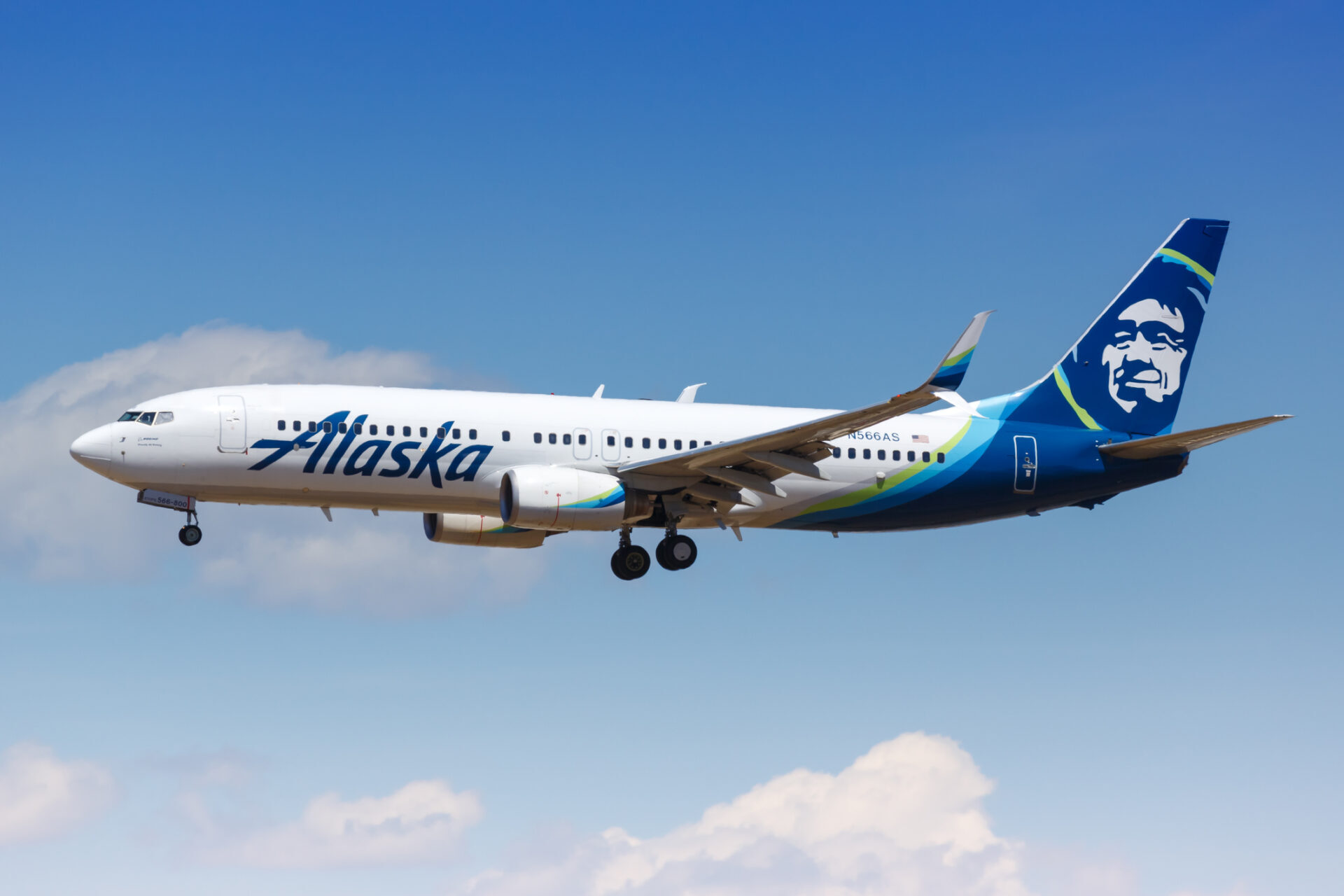
Alaska Airlines at a Glance
Alaska Airlines is one of the largest airlines in the United States and has built a reputation for strong customer service, a modern fleet, and extensive coverage across the West Coast and Alaska. While the airline began as a regional carrier serving remote communities in the far north, it has evolved into a major national airline with an expanding international network.
For travellers researching flights across the United States, a detailed Alaska Airlines guide helps clarify what the airline offers, where it flies, and what passengers can expect on board. The airline is particularly important for travel between the Pacific Northwest, California, Alaska and Hawaii, but its network now stretches across much of North America.
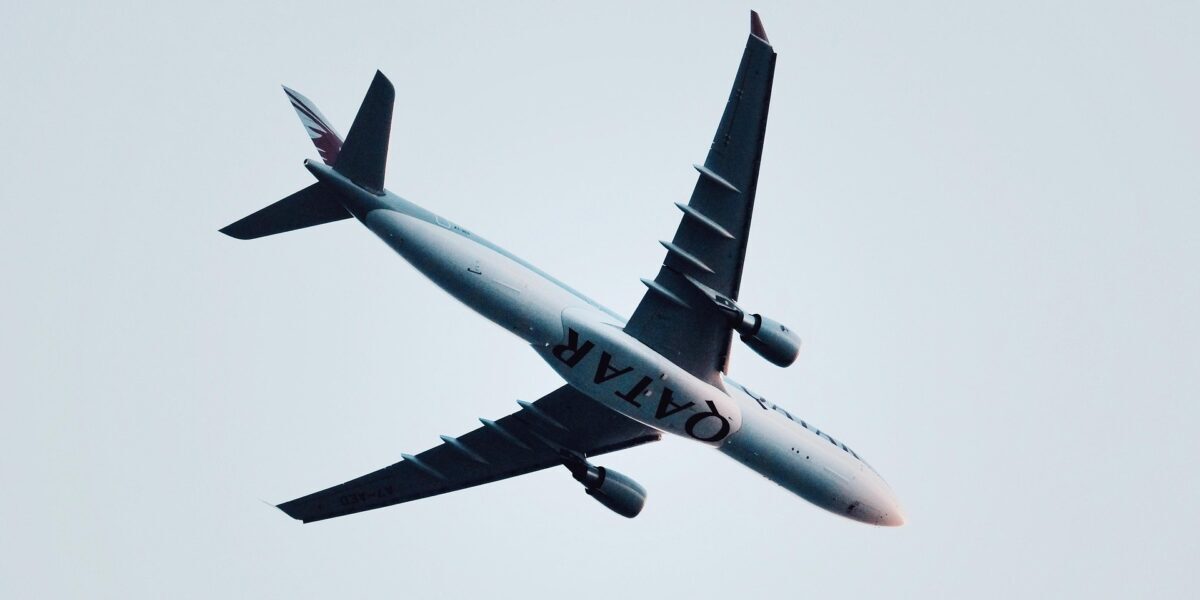
A major turning point came when Alaska Airlines joined the oneworld global airline alliance, allowing passengers to connect seamlessly with major international airlines including British Airways, Qatar Airways, Japan Airlines and Qantas. This alliance membership significantly expanded the airline’s reach and made its frequent-flyer programme far more valuable for international travellers.
Today the airline is headquartered in Seattle and operates hundreds of flights daily across the United States, Canada, Mexico and Central America. It is widely known for combining the efficiency of a modern US airline with a customer-focused culture that consistently ranks highly in passenger satisfaction surveys.
Alaska Airlines Quick Facts
| Category | Details |
|---|---|
| Headquarters | Seattle, Washington, USA |
| Founded | 1932 (as McGee Airways) |
| Alliance | Oneworld |
| Fleet Size | ~320 aircraft |
| Main Hubs | Seattle, Anchorage, Portland, San Francisco, Los Angeles |
| Destinations | 120+ destinations |
| Frequent Flyer Programme | Alaska Mileage Plan |
The History of Alaska Airlines
The story of Alaska Airlines begins in the early 1930s, when aviation was still in its infancy in the remote regions of the United States. The airline’s origins trace back to McGee Airways, founded in 1932 by pilot Linious “Mac” McGee in Anchorage, Alaska. At the time, aviation in Alaska was often the only reliable way to transport passengers, supplies and mail across the vast wilderness.
During its early years, the airline operated small aircraft connecting isolated communities across the Alaskan frontier. Flying conditions were frequently harsh, with extreme weather and limited infrastructure, but these routes established the airline’s reputation for reliability and resilience.
In 1944 the company officially adopted the name Alaska Airlines, reflecting its growing identity as a key aviation link for the region. Over the following decades the airline gradually expanded southward, developing services between Alaska and major cities on the US West Coast.
A major transformation came in the late twentieth century as the airline modernised its fleet and expanded its route network. By the 1990s Alaska Airlines had established itself as one of the leading carriers on the West Coast, known for efficient operations and strong customer loyalty.
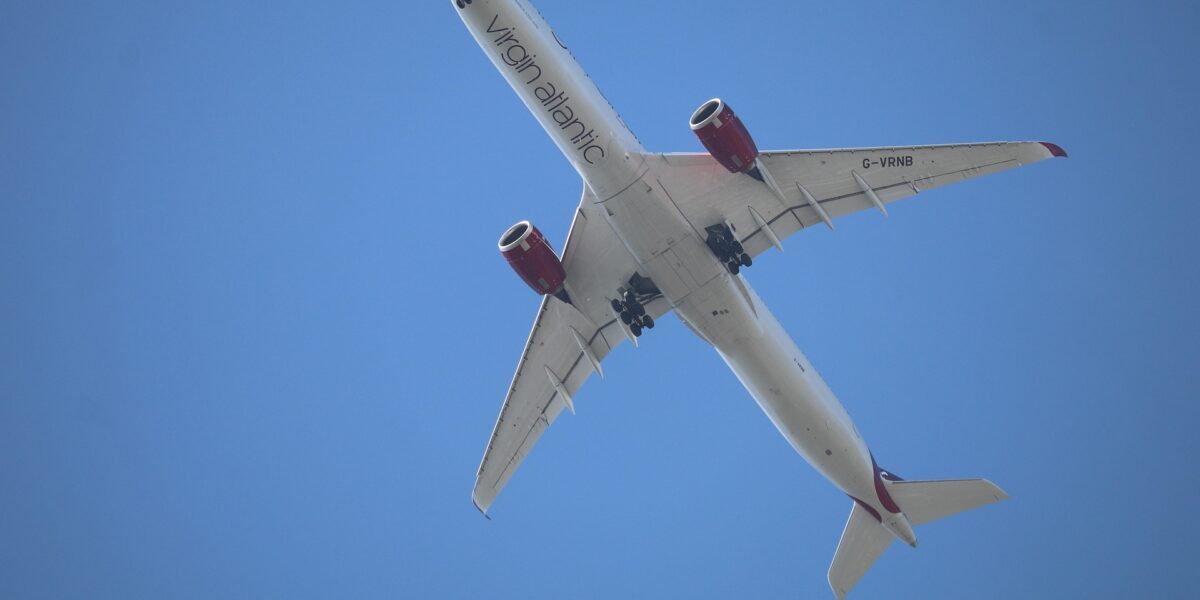
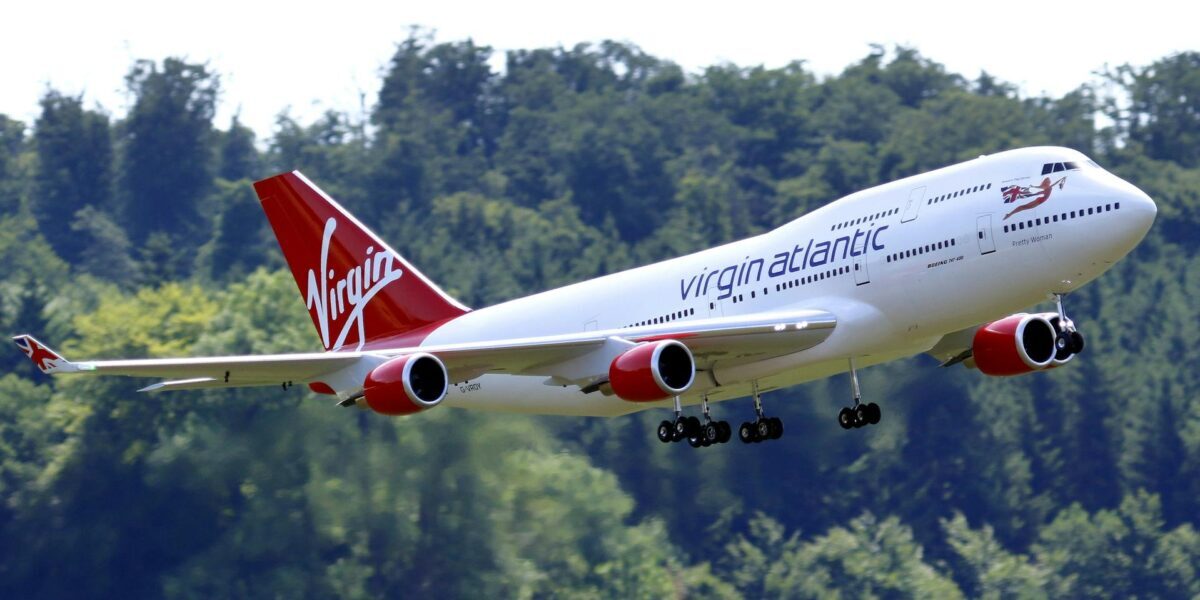
Another defining moment occurred in 2016, when Alaska Airlines acquired Virgin America. This merger dramatically expanded the airline’s presence in California and strengthened its position in major cities such as San Francisco and Los Angeles.
Today the airline operates a large and modern fleet while maintaining its reputation for dependable service and a strong connection to its Alaskan roots.
Where Alaska Airlines Flies
Alaska Airlines has built its network around the Pacific Northwest and West Coast of the United States, but its reach now extends across much of North America and into parts of Central America.
The airline’s largest hub is Seattle-Tacoma International Airport, which acts as the central gateway for many of its routes. From Seattle, travellers can reach destinations across the United States as well as Alaska, Canada, Mexico and several tropical destinations.
Alaska Airlines also maintains significant operations in Portland, San Francisco and Los Angeles, creating a strong corridor of connectivity along the West Coast. These hubs allow the airline to serve both business travellers and holidaymakers, particularly those heading to Hawaii or Mexico.
One of the airline’s defining characteristics is its continued commitment to serving communities in Alaska itself. Flights connect Anchorage, Fairbanks and smaller regional airports with the rest of the United States, providing vital transport links for both residents and visitors.
International destinations include cities in Canada, Mexico, Costa Rica and Belize, while the airline also operates extensive services to Hawaii, making it one of the key carriers connecting the US mainland with the islands.
Passengers travelling beyond Alaska Airlines’ own network can benefit from its partnerships within the oneworld alliance. Through these connections, travellers can easily link flights with global carriers such as British Airways, Qatar Airways and Cathay Pacific.
For a detailed look at the airline’s official route network and latest destinations, travellers can consult the airline’s official website:
https://www.alaskaair.com
Alaska Airlines Fleet
Alaska Airlines operates a relatively streamlined fleet, focused primarily on the Boeing 737 family of aircraft. This simplified fleet structure helps the airline maintain operational efficiency and consistent onboard experiences for passengers.
The majority of flights are operated using various versions of the Boeing 737, including the Next Generation models and the newer 737 MAX aircraft, which offer improved fuel efficiency and quieter cabins. These aircraft are typically configured with a combination of First Class, Premium Class and Economy seating.
Regional routes and shorter services are often operated by Embraer 175 aircraft, flown by the airline’s regional partner Horizon Air. These smaller jets allow the airline to serve cities where larger aircraft would not be economically practical.
Despite having fewer aircraft types than many global airlines, Alaska Airlines has invested heavily in cabin upgrades. Many aircraft feature modern interiors, larger overhead bins and upgraded lighting, helping create a more comfortable travel experience.
Passengers on most flights can expect in-flight Wi-Fi, streaming entertainment options and power outlets, depending on the aircraft type. These upgrades have helped the airline remain competitive with other major US carriers.
The airline’s strategy of maintaining a consistent fleet has also allowed it to focus on reliability, operational simplicity and passenger comfort, all of which contribute to its strong reputation among frequent flyers.
Cabin Classes and Onboard Experience
Alaska Airlines offers three main cabin types designed to suit different travel styles and budgets. While the airline focuses primarily on domestic routes, it has invested heavily in upgrading its interiors to create a comfortable and modern passenger experience.
Across much of the fleet, passengers will notice clean cabin layouts, modern lighting and improved seating ergonomics. Many aircraft also include streaming entertainment, allowing travellers to watch films or television programmes on their own devices during the flight.
Economy Class
Economy Class makes up the majority of seats on Alaska Airlines aircraft. The airline has worked to keep the experience competitive with other major US carriers while maintaining relatively generous legroom compared with some ultra-low-cost competitors.
Passengers in Economy typically receive complimentary snacks and soft drinks, while additional food and alcoholic beverages can be purchased on most flights. Longer flights often include a broader menu of paid meal options.
A useful feature is the airline’s onboard entertainment system, which allows passengers to stream movies and television shows directly to their own phones or tablets. This removes the need for traditional seatback screens while still providing a wide range of content.
Premium Class
Premium Class sits between Economy and First Class and provides a noticeable upgrade in comfort. Seats offer extra legroom and priority boarding, making them popular with frequent travellers on longer domestic routes.
Passengers in this cabin also receive complimentary alcoholic drinks and enhanced snack options, which adds a small but welcome upgrade to the inflight experience.
First Class
First Class on Alaska Airlines offers larger reclining seats, more personal space and an upgraded service experience. On longer flights passengers can expect complimentary meals and a wider beverage selection, often featuring regional ingredients.
Priority check-in, early boarding and faster baggage handling are also included, which can make the overall travel experience significantly smoother.
Baggage Rules and Fees
Understanding baggage policies before travelling can save both time and money at the airport. Alaska Airlines follows a fairly standard baggage structure for US carriers, but there are some details travellers should be aware of.
Most passengers are permitted one carry-on bag and one personal item free of charge. Carry-on bags must fit in the overhead bin, while smaller personal items such as backpacks, handbags or laptop bags must fit beneath the seat in front.
Checked baggage typically incurs a fee on standard Economy fares. The exact amount can vary depending on the route and fare type, but the first checked bag usually carries a moderate charge, with additional bags costing more.
Certain passengers may receive free checked baggage. This often includes First Class travellers, elite Mileage Plan members and some co-branded credit card holders.
Travellers carrying sports equipment such as skis, snowboards or fishing gear may also bring these items as checked luggage, although size and weight restrictions apply. Oversized or overweight bags can trigger additional charges.
Because baggage policies occasionally change, travellers should always confirm the latest allowances before departure by checking the airline’s official baggage guidance:
https://www.alaskaair.com/content/travel-info/baggage
Planning ahead and checking baggage rules early can prevent surprises at the airport and make the overall journey smoother.
Mileage Plan Loyalty Programme
Alaska Airlines operates a frequent flyer programme known as Mileage Plan, which has become one of the most respected airline loyalty schemes in North America.
One reason travellers value the programme is its straightforward earning structure. Members accumulate miles based primarily on distance flown rather than ticket price, which can make it easier to earn rewards compared with some other airline programmes.
Miles can be redeemed for flights with Alaska Airlines itself as well as with a wide range of partner airlines. Because the airline is a member of the oneworld alliance, travellers can use their miles on global carriers such as British Airways, Qatar Airways, Cathay Pacific and Japan Airlines.
Elite tiers within the programme provide additional benefits including:
– Priority boarding
– Complimentary upgrades when available
– Bonus mileage earning
– Priority check-in and baggage handling
For frequent travellers across the Pacific or within North America, Mileage Plan can offer particularly good value when redeeming miles for partner airline flights.
Another useful feature is the programme’s flexibility. Members can earn miles not only through flights but also through hotel stays, car rentals and partner travel services, allowing balances to grow even when not flying regularly.
Alaska Airlines Mobile App
Like most modern airlines, Alaska Airlines offers a dedicated mobile app designed to make managing travel easier before and during a journey. Installing the app ahead of a flight can simplify several steps that would otherwise require visiting the airport check-in desk.
Passengers can use the app to check in for flights, download mobile boarding passes and receive real-time flight notifications. Gate changes, delays and boarding updates are delivered directly to the phone, which can help travellers stay informed while moving through busy airports.
The app also allows passengers to select seats, track Mileage Plan balances and manage upcoming bookings. For frequent travellers, this centralised control makes it much easier to organise itineraries and keep loyalty points up to date.
Another helpful feature is baggage tracking, which allows passengers to monitor checked luggage throughout the journey. This can be particularly reassuring when connecting between flights or travelling through large airports.
For travellers who like to keep a close eye on flight progress, pairing the airline app with a dedicated tracking tool can also be useful. Our guide to flight tracking tools explains which apps are most reliable for monitoring aircraft movements and departure updates.
Downloading the airline app before departure is one of the simplest ways to streamline the travel experience and avoid unnecessary airport queues.


Tips for Flying Alaska Airlines
Even experienced travellers can benefit from a few practical strategies when flying with Alaska Airlines. Understanding how the airline operates can help passengers choose better seats, avoid unnecessary fees and get the most value from their ticket.
One useful tip is to check seat maps carefully before selecting a seat. Premium Class seats offer noticeably more legroom than standard Economy and are often available at a modest upgrade cost during booking or check-in. For longer flights across the United States, this extra space can make a significant difference to comfort.
Travellers should also consider joining the Mileage Plan loyalty programme, even if they only fly occasionally. Because the programme still rewards distance flown on many tickets, it can be easier to accumulate miles compared with some airline schemes that only reward spending.
Another useful strategy involves the airline’s strong partnerships with other carriers. Through its membership in the oneworld alliance, Alaska Airlines passengers can connect seamlessly with international airlines across Europe, Asia and the Middle East. This makes it possible to book complex itineraries while still earning or redeeming miles within the same loyalty programme.
Passengers travelling with checked baggage should also review the airline’s baggage rules before departure. Paying for luggage during the booking process is usually cheaper than adding bags at the airport, and it helps avoid delays during check-in.
Finally, it is worth downloading the airline’s mobile app before travelling. Having boarding passes, flight updates and seat information available on your phone can simplify the airport experience and reduce the need for printed documents.
Is Alaska Airlines a Good Airline?
Among US airlines, Alaska Airlines has developed a strong reputation for reliability and customer service. While the airline does not operate the extensive long-haul networks of some global carriers, it consistently performs well within the markets it serves.
One reason for its popularity is the airline’s focus on operational reliability and passenger satisfaction. Independent rankings often place Alaska Airlines among the higher-rated US carriers for on-time performance and overall customer experience.
The airline also benefits from operating a relatively streamlined fleet. By focusing primarily on Boeing 737 aircraft and Embraer regional jets, Alaska Airlines can maintain consistent cabin layouts and service standards across most flights.
Passengers frequently highlight the airline’s friendly onboard service and straightforward loyalty programme as key advantages. Mileage Plan remains one of the few frequent-flyer programmes that still offers strong value for partner airline redemptions.
However, like most US airlines, the onboard experience can vary depending on the route and aircraft type. Some flights offer more limited catering options compared with international carriers, particularly on shorter domestic routes.
Overall, Alaska Airlines is widely considered a solid and dependable airline for travel within North America, especially for routes connecting the Pacific Northwest, California, Alaska and Hawaii.
Frequently Asked Questions
Is Alaska Airlines part of the oneworld alliance?
Yes. Alaska Airlines joined the oneworld alliance in 2021. This allows passengers to earn and redeem miles with partner airlines such as British Airways, Qatar Airways, Japan Airlines and Qantas.
Does Alaska Airlines fly internationally?
While the airline focuses mainly on North American routes, it does operate flights to several international destinations including Canada, Mexico, Costa Rica and Belize, as well as services to Hawaii from the US mainland.
Does Alaska Airlines offer in-flight Wi-Fi?
Yes. Most Alaska Airlines aircraft offer onboard Wi-Fi, allowing passengers to browse the internet or stream entertainment to their personal devices during the flight.
What is Alaska Airlines Mileage Plan?
Mileage Plan is the airline’s loyalty programme. Members earn miles from flights and partner services and can redeem them for award flights, upgrades and travel benefits.
What are the main hubs for Alaska Airlines?
The airline’s largest hub is Seattle-Tacoma International Airport, with additional major operations in Anchorage, Portland, San Francisco and Los Angeles.
Further Reading & Related App Guides
Planning your flight or comparing airlines? These related guides will help you stay connected, track flights and make smarter travel decisions before departure.
Track aircraft in real time and monitor delays with our guide → Flight Tracker Apps Guide
Relax before departure with our guide to the best lounge access tools → Airport Lounge Apps Guide
Find the cheapest fares with our flight comparison tools guide → Flight Aggregator Apps Guide
Stay connected instantly when you land → eSIM Apps Guide
Get through the terminal faster with our airport security guide → How to Get Through Airport Security Faster Guide
Last Updated
March 2026
Affiliate Disclosure
This page contains affiliate links. If you click through and make a purchase or booking, we may earn a small commission at no extra cost to you. This helps support our work and allows us to continue providing detailed, independent travel advice. We only recommend apps and services we personally use or have verified as high-quality.