Reviewed by our editorial team Updated
A Mediterranean City Like No Other
Marseille is unlike anywhere else in France. As the country’s oldest city, founded by Greek sailors more than 2,600 years ago, it combines centuries of history with a vibrant multicultural atmosphere, spectacular coastal scenery and one of the busiest ports in the Mediterranean. Whether you’re visiting for a day from a cruise ship or spending a week exploring Provence, Marseille offers far more than many first-time visitors expect.
The city effortlessly blends historic neighbourhoods, world-class museums, beautiful beaches, bustling markets and dramatic limestone cliffs, all set against the sparkling waters of the Mediterranean. One moment you can be wandering narrow streets that date back centuries, the next enjoying fresh seafood beside the Old Port or sailing towards the famous Calanques National Park.
Marseille is also one of the easiest French cities to explore. Many of its most famous attractions are connected by the Metro, tram, local buses and the excellent Colorbüs Hop-On Hop-Off Bus, while numerous landmarks are within comfortable walking distance of one another.
This guide brings together the very best things to do in Marseille, helping you discover the city’s most famous landmarks, hidden corners and unforgettable experiences while making the most of your time on France’s spectacular Mediterranean coast.
| Attraction | Time Needed | Admission | Best For |
|---|---|---|---|
| Old Port (Vieux-Port) | 1-2 hours | Free | First orientation, waterfront dining |
| Notre-Dame de la Garde | 1-2 hours | Free (basilica) | Panoramic views, photography |
| Le Panier | 2-3 hours | Free | Wandering historic streets, street art |
| Mucem & Fort Saint-Jean | 2-3 hours | Paid (museum) | Architecture, Mediterranean history |
| Château d’If | Half day (with ferry) | Paid (ferry + entry) | History, literature fans |
| Calanques National Park | Half day to full day | Free (trails), paid boat tours | Hiking, swimming, scenery |
| Corniche Kennedy | 1-2 hours | Free | Coastal walking, sunset views |
| Prado Beaches | Half day | Free | Swimming, relaxing by the sea |
| La Major Cathedral | 30-45 minutes | Free | Architecture, religious heritage |
| Cosquer Méditerranée | 1-2 hours | Paid | Prehistoric art, families |
Discover the Old Port (Vieux-Port)
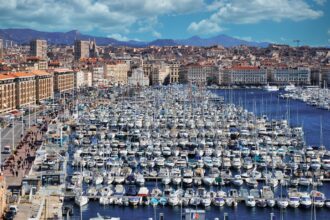
The Vieux-Port, or Old Port, has been the heart of Marseille for over 2,000 years and remains the city’s most recognisable landmark. Originally established by Greek traders around 600 BC, it continues to serve as both a working harbour and one of the most popular gathering places in southern France.
Today the waterfront is lined with restaurants, cafés, seafood stalls and elegant yachts, while traditional fishing boats continue to bring in their daily catch each morning. Visiting early allows you to watch local fishermen selling fresh seafood directly from their boats, a tradition that has survived for generations.
The Old Port is also the perfect place to begin exploring Marseille. From here you can easily walk to Le Panier, Mucem, Fort Saint-Jean, La Major Cathedral and numerous museums, making it an ideal base for a full day of sightseeing.
One of the harbour’s most photographed features is the enormous mirrored canopy known as the Ombrière, designed by renowned architect Norman Foster. Standing beneath its polished stainless-steel surface creates unusual reflections of both visitors and the surrounding harbour, making it a favourite spot for photographs.
Throughout the day the waterfront buzzes with activity. Street performers entertain visitors, sightseeing boats depart for nearby islands and the Calanques, while locals gather on café terraces overlooking the marina. Whether you’re enjoying breakfast beside the water or watching the harbour come alive after sunset, the Old Port perfectly captures the atmosphere that makes Marseille such an unforgettable destination.
Best for two or three nights. The widest choice of rooms, with filters for free cancellation and included breakfast.
View staysBest for groups who want one address and separate bedrooms rather than three hotel rooms.
See holiday homesBest as a last check before booking. Compares Marseille hotel rates across several sites in one search.
Compare ratesVisit Notre-Dame de la Garde
Towering high above the city, Notre-Dame de la Garde is Marseille’s most famous landmark and one of the finest viewpoints anywhere on the Mediterranean coast. Sitting on a limestone hill almost 150 metres above sea level, the basilica can be seen from almost every part of the city, with its enormous golden statue of the Virgin Mary watching over Marseille and its sailors.
The church itself is stunning both inside and out. Built in the nineteenth century in an elaborate Neo-Byzantine style, its richly decorated interior features colourful mosaics, marble columns and countless maritime votive offerings left by sailors who believed the Virgin had protected them at sea.
The real highlight, however, is the view. From the terraces surrounding the basilica you’ll enjoy breathtaking panoramas across the Old Port, the Frioul Islands, the Calanques, the city’s rooftops and, on clear days, for many kilometres along the Mediterranean coastline.
Reaching the summit is part of the experience. Energetic visitors can walk uphill through the city’s historic streets, while buses, taxis and the Colorbüs Hop-On Hop-Off Bus all provide much easier access. However you arrive, allow plenty of time to enjoy both the basilica and the spectacular scenery.
For photographers, first-time visitors and anyone wanting to understand the geography of Marseille, Notre-Dame de la Garde is an absolute must.
Explore the Historic Streets of Le Panier
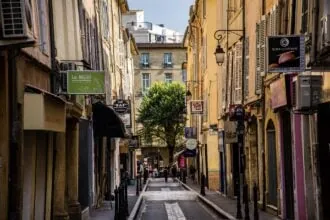
Just north of the Old Port lies Le Panier, Marseille’s oldest neighbourhood and one of the city’s most charming places to explore. Dating back to the original Greek settlement, this colourful district is a maze of narrow cobbled streets, pastel-coloured buildings, hidden courtyards and lively little squares that reward anyone willing to wander without a map.
Over the past two decades, Le Panier has transformed into one of Marseille’s most creative neighbourhoods. Independent boutiques, artisan workshops, galleries and cafés now occupy many of the historic buildings, while colourful street art appears around almost every corner. Every alley seems to reveal another hidden staircase, flower-filled balcony or beautifully painted doorway.
The neighbourhood is also packed with fascinating history. You’ll pass centuries-old churches, remnants of medieval Marseille and buildings that have survived everything from wars to extensive redevelopment. Small museums and cultural centres help explain how this once working-class district became one of the city’s most popular places to visit.
Le Panier is best explored slowly. Stop for a coffee in one of the shaded squares, browse independent craft shops or simply enjoy getting pleasantly lost among its winding streets. It’s one of those rare places where the atmosphere is every bit as memorable as the attractions themselves, making it an essential stop on any visit to Marseille.
Discover Mucem and Fort Saint-Jean
Standing at the entrance to the Old Port, Mucem (Museum of European and Mediterranean Civilisations) is one of Marseille’s most striking modern landmarks. Opened in 2013 when Marseille became the European Capital of Culture, the museum has quickly become one of the city’s most visited attractions.
Even before stepping inside, the architecture is breathtaking. The building is wrapped in an intricate black concrete lattice, allowing sunlight to filter through while creating spectacular views across the Mediterranean. Elevated walkways connect Mucem to the historic Fort Saint-Jean, allowing visitors to move seamlessly between cutting-edge architecture and centuries of military history.
Inside, exhibitions explore the cultures, traditions and civilisations that have shaped the Mediterranean, with displays covering everything from ancient history and religion to modern society, migration and trade. Temporary exhibitions ensure there’s always something new to discover, even for repeat visitors.
Don’t rush your visit. One of the highlights is simply walking across the elevated bridges connecting the museum with the fort while looking back towards the Old Port, La Major Cathedral and the open sea. The panoramic views alone make the visit worthwhile.
Next door, Fort Saint-Jean dates back to the seventeenth century and was built under Louis XIV to defend Marseille’s harbour. Today visitors can explore its stone ramparts, historic towers, landscaped gardens and superb viewpoints overlooking both the city and the Mediterranean. The contrast between the centuries-old fortifications and the contemporary museum perfectly reflects Marseille itself, where history and innovation exist side by side.
See Marseille on the Colorbüs Hop-On Hop-Off Bus
If you’re visiting Marseille for the first time, the Colorbüs Hop-On Hop-Off Bus is one of the easiest ways to discover the city’s major attractions without constantly checking maps or public transport timetables. It provides an excellent overview of Marseille while allowing you to explore each attraction at your own pace.
A one-day ticket gives unlimited hop-on hop-off travel throughout the day, with buses serving more than ten major stops across the city. Highlights include the Old Port, Notre-Dame de la Garde, Mucem, La Major Cathedral, Corniche Kennedy, the Prado Beaches and several of Marseille’s best-known museums and viewpoints.
One of the biggest advantages is flexibility. You can leave the bus whenever something catches your attention, spend as long as you like exploring, then simply board the next service when you’re ready to continue. This makes it ideal for visitors wanting to see as much of Marseille as possible without spending the day walking long distances.
The buses feature free onboard Wi-Fi, while commentary is provided through the official Colorbüs app, available in multiple languages. Simply bring your own headphones and enjoy informative commentary as you travel between attractions. The app also provides real-time bus tracking, making it easy to see exactly when the next bus will arrive.
The main departure point is located close to La Major Cathedral, and passengers arriving by cruise ship can easily reach the route using the free Cruise Port Shuttle (35T), the dedicated cruise shuttle or a short taxi ride.
For visitors with limited time, families or anyone wanting a relaxed introduction to Marseille, the Colorbüs Hop-On Hop-Off Bus offers excellent value while connecting many of the city’s biggest attractions in a single convenient route.
Take a Boat Tour Around Marseille
With its spectacular coastline, historic harbour and nearby islands, Marseille is one of the best places in France to experience the Mediterranean from the water. A boat tour offers an entirely different perspective on the city, revealing dramatic limestone cliffs, hidden coves and panoramic views that simply can’t be appreciated from land.
Short harbour cruises provide an excellent introduction to Marseille’s rich maritime history, sailing past the Old Port, commercial docks and impressive waterfront landmarks while explaining the city’s importance as France’s largest port.
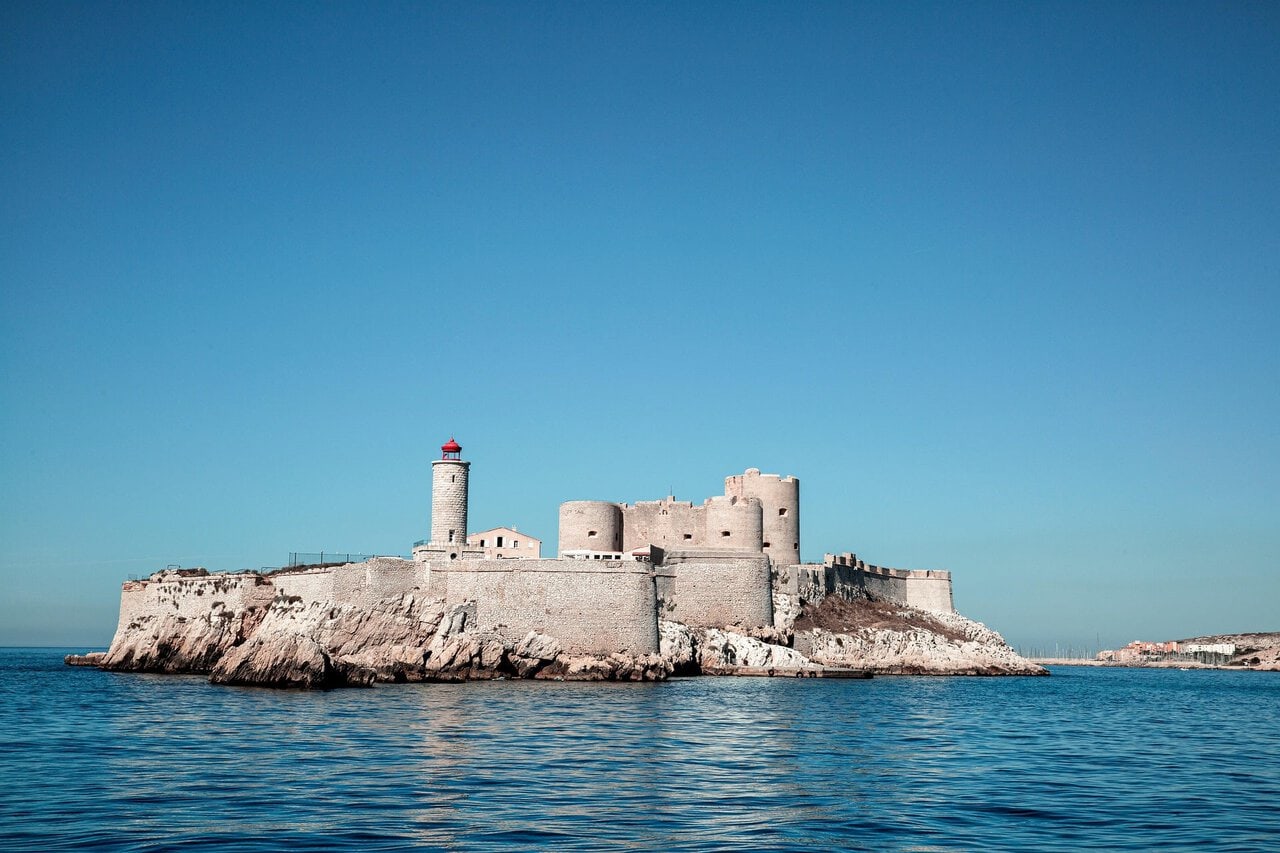
Many visitors choose to cruise out towards the legendary Château d’If, the island fortress made famous by Alexandre Dumas’ novel The Count of Monte Cristo. Seeing the fortress rising dramatically from the sea is one of the highlights of any visit, while many tours also continue towards the peaceful Frioul Islands.
For those wanting unforgettable scenery, Calanques boat tours are among the most popular experiences in southern France. These cruises explore the spectacular limestone cliffs, turquoise water and hidden inlets of Calanques National Park, an area that’s difficult to appreciate fully from land. Options range from relaxing sightseeing cruises to catamaran sailings, sunset cruises, swimming excursions and full-day adventures.
Because there are so many different cruises available, choosing the right one can be confusing. Compare the route, duration and departure point before booking, and check whether a cruise simply sails past the Calanques or stops for swimming, as that makes a considerable difference to how you spend the day.
Visit the Legendary Château d’If
Few attractions around Marseille are as famous as the Château d’If. Standing on a small rocky island just offshore, this formidable fortress has guarded the entrance to Marseille for nearly 500 years and became world famous through Alexandre Dumas’ classic novel The Count of Monte Cristo.
Built in the sixteenth century by King Francis I, the fortress was originally intended to defend Marseille against attack. However, it soon gained an even greater reputation as a prison, holding political prisoners, religious dissenters and other inmates whose stories inspired generations of writers and historians.
Today visitors can take a short ferry from the Old Port to explore the fortress. Inside you’ll discover historic prison cells, defensive towers, exhibition rooms and spectacular viewpoints across the Mediterranean towards Marseille and the surrounding coastline. One of the most popular stops is the cell traditionally associated with the fictional Edmond Dantès, although fans of the novel should remember that his imprisonment is a work of fiction rather than historical fact.
The views alone make the trip worthwhile. Looking back across the water towards Notre-Dame de la Garde, the Old Port and the city’s skyline provides some of the finest photographic opportunities in Marseille.
A visit to the Château d’If combines history, literature, architecture and beautiful Mediterranean scenery, making it one of the city’s most memorable experiences.
Best for long or awkward journeys. Builds one itinerary out of separate flights.
View flightsBest for short trips. Install the eSIM at home and arrive in Marseille with working data, no shop queue.
Browse eSIMsBest if you would rather not work out the transport on arrival. Book it now and forget it.
View transfersExplore the Spectacular Calanques National Park
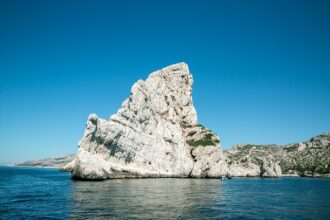
One of Marseille’s greatest treasures lies just beyond the city centre. Calanques National Park is one of the most spectacular coastal landscapes in Europe, where towering white limestone cliffs plunge into the Mediterranean, creating a series of breathtaking inlets filled with remarkably clear turquoise water.
Stretching for around 20 kilometres between Marseille and Cassis, the park is home to dramatic hiking trails, hidden beaches, sea caves and crystal-clear swimming spots that attract visitors from around the world. The scenery feels remarkably wild considering it’s only a short distance from France’s second-largest city.
There are several ways to experience the Calanques. Keen walkers can follow well-marked trails to famous coves including Calanque de Sormiou, Calanque de Morgiou, Calanque d’En-Vau and Calanque de Sugiton, each offering spectacular views and unforgettable scenery. During the warmer months many visitors combine hiking with swimming in the incredibly clear water.
If you prefer a more relaxing experience, boat tours departing from Marseille allow you to admire the towering cliffs from the sea while accessing coves that are difficult to reach on foot. Whichever option you choose, the Calanques National Park is one of the highlights of any visit to southern France.
Because access can occasionally be restricted during periods of high wildfire risk, it’s worth checking conditions before setting out, particularly during the height of summer.
Walk Along the Corniche Kennedy
Few coastal roads in France offer views quite as spectacular as the Corniche Président John Fitzgerald Kennedy, usually known simply as Corniche Kennedy. Stretching for around five kilometres from the Old Port towards the southern beaches, this beautiful seafront boulevard is one of Marseille’s most enjoyable places for a leisurely walk.
The route follows the Mediterranean almost the entire way, with uninterrupted views across the sea towards the Frioul Islands, the Château d’If and the rugged coastline beyond. Along the promenade you’ll pass elegant villas, rocky coves, small beaches and numerous viewing points that invite you to stop and admire the scenery.
The Corniche is popular throughout the day with walkers, cyclists, joggers and local residents enjoying the sea air. Early mornings are wonderfully peaceful, while evenings are particularly atmospheric as the sun begins to set over the Mediterranean.
One of the highlights along the route is the striking Monument aux Morts de l’Armée d’Orient, an impressive war memorial overlooking the sea. There are also plenty of benches where you can simply sit and watch sailing boats, ferries and fishing vessels passing through the bay.
Whether you walk the entire route or simply explore part of it, Corniche Kennedy offers some of the finest coastal scenery in Marseille and provides a welcome escape from the bustle of the city centre.
Relax on the Prado Beaches
Many visitors are surprised to discover that Marseille is also an excellent beach destination. The city’s best-known stretch of coastline is the Prado Beaches, a series of sandy and pebbled beaches created along the southern waterfront that attract both locals and visitors throughout the year.
The beaches are ideal for swimming, sunbathing, paddleboarding, beach volleyball and simply relaxing beside the Mediterranean. During the summer months many sections are supervised by lifeguards, making them popular with families as well as groups of friends looking to spend the day by the sea.
Behind the beaches you’ll find wide promenades, landscaped parks, cafés, restaurants, playgrounds and plenty of open space for picnics or leisurely walks. The area is also well connected by public transport and is served by the Colorbüs Hop-On Hop-Off Bus, making it easy to include as part of a day exploring Marseille.
Unlike some of the exclusive beach clubs found elsewhere on the French Riviera, many areas of the Prado Beaches remain completely free to access, giving everyone the chance to enjoy Marseille’s beautiful coastline.
If you’re visiting during the warmer months, combining sightseeing in the morning with a relaxing afternoon on the Prado Beaches is one of the best ways to experience the city.
Step Inside La Major Cathedral
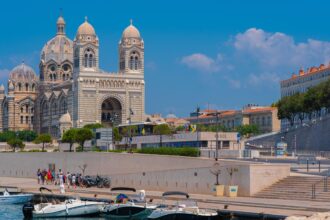
Standing proudly beside the waterfront, Cathédrale La Major is one of Marseille’s most impressive landmarks. Officially known as the Cathedral of Sainte-Marie-Majeure, it is one of the largest cathedrals built in France since the Middle Ages and dominates the skyline with its enormous domes and distinctive striped stonework.
Completed during the nineteenth century, the cathedral combines Romanesque and Byzantine architectural styles, creating a building unlike almost any other in France. Its grand exterior, decorated with alternating bands of pale limestone and green stone, makes it instantly recognisable and one of Marseille’s most photographed buildings.
Inside, the vast interior is equally impressive. Soaring arches, richly decorated chapels, intricate mosaics and beautiful marble columns create an atmosphere of both grandeur and tranquillity. Despite its size, the cathedral often feels remarkably peaceful, providing a welcome contrast to the busy streets outside.
Its location also makes it easy to include alongside nearby attractions such as Mucem, Fort Saint-Jean, the Old Port and the Colorbüs departure point. Many visitors combine all of these into a single day’s sightseeing.
Whether you’re interested in architecture, history, religious heritage or simply impressive buildings, La Major Cathedral is one of Marseille’s true highlights and deserves a place on every visitor’s itinerary.
Discover the Cosquer Méditerranée
One of Marseille’s newest and most fascinating attractions is Cosquer Méditerranée, an extraordinary museum that brings one of Europe’s greatest archaeological discoveries back to life. Located beside Mucem on the waterfront, the museum recreates the famous Cosquer Cave, whose original entrance lies beneath the Mediterranean and is now inaccessible to the public.
The real cave was discovered in 1991 by diver Henri Cosquer and contains remarkable prehistoric paintings dating back more than 30,000 years. Rising sea levels have flooded much of the original cave, making a faithful reconstruction the only way most people will ever experience this extraordinary site.
Visitors travel through the attraction in small automated vehicles while an audio guide explains the cave’s history, geology and remarkable artwork. Along the route you’ll see detailed recreations of horses, bison, ibex, deer, seals, great auks and mysterious handprints left by prehistoric people thousands of years ago.
The museum combines impressive technology with genuine archaeological research, making it appealing for both adults and children. Interactive displays and multimedia exhibitions continue after the main cave experience, explaining how archaeologists study and preserve one of the world’s most important prehistoric sites.
Whether you’re interested in history, science, archaeology or simply unique visitor attractions, Cosquer Méditerranée offers an unforgettable experience unlike anywhere else in France.
Browse the Bustling Noailles Market
If you want to experience the real everyday atmosphere of Marseille, head to the lively district of Noailles. Often described as the city’s pantry, this vibrant neighbourhood is home to one of the most colourful markets in southern France, where the aromas of spices, fresh produce and international cuisine fill the streets throughout the day.
Walking through Noailles Market is a feast for the senses. Stalls overflow with colourful fruit and vegetables, fragrant herbs, olives, cheeses, freshly baked bread, seafood and ingredients from across the Mediterranean, North Africa and the Middle East. It’s a reflection of Marseille’s wonderfully multicultural identity and one of the best places to experience the city’s diversity.
Alongside the market you’ll find traditional bakeries, specialist spice shops, cafés and family-run restaurants serving everything from Provençal dishes to Algerian, Moroccan, Lebanese and Comorian cuisine. Even if you aren’t planning to buy anything, it’s an enjoyable place simply to wander and soak up the atmosphere.
The market is busiest during the morning, when local residents shop for fresh ingredients and the streets are at their liveliest. Arriving early also gives you the widest choice if you’re planning a picnic or looking to sample local specialities.
For visitors wanting to experience a different side of Marseille beyond the famous waterfront attractions, Noailles offers an authentic glimpse into the city’s daily life.
Best for solo travellers and anyone watching the budget. Dorm beds and private rooms in the same search.
Browse hostelsBest if you have ever given up on a claim. AirHelp checks whether the flight qualifies and pursues it for you.
See the benefitsBest for a day with a bag and nowhere to put it. Find a storage point near where you already are.
View storageExplore the Charming Vallon des Auffes
Hidden beneath the busy Corniche Kennedy lies one of Marseille’s most picturesque corners. Vallon des Auffes is a tiny traditional fishing harbour that has somehow preserved its village atmosphere despite sitting only minutes from the city centre.
Colourful fishing boats bob gently in the sheltered inlet, while old stone cottages, seafood restaurants and weathered harbour walls create one of the most photographed scenes in Marseille. The harbour takes its name from the alfa grass (auffe) once used locally to make ropes and fishing nets, a reminder of the area’s long maritime heritage.
Although small, Vallon des Auffes is full of character. Local fishermen still use the harbour, and it’s common to see boats returning with their daily catch while visitors enjoy lunch overlooking the water. Several restaurants here are regarded among the finest seafood establishments in Marseille, specialising in freshly caught fish and traditional bouillabaisse.
The harbour is also a wonderful place for photography, particularly during the golden hour before sunset when the colourful boats and surrounding stone buildings glow in the warm Mediterranean light. Looking back towards the elegant bridge that spans the harbour creates one of Marseille’s classic postcard views.
Despite becoming increasingly well known, Vallon des Auffes still feels like one of the city’s hidden gems and offers a peaceful escape from the busier attractions.
Experience Marseille After Dark
As the sun begins to set, Marseille takes on a completely different character. The city’s waterfront fills with people enjoying evening walks, restaurants become busy with diners and terraces overlooking the Old Port come alive with conversation, music and the unmistakable atmosphere of a Mediterranean evening.
The Old Port is the obvious place to begin your evening. Watching the yachts gently rocking in the marina while enjoying dinner beside the water is one of the simplest yet most memorable experiences the city has to offer. Fresh seafood, Provençal cuisine and local rosé wines feature prominently on menus throughout the harbour.
Those looking for a livelier atmosphere should head towards Cours Julien, Marseille’s creative district, where independent bars, live music venues, colourful street art and late-night cafés attract a younger crowd. The area has become one of the city’s cultural hotspots and offers a very different feel from the elegant waterfront.
For something more relaxed, an evening stroll along the Corniche Kennedy provides spectacular views across the Mediterranean as the lights of the city begin reflecting on the water. Alternatively, simply find a harbour-side café and watch Marseille gradually slow into the night.
Whether you’re looking for fine dining, live music, waterfront cocktails or simply a peaceful evening beside the sea, Marseille offers an unforgettable end to any day exploring France’s oldest city.
Sample the Flavours of Provence
No visit to Marseille is complete without experiencing the city’s remarkable food scene. Thanks to centuries of trade across the Mediterranean, Marseille has developed one of the most diverse culinary traditions in France, combining classic Provençal cuisine with influences from Italy, North Africa, Greece, Spain and the Middle East.
The city’s signature dish is undoubtedly bouillabaisse, the famous seafood stew that originated in Marseille’s fishing community. Traditionally prepared using several varieties of Mediterranean fish and served with rouille, toasted bread and garlic, it’s a dish that’s best enjoyed in one of the city’s long-established seafood restaurants overlooking the harbour.
Beyond bouillabaisse, you’ll find plenty of other local favourites. Panisse, made from chickpea flour, is a popular snack, while navettes, Marseille’s distinctive orange blossom biscuits, have been baked in the city for centuries. Fresh oysters, mussels, grilled octopus and locally caught sea bass also feature prominently on menus throughout the waterfront.
For a more casual meal, browse the food stalls around Noailles Market or stop at one of the many cafés around the Old Port. Whether you’re enjoying a simple coffee and pastry or a leisurely seafood lunch beside the Mediterranean, eating well is one of the great pleasures of visiting Marseille.
Food is woven into the city’s identity, and taking time to sample its local specialities is just as rewarding as visiting its famous landmarks.

Save Money While Exploring Marseille
Marseille offers plenty of opportunities to enjoy the city without spending a fortune. Many of its finest attractions are either completely free or inexpensive, making it one of the better-value destinations on the French Mediterranean coast.
Simply wandering through Le Panier, strolling around the Old Port, walking the Corniche Kennedy, relaxing on the Prado Beaches or admiring the exterior of La Major Cathedral costs nothing yet provides some of Marseille’s most memorable experiences.
If you’re planning to visit several attractions in a single day, the Colorbüs Hop-On Hop-Off Bus can represent excellent value by combining transport with sightseeing. Likewise, booking boat tours online before travelling often secures lower prices than purchasing tickets on the day.
Many museums also offer reduced admission on selected days or discounts for younger visitors, while public transport provides an inexpensive way to move between different parts of the city.
Finally, don’t overlook Marseille’s markets. Picking up fresh bread, cheese, fruit and local delicacies before heading to the waterfront or one of the city’s parks for a picnic is not only affordable but also a wonderfully authentic way to experience daily life in southern France.
Whether you’re travelling on a tight budget or looking to make your holiday funds stretch further, Marseille offers plenty of opportunities to enjoy the city without overspending.

Rupert’s Handy Travel Tips
Marseille rewards a bit of planning, so here’s what I’d want to know before wandering the Old Port and the Calanques.
- Book Château d’If and Calanques boats ahead: Ferry and boat tour slots to Château d’If and the Calanques get busy in summer, so book online in advance rather than turning up at the Old Port.
- Visit Notre-Dame de la Garde early or late: The basilica gets crowded with tour groups by mid-morning, so go early or towards sunset for quieter terraces and the best light for photos.
- Use the Colorbüs for a first-day overview: If it’s your first visit, a day on the Colorbüs Hop-On Hop-Off Bus is a great way to see how the Old Port, Notre-Dame de la Garde and the beaches connect before exploring on foot.
- Keep an eye on Calanques access rules: Some trails into Calanques National Park can be closed during periods of high wildfire risk in summer, so check current access before setting out to hike.
- Head to Le Panier or Vallon des Auffes for a quieter side of the city: If the waterfront feels busy, these two spots offer the same Mediterranean charm with far fewer crowds.
Want to meet the reindeer behind our travel tips? Find out more in our page Who is Rupert?.




Frequently Asked Questions
What is the number one attraction in Marseille?
For most visitors, Notre-Dame de la Garde is Marseille’s must-see attraction thanks to its spectacular panoramic views across the city, the Mediterranean and the surrounding coastline.
How many days should I spend in Marseille?
You can see many of Marseille’s highlights in two days, but three to four days allows enough time to visit the Calanques, take a boat trip, explore museums and relax on the beaches.
Is Marseille worth visiting?
Absolutely. Marseille combines historic landmarks, beautiful Mediterranean scenery, excellent museums, vibrant neighbourhoods, outstanding food and easy access to one of France’s most spectacular national parks.
Can you visit the Calanques without a boat?
Yes. Several Calanques can be reached on foot via hiking trails, although boat tours provide access to spectacular views and coves that are difficult to appreciate from land.
Is the Colorbüs Hop-On Hop-Off Bus worth it?
Yes. It’s an excellent way to explore Marseille, especially if you’re visiting for the first time or arriving on a cruise, with stops at many of the city’s major attractions.
Can you visit Château d’If?
Yes. Regular ferries operate from the Old Port, allowing visitors to explore the historic fortress made famous by The Count of Monte Cristo.
What is the best area to stay in Marseille?
The Old Port (Vieux-Port) is the most popular area for visitors thanks to its central location, restaurants, transport connections and easy access to many of the city’s top attractions.
What food is Marseille famous for?
Marseille is best known for bouillabaisse, but visitors should also try panisse, navettes, fresh seafood and the city’s excellent Provençal cuisine.
Further Reading
Continue planning your visit with our guide to Marseille Airport Transfers, and if you’re arriving by sea, check our Marseille Ferry Routes guide for the latest crossings. With extra time in the region, our guide to Discover Provence: Best Day Trips from Marseille covers the best excursions beyond the city.
Marseille also makes a great base for exploring the wider region, and our guide to Things to Do in Aix-en-Provence is well worth reading if you’re combining both cities during your trip to Provence.