
When Is Ski Season Around the World
Understanding the global ski calendar is one of the most useful things you can do when planning a ski trip. Ski seasons vary depending on altitude, snowfall, temperature and hemisphere, which means the timing of ski seasons is different across Europe, North America, Asia, South America and Oceania. Once you understand how the global ski season works, you can plan trips with better snow conditions, lower prices and fewer crowds.
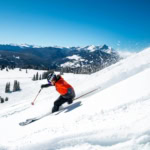
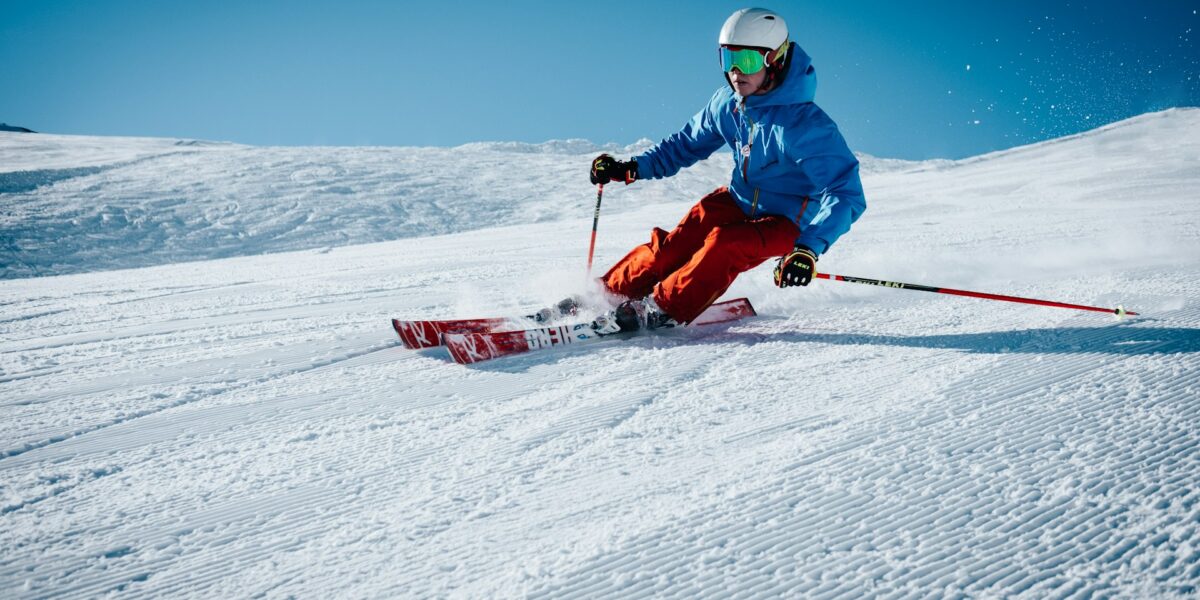
In the northern hemisphere, which includes Europe, the United States, Canada and most of Asia, the ski season usually runs from December to April, although some high altitude resorts open in late November and glacier resorts can stay open into May or even year-round. January and February are usually considered peak winter, when snow coverage is at its best and almost all ski resorts are fully open. March is often one of the best months to ski because snow conditions are still good but the days are longer, the weather is warmer and prices can sometimes be lower.
In the southern hemisphere, including Chile, Argentina, Australia and New Zealand, the ski season runs from June to September, with July and August being the main ski months. This is why many serious skiers travel to South America or New Zealand during the European summer, as it allows them to ski twice in the same year by following winter between hemispheres.
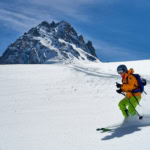
Altitude plays a huge role in ski seasons. Resorts located above 2,000 metres usually have longer ski seasons and more reliable snow than low altitude resorts. Glacier ski resorts, such as those in parts of Austria, Switzerland and France, can sometimes offer skiing outside the main winter months. This is why high altitude resorts and glacier resorts are often the safest choice for early season and late season skiing.
If you look at skiing globally, it is actually possible to ski almost all year round by moving between continents. Many experienced skiers follow the snow calendar, skiing in Europe or North America in winter, then travelling to Chile, Argentina or New Zealand during the northern hemisphere summer. Understanding the global ski season guide makes it much easier to decide where to ski, when to ski and how to find the best snow conditions throughout the year.
Global Ski Season by Month
If you want a quick way to understand the global ski calendar, it helps to look at skiing month by month rather than by continent. This makes it much easier to see where snow is usually strongest, where glacier skiing is still possible, and when the southern hemisphere takes over from Europe, North America and Asia.
In broad terms, December to April is the main ski period for the northern hemisphere, including the Alps, the USA, Canada and Japan. June to September is the main ski period for the southern hemisphere, especially Chile, Argentina, New Zealand and Australia. The months in between are more limited and usually favour glacier resorts or very high-altitude skiing.
| Month | Best Places to Ski |
|---|---|
| January | Europe, USA, Canada, Japan |
| February | Europe, USA, Canada, Japan |
| March | Europe, USA, Canada, Japan, high-altitude spring skiing |
| April | High-altitude Alps resorts, some North American resorts |
| May | Glacier resorts in the Alps |
| June | Chile, Argentina, New Zealand, some glacier skiing |
| July | Chile, Argentina, New Zealand, Australia |
| August | Chile, Argentina, New Zealand, Australia |
| September | Late southern hemisphere skiing, some glacier resorts |
| October | Glacier resorts only, very limited early season skiing |
| November | Glacier resorts, some early-opening Alps and North American resorts |
| December | Europe, USA, Canada, Japan |
Looking at ski season this way helps you match your trip to the best part of the year rather than forcing yourself into one destination. It is also useful if you want to ski more than once in a year, as it shows how you can move between hemispheres and keep following winter.
Best Airports for Ski Resorts Around the World
One of the most overlooked parts of planning a ski trip is the airport. The best month to ski matters, but so does how easily you can actually reach the resort once you land. Some ski resorts are only an hour or two from the airport, while others involve a long transfer by train, bus or private shuttle. For this reason, the best ski season guide should also consider access, not just snowfall.
In Europe, Geneva is one of the most important ski airports because it gives access to many French and Swiss ski resorts. Innsbruck is one of the best options for Austrian ski trips, while Salzburg, Munich and Turin are also major gateways for alpine resorts. These airports are especially important during peak ski season because transfer times can shape the whole holiday experience.
In North America, Denver is a key airport for Colorado ski resorts, while Calgary is the main gateway for Banff and Lake Louise. Vancouver is the obvious choice for Whistler, and other airports such as Salt Lake City are very useful for Utah skiing. In Asia, Sapporo is one of the most important airports for Hokkaido ski trips in Japan, while Tokyo airports are often used for ski travel to central Japan.
In the southern hemisphere, Santiago is the main airport for skiing in Chile, while Queenstown is one of the most useful airports for ski resorts in New Zealand. Choosing the right airport can save several hours of transfer time, which is why access should be part of deciding where and when to ski.
| Airport | Best For |
|---|---|
| Geneva | French Alps and Swiss resorts |
| Innsbruck | Austrian Alps |
| Salzburg | Austria and nearby German resorts |
| Turin | Italian Alps and some French Alps resorts |
| Munich | Austria and southern Germany |
| Denver | Colorado ski resorts |
| Calgary | Banff and Lake Louise |
| Vancouver | Whistler |
| Sapporo | Hokkaido ski resorts |
| Santiago | Chile ski resorts |
| Queenstown | New Zealand ski resorts |
This kind of planning makes a real difference. A shorter transfer can make a ski trip feel much smoother, especially on short breaks or when travelling with children, ski bags or late arrivals.
How to Plan a Ski Trip Step by Step
Once you understand the ski season, the next step is turning that information into a workable trip plan. Many people focus only on the destination, but the best ski trips usually come from choosing the right month, the right resort altitude and the right travel logistics together.
The first step is to choose the ski region that suits the time of year. If you are travelling between December and March, Europe, North America and Japan will usually offer the best choice. If you want to ski during the northern hemisphere summer, South America and New Zealand are usually the strongest options. Once you know the region, check whether the resort is high altitude, glacier-based or reliant on artificial snow, as this will affect snow reliability.
The next step is to compare the nearest airports, transfer times and accommodation costs. A resort with strong snow conditions can still be a poor choice if it takes too long to reach or becomes too expensive during school holidays. After that, book flights, accommodation and airport transfers early if you are travelling in peak season. Lift passes are often cheaper online in advance, and it is also worth checking whether the resort has a good app for piste maps, snow reports and live lift information.
Finally, make sure your travel insurance includes winter sports cover, and think carefully about luggage, ski equipment and clothing. Ski trips often become expensive because of extras rather than headline prices. Planning step by step makes it much easier to choose the right ski season, avoid weak snow periods and build a trip that is both practical and enjoyable.
Ski Season Quick Planning Guide
If you want a faster way to decide when to ski, it helps to match your priorities to the time of year. Not every skier wants the same thing. Some travellers want deep snow and cold conditions, while others care more about price, sunshine or quieter slopes.
If your priority is the best snow conditions, late January and February are usually the safest months in Europe, North America and Japan. If you prefer warmer weather and longer days, March is often one of the best times to ski. If your goal is a cheaper ski trip, early December, mid-January and late March are usually better value than Christmas, New Year or school holiday weeks.
If you want summer skiing, the focus shifts to the southern hemisphere, especially Chile, Argentina and New Zealand in July and August. If you are a beginner skier, late season can often be more comfortable because the weather is milder and the atmosphere is less intense than peak mid-winter periods. And if you care most about avoiding crowds, it is usually best to avoid Christmas week, New Year and February half-term.
A simple way to think about it is this: January and February for snow, March for balance, shoulder season for savings, and July to August for southern hemisphere skiing. That quick framework makes the global ski season much easier to understand when planning your next trip.
Ski Season in Europe
Europe is one of the best regions in the world for skiing, with a long, reliable season and a huge number of resorts across the Alps, the Pyrenees, Scandinavia and Eastern Europe. The main European ski season usually runs from December to April, although some high-altitude resorts open in late November and glacier resorts can stay open into May.
The Alps dominate European skiing, with France, Switzerland, Austria and Italy offering some of the largest and most reliable ski areas in the world. Resorts such as Val Thorens, Tignes, Zermatt, St. Anton and Ischgl are known for long seasons because they sit at high altitude, which helps snow last longer and reduces the risk of poor snow conditions early and late in the season.
The busiest period in the European ski season is Christmas to New Year, followed by February half-term holidays across many European countries. During these weeks, prices for accommodation and flights increase significantly, and slopes can be crowded. However, snow conditions are usually very good during this period because temperatures are cold and most resorts are fully open.
Many experienced skiers believe March is one of the best months to ski in Europe. Snow coverage is usually still good, especially at higher altitude resorts, but the weather is warmer, the days are longer and the overall experience is more comfortable. You are more likely to get sunny days, mountain restaurants are busy, and the atmosphere is often better than mid-winter.
If you are planning a ski trip in Europe, one of the most important things to check is resort altitude. Resorts above 1,800 metres are usually much more snow reliable than low-altitude resorts. Early season and late season skiing is always safer in high-altitude resorts or glacier ski areas.
Overall, the European ski season is long, reliable and suitable for all levels of skier, which is why the Alps remain one of the most popular ski destinations in the world.
Ski Season in North America
The ski season in North America usually runs from late November through to April, although the exact dates vary depending on snowfall, altitude and location. Some high-altitude resorts in Colorado and Canada can open as early as late October in good snow years, while others may not fully open until December. Most resorts aim to stay open until early or mid-April, with a few remaining open into May if snow conditions allow.
North America is often divided into West Coast / Rocky Mountains skiing and East Coast skiing, and the ski seasons can be quite different between these regions. The western mountain ranges, including Colorado, Utah, Wyoming, California and British Columbia, tend to receive much heavier snowfall and have higher altitude resorts. This means longer seasons, better snow quality and more reliable conditions.
Resorts such as Whistler Blackcomb in Canada, Vail and Aspen in Colorado, Jackson Hole in Wyoming and Park City in Utah are known for large ski areas, long seasons and consistent snow conditions. Many of these resorts are purpose-built ski towns where visitors stay for a full ski holiday rather than travelling between multiple resorts like in Europe.
On the east coast, ski resorts in Vermont, New York and Quebec are much closer to major cities such as New York, Boston and Montreal, making them popular for weekend trips. However, temperatures can fluctuate more and natural snowfall is less reliable, so many east coast resorts rely heavily on artificial snowmaking to maintain ski conditions.
In terms of timing, January and February usually offer the best snow conditions, while March is often the most enjoyable month to ski because temperatures are warmer, days are longer and there is still good snow coverage, especially in higher altitude resorts. Spring skiing in North America is very popular, particularly in Colorado and California.
Overall, the North American ski season is long, reliable in the western mountains and offers some of the largest ski resorts in the world, making it one of the most popular ski regions globally.
Ski Season in Asia
Asia has become an increasingly important ski destination, with Japan leading the way as one of the best powder skiing destinations in the world. The ski season in Japan typically runs from December to March, although some resorts open in late November and remain open into April depending on snowfall.
Japan is famous for its extremely heavy and consistent snowfall, particularly on the northern island of Hokkaido. Cold air masses move across the Sea of Japan, picking up moisture and dropping large amounts of snow over the mountains. This creates the light, dry powder snow that Japan is famous for, and many skiers travel there specifically for powder skiing rather than piste skiing.
The most famous ski resorts in Japan include Niseko, Furano and Rusutsu in Hokkaido, and Hakuba and Nozawa Onsen on the main island of Honshu. Niseko is particularly popular with international visitors and is often considered one of the best powder ski resorts in the world. Hakuba is one of the largest ski areas in Japan and hosted events during the Winter Olympics.
The best time to ski in Japan is usually January and February, when snowfall is at its heaviest and powder conditions are at their best. December can be good early season skiing, while March often offers warmer weather and spring skiing conditions.
Other Asian countries also have ski resorts. South Korea has several ski resorts that are popular for short ski trips and beginner skiing, particularly from Seoul. China has invested heavily in ski resorts in recent years, especially around Beijing, and the ski industry there is growing rapidly. However, Japan remains the most established and most popular ski destination in Asia.
Overall, the Asian ski season is shorter than Europe or North America, but Japan in particular offers some of the best powder skiing conditions in the world during mid-winter.
Ski Season in South America
The ski season in South America runs during the northern hemisphere summer, usually from June to September, which makes it possible to ski all year round if you travel between hemispheres. Many keen skiers travel to South America specifically to ski during the European or North American summer.
Most ski resorts in South America are located along the Andes mountain range, particularly in Chile and Argentina. These mountains are very high, and many ski resorts are located at altitudes above 2,500 or even 3,000 metres. This helps with snow reliability, although snowfall can vary from year to year depending on weather patterns such as El Niño.
The main ski resorts in Chile include Valle Nevado, Portillo and La Parva, all located close to Santiago. In Argentina, the main ski resorts include Cerro Catedral near Bariloche and Las Leñas, which is known for advanced terrain and off-piste skiing. These resorts are generally smaller than the major ski resorts in Europe and North America, but they offer spectacular mountain scenery, quieter slopes and a very different ski experience.
The ski season usually starts in June, but early season snow can sometimes be limited. July and August are usually the best months to ski, when snow coverage is most reliable and most ski lifts and runs are open. September can be good for spring skiing, with warmer weather and fewer crowds, although snow conditions depend heavily on how good the winter snowfall has been.
South America is particularly popular with ski instructors, professional skiers and serious ski enthusiasts who want to follow winter and ski twice in one year.
Ski Season in Oceania
Oceania includes ski resorts in New Zealand and Australia, and the ski season here also runs from June to September, similar to South America. However, skiing in Oceania is generally smaller scale than Europe or North America, although the scenery is often spectacular.
New Zealand has the best skiing in Oceania, particularly on the South Island near Queenstown and Wanaka. Resorts such as Cardrona, Treble Cone and Coronet Peak are among the most popular ski areas in the region. These resorts offer a good mix of beginner and intermediate terrain, and the landscapes are very dramatic, with mountains rising above lakes and valleys.
Snow conditions in New Zealand can vary depending on the winter weather, and some resorts rely on snowmaking early and late in the season. However, in good snow years, skiing conditions can be excellent, and the ski areas are usually less crowded than major resorts in Europe or North America.
Australia also has ski resorts in the Snowy Mountains in New South Wales and Victoria, including Perisher and Thredbo. However, Australia has lower altitude mountains and warmer temperatures, so snow conditions are less reliable and resorts rely heavily on artificial snowmaking to maintain ski conditions throughout the season.
The best time to ski in Oceania is usually August and early September, when snow conditions are most reliable. Skiing in New Zealand or Australia is often combined with travelling around the country, and many visitors treat ski trips there as part of a wider travel itinerary rather than a dedicated ski holiday.
Best Months to Ski Worldwide
If you are trying to choose the best time of year to go skiing, the answer depends on snow reliability, price, crowds and weather, not just whether resorts are open. Different months offer very different ski experiences, and choosing the right month can make a huge difference to your trip.
December is early season in most ski resorts. Some high-altitude resorts will have good snow coverage by mid-December, especially in the Alps and the Rocky Mountains, but lower altitude resorts may still have limited runs open. Christmas and New Year are extremely popular times to ski, so prices are usually very high and resorts are busy.
January and February are considered peak ski season in most of Europe, North America and Japan. Snow conditions are usually at their best because temperatures are cold and snow coverage is strong. However, days are shorter and it can be very cold, particularly in North America and Scandinavia. February is also very busy due to school holidays across Europe.
March is often considered one of the best months to ski in many parts of the world. Snow coverage is usually still good, especially at higher altitude resorts, but the weather is warmer, the days are longer and you are more likely to get sunshine. Many experienced skiers prefer March because the overall experience is more comfortable and enjoyable.
April is late season in most ski resorts. Some high-altitude resorts still have very good snow conditions, while lower altitude resorts may start to close. April skiing is often sunny and quieter, and accommodation prices can be lower, but snow conditions depend heavily on how good the winter snowfall has been.
For the southern hemisphere, July and August are the main ski months in South America, New Zealand and Australia, with August usually offering the most reliable snow conditions.
Overall, if you are looking for the best balance of snow, weather and crowds, the best months to ski in most of the world are usually late January, early February and March.
Early Season vs Late Season Skiing
Early season and late season skiing can be very different experiences, and both have advantages and disadvantages depending on what you are looking for from your ski trip.
Early season skiing usually takes place in late November and December in the northern hemisphere, and in June in the southern hemisphere. During early season, snow coverage can be limited, particularly at lower altitude resorts, and some ski lifts and runs may still be closed. Resorts often rely heavily on artificial snowmaking early in the season.
However, early season skiing also has some advantages. Resorts are usually less crowded, accommodation prices can be lower (except Christmas and New Year), and the atmosphere can be exciting as the ski season is just starting. Glacier resorts and high-altitude resorts are usually the best choice for early season skiing because they have more reliable snow.
Late season skiing usually takes place in March and April in the northern hemisphere, and September in the southern hemisphere. Late season skiing often means warmer weather, longer days and more sunshine, which many people prefer to the cold temperatures of mid-winter.
Snow conditions in late season depend heavily on altitude. High-altitude resorts can still have excellent snow conditions in March and April, while low-altitude resorts may have slushy snow in the afternoons. Late season skiing is often called spring skiing, and many people enjoy the relaxed atmosphere, sunny terraces and quieter slopes.
In general, mid-season offers the most reliable snow, early season offers quieter resorts, and late season offers better weather and longer days. Choosing between them depends on whether you prioritise snow quality, price, crowds or weather.
Cheapest Time to Ski
Ski holidays can be expensive, but the time of year you choose to travel can make a huge difference to the total cost of your trip. Flights, accommodation, lift passes and equipment hire all vary significantly depending on whether you travel during peak season or quieter periods.
The most expensive times to ski are usually:
- Christmas and New Year
- February school holidays
- Weekends in popular resorts
During these periods, accommodation prices can be significantly higher and ski resorts can be very busy. Flights are also usually more expensive during school holiday periods.
The cheapest times to ski are usually:
- Early December (before Christmas)
- Mid-January
- Late March
- Early April
These periods are often called shoulder season, when resorts are open and snow conditions can still be good, but visitor numbers are lower. Accommodation and flights are often much cheaper during these weeks compared to peak holiday periods.
Another way to reduce the cost of a ski holiday is to choose smaller resorts, Eastern Europe, or lesser-known ski areas rather than famous resorts such as Zermatt, St. Moritz or Aspen. Countries such as Bulgaria, Slovakia, Slovenia and parts of Italy and Austria often offer much cheaper skiing while still providing good ski areas.
If you are flexible with dates and destination, you can often save a significant amount of money by avoiding school holidays and peak winter weeks.
Snow Reliability Guide
One of the most important factors when planning a ski trip is snow reliability, which depends mainly on altitude, location and weather patterns. Not all ski resorts have the same chance of good snow, and choosing the right resort can make the difference between excellent skiing and poor conditions.
The most important factor for snow reliability is altitude. Resorts with ski areas above 2,000 metres are generally much more snow reliable than low-altitude resorts. High-altitude resorts stay colder, which helps preserve snow and allows resorts to open earlier and stay open later in the season.
North-facing slopes are also more snow reliable because they receive less direct sunlight, so snow melts more slowly. Many ski resorts advertise whether their slopes are north-facing for this reason.
Certain regions are known for more reliable snowfall than others. For example:
- The French Alps and Swiss Alps are generally very reliable
- Colorado and Utah are known for consistent snowfall
- Japan is famous for heavy and consistent snow
- Lower altitude resorts in Europe can struggle in warm winters
Many ski resorts now use artificial snowmaking, which helps maintain ski runs even when natural snowfall is limited. Snowmaking has become very common in Europe and North America and has made ski seasons more reliable overall.
If snow reliability is very important for your trip, it is usually best to choose:
- High altitude resorts
- Glacier resorts
- Resorts known for heavy snowfall
- Mid-season travel dates
Planning around snow reliability is one of the most important parts of choosing where and when to go skiing.
Where You Can Ski All Year Round
Many people think skiing is only possible in winter, but it is actually possible to ski somewhere in the world almost every month of the year if you are willing to travel. This is because ski seasons in the northern and southern hemispheres are opposite, and some glacier resorts operate outside the main winter season.
In the northern hemisphere, glacier ski resorts in countries such as Austria, Switzerland, France and Italy often offer skiing well beyond the normal winter season. Resorts like Zermatt, Hintertux and Tignes glacier sometimes allow skiing in late spring, summer and autumn, although the number of open runs is usually limited compared to winter.
During the northern hemisphere summer, the main ski season moves to the southern hemisphere. Countries such as Chile, Argentina, New Zealand and Australia operate their ski seasons from June to September. Many professional skiers and ski instructors travel to these countries during the European summer so they can ski year-round.
Some skiers actually follow winter around the world, skiing in Europe or North America from December to March, then travelling to South America or New Zealand from July to September. This allows them to ski in both winters within the same year.
If you want to ski outside the normal winter season, your best options are usually:
- Glacier resorts in the Alps
- Chile and Argentina (June–September)
- New Zealand (June–September)
While year-round skiing is possible, the best overall skiing conditions are still during mid-winter in each hemisphere, when the most runs are open and snow coverage is strongest.
Global Ski Season Summary
If you are planning a ski trip and are flexible on destination, it helps to understand the global ski calendar. Different parts of the world have their ski seasons at different times, and choosing the right destination for the time of year can make a huge difference to snow conditions and overall experience.
In general, the northern hemisphere ski season runs from December to April, covering Europe, North America and most of Asia. The southern hemisphere ski season runs from June to September, covering South America, New Zealand and Australia.
This means there are really two global ski seasons, and experienced skiers often plan trips around these seasons rather than always going to the same country each year.
A very simple way to think about global ski seasons is:
- December to February – Best for Europe, USA, Canada, Japan
- March to April – Good for high altitude resorts in Europe and North America
- June to September – Best for Chile, Argentina, New Zealand, Australia
- October to November – Limited skiing, mainly glacier resorts
Understanding this global ski calendar makes it much easier to decide where to ski, when to ski and how to find the best snow conditions around the world.
How to Choose the Best Time for Your Ski Trip
Choosing the best time to go skiing depends on what matters most to you. Some people want the best snow conditions, some want the cheapest prices, and others want sunshine and long days on the mountain. There is no single perfect time to ski, but there are certain times that are better for different types of ski trips.
If your priority is the best snow conditions, you should aim for January or February in Europe, North America or Japan, or August in South America or New Zealand. These months usually offer the deepest snow and most reliable conditions.
If your priority is good weather and longer days, then March is often one of the best months to ski in Europe and North America. Snow coverage is usually still good, but temperatures are warmer and you are more likely to get sunny days.
If your priority is saving money, then you should avoid Christmas, New Year and school holiday periods. Early December, mid-January and late March are often much cheaper than peak season weeks.
If you are a beginner skier, late season skiing can actually be a good option because warmer temperatures and softer snow can make learning easier and more comfortable compared to very cold mid-winter conditions.
The best time to ski therefore depends on whether you prioritise:
- Snow quality
- Price
- Weather
- Crowds
- Resort atmosphere
Understanding these factors will help you choose the best ski season for your trip rather than simply booking the first available dates.
Why Ski Seasons Change Every Year
One important thing to remember when planning a ski trip is that ski seasons are not exactly the same every year. Snowfall depends on weather patterns, temperatures and storms, so some ski seasons start earlier or later than expected.
In some years, ski resorts may open early due to heavy snowfall in November. In other years, warm weather may delay the start of the season until December or even January in lower altitude resorts. The end of the season also depends on snowfall and temperatures during spring.
Weather patterns such as El Niño and La Niña can affect snowfall in different parts of the world. For example, these weather patterns can influence snowfall in North America and South America, making some ski seasons much better than others.
This is why many experienced skiers do not book very early season trips to low altitude resorts, because snow conditions are less predictable. If you are booking early season skiing, it is usually safer to choose high altitude resorts or glacier ski areas.
Before booking a ski trip, it is always a good idea to:
- Check average snowfall for the resort
- Check resort altitude
- Look at historical snow conditions
- Check which runs are open early and late season
Understanding that ski seasons vary each year will help you plan better ski trips and avoid poor snow conditions.

Rupert’s Handy Travel Tips
Planning a ski trip? Here are a few useful tips to make your winter holiday smoother, cheaper and far more enjoyable:
- Check resort altitude before booking: High-altitude resorts are usually far more reliable for early season and late season skiing than low resorts.
- Avoid peak school holiday weeks: Christmas, New Year and February half-term usually bring the highest prices and the busiest slopes.
- Book lift passes online if possible: Many ski resorts offer cheaper prices when you buy passes in advance rather than at the ticket office.
- Plan transfers carefully: Some ski resorts are several hours from the nearest airport, so transfer time can shape the whole trip.
Want to meet the reindeer behind our travel tips? Find out more in our page Who is Rupert?.
Frequently Asked Questions About Ski Season
When does ski season start in Europe?
Most European ski resorts open between late November and mid-December, depending on snowfall and altitude. The main ski season runs from December to April.
What is the best month to go skiing?
January, February and March are usually the best months for skiing in Europe, North America and Japan. March is often considered one of the best months because snow conditions are still good but the weather is warmer and days are longer.
When is the cheapest time to go skiing?
Early December, mid-January, late March and early April are often the cheapest times to ski, as these periods avoid peak holiday weeks such as Christmas and school holidays.
Can you ski all year round?
Yes, it is possible to ski all year round by travelling between hemispheres or skiing on glacier resorts in the Alps. The main southern hemisphere ski season runs from June to September.
How long is ski season in most resorts?
Most ski resorts are open for around four to five months each year, although high-altitude resorts may stay open longer and glacier resorts can sometimes offer skiing outside the main winter season.
Further Reading & Related Ski Travel Guides
Planning more ski content or comparing different winter destinations? These related guides will help you explore the world’s biggest ski regions, compare seasons and find the best tools for snow reports, resort maps and route tracking.
Ski & Snowboarding in Europe
Our Europe ski guide covers the Alps, Scandinavia and Eastern Europe, with resort tables, nearest airports and the best countries for cheap skiing, luxury resorts and snow-sure destinations.
Ski & Snowboarding in North America
Compare the major ski resorts in the USA and Canada, including Colorado, Utah, British Columbia and Alberta, with information on resort size, snow reliability and travel distances from major airports.
Ski & Snowboarding in Asia
Discover where to ski in Japan, China, Kazakhstan, Turkey and India, including the famous powder snow resorts in Hokkaido and the growing ski resorts across Asia.
Ski & Snowboarding in South America
If you want to ski during the northern hemisphere summer, this guide covers Chile and Argentina ski resorts in the Andes, including high altitude resorts and summer ski seasons.
Ski & Snowboarding in Oceania
Guide to skiing in New Zealand and Australia, including Queenstown ski resorts, the Snowy Mountains and the best months for skiing in the southern hemisphere.
Ski & Snowboarding in Africa
Yes, you can ski in Africa. This guide covers ski resorts in Morocco and South Africa, including the Atlas Mountains and the only ski areas on the continent.
Best Ski Resorts in the World
Discover the world’s top ski resorts across Europe, North America, Japan and New Zealand, with resort comparisons, snow reliability and travel tips.
Cheapest Ski Resorts in the World
Compare the best-value ski destinations for travellers who want snow without the premium price tag, including affordable resorts in Europe and beyond.
Best Ski Apps 2025: Track Runs, Snow Reports & Resort Guide
Download the best ski apps for piste maps, GPS tracking, snow forecasts and resort information so you can track your runs and plan your ski days more efficiently.
Last Updated
March 2026
Affiliate Disclosure
This page contains affiliate links. If you click through and make a purchase or booking, we may earn a small commission at no extra cost to you. This helps support our work and allows us to continue providing detailed, independent travel advice. We only recommend apps and services we personally use or have verified as high-quality.