



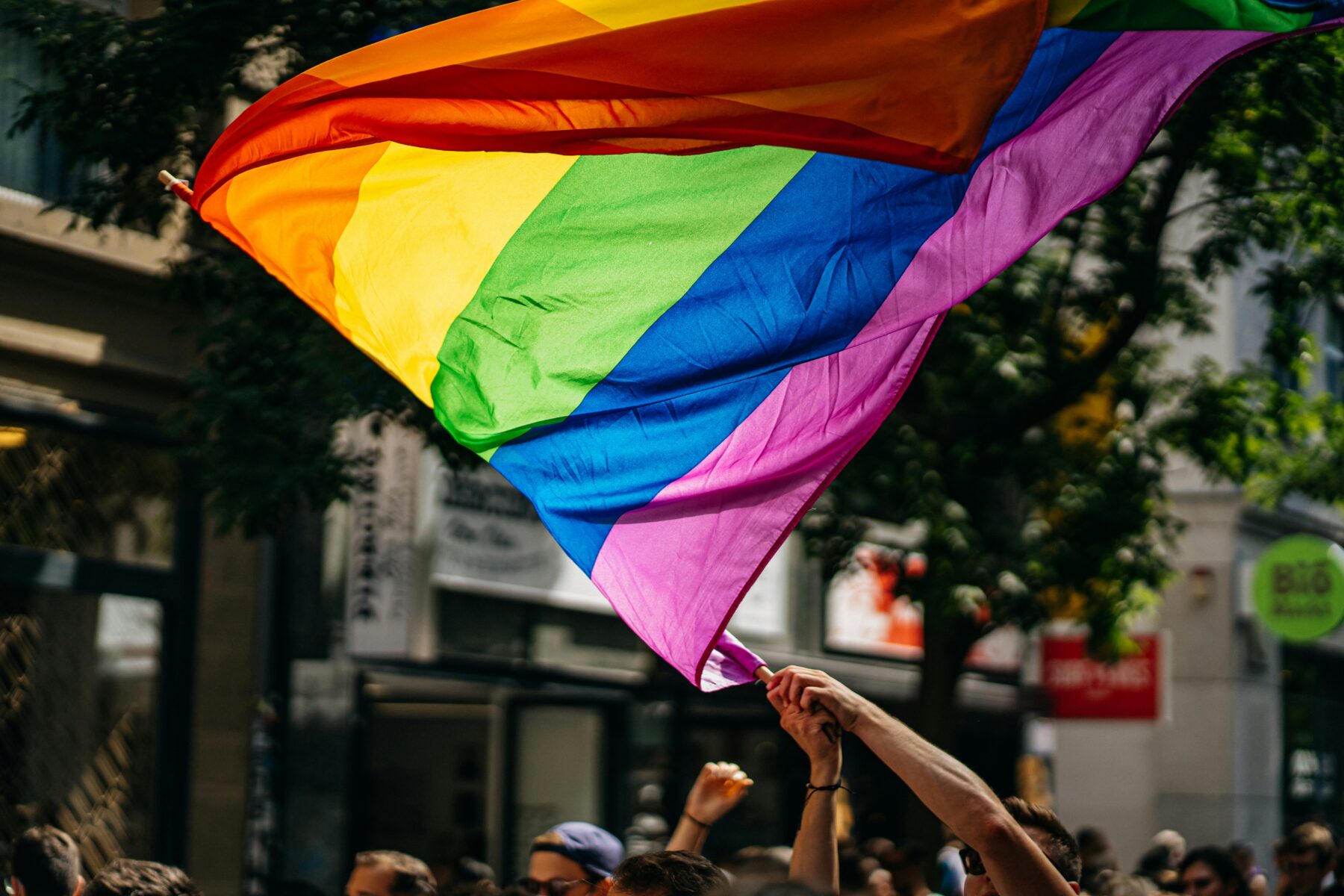
Manchester Pride: An Unmissable Festival of Love and Equality
Manchester Pride is one of the United Kingdom’s best-known LGBTQ+ festivals, filling the city with colour, music, activism, visibility, and community spirit every August Bank Holiday weekend. What began in the 1980s as a small fundraising event has grown into a major annual celebration that attracts tens of thousands of visitors from across the UK and beyond. Yet despite its size, the event still carries a strong sense of purpose. At its heart, Manchester Pride is not only a festival, but also a statement about equality, remembrance, solidarity, and public visibility.
What makes the event especially powerful is the way it combines celebration and activism. The atmosphere can be joyful, loud, and full of energy, but the deeper message is never far away. Pride in Manchester is rooted in the long struggle for LGBTQ+ rights, dignity, and recognition, and that gives the event a substance that goes beyond music and nightlife. It is a space where people gather not only to celebrate who they are, but also to acknowledge the battles that made that visibility possible.
Unlike many other Pride events, Manchester Pride takes over the city itself rather than being confined to a single park or fenced festival ground. The historic Gay Village around Canal Street, the reflective setting of Sackville Gardens, and the wider city centre all become part of the experience. That gives the event a distinctive atmosphere. Visitors move through real streets, bars, public spaces, and community landmarks, which helps connect the celebrations to Manchester’s own identity and history.
Manchester is a particularly fitting host for such an event. The city has long been associated with music, nightlife, radical politics, industrial confidence, and social activism, and Pride builds naturally on that tradition. Whether you are attending for the first time or returning after previous years, Manchester Pride 2026 stands as a reminder of how far the movement has come and how important it remains to keep pushing for equality, representation, and safety.
Why Manchester Pride Is Changing and What 2026 Will Look Like
In recent years, Manchester Pride has undergone a noticeable shift in direction. The large-scale festival model, with its major headline concerts and expansive entertainment setup at Depot Mayfield, has been scaled back. In its place, the focus has moved back toward the city’s historic LGBTQ+ centre, with a stronger emphasis on the Gay Village, community-led events, local performances, and the traditional Pride atmosphere around Canal Street. This renewed direction is now reflected in the name Manchester Village Pride.
For many visitors, this change represents a return to what made Manchester Pride feel so distinctive in the first place. Rather than being dominated by a single major music venue, the event is once again rooted in the streets, bars, public spaces, and community settings of the Village itself. That gives the weekend a more connected, local, and authentic character. It also helps restore the balance between celebration and community, which some felt had been overshadowed by the scale of previous headline-driven formats.
Manchester Village Pride 2026 is expected to run across the August Bank Holiday weekend from Friday 28 August to Monday 31 August 2026. Events will centre on the Canal Street area and the wider Gay Village, with the programme likely to include live music stages, drag performances, street parties, LGBTQ+ markets, community events, and the Pride Parade, alongside the important closing moments of reflection such as the Candlelit Vigil in Sackville Gardens.
This shift back toward the Village does not mean the event will be small or subdued. The area is still expected to draw large crowds across the four-day weekend, and the atmosphere will remain lively, festive, and highly visible. What changes is the feel of the event. Rather than channelling energy into a single giant concert setting, the celebrations will be spread more organically across the neighbourhood that has long been central to Manchester’s LGBTQ+ identity.
As with previous years, the full line-up, event schedules, and stage details are expected to be released closer to the summer. For now, the important point is that Manchester Village Pride 2026 appears set to be more community-centred, more rooted in place, and more closely tied to the spirit of the city’s traditional Pride celebrations.

Quick Facts: Manchester Village Pride 2026
| Category | Details |
|---|---|
| Event | Manchester Village Pride 2026 |
| Dates | Friday 28 August – Monday 31 August 2026 |
| Location | Manchester Gay Village (Canal Street area) |
| Main Events | Pride Parade, Village Stages, Community Events, Candlelit Vigil |
| Tickets | Required for Village entry during main event days |
| Parade | Free to watch |
| Candlelit Vigil | Free event in Sackville Gardens |
| Expected Attendance | Tens of thousands across the weekend |
| Official Website | manchesterpride.com |
Essential Info for Manchester Pride 2026
Manchester Village Pride 2026 will run from Friday 28 August to Monday 31 August 2026, with the main focus firmly on the Gay Village near Canal Street in central Manchester. For visitors planning a trip, this means the event will once again unfold in a compact, highly walkable part of the city, making it relatively easy to move between venues, outdoor stages, bars, memorial spaces, and community events.
The key elements expected during the weekend include the Pride Parade, the Gay Village street celebrations, live performances, community-led events, LGBTQ+ markets, and the Candlelit Vigil in Sackville Gardens. As in previous years, the Parade and the Vigil are expected to remain free to attend, while entry to the main Village event area during the busiest days will usually require a paid wristband or ticket.
One important practical consideration is transport. During Pride weekend, road closures are common around Canal Street, Portland Street, Oxford Street, and surrounding city-centre areas, so driving into the centre is rarely the easiest option. Public transport is generally the better choice. Manchester’s tram network, rail stations, buses, and taxi services make it fairly easy to reach the city centre and move around, even when streets are busier than normal.
Because the programme is spread across several days and includes both daytime and late-night activity, visitors should think not only about entry tickets, but also about where they will stay, how they will travel home after events, and how much walking they are comfortable doing across the weekend. Staying centrally can make a major difference, especially if you want the flexibility to return to your hotel between daytime and evening events.
More detailed schedules, performance announcements, and final event information are expected closer to summer 2026, but the overall structure is already clear. Manchester Pride will once again be a city-centre event rooted in the Village, combining celebration and reflection across a busy four-day weekend.
The Gay Village Party: The Heart of Manchester Pride
At the centre of Manchester Pride is the Gay Village around Canal Street, which becomes the main social and celebratory zone throughout the Bank Holiday weekend. This area is the emotional and cultural heart of the festival, and for many visitors it is where the real Pride atmosphere is felt most strongly. Streets close to traffic, bars and venues spill outdoors, and the whole neighbourhood turns into a densely packed, highly visible celebration of LGBTQ+ identity, joy, and community.
What makes the Village especially distinctive is that it does not feel like a temporary event site dropped into the city. It is already a meaningful place in Manchester’s LGBTQ+ history, and during Pride that identity becomes amplified rather than replaced. Instead of attending a festival in an isolated park or fenced venue, people move through real streets, canal-side spaces, bars, terraces, and stages that already belong to the life of the city. That gives the weekend a unique energy and a stronger sense of connection to place.
Throughout the Pride weekend, the Village is typically filled with live music, drag performances, DJs, themed events, food stalls, and community programming running across the afternoon and into the late evening, especially on Saturday and Sunday. Bars and clubs open onto the street, outdoor stages keep the atmosphere lively, and visitors can move between high-energy party spaces and more relaxed social areas depending on mood and time of day.
For first-time visitors, spending a large part of the weekend in the Gay Village is usually the best way to understand what makes Manchester Pride special. It is where the event feels most immediate, most social, and most deeply tied to the city’s LGBTQ+ culture. Many people choose to stay in hotels close to Canal Street for exactly this reason, since it makes it easier to move in and out of the Pride area without relying too heavily on late-night transport.
The Village is not just the setting for the party. It is the living core of Manchester Pride itself, where celebration, history, nightlife, and public visibility all come together in one tightly connected part of the city.
Latest from Rupert on Instagram
Follow Rupert's latest train journeys, destination discoveries, travel apps and behind-the-scenes adventures from AppSavvyTraveller.


The Candlelit Vigil
The Candlelit Vigil is the most reflective and emotionally powerful part of Manchester Pride, bringing the weekend to a close with a moment of remembrance, solidarity, and collective stillness. Held on Sunday night in Sackville Gardens, it stands in deliberate contrast to the noise, colour, and celebration of the rest of Pride weekend. That contrast is exactly what gives it such weight. It reminds everyone present that Pride is not only about joy and visibility, but also about memory, grief, resilience, and the continuing fight for dignity and equality.
The Vigil honours those lost to HIV and AIDS, as well as members of the wider LGBTQ+ community who are no longer with us. It also speaks to the ongoing reality that, in many places, LGBTQ+ people still face discrimination, violence, criminalisation, and exclusion. In that sense, the event is both personal and political. It is a moment of mourning, but also a statement that remembrance itself is part of activism.
Thousands of people usually gather in Sackville Gardens, many holding candles that gradually illuminate the space as darkness falls. The setting adds greatly to the emotional impact. The gardens are home to the Alan Turing Memorial, which carries its own powerful symbolism, given Turing’s role in British history and the persecution he endured because of his sexuality. During the Vigil, the memorial and the surrounding garden space become a focal point for reflection, respect, and quiet unity.
The atmosphere is often deeply moving. Where the Village during the day may be loud and celebratory, the Vigil is quieter, more focused, and more intimate, even with a large crowd. For many visitors, it becomes the most memorable part of the weekend precisely because it gathers together the deeper meaning of Pride in one shared public moment.
Practically, the Vigil is usually free and open to all, with no ticket required. The area is generally accessible, and Sackville Gardens is one of the easier central spaces to reach on foot from Canal Street. Because the event draws large numbers of people and space near the memorial fills quickly, arriving early is wise if you want a good position.
For many attendees, the Candlelit Vigil is the moment that gives shape and depth to the entire weekend. It turns Pride from a festival into something more enduring and reminds visitors that celebration and remembrance belong together.
Gay Village Guide: Bars, Clubs, Restaurants and More
During Manchester Pride, the Gay Village becomes not just the location of the event, but a destination in its own right. Centred on Canal Street and the surrounding roads, it is packed with bars, clubs, restaurants, hotels, and community-focused businesses that give the area its distinctive character. For Pride visitors, understanding the Village itself is just as important as understanding the wider festival, because so much of the weekend’s atmosphere is shaped by the venues and streets that define this neighbourhood all year round.
The bar and club scene is one of the Village’s best-known features. Long-established names such as Via, Rem Bar, New York New York, G-A-Y Manchester, Bar Pop, Cruz 101, On Bar, Centre Stage, Oscars, The Brewers, The Church, The Goose, and Thompsons Arms create a broad mix of styles, from high-energy dancefloors and pop-focused nights to cabaret spaces, piano bars, karaoke venues, and more relaxed social drinking spots. This variety is one of the Village’s strengths. Visitors can move from a loud, packed party atmosphere to a quieter, more intimate venue within a few minutes on foot.
There are also spaces that cater to more specific audiences, including Eagle Bar and Company Bar, alongside places such as Iconic Bar, The Lodge, Eva, and Rem Bar, all of which add to the Village’s layered and long-established nightlife culture. During Pride weekend, many of these venues host themed events, DJs, extended opening hours, and special programming that help turn the whole district into a continuous social space.
Food and drink options are equally important, especially during a long Pride weekend. Visitors can find sit-down restaurants such as Village Brasserie at Velvet, the theatrical Richmond Tea Rooms, Chaun Restaurant, and Habesha Restaurant, alongside more casual and late-night options such as McTuckys, the Village Fish and Chip Shop, and Roadies. This mix matters because Pride days are long, and having places nearby for brunch, dinner, quick takeaway food, or a break between events makes a real difference.
Accommodation inside or right next to the Village is particularly popular during Pride. Hotels such as Velvet Hotel, Le Ville Hotel, Rem Hotel, New Union Hotel, and Leven are all well placed for visitors who want to stay close to Canal Street and avoid relying too much on transport late at night. These properties vary in style and price, from boutique and design-led options to more basic budget stays, but all benefit from location. Because of that, they usually fill quickly for Pride weekend.
The area also includes shops and community-linked businesses such as Clone Zone, seasonal Pride merchandise spaces, temporary pop-up traders, and local transport providers including StreetCars Manchester and Manchester Cars. Together, all of these venues and businesses help turn the Village into a fully functioning social and cultural district rather than simply an event zone.
For Pride weekend, the most practical advice is simple. Book early, expect crowds, and stay flexible. The Village is the centre of the experience, and understanding its venues, layout, and rhythm will make the whole weekend easier and more enjoyable.
How to Get to Manchester Pride
One of the reasons Manchester Pride attracts so many visitors is that Manchester is one of the easiest major cities in the UK to reach. It has strong air, rail, coach, tram, and road links, making it accessible for both domestic and international travellers. For anyone planning a Pride weekend, good transport options make it possible to arrive smoothly and spend more time focused on the event rather than the logistics.
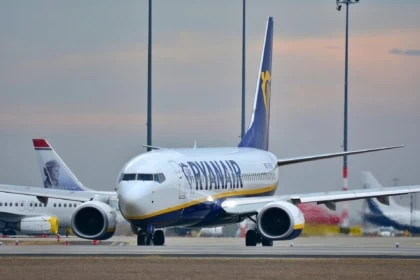
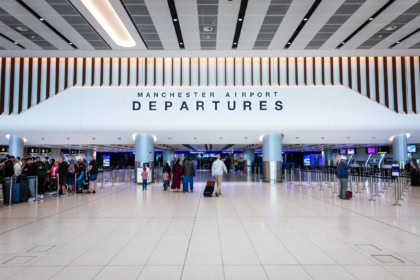
For visitors arriving by air, Manchester Airport is the main gateway. It is the third busiest airport in the UK and offers direct flights from destinations across Europe, North America, Asia, and the Middle East. The airport sits roughly 9 miles from the city centre, and one of its biggest advantages is how well connected it is to central Manchester. Trains to Manchester Piccadilly usually take around 15 minutes, while Metrolink trams reach the city in around 35 minutes. Taxis are another option, typically costing around £25 to £30, though booking ahead is sensible during busy periods such as Pride weekend.
Rail is often the easiest choice for visitors travelling from within Britain. Manchester Piccadilly is the city’s main station and offers direct services from London, Birmingham, Glasgow, Leeds, and many other major centres. Journey times are competitive, with London services taking a little over 2 hours in good conditions. Travellers who book early can often secure much better fares, so advance planning is worthwhile.
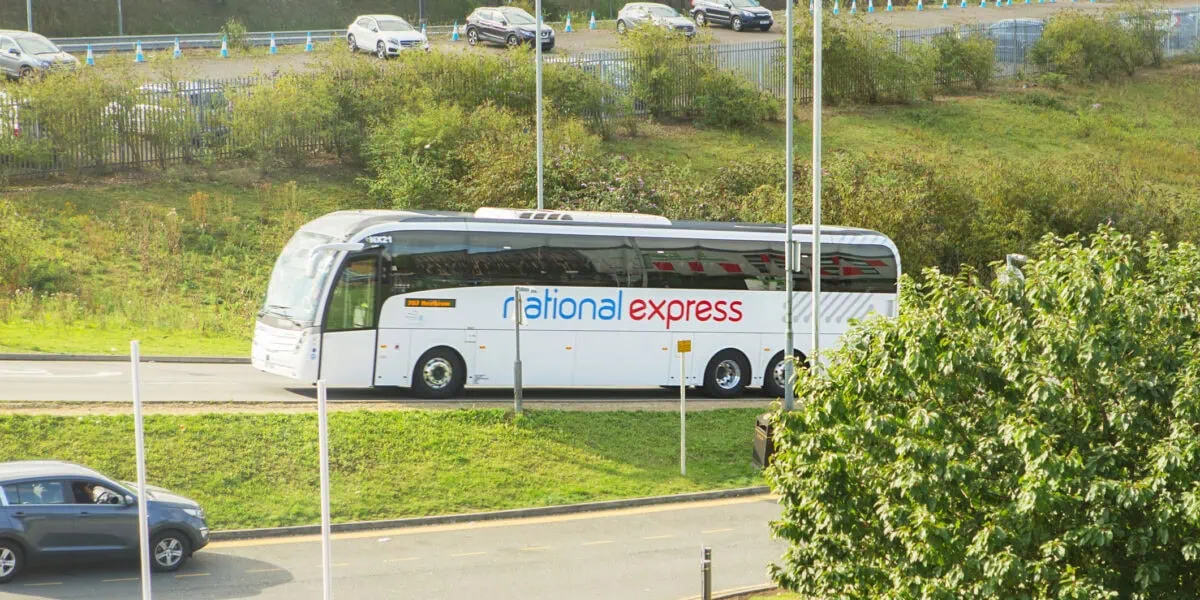
Coach travel is another good option, especially for those on a tighter budget. Chorlton Street Coach Station is particularly convenient for Manchester Pride because it sits very close to the Gay Village, making it one of the best arrival points for visitors travelling by long-distance bus. Services operated by National Express and Megabus connect Manchester with a wide range of cities across the UK.
Useful travel apps can simplify the whole process. Trainline is particularly helpful for rail bookings and journey management, while the Bee Network app supports local transport planning once you are in Greater Manchester. Using both together gives visitors a practical way to handle the longer journey in and the shorter city-centre movements once the Pride weekend begins.
The best transport choice depends on budget, distance, and arrival time, but the overall picture is strong. Whether arriving by plane, train, or coach, Manchester is well set up to handle large volumes of visitors, which makes it an ideal host city for a major Pride weekend.


Bee Network (Transport for Greater Manchester)



Getting Around During Manchester Pride
Once you are in the city, getting around during Manchester Pride is generally straightforward, but it does require a little planning because the city centre becomes much busier than normal. The good news is that the main Pride events are concentrated in and around the Gay Village, which means many visitors can cover a lot of the weekend on foot. If you are staying centrally, walking is often the easiest and most efficient option.
The Village itself is compact and highly walkable, and many of the main event spaces, bars, food spots, and memorial areas are only a few minutes apart. This is one of the biggest advantages of Manchester Pride compared with more spread-out festivals. Even so, once you start moving beyond Canal Street, or if you are returning to accommodation outside the immediate centre, local transport becomes much more important.
The Metrolink tram network is one of the most useful ways to travel across the city and surrounding areas during the weekend. It connects central Manchester with key districts, suburban neighbourhoods, and transport hubs, and it remains one of the best options when roads are busy or partially closed. The Bee Network also operates bus services across the city, with frequent routes running throughout the weekend. For many visitors, a mix of walking and public transport is the most practical combination.
Ticketing is relatively simple. Single fares usually start from around £2.00, while a 1-day travelcard for combined bus and tram use is often around £5.60, making it a good option if you expect multiple journeys in one day. Contactless tap-and-cap payment is especially useful because it removes the need to buy individual tickets each time. Real-time updates and route planning through the Bee Network app can also help you avoid delays and make better decisions when the city is especially crowded.
Taxis and ride-hailing services remain important, particularly at night. StreetCars is one of Manchester’s best-known local providers and is widely used during large city events, while Uber and Free Now also operate across the centre. Many visitors prefer StreetCars during Pride because of its local familiarity and event-related organisation. Late at night, demand can rise sharply, so it is sensible to book as early as possible if you know you will need a ride home.
Overall, the best approach is to stay flexible. Walk when you can, use the tram or bus when needed, and keep a taxi app ready for later in the evening. Manchester is compact enough to make this easy, but Pride crowds mean that planning ahead still pays off.


Where to Stay During Manchester Pride
Choosing where to stay can make or break a Manchester Pride weekend. Manchester city centre offers a strong range of accommodation, with more than 130 hotels and well over 400 bookable places to stay when apartments, hostels, and guesthouses are included. That gives visitors plenty of choice in theory, but Pride weekend is one of the busiest times of the year for central Manchester, which means the best-located options often sell out early and prices rise quickly.
For most visitors, the most convenient place to stay is the Gay Village itself or the streets immediately around it. Being close to Canal Street means you can move in and out of the main Pride area easily, return to your room during the day, and avoid depending too heavily on late-night transport. Hotels such as Velvet Hotel, Le Ville Hotel, Rem Hotel, New Union Hotel, and Leven are among the most obvious choices for this reason. They range from boutique and stylish to simple and budget-focused, but all offer the same major advantage, which is location.
Village accommodation tends to command the highest demand because it allows visitors to stay at the centre of the action. Velvet Hotel appeals to those wanting a more polished boutique experience, while Le Ville Hotel offers a more affordable central option. Rem Hotel and New Union Hotel are more basic, but extremely well placed for visitors who care most about being close to the nightlife and event zone. Leven, just off Canal Street, offers a more design-led aparthotel experience with extra space and amenities such as kitchenettes.
If those properties are unavailable or above budget, the good news is that several nearby neighbourhoods work very well as alternatives. The Northern Quarter is a strong option for travellers who want an energetic area with cafés, bars, and boutique hotels. Ancoats is another good choice, especially for food and nightlife, and remains within reasonable walking distance of the Village. Castlefield offers a quieter canalside setting while still keeping the city centre within easy reach. These districts can provide a better balance of cost, atmosphere, and availability, especially if booked early.
For groups, longer stays, or travellers who want more space, serviced apartments and short-term rentals can also be practical. They are common across central Manchester and may offer better value than hotels during peak periods, especially when shared.
The main rule is simple. Book as early as possible. Pride weekend pushes up occupancy and pricing across the city, and leaving accommodation late often means paying more for less convenient locations. Even if you are not staying in the Village itself, Manchester’s transport links make it easy enough to return safely, but central accommodation almost always makes the weekend smoother.
| Hotel | Style | Location | Notes | Price Range (per night) |
|---|---|---|---|---|
| Velvet Hotel | Boutique Luxury | Canal Street | Stylish rooms, Village Brasserie, popular bar downstairs | £160–£280 |
| Le Ville Hotel | Budget/Mid-range | Canal Street | Affordable, central stay right in the Village | £80–£140 |
| Rem Hotel | Budget | Canal Street | Simple rooms above Rem Bar, great location | £60–£100 |
| New Union Hotel | Historic/Budget | Canal Street | Pub with cabaret, karaoke, and rooms upstairs | £70–£120 |
| Leven | Stylish Aparthotel | Chorlton Street (just off Canal Street) | Spacious suites with kitchenettes | £120–£200 |
Where to Eat & Drink
Manchester has firmly established itself as one of the UK’s most exciting food cities, and during Manchester Pride, that reputation is on full display. Across the weekend, the Gay Village becomes a dense hub of restaurants, bars, pop-ups, and takeaway spots, all working at full capacity to serve the crowds. Knowing where to eat, when to go, and how to plan your meals can make a big difference to your overall experience.
Within the Village itself, you will find a strong mix of sit-down dining and quick, practical options. Venues such as The Molly House offer a more relaxed, atmospheric setting with tapas-style dishes and a strong drinks menu, making it ideal for slower meals or early evening breaks. Richmond Tea Rooms provide a more theatrical experience, especially popular with groups, while Village Brasserie at Velvet delivers a more polished dining environment with a Mediterranean-inspired menu and cocktails that suit a celebratory weekend.
For those looking for something slightly different, Chaun Restaurant and Habesha Restaurant add international flavour to the Village, offering Asian and Ethiopian cuisine respectively. These are particularly good options if you want something more substantial before heading back into the nightlife.
Late-night food becomes especially important during Pride, and this is where the Village really comes into its own. McTuckys, the Village Fish and Chip Shop, and Roadies are all reliable options for quick, filling meals when restaurants are full or you are between events. These venues tend to stay busy, but they provide exactly what most visitors need during a long day and night of activity.
Outside the Village, the wider city offers even more variety. The Northern Quarter is known for independent cafés and creative dining, while Ancoats has become one of Manchester’s most talked-about food districts, with a strong focus on quality and atmosphere. Moving slightly away from the busiest Pride zones can also mean shorter queues and a more relaxed experience.
Planning ahead matters. During Pride weekend, restaurants fill quickly, especially in the evenings. Booking tables in advance is strongly recommended if you want a sit-down meal. For more flexibility, mixing planned meals with quick takeaway options usually works best.
Food delivery apps can also be useful if you prefer to stay in your accommodation after a long day. Services such as Deliveroo and Uber Eats allow you to order directly to your hotel or apartment, which can be a welcome option when the city is at its busiest.


Cultural Etiquette & Respect During Manchester Pride
Manchester Pride is open, welcoming, and inclusive, but it is also an event with deep cultural and historical meaning. Understanding how to behave respectfully is not complicated, but it does require awareness. Visitors who approach Pride with the right mindset will not only have a better experience themselves, but will also contribute positively to the atmosphere of the event.
At its core, Pride is about visibility, equality, and community. It is a celebration, but it is also rooted in activism and in the lived experiences of LGBTQ+ people. That means it is important to remember that, while everyone is welcome, the event is not simply a generic party. It represents something much more significant to those who are part of the community.
One of the simplest and most important things to keep in mind is respect for personal space and identity. If you are taking photos or videos, be mindful of the people around you. Not everyone will want to be filmed or photographed, particularly during more emotional or reflective moments such as the Candlelit Vigil. Asking before capturing images is always the safest and most respectful approach.
Language also matters. Using the correct pronouns when referring to someone is a basic sign of respect. If you are unsure, it is acceptable to ask politely rather than assume. Most people will appreciate the effort.
There are also specific spaces within Pride that are designed for particular groups, including events led by or focused on marginalised communities. Respecting these spaces is important. They exist for a reason, and visitors should be aware of that purpose rather than treating every part of Pride as interchangeable.
Behaviour is another key factor. While Pride is a celebration, excessive intoxication or disruptive conduct, especially near memorial areas such as Sackville Gardens, can undermine the tone of the event. The same applies to treating Pride as a costume event or novelty experience. The focus should remain on supporting and celebrating the community, not overshadowing it.
Finally, clothing and presentation should be approached thoughtfully. Pride encourages self-expression, but it is still important to avoid cultural appropriation or anything that could be seen as insensitive or dismissive of the event’s meaning.
A good rule to follow is simple. Enjoy the celebration, but stay aware of its purpose. That balance is what makes Manchester Pride such a powerful and meaningful event.
History of Manchester Pride
The story of Manchester Pride is closely tied to the broader history of LGBTQ+ rights in the UK. What is now one of Europe’s most recognised Pride events began in a much smaller and more urgent context, shaped by activism, fundraising, and community support during a difficult period.
The origins of the event can be traced back to 1985, when local organisers held a fundraising initiative to support people affected by the HIV and AIDS crisis. At the time, this was not a large public celebration, but rather a focused effort to provide help and raise awareness during a period when stigma and misinformation were widespread.
By the early 1990s, the event had grown significantly. In 1991, Manchester hosted its first large-scale Gay and Lesbian Mardi Gras, which brought together entertainment, fundraising, and community activity in a more visible and public format. This marked an important shift, as Pride began to move from a primarily support-driven event into a broader cultural and social gathering.
Through the late 1990s and early 2000s, Manchester Pride continued to expand. The addition of parades, music stages, and structured programming helped transform it into a major annual event. At the same time, the organisers maintained a focus on activism and community funding, ensuring that Pride remained connected to its original purpose.
One of the defining features of Manchester Pride today is its balance between celebration and remembrance. Sackville Gardens, now home to the Alan Turing Memorial, plays a central role in this. The annual Candlelit Vigil held there reflects the event’s ongoing connection to the HIV/AIDS crisis and the wider struggle for equality.
In recent years, Manchester Pride has continued to evolve. There has been a greater emphasis on inclusion, with more space given to diverse voices within the LGBTQ+ community, including QTIBPOC groups and sober Pride initiatives. The structure of the festival has also shifted, with a renewed focus on community-led events and the historic Gay Village.
Despite these changes, the core identity of Manchester Pride has remained consistent. It is still a space where activism, remembrance, and celebration exist side by side. That combination is what gives the event its lasting significance and ensures it continues to resonate with both local communities and visitors from around the world.

Rupert’s Handy Travel Tips
Manchester Pride is one of the UK’s biggest celebrations of love and equality. Here are my tips to make the most of the weekend with the help of a few handy apps:
- Download the official Pride app – Keep set times, parade routes, and venue maps in your pocket.
- Use transport apps – The Bee Network and train apps help you dodge traffic and plan late-night travel home.
- Stay cashless – Many bars and food stalls prefer card or mobile wallet payments for speed and safety.
- Enable push notifications – Get instant updates on schedule changes or safety alerts during the parade and concerts.
- Find friends easily – Use location-sharing apps to keep track of your group in the busy crowds.
- Check the weather – Pride goes ahead rain or shine, so a reliable forecast helps you pack your sunnies or poncho.
Want to meet the reindeer behind our travel tips? Find out more in our page Who is Rupert?.
Frequently Asked Questions (FAQ)
Do I need tickets for Manchester Pride?
Yes, entry into the Gay Village Area requires tickets, which can be purchased through the official Manchester Pride website. The Parade and Candlelit Vigil are free and open to all.
Where does the Manchester Pride Parade start and finish?
The Manchester Pride Parade steps off at 12:00 on Saturday, 23 August, beginning on Liverpool Road. The colourful procession winds its way through the city centre along Deansgate, Peter Street, Oxford Road, Portland Street, Princess Street, and Whitworth Street, before finishing on Fairfield Street at around 15:00. This year’s theme is “Love,” celebrating the unifying and transformative power of love in all its forms.
Is Manchester Pride accessible for wheelchair users?
Yes. Many venues offer step-free access, and RADAR key toilets are available. Apps like WheelMate and AccessAble help plan accessible routes and facilities.
What’s the best area to stay during Manchester Pride?
Stay near the Gay Village if possible. Northern Quarter, Ancoats, and Oxford Road also offer convenient access and a wide range of accommodation options.
Are there family-friendly events?
While much of the main programme is aimed at adults, Manchester Pride also hosts Superbia arts events and community-led activities suitable for all ages.
Is it safe to attend Manchester Pride alone?
Yes. Pride is a welcoming environment, but always follow normal safety precautions. Stick to well-lit areas at night, stay hydrated, and use trusted transport apps like StreetCars MCR.
Further Reading & Related App Guides
Want to explore Manchester in more depth? These guides will help you navigate the city’s highlights, history, and transport with confidence.
- Discover more essential tips with our complete city guide → Manchester Travel Apps Guide
- Walk through history and culture at your own pace → Manchester Walking Tour
- Learn how the Bee Network is reshaping transport across Greater Manchester → Manchester Bee Network Spotlight Guide
Last Updated
April 2026
Affiliate Disclosure
This page contains affiliate links. If you click through and make a purchase or booking, we may earn a small commission at no extra cost to you. This helps support our work and allows us to continue providing detailed, independent travel advice. We only recommend apps and services we personally use or have verified as high-quality.