
Why Dry Season Matters for Travel
When planning a trip, one of the most important factors to consider is the weather, and in many parts of the world that means understanding the difference between dry season and wet season. Unlike Europe or North America, where people usually think in terms of summer and winter, many tropical destinations have dry and wet seasons instead of traditional seasons, and this can make a huge difference to your trip.
Dry season is often considered the best time to visit many destinations because the weather is more predictable, there is less rain, and transport is generally more reliable. Roads are easier to travel on, boat trips are less likely to be cancelled, and outdoor activities like hiking, safaris, and sightseeing are usually more enjoyable. For beach destinations, dry season often means clearer skies, calmer seas, and better conditions for swimming and snorkelling.
However, dry season is not always perfect. Because the weather is better, this is usually peak tourist season in many countries. That means higher hotel prices, more crowded attractions, and busier beaches. Flights can also be more expensive, especially around major holiday periods such as Christmas, New Year, and school holidays.
In contrast, wet season travel can sometimes be cheaper and quieter, and in some destinations the rain only falls for short periods in the afternoon rather than all day. This is why understanding dry season vs wet season is important — the best time to travel depends not only on the weather, but also on your budget, crowds, and the type of trip you want.
Many experienced travellers actually plan trips around shoulder seasons, which sit between dry and wet seasons, offering a balance of decent weather, fewer tourists, and lower prices. Understanding how dry and wet seasons work around the world can help you plan better trips, avoid bad weather, and often save money.
What Is Dry Season and Wet Season?
In tropical and subtropical regions, seasons are usually defined by rainfall rather than temperature. Instead of winter, spring, summer, and autumn, many countries experience dry seasons and wet seasons, sometimes called rainy season or monsoon season.
Dry season is the period when a region receives very little rainfall. Skies are often clearer, humidity is lower, and travel conditions are generally easier. Wet season, on the other hand, is the period when a region receives most of its annual rainfall. This can involve heavy rain showers, thunderstorms, higher humidity, and sometimes flooding in certain areas.
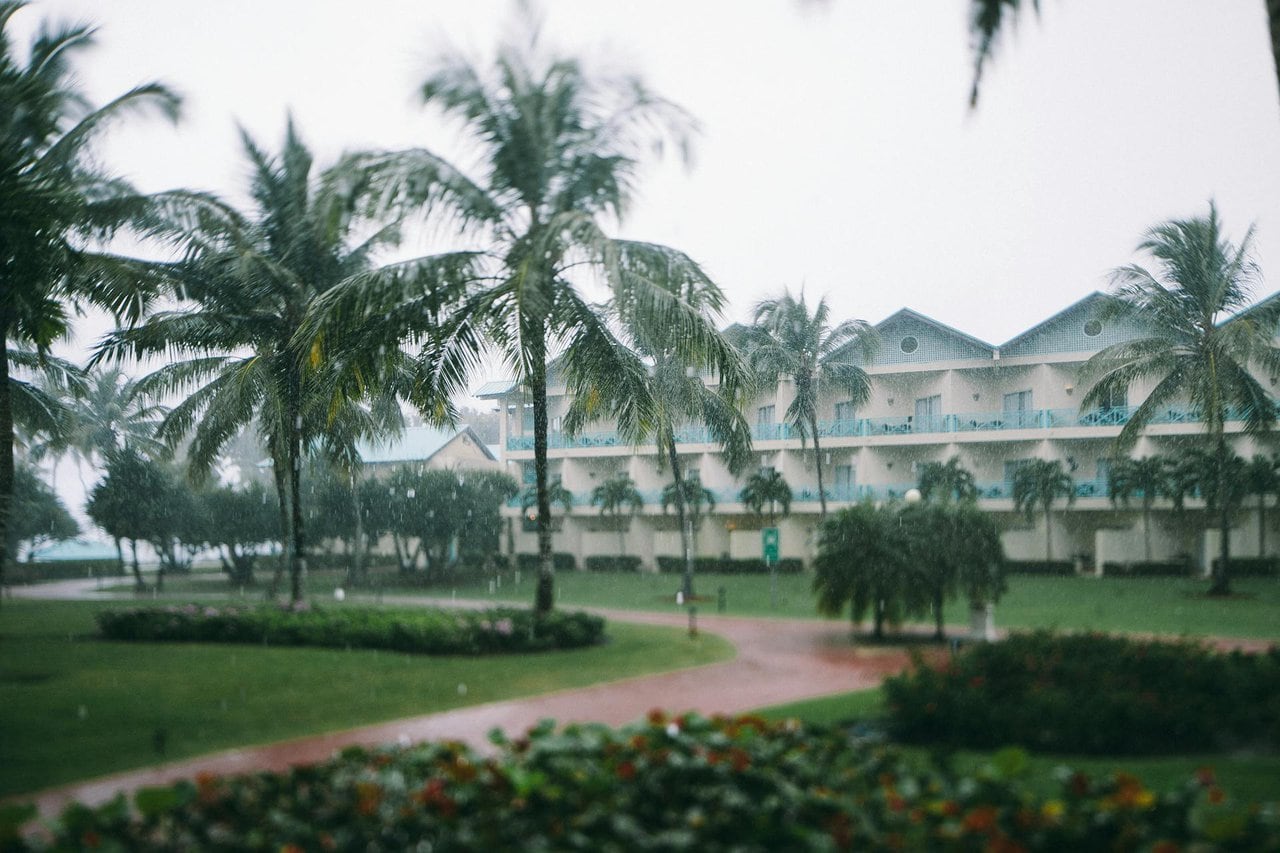
Wet season does not always mean constant rain all day. In many tropical countries, rain often falls as short, heavy afternoon storms followed by clear skies, especially earlier or later in the rainy season. This surprises many travellers who expect nonstop rain and end up finding the weather much better than expected.
The timing of dry and wet seasons is usually influenced by monsoon winds and ocean weather patterns. These patterns vary across the world, which is why dry season in one country may be wet season in another nearby country. Some countries even have different seasons on different coasts or in different regions.
For example, Sri Lanka has different dry seasons depending on whether you visit the west coast or the east coast. Vietnam also has very different weather patterns between the north and the south. This means there is almost always somewhere in the region with good weather if you plan carefully.
Understanding these seasonal weather patterns is one of the most important parts of travel planning, especially for destinations in Southeast Asia, the Caribbean, Central America, South America, and Africa.
Dry Season vs Wet Season Travel: Pros and Cons
Choosing between dry season and wet season travel is not always straightforward, because both have advantages and disadvantages. The best choice depends on whether you prioritise good weather, lower prices, fewer tourists, or greener landscapes.
Dry season travel is popular because the weather is usually more reliable. There are more sunny days, less rain disruption, and better conditions for beaches, hiking, wildlife safaris, and sightseeing. Transport is also usually easier, especially in countries where roads can flood or become difficult to use during heavy rains. For many travellers, dry season offers the most predictable and comfortable travel conditions.
However, dry season also has downsides. Because it is the most popular time to travel, flights and hotels are usually more expensive. Tourist attractions are busier, and popular destinations can feel crowded. In some safari destinations, dry season is excellent for wildlife viewing because animals gather around water sources, but accommodation prices can be much higher.
Wet season travel, on the other hand, often means lower prices and fewer tourists. Hotels may offer discounts, flights may be cheaper, and attractions are less crowded. Landscapes are often greener, waterfalls are more impressive, and rivers and lakes are fuller. Photographers often prefer wet season because the scenery is more dramatic and colourful.
The downside of wet season travel is the possibility of heavy rain disrupting plans. Boat trips may be cancelled, some rural roads may become difficult to use, and outdoor activities can be harder to plan. Humidity is also usually higher, which can make hot destinations feel even hotter.
For many travellers, the best compromise is shoulder season, which sits between dry and wet seasons. During these periods, the weather is often still good, but prices and crowds are lower than peak dry season. Understanding these seasonal differences can help travellers choose the best time for their specific trip rather than simply choosing the most popular months.
Dry Season Months by Region
Dry season months vary across the world, and understanding these patterns can make a big difference when planning trips. The table below gives a general overview of dry and wet seasons in some popular travel regions. These are general patterns and weather can vary slightly each year, but they provide a useful guide when planning travel.
| Region / Destination | Dry Season | Wet Season | Notes |
|---|---|---|---|
| Thailand | Nov – Apr | May – Oct | Best beach weather Dec–Mar |
| Bali (Indonesia) | May – Sep | Oct – Apr | Best for beaches and hiking |
| Vietnam (South) | Dec – Apr | May – Nov | North has different seasons |
| Sri Lanka (West/South) | Dec – Mar | Apr – Nov | East coast opposite season |
| Caribbean | Dec – Apr | May – Nov | Hurricane risk Aug–Oct |
| East Africa (Safari) | Jun – Oct | Mar – May | Best wildlife viewing |
| South Africa | May – Sep | Oct – Apr | Dry winter safari season |
| Mexico | Nov – Apr | May – Oct | Rain often short storms |
| Costa Rica | Dec – Apr | May – Nov | Rainforest very wet in wet season |
One of the most interesting things about global weather patterns is that dry seasons move around the world throughout the year, which means there is almost always somewhere with good weather if you plan carefully. This is why long-term travellers often move between regions based on dry seasons rather than travelling randomly throughout the year.
Understanding regional dry seasons is especially important for destinations such as Southeast Asia, Central America, and safari destinations in Africa, where weather conditions can significantly affect wildlife viewing, road conditions, and overall travel experience.
Planning travel around dry seasons does not guarantee perfect weather, but it significantly increases the chances of good conditions for outdoor activities, beaches, and sightseeing.
Best Dry Season Destinations by Month
One of the most useful ways to plan travel is to think about dry seasons by month rather than by country. Because dry seasons move around the world at different times, there is usually always somewhere in dry season no matter what month you want to travel. This is why experienced travellers often plan trips based on seasonal weather patterns rather than choosing destinations first.
In January and February, many of the best dry season destinations are in Southeast Asia and the Caribbean. Countries like Thailand, Vietnam, Cambodia, and parts of Indonesia tend to have warm temperatures and relatively low rainfall during this period. The Caribbean and Mexico are also very popular at this time because it is dry season and temperatures are warm but not too humid.
By March and April, dry conditions continue in parts of Southeast Asia, while destinations such as Japan, Morocco, and parts of Southern Europe begin to warm up and become good travel destinations before the peak summer crowds arrive. This period is often considered one of the best times of year for travel overall because many regions have comfortable weather and fewer tourists.
During May and June, Southern Europe becomes very popular, while East Africa enters its dry season, which is one of the best times for wildlife safaris in countries such as Kenya and Tanzania. Indonesia, including Bali, also enters dry season around this time, making it a popular destination for beach and island travel.
July and August are peak dry season months in parts of East Africa, Indonesia, and some South American destinations such as Peru. These months are also peak summer travel season in Europe, which means higher prices and more crowds in many Mediterranean destinations.
By September and October, dry season continues in parts of Africa, while destinations such as Turkey, Greece, and Southern Europe become cooler and less crowded, making them excellent shoulder season destinations. Many experienced travellers consider September one of the best travel months because weather is still good in many places but crowds are smaller.
In November and December, dry season returns to much of Southeast Asia and the Caribbean again, which is why these regions are extremely popular for winter sun holidays. Planning travel around these global dry season patterns can make a huge difference to your overall travel experience.
Is It Ever Worth Travelling in Wet Season?
Many travellers automatically avoid wet season travel, but this is not always the best decision. In many countries, wet season does not mean constant rain all day, and travelling during wet season can actually have several advantages.
One of the biggest advantages of wet season travel is cost. Flights and hotels are often cheaper because fewer tourists are travelling. This can make expensive destinations much more affordable. Travellers on a budget can often save a significant amount of money by travelling just outside peak dry season.
Wet season also means fewer tourists, which can make popular destinations much more enjoyable. Attractions are less crowded, beaches are quieter, and it is easier to book accommodation and tours at short notice. Some travellers prefer this quieter travel experience compared to busy peak season travel.
Another advantage is scenery. During wet season, landscapes are greener, rivers and waterfalls are fuller, and countryside areas often look more dramatic and beautiful. This is especially noticeable in rainforest regions, tropical islands, and mountain areas. Photographers often prefer wet season because landscapes are more colourful and less dusty than during dry season.
Of course, there are disadvantages. Heavy rain can sometimes disrupt travel plans, particularly boat trips, island hopping, hiking, and rural travel. Flooding can occasionally affect transport in certain countries, and humidity is often higher during wet season, which can make hot destinations feel more uncomfortable.
For many destinations, travelling at the beginning or end of wet season can be a very good compromise. You may still get plenty of sunshine, but with lower prices and fewer tourists than peak dry season.
How Rainy Is Rainy Season Really?
One of the biggest misunderstandings about travel is the idea that rainy season means it rains all day every day. In reality, this is often not the case in many tropical destinations. In many countries, rainy season rain comes in short, heavy storms rather than constant rain, often in the afternoon or evening.
In Southeast Asia, for example, it is common for mornings to be sunny, followed by heavy rain for an hour or two in the afternoon, and then clear skies again in the evening. This means travellers can often still do sightseeing, beach trips, and activities earlier in the day.
Rainy season weather varies depending on the region. Early rainy season may only have occasional storms, while peak rainy season may bring heavier and more frequent rain. Late rainy season often sees improving weather as the region moves back towards dry season.
Rain also affects destinations differently. Cities may be easier to manage during rain, while rural areas, mountains, and islands may be more affected by weather conditions. Boat transport can be affected by rough seas, and some hiking trails may become muddy or unsafe after heavy rain.
Humidity is usually higher during wet season, which can make temperatures feel hotter and more uncomfortable, especially in tropical regions. Mosquitoes are also usually more common during wet season because there is more standing water.
Despite this, many travellers are surprised to find that rainy season travel is often still very enjoyable, especially if you plan activities around weather patterns and expect occasional storms rather than perfect sunshine every day.
How Dry Season Affects Wildlife, Safaris and Nature Travel
Dry season is not only important for beaches and sightseeing — it is also extremely important for wildlife travel, safaris, hiking, and nature trips. In many parts of Africa and some areas of Asia and South America, dry season is considered the best time for wildlife viewing, especially for safari trips.
During dry season, water becomes harder to find, which forces animals to gather around rivers, lakes, and waterholes. This makes it much easier to spot animals because they are not spread out across large areas. Grass and vegetation are also shorter and thinner during dry season, which improves visibility when searching for animals.
This is why the dry season months in East Africa, usually from around June to October, are considered the best time for safaris in countries such as Kenya and Tanzania. These months also coincide with the Great Migration river crossings in some regions, which is one of the most famous wildlife events in the world. Safari prices are often highest during dry season because wildlife viewing conditions are at their best.
However, wet season also has advantages for nature travel. Landscapes are greener, flowers bloom, and many animals give birth during or after rainy seasons when food is more available. This means wet season can be a good time for bird watching, photography, and seeing baby animals.
Waterfalls are also usually at their most impressive during or just after wet season. Rivers are fuller, forests are greener, and scenery can be more dramatic. In contrast, during late dry season some landscapes can become very dry, dusty, and brown, especially in savannah regions.
For hiking and trekking, dry season is usually more comfortable because trails are less muddy and rivers are easier to cross. Mountain views are often clearer during dry season, although some mountain regions have their own weather patterns that differ from nearby lowland areas.
Overall, dry season is usually best for safaris, hiking, and wildlife spotting, while wet season can be better for scenery, waterfalls, and photography. Choosing the right season depends on what you want to see and do, not just whether it rains or not.
Dry Season, Prices and Tourist Crowds
Another important reason travellers pay attention to dry season is because it usually overlaps with peak tourist season. When the weather is at its best, more people travel, which means higher prices and more crowded destinations.
Flights, hotels, and tours are usually most expensive during peak dry season, especially during major holiday periods such as Christmas, New Year, Easter, and school holidays. Popular beach destinations, safari lodges, and island resorts often increase prices significantly during these periods because demand is high.
Crowds are another factor to consider. During peak dry season, popular attractions can be very busy, beaches can be crowded, and hotels may be fully booked. This does not necessarily ruin a trip, but it can change the experience compared to travelling during quieter months.
Wet season and shoulder season travel often offer better value for money. Hotels may offer discounts, flights may be cheaper, and tours may have more availability. Many experienced travellers deliberately travel just before or just after dry season to get a balance of good weather, lower prices, and fewer tourists.
This period between peak dry season and wet season is often called shoulder season. Weather is usually still fairly good, but prices and crowds are lower. Shoulder season travel is often one of the best ways to travel if you want good conditions without peak season costs.
Understanding how dry season affects prices and crowds can help travellers decide whether they want perfect weather, lower prices, fewer tourists, or a balance of all three.

Rupert’s Handy Travel Tips
Planning a trip around dry season? Here are a few smart travel tips to help you pick the best time to travel:
- Dry season means higher prices: Book flights and accommodation early for peak dry season destinations.
- Shoulder season is often best: Just before or after dry season can offer good weather with fewer tourists.
- Rainy season doesn’t mean constant rain: Many countries only get short afternoon storms.
- Check regional weather: Some countries have different seasons in different regions.
- Follow the dry seasons around the world: There is almost always somewhere with good weather each month.
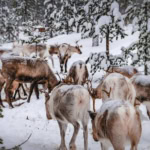
Want to meet the reindeer behind our travel tips? Find out more in our page Who is Rupert?.
Frequently Asked Questions About Dry Season Travel
When is dry season in Southeast Asia?
Dry season in much of Southeast Asia is typically between November and April, although this varies by country and region. Indonesia often has dry season between May and September.
Is it bad to travel during rainy season?
Not necessarily. In many countries, rainy season involves short heavy storms rather than constant rain, and travel can be cheaper and less crowded.
Is dry season always the best time to travel?
Dry season usually offers the most reliable weather, but it is also peak tourist season in many destinations, which means higher prices and more crowds.
What is shoulder season travel?
Shoulder season is the period between peak season and low season. It often offers a good balance of decent weather, fewer tourists, and lower prices.
Does dry season mean it never rains?
No. Dry season usually means less rain, but occasional rain showers can still happen depending on the region and weather patterns.
Further Reading & Related App Guides
Want to plan your trips around weather, costs, and travel seasons? These guides will help you choose the best time to travel and stay prepared wherever you go.
Plan ahead with our full travel vaccinations guide → Travel Vaccinations Guide: What Travellers Need Before Going Abroad (2026)
Understand mosquito risks in tropical climates → Malaria Tablets for Travel Guide
Learn about travel health risks from animals → Rabies Vaccine for Travel Guide
Travelling in Europe? Learn how healthcare access works → UK GHIC Card Guide
Stay connected wherever you travel → eSIM Apps Guide
Prepare for minor injuries while travelling → How to Make a Flight-Safe First Aid Kit for Your Holiday
Last Updated
March 2026
Affiliate Disclosure
This page contains affiliate links. If you click through and make a purchase or booking, we may earn a small commission at no extra cost to you. This helps support our work and allows us to continue providing detailed, independent travel advice. We only recommend apps and services we personally use or have verified as high-quality.