Reviewed by our editorial team Updated
Welcome to Limoges
Often overlooked in favour of Bordeaux, Toulouse or the Loire Valley, Limoges is one of France’s most rewarding historic cities. Internationally famous for its exquisite Limoges porcelain, the city also boasts a wealth of medieval streets, magnificent churches, colourful markets and attractive riverside walks that surprise many first-time visitors.
Situated on the banks of the River Vienne, Limoges has been an important settlement since Roman times. During the Middle Ages it became a major religious and commercial centre before gaining worldwide recognition during the eighteenth century for producing some of the finest porcelain ever created. Today, its delicate ceramics continue to grace royal households and museums across the globe.
The city is divided into several distinctive districts, each with its own character. The beautifully preserved Butcher’s Quarter transports visitors back to medieval France, while elegant boulevards, impressive public buildings and leafy parks reveal the prosperity Limoges enjoyed during the nineteenth century.
Limoges also serves as an excellent base for exploring the surrounding Limousin countryside, with peaceful lakes, picturesque villages and the deeply moving memorial village of Oradour-sur-Glane all within easy reach.
Whether you’re fascinated by history, architecture, porcelain, food, gardens or simply discovering one of France’s lesser-known cities, this guide covers the very best things to do in Limoges.
| Attraction | Time Needed | Admission | Best For |
|---|---|---|---|
| Quartier de la Boucherie | 1-2 hours | Free to explore | Medieval streets & photography |
| Limoges Cathedral (Cathédrale Saint-Étienne) | 45 minutes-1 hour | Free | Gothic architecture & stained glass |
| Musée National Adrien Dubouché | 1-2 hours | Paid | Porcelain lovers & craftsmanship |
| Jardins de l’Évêché | 30-45 minutes | Free | Gardens, views & relaxing walks |
| Chapel of Saint-Aurélien | 15-20 minutes | Free | Hidden gems & local traditions |
| Les Halles Centrales Market | 30-60 minutes | Free to browse | Local food & authentic atmosphere |
| Musée des Beaux-Arts | 1-2 hours | Paid | Fine art & Limoges enamel |
| Porcelain workshops & boutiques | 1 hour or more | Free to browse | Art lovers, collectors & souvenirs |
| Gare de Limoges-Bénédictins | 20-30 minutes | Free | Architecture fans & train travellers |
| Church of Saint-Michel-des-Lions | 20-30 minutes | Free | Gothic architecture & religious history |
| Pont Saint-Étienne | 15-20 minutes | Free | River views & photography |
| Oradour-sur-Glane (day trip) | Half day | Paid (Centre de la Mémoire) | WWII history & reflection |
Explore the Historic Butcher’s Quarter (Quartier de la Boucherie)
The Quartier de la Boucherie is without question the most atmospheric part of Limoges and one of the city’s greatest treasures.
Stepping into this beautifully preserved neighbourhood feels like travelling back several centuries. Narrow cobbled streets, half-timbered houses, colourful wooden façades and ancient stone buildings create one of the finest surviving medieval districts in central France.
For hundreds of years this was the centre of Limoges’ powerful butchers’ guild, whose members became some of the wealthiest and most influential citizens in the city. Their prosperity can still be seen in the beautifully restored houses, many dating from the fifteenth and sixteenth centuries, which line the winding streets.
Today, the district has been transformed into one of Limoges’ most charming areas. Independent boutiques, artisan workshops, galleries and welcoming cafés occupy many of the historic buildings, creating a lively atmosphere while preserving the area’s unique character.
Every June, the quarter comes alive during the traditional Fête de Saint-Aurélien, when the streets fill with music, parades and celebrations honouring the patron saint of the city’s butchers. It remains one of Limoges’ oldest and most colourful traditions.
Whether you’re interested in medieval history, architecture, photography or simply wandering through beautiful historic streets, the Butcher’s Quarter is the perfect place to begin exploring Limoges.
Best for two or three nights. The widest choice of rooms, with filters for free cancellation and included breakfast.
View staysBest for groups who want one address and separate bedrooms rather than three hotel rooms.
See holiday homesBest for double-checking. Runs the same search across several booking sites so you are not leaving money behind.
Compare pricesVisit Limoges Cathedral (Cathédrale Saint-Étienne)
Towering above the eastern side of the city, the magnificent Cathédrale Saint-Étienne de Limoges is one of the finest Gothic cathedrals in south-west France.
Construction began in 1273, yet the cathedral was not fully completed until the late nineteenth century, making it one of the longest building projects in French history. Despite the centuries separating its earliest and latest sections, the building remains remarkably harmonious, combining elegant Gothic architecture with impressive craftsmanship throughout.
Inside, visitors are greeted by soaring vaulted ceilings, graceful stone columns and magnificent stained-glass windows that bathe the interior in colourful light. One of the cathedral’s greatest treasures is its spectacular Renaissance rood screen, considered one of the finest surviving examples anywhere in France, featuring extraordinary carved stone figures and intricate decorative details.
The cathedral also houses beautifully carved choir stalls, historic tombs and impressive religious artworks that reward visitors who take time to explore every corner.
Outside, the towering bell tower dominates the Limoges skyline, while the neighbouring Jardins de l’Évêché provide some of the city’s finest viewpoints and photographs of the cathedral.
Whether you’re fascinated by Gothic architecture, religious art, French history or simply wish to admire one of the region’s most impressive buildings, Limoges Cathedral is an essential stop.
Discover the Musée National Adrien Dubouché
No attraction explains Limoges’ worldwide reputation better than the outstanding Musée National Adrien Dubouché, home to the largest public collection of Limoges porcelain in the world.
The museum traces the story of ceramics from ancient civilisations through to modern artistic creations, but its greatest strength lies in its extraordinary collection of Limoges porcelain. Beautiful dinner services, decorative vases, intricate figurines and luxury tableware demonstrate the incredible craftsmanship that made the city’s name famous across Europe and beyond.
Interactive displays explain every stage of porcelain production, from the discovery of kaolin clay near Limoges during the eighteenth century through to shaping, glazing, decorating and firing the finished pieces. Watching the development of these techniques helps visitors appreciate why authentic Limoges porcelain became synonymous with elegance and exceptional quality.
Many of the exhibits were produced for royal families, presidents, luxury hotels and prestigious international clients, highlighting the city’s global importance within the ceramics industry.
The museum itself has been beautifully modernised, combining historic galleries with contemporary exhibition spaces that make the collections engaging and accessible for visitors of all ages.
Whether you’re interested in art, design, craftsmanship, industrial history or simply discovering why Limoges became one of the world’s most famous porcelain-producing cities, the Musée National Adrien Dubouché is an absolute must-visit.
Walk Through the Jardins de l’Évêché
Beside the magnificent Limoges Cathedral, the beautiful Jardins de l’Évêché offer one of the city’s most peaceful and picturesque places to relax.
Created on the former grounds of the bishop’s palace, these elegant French-style gardens combine perfectly manicured flower beds, ornamental hedges, fountains and shaded walkways overlooking the River Vienne. Throughout the year the gardens burst into colour, with carefully designed planting schemes ensuring there’s always something in bloom.
One of the highlights is the spectacular botanical garden, where visitors can discover hundreds of plant species alongside traditional medicinal herbs once cultivated by the clergy. Informative displays explain the importance of many of the plants, making the gardens both beautiful and educational.
The elevated position also provides some of the best panoramic views in Limoges. Looking out across the River Vienne, Pont Saint-Étienne and the surrounding rooftops, it’s easy to appreciate why this part of the city has been occupied for centuries.
The gardens are particularly popular with photographers during spring and summer, while benches throughout the grounds provide peaceful places to enjoy a picnic or simply escape the bustle of the city centre.
Whether you’re interested in gardens, photography, architecture or simply looking for a quiet place to unwind, the Jardins de l’Évêché are one of Limoges’ finest green spaces.

Visit the Chapel of Saint-Aurélien
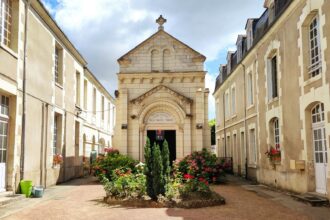
Hidden within the winding streets of the Quartier de la Boucherie, the charming Chapel of Saint-Aurélien is one of Limoges’ most fascinating historic buildings.
Although modest in size, the chapel holds enormous importance for the city. It is dedicated to Saint Aurélien, the patron saint of Limoges’ powerful butchers’ guild, whose members dominated this part of the city for hundreds of years. Their wealth and influence helped shape much of medieval Limoges, and the chapel became the spiritual heart of their community.
Inside, visitors will find beautifully carved wooden panelling, elegant stained-glass windows and an impressive collection of religious treasures, many donated by generations of local guild members. The peaceful atmosphere makes it easy to imagine the ceremonies and processions that once took place here.
Every year the chapel remains at the centre of the traditional Fête de Saint-Aurélien, one of Limoges’ oldest festivals. The celebrations include colourful parades, music and historic ceremonies that continue a tradition stretching back centuries.
Despite its importance, many visitors walk straight past without realising what’s hidden behind its simple exterior. Those who step inside are rewarded with one of the city’s most authentic and atmospheric historic sites.
Whether you’re interested in medieval history, local traditions or discovering Limoges’ hidden gems, the Chapel of Saint-Aurélien is well worth seeking out.
Explore Les Halles Centrales Market
Few places capture the everyday spirit of Limoges better than Les Halles Centrales, the city’s magnificent covered market.
Opened in 1889, the market is an architectural masterpiece in its own right. Its elegant iron framework, colourful ceramic decorations and impressive glass roof reflect the prosperity Limoges enjoyed during the late nineteenth century, while subtle porcelain details pay tribute to the city’s world-famous industry.
Inside, you’ll discover one of the finest food markets in Nouvelle-Aquitaine. Dozens of independent traders sell everything from artisan cheeses, fresh bread and seasonal fruit to Limousin beef, duck specialities, charcuterie, mushrooms, walnuts and locally produced pastries.
The market is also one of the best places to sample regional delicacies. Fresh oysters, foie gras, handmade chocolates and locally produced wines sit alongside cafés where visitors can enjoy breakfast, lunch or simply a coffee while watching the morning bustle unfold.
For food lovers, it’s impossible not to be tempted by the colourful displays and welcoming atmosphere. Many local chefs shop here daily, a testament to the quality of the produce on offer.
Whether you’re looking to buy picnic supplies, experience authentic local life or simply admire one of France’s most beautiful covered markets, Les Halles Centrales should not be missed.
Walk Along the River Vienne
Flowing gently through the heart of the city, the River Vienne has shaped the history of Limoges for almost two thousand years. Today, its peaceful banks provide some of the city’s most enjoyable walking routes.
Well-maintained riverside paths follow the water through parks, historic districts and beneath elegant bridges, creating a relaxing escape from the busy shopping streets above. Along the way you’ll enjoy constantly changing views of Limoges Cathedral, the medieval skyline and the surrounding hills.
One of the highlights is the magnificent Pont Saint-Étienne, the city’s historic medieval bridge, whose graceful arches have linked both sides of the Vienne for centuries. From here you’ll enjoy spectacular views back towards the cathedral and the Jardins de l’Évêché, making it one of the best photography locations in Limoges.
The riverside is also rich in wildlife. Grey herons, kingfishers, swans and numerous other waterbirds can often be spotted, while the tree-lined banks provide welcome shade during the warmer months.
Whether you’re looking for a morning walk, a scenic jogging route, beautiful photographs or simply somewhere peaceful to relax, the River Vienne is one of Limoges’ greatest natural assets and an essential part of any visit.
Best if you can move a day either way. Shows how the fare changes across the month.
Compare flightsBest for short trips. Install the eSIM at home and arrive with working data, no shop queue.
Browse eSIMsBest after a long flight or a late landing. Price agreed before you travel, and no taxi queue.
Check transfersVisit the Fine Arts Museum (Musée des Beaux-Arts)
Housed within the magnificent former Bishop’s Palace, the Musée des Beaux-Arts de Limoges is one of the city’s finest cultural attractions. Combining fine art, archaeology and Limoges enamel, it offers visitors a fascinating journey through both local and international history.
The museum’s greatest claim to fame is its exceptional collection of Limoges enamel, regarded as one of the finest anywhere in the world. During the Middle Ages and the Renaissance, Limoges became internationally renowned for producing intricate enamel masterpieces that adorned churches, royal courts and wealthy households across Europe. The beautifully decorated reliquaries, plaques, jewellery and religious objects displayed here demonstrate the extraordinary craftsmanship that made the city famous long before porcelain brought it worldwide recognition.
The galleries also feature paintings by celebrated French and European artists, elegant sculptures and archaeological discoveries from the Roman city of Augustoritum, the ancient settlement that eventually became modern Limoges. Together, the collections tell the story of a city whose artistic traditions stretch back for almost 2,000 years.
The museum itself is equally impressive. Many rooms retain the elegance of the former episcopal residence, with grand staircases, decorative ceilings and large windows overlooking the Jardins de l’Évêché and the River Vienne.
Whether you’re interested in fine art, medieval craftsmanship, Roman archaeology or simply learning more about Limoges’ remarkable artistic heritage, the Musée des Beaux-Arts is an essential stop.
Discover the Underground Caves of the Règle
Beneath the historic streets surrounding Limoges Cathedral lies one of the city’s most unusual attractions. The Underground Caves of the Règle reveal a hidden world that many visitors never realise exists beneath their feet.
These ancient underground passages and cellars were carved into the rock over many centuries and have served a variety of purposes, including storage, wine cellars, workshops and even shelters during times of conflict. Exploring them provides a fascinating glimpse into the daily lives of Limoges’ medieval residents.
Guided tours explain how the underground network developed alongside the city above, while archaeological discoveries help illustrate how successive generations adapted these spaces to meet changing needs. Walking through the cool stone chambers and narrow passages creates a striking contrast to the bright streets outside and offers a unique perspective on Limoges’ history.
The caves also demonstrate how important the area’s geology was to the city’s development. The easily worked rock made excavation practical, while the naturally cool temperatures provided ideal conditions for storing food and wine long before refrigeration existed.
Whether you’re interested in archaeology, medieval history or simply discovering one of Limoges’ lesser-known attractions, the Underground Caves of the Règle are well worth exploring.
Explore the Porcelain Workshops and Boutiques
No visit to Limoges would be complete without discovering the porcelain that made the city’s name famous around the world.
For more than 250 years, artisans in Limoges have produced some of the finest porcelain ever created. The discovery of high-quality kaolin clay nearby during the eighteenth century transformed the city into one of the world’s leading ceramic centres, supplying luxury tableware, decorative pieces and fine art to royal families and prestigious clients across the globe.
Today, numerous porcelain workshops, factory shops and specialist boutiques continue that tradition. Visitors can browse everything from elegant dinner services and handcrafted vases to delicate ornaments, jewellery and contemporary designer pieces, many still produced using techniques passed down through generations.
Several workshops also offer demonstrations where skilled craftsmen can be seen casting, painting, gilding and decorating porcelain by hand. Watching these artists at work provides a real appreciation of the patience and precision required to produce authentic Limoges porcelain.
Even if you’re not planning to make a purchase, browsing the workshops is a fascinating experience and an excellent way to understand why the words “Limoges Porcelain” remain recognised worldwide as a symbol of exceptional quality. The name is legally protected: since 2017 it has been registered as a French geographical indication for Limoges porcelain, so only pieces genuinely made and decorated in the area may carry it.
Whether you’re an art lover, collector or simply searching for a unique souvenir, exploring Limoges’ porcelain workshops is one of the city’s signature experiences.
Visit Gare de Limoges-Bénédictins
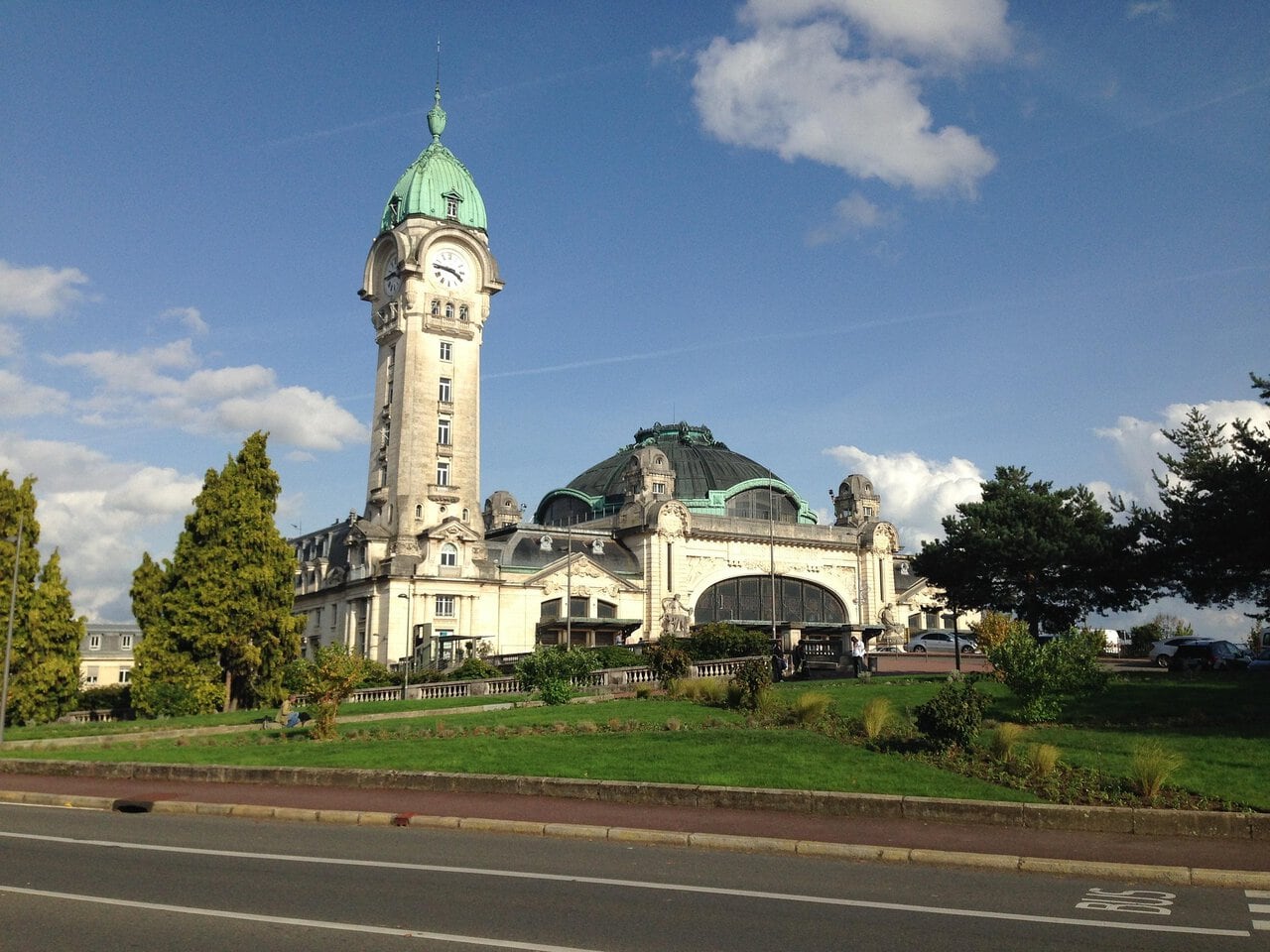
Often described as one of the most beautiful railway stations in France, Gare de Limoges-Bénédictins is far more than simply a transport hub. It’s one of the city’s architectural masterpieces and a landmark that deserves a visit even if you’re not catching a train.
Completed in 1929, the station combines Art Deco, Art Nouveau and Neo-Classical influences to create a building that’s both elegant and unmistakably distinctive. Its most famous feature is the magnificent 67-metre clock tower, which rises above the surrounding rooftops and has become one of Limoges’ defining landmarks.
Inside, the spacious concourse is flooded with natural light from an enormous stained-glass dome, while decorative stonework, elegant detailing and beautifully restored interiors make the station feel more like a grand civic building than a place to catch a train.
The station was cleverly constructed above the railway tracks, allowing passengers to descend from the main hall to the platforms below. This innovative design was considered highly advanced for its time and remains one of the reasons the building is admired by architects and railway enthusiasts alike.
Whether you’re arriving in Limoges by train, interested in architecture or simply looking for another impressive landmark to photograph, Gare de Limoges-Bénédictins is one of the city’s must-see attractions.
Relax in Parc Victor Thuillat
If you’re looking for a break from museums and historic streets, Parc Victor Thuillat is one of the best places in Limoges to slow down and enjoy some fresh air.
Located just north of the city centre, this attractive public park is popular with both locals and visitors thanks to its wide lawns, mature trees, colourful flower beds and peaceful walking paths. Unlike the formal layout of the Jardins de l’Évêché, Parc Victor Thuillat has a more relaxed atmosphere, making it an ideal place for a leisurely stroll or an afternoon picnic.
The park features ornamental ponds, fountains and plenty of shaded seating, providing welcome relief during the warmer summer months. Families will also find children’s play areas and open spaces where younger visitors can run around, while joggers and walkers regularly use the well-maintained paths that wind through the gardens.
Throughout the year, the changing seasons transform the park. Spring brings colourful blossom, summer fills the flower beds with vibrant displays, while autumn creates spectacular shades of gold and red beneath the mature trees.
Whether you’re looking for a peaceful walk, a picnic, photography opportunities or simply somewhere to relax after exploring Limoges’ historic centre, Parc Victor Thuillat is well worth a visit.
Discover the Resistance Museum
The Musée de la Résistance tells one of the most powerful stories in Limoges’ history, exploring the courage and sacrifices of those who resisted the German occupation during the Second World War.
The Limousin region became one of the strongest centres of the French Resistance, with many local men and women risking their lives to gather intelligence, sabotage enemy operations and assist Allied forces. Through personal stories, original artefacts, photographs and historical documents, the museum explains how ordinary people became extraordinary heroes during one of Europe’s darkest periods.
The exhibitions examine life under occupation, the formation of resistance networks and the eventual liberation of the region. Rather than focusing only on military events, the museum also explores the difficult choices faced by civilians and the lasting impact the war had on local communities.
Interactive displays and multimedia presentations help bring these events to life, making the museum engaging for visitors of all ages while treating the subject with the respect it deserves.
A visit here also provides important context before travelling to nearby Oradour-sur-Glane, where one of the most tragic events of the war took place.
Whether you’re interested in modern history, the Second World War or the remarkable stories of courage shown by ordinary people, the Resistance Museum is one of Limoges’ most thought-provoking attractions.
Best for short city stops where being central matters more than the room. Dorms and private rooms both listed.
See hostelsBest arranged before you fly rather than after. Covers claim handling, plus lounge access on eligible delays.
Explore AirHelp+Best if your room is not ready yet. Left luggage booked in advance, so you are not hunting for a locker.
Check storageTake a Day Trip to Oradour-sur-Glane
Around 30 minutes from Limoges lies one of the most moving and important historic sites in France. The preserved village of Oradour-sur-Glane stands as a permanent memorial to the 643 men, women and children who were murdered there by the 2nd SS Panzer Division Das Reich on 10 June 1944.
Rather than rebuilding the village after the war, General Charles de Gaulle ordered that it should remain exactly as it was found, creating a lasting reminder of the horrors of war and the importance of peace.
Today, visitors begin at the excellent Centre de la Mémoire, where exhibitions explain the events leading up to the massacre, the occupation of France and the aftermath of the tragedy. From there, you pass into the preserved village itself.
Walking through the silent streets is an unforgettable experience. Burned-out cars, shops, homes, tram tracks and everyday possessions remain exactly where they were found, while the ruined church, where many of the women and children lost their lives, remains one of the most poignant places in France.
The atmosphere is one of quiet reflection rather than tourism. Visitors are encouraged to move respectfully through the village, taking time to appreciate both the human tragedy and the importance of preserving places like Oradour-sur-Glane for future generations.
Although emotionally challenging, it is one of the most significant historical sites in Europe and an essential day trip for anyone interested in understanding the history of the Second World War.
Visit the Four des Casseaux
To fully appreciate why Limoges porcelain became famous across the world, make time to visit the remarkable Four des Casseaux, one of the best-preserved nineteenth-century porcelain kilns in France.
Built in 1884, this enormous circular kiln once formed part of one of Limoges’ busiest porcelain factories. At a time when the city was exporting fine ceramics across Europe, the kiln played a vital role in transforming fragile clay objects into the beautiful porcelain for which Limoges became internationally renowned.
Standing inside the building, the sheer scale of the kiln is astonishing. Visitors can walk around the massive brick structure while learning how thousands of delicate porcelain pieces were carefully stacked inside before being fired at temperatures exceeding 1,300°C. The process demanded incredible precision, with even slight temperature variations capable of ruining an entire batch.
Informative displays explain each stage of production, from preparing the clay to glazing, decorating and firing the finished porcelain. Together with the Musée National Adrien Dubouché, the kiln provides a complete understanding of the craftsmanship and industrial innovation that made Limoges one of the world’s great porcelain capitals.
Whether you’re interested in industrial heritage, engineering, ceramics or simply discovering the city’s most important industry, the Four des Casseaux is one of Limoges’ most fascinating attractions.
Explore the Pavillon du Verdurier
One of Limoges’ most elegant yet often overlooked landmarks is the beautiful Pavillon du Verdurier. Standing in the heart of the city centre, this striking building is an excellent example of early twentieth-century architecture and has become one of Limoges’ most recognisable cultural venues.
Constructed in 1919, the pavilion originally served as a refrigerated market for meat, an innovative concept at the time that reflected Limoges’ growing prosperity and modernisation. Its distinctive design combines graceful Art Deco influences with decorative detailing that immediately catches the eye, making it one of the city’s finest architectural gems.
Today, the building has been beautifully restored and serves as an exhibition space, hosting a changing programme of art exhibitions, photography displays, cultural events and community activities throughout the year. This means every visit can be slightly different, with new exhibitions regularly attracting both locals and visitors.
Even if no exhibition is taking place during your visit, it’s worth stopping to admire the exterior. The elegant proportions, decorative stonework and attractive setting make it a favourite subject for photographers exploring the city centre.
Its location also makes it easy to include while walking between Les Halles Centrales, the Butcher’s Quarter and Limoges’ principal shopping streets.
Whether you’re interested in architecture, art or simply discovering one of Limoges’ lesser-known landmarks, the Pavillon du Verdurier is well worth adding to your itinerary.

Discover the Church of Saint-Michel-des-Lions
Few landmarks are as instantly recognisable as the magnificent Church of Saint-Michel-des-Lions, whose remarkable globe-topped bell tower rises high above the rooftops of Limoges.
Dating largely from the fourteenth and fifteenth centuries, the church combines impressive Gothic architecture with a rich collection of religious art and historical treasures. Its unusual copper sphere crowning the tower has become one of Limoges’ defining symbols and can be seen from many parts of the city.
Inside, visitors are welcomed into a spacious interior filled with elegant stone columns, colourful stained-glass windows and beautifully carved chapels. The church also houses the relics of Saint Martial, the first Bishop of Limoges, whose influence helped establish the city as one of medieval France’s most important religious centres.
Another highlight is the collection of magnificent Limoges enamel displayed within the church, offering another reminder of the city’s extraordinary artistic heritage. Fine sculptures, historic altars and decorative stonework reward visitors who take the time to explore every corner.
Located close to the city’s main shopping streets and squares, Saint-Michel-des-Lions is easy to combine with several other attractions and provides a fascinating contrast to the nearby Cathedral of Saint-Étienne.
Whether you’re interested in architecture, religious history, art or simply seeing one of Limoges’ most iconic buildings, this beautiful church should not be missed.
Walk Across Pont Saint-Étienne
One of the most rewarding walks in Limoges is crossing the historic Pont Saint-Étienne, the city’s oldest bridge spanning the River Vienne.
Originally constructed during the Middle Ages, the bridge has linked both sides of the city for centuries and played a vital role in the development of trade, pilgrimage and everyday life. Merchants transporting porcelain, enamelware and other goods once crossed here, while pilgrims travelling through the region also passed along this historic route.
Today, the bridge offers some of the best panoramic views in Limoges. Looking upstream you’ll see the magnificent Cathedral of Saint-Étienne rising above the Jardins de l’Évêché, while downstream the River Vienne winds peacefully through the city beneath tree-lined banks.
It’s an especially popular location for photography, particularly during sunrise and sunset, when the warm light illuminates the cathedral, historic buildings and calm waters below. The reflections on the river often create some of the city’s most memorable images.
The bridge also forms part of several excellent walking routes linking the cathedral district, riverside paths and the historic centre, making it easy to combine with other attractions during a leisurely day exploring Limoges.
Whether you’re interested in history, architecture, riverside walks or simply enjoying spectacular views, Pont Saint-Étienne is one of Limoges’ finest viewpoints.
Visit the Aquarium du Limousin
A short walk from the River Vienne, the Aquarium du Limousin is one of Limoges’ most enjoyable family attractions and provides a fascinating look at aquatic life from around the world.
Home to more than 2,500 animals representing hundreds of species, the aquarium features everything from colourful tropical reef fish and graceful seahorses to freshwater species, sharks, stingrays, turtles and fascinating invertebrates. Carefully designed displays recreate a wide variety of aquatic environments, allowing visitors to discover ecosystems from both local rivers and distant oceans.
Interactive exhibits and informative displays explain marine conservation, freshwater habitats and the importance of protecting fragile aquatic environments. Regular feeding demonstrations and educational presentations make the experience particularly engaging for younger visitors.
The aquarium is also an excellent option if you’re visiting Limoges during wet weather or travelling with children looking for a break from churches and museums. Despite its central location, it’s rarely overcrowded, allowing visitors to explore at a relaxed pace.
Whether you’re travelling as a family, have an interest in marine life or simply want to add something different to your itinerary, the Aquarium du Limousin is a worthwhile stop and a pleasant contrast to the city’s historic attractions.

Discover Limoges After Dark
As daylight fades, Limoges takes on a completely different character. The city’s cathedral, medieval streets and elegant public buildings are beautifully illuminated, while cafés, wine bars and restaurants fill with locals enjoying the relaxed evening atmosphere.
A wonderful place to begin your evening is in the Quartier de la Boucherie, where the narrow cobbled streets become even more atmospheric after dark. Soft lighting highlights the half-timbered houses, ancient stone façades and colourful shopfronts, creating one of the most photogenic parts of the city.
The area around Place de la Motte and Les Halles Centrales is equally lively, with restaurants serving regional specialities such as Limousin beef, duck, walnuts, artisan cheeses and locally produced wines. During the warmer months, outdoor terraces remain busy well into the evening, making them perfect places to enjoy dinner while watching the city unwind.
For a quieter experience, stroll across Pont Saint-Étienne or follow the banks of the River Vienne. The reflections of the illuminated Cathedral of Saint-Étienne shimmering on the water create one of Limoges’ most memorable night-time views, and the riverside paths offer a peaceful escape from the busier parts of the city.
If you’re visiting during the summer, Limoges also hosts a variety of concerts, open-air performances, night markets and cultural festivals, many taking place around the historic centre. These events add to the city’s lively yet relaxed atmosphere without ever feeling overcrowded.
Whether you’re enjoying a leisurely meal, sampling local wines, photographing the illuminated cathedral or simply wandering the medieval streets, Limoges after dark provides a fitting end to a day exploring one of France’s most underrated cities.

Rupert’s Handy Travel Tips
Limoges is compact, easy to explore on foot and rarely overcrowded, but a few local tips will help you get the most from your visit.
- Base yourself near the historic centre: staying close to the Quartier de la Boucherie or the cathedral district puts most attractions within easy walking distance.
- Genuine Limoges porcelain: look for the official “Limoges” mark on pieces bought in workshops and boutiques, especially if you’re buying as a gift or investment.
- Allow time for Oradour-sur-Glane: this is an emotionally powerful site, so avoid rushing the visit and dress respectfully as you would for a memorial.
- Arrive by train if you can: Gare de Limoges-Bénédictins is a beautiful attraction in its own right, so it’s worth a few minutes even if you’re travelling by other means.
- Visit the market early: Les Halles Centrales is at its liveliest in the morning, when local traders and chefs are choosing the day’s freshest produce.
Want to meet the reindeer behind our travel tips? Find out more in our page Who is Rupert?.




Frequently Asked Questions
What is Limoges famous for?
Limoges is world famous for its fine porcelain, which has been produced here since the eighteenth century. The city is also known for its medieval Old Town, Limoges enamel, impressive Gothic cathedral and rich artistic heritage.
Is Limoges worth visiting?
Absolutely. Limoges combines historic architecture, excellent museums, beautiful parks, traditional markets and internationally renowned porcelain, making it one of the most rewarding city breaks in south-west France.
How many days do you need in Limoges?
A two-day stay is ideal. This gives you enough time to explore the city’s main attractions while also taking a day trip to Oradour-sur-Glane or spending more time discovering Limoges’ porcelain workshops and museums.
Can you walk around Limoges?
Yes. Most of the city’s principal attractions are located within or close to the historic centre and can easily be reached on foot, although there are a few hills between districts.
Why is Limoges porcelain so famous?
Limoges became famous after high-quality kaolin clay was discovered nearby in the eighteenth century. Combined with exceptional craftsmanship, this allowed the city to produce some of the finest hard-paste porcelain in the world.
What is the most beautiful part of Limoges?
Many visitors consider the Quartier de la Boucherie to be the city’s most attractive neighbourhood, thanks to its half-timbered houses, cobbled streets and beautifully preserved medieval atmosphere.
Is Oradour-sur-Glane close to Limoges?
Yes. Oradour-sur-Glane is approximately 25 kilometres (16 miles) from Limoges and can usually be reached in around 30 minutes by car.
When is the best time to visit Limoges?
Late spring, summer and early autumn provide the best weather for exploring the city’s parks, riverside walks and historic streets, while summer also brings outdoor events and cultural festivals.
Further Reading
If you’re exploring more of Nouvelle-Aquitaine, our guides to Poitiers and Rochefort cover two more of the region’s underrated historic towns, while our Bergerac Travel Guide and Things to Do in La Rochelle guide help you plan further afield.
Since Limoges’ beautiful station is a genuine hub for onward rail travel, regular visitors to France may also find our Carte Avantage France guide useful for cutting the cost of future train journeys.