Reviewed by our editorial team Updated
Welcome to Poitiers
Perched above the valleys of the Clain and Boivre rivers, Poitiers is one of France’s oldest and most fascinating cities. With a history stretching back more than 2,000 years, it offers an exceptional mix of Roman remains, Romanesque churches, medieval streets and elegant public squares, all packed into a compact city centre that’s perfect for exploring on foot.
Often overlooked by visitors rushing between Paris and Bordeaux, Poitiers rewards those who take the time to stop. Once the capital of the powerful County of Poitou, the city played a major role in French history and was home to Eleanor of Aquitaine, one of the most influential women of the Middle Ages. It was also the scene of the famous Battle of Poitiers in 732, where Charles Martel halted the Umayyad advance into western Europe.
Today, Poitiers successfully combines its rich heritage with a lively atmosphere created by its large student population and excellent cafés, restaurants and markets. Beautiful churches stand beside independent boutiques, while leafy parks and scenic viewpoints offer peaceful escapes only a few minutes from the bustling shopping streets.
The city also serves as the gateway to Futuroscope, one of France’s most popular theme parks, making it an excellent destination whether you’re travelling as a couple, a family or a solo explorer.
This guide highlights the very best things to do in Poitiers, helping you discover why this historic city deserves far more attention than it often receives.
| Looking for… | Best Attraction | Typical Visit | Good For |
|---|---|---|---|
| Romanesque architecture | Notre-Dame-la-Grande | 30–60 mins | First-time visitors |
| Medieval history | Palace of the Counts of Poitou | 1–2 hours | History lovers |
| Gothic masterpiece | Saint-Pierre Cathedral | 45–60 mins | Architecture |
| UNESCO site | Saint-Hilaire-le-Grand | 30–45 mins | Heritage enthusiasts |
| Museums | Musée Sainte-Croix | 2–3 hours | Art & archaeology |
| Parks & viewpoints | Parc de Blossac | 1–2 hours | Families & relaxation |
| Family attraction | Futuroscope | Full day | Families & thrill seekers |
| Historic streets | Old Town | 2–3 hours | Shopping & cafés |
Admire Notre-Dame-la-Grande
Without question, the most famous landmark in Poitiers is the magnificent Notre-Dame-la-Grande, one of the finest examples of Romanesque architecture anywhere in France.
Built during the eleventh and twelfth centuries, the church immediately captures your attention with its spectacular west façade. Every inch is covered in beautifully carved biblical scenes, saints, kings, mythical creatures and intricate decorative details, creating what many experts consider one of the greatest masterpieces of medieval stone sculpture in Europe.
Take your time studying the carvings before stepping inside, where the atmosphere changes completely. The interior is surprisingly intimate, with elegant stone arches, painted columns and soft lighting creating a peaceful setting for quiet reflection. Unlike many Gothic cathedrals, the lower ceilings and rounded Romanesque arches give the church a warm and welcoming character.
During the summer months, the façade often becomes the setting for a spectacular sound and light show, where colourful projections bring the medieval sculptures vividly back to life. These evening performances recreate how the church may originally have appeared when many of the carvings were brightly painted centuries ago. The Grand Poitiers tourist office lists the dates and start times each summer.
Located in the heart of the historic centre, Notre-Dame-la-Grande is surrounded by cafés and attractive squares, making it the perfect place to begin your exploration of Poitiers.
Whether you’re interested in history, architecture, religious art or simply seeing one of France’s greatest medieval churches, this remarkable building should be at the very top of your itinerary.
Best for two or three nights. The widest choice of rooms, with filters for free cancellation and included breakfast.
View staysBest for groups who want one address and separate bedrooms rather than three hotel rooms.
See holiday homesBest for double-checking. Runs the same Poitiers search across several booking sites so you are not leaving money behind.
Compare pricesVisit the Palace of the Counts of Poitou and Dukes of Aquitaine
Few buildings better represent Poitiers’ importance during the Middle Ages than the impressive Palace of the Counts of Poitou and Dukes of Aquitaine, one of the oldest surviving secular buildings in France.
For centuries this was the political heart of the powerful County of Poitou and the residence of the Dukes of Aquitaine, including the legendary Eleanor of Aquitaine. From here, some of medieval Europe’s most influential rulers governed vast territories stretching across western France and, through Eleanor’s marriage, much of England’s Angevin Empire.
The highlight of the palace is the magnificent Great Hall (Salle des Pas Perdus). Built during the twelfth century, it is one of the largest surviving Romanesque ceremonial halls in Europe. Its vast proportions, elegant fireplaces and beautifully carved details give visitors a real sense of the wealth and prestige enjoyed by the rulers of Aquitaine.
The palace served as the city’s courthouse for two centuries, but the courts moved out to a new Palais de Justice in 2019 and the building has since passed to the City of Poitiers, which is restoring it for public and cultural use. Guided visits, exhibitions and events provide fascinating insights into the building’s architecture, political importance and the remarkable people who once lived here, although access varies with the restoration programme, so check before you go.
Standing inside the Great Hall, it’s easy to imagine medieval banquets, royal ceremonies and political negotiations taking place beneath its impressive timber roof.
For anyone interested in medieval history, French royalty or the story of Eleanor of Aquitaine, this is one of Poitiers’ most important attractions.
Explore the Historic Centre
The greatest pleasure in Poitiers is often simply wandering through its wonderfully preserved historic centre, where almost every street reveals another piece of the city’s remarkable past.
Unlike many modern cities, Poitiers has retained much of its medieval street pattern. Narrow lanes wind between handsome stone buildings, hidden courtyards open unexpectedly behind ancient doorways and attractive squares provide inviting places to stop for a coffee or leisurely lunch.
As you explore, you’ll pass elegant townhouses, centuries-old churches, independent boutiques and traditional cafés, all contributing to an atmosphere that’s both lively and unmistakably historic. Information panels throughout the centre explain the significance of many of the buildings, allowing visitors to appreciate the city’s long history while strolling at their own pace.
One of the city’s greatest advantages is its compact layout. Most of the principal attractions are within comfortable walking distance of one another, making it easy to spend an entire day sightseeing without needing public transport.
Don’t be afraid to leave the main shopping streets and explore the quieter side lanes. Some of Poitiers’ most attractive buildings, hidden gardens and panoramic viewpoints are tucked away just a few steps from the busiest parts of the city.
Whether you’re interested in architecture, photography, shopping, history or simply soaking up the atmosphere of one of France’s oldest cities, exploring the historic centre is one of the highlights of any visit.
Climb the Tour Maubergeon
Rising above the Palace of the Counts of Poitou and Dukes of Aquitaine, the impressive Tour Maubergeon has dominated the skyline of Poitiers for more than 800 years. Rebuilt in its present form during the late fourteenth century by Guy de Dammartin for the Duke of Berry, on far older foundations, this striking tower symbolised the wealth and authority of the rulers of Aquitaine and remains one of the city’s most recognisable landmarks.
Although the tower forms part of the historic palace complex, it has a fascinating story of its own. Throughout the centuries it has served as a symbol of political power, a defensive structure and an architectural statement intended to impress both visitors and rivals arriving in medieval Poitiers.
Its elegant stonework and distinctive silhouette make it one of the finest surviving examples of medieval civic architecture in western France. Standing nearby, it’s easy to appreciate how imposing the palace complex must once have appeared when it served as the residence of some of Europe’s most influential rulers.
The surrounding area also provides excellent opportunities for photography, with views across the palace buildings and nearby streets making this one of the city’s most attractive historic quarters.
Whether you’re interested in medieval architecture, French history or simply discovering Poitiers’ most important landmarks, the Tour Maubergeon deserves a place on your walking route through the city.
Discover Poitiers Cathedral
The magnificent Saint-Pierre Cathedral is one of the largest and most impressive churches in western France. Unlike the city’s famous Romanesque churches, the cathedral was built in the Gothic style, creating a striking contrast with many of Poitiers’ older religious buildings.
Construction began during the twelfth century under the patronage of Eleanor of Aquitaine and King Henry II of England, making the cathedral closely connected to one of medieval Europe’s most powerful royal families. Work continued for many years, resulting in the grand building visitors admire today.
Step inside and you’ll immediately notice the enormous vaulted ceilings, elegant stone columns and the sense of space created by the vast interior. Beautiful thirteenth-century stained-glass windows, many of which survive from the medieval period, fill the cathedral with colourful light and are considered among the finest in France.
Another highlight is the magnificent Clicquot organ, one of the country’s oldest surviving pipe organs, renowned for both its craftsmanship and exceptional sound quality. If you’re fortunate enough to visit during a recital, hearing the instrument played inside the cathedral is an unforgettable experience.
Outside, the cathedral’s commanding position above the surrounding streets creates impressive viewpoints over parts of the city, while the peaceful square provides a welcome place to pause before continuing your exploration.
Whether your interests are architecture, religious history, music or medieval art, Poitiers Cathedral is one of the city’s essential attractions.
Walk the Medieval Streets and Half-Timbered Houses
One of the greatest pleasures in Poitiers is simply getting lost among its medieval streets, where centuries of history are preserved around almost every corner.
Leaving the main shopping avenues behind, you’ll soon discover a maze of narrow lanes, cobbled alleyways, elegant stone houses and beautifully preserved half-timbered buildings that transport you back to the Middle Ages. Many of these streets have changed remarkably little over the centuries, creating an authentic atmosphere that’s increasingly rare in modern Europe.
Keep an eye out for intricately carved wooden façades, decorative doorways, hidden courtyards and charming little squares tucked away behind the main thoroughfares. Some buildings date back more than 500 years, while others preserve architectural details that reveal how prosperous Poitiers became during the medieval period.
The area is also filled with independent bookshops, artisan boutiques, traditional bakeries and inviting cafés. It’s the perfect place to stop for fresh pastries or lunch before continuing your exploration.
Photography enthusiasts will find endless subjects here. Morning and late afternoon light falling across the historic stone buildings creates particularly beautiful scenes, while the quieter back streets often provide the city’s most memorable images.
Whether you’re fascinated by medieval architecture, local history, street photography or simply enjoy wandering through beautiful old towns, exploring Poitiers’ historic streets is one of the most rewarding experiences the city has to offer.
Visit the Baptistery of Saint-Jean
Hidden beside Poitiers Cathedral stands one of the city’s most extraordinary treasures. The Baptistery of Saint-Jean is widely regarded as the oldest Christian building in France, with origins dating back to the fourth century.
For more than 1,600 years, this remarkable building has survived wars, invasions and changing architectural fashions, making it one of the most important early Christian monuments anywhere in Europe.
Originally built as a place for baptism by full immersion, the structure has evolved over the centuries while preserving many of its earliest features. Inside, visitors can admire Merovingian stone carvings, ancient columns, beautifully preserved frescoes and archaeological discoveries that help tell the story of Christianity in Roman Gaul.
The small museum inside the baptistery displays early Christian artefacts recovered from the site, while informative exhibits explain how the building changed from the Roman period through the Middle Ages and beyond.
Despite its historical importance, the baptistery remains a surprisingly peaceful place to visit. Its modest size and quiet atmosphere encourage visitors to slow down and appreciate the incredible age of the building and the generations who have worshipped here over the past sixteen centuries.
For anyone interested in early Christianity, Roman history, archaeology or UNESCO-worthy heritage, the Baptistery of Saint-Jean is one of the most remarkable attractions in Poitiers and an absolute must-see.
Best for finding routes the airlines do not sell as a single ticket. Combines carriers to bring the fare down.
Search flightsBest if you want maps and messaging working the moment you switch your phone on.
See eSIM plansBest after a long flight or a late landing. Price agreed before you travel, and no taxi queue.
Check transfersExplore the Sainte-Croix Museum
If you’d like to understand the history of Poitiers beyond its churches and medieval streets, the excellent Sainte-Croix Museum (Musée Sainte-Croix) is the perfect place to visit. As the city’s largest museum, it brings together archaeology, fine art, sculpture and local history under one roof, offering a fascinating journey through more than 2,000 years of the region’s past.
The archaeological galleries are particularly impressive, displaying Roman mosaics, ancient sculptures, everyday objects and artefacts discovered throughout Poitiers and the surrounding Vienne department. These collections help explain the city’s origins as the important Roman settlement of Limonum, long before the medieval churches and palaces were built.
Moving through the museum, visitors will find an outstanding collection of Romanesque sculpture, reflecting Poitiers’ reputation as one of France’s greatest centres of Romanesque architecture. Beautiful carved capitals, religious statues and architectural fragments rescued from historic buildings reveal the extraordinary craftsmanship of medieval stonemasons.
The museum also houses an impressive collection of paintings ranging from the Renaissance to the twentieth century, alongside temporary exhibitions that ensure every visit offers something new.
Despite the breadth of its collections, the museum is easy to explore in one and a half to two hours, making it an excellent addition to any sightseeing itinerary, particularly if the weather turns wet.
Whether your interests lie in Roman history, medieval art, archaeology or French painting, the Sainte-Croix Museum provides one of the most rewarding cultural experiences in Poitiers.
Relax in Parc de Blossac
Just a short walk from the historic centre lies Parc de Blossac, one of the largest and most attractive public parks in Poitiers. Created during the eighteenth century, these beautifully landscaped gardens provide the perfect place to escape the busy streets and enjoy a slower pace for an hour or two.
The park combines elegant French formal gardens with wide lawns, mature trees and colourful seasonal flower displays. Broad avenues lined with chestnut and lime trees invite leisurely walks, while numerous benches provide peaceful places to sit and admire the surroundings.
Families will appreciate the children’s playground, miniature railway and open spaces where younger visitors can run around, while couples and photographers often head to the park’s elevated viewpoints overlooking the Boivre Valley. These panoramic views are among the finest in the city, particularly during the golden light of late afternoon.
Throughout the year, Parc de Blossac also hosts concerts, cultural events and outdoor activities, helping maintain its position as one of Poitiers’ favourite gathering places.
Whether you’re enjoying a picnic, taking a break between sightseeing or simply looking for somewhere peaceful to relax, Parc de Blossac offers a refreshing contrast to the city’s historic monuments.
Walk Along the Clain River
Although many visitors spend their time exploring Poitiers’ historic hilltop centre, it’s well worth making your way down to the peaceful banks of the River Clain, which has shaped the city’s landscape for centuries.
Walking beside the river reveals a completely different side of Poitiers. Instead of bustling shopping streets and medieval buildings, you’ll find tree-lined footpaths, quiet riverside parks, graceful bridges and abundant wildlife. The slower pace makes it one of the city’s most relaxing places for a stroll.
Several walking and cycling routes follow the Clain, allowing visitors to explore both upstream and downstream while enjoying views back towards the historic skyline rising above the valley. From certain viewpoints, the city’s churches, cathedral and ancient buildings appear especially impressive, highlighting the strategic hilltop location that made Poitiers such an important settlement throughout history.
Keep an eye out for herons, ducks, swans and other waterbirds that regularly inhabit the river, particularly during the quieter morning hours. In spring and summer, the riverside vegetation creates a wonderfully green setting that’s ideal for escaping the heat of the city centre.
Whether you’re looking for a peaceful morning walk, an afternoon cycle ride or simply a scenic place to unwind, the River Clain provides one of Poitiers’ most enjoyable natural attractions.
Visit Saint-Hilaire-le-Grand Church
One of the most historically significant churches in France, Saint-Hilaire-le-Grand is a masterpiece of Romanesque architecture and a designated UNESCO World Heritage Site as part of the Routes of Santiago de Compostela.
Originally founded during the eleventh century, the church was built over the tomb of Saint Hilary of Poitiers, one of the most influential Christian theologians of the fourth century. For hundreds of years it became an important stopping point for pilgrims making their way towards Santiago de Compostela in northern Spain.
The church’s elegant Romanesque arches, beautifully carved capitals and peaceful interior make it one of the finest examples of its architectural style in France. Although it has suffered damage and restoration over the centuries, much of its original character has been carefully preserved.
Inside, visitors can admire the impressive nave, ancient stonework and crypt associated with Saint Hilary, while information panels explain the church’s role in medieval pilgrimage and the spread of Christianity across Europe.
Compared with the more famous Notre-Dame-la-Grande, Saint-Hilaire-le-Grand is often much quieter, allowing visitors to fully appreciate its history and architecture without the crowds.
Whether you’re interested in UNESCO World Heritage Sites, Romanesque architecture, pilgrimage history or simply discovering one of Poitiers’ greatest historic treasures, Saint-Hilaire-le-Grand is an essential stop during your visit.
Take a Trip to Futuroscope
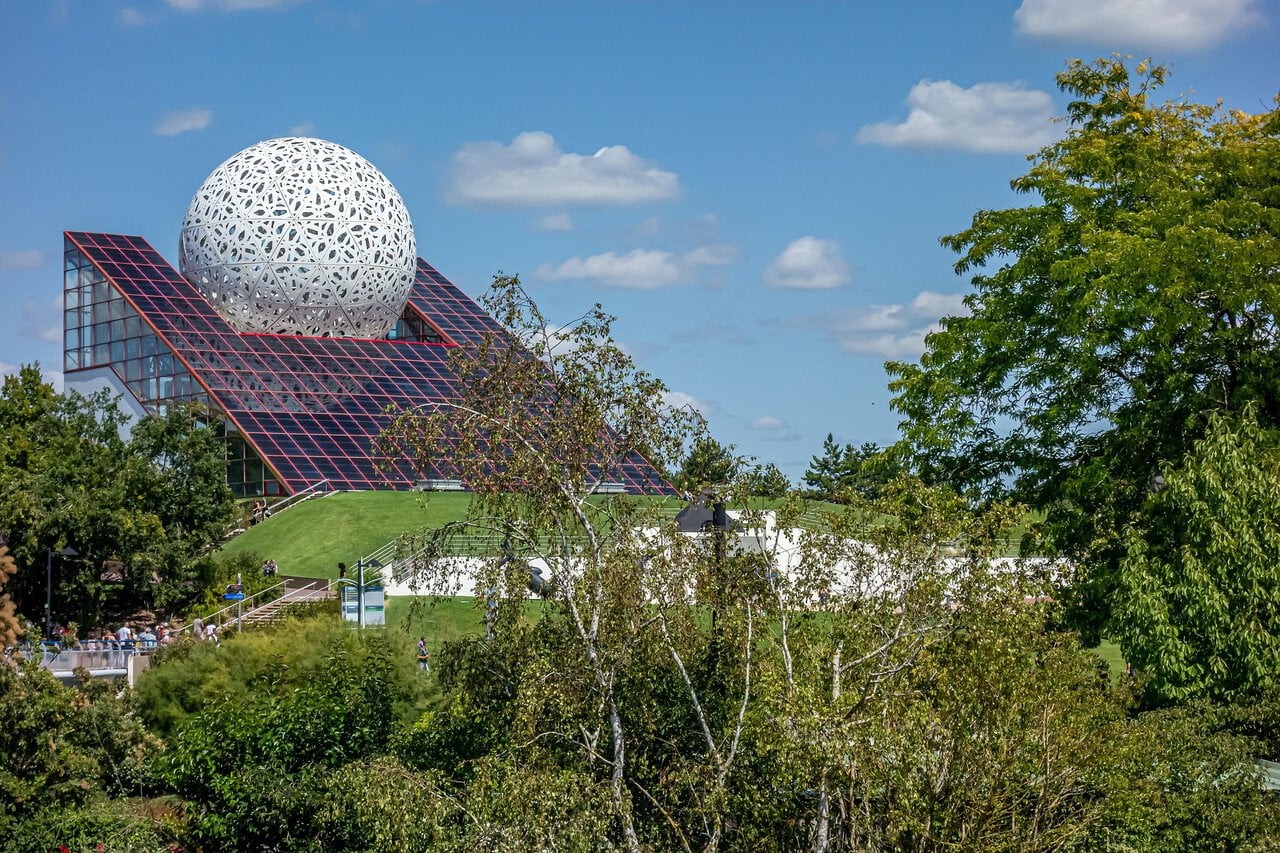
Just 15 minutes north of Poitiers lies one of France’s most innovative attractions. Futuroscope isn’t a traditional theme park filled with rollercoasters. Instead, it combines cutting-edge technology, immersive cinema, interactive experiences and spectacular live entertainment to create a day out unlike anywhere else in Europe.
Since opening in 1987, Futuroscope has become one of France’s most visited attractions, welcoming millions of visitors every year. The park is constantly evolving, with new attractions regularly replacing older experiences, meaning even returning visitors will find something different.
Expect everything from 4D adventures and flying theatres to giant-format cinema screens, virtual reality experiences and multimedia shows that place you at the centre of the action. Families with younger children will also find dedicated attractions, while adrenaline seekers can enjoy several thrilling simulator rides.
One of the highlights is the spectacular evening show, which combines water fountains, lasers, music, projection mapping and fireworks into a breathtaking finale included with park admission on many operating days.
The park is exceptionally well organised, with excellent restaurants, cafés and shaded seating areas throughout the site. Waiting times are generally shorter than at many of Europe’s larger theme parks, especially if you arrive early in the day.
Whether you’re travelling with children, teenagers or simply enjoy innovative attractions, Futuroscope is easily one of the best day trips from Poitiers and a compelling reason to spend an extra day in the region.
Experience the Local Markets
One of the best ways to experience everyday life in Poitiers is by visiting one of its vibrant local markets. These bustling gatherings have been part of the city’s culture for centuries and remain popular with both residents and visitors looking to sample the flavours of the Vienne region.
The most famous is the Notre-Dame Market, held in the heart of the historic centre. Stalls overflow with fresh fruit and vegetables, locally produced cheeses, artisan breads, pastries, flowers and regional delicacies, while nearby producers proudly sell wines, honey and seasonal specialities.
The market is an excellent place to discover local products that you may not find elsewhere. Keep an eye out for goat’s cheeses from Poitou, fresh charcuterie, handmade chocolates and traditional French pastries that make a perfect picnic lunch.
Beyond the food, the markets provide a wonderful opportunity to experience the city’s friendly atmosphere. Watching locals chat with stallholders, sampling regional produce and wandering between colourful displays offers a genuine insight into daily life in Poitiers.
Arriving early usually provides the best choice of produce and a slightly quieter experience, while visiting later in the morning allows you to enjoy the market at its liveliest before relaxing in one of the surrounding cafés.
Whether you’re a food lover, photographer or simply enjoy browsing traditional markets, they’re an essential part of any visit to Poitiers.
Best for a short stop where being central matters more than the room. Dorms and private rooms both listed.
See hostelsBest for anyone flying more than once or twice a year. Handles the compensation claim so you are not chasing the airline.
See AirHelp+Best for the gap between checking out and your train. Drop bags at a shop or hotel nearby and carry on.
Store your bagsVisit the Church of Saint-Porchaire
Although often overshadowed by Notre-Dame-la-Grande and Poitiers Cathedral, the beautiful Church of Saint-Porchaire is one of the city’s hidden architectural treasures.
Dating largely from the twelfth century, the church combines Romanesque and Gothic architectural features, reflecting the different periods during which it was expanded and restored. Its elegant bell tower has become a familiar landmark within the historic centre, while the peaceful interior offers a welcome escape from the busier streets outside.
Stepping inside, visitors will find graceful stone arches, beautiful stained-glass windows and an atmosphere of quiet contemplation. Without the larger crowds found at some of Poitiers’ more famous churches, it’s an ideal place to appreciate the craftsmanship of medieval builders at your own pace.
The church has witnessed much of Poitiers’ history over the centuries, surviving wars, political upheaval and the changing fortunes of the city. Today it continues to serve both as an active place of worship and as an important reminder of Poitiers’ rich religious heritage.
Its central location also makes it an easy addition to any walking tour, sitting just a short stroll from many of the city’s principal attractions.
Whether you’re interested in historic churches, Romanesque architecture or simply discovering lesser-known landmarks, Saint-Porchaire is well worth seeking out.
Walk the Promenade des Cours
For some of the finest views in Poitiers, leave the historic streets behind and head towards the Promenade des Cours, an attractive series of tree-lined boulevards and landscaped walks that follow the edge of the city’s elevated plateau.
From here you’ll enjoy sweeping panoramas across the Clain and Boivre valleys, helping you appreciate why Poitiers became such an important defensive settlement. The steep slopes surrounding the city provided natural protection for centuries, while today’s visitors are rewarded with some of the best viewpoints in the region.
The promenade is particularly enjoyable during the late afternoon and early evening, when the softer light illuminates the historic skyline and surrounding countryside. Benches placed along the route provide perfect places to pause, relax and simply enjoy the scenery.
Beautifully maintained gardens, mature trees and colourful flower displays make the walk pleasant throughout the year, while locals often use the promenade for jogging, cycling or an evening stroll.
For photographers, the elevated viewpoints offer excellent opportunities to capture Poitiers Cathedral, church spires and the rooftops of the medieval city framed against the surrounding valleys.
Whether you’re looking for peaceful green spaces, panoramic views or simply a relaxing walk away from the busiest streets, the Promenade des Cours is one of Poitiers’ most enjoyable hidden gems.
See the Dolmen de la Pierre Levée
Long before the Romans arrived or the medieval churches of Poitiers were built, people were living in this region thousands of years ago. One of the most impressive reminders of that distant past is the Dolmen de la Pierre Levée, an extraordinary prehistoric monument dating back around 5,000 years.
Built during the Neolithic period, the dolmen consists of enormous stone slabs carefully positioned to create a burial chamber. The largest capstone weighs many tonnes, making its construction all the more remarkable when you consider it was achieved using only primitive tools and human ingenuity.
Although legends once claimed the stones were placed by giants, fairies or even the Devil himself, archaeologists now know the monument was constructed as a communal burial site by some of the region’s earliest farming communities. Excavations have uncovered human remains and artefacts that provide valuable insights into prehistoric life in western France.
Unlike many prehistoric monuments that stand in isolated countryside, the Dolmen de la Pierre Levée is surprisingly easy to reach from Poitiers, making it an unusual addition to a city break. Visiting allows you to appreciate that the story of Poitiers stretches back thousands of years before Roman and medieval times.
For anyone interested in archaeology, prehistory or ancient monuments, it’s a fascinating stop that offers a completely different perspective on the region’s remarkable history.

Discover Poitiers After Dark
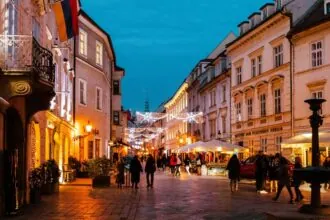
As daylight fades, Poitiers reveals another side of its character. The city’s Romanesque churches, medieval streets and elegant public buildings are beautifully illuminated, while cafés and restaurants begin filling with students, locals and visitors enjoying the relaxed evening atmosphere.
A wonderful place to start your evening is around Place Charles de Gaulle and the surrounding streets, where numerous restaurants serve everything from traditional Poitou specialities to contemporary French cuisine and international dishes. Outdoor terraces become particularly lively during the warmer months, making them ideal for a leisurely dinner while watching the city come to life.
Afterwards, take a stroll through the historic centre, where softly lit stone buildings create a magical atmosphere. Seeing Notre-Dame-la-Grande, Poitiers Cathedral and the Palace of the Counts of Poitou illuminated after dark offers a completely different perspective from the daytime and provides some of the city’s finest photographic opportunities.
If you’re visiting during the summer, you may also be able to watch the spectacular sound and light show projected onto the façade of Notre-Dame-la-Grande. This colourful display recreates the vibrant medieval colours that once decorated the church and has become one of Poitiers’ most popular evening attractions.
The city’s large university population also ensures there’s a lively but welcoming nightlife. Cosy wine bars, traditional pubs and relaxed cocktail lounges are scattered throughout the centre, providing plenty of options without the overwhelming crowds found in larger cities.
Whether you’re enjoying fine local food, admiring beautifully illuminated landmarks or simply wandering the peaceful medieval streets, Poitiers after dark is a wonderful way to end your day.

Rupert’s Handy Travel Tips
Planning to explore Poitiers? Here are a few tips to help you make the most of this historic French city:
- Start early at Notre-Dame-la-Grande: Visit in the morning for the quietest experience, then return after dark during summer to see the spectacular sound and light show projected onto the church’s famous façade.
- Explore on foot: Most of Poitiers’ major attractions are within easy walking distance of one another, making it one of France’s best cities for a self-guided walking tour.
- Don’t skip Futuroscope: If you’re staying for more than one day, set aside a full day for Futuroscope, one of France’s most innovative and popular theme parks, located just north of the city.
- Leave time to wander: Some of Poitiers’ greatest treasures are its quiet medieval lanes, hidden courtyards and independent cafés, so don’t be afraid to venture away from the main shopping streets.
Want to meet the reindeer behind our travel tips? Find out more in our page Who is Rupert?.




Frequently Asked Questions
What is Poitiers famous for?
Poitiers is famous for its outstanding Romanesque churches, particularly Notre-Dame-la-Grande, its association with Eleanor of Aquitaine, the Battle of Poitiers, and its proximity to Futuroscope, one of France’s most popular theme parks.
Is Poitiers worth visiting?
Absolutely. Poitiers combines more than 2,000 years of history, magnificent churches, medieval streets, excellent museums, attractive parks and a vibrant café culture, making it one of western France’s most rewarding city destinations.
How many days do you need in Poitiers?
A full day is enough to explore the main historic attractions, but two to three days allows time to visit Futuroscope, enjoy the museums and discover the city’s parks, markets and surrounding countryside.
Can you walk around Poitiers?
Yes. The historic centre is compact and most major attractions are within easy walking distance. Be prepared for a few hills, as the city stands on a plateau above the Clain and Boivre rivers.
What is the oldest building in Poitiers?
The Baptistery of Saint-Jean is widely regarded as the oldest Christian building in France, with origins dating back to the fourth century.
Is Futuroscope in Poitiers?
Futuroscope is located around 10 kilometres north of Poitiers and can be reached in approximately 15 minutes by car, bus or train.
What UNESCO sites are in Poitiers?
Saint-Hilaire-le-Grand Church is part of the UNESCO World Heritage-listed Routes of Santiago de Compostela in France, recognising its importance as a medieval pilgrimage site.
When is the best time to visit Poitiers?
Late spring, summer and early autumn offer pleasant weather for exploring the city’s historic streets and parks. Summer also brings the popular Notre-Dame-la-Grande sound and light show and a lively programme of cultural events.
Further Reading
Planning your visit? Our Poitiers Airport Transfers guide covers getting into the city, while our Day Trips from Poitiers guide covers Futuroscope, Chauvigny, Saint-Savin and more within easy reach.
Exploring more of western France? Our Visiting La Rochelle guide and Complete Guide to Rochefort cover the Atlantic coast, while our Best Day Trips from Bordeaux guide covers the wine country further south.