Reviewed by our editorial team Updated
Why Choose Calais for Your Ferry Crossing?
Calais Ferry Port is the busiest passenger ferry port in continental Europe, handling millions of travellers every year on the short crossing between France and England. For many motorists, it is the quickest, simplest and most flexible way to cross the English Channel, making it the preferred gateway for holidays, business trips and European road adventures.
Located on the northern coast of France, Calais sits just 34 kilometres from the English coastline at its narrowest point. This unique location allows ferries to complete the crossing to Dover in as little as 90 minutes, making it one of the fastest international ferry routes in the world.
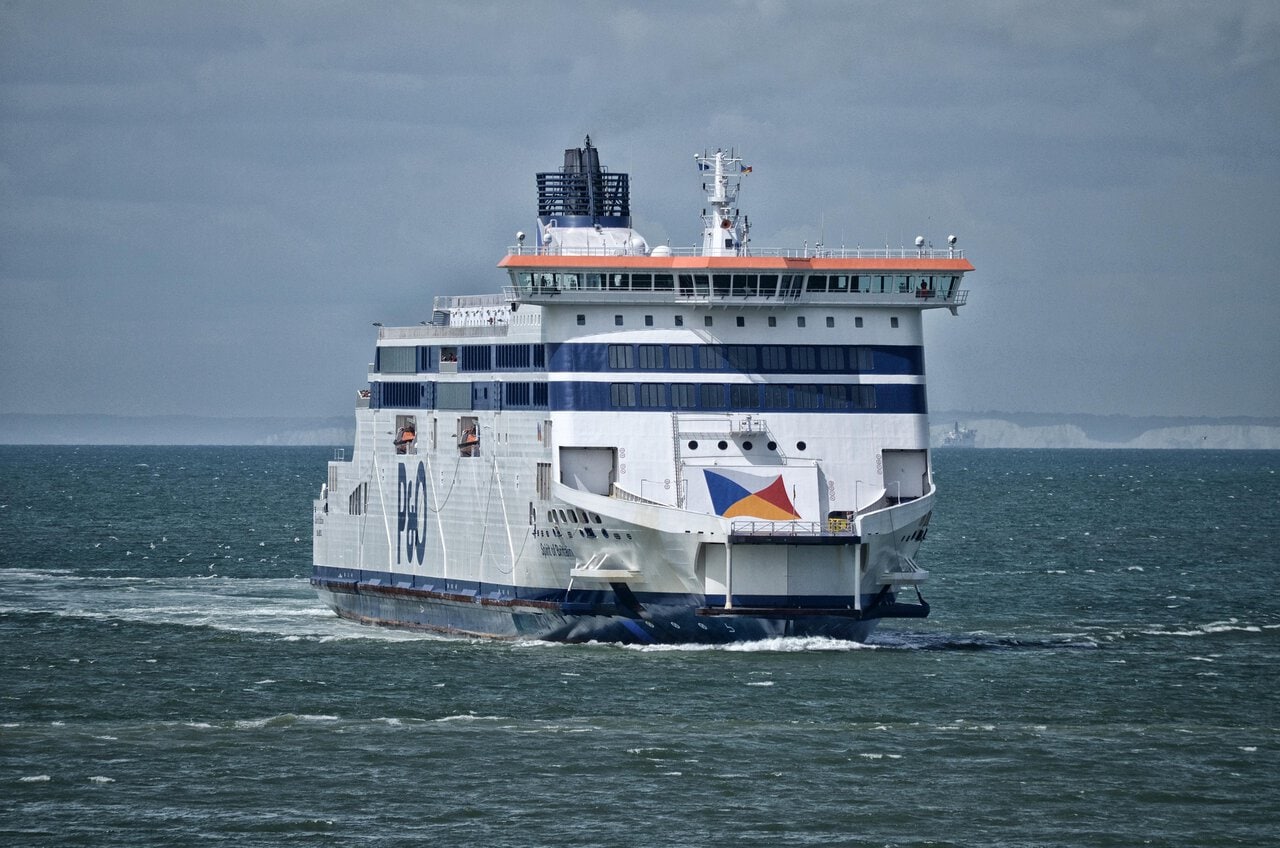
The port is served by several major operators, including P&O Ferries, DFDS and Irish Ferries, providing departures throughout both the day and night. During busy periods, sailings can depart every 30 to 60 minutes, giving travellers exceptional flexibility if their plans change or they simply want the next available crossing.
Whether you’re travelling with a car, motorhome, campervan, motorcycle or bicycle, Calais offers modern facilities, excellent transport links and one of the most efficient boarding processes in Europe.
Foot-passenger availability depends on the operator and sailing: P&O accepts foot passengers on selected departures, while DFDS does not accept foot passengers on the Calais–Dover route, so always check before booking. Combined with its outstanding road connections into both France and the United Kingdom, it’s easy to understand why Calais remains the most popular ferry gateway across the Channel.
| Destination | Typical Journey Time | Best For | Service Availability |
|---|---|---|---|
| Dover | Around 90 minutes | Motorists and families making the quick, frequent crossing to England; foot passengers only on operators/sailings that accept them | Year-round |
Where is Calais Ferry Port?
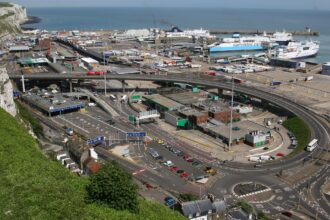
Calais Ferry Port is located on the Opal Coast in northern France, just a few minutes from Calais city centre and approximately 290 kilometres north of Paris. Its position at the narrowest point of the English Channel makes it the closest French ferry port to England, with the famous White Cliffs of Dover often visible on clear days.
Reaching the port by road is extremely straightforward. The terminal sits directly alongside the A16 motorway, providing fast links towards Boulogne-sur-Mer, Dunkirk, Belgium and the wider European motorway network. The nearby A26 also connects Calais with Arras, Reims, Champagne and central France, making it an ideal departure point regardless of where you’re travelling from.
Passengers arriving by rail can use Calais Ville or Calais-Fréthun railway stations. Calais-Fréthun is served by high speed TGV services as well as international trains, while local buses and taxis provide convenient onward connections to the ferry terminal.
The port itself is exceptionally well signposted, with dedicated lanes separating cars, coaches, freight vehicles and motorhomes, helping traffic flow efficiently even during the busiest travel periods. For first-time visitors, Calais is one of the easiest international ferry ports in Europe to navigate.
Best for a short trip. Compare rooms by neighbourhood, price and guest rating before you book.
Compare hotelsBest for longer stays. Whole apartments and houses, so you are not eating out three times a day.
View rentalsBest for double-checking. Runs the same search across several booking sites so you are not leaving money behind.
Compare pricesFerry Routes from Calais
Unlike many ferry ports that serve multiple destinations, Calais focuses on one route that it does exceptionally well. Every scheduled ferry crossing operates between Calais and Dover, creating one of the busiest international sea corridors anywhere in the world.
Several ferry companies compete on this route, including P&O Ferries, DFDS and Irish Ferries. This competition benefits passengers by providing frequent departures, competitive pricing and a wide choice of sailing times throughout both the day and night.
Because ships depart so regularly, travellers often enjoy far greater flexibility than on longer ferry routes. If your preferred sailing is unavailable, another departure is frequently available within the hour. This makes Calais particularly attractive for motorists, freight operators and holidaymakers who prefer not to commit to a single departure weeks in advance.
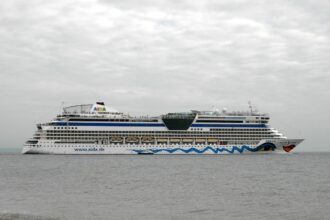
Despite the relatively short crossing, passengers still benefit from comfortable onboard facilities including restaurants, cafés, bars, shops, children’s play areas, lounges and outdoor viewing decks. Vehicles of almost every type can be accommodated, including cars, motorhomes, motorcycles, campervans, caravans, coaches and bicycles.
Calais to Dover Ferry Times & Departures
Use Ferryhopper to check live sailings between Calais and Dover in both directions. Select your travel date to compare scheduled ferry departures, sailing times and available tickets.
Select the date you want to travel. The times shown on the right-hand side are the scheduled departure and arrival times for each ferry.
Availability can change quickly, particularly during weekends and the summer season. Some sailings may stop accepting bookings a few hours before departure. If a timetable is blank, there may be no available sailings for today. Try moving to a later date to check future services.
This is the timetable for the outward direction. Use it to check sailings from Calais to Dover for the date you plan to travel.
This is a separate timetable for the opposite direction. It does not select a return ticket for the journey above. Use it to check sailings from Dover to Calais.
Want to compare different routes and other ferry options?
Compare routes, operators, sailing times and prices with Ferryhopper or Direct Ferries.
Crossing to Dover
The Calais to Dover ferry is by far the most popular way of travelling between continental Europe and the United Kingdom. Covering just 21 miles (34 kilometres) across the English Channel, the crossing typically takes around 90 minutes, allowing travellers to move quickly between France and England while enjoying the comfort of a full-sized ferry.
Throughout the crossing, passengers are free to leave their vehicles and make use of the onboard facilities. Depending on the ship and operator, these include restaurants, cafés, coffee shops, bars, duty free shopping, children’s play areas, comfortable lounges and spacious outside decks. On a clear day, it’s often possible to enjoy impressive views of both the French coastline and the famous White Cliffs of Dover.
The route is ideal for every type of traveller. Families appreciate the frequent departures and onboard space for children, while motorists, motorhome owners, motorcyclists and commercial drivers benefit from the flexibility of having multiple sailings available throughout the day.
After arriving at Dover, you’re immediately connected to the A2 and M20, providing straightforward access to London, Kent, the South East, the Midlands and the wider UK motorway network. For many travellers, no other ferry crossing offers the same combination of speed, frequency, flexibility and convenience.
Should You Take the Ferry or Eurotunnel?
One of the biggest decisions when travelling between France and England is whether to choose the Calais to Dover ferry or the Eurotunnel Le Shuttle from Calais to Folkestone. Both options are quick and efficient, but they offer very different travel experiences.
The ferry is usually the better choice if you enjoy taking a break from driving. During the 90-minute crossing, you’re free to leave your vehicle, stretch your legs, enjoy a meal, browse the onboard shops or simply relax while taking in the sea views. Families often appreciate the extra space, while drivers on long European road trips welcome the opportunity to unwind before continuing their journey.
The Eurotunnel, by comparison, is significantly faster. The shuttle itself takes around 35 minutes, and you remain with your vehicle throughout the journey. It’s an excellent option if your priority is reaching England as quickly as possible or if poor weather makes a ferry crossing less appealing. However, you won’t have access to restaurants, shops or outdoor decks during the journey.
In terms of price, neither option is consistently cheaper. Costs vary depending on demand, time of day, vehicle size and how far in advance you book. During busy holiday periods it’s worth comparing both before deciding, as prices can change considerably from one departure to the next.
If you’re travelling with young children, want to enjoy a meal, need a break from driving or simply prefer travelling by sea, the Calais to Dover ferry is often the more enjoyable experience. If speed is your main priority and you’re happy to stay in your vehicle, the Eurotunnel may be the better option.

Compare Ferry Prices from Calais
Before setting off, it’s always worth comparing the latest ferry departures. With several operators serving the Calais to Dover route, you’ll often find different departure times, ticket prices, special offers and vehicle fares, even on the same day.
The comparison tool below allows you to search all available sailings from Calais Ferry Port in one place. Whether you’re taking a car, motorhome, campervan, motorcycle, caravan or bicycle, you can quickly compare operators, check live availability and book the crossing that best suits your plans. If travelling as a foot passenger, filter for a sailing and operator that specifically accepts foot passengers.
Because ferries operate throughout the day, you’ll usually have an excellent choice of departure times. Nevertheless, summer holidays, bank holiday weekends, Christmas, Easter and other peak travel dates remain extremely busy, so booking early is still recommended. Reserving in advance can also help secure lower fares and guarantee space for larger vehicles.

Find Ferry Tickets for Calais with Direct Ferries
Rather than checking several ferry operators separately, you can use Direct Ferries to search available crossings for Calais in one place.
Comparing routes side by side makes it easier to choose the sailing time, port and operator that best suit your plans.
Want to compare ferry prices? You can also check Ferryhopper and FerryScanner before booking.
Getting to Calais Ferry Port
Getting to Calais Ferry Port couldn’t be much easier. The terminal sits directly alongside the A16 motorway, one of northern France’s principal roads, providing fast access from Paris, Belgium, the Netherlands and the wider European motorway network.
Travellers approaching from Paris usually follow the A1 before joining the A26, which connects directly with Calais. Those arriving from Belgium or the Netherlands generally use the A16, while motorists travelling from western France can also join the same motorway via Boulogne-sur-Mer. The roads are modern, well maintained and fully signposted with dedicated Ferry signs guiding drivers directly to the terminal.
Passengers travelling without a vehicle can reach the port from both Calais Ville and Calais-Fréthun railway stations. Local buses connect the city centre with the ferry terminal, while taxis are widely available for passengers carrying heavy luggage or travelling with children.
If you’ve arrived ahead of schedule, it’s worth spending a little time exploring Calais itself. The city’s attractive waterfront, marina, restaurants, shopping streets and impressive Town Hall are all within easy reach, giving you the opportunity to enjoy the city before beginning your journey across the Channel.
Checking In Before Your Sailing
Because Calais Ferry Port is one of the busiest passenger ferry terminals in Europe, arriving within your operator’s recommended check in window is essential. Although departures are frequent, the port handles a huge volume of cars, motorhomes, coaches, freight vehicles and motorcycles every day, particularly during peak holiday periods.
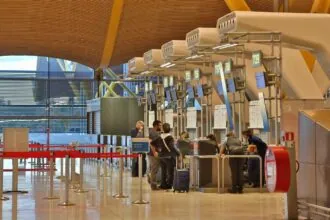
Passengers travelling with vehicles should have their booking confirmation, passport and any other required travel documents ready before reaching the check in booths. After your booking has been verified, you’ll be directed into clearly marked vehicle lanes where you’ll wait until boarding begins. Despite the large number of vehicles using the port, the process is generally efficient thanks to the terminal’s modern layout and experienced staff.
Foot passengers follow a separate check in process inside the passenger terminal before moving into the departure lounge. Electronic information screens provide live sailing updates, while staff are available to answer questions and assist passengers throughout the boarding process.
As you’re travelling between France and the United Kingdom, you’ll complete the relevant border controls, passport checks and security procedures before boarding. Allowing yourself a little extra time, especially during summer, school holidays and bank holiday weekends, helps ensure your journey begins smoothly and without unnecessary stress.
Best for long or awkward journeys. Builds one itinerary out of separate flights.
View flightsBest for short trips. Install the eSIM at home and arrive with working data, no shop queue.
Browse eSIMsBest if you would rather not work out the transport on arrival. Book it now and forget it.
View transfersTravelling as a Foot Passenger
Although the Calais to Dover route is best known for motorists, foot passengers can also travel on selected ferry services. Availability varies between operators and may change throughout the year, so it’s important to check before booking, particularly if you’re travelling without a vehicle. Port Boulogne Calais publishes foot passenger guidance covering which operator accepts them and how early to check in.
After checking in, passengers can relax inside the terminal while waiting for boarding to begin. The departure area provides comfortable seating, toilets, accessible facilities and passenger information screens, allowing you to monitor the latest sailing updates. Because crossings are relatively short, waiting times between check in and boarding are usually minimal.
Once onboard, foot passengers enjoy exactly the same facilities as everyone else. You’ll have access to restaurants, cafés, bars, duty free shopping, comfortable lounges, children’s play areas and outdoor viewing decks. The short crossing provides plenty of time to enjoy a meal, stretch your legs and take in views of the White Cliffs of Dover as you approach England.
After arriving in Dover, onward travel is straightforward using local buses, taxis and rail services connecting the port with the town centre and destinations across the UK. If you’re travelling without a vehicle, it’s worth planning your onward transport in advance, particularly during quieter periods when services may be less frequent.
Taking Your Car, Motorcycle or Motorhome
The overwhelming majority of passengers travelling through Calais Ferry Port bring their own vehicle, making it one of Europe’s most important gateways for road travel. Whether you’re driving a family car, motorcycle, motorhome, campervan, caravan or even a commercial vehicle, the port is designed to handle every type of traveller efficiently.
When booking your crossing, it’s important to enter your vehicle’s correct dimensions, including any roof boxes, bike racks, trailers or other accessories. Providing accurate measurements helps the ferry operator allocate the correct amount of deck space and reduces the risk of delays when checking in.
Before boarding begins, vehicles are organised into clearly marked holding lanes before being directed onto the ferry by experienced marshals. Once parked onboard, remember to take passports, medication, valuables, mobile phone chargers, children’s essentials and anything else you’ll need during the crossing, as you won’t normally be able to return to your vehicle until after arriving in Dover.
For travellers touring Europe or the United Kingdom, taking your own vehicle remains one of the biggest advantages of using the ferry. It gives you complete flexibility to explore scenic routes, rural villages and attractions that would be difficult to reach using public transport alone.
Facilities at Calais Ferry Terminal
As Europe’s busiest ferry port, Calais Ferry Terminal offers an excellent range of facilities designed to make the departure process as comfortable and efficient as possible. Despite handling millions of passengers every year, the terminal is modern, spacious and easy to navigate.
Inside you’ll find comfortable waiting areas, restaurants, cafés, toilets, baby changing facilities, accessible amenities, passenger information screens and duty free shopping before boarding. Free Wi-Fi may also be available in parts of the terminal, allowing travellers to stay connected while waiting for their ferry.
The surrounding port area also includes fuel stations, electric vehicle charging points, cash machines, shops and other useful services for travellers beginning long journeys. Because the terminal has been purpose-built for high passenger volumes, facilities remain excellent even during busy holiday periods.
Once onboard, passengers can continue to enjoy a wide range of amenities including restaurants, coffee shops, bars, comfortable lounges, children’s play areas, shopping and outdoor decks. Even on a crossing lasting only around 90 minutes, there’s plenty of time to relax before arriving in England.
Parking at Calais Ferry Port
Calais Ferry Port provides convenient parking for both ferry passengers and visitors dropping off or collecting friends and family. The parking areas are located close to the passenger terminal, allowing easy access even when travelling with heavy luggage or young children.
Passengers planning to leave their vehicle behind should check the latest long stay parking options before travelling. While many visitors drive their vehicle onto the ferry, long stay parking is available for those travelling as foot passengers or meeting arriving travellers.
Clearly signposted drop off and pick up areas make short visits quick and straightforward, while the port’s modern road layout helps keep traffic moving efficiently despite the large number of vehicles passing through each day.
Although Calais is designed to handle exceptionally high traffic volumes, allowing extra time remains sensible during summer holidays, bank holiday weekends, Christmas, Easter and other peak travel periods, when queues can build as multiple ferry departures are processed simultaneously.
Public Transport Connections
Although Calais Ferry Port is primarily designed for motorists, it is also accessible by train, bus and taxi, making it a practical option for passengers travelling without a vehicle.
The city is served by two railway stations. Calais Ville is located close to the town centre and provides regional rail services, while Calais-Fréthun is the main station for high-speed TGV and international services, with direct trains to destinations including Paris, Lille and Brussels. From either station, local buses and taxis provide onward connections to the ferry terminal.
Calais also has an extensive Imag’in bus network linking the ferry port with the city centre, railway stations, shopping areas and surrounding neighbourhoods. This makes it easy to travel between your hotel, the town and the ferry terminal without needing a car.
Taxi ranks are available throughout the city and at both railway stations, providing the quickest option for passengers travelling with heavy luggage, young children or those catching an early morning or late evening sailing. If you’re arriving by train, it’s worth checking local bus times in advance, as services can be less frequent during evenings and weekends.
Accessibility at the Ferry Port
Calais Ferry Port offers a wide range of facilities to support passengers with reduced mobility and additional accessibility requirements. As one of Europe’s busiest ferry terminals, accessibility has been built into both the passenger terminal and the boarding process.
The terminal provides step-free access, accessible toilets, automatic doors, designated parking spaces and clearly signposted routes throughout the building. Passengers who require assistance should notify their ferry operator when making their reservation, allowing suitable arrangements to be made before the day of travel.
On board the ferries, passengers will usually find accessible cabins, lifts, wheelchair-friendly lounges, adapted toilet facilities and dedicated seating areas. Crew members are available throughout the crossing to assist with boarding, disembarkation and any additional support that may be required.
If you’re travelling with a wheelchair, mobility scooter, medical equipment or an assistance dog, informing your ferry operator before departure helps ensure everything is prepared in advance, making the journey as smooth and comfortable as possible.
Best for short city stops where being central matters more than the room. Dorms and private rooms both listed.
See hostelsBest if you have ever given up on a claim. AirHelp checks whether the flight qualifies and pursues it for you.
See the benefitsBest for a day with a suitcase and nowhere to put it. Find a storage point near where you already are.
View storageHotels Near Calais Ferry Port
If you have an early morning crossing, arrive on a late evening sailing or simply want to break up a long journey, staying overnight in Calais is an excellent option. The city offers a wide choice of accommodation, ranging from budget hotels and familiar international chains to boutique guesthouses and comfortable waterfront properties.
Many hotels are located within a few minutes’ drive of the ferry terminal, making them particularly convenient for passengers travelling with cars, motorhomes or motorcycles. Several also offer secure parking, allowing you to leave your vehicle overnight before continuing your journey the following day.
Choosing to stay in Calais also gives you the opportunity to explore the city itself. You can enjoy fresh seafood in one of the many harbour restaurants, visit the impressive Calais Town Hall and its famous Burghers of Calais sculpture, stroll along the beach or browse the shops before boarding your ferry.
During summer, school holidays, Christmas and Easter, hotels close to the ferry port can fill quickly due to the huge number of passengers passing through the city. Booking your accommodation in advance will usually provide the best choice and the most competitive prices.
When is the Best Time to Travel?
One of the biggest advantages of Calais Ferry Port is that ferry services operate throughout the year, with departures taking place from early morning until late at night. This gives travellers exceptional flexibility, whatever time of year they choose to travel.
The busiest period is during July and August, when families travel during the school holidays and cross-Channel traffic reaches its annual peak. Ferries remain extremely frequent, but ticket prices, vehicle fares and demand for popular sailing times all increase significantly. Booking well in advance is highly recommended if you’re travelling during these months.
For many travellers, the ideal times to travel are May, June, September and October. These months often provide a good balance of pleasant weather, lighter traffic, shorter queues and more competitive ferry fares. They’re particularly popular with motorhome owners, motorcyclists and couples touring Europe outside the busiest holiday period.
Winter crossings can represent excellent value and ships are often much quieter. While poor weather in the English Channel can occasionally lead to delays or timetable changes, the high frequency of sailings means disruption is usually kept to a minimum. Before setting off, it’s always worth checking your ferry operator’s latest travel updates, particularly during periods of severe weather.
Things to Do in Calais Before You Sail
If you’ve arrived at Calais Ferry Port well ahead of your departure, don’t spend the entire time waiting in the terminal. Calais has changed dramatically over recent years and offers far more than many travellers realise. With attractive waterfront areas, excellent seafood restaurants and several impressive historic landmarks, it’s well worth allowing a couple of hours to explore before boarding.
One of the city’s highlights is the magnificent Calais Town Hall, one of northern France’s finest public buildings. Outside stands The Burghers of Calais, Auguste Rodin’s world-famous sculpture commemorating one of the defining moments of the Hundred Years’ War. Both are only a short drive from the ferry terminal and make an excellent first stop.
If the weather is good, head to Calais Beach, where you’ll find a long stretch of sand, a modern seafront promenade and excellent views across the English Channel towards the White Cliffs of Dover. The nearby Calais Dragon, an enormous mechanical dragon that carries passengers along the promenade, has quickly become one of the city’s most popular attractions and offers a memorable experience for both adults and children.
Food lovers are also well catered for. The waterfront is home to numerous restaurants, cafés and traditional French brasseries serving fresh seafood, moules-frites and regional specialities. Enjoying a leisurely lunch before boarding is a far more relaxing way to begin your journey than waiting inside the terminal, particularly if you’ve arrived several hours before departure.

Rupert’s Handy Travel Tips
Heading through Calais Ferry Port? Here are a few useful tips to make your crossing smoother:
- Enter accurate vehicle dimensions: Include roof boxes, bike racks and trailers when you book so you’re allocated the right deck space and avoid delays at check-in.
- Book ahead for peak times: Summer holidays, bank holiday weekends and half terms get extremely busy on this route, so reserve early to secure the best fares and sailing times.
- Weigh up the Eurotunnel too: If you’d rather stay with your vehicle and cross in around 35 minutes, the Shuttle from nearby Coquelles is worth comparing before you book.
- Explore before you sail: If you’ve time to spare, Calais Town Hall, the Burghers of Calais sculpture and the seafront Dragon are all just a short drive from the terminal.
Want to meet the reindeer behind our travel tips? Find out more in our page Who is Rupert?.




Frequently Asked Questions
Which ferry companies operate from Calais?
P&O Ferries, DFDS and Irish Ferries all operate frequent ferry services between Calais and Dover, with departures taking place throughout the day and night.
How long does the Calais to Dover ferry take?
Most crossings take around 90 minutes, although sailing times can vary slightly depending on the operator, vessel and weather conditions.
How often do ferries leave Calais?
During much of the year, ferries depart every 30 to 60 minutes, making the Calais to Dover route one of the most frequent ferry services anywhere in the world.
Can I travel as a foot passenger?
Some operators accept foot passengers, while others may restrict this service. Always check directly with your chosen ferry operator before booking, as availability can vary.
Can I take my car, motorcycle or motorhome?
Yes. Ferries from Calais accommodate cars, motorcycles, motorhomes, campervans, caravans, coaches and commercial vehicles.
Is parking available at Calais Ferry Port?
Yes. The port provides parking for both short stays and longer visits, as well as convenient drop off and pick up areas close to the terminal.
Can I take my pet on the ferry?
Yes. Pets are welcome on ferry services provided they meet the latest UK pet travel requirements. Pet spaces should be reserved in advance, particularly during busy travel periods.
Should I choose the ferry or the Eurotunnel?
If you want the fastest crossing, the Eurotunnel is usually the better choice. If you’d prefer to leave your vehicle, enjoy a meal, stretch your legs and relax during the journey, the Calais to Dover ferry is often the more enjoyable option.
Further Reading
If you’re continuing your journey, explore our guides to the Dover to Calais ferry crossing, the Dover Ferry Port, and other Channel ports including Le Havre, Caen (Ouistreham) and Cherbourg to help you plan the next stage of your adventure.