Reviewed by our editorial team Updated
Why Use Dover Ferry Port?
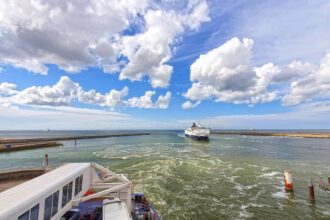
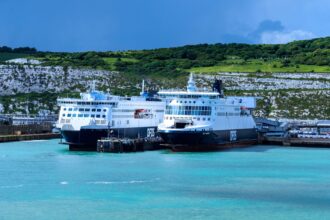
Dover Ferry Port is the United Kingdom’s most important ferry gateway to mainland Europe, connecting Kent with Calais and Dunkerque across the English Channel. For travellers heading to France, Belgium, the Netherlands, Germany or beyond, it remains one of the fastest and most flexible ways to leave Britain without flying. The port sits at the foot of the White Cliffs of Dover, close to the town centre, the A20, the A2 and Dover Priory railway station, giving both drivers and foot passengers several practical ways to reach the terminal.
The main advantage of Dover Ferry Port is frequency. Sailings operate throughout the day and night, giving travellers much more flexibility than most long-distance ferry routes. This is especially useful if you are driving to Europe, travelling with a motorhome, carrying extra luggage, taking pets, or planning a route that does not fit neatly around airport or rail schedules. The short crossing time also makes Dover one of the most efficient ways to reach northern France.
The port is served by major ferry operators including P&O Ferries and DFDS, with the core route running from Dover to Calais and additional services operating to Dunkerque. For many motorists, the port is the beginning of a wider European road trip, with onward routes leading quickly towards Paris, Lille, Bruges, Ghent, Amsterdam, Luxembourg and the French motorway network.
Foot passengers can also use Dover, although the journey needs more planning than arriving by car. The passenger terminal is located at Eastern Docks, not at the railway station, so travellers arriving by train at Dover Priory need to continue by bus, taxi or pre-arranged transfer before checking in. Once checked in, foot passengers are taken from the passenger terminal to the ferry by a port shuttle bus, which is part of the official boarding process. The Port of Dover confirms that foot passengers use the Passenger Terminal before being transferred to the ferry by shuttle bus.
This guide explains how Dover Ferry Port works, how to get there by train, coach and car, what to expect at check-in, where to park, and how to continue your journey after arriving back in the United Kingdom.
Dover Ferry Port at a Glance
| Feature | Information |
|---|---|
| Location | Dover, Kent, England |
| Port Area | Eastern Docks |
| Main Ferry Routes | Dover to Calais and Dover to Dunkerque |
| Main Operators | P&O Ferries, DFDS and Irish Ferries |
| Nearest Railway Station | Dover Priory |
| Distance from Dover Priory | Around 2 km by road |
| Local Bus Link | Route 66 from outside Dover Priory towards Eastern Docks |
| Bus Journey Time | Around 30 minutes from Dover Priory to Eastern Docks according to Port of Dover guidance |
| Taxi Rank | Outside the passenger terminal building |
| Main Road Access | A20 from the west and A2 from Canterbury and north Kent |
| Motorway Connections | M20 via Folkestone and M2/A2 via Canterbury |
| Foot Passengers | Accepted on relevant ferry services, subject to operator rules |
| Terminal Facilities | Toilets, Wi-Fi, café or restaurant, ATM, currency exchange, vending machines and public transport access are listed by DFDS for Dover terminal facilities |
| Long-Stay Port Parking | Limited for ferry passengers, with private off-port options commonly used |
| Accessibility | Assistance available through ferry operators and terminal facilities |
Best for two or three nights. The widest choice of rooms, with filters for free cancellation and included breakfast.
View staysBest for groups who want one address and separate bedrooms rather than three hotel rooms.
See holiday homesBest as a last check before booking. Compares hotel rates across several sites in one search.
Compare ratesArriving at Dover Ferry Port
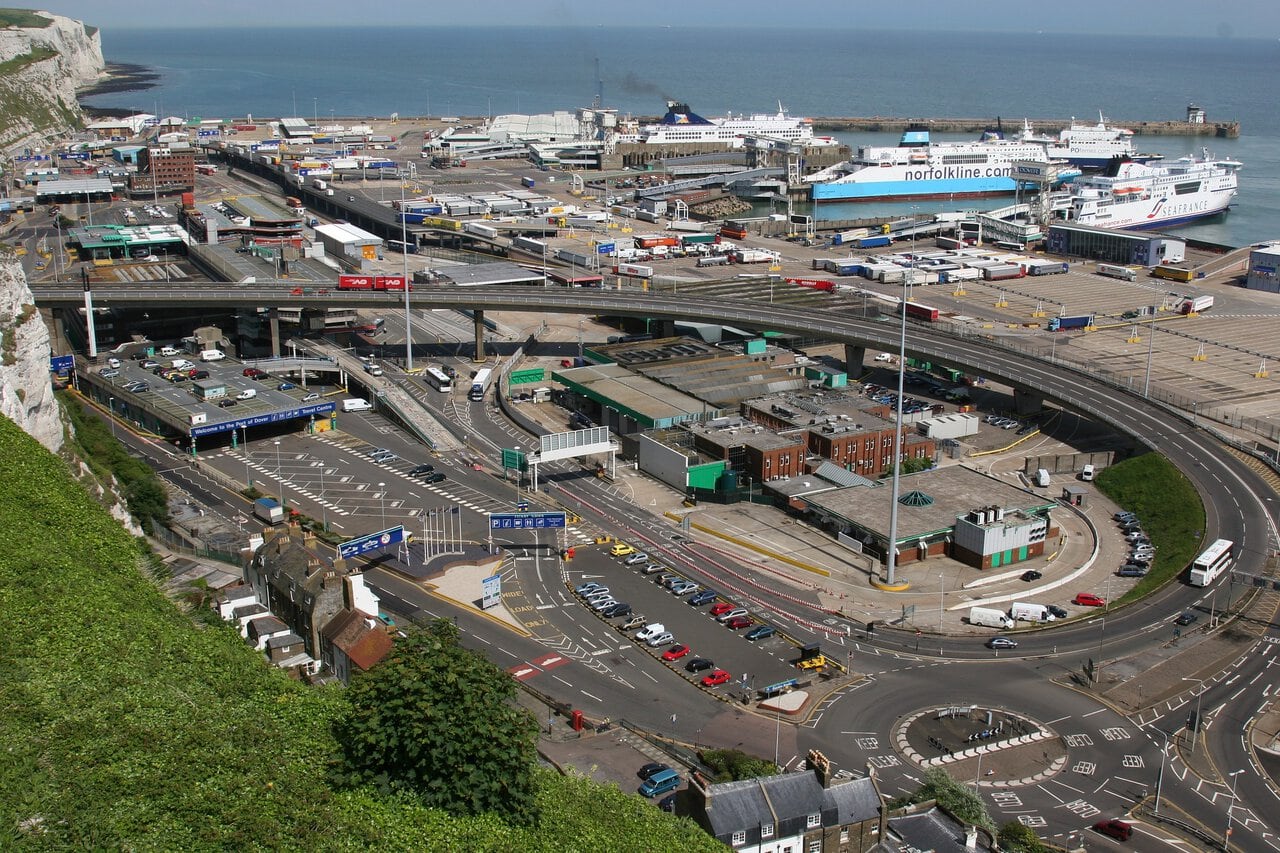
Dover Ferry Port is based at Eastern Docks, a large working port designed to handle cars, coaches, freight vehicles and foot passengers heading across the English Channel. The port layout is practical rather than scenic, with separate areas for vehicle check-in, freight traffic, passport control, passenger drop-off and the foot passenger terminal. Clear signs guide drivers towards the correct ferry operator lanes, while foot passengers should head for the Passenger Terminal before boarding.
If you are travelling as a foot passenger, your first target is the Passenger Terminal building at the front of the port. This is where foot passengers are dropped off by taxi, bus, coach or private car before check-in. After completing the required checks, you do not walk directly to the ferry. Instead, the port uses a shuttle bus to transfer foot passengers from the terminal building to the ship. This is an important detail because Dover is a working vehicle port, not a walk-on harbour terminal.
Drivers follow a different process. After arriving at Eastern Docks, motorists continue through signed lanes for their ferry operator before reaching check-in, border control and waiting areas. During normal periods, the system is straightforward, but it can become busy during school holidays, bank holiday weekends, severe weather or major disruption on Kent roads. At peak times, travellers should follow live advice from the port and their ferry operator rather than relying only on generic journey planners.
Border checks are a major part of the Dover departure process because passengers complete relevant exit and entry formalities before sailing. This means delays can occasionally build before the check-in booths, particularly for coaches and peak holiday traffic. The port and ferry operators have previously advised travellers to use the main approach roads and avoid arriving excessively early during disruption, so it is worth checking official updates before setting off on busy travel days.
Getting to Dover Ferry Port
Rail Connections
For foot passengers, the easiest way to reach Dover Ferry Port is by train to Dover Priory, the town’s only railway station and the principal rail gateway to the ferry terminal. Located around 2 kilometres from Eastern Docks, the station is served by frequent Southeastern services from London St Pancras International, London Victoria, London Charing Cross, Canterbury East, Ashford International, Folkestone Central, Ramsgate and other destinations across Kent.
Travellers from London can reach Dover Priory in as little as 1 hour 5 minutes on Southeastern Highspeed services from London St Pancras International, while direct trains from London Victoria generally take around 2 hours. Regular regional services also connect the station with Canterbury, Ashford, Folkestone, Margate and Ramsgate, making rail one of the simplest ways to reach the port without a car.
Once you arrive at Dover Priory, you’ll need to continue to Dover Ferry Port, as there is no direct pedestrian link between the station and the passenger terminal. The Stagecoach Route 66 bus stops immediately outside the station and travels to Eastern Docks, with the journey typically taking around 30 minutes. Alternatively, taxis wait outside the station throughout the day and usually reach the ferry terminal in around 10 minutes, making them the quickest option if you’re travelling with luggage or have a ferry departure to catch.
Before travelling, it’s worth comparing rail fares through Omio, particularly if you’re combining your journey with onward rail travel after arriving in France. Omio allows you to compare Southeastern services alongside other transport options, book tickets in advance and keep them stored digitally on your phone.

Find Train Tickets for Dover with Omio
Rather than checking individual railway websites for your trip to or from Dover, you can use Omio to compare available train journeys in one place.
Search results make it easier to compare departure times and journey options before choosing the service that works best for your plans.
Scan to open
on your phone


Coach Services
Travelling by coach is an affordable option for passengers heading to Dover Ferry Port, particularly from London and towns across Kent. National Express operates regular services from London Victoria Coach Station to Dover Town Centre, providing a comfortable alternative to driving or taking the train.
A typical National Express Service 007 departs London Victoria Coach Station before calling at Elephant and Castle, Walworth, New Cross Gate, Lewisham, Eltham, Hempstead Valley, Whitstable, the University of Kent, Canterbury and Folkestone, before arriving in Dover Town Centre approximately 3 hours 30 minutes later. This makes the coach a convenient choice for travellers living outside central London, as many passengers can join the service closer to home without needing to travel into the capital first.
Most coach services terminate in Dover Town Centre rather than at Dover Ferry Port itself. From there, passengers can continue to Eastern Docks by Stagecoach Route 66, which links the town centre with the passenger terminal, or by taxi, which usually takes around 10 minutes. If you’re travelling with heavy luggage or have a fixed ferry departure, allowing at least 30 to 45 minutes between your scheduled coach arrival and ferry check-in is strongly recommended.
Coach timetables vary throughout the year, particularly during school holidays, bank holiday weekends and the busy summer travel season. Booking your ticket in advance through National Express usually offers the widest choice of departure times and the lowest available fares.
Compare National Express Options for Dover
Planning coach travel around Dover? Choose between standard National Express tickets, Coachcard discounts and event services depending on the journey you are making.
Tip: Check Coachcard eligibility first if you are likely to make more than one National Express trip.
Road Access
For motorists, Dover Ferry Port is one of the easiest ports in the United Kingdom to reach thanks to its direct connections with the national road network. The principal approach is via the M20, which becomes the A20 at Folkestone before descending directly into Dover Eastern Docks. This is the route used by most ferry traffic travelling from London, Kent, the South East and much of southern England.
Drivers approaching from Canterbury, Medway, Essex or East Anglia may instead find the M2 and A2 more convenient. The A2 runs directly into Dover before joining the local roads leading to the ferry terminal. Both approaches are clearly signposted, with dedicated signs directing traffic towards P&O Ferries, DFDS and the passenger check-in lanes.
During busy periods, particularly throughout the summer holidays, Christmas, Easter and bank holiday weekends, additional traffic management measures such as Operation Brock may be introduced on the M20 to help manage freight and tourist traffic heading towards the port. If you’re travelling during one of these periods, check live traffic information before setting off and allow additional time for your journey.
Once you reach Eastern Docks, simply follow the signs for your ferry operator. Staff are on hand to direct vehicles into the correct check-in lanes, and electronic information boards provide updates on departures and any temporary traffic arrangements within the port.
Taxi Transfers
If you’re travelling as a foot passenger, taking a taxi is often the quickest and most convenient way to reach Dover Ferry Port. Taxis are readily available outside Dover Priory railway station, Dover Town Centre and other key locations throughout the day, with the journey to Eastern Docks typically taking around 10 minutes, depending on traffic.
Taxi transfers are particularly useful if you’re carrying large suitcases, travelling with children or arriving on a train shortly before your ferry departs. Unlike the local bus, a taxi will take you directly to the Passenger Terminal, reducing walking distances and helping you arrive at check-in more quickly.
Most local taxi companies accept both cash and contactless card payments, although it’s always worth confirming payment methods before starting your journey. During peak holiday periods, taxis remain available, but demand can increase when multiple trains or coaches arrive at the same time, so pre-booking can provide additional peace of mind if you’re working to a tight schedule.
For many travellers arriving by rail or coach, a short taxi journey represents the easiest final step to Dover Ferry Port, particularly when balancing luggage, family members and ferry check-in times.
Best for finding routes the airlines do not sell as a single ticket. Combines carriers to bring the fare down.
Search flightsBest if you want maps and messaging working the moment you switch your phone on.
See eSIM plansBest when public transport has stopped, or when you are travelling with children and bags.
Book a transferParking at Dover Ferry Port
Whether you’re travelling as a foot passenger meeting family or beginning a European road trip, planning your parking before arriving at Dover Ferry Port can save both time and stress. Unlike airports, most motorists using the port only remain on site long enough to check in before boarding their ferry. However, if you’re collecting passengers, arriving early or leaving a vehicle nearby, there are several parking options available both within the port area and around Dover.
There is no dedicated long-stay holiday parking within Dover Ferry Port for passengers leaving vehicles while travelling overseas. If you intend to leave your car in Dover for several days, you’ll generally need to use one of the private off-site car parks in the town, many of which offer secure parking and taxi transfers to Eastern Docks. Booking these facilities in advance is recommended, particularly during the busy summer holiday period.
Passengers being dropped off should follow signs for the Passenger Terminal at Eastern Docks, where designated drop-off areas allow drivers to safely set down foot passengers before continuing out of the port. As the terminal handles a high volume of freight and ferry traffic, stopping in unauthorised areas is not permitted and can cause congestion around the check-in lanes.
Travellers with reduced mobility will find accessible parking spaces close to the passenger facilities where available, while motorists driving electric vehicles can find EV charging points at several locations in and around Dover, including supermarkets, hotels and public charging hubs before reaching the port. If you’re beginning a longer European road trip, topping up your battery before boarding can help avoid unnecessary delays after arriving in France.
Check-in & Boarding
The check-in process at Dover Ferry Port is straightforward, but arriving with enough time is essential. Your ferry operator will advise how early you should arrive, although most recommend checking in between 60 and 90 minutes before departure, with additional time advisable during school holidays, bank holiday weekends and other peak travel periods.
Drivers should follow the clearly marked lanes for P&O Ferries or DFDS, where passports, booking confirmations and any required travel documents are checked before proceeding towards the departure lanes. Depending on traffic levels and border formalities, you may spend some time waiting before boarding begins, particularly during busy periods.
Foot passengers should report to the Passenger Terminal rather than the vehicle check-in lanes. After presenting travel documents and completing the necessary border checks, passengers wait in the terminal until boarding begins. When instructed by port staff, travellers are transferred to the ferry by a dedicated shuttle bus, which takes passengers directly to the vessel. Walking through the operational dock areas is not permitted for safety reasons.
Before leaving home, ensure you have your passport, booking confirmation, any required travel documentation and details of your onward journey easily accessible. Having everything ready before reaching the check-in booths will help reduce delays for both yourself and other passengers.
Facilities at Dover Ferry Port
Despite being a busy commercial ferry terminal, Dover Ferry Port provides a good range of facilities to make waiting for your sailing more comfortable. The Passenger Terminal includes comfortable seating areas, toilets, baby changing facilities and step-free access for passengers with reduced mobility. Free Wi-Fi is available throughout much of the terminal, allowing travellers to check emails, book onward transport or stay in touch while waiting to board.
Passengers will also find cafés and refreshment facilities serving hot drinks, snacks and light meals, making it easy to grab something to eat before crossing the English Channel. Vending machines provide additional food and drink options throughout the day, while cash machines and currency exchange facilities are available for travellers who need euros before arriving in France.
Information screens throughout the terminal display ferry departure information, boarding announcements and other important travel updates. Port staff are also available to assist passengers with general enquiries, while accessibility facilities ensure that travellers requiring additional support can move through the terminal safely and comfortably.
Hotels Near Dover Ferry Port
Whether you’re catching an early morning sailing, arriving late in the evening or simply want to explore the historic town before continuing your journey, there is a good selection of accommodation close to Dover Ferry Port. Staying overnight can be particularly worthwhile during the busy summer season, helping you avoid early-morning traffic and begin your journey feeling more relaxed.
| Hotel | Approximate Distance | Best For |
|---|---|---|
| Premier Inn Dover Central (Eastern Ferry Terminal) | 1 km | Foot passengers and early ferry departures |
| Best Western Premier Dover Marina Hotel & Spa | 2 km | Seafront location and upgraded stay |
| Holiday Inn Dover | 5 km | Drivers and families |
| The Marquis at Alkham | 8 km | Countryside stay before travelling |
| Premier Inn Dover A20 | 5 km | Budget-friendly overnight stop |
Many hotels offer free parking, while those in Dover town centre provide convenient access to restaurants, pubs and the waterfront. If you’re travelling as a foot passenger, choosing accommodation close to the town centre or Dover Priory railway station can make reaching the ferry terminal much easier the following morning.

Search Dover Hotels with Hotels.com
Rather than checking hotel websites individually, you can use Hotels.com to search accommodation across Dover in one place.
It is a practical way to compare different properties, locations and price points before deciding which stay works best for your trip.
Scan to open
on your phone

Travelling Onwards from Dover Ferry Port
Whether you’re arriving back in the United Kingdom after crossing from France or simply using Dover Ferry Port as the starting point for your journey, excellent road and rail connections make it easy to continue travelling throughout Kent, London and the rest of the country. Most passengers either head towards Dover Priory railway station for onward train services or join the surrounding road network via the A20 and A2.
For foot passengers, taxis provide the quickest transfer from the passenger terminal to Dover Priory, usually taking around 10 minutes depending on traffic. Alternatively, Stagecoach Route 66 connects Eastern Docks, Dover Priory and Dover Town Centre, providing an inexpensive option for travellers with a little more time. Once at the station, frequent Southeastern services continue towards London, Canterbury, Ashford, Folkestone, Ramsgate and other destinations across Kent.
Drivers leaving the port benefit from immediate access to the A20, which connects directly with the M20 towards Ashford, Maidstone and London. Alternatively, the A2 provides a scenic route through Canterbury before joining the M2, making it a popular choice for motorists travelling towards Medway, Essex and the east of England. Clear signage throughout the port directs traffic towards each route, allowing vehicles to leave the docks quickly after disembarkation.
Whether you’re continuing your journey by train, coach or car, Dover Ferry Port offers some of the best onward transport links of any ferry terminal in the United Kingdom, making it an excellent gateway for both domestic and international travel.
Popular Train Routes from Dover Priory
Once you’ve reached Dover Priory, regular Southeastern services provide fast and reliable connections across Kent and into London. The station is served by both Highspeed and conventional services, allowing travellers to choose between the fastest journey times or lower-cost alternatives depending on their travel plans.
| Destination | Typical Journey Time | Operator |
|---|---|---|
| London St Pancras International | 1 hour 5–10 minutes | Southeastern Highspeed |
| London Victoria | Around 2 hours | Southeastern |
| Ashford International | 20–25 minutes | Southeastern |
| Canterbury East | Around 30 minutes | Southeastern |
| Folkestone Central | 15–20 minutes | Southeastern |
| Ramsgate | Around 40 minutes | Southeastern |
| Margate | Around 55 minutes | Southeastern |
If you’re continuing by rail, it’s worth booking tickets before you travel. Comparing fares in advance through Omio can often help you find cheaper tickets, particularly if you’re connecting with other rail services later in your journey.
Best if you would rather spend the money on the trip than on the room. Compare hostels by location and rating.
Search hostelsBest if you have ever given up on a claim. AirHelp checks whether the flight qualifies and pursues it for you.
See the benefitsBest for the gap between checking out and your train. Drop bags at a shop or hotel nearby and carry on.
Store your bagsWhere Can You Travel Next?
Arriving at Dover Ferry Port places you within easy reach of some of the most popular destinations in south-east England. Just a short train journey away, the historic city of Canterbury offers its magnificent cathedral, medieval streets and independent shops, making it one of the most rewarding day trips in the region. Closer to the coast, Folkestone has reinvented itself as a vibrant seaside town with excellent restaurants, galleries and the popular Creative Quarter.
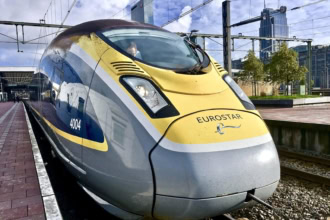
For visitors heading to the capital, London can be reached in little over an hour on Southeastern Highspeed services, opening up easy connections with the London Underground, Eurostar and the wider National Rail network. From London St Pancras International, travellers can continue north towards cities including Leeds, York, Newcastle and Edinburgh, while other London terminals provide links across every region of the United Kingdom.
If you’re exploring Kent, the county offers plenty to discover beyond Dover itself. The sandy beaches of Broadstairs and Margate, the historic harbour at Ramsgate, the vineyards of the Kent Downs and the spectacular White Cliffs of Dover are all within easy reach by train or car. Whether you’re beginning a holiday or returning home after travelling through Europe, Dover Ferry Port provides an excellent starting point for exploring one of England’s most attractive counties.

Rupert’s Handy Travel Tips
Travelling through Dover Ferry Port? Here are a few handy tips to help your crossing get off to the best possible start:
- Arrive in plenty of time: Ferry operators usually recommend arriving 60 to 90 minutes before departure, but allow extra time during school holidays and bank holiday weekends when Kent roads can become particularly busy.
- Foot passengers should head to the Passenger Terminal: After checking in, you’ll be transferred to your ferry by the port’s dedicated shuttle bus, so don’t try to walk directly to the ship.
- Travelling by train? The quickest way from Dover Priory to the ferry terminal is usually by taxi, although Stagecoach Route 66 also serves Eastern Docks.
- Book onward travel before you sail: If you’re continuing by rail after arriving in France or returning to London after your trip, booking tickets through Omio in advance can often save money and guarantee your preferred departure.
- Check traffic before driving: If you’re travelling by car, keep an eye on live traffic reports for the M20, A20 and any Operation Brock restrictions before setting off.
Want to meet the reindeer behind our travel tips? Find out more in our page Who is Rupert?.




Frequently Asked Questions
Can you walk from Dover Priory railway station to Dover Ferry Port?
Yes, but it is not recommended if you’re carrying luggage. The ferry terminal is around 2 kilometres from Dover Priory, and most travellers choose a taxi or Stagecoach Route 66 to reach the Passenger Terminal.
Can foot passengers use Dover Ferry Port?
Yes. Both P&O Ferries and DFDS accept foot passengers on many sailings, although availability can vary depending on the route and operational requirements. Check with your ferry operator before travelling.
How early should I arrive before my ferry departs?
Most ferry operators recommend arriving 60 to 90 minutes before departure. During busy holiday periods, allowing additional time is advisable because border checks and traffic congestion can increase waiting times.
Is there parking at Dover Ferry Port?
There are short-term parking and drop-off facilities within the port, but there is no dedicated long-stay holiday parking for passengers leaving vehicles while travelling overseas. Private car parks in Dover provide longer-term parking options.
Which railway station serves Dover Ferry Port?
The nearest station is Dover Priory, served by Southeastern trains from London, Canterbury, Ashford, Folkestone and other destinations across Kent.
Which ferry companies operate from Dover?
The two principal operators are P&O Ferries and DFDS, offering regular crossings to Calais and Dunkerque.
Are taxis available at the ferry terminal?
Yes. Taxis normally wait outside the Passenger Terminal and can also be pre-booked if you have an early morning or late evening sailing.
Is Dover Ferry Port accessible?
Yes. Accessible facilities are available throughout the passenger terminal, and travellers requiring assistance should contact their ferry operator before travelling so appropriate arrangements can be made.
Further Reading & Related Guides
Planning to continue your journey after leaving Dover Ferry Port? If you’re crossing the English Channel, our Dover to Calais Ferry Guide explains the different ferry operators, onboard facilities and what to expect during the crossing, while our Calais Ferry Port Guide shows you exactly how to continue your journey after arriving in France by train, taxi or car.
Still deciding whether to travel by sea or rail? Our Dover to Calais: Eurostar or Ferry? guide compares journey times, costs and convenience to help you choose the best option. If you decide to travel by rail instead, don’t miss our comprehensive Eurostar Guide, covering routes, ticket types and luggage rules, or our Eurostar Snap Guide, which explains how to find discounted last-minute Eurostar fares.