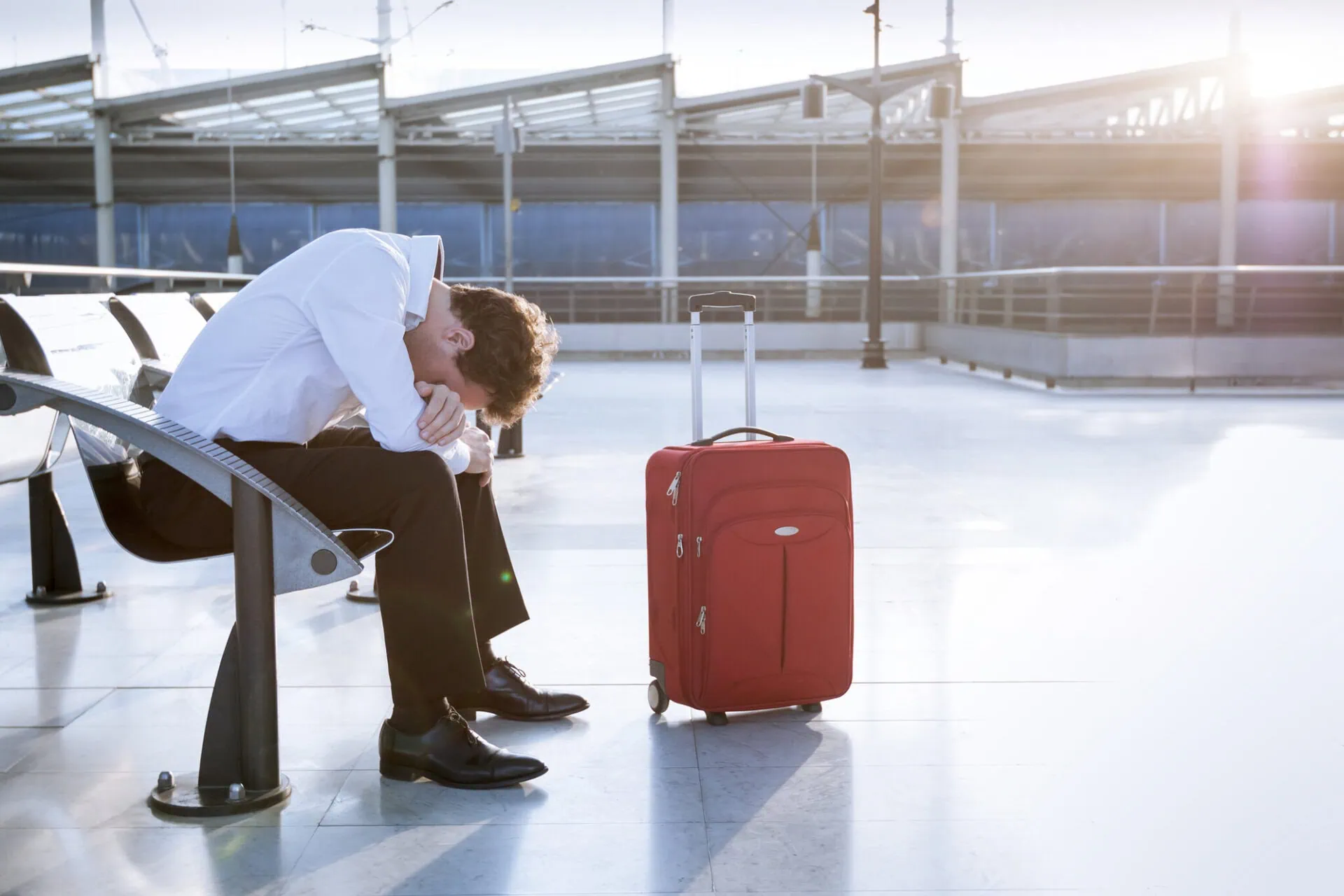
When Airport Strikes Disrupt Your Travel Plans
Air travel relies on a complex network of people and systems working together. When even one part of that network stops operating, the entire system can slow down or collapse. An airport strike often affects far more than just the staff involved in the dispute, which is why travellers can suddenly find their carefully planned journey falling apart.
In many cases, the airline itself is not the organisation on strike. Disruption may instead involve airport security staff, baggage handlers, air traffic controllers, ground handling companies, or border control officers. Each of these groups plays a vital role in keeping flights moving safely and efficiently. When they stop working, airlines may have no choice but to delay or cancel flights.
Strikes rarely shut down an airport entirely, but they can severely reduce the number of flights that can operate safely. Airports may limit the number of departures, reduce passenger processing capacity, or temporarily close parts of the terminal. The result is often long queues, cancelled flights, delayed baggage, and overwhelmed customer service desks.
This airport strike travel guide focuses on what travellers actually need to know when disruption happens. Understanding how strikes affect the aviation system is the first step to dealing with them calmly and effectively. With the right preparation and a clear plan, many travellers can reduce the impact on their journey and sometimes even avoid the worst disruption entirely.
Types of Airport Strikes Travellers May Encounter
Not all strikes affect air travel in the same way. The impact on passengers depends heavily on which group of workers is involved and how central their role is to airport operations. Understanding the difference can help travellers anticipate the scale of disruption.
Air Traffic Control Strikes
Air traffic control strikes are among the most serious events in aviation. Controllers manage aircraft movements in the air and on the ground, ensuring planes remain safely separated and airports operate efficiently.
When controllers strike, entire sections of airspace may close or operate with reduced capacity. Flights that normally pass over the affected country may also be cancelled, even if they are not landing there.
This type of disruption is particularly common in parts of Europe where airspace is highly interconnected. A strike affecting one country’s air traffic control system can ripple across the wider network, cancelling flights hundreds of miles away.
Airport Ground Handling Strikes
Ground handling staff are responsible for a wide range of operational tasks including loading baggage, pushing aircraft away from the gate, and preparing planes for departure.
If these teams stop working, aircraft may not be able to depart on schedule. Even when flights operate, bags may not be loaded or unloaded normally, leaving passengers arriving at their destination without luggage.
Ground handling strikes often lead to long delays rather than total cancellations, but they can still create major disruption throughout the airport.
Airport Security Strikes
Security staff are responsible for screening passengers before they enter the departure area. When these workers strike, airports may struggle to process travellers quickly enough to keep flights running normally.
Passengers might encounter security queues stretching through terminal halls and outside buildings, especially during busy travel periods. In some cases, airports reduce the number of departing passengers to prevent dangerous overcrowding.
Border Control Strikes
Border control officers manage immigration and passport checks for arriving passengers. If they strike, airports can experience severe congestion in arrivals halls.
For travellers connecting to another flight, immigration delays can easily cause missed connections, particularly at large international hubs. Airlines sometimes cancel connecting flights in advance if they expect border processing times to become unmanageable.
How to Know About an Airport Strike Before You Travel
One of the most important lessons experienced travellers learn is that airport strikes rarely appear without warning. In many countries, unions are legally required to announce industrial action several days in advance.
Airlines normally begin adjusting their schedules as soon as a strike becomes likely. Flights may be cancelled, merged, or rescheduled to minimise disruption and reduce passenger numbers at the airport.
Travellers should always monitor official sources during the week leading up to departure. The most useful places to check include airline apps, airport websites, aviation news outlets, and reliable flight tracking platforms.
Flight tracking services are particularly useful because they reveal changes to aircraft schedules before airlines always send notifications. A service such as Flightradar24 allows travellers to monitor aircraft rotations and identify early warning signs of disruption.
If the inbound aircraft scheduled to operate your flight has already been cancelled or delayed elsewhere, your own departure may soon follow. This kind of information can provide valuable extra time to make alternative arrangements.
Airlines also usually contact passengers directly once a cancellation is confirmed. However, these notifications may arrive later than updates shown in flight tracking systems, especially during major disruption events.
What To Do If Your Flight Is Cancelled Due to a Strike
When flights are cancelled during a strike, airports can quickly become chaotic. Passenger service desks often develop extremely long queues as travellers try to speak to airline staff at the same time.
The most effective strategy is often to avoid the airport queue entirely and manage the situation digitally. Airline mobile apps and websites usually allow passengers to change flights far more quickly than waiting for assistance in person.
The first step is to check whether the airline has already moved you to another flight. During strike disruption, airlines frequently rebook passengers automatically to reduce pressure on customer service teams.
If no alternative has been offered, look at other available flights on the airline’s website or app. Being flexible with departure times or nearby airports can dramatically improve your chances of continuing your journey.
Travellers should also remain calm and methodical. Strike disruption affects thousands of people simultaneously, which means patience and quick decision-making often provide a better outcome than waiting in long queues.
Finally, remember that cancelled flights do not always mean the trip is lost. In many cases airlines can reroute passengers through different cities, alternative airports, or even partner airlines depending on availability.
Passenger Rights During Airport Strikes (UK & Europe)
When flights are disrupted by industrial action, one of the most common questions travellers ask is whether they are entitled to compensation or assistance. The answer depends on who is responsible for the strike and how it affects the flight.
Passengers departing from the United Kingdom or European Union are protected by aviation passenger rights legislation often referred to as UK261 or EU261. These rules require airlines to support travellers when flights are cancelled or severely delayed, even if the airline itself was not responsible for the disruption.
If your flight is cancelled due to a strike, the airline must normally offer you one of three options:
– A full refund of your ticket
– A replacement flight at the earliest available opportunity
– A later flight on a date that suits you
Airlines must also provide reasonable assistance during long delays. This can include meals, refreshments, hotel accommodation, and transport to that hotel if an overnight stay becomes necessary.
However, compensation payments depend on the cause of the disruption. If the strike involves airport workers, baggage handlers, or air traffic control, airlines generally classify the event as an extraordinary circumstance. In these cases, airlines still need to rebook or refund passengers, but financial compensation may not apply.
If the strike involves the airline’s own staff, such as pilots or cabin crew, the situation can be different. In those cases, compensation under passenger rights rules may be payable depending on the delay and distance of the flight.
For official information on passenger rights, travellers can consult the UK Civil Aviation Authority guidance at
https://www.caa.co.uk/passengers
Understanding these rights before travelling can prevent unnecessary stress when disruption occurs. Many travellers accept poor solutions simply because they are unaware of the alternatives available to them.
How to Protect Your Journey During Strike Season
While travellers cannot prevent strikes from happening, there are several practical steps that significantly reduce the impact of disruption. Experienced travellers often plan their journeys with strike risk in mind, particularly when flying through busy European airports.
One of the simplest strategies is choosing early morning flights whenever possible. Aircraft used for the first departures of the day are normally already parked at the airport overnight. This means they are less likely to be delayed by earlier disruptions elsewhere in the network.
Travelling with carry-on luggage only can also reduce problems during strike disruption. If baggage handling staff are involved in the strike, checked bags may be delayed even when flights still operate.
Passengers should also avoid tight connections during periods of potential disruption. Short transfer windows leave very little margin for delays, especially when security or immigration processing slows down.
Monitoring the situation in advance can also make a major difference. Travellers should begin checking news reports and airline updates several days before departure if strike action has been announced.
Finally, keeping digital copies of travel documents is extremely helpful. Boarding passes, booking confirmations, and hotel reservations should always be accessible on your phone, as paper documents can easily be lost during stressful travel situations.
These small preparations will not eliminate disruption, but they often make the difference between a manageable delay and a completely derailed journey.
Smart Apps That Help During Airport Disruptions
Modern travel technology has made it much easier to stay informed when airport disruption occurs. A few well-chosen apps can provide real-time information that passengers might otherwise struggle to obtain during a strike.
Flight tracking apps are among the most useful tools during disruption events. These platforms allow travellers to follow the exact aircraft scheduled to operate their flight and monitor whether it is arriving on time.
When disruption spreads across an airport, seeing the wider aircraft movement picture can provide valuable clues about whether your flight is likely to depart. If incoming aircraft are being diverted or delayed, passengers can prepare for possible changes before official announcements are made.
Airline mobile apps are equally important. Most major airlines now allow passengers to rebook flights, change itineraries, or accept alternative travel options directly through the app, often much faster than speaking to airport staff.
Airport apps can also provide useful operational updates, including security queue times and terminal changes. During major disruption, these notifications may help travellers navigate crowded terminals more efficiently.
Finally, travel planning apps that organise booking confirmations can reduce confusion during chaotic situations. Having every ticket, reservation, and itinerary in one place makes it easier to adapt plans quickly if a flight disappears from the schedule.
In short, the right apps turn your phone into a portable travel command centre when disruption strikes.
Frequently Asked Questions About Airport Strikes
Airport strikes raise many practical questions for travellers who suddenly find their plans disrupted. Understanding the most common scenarios can help passengers react more confidently when problems occur.
Should I still go to the airport if my flight has not been cancelled?
If your flight is still scheduled to depart, airlines generally recommend arriving at the airport as normal. However, allow significantly more time for security checks, check-in queues, and other delays.
Can airlines rebook passengers onto other airlines?
Yes. If your flight is cancelled, airlines may rebook you on partner airlines or alternative routes depending on availability. This usually happens when no suitable replacement flights are available within the airline’s own network.
Do airport strikes automatically qualify for financial compensation?
Not always. Compensation normally applies only if the disruption was within the airline’s control. Strikes involving airport authorities or air traffic control are usually classified as extraordinary circumstances.
What happens if I miss a connecting flight because of a strike delay?
If the flights are part of the same booking, the airline normally has responsibility for rerouting passengers to their final destination. The airline may provide an alternative route or a later flight.
Does travel insurance cover strike disruption?
Some travel insurance policies include strike protection, especially if the strike was announced after the policy was purchased. Travellers should always check their insurance terms carefully before relying on this coverage.
Knowing these answers in advance helps travellers react more quickly and confidently when airport disruption occurs.

Rupert’s Handy Travel Tips
Airport strikes can cause sudden disruption, but a few smart habits can help you stay ahead of the chaos and keep your journey on track:
- Check the inbound aircraft: Use a flight tracking app to see where your aircraft is coming from. If the previous flight is cancelled or delayed, your departure could be affected too.
- Download the airline app: When disruption hits, airlines often rebook passengers through their apps before airport desks even open new queues.
- Carry essentials in your hand luggage: If baggage handlers are striking, checked luggage may be delayed or sent on a later flight.
- Arrive earlier than usual: Security queues and check-in lines can become much longer during strike days, especially at busy airports.
- Screenshot your travel documents: Airport Wi-Fi can struggle during disruption, so keeping boarding passes and booking confirmations saved offline can save time.
Want to meet the reindeer behind our travel tips? Find out more in our page Who is Rupert?.
Further Reading & Related App Guides
Want to prepare for every part of your journey? These related guides will help you stay informed, connected, and ready to travel with confidence.
Track aircraft movements and delays with our flight tracker apps guide → Flight Tracker Apps Guide
Find comfortable places to wait during disruption with our airport lounge apps guide → Airport Lounge Apps Guide
Compare routes quickly with our flight aggregator apps guide → Flight Aggregator Apps Guide
Stay connected worldwide with our eSIM apps guide → eSIM Apps Guide
Speed through the terminal with our airport security preparation guide → Getting Through Airport Security Guide
Last Updated
March 2026
Information about airport strikes, airline policies, and passenger rights can change quickly. This airport strike travel guide is reviewed regularly to ensure travellers have the most accurate advice when disruption occurs.
Affiliate Disclosure
This page contains affiliate links. If you click through and make a purchase or booking, we may earn a small commission at no extra cost to you. This helps support our work and allows us to continue providing detailed, independent travel advice. We only recommend apps and services we personally use or have verified as high-quality.