
The West Coast Main Line: Britain’s Most Important Railway
The West Coast Main Line is one of the most important railway routes in the United Kingdom, connecting London with Birmingham, Manchester, Liverpool, the Lake District and Glasgow. It is the main north–south railway on the western side of Britain and carries millions of passengers every year, including commuters, business travellers and tourists.
For travellers, the West Coast Main Line is often the fastest and easiest way to travel between major UK cities, and in many cases it is quicker than flying once airport travel time, security and boarding are taken into account. High-speed intercity trains run frequently throughout the day, with modern trains offering WiFi, power sockets and comfortable seating.
One of the reasons this route is so useful for travellers is that it passes through many of the UK’s biggest cities and most popular tourist destinations. You can travel from London to Birmingham in around 1 hour 20 minutes, reach Manchester or Liverpool in just over 2 hours, or continue north to Glasgow in around 4½ hours. The route also provides easy access to the Lake District National Park, making it useful for both city trips and countryside travel.
If you are planning to travel around Britain by train, there is a very high chance that at some point you will travel on the West Coast Main Line, even if only for part of your journey. Understanding how this route works, where the main stations are, and how tickets are priced can make travelling around the UK much easier and often much cheaper.
West Coast Main Line Route and Major Stations
The West Coast Main Line runs from London Euston to Glasgow Central, passing through the Midlands, North West England and the Lake District before crossing into Scotland. Along the way, trains stop at major cities, railway junctions and important interchange stations where routes branch off toward Liverpool, Manchester, North Wales and other parts of the UK.
Understanding the major stations along the route helps you plan journeys more easily, especially if you need to change trains or are travelling to smaller towns connected to the main line.
London Euston
London Euston is the southern terminus of the West Coast Main Line and one of the busiest railway stations in the United Kingdom. Almost all long-distance trains to Birmingham, Manchester, Liverpool and Glasgow depart from Euston, making it one of the most important stations in the country for intercity rail travel.
The station is well connected to the London Underground via Euston Underground station, which is served by the Northern and Victoria lines, and Euston Square, which is served by the Circle, Hammersmith & City and Metropolitan lines. This makes it easy to reach most parts of London quickly after arriving by train.
Although Euston itself is mainly a transport hub rather than a tourist attraction, it is located close to Camden, Bloomsbury and Regent’s Park, and it is only a short Underground ride to major attractions such as the British Museum, Westminster, Buckingham Palace and the South Bank. Many travellers start their UK rail journeys from Euston when travelling north toward the Midlands, North West England or Scotland.
London Euston is a great station for both exploring London and travelling across the UK. From here you can easily reach major London attractions by Underground, or take direct trains north to Birmingham, Manchester, Liverpool, the Lake District and Glasgow, making it one of the most important transport hubs for visitors to Britain.
Milton Keynes Central
Milton Keynes Central is a major stop on the southern section of the West Coast Main Line and is heavily used by commuters travelling into London. Many fast intercity trains stop here, making it one of the most important intermediate stations between London and Birmingham.
Milton Keynes itself is a modern planned city known for its grid road system, shopping centres and business parks rather than historic attractions, but the station is an important transport hub. From here, passengers can connect to local trains and buses across Buckinghamshire and surrounding areas.
Milton Keynes is also close to Bletchley Park, one of Britain’s most important historic sites, where the World War II codebreakers worked to crack the Enigma code. This is one of the main attractions near Milton Keynes and can be reached by local train or bus from Milton Keynes Central.
Rugby
Rugby is an important railway junction on the West Coast Main Line where routes split toward the Midlands and other regional destinations. Although it is a smaller town, Rugby has played an important role in railway history and remains an important operational point on the network.
The town is best known as the birthplace of rugby football, and visitors can see Rugby School, where the sport was invented, as well as the town centre and local museums. From Rugby station, passengers can connect to Coventry, Leamington Spa and Birmingham, making it a useful interchange point for regional travel.
Many intercity trains pass through Rugby without stopping, but some services do stop here, particularly services connecting the Midlands to London and the North West.
Birmingham New Street
Birmingham New Street is one of the most important railway stations in the entire UK rail network and a major interchange for trains across the country. It is located directly in Birmingham city centre and sits underneath a large shopping centre, making it very convenient for visitors.
From Birmingham New Street, passengers can connect to trains heading toward Bristol, Cardiff, Nottingham, Leeds, Sheffield and many other cities, making it one of the key railway hubs in Britain. The station is extremely busy, and many travellers change trains here when travelling across the UK.
Birmingham itself is the second largest city in the UK and has several attractions, including the Bullring shopping centre, canals, museums and Cadbury World, which is one of the most popular visitor attractions in the Midlands. Because of its central location and excellent rail connections, Birmingham is often used as a base for exploring central England.
Stafford
Stafford is an important junction station on the West Coast Main Line where railway routes begin to split toward Manchester and Liverpool. While the town itself is relatively small compared to Birmingham or Manchester, the station plays an important role in railway operations and many trains stop here.
From Stafford, passengers can connect to regional services across Staffordshire and the West Midlands. The town itself has a historic centre, a castle and several parks, but most travellers use Stafford primarily as a connection point rather than a destination.
Because of its position on the network, Stafford is often the point where trains begin to branch toward different northern destinations.
Crewe
Crewe is one of the most famous railway towns in Britain and has been a major railway junction since the 19th century. Even today, it remains one of the most important interchange stations on the West Coast Main Line.
At Crewe, railway lines branch toward Liverpool, Manchester, North Wales, Stoke-on-Trent and Shrewsbury, making it one of the most important connection points on the UK rail network. Many long-distance trains stop here, and it is often a convenient place to change trains if you are travelling to destinations that are not directly on the main line.
Although Crewe itself is not a major tourist destination, its railway heritage is very important, and it remains one of the key operational centres of the UK rail network.
Liverpool Lime Street
Liverpool Lime Street is the main railway station in Liverpool and sits on a branch line that connects to the West Coast Main Line at Crewe. Trains from London reach Liverpool in just over two hours, making it one of the easiest major cities to reach from London by train.
The station is located in the city centre, within walking distance of many of Liverpool’s main attractions, including the Royal Albert Dock, museums, Liverpool waterfront, River Mersey, shopping areas and football stadium tours. Liverpool is also famous for The Beatles, and many visitors come to see Beatles-related attractions such as the Cavern Club and Beatles Story museum.
Liverpool is a very popular city break destination, and the fast train connection from London makes it an easy weekend trip.
Manchester Piccadilly
Manchester Piccadilly is the main railway station in Manchester and one of the busiest stations in the UK outside London. It is a major hub for trains to London, Birmingham, Liverpool, Leeds, Sheffield and Scotland.
The station is located close to the city centre and connects easily to Manchester Metrolink trams, buses and trains to Manchester Airport. Many travellers travelling between London and Manchester use the train instead of flying because the train is usually faster once airport travel time is considered.
Manchester itself is a major tourist and business city known for football stadium tours, music history, shopping, museums and nightlife, and it is also a gateway to the Peak District National Park.
Preston
Preston is another important interchange station on the West Coast Main Line where lines branch toward Blackpool, Lancaster and the Lake District. Many long-distance trains stop here, and it is often used as a connection point for travellers heading toward the northwest coast of England.
Preston is also an important operational point on the railway and is one of the last major stations before trains head further north toward Scotland.
Lancaster
Lancaster is a historic city and an important stop before trains reach the Lake District region. The city is known for Lancaster Castle, historic streets and its university, and it sits near the River Lune in northwest England.
From Lancaster, travellers can connect to local trains and buses heading into the Lake District National Park, Morecambe Bay and surrounding countryside. The railway line north of Lancaster becomes more scenic as it passes through countryside and along coastal areas.
Oxenholme Lake District
Oxenholme Lake District is one of the most important tourist stops on the West Coast Main Line because it provides access to the Lake District National Park. From Oxenholme, a branch line runs to Windermere, one of the most popular destinations in the Lake District.
Many visitors travelling from London, Birmingham or Manchester to the Lake District change trains at Oxenholme. From Windermere, buses and boats connect to towns such as Bowness, Ambleside and Grasmere.
For tourists visiting the Lake District without a car, Oxenholme is often the main gateway into the national park.
Penrith North Lakes
Penrith North Lakes is another station used by travellers heading into the Lake District, particularly the Ullswater area, which is one of the most scenic parts of the national park.
Penrith is also located close to the North Pennines Area of Outstanding Natural Beauty and the Scottish border, making it a useful stop for travellers exploring northern England.
Although the station is smaller than others on the route, it is an important access point for outdoor tourism, hiking and countryside travel.
Carlisle
Carlisle is the last major English city on the West Coast Main Line before the railway crosses into Scotland. Historically, Carlisle has been an important railway hub and border city, and it still provides connections to routes toward Newcastle, Edinburgh and rural northern England.
Carlisle Castle and the historic city centre are located not far from the station, and the city is sometimes used as a base for exploring Hadrian’s Wall, one of the most important Roman sites in Britain.
Glasgow Central
Glasgow Central is the northern terminus of the West Coast Main Line and one of the largest railway stations in Scotland. From Glasgow, travellers can continue by train to destinations across Scotland, including Edinburgh, Stirling, the Highlands, Loch Lomond and the west coast.
Glasgow itself is a major city known for architecture, museums, music, shopping and nightlife, and many travellers use Glasgow as a starting point for exploring Scotland.
Train Operators on the West Coast Main Line
Several different train companies operate services on the West Coast Main Line, and understanding the difference between them can help you choose the right train depending on whether you want the fastest journey, the cheapest ticket, or overnight travel.
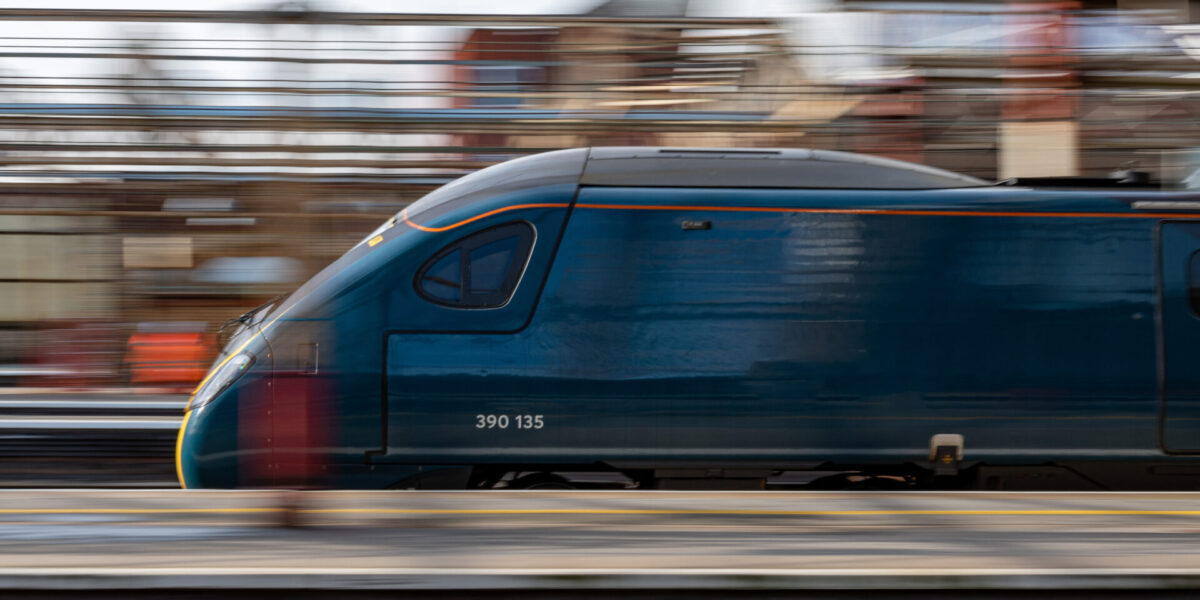
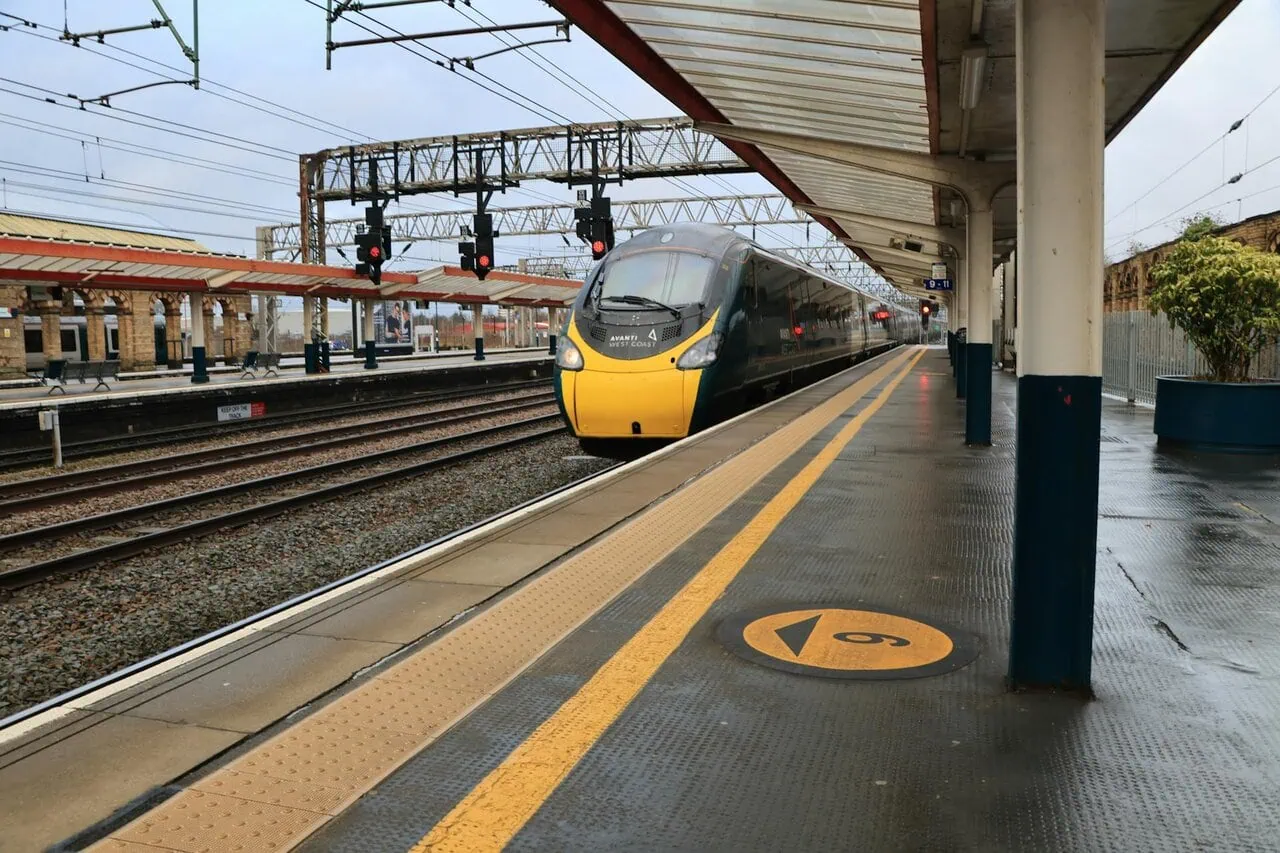
The main long-distance operator is Avanti West Coast, which runs high-speed intercity trains between London, Birmingham, Manchester, Liverpool and Glasgow. These are the fastest trains on the route and usually offer WiFi, power sockets, seat reservations and onboard catering. If you are travelling long distance on this route, you will most likely be travelling on an Avanti West Coast train.
London Northwestern Railway operates slower services between London and Birmingham and some services further north. These trains take longer but are often cheaper, especially if you are travelling short distances or booking tickets late.
The Caledonian Sleeper also runs on the West Coast Main Line, operating overnight trains between London and Scotland. This is a very different travel experience, where passengers travel overnight in a cabin and arrive in Scotland the next morning.
Because multiple operators use the same railway line, ticket prices, journey times and onboard facilities can vary significantly, so it is always worth checking which operator you are booking before buying tickets.
Ticket Types, Prices and How to Get Cheap Fares
Train ticket pricing on the West Coast Main Line can be confusing at first because prices vary depending on time of day, demand, how early you book and what type of ticket you buy. However, once you understand the system, it is often possible to save a lot of money.
The main ticket types in the UK are Advance, Off-Peak and Anytime tickets. Advance tickets are usually the cheapest but must be booked in advance and are valid only on a specific train. Off-Peak tickets are flexible but can only be used outside busy commuter times. Anytime tickets are fully flexible but are usually the most expensive.
One of the best ways to save money on this route is to book tickets several weeks in advance, as Advance tickets are released around 8–12 weeks before travel and are often much cheaper than buying on the day.
Railcards are another very important way to save money. Railcards typically give one-third off most train fares and are available for young people, seniors, couples, families and frequent travellers. If you plan to travel by train more than a few times, a railcard can often pay for itself very quickly.
For international visitors, rail passes such as BritRail passes or Interrail passes can sometimes be cheaper than buying individual tickets, especially if you plan to travel between multiple cities.
Overall, the key to cheap train travel on the West Coast Main Line is simple:
Book early, use a railcard if possible, avoid peak times and compare ticket options before buying.
Journey Times Between Major Cities
One of the main reasons the West Coast Main Line is so popular is the fast journey times between major UK cities. In many cases, the train is faster than driving and often faster than flying once airport travel, security and boarding time are included.
The fastest trains on the route run between London Euston and Birmingham in around 1 hour 20 minutes, making it one of the busiest intercity rail routes in the country. This makes Birmingham an easy day trip or business travel destination from London.
Travelling further north, London to Manchester and London to Liverpool usually takes just over 2 hours, which is why many travellers choose the train instead of flying between these cities. When you consider travel time to the airport, security queues and boarding, the train is often the quicker and easier option.
The full journey from London to Glasgow usually takes around 4½ hours, with trains running throughout the day. While this is a longer journey, it is still competitive with flying once airport time is included, and the train journey is much more comfortable and scenic.
Typical journey times on the West Coast Main Line include:
| Route | Typical Journey Time |
|---|---|
| London – Birmingham | 1h 20 |
| London – Manchester | 2h 10 |
| London – Liverpool | 2h 15 |
| London – Preston | 2h 30 |
| London – Lancaster | 2h 40 |
| London – Glasgow | 4h 30 |
| Birmingham – Manchester | 1h 30 |
| Manchester – Glasgow | 3h 15 |
Journey times vary depending on the train operator, number of stops and time of day, but overall the West Coast Main Line is one of the fastest intercity rail routes in Britain.
First Class vs Standard Class on UK Intercity Trains
Most long-distance trains on the West Coast Main Line offer both Standard Class and First Class, and the difference between them is usually space, comfort and onboard service rather than speed, as both classes travel on the same train.
Standard Class is perfectly comfortable for most journeys and includes reserved seating on most long-distance services, tables on many seats, power sockets and onboard WiFi. For most travellers, Standard Class is the best balance between price and comfort, especially for journeys under three hours.
First Class offers larger seats, more legroom, quieter carriages and usually complimentary food and drink on long-distance services. On weekday services, this often includes breakfast, hot meals, snacks and drinks, while weekend service is sometimes more limited. First Class also tends to be quieter because there are fewer passengers per carriage.
For longer journeys such as London to Glasgow, some travellers find First Class worth the extra cost, especially if you want a quieter environment or plan to work during the journey. However, for shorter trips such as London to Birmingham or London to Manchester, Standard Class is usually perfectly comfortable.
One useful tip is that First Class upgrades are sometimes available at weekends for relatively small additional fees, especially if the First Class carriage is not full.
Scenic Sections of the West Coast Main Line
While much of the southern section of the West Coast Main Line passes through towns and cities, the northern part of the route becomes much more scenic, particularly north of Preston and Lancaster.
One of the most scenic sections of the route is between Lancaster and Carlisle, where the railway passes through countryside, hills and river valleys. This section includes views of the Lake District mountains in the distance, particularly on clear days.
The section around Oxenholme and Penrith is particularly popular with travellers heading to the Lake District, and this part of the journey is noticeably more rural and scenic than the southern sections of the route.
As trains continue north toward Scotland, the scenery becomes more open and rugged, particularly after crossing the border. Although the East Coast Main Line is often considered the more scenic route overall, the northern sections of the West Coast Main Line are still very enjoyable, especially for travellers who prefer countryside and mountain views.
If you are travelling north toward the Lake District or Scotland, it is often recommended to sit on the right-hand side of the train when travelling north from London for the best views in some of the scenic sections.
West Coast Main Line vs East Coast Main Line
Many travellers travelling between London and Scotland do not realise that there are actually two main railway routes: the West Coast Main Line and the East Coast Main Line. Both routes connect London to Scotland, but they serve different cities and offer slightly different travel experiences.
The West Coast Main Line runs from London Euston to Glasgow, passing through Birmingham, Manchester, Liverpool and the Lake District. This route is usually used if you are travelling to the Midlands, North West England or Glasgow.
The East Coast Main Line runs from London King’s Cross to Edinburgh, passing through York, Newcastle and the east coast of England. This route is often considered slightly more scenic because it includes coastal sections north of Newcastle.
In terms of speed, both routes are similar, although the East Coast route is slightly faster for London to Edinburgh, while the West Coast route is better for London to Birmingham, Manchester, Liverpool and Glasgow.
Choosing between the two routes usually depends on your destination rather than the train itself. If you are travelling to Manchester, Liverpool, Birmingham, the Lake District or Glasgow, you will almost certainly use the West Coast Main Line. If you are travelling to York, Newcastle or Edinburgh, you will normally use the East Coast Main Line instead.
Understanding the difference between these two main railway routes helps when planning longer rail journeys across Britain.

Rupert’s Handy Travel Tips
Travelling on the West Coast Main Line? Here are a few tips to make your journey smoother:
- Book early for the cheapest fares: Advance tickets are usually released around 8–12 weeks before travel and can be much cheaper than buying on the day.
- Use a Railcard if you have one: Most railcards give around one-third off train fares and can save a lot of money on longer journeys.
- Arrive early at London Euston: Platforms are often announced late, so give yourself time to find your train and board comfortably.
- Sit on the right when travelling north: You may get better views of the Lake District and countryside on some sections of the route.
- Avoid Friday afternoon trains: Services from London to Manchester, Liverpool and Glasgow are often very busy at the end of the week.
Want to meet the reindeer behind our travel tips? Find out more in our page Who is Rupert?.
Frequently Asked Questions About the West Coast Main Line
Is the West Coast Main Line a high-speed railway?
Parts of the West Coast Main Line are designed for high-speed trains, and modern intercity trains can reach speeds of around 125 mph (200 km/h). While it is not a dedicated high-speed line like HS1, it is still one of the fastest railway routes in the UK.
Is the train from London to Manchester faster than flying?
In many cases, yes. When you include travel to the airport, security, boarding and waiting time, the train is often quicker overall. The train also arrives directly in the city centre, which makes travel much easier.
Do I need a seat reservation on West Coast Main Line trains?
Seat reservations are usually included with Advance tickets and on many long-distance services. If you have an Off-Peak or Anytime ticket, you may be able to reserve a seat for free before departure, depending on the operator.
Can I use a BritRail Pass on the West Coast Main Line?
Yes, BritRail passes are valid on most trains on the West Coast Main Line, including long-distance intercity services. Seat reservations may still be required on some services.
Can I use an Interrail Pass on the West Coast Main Line?
Yes, Interrail passes are valid on most trains on this route, although some operators may require seat reservations on long-distance services.
What is the fastest route from London to Glasgow by train?
The fastest route from London to Glasgow is usually a direct train from London Euston to Glasgow Central on the West Coast Main Line, which takes around 4½ hours.
Further Reading & Related Guides
If you are planning to travel on the West Coast Main Line, it is worth reading some of our other UK rail and travel guides to help you save money and plan your journey more efficiently. Our Avanti Superfare guide explains how to get very cheap train tickets on long-distance routes, while our Railcard Savings guide explains how railcards can reduce ticket prices by around one third.
If you are travelling around Britain as a visitor, you may also want to read our BritRail Pass guide and Interrail Great Britain Pass guide, which explain when rail passes are cheaper than buying individual tickets. These passes can be very useful if you plan to visit multiple cities such as London, Birmingham, Manchester, Liverpool or Glasgow.
For overnight travel between London and Scotland, our Caledonian Sleeper guide explains routes, cabins and how to book sleeper trains. If you are planning longer journeys that combine train and ferry travel, our Rail & Sail UK guide explains how to travel between Great Britain and Ireland using combined rail and ferry tickets.
You may also find it useful to read our United Kingdom Travel Guide and London in a Weekend itinerary, especially if you are planning a trip that includes London and other UK cities connected by the West Coast Main Line.
Reading these guides together will help you understand the UK rail system, compare ticket options, and plan your journeys more efficiently across Britain.
Last Updated
This guide to the West Coast Main Line was last updated in April 2026. Train operators, ticket prices and journey times can change, so it is always worth checking official train websites before travelling.
Affiliate Disclosure
This page contains affiliate links. If you click through and make a purchase or booking, we may earn a small commission at no extra cost to you. This helps support our work and allows us to continue providing detailed, independent travel advice. We only recommend apps and services we personally use or have verified as high-quality.