
Reviewed by our editorial team Updated
Discover Europe’s Youngest Capital
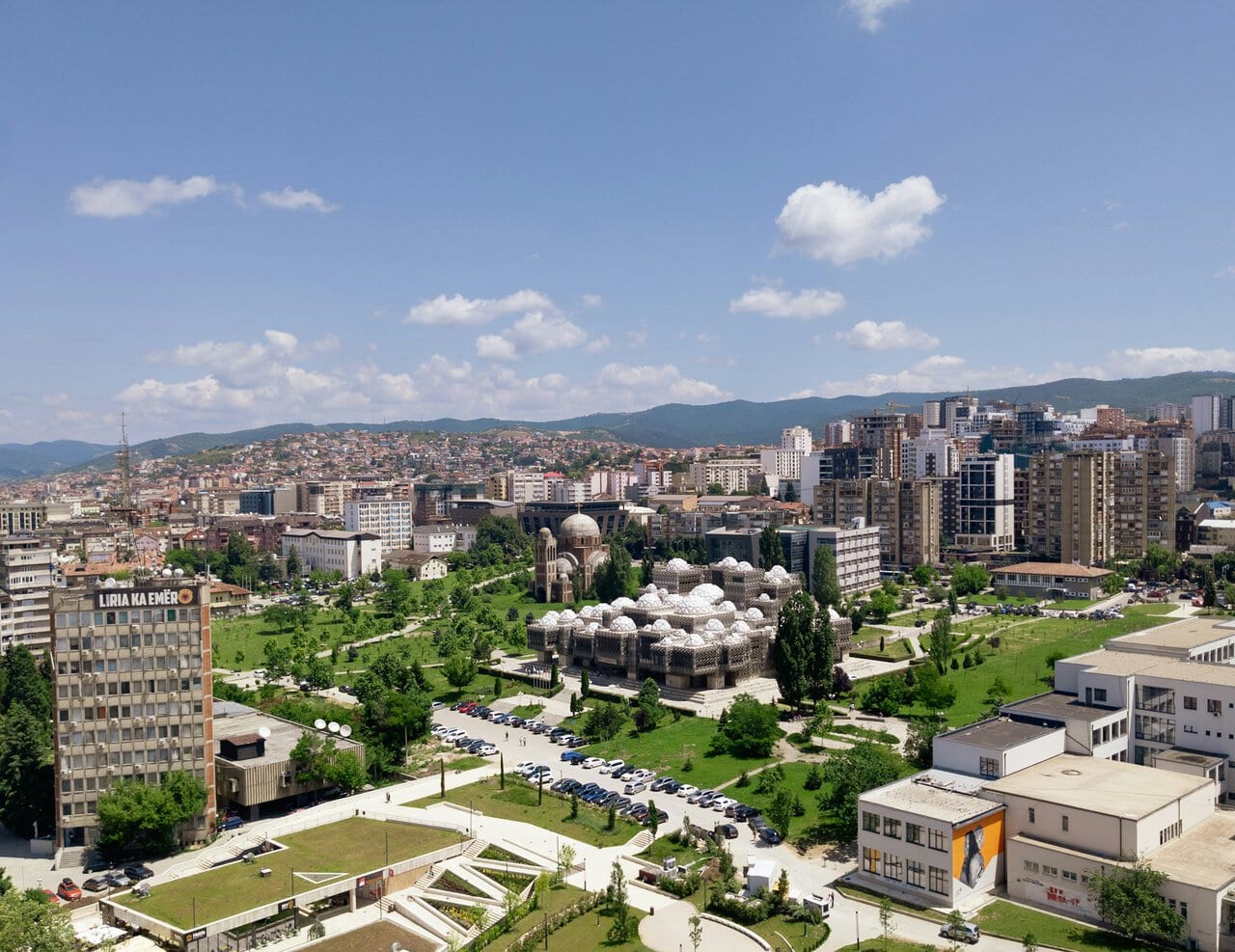
Pristina isn’t a city that tries to impress you with grand palaces or centuries-old skylines. Instead, Kosovo’s capital wins visitors over with its energy, welcoming atmosphere and unmistakable sense of optimism. Home to one of the youngest populations in Europe, the city feels vibrant, modern and constantly evolving, with lively cafés, contemporary art, historic monuments and reminders of its complex past all sitting comfortably alongside one another.
As the political, cultural and economic heart of Kosovo, Pristina has undergone remarkable transformation since the country declared independence in 2008. Today you’ll find busy pedestrian streets filled with coffee drinkers, colourful public art, excellent restaurants and some of the friendliest locals in the Balkans. It’s a city that encourages you to slow down, grab a coffee and simply watch daily life unfold.
Although many travellers initially use Pristina as a gateway to destinations such as Prizren or Rugova Gorge, the capital deserves time in its own right. Its unusual architecture, fascinating museums, religious landmarks and thriving café culture reveal a city that’s proud of its past while looking firmly towards the future.
Another advantage is its compact size. Many of the city’s best attractions are located within easy walking distance of one another, making Pristina an ideal destination for a weekend break or as the starting point for a longer journey around Kosovo. Add affordable accommodation, inexpensive restaurants and excellent transport connections, and it’s easy to see why more visitors are discovering one of Europe’s most underrated capitals.
Pristina at a Glance
Whether you’re visiting for a few hours or several days, Pristina offers a surprising variety of attractions. From striking modern monuments and fascinating museums to Ottoman mosques and peaceful parks, there’s plenty to keep visitors occupied.
| Attraction | Typical Visit | Admission | Best For |
|---|---|---|---|
| NEWBORN Monument | 15–30 minutes | Free | First-time visitors |
| Mother Teresa Boulevard | 1–2 hours | Free | Cafés and shopping |
| National Library of Kosovo | 30–60 minutes | Free | Architecture |
| Kosovo Museum | 1–2 hours | Small admission fee | History |
| Ethnological Museum | 1 hour | Small admission fee | Traditional culture |
| Imperial Mosque | 20–30 minutes | Free | History and architecture |
| Cathedral of Saint Mother Teresa | 30–45 minutes | Free | Views and architecture |
| Germia Park | Half day | Free | Walking and relaxation |
Most visitors spend one or two days exploring the capital before travelling elsewhere in Kosovo. Thanks to the city’s compact layout, it’s possible to visit several attractions on foot while stopping regularly to enjoy Pristina’s famous café culture.
See hotel options and places to stay for your trip.
Browse hotelsBrowse apartments, holiday homes and self-catering stays.
View rentalsCompare hotel prices across multiple booking sites.
Compare ratesVisit the NEWBORN Monument
No visit to Pristina is complete without seeing the NEWBORN Monument, Kosovo’s most recognisable modern landmark and one of the country’s most photographed attractions.
The monument was unveiled on 17 February 2008, the day Kosovo declared independence. Originally painted bright yellow, the huge block letters spelling NEWBORN quickly became an international symbol of the country’s optimism and hopes for the future. Since then, the monument has taken on a life of its own, being repainted every year with a different design reflecting important social, cultural or political themes.
Located close to the city centre, the monument is far more than simply a photo opportunity. It represents an important moment in Kosovo’s history and has become a gathering place for celebrations, concerts and national events. Visitors often spend time reading about the changing artwork before taking photographs from different angles.
The surrounding area is equally worth exploring. Within a short walk you’ll find Mother Teresa Boulevard, government buildings, cafés, restaurants and several of the city’s museums, making it an excellent place to begin a walking tour of Pristina.
If you’re visiting early in the morning, you’ll often have the monument almost to yourself. Later in the day it becomes considerably busier as both tourists and local residents stop to take photographs, meet friends or simply relax nearby.
Stroll Along Mother Teresa Boulevard
Running through the heart of the capital, Mother Teresa Boulevard is Pristina’s social centre and one of the best places to experience everyday life in Kosovo. Closed to most traffic, this wide pedestrian street is lined with cafés, restaurants, shops and public spaces that remain busy from morning until late into the evening.
Coffee plays an important role in local culture, and nowhere is that more obvious than here. Outdoor terraces fill quickly throughout the day as friends meet for coffee, families enjoy lunch and business meetings take place over espresso rather than in offices. Visitors quickly discover that sitting outside with a drink and watching the world go by is as much an attraction as visiting any museum.
The boulevard is also one of the city’s main shopping areas. International brands sit alongside independent boutiques and local businesses, while street performers and seasonal events often add to the lively atmosphere. During the summer months the area feels particularly vibrant, with outdoor seating stretching across the pavements and people strolling well into the evening.
Several of Pristina’s principal attractions are only a few minutes’ walk away, making Mother Teresa Boulevard the perfect base from which to explore the city. Whether you’re looking for lunch, a traditional Kosovan dinner, an evening drink or simply somewhere to relax between sightseeing, you’ll almost certainly find yourself returning here several times during your visit.
Explore the National Library of Kosovo
Few buildings divide opinion quite like the National Library of Kosovo. Frequently described as one of the world’s most unusual buildings, its striking exterior is covered by a network of 99 white domes wrapped beneath an intricate metal lattice. Some visitors love its bold architectural style, while others find it completely baffling, but almost everyone agrees it’s unlike anything they’ve seen before.
Completed in 1982 and designed by Croatian architect Andrija Mutnjaković, the building blends elements of Byzantine, Ottoman and modernist architecture into a single design. Over the years it has appeared on countless lists celebrating both the world’s most beautiful and most controversial buildings, making it a must-see attraction for architecture enthusiasts.
The library remains a working national institution, housing hundreds of thousands of books, historical documents and archives that preserve Kosovo’s literary and cultural heritage. Visitors are usually welcome to enter the public areas, where they can admire the dramatic interior spaces and appreciate how natural light filters through the domed roof.
Even if you’re not planning to spend long inside, the library is worth visiting simply to appreciate its extraordinary appearance. Photography is particularly popular, with the building looking dramatically different depending on the angle and the changing light throughout the day. It’s also only a short walk from several other major attractions, making it an easy addition to any sightseeing itinerary.
Whether you think it’s a masterpiece of modern architecture or one of Europe’s strangest public buildings, the National Library has become one of Pristina’s defining landmarks and is an essential stop for anyone wanting to understand the city’s unique character.

Discover the Kosovo Museum
If you only have time to visit one museum in Pristina, make it the Kosovo Museum. Housed inside a handsome Austro-Hungarian building dating from 1898, the museum tells the story of Kosovo from prehistoric times right through to the modern day, providing valuable context for everything you’ll see during your visit.
The museum’s extensive archaeological collection includes Neolithic artefacts, Roman sculptures, ancient coins, medieval religious objects and traditional household items, illustrating the many civilisations that have shaped Kosovo over thousands of years. Carefully presented exhibitions explain how the region has evolved through different empires and historical periods, making the museum an excellent introduction for first-time visitors.
One of the most fascinating displays is the famous Goddess on the Throne, a small terracotta figurine discovered near Pristina that dates back around 6,000 years. Today it has become one of Kosovo’s most important archaeological symbols and is regarded as a national treasure.
Temporary exhibitions are also held throughout the year, covering subjects ranging from traditional culture and ethnography to contemporary history and art. Allowing one to two hours provides enough time to explore the museum properly without feeling rushed.
Located within easy walking distance of Mother Teresa Boulevard, the museum fits naturally into a day exploring the city centre. Combined with the nearby Ethnological Museum and Imperial Mosque, it offers visitors a much deeper understanding of Kosovo’s rich and often complex history than simply walking around the city alone.
Step Back in Time at the Ethnological Museum
Hidden away in the historic centre, the Ethnological Museum offers a fascinating glimpse into traditional Kosovan life before the modern era. While Pristina is known for its youthful energy and contemporary atmosphere, this beautifully preserved museum transports visitors back to a time when daily life revolved around family homes, craftsmanship and long-established customs.
The museum occupies a collection of restored Ottoman-era houses, complete with original courtyards, wooden balconies and traditional living spaces. As you move through the different rooms you’ll discover carefully recreated interiors showing how families once lived, cooked, worked and celebrated important occasions. Household furniture, handmade textiles, farming tools, clothing and decorative objects help bring Kosovo’s cultural heritage vividly to life.
One of the highlights is the opportunity to explore a genuine traditional residence, rather than simply viewing objects displayed behind glass cabinets. Walking through the rooms provides a much stronger sense of how architecture and family life developed during the Ottoman period, making the museum one of the city’s most immersive historical attractions.
Information panels explain the significance of many of the exhibits, while staff are often happy to answer questions or provide additional background. Because the museum is relatively compact, around an hour is usually sufficient for most visitors, although those with an interest in history or architecture may wish to stay longer.
The Ethnological Museum is only a short walk from the Kosovo Museum, Imperial Mosque and Clock Tower, making it easy to combine several of Pristina’s most important historic attractions into a single leisurely afternoon.
Visit the Imperial Mosque and Pristina’s Historic Quarter
Although much of modern Pristina reflects recent decades of development, the city’s historic quarter preserves reminders of its long Ottoman past. At its centre stands the Imperial Mosque (Xhamia e Mbretit), one of the oldest and most significant religious buildings in Kosovo.
Commissioned by Sultan Mehmed II shortly after the Ottoman conquest during the fifteenth century, the mosque has served as an important place of worship for more than five centuries. Its elegant stonework, graceful dome and slender minaret provide a striking contrast to the modern buildings that now surround it, highlighting the different eras that have shaped Kosovo’s capital.
Visitors are welcome to admire both the exterior and, outside prayer times and with respectful clothing, the peaceful interior. The simple yet beautiful decoration reflects classic Ottoman architectural traditions, while the surrounding courtyard provides a quiet escape from the busy streets nearby.
Just a few minutes away you’ll also find the Pristina Clock Tower, traditional streets and several long-established cafés where locals gather throughout the day. Spending time wandering this neighbourhood reveals a different side of the capital, where historic buildings, family-run businesses and everyday life combine to create one of the city’s most atmospheric districts.
For visitors interested in history, architecture and local culture, this area offers some of the most rewarding sightseeing in Pristina. It’s also an excellent reminder that beneath the city’s modern image lies a history stretching back many centuries, waiting to be discovered by anyone willing to explore beyond the main boulevards.
Search flights and useful route combinations in one place.
View flightsChoose an Airalo eSIM and arrange mobile data before you arrive.
Browse eSIMsArrange a private pickup before travel instead of sorting transport after landing.
Book a transferAdmire the Cathedral of Saint Mother Teresa
Standing proudly among Pristina’s modern skyline, the Cathedral of Saint Mother Teresa is one of the city’s newest landmarks and an important symbol of Kosovo’s religious diversity. Consecrated in 2017, the cathedral honours Saint Mother Teresa, the Nobel Peace Prize winner of Albanian heritage whose humanitarian work is recognised around the world.
Unlike many historic European cathedrals, this is a modern place of worship, combining clean architectural lines with traditional religious elements. Its bright, spacious interior creates a calm and welcoming atmosphere, offering a peaceful contrast to the busy streets outside. Whether you’re religious or simply interested in architecture, it’s well worth stepping inside for a few moments of quiet reflection.
One of the cathedral’s biggest attractions is its observation tower, which provides some of the best panoramic views over Pristina. After climbing to the top, visitors are rewarded with sweeping views across the capital, where modern apartment blocks, government buildings, historic mosques and distant mountains combine to illustrate the city’s fascinating mix of old and new. It’s an excellent place for photography, particularly on clear mornings or as the sun begins to set.
The cathedral also hosts regular religious services, concerts and community events, reflecting its role as both a place of worship and an important cultural venue. Its central location means it’s only a short walk from Mother Teresa Boulevard, the NEWBORN Monument and the National Library, making it easy to include as part of a self-guided walking tour.
Although it may not have centuries of history behind it, the Cathedral of Saint Mother Teresa has quickly become one of Pristina’s defining landmarks, representing the city’s confidence, openness and modern identity.
Escape the City at Germia Park
When local residents want a break from the city, many head straight to Germia Park, Pristina’s largest green space and one of the best places to experience Kosovo’s natural beauty without leaving the capital. Covering hundreds of hectares of woodland and rolling hills on the eastern edge of the city, the park offers a welcome escape from busy streets and traffic.
Walking trails wind through mature forests, making Germia a favourite destination for joggers, hikers and families looking to enjoy fresh air. The paths vary in length and difficulty, allowing visitors to choose anything from a gentle stroll to a more energetic hike into the surrounding hills. During spring and autumn the woodland is particularly beautiful, while summer provides welcome shade from the afternoon heat.
One of Germia’s most popular attractions is its large outdoor swimming pool, which is among the biggest in the Balkans. During the warmer months it becomes a lively gathering place for local families, offering swimming areas, sunbathing space, cafés and plenty of room to relax. It’s an excellent way to cool off after a day spent sightseeing in the city centre.
The park is also popular with cyclists, runners and picnic groups, and you’ll regularly see locals spending entire afternoons here. Unlike many urban parks, Germia feels genuinely spacious, making it easy to find quiet corners surrounded by nature despite being only a short distance from central Pristina.
Reaching Germia is straightforward using local buses, taxis or your own car, while adventurous walkers can even reach the park on foot from the city centre. If you’re spending several days in Pristina, setting aside half a day to explore Germia provides a completely different perspective on the capital and demonstrates why it’s so highly valued by local residents.
Experience Kosovo’s Café Culture and Nightlife
If there’s one thing Pristina does exceptionally well, it’s coffee. The city’s café culture is legendary throughout the Balkans, and spending time in its cafés is as much a part of visiting the capital as seeing its museums or monuments. Rather than rushing between attractions, locals prefer to slow down, socialise and enjoy long conversations over expertly prepared espresso, creating a relaxed atmosphere that visitors quickly come to appreciate.
Throughout Mother Teresa Boulevard and the surrounding streets you’ll find hundreds of cafés, ranging from contemporary coffee houses serving speciality beans to traditional establishments where generations of local families have gathered for decades. Outdoor terraces remain busy throughout the day, with students, professionals and retirees all sharing the same spaces. It’s one of the easiest places to experience everyday life in Kosovo.
Food is another highlight of the city. Restaurants serve generous portions of grilled meats, fresh salads, homemade pastries, burek, qofte and flija, alongside international cuisine and modern fusion restaurants. Prices remain refreshingly affordable compared with many European capitals, making it easy to enjoy high-quality meals without stretching your budget.
As evening approaches, Pristina develops a different atmosphere. Wine bars, cocktail lounges, craft beer venues and live music bars begin to fill with people, particularly at weekends when the city remains lively until late into the night. Despite its energetic nightlife, Pristina generally feels safe, friendly and welcoming, with visitors able to move comfortably between different parts of the centre on foot.
Whether you’re looking for an early morning espresso, a traditional Kosovan meal or an evening drink with live music, Pristina’s café culture is one of the city’s greatest attractions, offering an authentic insight into local life that shouldn’t be missed.
Discover More of Kosovo on a Day Trip
While Pristina has plenty to offer, one of its biggest advantages is its location. Thanks to Kosovo’s excellent road network and frequent intercity buses, many of the country’s most spectacular attractions can be reached in less than two hours, making the capital an ideal base for exploring further afield.
The most popular excursion is undoubtedly Prizren, Kosovo’s cultural jewel. With its Ottoman stone bridges, historic mosques, riverside cafés and impressive hilltop fortress, Prizren offers a completely different atmosphere from the capital and is widely regarded as one of the most beautiful cities in the Balkans. Regular buses depart throughout the day, making it an easy and affordable excursion.
Nature lovers should head west towards Peja and the magnificent Rugova Gorge, where towering limestone cliffs, hiking trails and dramatic mountain scenery provide some of the finest landscapes in Kosovo. If you’re interested in religious heritage, Gračanica Monastery, a UNESCO World Heritage Site, lies only a short distance from Pristina and contains some of the country’s most important medieval frescoes.
Other worthwhile excursions include the fascinating Gadime Marble Cave, known for its rare crystal formations, and Mirusha Waterfalls, a series of beautiful cascades and turquoise pools that are particularly impressive during spring and early summer.
Each destination offers something completely different, from history and architecture to outdoor adventure and natural scenery. We’ve created a dedicated Day Trips from Pristina guide covering journey times, bus services, driving routes and practical travel tips for every destination, making it easy to decide which excursions deserve a place on your Kosovo itinerary.
Planning Your Visit
One of the reasons Pristina is such an enjoyable city to visit is that it doesn’t require weeks of planning. The capital is compact, affordable and easy to navigate, making it an excellent destination whether you’re visiting for a weekend break or using it as the starting point for a wider tour of the Balkans.
For most travellers, two full days is the ideal amount of time to spend in Pristina. This allows enough opportunity to visit the city’s major attractions, enjoy its outstanding café culture, explore its museums and historic landmarks, and still have time to relax without feeling rushed. If your itinerary only allows a single day, it’s still possible to see many of the highlights thanks to the city’s walkable layout.
Spring and autumn are widely regarded as the best times to visit. During April, May, September and October, temperatures are pleasantly warm for sightseeing while cafés and outdoor terraces remain busy. Summer brings longer days and a lively atmosphere, although July and August can become quite hot during the afternoon. Winter is much quieter, with occasional snowfall adding a different character to the city and nearby mountains.
Getting around Pristina is refreshingly simple. Most of the attractions featured in this guide can be reached on foot, while local buses and inexpensive taxis make it easy to travel further afield. If you’re arriving by air, you’ll land at Prishtina International Airport “Adem Jashari”, and our Pristina Airport Transfers guide explains the quickest ways to reach the city centre, including airport buses, taxis, private transfers and car hire. If you’re planning to continue exploring Kosovo, our Getting Around Kosovo by Bus guide explains how to travel between the country’s major cities using the extensive intercity coach network.
Pristina also makes an excellent base for exploring the rest of Kosovo. Beautiful destinations including Prizren, Peja, Rugova Gorge, Gračanica Monastery and Mirusha Waterfalls can all be visited as day trips, allowing you to experience the country’s remarkable variety without changing hotels every night.
Whether you’re staying for a weekend or beginning a longer Balkan adventure, Pristina offers the perfect introduction to Kosovo, combining history, culture, hospitality and modern city life in a destination that still feels refreshingly undiscovered.

Rupert’s Handy Travel Tips
Visiting Pristina for the first time? Here are a few tips to help you make the most of your stay:
- Take your time in the cafés: Coffee culture is a huge part of daily life in Kosovo, so don’t rush. Order an espresso, find a terrace on Mother Teresa Boulevard and enjoy watching the city go by.
- Wear comfortable shoes: Most of Pristina’s main attractions are within walking distance of one another, making exploring on foot the easiest option.
- Don’t skip the museums: The Kosovo Museum and Ethnological Museum provide valuable insight into the country’s history and culture, helping you better understand everything else you’ll see during your visit.
- Use Pristina as a base: With excellent bus connections to Prizren, Peja and many other destinations, it’s easy to explore much of Kosovo without hiring a car.
Want to meet the reindeer behind our travel tips? Find out more in our page Who is Rupert?.


Frequently Asked Questions
Is Pristina worth visiting?
Yes. Pristina offers a fascinating mix of modern history, museums, lively cafés, striking architecture and welcoming locals. While it may not be as well known as some Balkan capitals, many visitors leave pleasantly surprised by its atmosphere.
How many days should I spend in Pristina?
Two days is ideal for exploring the city’s main attractions while also allowing time to enjoy its café culture and local restaurants. If you’re planning day trips, consider staying three or four nights.
Is Pristina walkable?
Yes. Most of the city’s main sights, including the NEWBORN Monument, Mother Teresa Boulevard, the National Library and several museums, are within comfortable walking distance of one another.
Is Pristina safe for tourists?
Yes. Pristina is generally regarded as a safe city for visitors. As with any destination, it’s sensible to keep an eye on your belongings and remain aware of your surroundings, particularly in busy areas.
Is English widely spoken?
English is widely spoken by younger Kosovars and by many people working in hotels, cafés, restaurants and tourist attractions. Visitors rarely experience communication difficulties.
Is Pristina expensive?
No. Compared with many European capitals, Pristina is an affordable destination. Accommodation, meals, public transport and attractions generally offer excellent value for money.
What local food should I try?
Popular dishes include burek, flija, qofte, grilled meats and locally produced cheeses. Be sure to experience the city’s outstanding coffee culture while you’re there.
Can I visit Pristina without hiring a car?
Absolutely. The city is easy to explore on foot, while buses and taxis provide excellent connections to the airport and destinations throughout Kosovo.
When is the best time to visit Pristina?
Spring and autumn offer the most comfortable weather for sightseeing, although the city remains lively throughout the summer and has a quieter charm during winter.
Are shops and attractions open on Sundays?
Many cafés, restaurants and shops remain open on Sundays, although some museums and smaller attractions may operate reduced opening hours, so it’s worth checking in advance.
Further Reading
If you’re flying into Kosovo, our Pristina Airport Transfers guide explains every option for reaching the city centre, including airport buses, taxis, private transfers and car hire. Once you’ve settled into the capital, our Getting Around Kosovo by Bus guide shows how simple it is to travel between Kosovo’s towns and cities using the country’s extensive coach network.
Ready to explore beyond the capital? Our Day Trips from Pristina guide covers everything from the historic streets of Prizren to the dramatic scenery of Rugova Gorge, with practical transport advice, journey times and suggested itineraries to help you discover even more of Kosovo. If you’re building a wider Balkans itinerary, our Things to Do in Podgorica guide introduces another underrated regional capital worth comparing with Pristina.











