What Is Dark Tourism?
Dark tourism is a type of travel that involves visiting places connected with historical tragedies, disasters, wars, or significant historical events. These locations are not visited for entertainment in the traditional sense, but for education, remembrance, historical interest and understanding how past events shaped the world we live in today.
Many dark tourism destinations are museums, memorials, historic battlefields, abandoned towns or disaster sites. Some are places of remembrance and reflection, while others are preserved historical sites that help visitors understand important moments in history. The focus is usually on learning, history and respect, rather than sightseeing in the usual sense.
In recent years, dark tourism has become more popular as travellers look for more meaningful travel experiences rather than just beaches and resorts. Visiting historical sites, memorials and important locations can often leave a stronger impression than traditional tourist attractions because they help people understand real events that affected millions of lives.
A dark tourism travel guide typically includes historic war sites, disaster locations, abandoned places, prisons, memorials and museums. These places can be powerful, educational and sometimes emotional, but they often provide some of the most memorable and thought-provoking travel experiences.
Why Dark Tourism Is Becoming More Popular
Travel trends have changed significantly over the last decade. Many travellers are now looking for experiences rather than just destinations, and this has contributed to the rise in dark tourism around the world.
One reason for the increase in interest is the popularity of history documentaries, podcasts and books. People are becoming more interested in world history, major events and historical locations, and travelling to these places helps bring history to life in a way that reading or watching documentaries cannot fully replicate.
Another reason is that many travellers are now looking for unique and unusual places to visit rather than the typical tourist destinations. Historic battlefields, abandoned towns, memorial sites and disaster locations often provide a very different type of travel experience compared with traditional holidays.
There is also a growing interest in educational travel, where people travel specifically to learn about history, culture and major world events. Visiting places such as war memorials, historical prisons or abandoned towns often provides a deeper understanding of history and human stories.
For many travellers, these trips are not about seeing something shocking or unusual, but about understanding history, paying respect and learning about the past, which is why dark tourism has become a recognised travel category in its own right.
Famous Dark Tourism Destinations Around the World
There are dark tourism destinations in almost every country, and many of them are also important historical landmarks. Some are associated with wars, some with natural disasters, and others with abandoned towns or historic prisons.
In Europe, many dark tourism sites are connected to World War I and World War II. Locations such as the Normandy beaches, Berlin Wall sites and various war memorials attract visitors who want to understand the history of these events. In Poland, Auschwitz is one of the most visited historical sites in Europe, visited as a place of remembrance and education.
In Japan, Hiroshima has become an important memorial city where visitors can learn about the atomic bomb and its aftermath. In the United States, Pearl Harbor in Hawaii and the 9/11 Memorial in New York are also important historical sites that attract visitors from around the world.
Disaster sites are another category of dark tourism. Pompeii in Italy, destroyed by the eruption of Mount Vesuvius, is one of the most famous historical disaster sites in the world. Chernobyl in Ukraine has also become a well-known destination where visitors can see abandoned buildings and learn about the nuclear disaster.
These locations are visited not because they are cheerful tourist attractions, but because they are important historical places that help people understand major world events and human history.
Below are some of the most well-known dark tourism destinations around the world, covering war history, disasters, abandoned places and historic prisons.
| Location | Country | Type of Site | What Happened |
|---|---|---|---|
| Auschwitz | Poland | War / Holocaust Memorial | Nazi concentration camp during WWII |
| Chernobyl | Ukraine | Disaster / Abandoned City | Nuclear disaster in 1986 |
| Pompeii | Italy | Disaster / Historic City | Destroyed by Mount Vesuvius eruption |
| Hiroshima | Japan | War / Atomic Bomb | Atomic bomb dropped in 1945 |
| Normandy Beaches | France | War Battlefield | D-Day landings WWII |
| Alcatraz | USA | Historic Prison | Famous island prison |
| Robben Island | South Africa | Historic Prison | Nelson Mandela imprisoned |
| Tuol Sleng | Cambodia | Genocide Museum | Khmer Rouge prison |
| Pripyat | Ukraine | Abandoned City | Evacuated after Chernobyl disaster |
| Kolmanskop | Namibia | Ghost Town | Abandoned diamond mining town |
War & Conflict Sites
Many dark tourism destinations are connected to wars and conflicts, and these places often become memorial sites, museums or preserved battlefields. Visiting these locations can provide a much deeper understanding of history than reading about events in books.
The Normandy beaches in France are one of the most famous war history destinations in the world. Visitors can see the beaches where Allied forces landed during World War II, as well as museums, cemeteries and memorials dedicated to those who died during the invasion.
In Vietnam, visitors can explore war museums, tunnels and historical sites related to the Vietnam War. In Sarajevo, travellers can learn about the Bosnian War and visit museums and locations connected to the siege of the city.
Berlin is another major destination for dark tourism, with many sites connected to World War II and the Cold War, including parts of the Berlin Wall and various museums and memorials. These sites attract visitors who want to understand history, politics and world events through real locations rather than textbooks.
War and conflict sites are often some of the most visited dark tourism destinations because they represent important moments in world history and serve as places of remembrance and education.
Disaster Sites
Some of the most well-known dark tourism destinations are places where natural disasters, industrial accidents or major historical disasters occurred. These places are often preserved as museums or historical sites so that future generations can understand what happened and learn from the events.
Pompeii in Italy is one of the most famous disaster sites in the world. The city was destroyed by the eruption of Mount Vesuvius in AD 79, and today visitors can walk through streets, houses and public buildings that were buried under ash. Visiting Pompeii gives a very real sense of how people lived and how suddenly disaster can strike, which is why it attracts millions of visitors every year.
Chernobyl in Ukraine is another well-known dark tourism destination. The nuclear disaster in 1986 led to the evacuation of entire towns, including Pripyat, which remains abandoned today. Guided tours allow visitors to see abandoned buildings, schools and apartment blocks while learning about the disaster and its long-term effects.
In the United States, Mount St Helens in Washington State is a famous volcanic disaster site where visitors can learn about the eruption and see how the landscape was dramatically changed. In Japan, memorial sites exist to remember the 2011 earthquake and tsunami, and these sites are visited as places of remembrance and education.
These locations are important because they show how natural disasters and industrial accidents can change landscapes and communities forever, and visiting them often helps people understand the scale and impact of these events.
Abandoned Places & Ghost Towns
Abandoned towns and ghost cities are another major part of dark tourism. These places are often fascinating because they show what happens when entire communities disappear, leaving buildings, streets and everyday objects behind.
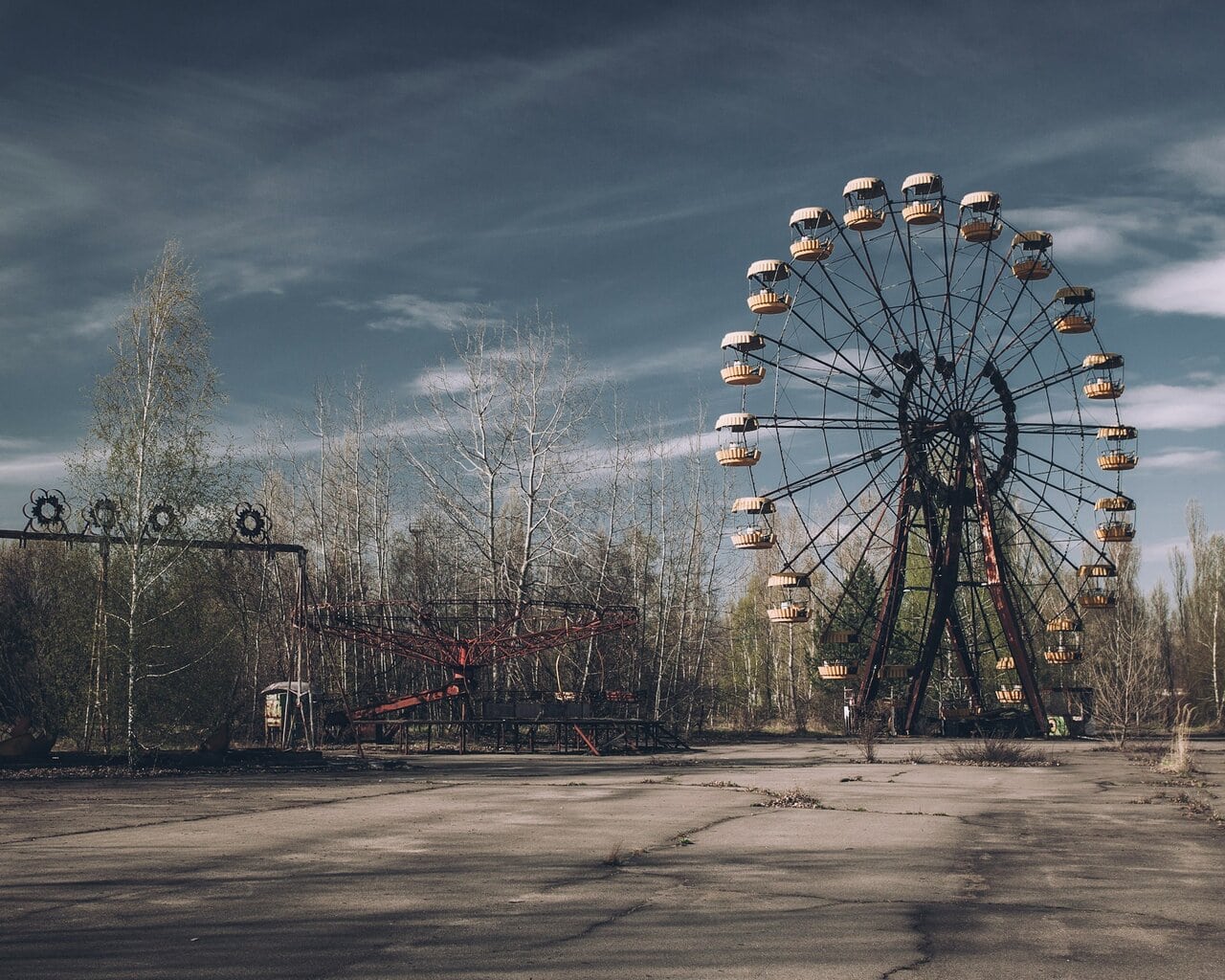
Pripyat in Ukraine is probably the most famous abandoned city in the world. The city was evacuated after the Chernobyl nuclear disaster, and many buildings, schools and amusement parks remain exactly as they were when people left. Visiting Pripyat is like walking through a frozen moment in time.
Hashima Island in Japan, also known as Battleship Island, is another famous abandoned location. It was once a busy mining community, but when the mines closed, the island was abandoned and the buildings slowly began to decay. Today it is a popular dark tourism destination and can be visited on guided tours.
In the United States, the town of Centralia in Pennsylvania became almost abandoned after an underground coal fire started and continues to burn today. In Namibia, the abandoned desert town of Kolmanskop is slowly being covered by sand dunes, creating a very unusual and haunting landscape.
Abandoned places are often popular because they provide a rare look at places where time seems to have stopped, and they often tell interesting stories about industry, disasters or changing economies.
Prisons & Notorious Locations
Historic prisons and notorious locations are also important dark tourism destinations because they often have dramatic histories involving political prisoners, famous criminals or major historical events.
Alcatraz Island in San Francisco is one of the most famous prisons in the world. Visitors can tour the prison, learn about escape attempts and see how prisoners lived when the prison was operating. Robben Island in South Africa is another important historical prison where Nelson Mandela was imprisoned, and it is now a museum and UNESCO World Heritage Site.
In Cambodia, the Tuol Sleng Genocide Museum is located in a former prison used during the Khmer Rouge regime. This is a very serious and emotional site that helps visitors understand the history of Cambodia during that period.
In Ireland, Kilmainham Gaol in Dublin is a historic prison where many Irish political prisoners were held, and today it is a museum that explains Irish history and independence movements.
These types of locations are important because they are connected to major historical events, political movements and human stories, and visiting them often provides a much deeper understanding of history than reading about these events elsewhere.
Dark Tourism Destinations by Region
Dark tourism destinations exist all over the world, and many travellers plan trips specifically to visit historical sites, memorials or abandoned places in different regions.
Europe has a large number of dark tourism destinations, particularly related to World War I and World War II. Many cities have museums, memorials and preserved historical sites connected to these events. Countries such as Germany, Poland, France and Bosnia have many important historical locations.
In Asia, countries such as Japan, Cambodia and Vietnam have museums and memorial sites connected to wars, atomic bomb sites and historical conflicts. These locations are often very educational and provide important historical context.
North America has several dark tourism destinations, including historic prisons, disaster sites and memorials. South America has abandoned towns, mining towns and historical conflict sites. Africa has locations connected to colonial history, conflicts and abandoned settlements, while Oceania has war sites and historical locations related to World War II.
Dark tourism is not limited to one region of the world. Almost every country has historical locations, memorials or abandoned places that tell important stories about the past, which is why this type of travel continues to grow in popularity.
Ethical Considerations of Dark Tourism
When visiting dark tourism destinations, it is important to remember that many of these places are sites of tragedy, loss or major historical events, and they should be treated differently from normal tourist attractions. These locations are often memorials, cemeteries, museums or preserved historical sites, and respectful behaviour is extremely important.
Many visitors travel to these places to learn, reflect and understand history. Because of this, visitors should behave appropriately, follow local rules and remember that some locations are places of remembrance rather than tourist attractions. Loud behaviour, inappropriate photography or treating these locations as entertainment can be seen as disrespectful.
Photography rules vary depending on the site. Some memorials and museums allow photography, while others do not. It is always best to check local rules and signage before taking photographs. At some locations, photography is allowed but visitors are expected to behave respectfully and avoid inappropriate poses or behaviour.
Another important consideration is supporting museums, memorial sites and preservation projects. Many dark tourism destinations rely on visitors to fund historical preservation, museums and educational programmes, which helps maintain these important historical locations for future generations.
Dark tourism can be educational and meaningful, but it should always be approached with respect, understanding and awareness of the history connected to each location.
Tips for Visiting Dark Tourism Sites
Visiting dark tourism destinations can be very different from visiting typical tourist attractions, so a little preparation can make the experience more meaningful and respectful.
Before visiting, it is often a good idea to research the history of the site so that you understand what happened there and why the location is important. Many locations also offer guided tours, which can provide historical context and explanations that you might not get if you visit independently.
It is also important to dress appropriately, particularly when visiting memorial sites, cemeteries or religious locations. Comfortable clothing is usually fine, but very casual beachwear or inappropriate clothing may not be suitable in some places.
Many dark tourism sites include museums, exhibitions or information centres. Allowing enough time to visit these areas can help you understand the full historical context, rather than just visiting the location briefly.
If you are interested in history and educational travel, dark tourism destinations can be some of the most interesting places you will ever visit, but they are best approached with respect, patience and an interest in learning about the past.
For more information on visiting historical and memorial sites responsibly, you can read guidance from organisations such as UNESCO, which helps protect important historical locations around the world

Rupert’s Handy Travel Tips
Planning to visit historical or dark tourism sites? Here are a few useful tips to make your visit more meaningful and respectful:
- Research before you visit: Understanding the history of a site makes the visit much more meaningful.
- Follow local rules: Some memorials and museums restrict photography or require quiet behaviour.
- Allow enough time: Many sites include museums and exhibitions that explain the history in detail.
- Be respectful: Remember that many dark tourism destinations are memorial sites connected to real events and real people.
Want to meet the reindeer behind our travel tips? Find out more in our page Who is Rupert?.
Frequently Asked Questions
What is dark tourism?
Dark tourism refers to visiting places associated with historical tragedies, disasters, wars or important historical events. These locations are usually visited for education, remembrance and historical interest rather than entertainment.
Is dark tourism disrespectful?
Dark tourism is not disrespectful if visitors behave appropriately and treat the location with respect. Many of these sites are museums, memorials or historical locations that exist to educate visitors and remember important events.
What are the most famous dark tourism destinations?
Some of the most famous dark tourism destinations include Auschwitz in Poland, Chernobyl in Ukraine, Hiroshima in Japan, the Normandy beaches in France and Alcatraz in the United States.
Can you visit abandoned cities and ghost towns?
Some abandoned towns and ghost cities can be visited, often on guided tours. However, access may be restricted in some locations for safety reasons, so it is important to check before travelling.
Why do people visit dark tourism sites?
Most people visit dark tourism destinations to learn about history, understand important world events and see historical locations that played a major role in shaping the world today.
Further Reading & Related Guides
If you are interested in unusual destinations, historical travel and planning unique trips, these guides may help you plan your travels and stay prepared.
Stay connected anywhere in the world → eSIM Apps Guide
Find the best navigation tools → Offline Map Apps Guide
Translate languages while travelling → Translation Apps Guide
Plan your accommodation → Hotel Aggregator Apps Guide
Check entry requirements before travelling → Visa Requirement Apps Guide
Last Updated
March 2026
Affiliate Disclosure
This page contains affiliate links. If you click through and make a purchase or booking, we may earn a small commission at no extra cost to you. This helps support our work and allows us to continue providing detailed, independent travel advice. We only recommend apps and services we personally use or have verified as high-quality.