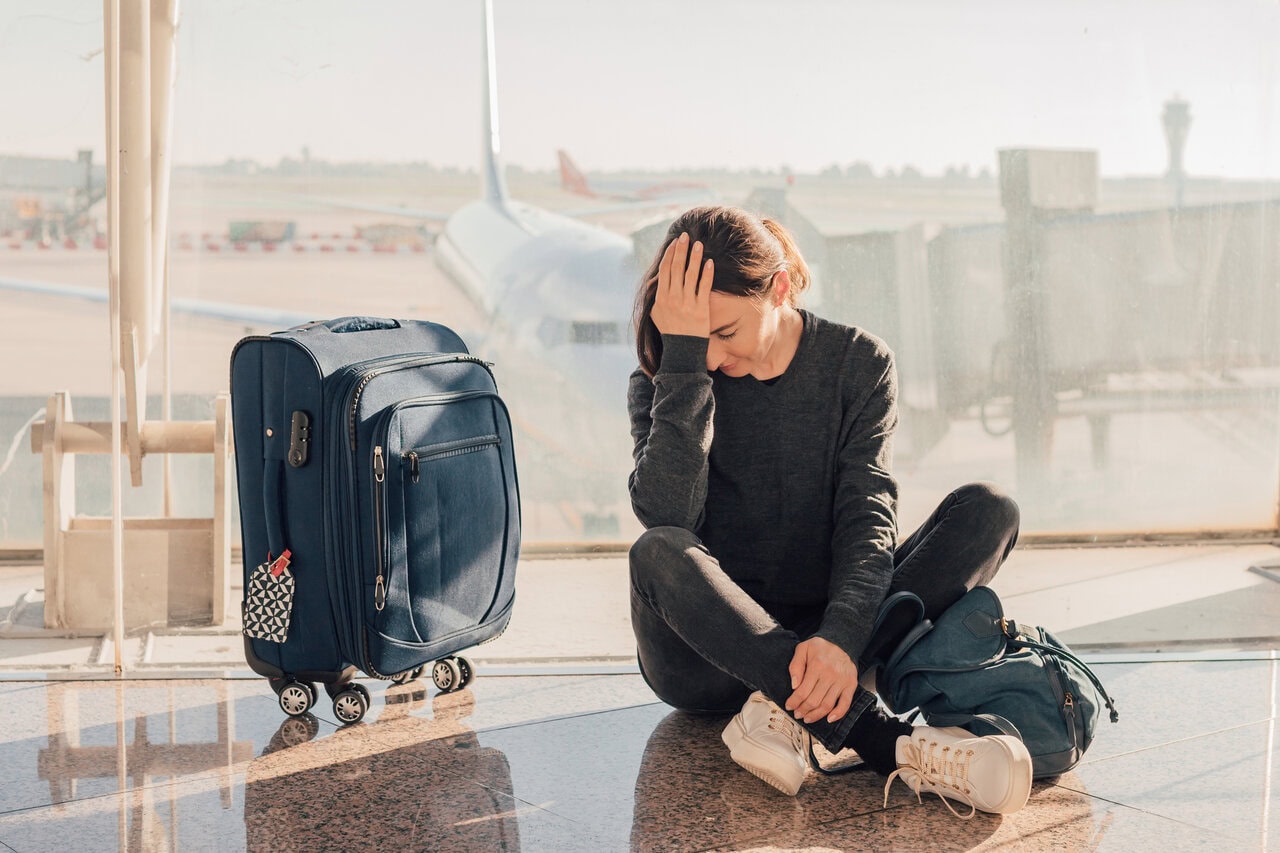
Why Airlines Overbook Flights
Many travellers are surprised to learn that airlines regularly sell more tickets than there are seats on a plane. This practice, known as overbooking, is a common industry strategy used to manage the number of passengers who fail to show up for a flight.
Airlines know from long experience that a certain percentage of passengers simply do not arrive at the airport. Some people miss flights, others change plans, and some cancel at the last minute. By selling a few extra tickets, airlines aim to ensure that flights depart full rather than leaving empty seats.
Most of the time, overbooking does not create a problem. If the airline’s predictions are accurate, the number of passengers who check in matches the number of available seats.
However, when more passengers arrive than the aircraft can accommodate, the airline must decide how to handle the situation. This is where denied boarding rules and passenger protections come into play.
Airlines normally begin by asking for volunteers who are willing to take a later flight in exchange for compensation. If not enough passengers volunteer, the airline may then deny boarding to certain passengers.
Understanding airline overbooking passenger rights helps travellers respond calmly if they find themselves in this situation.
What Happens When a Flight Is Oversold
When more passengers check in than there are available seats, airlines follow a structured process to resolve the situation.
The first step usually involves requesting volunteers. Airline staff will ask whether anyone is willing to give up their seat and travel on a later flight. In return, passengers may be offered travel vouchers, cash compensation or upgrades on future journeys.
Volunteering can sometimes be beneficial for flexible travellers. Airlines may increase the compensation offer until enough passengers agree to take the later flight.
If no one volunteers, the airline may move to involuntary denied boarding, meaning certain passengers are prevented from boarding the aircraft even though they hold a valid ticket.
Airlines use internal rules to determine which passengers are denied boarding. Factors may include check-in time, fare type or loyalty programme status.
While this situation can be frustrating, passenger protection laws exist to ensure travellers receive compensation and assistance when denied boarding because of overbooking.
Your Rights if You Are Denied Boarding
Passengers who are denied boarding due to airline overbooking are protected by passenger rights regulations in the UK and Europe. These rules ensure travellers are not left stranded without support.
Under UK and EU passenger protection rules, travellers who are involuntarily denied boarding are usually entitled to financial compensation as well as assistance from the airline.
In addition to compensation, passengers must be offered the choice between a refund or an alternative flight to their destination. The airline is responsible for arranging these options.
If travellers must wait several hours for a replacement flight, airlines must also provide meals, refreshments and communication access. In cases where the next available flight departs the following day, hotel accommodation may also be provided.
These rights apply when passengers have a valid booking, arrive at the airport on time and are denied boarding because the flight was oversold.
Travellers seeking official information about air passenger protections can consult the UK Civil Aviation Authority, which publishes detailed guidance on denied boarding and airline responsibilities.
Compensation for Overbooked Flights
Passengers who are denied boarding due to overbooking are often entitled to financial compensation. The amount typically depends on the flight distance and the delay caused by the rebooking.
Short flights usually qualify for lower compensation amounts, while long-haul flights may result in higher payments if passengers are delayed significantly.
Compensation may also vary depending on how quickly the airline can rebook the traveller on another flight. If the replacement flight arrives close to the original arrival time, compensation may be reduced.
In addition to compensation, travellers still retain the right to choose between a full refund or an alternative flight to their destination.
Passengers should keep copies of their boarding passes, booking confirmation and any communication from the airline. These documents can help support compensation claims if the airline does not process the payment automatically.
Knowing your airline overbooking passenger rights ensures you understand what compensation may be available if you are denied boarding.
How Airlines Choose Passengers for Denied Boarding
When a flight is oversold and not enough passengers volunteer to give up their seats, airlines must decide which travellers will be denied boarding. While the process can feel arbitrary from a passenger’s perspective, airlines usually follow internal policies to determine the order.
One important factor is check-in time. Passengers who check in later may be more likely to be selected if the airline needs to reduce the number of travellers on the flight. This is why checking in early can sometimes reduce the risk of being denied boarding.
Another factor may be the type of ticket purchased. Passengers travelling on the lowest fare classes or highly discounted tickets may occasionally be prioritised after those with more flexible or higher-priced tickets.
Frequent flyer status can also play a role. Airlines often give priority to passengers with loyalty programme status, particularly those who travel frequently with the airline.
Group bookings may sometimes be treated differently as well. Airlines may try to avoid separating families travelling together, although this cannot always be guaranteed.
While the exact criteria vary between airlines, passengers who have a valid ticket and arrive on time still retain their rights if denied boarding due to overbooking.
Should You Volunteer to Give Up Your Seat?
When a flight is oversold, airlines usually begin by asking passengers to volunteer to travel later. For flexible travellers, volunteering can sometimes result in a surprisingly good deal.
Airlines often offer travel vouchers, cash payments or flight credits to encourage passengers to give up their seats. In busy travel periods, the value of these offers can increase significantly as airlines try to find volunteers quickly.
Before accepting an offer, travellers should ask exactly what compensation is being provided and how the replacement flight will affect their arrival time. In some cases, the delay may only be a few hours, making the offer worthwhile.
However, volunteering may not be the best choice if travellers have tight schedules, connecting flights or important commitments at their destination. Once a passenger volunteers, the airline’s legal compensation obligations may differ from involuntary denied boarding.
Travellers should also confirm whether the airline will provide meals, accommodation or transport if the alternative flight departs much later.
Carefully considering the offer ensures travellers understand the full impact of volunteering before giving up their seat.
How to Claim Denied Boarding Compensation
Passengers who are denied boarding because of airline overbooking are often entitled to compensation. In many cases airlines automatically process payments, but travellers may sometimes need to submit a claim themselves.
The first step is to contact the airline directly through its customer service or compensation claim portal. Most airlines provide online forms where passengers can submit details about disrupted flights.
Travellers should keep all relevant documentation, including boarding passes, booking confirmations and written notices from the airline explaining the reason for denied boarding.
It is also helpful to record the details of any replacement flight offered by the airline. The arrival time of the alternative flight may affect the amount of compensation owed.
If the airline rejects a claim and the passenger believes compensation should still apply, the complaint can sometimes be escalated to an independent dispute resolution body or aviation authority.
Persistence can be important when dealing with airline claims. Travellers who understand their rights are better prepared to pursue compensation successfully.
Frequently Asked Questions About Airline Overbooking
Travellers often have questions about how airline overbooking works and what rights apply when boarding is denied.
Can airlines legally sell more tickets than seats?
Yes. Overbooking is a legal practice used by airlines worldwide to account for passengers who fail to show up for their flight.
Will airlines always ask for volunteers first?
In most cases airlines begin by asking passengers to volunteer to travel later. This helps avoid denying boarding involuntarily.
Are passengers entitled to compensation if they volunteer?
Compensation offered to volunteers is negotiated directly with the airline. It may differ from the standard compensation provided for involuntary denied boarding.
What happens if I refuse to give up my seat?
If too many passengers remain on the flight, the airline may select travellers for involuntary denied boarding according to its internal rules.
Do overbooking rules apply to all airlines?
Passenger rights regulations apply to flights departing the UK or EU and to flights operated by UK or EU airlines arriving from other countries.
Further Reading & Related Travel Guides
Want to stay informed and prepared for travel disruptions and international travel rules? These guides will help you understand your rights and avoid common travel surprises.
Delayed flight in Europe or the UK? Learn what compensation may apply → Air Delays in Europe and the UK – Know Your Rights
If an airline suddenly collapses, understand what happens next → Grounded Dreams: What Happens When an Airline Goes Bankrupt
Avoid delays and confusion during airport screening → Getting Through Airport Security Guide
Confused about time changes while travelling? Learn how it affects flights → Daylight Savings Time Travel Guide
Unsure about tipping etiquette around the world? Read our guide → Tipping Abroad Travel Guide
Stay connected if travel plans suddenly change → eSIM Apps Guide
Last Updated
This guide to airline overbooking passenger rights was last reviewed and updated in March 2026 to reflect current UK and European denied boarding regulations and airline compensation rules.
Affiliate Disclosure
This page contains affiliate links. If you click through and make a purchase or booking, we may earn a small commission at no extra cost to you. This helps support our work and allows us to continue providing detailed, independent travel advice. We only recommend apps and services we personally use or have verified as high-quality.