
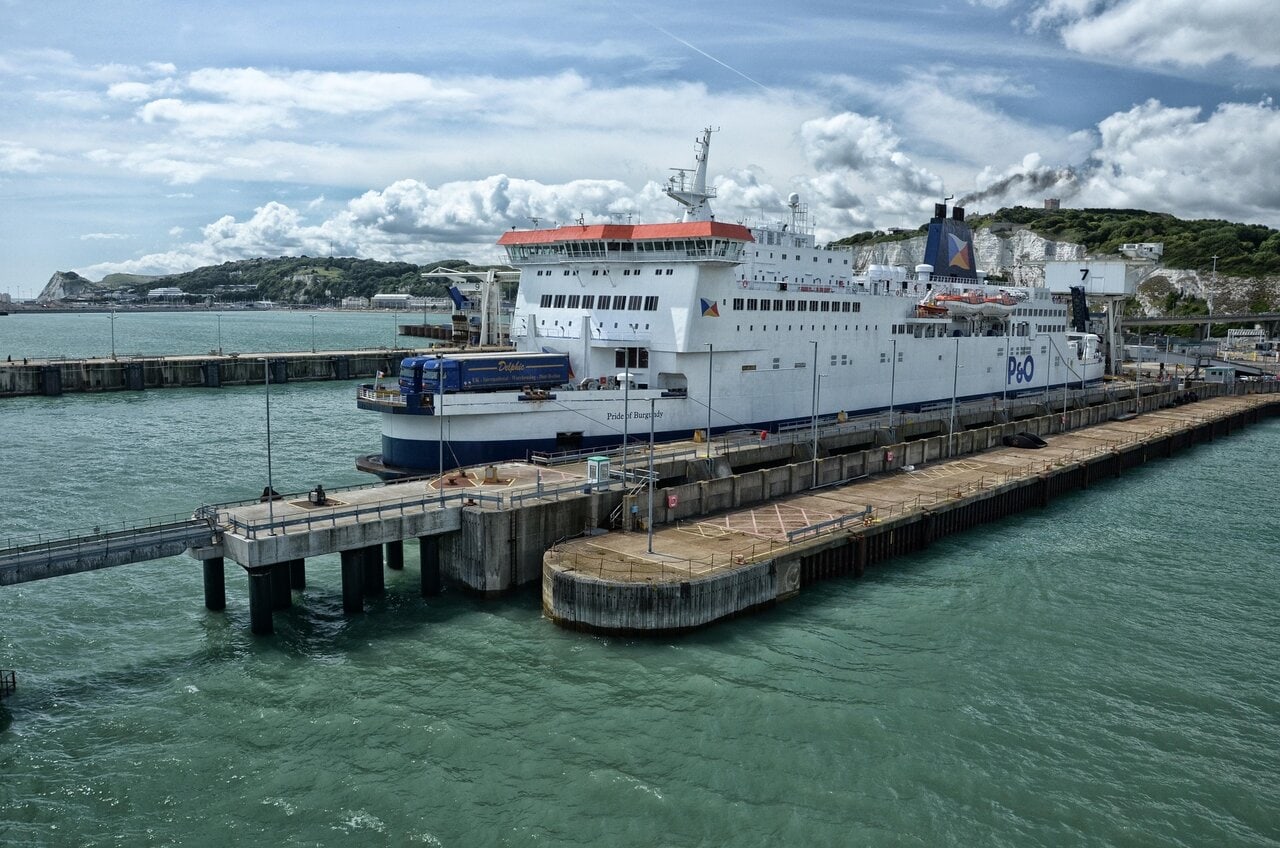
UK Ferry Routes Overview
The UK has one of the largest ferry networks in Europe, with routes connecting England, Scotland, Wales and Northern Ireland to mainland Europe, Ireland and many offshore islands. Ferries are used for international travel, island connections, commuting, and even short river crossings in some cities. Because of the UK’s geography, ferries remain an important part of the transport network.
Most international ferry routes operate from the south coast of England to France, Spain and the Netherlands, while western routes connect the UK to Ireland. Scotland has an extensive ferry network connecting the mainland to the Hebrides, Orkney and Shetland islands. There are also ferry routes to the Isle of Wight, Isle of Man and Isles of Scilly, as well as local ferry services in cities such as Liverpool, London and Portsmouth.
One of the main advantages of ferries is flexibility. Passengers can travel with cars, motorhomes, bicycles and pets, which is often more difficult or expensive when flying. Ferries are also popular with travellers who prefer slower travel, want to avoid airports, or are travelling with large amounts of luggage.
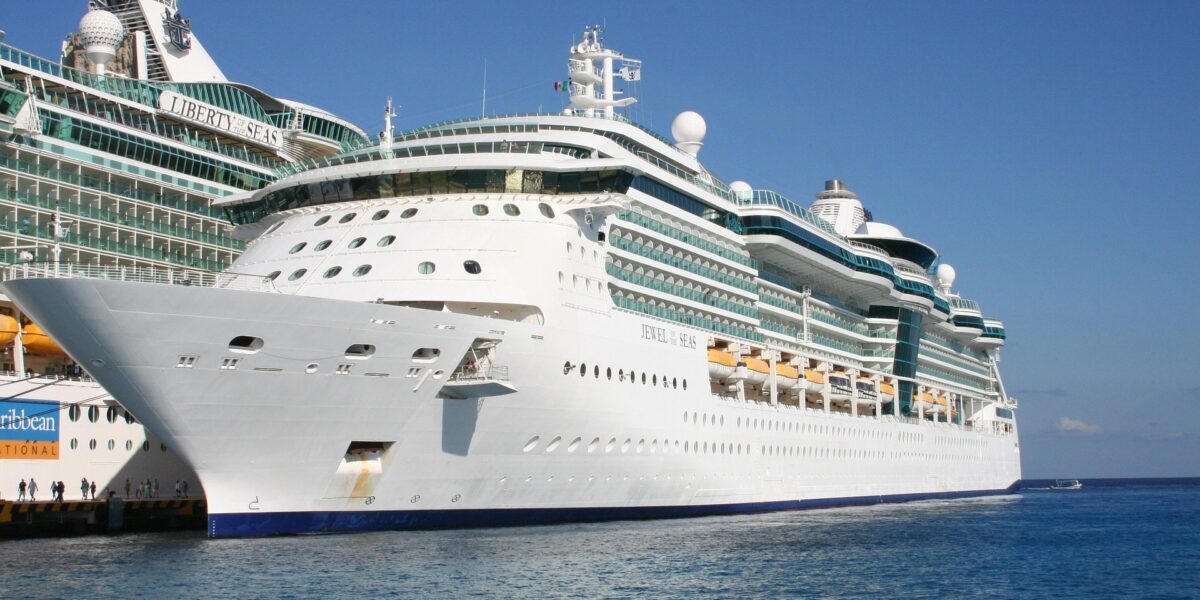
Ferry crossings vary from short one-hour routes to overnight crossings with cabins, restaurants and lounges. Some longer routes to Spain or northern Scotland can take most of a day or overnight, and these ferries operate more like small cruise ships than simple transport.
When looking at UK ferry routes, it is easiest to divide them into several groups: ferries to France, ferries to Spain, ferries to the Netherlands, ferries to Ireland, Scottish island ferries, and local ferry services. Understanding these route groups makes it much easier to plan ferry travel from the UK.
How to Choose the Right UK Ferry Route
With so many ferry routes operating from the UK, choosing the right route often depends more on your travel style than the destination itself. Some ferry routes are designed for short crossings, while others are overnight ships with cabins and restaurants, and some are mainly used for vehicles and freight. Understanding which routes suit different types of travellers can make ferry travel much easier to plan.
For travellers taking a car to mainland Europe, the Dover to Calais and Dover to Dunkirk routes are usually the fastest and cheapest crossings. However, travellers heading to western France, Spain or Portugal often prefer longer ferry routes from Portsmouth or Plymouth because they avoid a long drive across northern France.
For foot passengers, routes such as Harwich to Hook of Holland, Holyhead to Dublin and many Scottish island ferries are easy to combine with trains, buses and local transport. These routes are often part of Rail & Sail tickets, making them convenient for travellers who do not want to drive.
For overnight ferry travel, routes such as Hull to Rotterdam, Newcastle to Amsterdam, Liverpool to Belfast and ferries to Spain are designed for sleeping on board. These ferries usually have cabins, restaurants and lounges, and many travellers treat the ferry as part of the holiday rather than just transport.
For UK island travel, ferries are essential for reaching destinations such as the Isle of Wight, Isle of Man, Scottish islands and the Isles of Scilly. These ferries vary from short 30-minute crossings to overnight ferries to Shetland.
When comparing ferries with the Eurotunnel or flights, ferries are usually best for travellers with vehicles, pets or large luggage, the Eurotunnel is best for speed when travelling with a car, and flights are usually best for long-distance passenger travel without a vehicle.
Choosing the right ferry route is usually a balance between crossing time, price, departure port location, and whether you are travelling with a vehicle or as a foot passenger. Understanding these differences helps you choose the most convenient route rather than just the shortest one.
Major UK Ferry Ports & How to Reach Them
Many ferry ports in the UK are well connected by train, bus and road, but some are located outside city centres, so it is important to plan how to reach the port before travelling. Some ferry routes are very easy for foot passengers because the ferry terminal is close to a railway station, while others are mainly designed for car travellers.
Dover is the busiest ferry port in the UK and is used for ferries to Calais and Dunkirk. Dover Priory railway station is around a 5–10 minute taxi ride from the ferry terminal, and trains run frequently from London St Pancras, London Victoria and London Charing Cross.
Portsmouth is one of the main ferry ports for routes to France, Spain and the Channel Islands. Portsmouth Harbour railway station is located very close to the ferry terminals, making this one of the easiest ferry ports to reach by train as a foot passenger.
Poole is used mainly for ferries to France and the Channel Islands. Poole railway station is around a short taxi or bus ride from the ferry terminal, and trains run from London Waterloo and other destinations.
Plymouth is used for ferries to France and Spain. Plymouth railway station is located in the city centre, and passengers usually take a short taxi ride to the ferry terminal.
Newhaven is used for ferries to Dieppe in France. Newhaven Town railway station is within walking distance of the ferry terminal, and trains run from Brighton.
Harwich is one of the easiest ferry ports for rail connections because Harwich International railway station is located directly at the ferry terminal for ferries to the Hook of Holland.
Hull ferry terminal is located outside the city centre, and passengers usually take a taxi from Hull railway station to the ferry terminal for ferries to Rotterdam.
Newcastle ferries to Amsterdam depart from North Shields rather than central Newcastle. Passengers usually take the Tyne and Wear Metro to North Shields and then a taxi to the ferry terminal.
Holyhead is the main ferry port for ferries to Dublin. Holyhead railway station is located very close to the ferry terminal and is connected by direct trains from London, Manchester and other cities in the UK.
Cairnryan ferry port in southwest Scotland is used for ferries to Belfast and Larne. This port does not have a railway station nearby, so most passengers travel by car or coach.
Planning how to reach the ferry port is an important part of ferry travel, especially for foot passengers. Some ports are extremely easy to reach by train, while others are much more convenient for travellers with cars.
England to France Ferry Routes
The most popular UK ferry routes are between England and France, particularly across the English Channel. These routes are used by tourists, freight drivers and travellers taking cars into Europe. The shortest and busiest route is Dover to Calais, which has multiple sailings per day and is often the cheapest ferry crossing between the UK and mainland Europe.
Other routes operate from ports such as Portsmouth, Poole, Plymouth and Newhaven to destinations across northern France. These routes are often longer but may be more convenient depending on where you are travelling from in the UK or where you are heading in France.
Dover to Calais is the fastest crossing and usually takes around 90 minutes. Dover to Dunkirk is slightly longer but sometimes cheaper. Portsmouth routes tend to be longer crossings, often overnight, and usually have cabins available. These longer ferry routes can be more comfortable because passengers can sleep during the crossing and arrive in France in the morning.
Main England to France ferry routes include Dover to Calais, Dover to Dunkirk, Newhaven to Dieppe, Portsmouth to Caen, Portsmouth to Cherbourg, Portsmouth to Le Havre, Portsmouth to St Malo, Poole to Cherbourg, Poole to St Malo, and Plymouth to Roscoff. These routes are operated mainly by Brittany Ferries, DFDS, P&O Ferries and Irish Ferries.
These ferry routes are particularly useful for travellers driving to western France, Spain or Portugal, because some of the western ferry routes avoid long drives across northern France from Calais.
England to France Ferry Routes Table
| UK Port | France Port | Ferry Operator | Approx Crossing Time |
|---|---|---|---|
| Dover | Calais | P&O Ferries, DFDS, Irish Ferries | 1 hr 30 min |
| Dover | Dunkirk | DFDS | 2 hours |
| Newhaven | Dieppe | DFDS | 4 hours |
| Portsmouth | Caen | Brittany Ferries | 6 hours |
| Portsmouth | Cherbourg | Brittany Ferries | 5–8 hours |
| Portsmouth | Le Havre | Brittany Ferries | 9 hours |
| Portsmouth | St Malo | Brittany Ferries | Overnight |
| Poole | Cherbourg | Brittany Ferries | 4–5 hours |
| Poole | St Malo | Brittany Ferries | Overnight |
| Plymouth | Roscoff | Brittany Ferries | 5–6 hours |
England to Spain Ferry Routes
Ferry routes between England and Spain are much longer than the Channel crossings to France, but they are popular with travellers who want to take their car to Spain without driving across France. These routes are also commonly used by motorhome travellers and people relocating or travelling for long periods.
The main ferry routes to Spain operate from Portsmouth and Plymouth to Bilbao and Santander in northern Spain. These crossings usually take between 20 and 30 hours depending on the route and weather conditions. Because the crossings are long, these ferries are designed more like cruise ships, with cabins, restaurants, bars, lounges and sometimes cinemas or entertainment areas.
The Portsmouth to Santander route is one of the most popular long-distance ferry routes from the UK, and the Plymouth to Santander route is useful for travellers in the southwest of England. Portsmouth to Bilbao is another regular route that arrives slightly further east along the northern Spanish coast.
These routes are mainly operated by Brittany Ferries, which specialises in longer ferry crossings to France and Spain. Although these ferry crossings are not cheap, they can save a long drive through France and can be a more relaxing way to travel to Spain with a vehicle.
Ferries to Spain are particularly popular with travellers heading to northern Spain, the Basque region, or driving onwards to Portugal or southern Spain.
England to Spain Ferry Routes Table
| UK Port | Spain Port | Ferry Operator | Approx Crossing Time |
|---|---|---|---|
| Portsmouth | Bilbao | Brittany Ferries | 24–30 hours |
| Portsmouth | Santander | Brittany Ferries | 24 hours |
| Plymouth | Santander | Brittany Ferries | 20 hours |
England to Netherlands Ferry Routes
There are several ferry routes between England and the Netherlands, and these are particularly popular for travellers heading to Amsterdam, Rotterdam, Germany or northern Europe. These routes are usually overnight crossings, and most ferries offer cabins so passengers can sleep during the journey.
One of the most well-known routes is Harwich to Hook of Holland, which is operated by Stena Line. This route is often used by passengers travelling by train because it connects well with rail services in both the UK and the Netherlands. The Hook of Holland port has direct metro connections into Rotterdam and rail connections to Amsterdam.
Another major route is Hull to Rotterdam, which is operated by P&O Ferries. This is an overnight ferry where passengers usually book cabins. The ferry arrives in Rotterdam in the morning, making it convenient for onward travel into the Netherlands, Belgium or Germany.
There is also a route from Newcastle to Amsterdam (IJmuiden), operated by DFDS. This is another overnight ferry and is particularly useful for travellers in northern England or Scotland who want to travel to the Netherlands without driving south to Dover.
These Netherlands ferry routes are often used together with Rail & Sail tickets, where passengers travel by train to the ferry port and continue by ferry and train into Europe on a single ticket. This makes these routes popular with travellers who want to travel to Europe without flying.
England to Netherlands Ferry Routes Table
| UK Port | Netherlands Port | Ferry Operator | Approx Crossing Time |
|---|---|---|---|
| Harwich | Hook of Holland | Stena Line | 7 hours |
| Hull | Rotterdam | P&O Ferries | Overnight |
| Newcastle | Amsterdam (IJmuiden) | DFDS | Overnight |
UK to Scandinavia Ferry Routes
There are currently no regular direct passenger ferry routes from the UK to Scandinavia, although these routes did exist in the past. Years ago, ferries operated from ports such as Newcastle to Norway and Denmark, but most of these routes were discontinued as low-cost flights became more popular and demand for long ferry crossings declined.
However, it is still possible to travel from the UK to Scandinavia by ferry using connecting routes via the Netherlands, Germany or Denmark. Many travellers drive or take a ferry from the UK to the Netherlands and then continue by road or by additional ferry routes to Denmark, Norway or Sweden. This is still a popular option for travellers with cars, motorhomes or bicycles who want to avoid flying.
A common route is to take a ferry from Harwich to Hook of Holland or from Hull to Rotterdam, then drive to northern Denmark and take a ferry to Norway. Another option is to travel via Germany and take ferries from Kiel or Rostock to Scandinavia. While this takes longer than flying, many travellers prefer this route because it allows them to travel with their vehicle and avoid airports.
Even though there are no direct ferries from the UK to Scandinavia, ferries still play an important role in travel between northern Europe and Scandinavia. Many travellers combine UK to Netherlands ferries with Scandinavian ferry routes to complete the journey without flying.
UK to Ireland Ferry Routes
Ferry routes between the UK and Ireland are some of the busiest ferry routes in the British Isles. These routes connect England, Wales and Scotland with both Northern Ireland and the Republic of Ireland, and they are used by tourists, freight drivers, commuters and people visiting family.
The most popular route is Holyhead to Dublin, which connects North Wales with Ireland’s capital city. This route has multiple sailings per day and is one of the fastest and most convenient ferry crossings between the UK and Ireland. Other routes connect Wales to Rosslare in southern Ireland, and Scotland to Belfast and Larne in Northern Ireland.
Ferries to Ireland vary in length from around two hours on the Scottish routes to around eight hours on overnight ferries from Liverpool. Many of the longer routes have cabins available, while shorter routes operate more like standard passenger ferries.
One advantage of ferry travel to Ireland is that passengers can take cars, vans, motorhomes and bicycles, which makes ferry travel very popular for road trips around Ireland. Ferry travel is also often cheaper than flying when travelling with a vehicle or large luggage.
UK to Ireland Ferry Routes Table
| UK Port | Ireland Port | Ferry Operator | Approx Crossing Time |
|---|---|---|---|
| Holyhead | Dublin | Irish Ferries, Stena Line | 3 hrs 30 min |
| Liverpool | Dublin | P&O Ferries | 8 hours |
| Fishguard | Rosslare | Stena Line | 3 hrs 30 min |
| Pembroke | Rosslare | Irish Ferries | 4 hours |
| Cairnryan | Belfast | Stena Line | 2 hrs 15 min |
| Cairnryan | Larne | P&O Ferries | 2 hours |
| Liverpool | Belfast | Stena Line | 8 hours |
These ferry routes connect major road networks in both the UK and Ireland, making them ideal for driving holidays and transporting vehicles between the two countries.
Scotland Ferry Routes (Hebrides)
Scotland has a large ferry network connecting the mainland with islands along the west coast, particularly the Inner and Outer Hebrides. These ferry routes are an essential part of everyday life for island communities, transporting residents, vehicles, supplies and visitors between islands and the mainland.
Most ferry routes to the Hebrides are operated by Caledonian MacBrayne, usually known as CalMac. These ferries operate from ports such as Oban, Mallaig, Ullapool, Kennacraig and Ardrossan to islands including Mull, Skye, Islay, Barra, Lewis, Harris, Arran and several smaller islands.
Some crossings are short and take less than an hour, while others take several hours depending on the distance and weather conditions. These ferries carry both passengers and vehicles, and many routes allow advance booking for cars, which is recommended during busy travel periods.
The Hebrides are popular destinations for scenic road trips, walking holidays and wildlife tourism, and ferries are the only way to reach many of these islands with a vehicle.
Scotland Ferry Routes – Hebrides Table
| From | To | Operator | Approx Time |
|---|---|---|---|
| Oban | Mull (Craignure) | CalMac | 45 min |
| Oban | Coll | CalMac | 2 hr 45 |
| Oban | Tiree | CalMac | 4 hours |
| Oban | Barra | CalMac | 5 hours |
| Mallaig | Skye (Armadale) | CalMac | 30 min |
| Ullapool | Stornoway (Lewis) | CalMac | 2 hr 45 |
| Uig (Skye) | Tarbert (Harris) | CalMac | 1 hr 40 |
| Uig (Skye) | Lochmaddy (North Uist) | CalMac | 1 hr 45 |
| Kennacraig | Islay | CalMac | 2 hours |
| Ardrossan | Arran | CalMac | 55 min |
| Wemyss Bay | Rothesay (Bute) | CalMac | 35 min |
These ferry routes are an important part of Scotland’s transport network and are also used by tourists visiting the Scottish islands.
Scotland Ferry Routes (Orkney and Shetland)
Ferry routes to Orkney and Shetland operate from northern Scotland and are much longer than most Hebrides ferry routes. These ferries usually operate overnight and have cabins available because of the long crossing times.
The main operator on these routes is NorthLink Ferries, which operates services from Aberdeen to Kirkwall in Orkney and Lerwick in Shetland. There are also shorter ferry routes from Scrabster and Gills Bay on the north coast of Scotland to Orkney.
These ferry routes are important for residents and freight transport, but they are also popular with tourists visiting northern Scotland, Orkney and Shetland. Taking the overnight ferry is often considered part of the travel experience when visiting these islands.
Scotland Ferry Routes – Orkney and Shetland Table
| From | To | Operator | Approx Time |
|---|---|---|---|
| Aberdeen | Lerwick (Shetland) | NorthLink | Overnight |
| Aberdeen | Kirkwall (Orkney) | NorthLink | Overnight |
| Scrabster | Stromness (Orkney) | NorthLink | 1 hr 30 |
| Gills Bay | St Margaret’s Hope | Pentland Ferries | 1 hour |
These ferry routes connect some of the most remote parts of the UK and are essential transport links for island communities as well as visitors.
Channel Islands Ferry Routes
The Channel Islands are located in the English Channel near the French coast but are Crown Dependencies rather than part of the United Kingdom. The main islands with ferry routes from the UK are Jersey and Guernsey, and ferries operate from ports on the south coast of England and occasionally from France.
Ferries to the Channel Islands are popular with holidaymakers, particularly during the summer months. Some ferry crossings are high-speed passenger ferries, while others are conventional ferries that carry both passengers and vehicles. Crossing times vary depending on the route and type of ferry.
Ports such as Portsmouth and Poole are the main departure points for ferries to Jersey and Guernsey. Some routes stop at multiple islands during the journey, so crossing times can vary depending on the sailing schedule.
Ferries are often a convenient way to reach the Channel Islands if travelling with a car, and they also avoid airport security and baggage restrictions. Many travellers choose the ferry to the Channel Islands because it allows them to take their vehicle and explore the islands more easily.
Channel Islands Ferry Routes Table
| UK Port | Channel Island | Ferry Operator | Approx Crossing Time |
|---|---|---|---|
| Portsmouth | Jersey | Condor Ferries | 8–10 hours |
| Portsmouth | Guernsey | Condor Ferries | 7–9 hours |
| Poole | Jersey | Condor Ferries | 4–5 hours |
| Poole | Guernsey | Condor Ferries | 3–4 hours |
| Poole | Jersey (fast ferry) | Condor Ferries | 3 hours |
These ferry routes are busiest during the summer travel season, and booking in advance is recommended, especially when travelling with a vehicle.
Isle of Wight Ferry Routes
The Isle of Wight is one of the most popular island destinations in England, located just off the south coast near Portsmouth and Southampton. Several ferry routes connect the island with the mainland, and these ferries operate frequently throughout the day.
There are both vehicle ferries and passenger-only services to the Isle of Wight. Some of the fastest crossings are passenger catamarans or hovercraft services, while vehicle ferries take slightly longer but allow cars to travel to the island.
The Isle of Wight ferries are used by commuters, residents and tourists, particularly during the summer when the island is a popular holiday destination. Because the crossings are relatively short, ferries operate frequently and usually do not require long advance booking unless travelling with a car during peak season.
The Isle of Wight has one of the busiest short ferry networks in the UK, with multiple routes from Portsmouth, Southampton and Lymington.
Isle of Wight Ferry Routes Table
| From | To | Operator | Approx Time |
|---|---|---|---|
| Portsmouth | Fishbourne | Wightlink | 45 min |
| Portsmouth | Ryde | Wightlink | 20 min (hovercraft) |
| Southampton | East Cowes | Red Funnel | 1 hour |
| Southampton | West Cowes | Red Jet | 30 min |
| Lymington | Yarmouth | Wightlink | 40 min |
These ferry routes operate year-round and are an essential transport link between the Isle of Wight and mainland England.
If you are travelling to the Isle of Wight, see our Isle of Wight Ferries Spotlight Guide: Routes, Operators & Apps, where we compare ferry routes, prices, booking apps and travel tips for visiting the island.
Isle of Man Ferry Routes
The Isle of Man is located in the Irish Sea between England and Ireland and is served by ferry routes from England and Northern Ireland. The main ferry operator is the Isle of Man Steam Packet Company, which operates passenger and vehicle ferries to the island.
The main ferry routes to the Isle of Man operate from Liverpool and Heysham in England, with additional seasonal routes from Belfast and Dublin. Ferry crossings usually take between two and four hours depending on the route and type of ferry.
The Isle of Man is well known for the TT motorcycle races, and ferries become extremely busy during this period, so booking well in advance is essential if travelling during the TT races or other major events.
Ferries to the Isle of Man are popular with tourists and also with freight transport, and taking a car on the ferry is often the best way to explore the island, as public transport is limited outside the main towns.
Isle of Man Ferry Routes Table
| From | To | Operator | Approx Time |
|---|---|---|---|
| Liverpool | Douglas | Isle of Man Steam Packet | 2 hr 45 |
| Heysham | Douglas | Isle of Man Steam Packet | 3 hr 30 |
| Belfast | Douglas | Isle of Man Steam Packet | 2 hr 45 |
| Dublin | Douglas | Isle of Man Steam Packet | 3 hours |
Some routes are seasonal, so ferry schedules vary depending on the time of year.
Isles of Scilly Ferry Route
The Isles of Scilly are located off the coast of Cornwall in southwest England and are connected to the mainland by ferry from Penzance. This is a passenger ferry route rather than a vehicle ferry, and most visitors travel on foot.
The ferry service to the Isles of Scilly is operated by the Scillonian passenger ferry, which runs between Penzance and St Mary’s, the largest island in the Isles of Scilly. The crossing usually takes around three hours and operates mainly during the spring and summer season, although schedules vary depending on weather and demand.
Because the Isles of Scilly are quite remote, ferry travel is an important transport link for residents and visitors. The islands are known for beaches, wildlife, walking and a slower pace of life, and many visitors travel by ferry to enjoy the sea journey as part of the trip.
Isles of Scilly Ferry Route Table
| From | To | Operator | Approx Time |
|---|---|---|---|
| Penzance | St Mary’s (Isles of Scilly) | Scillonian Ferry | 2 hr 45 |
This is one of the more unusual ferry routes in the UK because it operates more like a passenger boat service than a traditional vehicle ferry route.
Local Ferry Services in the UK
In addition to international ferry routes and island ferries, the UK also has many local ferry services that operate across rivers, harbours and estuaries. These ferries are often part of local transport networks and are used by commuters, residents and tourists. Some local ferries carry only passengers, while others also carry cars and are effectively part of the road network.
Local ferries are particularly common in coastal towns and cities built around rivers or natural harbours where bridges would be difficult or expensive to build. In some places, these ferry routes have existed for hundreds of years and are still operating today. Many local ferries are short crossings that take only a few minutes, but they can save long drives around rivers or estuaries.
Some of the most well-known local ferry services operate in Liverpool across the River Mersey, in London along the River Thames, and in Portsmouth Harbour between Portsmouth and Gosport. There are also several small ferry routes in Devon and Cornwall that connect towns across estuaries and rivers.
Local ferries are often relatively inexpensive and can also be scenic, especially in places such as Dartmouth, Falmouth and Plymouth. In some cases, these ferries are mainly used by tourists, while in others they are essential daily transport for local residents.
Local Ferry Services in the UK Table
| Ferry | Location | Type | Notes |
|---|---|---|---|
| Mersey Ferries | Liverpool | Passenger | River Mersey crossings and cruises |
| Thames Clippers | London | Passenger | River Thames commuter boats |
| Woolwich Ferry | London | Car & Passenger | Free Thames crossing |
| Gosport Ferry | Portsmouth | Passenger | Harbour crossing |
| Hythe Ferry | Southampton | Passenger | Historic ferry |
| Cremyll Ferry | Plymouth | Passenger | Short river crossing |
| Dartmouth Ferry | Dartmouth | Car & Passenger | River Dart crossing |
| Torpoint Ferry | Plymouth | Car & Passenger | Important road link |
| Fal River Ferry | Falmouth | Passenger | Tourist ferry |
| Shields Ferry | Newcastle | Passenger | River Tyne crossing |
These local ferry routes are often overlooked but can be useful for short journeys and are sometimes tourist attractions in their own right.
Rail & Sail Tickets in the UK
Rail & Sail tickets are combined tickets that include both train travel and ferry crossings on a single booking. These tickets allow passengers to travel from a railway station in the UK to a destination overseas or on an island using a combination of trains and ferries without needing to book separate tickets.
Rail & Sail tickets are most commonly used for travel between the UK and Ireland, and between the UK and the Netherlands, but they are also available for some island routes such as the Isle of Wight, Isle of Man and some Scottish island routes. The main advantage of Rail & Sail tickets is convenience, because the train and ferry connections are planned to work together as one journey.
With Rail & Sail tickets, passengers can usually travel from most major UK railway stations to the ferry port by train, then continue by ferry to their destination. In some cases, the ticket also includes onward train travel in the destination country, such as the Netherlands or Ireland.
Rail & Sail tickets are often cheaper than booking train and ferry separately, and they simplify the journey because everything is booked together. This type of travel is popular with passengers who do not want to fly but still want to travel to Ireland or mainland Europe without driving.
If you want a full explanation of how Rail & Sail tickets work, routes available, and how to book them, see our detailed guide: Rail & Sail UK: The Complete 2025 Guide to Train + Ferry Travel.
Rail & Sail Route Examples
| From | To | Route |
|---|---|---|
| London | Dublin | Train to Holyhead + Ferry |
| Manchester | Belfast | Train to Cairnryan + Ferry |
| London | Amsterdam | Train to Harwich + Ferry |
| Birmingham | Rosslare | Train to Fishguard + Ferry |
| Glasgow | Hebrides | Train + CalMac Ferry |
| London | Isle of Wight | Train + Ferry |
| Manchester | Isle of Man | Train + Ferry |
Rail & Sail tickets can usually be booked through ferry company websites or rail booking websites, and they are a useful option for travellers who want to travel without flying.
Ferry Companies Operating in the UK
Several ferry companies operate routes from the UK to Europe, Ireland and offshore islands, as well as local ferry services within the UK. Each ferry company usually specialises in certain routes or regions, and some operate large international ferries while others operate small local passenger ferries.
Some of the largest ferry companies operating from the UK include P&O Ferries, DFDS, Stena Line and Brittany Ferries, which operate international ferry routes to France, the Netherlands, Spain and Ireland. Other operators such as CalMac and NorthLink operate ferry routes to Scottish islands, while companies such as Wightlink and Red Funnel operate ferries to the Isle of Wight.
There are also smaller operators that run local ferry services across rivers and harbours in various UK cities. Understanding which ferry companies operate which routes can make it easier to find ferry routes and compare prices.
Major Ferry Companies in the UK
| Ferry Company | Main Routes |
|---|---|
| P&O Ferries | Dover, Hull, Ireland |
| DFDS | Dover, Newcastle, Europe |
| Stena Line | Ireland, Netherlands |
| Brittany Ferries | France and Spain |
| Irish Ferries | Ireland and Dover |
| CalMac | Scottish islands |
| NorthLink Ferries | Orkney and Shetland |
| Isle of Man Steam Packet | Isle of Man |
| Wightlink | Isle of Wight |
| Red Funnel | Isle of Wight |
| Condor Ferries | Channel Islands |
| Scillonian Ferry | Isles of Scilly |
These ferry companies operate the majority of ferry routes to and from the UK.
How to Buy UK Ferry Tickets
Buying ferry tickets in the UK is usually straightforward, and tickets can be purchased either directly from ferry company websites or through ferry comparison websites and apps. Prices can vary depending on the route, time of year, demand, whether you are travelling with a vehicle, and whether you need a cabin on overnight crossings.
Many travellers start by using ferry comparison websites and apps to compare routes, prices and ferry operators. These platforms allow you to compare multiple ferry companies at once and often show different departure times, crossing durations and price options. This is usually the easiest way to find the cheapest ferry or the most convenient route.
Some of the most popular ferry booking platforms include Direct Ferries, Ferryhopper and FerryScanner. These platforms allow users to search routes across the UK and Europe, compare ferry companies and book tickets in one place instead of visiting multiple ferry operator websites.
After comparing prices, some travellers choose to book directly with the ferry operator, while others book through the comparison website or app. Prices are often similar, but comparison platforms are useful when checking multiple routes at once or planning more complex ferry journeys.
When booking ferry tickets, passengers usually need to choose whether they are travelling as a foot passenger or with a vehicle. Vehicle prices are normally based on vehicle length and height, so it is important to enter accurate vehicle details when booking, especially if you have roof boxes, bike racks or trailers.
For overnight ferry routes, passengers may also need to choose between standard seats, reclining lounge seats or private cabins. Cabins are usually recommended for overnight crossings because they allow passengers to sleep properly and arrive more rested.
Ferry prices are usually cheaper when booked in advance, especially for summer travel, school holidays and popular routes such as Dover to Calais, ferries to Ireland, or Isle of Wight ferries during peak season. Vehicle spaces on ferries can sell out, so early booking is recommended when travelling with a car.
Passengers should also check check-in times before travelling. Most ferry companies require vehicle passengers to check in between 60 and 90 minutes before departure, while foot passengers usually need to check in around 30 to 45 minutes before departure.
In general, the easiest way to buy UK ferry tickets is to compare routes using ferry booking apps or comparison websites first, then book either through the platform or directly with the ferry operator.
| Platform | Best For |
|---|---|
| Direct Ferries | Global ferry routes and UK routes |
| Ferryhopper | European ferry routes |
| FerryScanner | Comparing multiple ferry companies |
| Ferry Company Websites | Booking directly with operator |
Tips for Planning Ferry Travel from the UK
Ferry travel from the UK can be straightforward, but a little planning can make journeys much smoother, especially when travelling with vehicles or on longer overnight routes. One of the most important things to consider is which departure port is closest to your starting point, because driving across the UK to a cheaper ferry can sometimes cost more in fuel and time than using a slightly more expensive ferry from a closer port.
Travellers taking vehicles should book early, particularly during school holidays and summer months, because vehicle spaces on ferries can sell out even when foot passenger tickets are still available. This is especially important for popular routes such as Dover to Calais, ferries to Ireland and ferries to the Isle of Wight.
For overnight ferries, booking a cabin is usually recommended rather than a seat, especially on longer routes to Spain, the Netherlands or northern Scotland. A cabin allows passengers to sleep properly and arrive more rested, and overnight ferries can sometimes replace the need for a hotel stay.
Foot passengers should check how to get from the ferry port to the nearest train station or city centre, as some ports are located outside towns. Many ferry routes connect well with rail services, and Rail & Sail tickets can simplify journeys that combine trains and ferries.
Finally, always check check-in times before travelling. Vehicle passengers are usually required to arrive earlier than foot passengers, and late arrival can mean missing the ferry even if you have a ticket.
With a bit of planning, ferry travel can be one of the most relaxed ways to travel from the UK, especially when travelling with vehicles, bicycles or large luggage.
Ferry vs Eurotunnel vs Flying
When travelling between the UK and Europe, travellers often compare ferries, the Eurotunnel and flights. Each option has advantages depending on budget, destination, whether you are travelling with a vehicle, and how quickly you want to arrive.
Ferries are often the best option for travellers with cars, motorhomes, bicycles or pets. Ferries also usually have fewer luggage restrictions than airlines, which makes them useful for longer trips or when moving belongings. Ferry crossings can also be more relaxed than airports, with restaurants, lounges and outdoor decks on many ships.
The Eurotunnel operates between Folkestone and Calais and is the fastest way to cross the English Channel with a car. The journey takes around 35 minutes, and passengers stay in their vehicles during the crossing. However, the Eurotunnel is usually more expensive than ferries, especially for larger vehicles.
Flying is usually the fastest option for passengers travelling without a vehicle, particularly for long distances such as the UK to Spain, Ireland or Scotland. However, once airport security, baggage collection and transfers are included, the total travel time may be longer than expected.
In simple terms, ferries are usually best for vehicles and flexible luggage, the Eurotunnel is best for speed with a car, and flying is best for long-distance passenger travel without a vehicle. The best option depends on your route, budget and travel preferences.

Rupert’s Handy Travel Tips
Planning to travel by ferry from the UK? Here are a few useful tips to make your journey smoother:
- Book early for vehicles: Vehicle spaces on ferries can sell out during school holidays and summer months.
- Consider overnight ferries: Overnight crossings can save hotel costs and reduce driving time.
- Arrive early: Most ferry operators require vehicles to check in 60–90 minutes before departure.
- Compare routes: Longer ferry routes to western France or Spain can save many hours of driving.
Want to meet the reindeer behind our travel tips? Find out more in our page Who is Rupert?.
Frequently Asked Questions
Can you take a car on most UK ferry routes?
Yes, most international ferries and island ferries allow cars, vans, motorhomes and motorcycles. Some local ferries and passenger ferries do not carry vehicles, so it is important to check before booking.
Are ferries cheaper than flying from the UK?
Ferries are often cheaper than flying if you are travelling with a car, bicycle or large luggage. For passengers travelling without a vehicle, flights are sometimes cheaper, especially on longer routes.
Do you need a passport for UK ferry travel?
You need a passport when travelling on international ferry routes from the UK to France, Spain, the Netherlands or Ireland. For domestic ferry routes within the UK, such as Scottish islands or the Isle of Wight, a passport is not required but photo identification may be needed.
How early should you arrive for a ferry?
Passengers travelling with a vehicle are usually asked to arrive between 60 and 90 minutes before departure. Foot passengers usually need to arrive around 30 to 45 minutes before departure, but this varies by operator and port.
Can you walk onto UK ferries as a foot passenger?
Yes, many ferry routes allow foot passengers, including routes to France, Ireland, the Isle of Wight, Isle of Man and Scottish islands. Some smaller ferry routes are passenger-only services.
Are overnight ferries worth it?
Overnight ferries can be very useful because they allow passengers to sleep during the journey and arrive in the morning. This can save both travel time and hotel costs, particularly on longer routes to Spain, the Netherlands or northern Scotland.
Further Reading & Related Guides
If you are planning ferry travel, island travel or multi-modal journeys using trains and ferries, these guides may also be useful:
Mersey Ferries Liverpool – Timetables, Tickets & Cruise Guide
The Complete Guide to Uber Boat by Thames Clippers (2025 Edition)
Rail & Sail UK: The Complete 2025 Guide to Train + Ferry Travel
Isle of Wight Ferries Spotlight Guide: Routes, Operators & Apps
Dover–Calais Ferry or Eurotunnel? Compare Costs & Travel Time
Direct Ferries App – Global Ferry Booking Made Easy (2025)
Ferryhopper App Review – Ferry Booking Made Easy in Europe (2025)
These guides cover ferry booking apps, specific ferry routes, Rail & Sail tickets and comparisons between ferries and other travel options.
Last Updated
This guide to UK ferry routes, ferry companies, Rail & Sail tickets and island ferry routes was last updated in March 2026. Ferry routes, schedules and operators can change, so always check ferry operator websites for the latest timetables and booking information before travelling.
Affiliate Disclosure
Some links on this page may be affiliate links, which means we may earn a small commission if you make a booking through these links. This does not affect the price you pay and helps support the site by allowing us to continue producing travel guides and transport comparisons.