
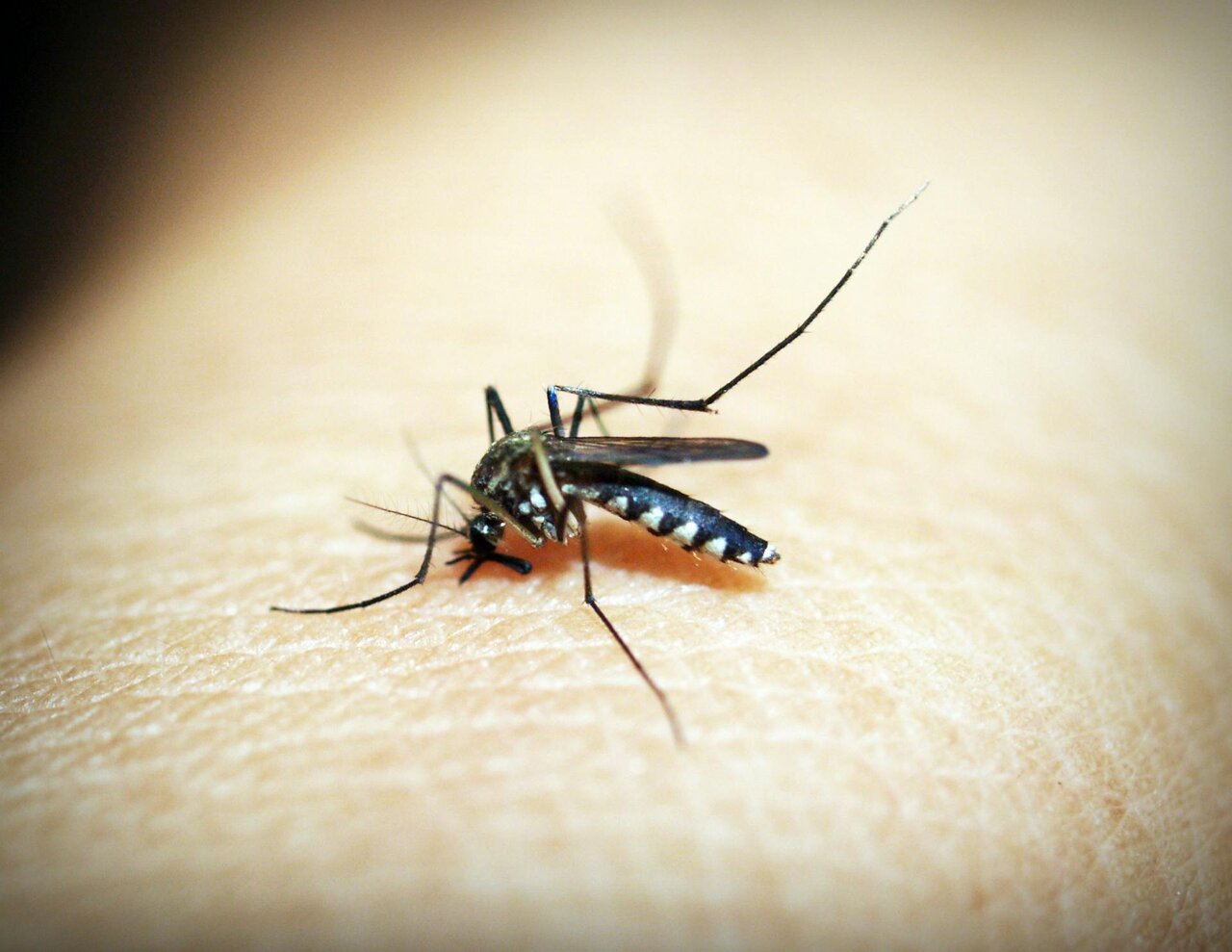
Why Malaria Prevention Matters for Travel
Malaria is one of the most serious travel health risks in parts of Africa, Asia, Central and South America. Unlike many travel illnesses that are uncomfortable but manageable, malaria can become severe very quickly if it is not treated early, which is why prevention is taken so seriously by travel health professionals.
Many travellers assume malaria is rare or only a risk in remote jungle areas, but that is not always true. Malaria risk often depends on altitude, season, and whether you are visiting cities or rural areas, which means two places in the same country can have completely different advice. This is why travel clinics don’t just ask where you are going — they ask your exact route and itinerary.
Another important thing to understand is that there is no widely used malaria vaccine for travellers, so prevention relies on tablets and mosquito bite avoidance. This is very different from yellow fever, where a single vaccine solves the problem for life. With malaria, prevention is about reducing risk rather than eliminating it completely.
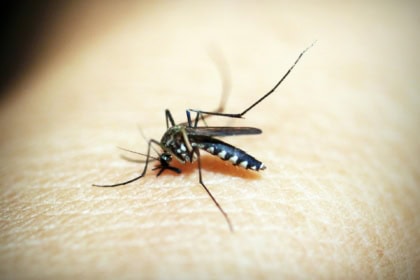
Malaria is spread by mosquitoes that bite mainly in the evening and at night. That means travellers who spend evenings outdoors, visit rural areas, go on safari, or stay in accommodation without air conditioning are usually at higher risk. Even confident travellers sometimes underestimate mosquito risk, especially on longer trips.
The key takeaway is simple: malaria prevention is far easier than malaria treatment, and taking the right advice before travel can prevent serious illness later. For many destinations, malaria tablets are recommended rather than optional, and understanding whether you need them should be part of your trip planning, just like visas, insurance, and vaccinations.
What Is Malaria and How Do You Catch It?
Malaria is a disease caused by parasites that are transmitted to humans through the bite of infected mosquitoes. These mosquitoes are most active between dusk and dawn, which is why evening and night-time mosquito protection is one of the most important travel health precautions in many tropical regions.
Once infected, symptoms do not always appear immediately. In some cases, travellers only become ill after returning home, which is why doctors often ask whether you have travelled recently if you develop flu-like symptoms. Malaria symptoms can initially look like a bad flu, including fever, chills, headaches, muscle aches, and fatigue. In more serious cases, it can affect organs and become life-threatening if not treated quickly.
One of the biggest misunderstandings about malaria is that people think they will know immediately if they have it. In reality, symptoms can appear 7 days to several weeks after a mosquito bite, and sometimes even months later depending on the malaria type. This delayed onset is one reason why prevention is so important — you may not realise the risk until long after your trip has ended.
Malaria risk is highest in:
– Large parts of Sub-Saharan Africa
– Some parts of South and Southeast Asia
– Parts of Central and South America
– Certain Pacific islands
However, risk varies within countries. Capital cities are often low risk while rural or jungle areas are high risk, and altitude can also reduce mosquito presence. This is why travel advice is always location-specific rather than country-specific.
Understanding how malaria spreads helps travellers take sensible precautions. Malaria is not spread from person to person like a cold — it only spreads through mosquito bites. That means avoiding mosquito bites is just as important as taking malaria tablets when travelling to risk areas.
Do You Need Malaria Tablets for Your Trip?
Not every traveller needs malaria tablets, and this is where many people get confused. The decision depends on your destination, your travel style, how long you are staying, and whether you will visit rural or high-risk areas.
For example, someone staying in air-conditioned hotels in a major city may be considered low risk, while someone travelling through rural areas, forests, or safari regions may be strongly advised to take malaria tablets. Travel health advice is based on risk level, not just the country name, which is why travel clinics ask detailed questions about your itinerary.
There are generally three categories of malaria advice:
– High risk areas where malaria tablets are strongly recommended
– Medium risk areas where tablets may be advised depending on travel plans
– Low risk areas where mosquito bite prevention alone may be sufficient
Many travellers are surprised to learn that some popular destinations have malaria risk in certain regions but not others. For example, a country might be low risk overall but still have malaria in border regions, jungle areas, or during rainy season months. This is why checking official travel health advice before your trip is essential.
If you are unsure, a travel clinic, pharmacist, or GP with travel health experience can advise you. They will usually recommend malaria tablets if:
– You are travelling to high-risk regions
– You are visiting rural areas or national parks
– You are travelling for long periods
– You are staying in basic accommodation
– You are travelling during mosquito-heavy seasons
Even if malaria tablets are recommended, mosquito avoidance measures are still necessary, because tablets reduce risk but do not provide 100% protection.
For official UK travel health advice, you can check the NHS Fit for Travel website, which provides country-by-country malaria guidance.
Types of Malaria Tablets (Antimalarial Medication)
There are several different malaria tablets used for travel, and the one recommended for you depends on your destination, medical history, trip length, and personal tolerance to side effects. There is no single malaria tablet that is best for everyone, which is why travel clinics often discuss options before prescribing.
The three most commonly used malaria tablets for travellers are:
• Atovaquone/Proguanil (often known as Malarone)
This is one of the most commonly prescribed malaria tablets for short trips. It is usually taken daily, starting 1–2 days before entering a malaria area, continued during the trip, and for 7 days after leaving the risk area. Many travellers prefer it because it has fewer side effects than some alternatives.
• Doxycycline
This is an antibiotic that also prevents malaria. It is taken daily and usually started 1–2 days before travel and continued for 4 weeks after leaving the malaria area. It is often cheaper than other options, which makes it popular for long trips, but it can make skin more sensitive to sunlight.
• Mefloquine (Lariam)
This tablet is taken weekly rather than daily, which some travellers find convenient for long trips. However, it can have side effects in some people, including vivid dreams or sleep disturbance, so doctors often assess suitability carefully before prescribing it.
Each medication has advantages and disadvantages, and the best malaria tablets for travel depend on your destination and personal medical situation, not just cost or convenience. This is why it is usually recommended to get advice from a travel clinic rather than buying medication without guidance.
One of the most important things travellers should understand is that malaria tablets must be taken before, during, and after travel depending on the medication, and stopping early can reduce protection significantly. Taking them correctly is just as important as choosing the right type.
How to Take Malaria Tablets Correctly
One of the most common mistakes travellers make is taking malaria tablets incorrectly. The tablets only work properly if they are taken at the correct time, in the correct dose, and for the full duration — including after you return home. Stopping malaria tablets too early is one of the main reasons prevention fails.
Different malaria tablets have different schedules. Some must be started a few days before entering a malaria risk area, while others must be started several weeks before travel. Likewise, some tablets must be continued for a week after leaving the malaria area, while others must be taken for four weeks afterwards. This post-travel period is extremely important because malaria parasites can remain in the body before symptoms appear.
Many travellers forget the after-travel tablets, especially when they arrive home and feel fine. However, this is exactly when protection is still needed. Finishing the full course is essential for effective malaria prevention.
It is also recommended to take malaria tablets:
– At the same time every day or week
– With food where advised
– With plenty of water
– Using phone reminders so you don’t forget
If you miss a dose, you should follow the instructions provided with the medication or contact a pharmacist or doctor for advice. Missing occasional doses does not always mean the tablets will not work, but regular missed doses significantly reduce protection.
Many travel clinics recommend testing tablets before travel by starting them early, especially for longer trips, so that if side effects occur you can switch medication before departure rather than while abroad.
The most important rule is simple:
Start on time, take them regularly, and finish the full course after travel.
Side Effects and Safety of Malaria Tablets
Most people take malaria tablets without serious problems, but like all medications, they can cause side effects in some travellers. The type and likelihood of side effects depends on the medication prescribed and the individual traveller.
Common side effects across different malaria tablets can include:
– Mild stomach upset
– Headaches
– Vivid dreams
– Sensitivity to sunlight
– Nausea
These are usually mild and manageable, and many travellers experience no side effects at all. However, it is important to discuss your medical history with a travel clinic before choosing malaria tablets, especially if you have existing health conditions, take regular medication, or are pregnant.
Some malaria tablets are not suitable for certain travellers, including:
– Pregnant travellers
– People with certain mental health conditions
– People with kidney problems
– Young children (depending on medication)
This is why malaria prevention advice should be personalised rather than copied from another traveller’s experience. What works well for one person may not be recommended for another.
Another important point is that side effects are usually less serious than malaria itself, and travel health professionals generally agree that taking malaria tablets in high-risk areas is far safer than travelling without protection.
If side effects occur before travel, doctors can often switch you to a different malaria tablet. If side effects occur during travel, you should seek medical advice rather than stopping medication immediately unless advised to do so.
Where to Get Malaria Tablets (UK & Worldwide)
Malaria tablets are usually obtained through travel clinics, pharmacies with travel health services, or private GP clinics. In the UK, many travellers get malaria tablets from specialist travel health pharmacies or private travel clinics rather than standard GP surgeries.
Common places to get malaria tablets in the UK include:
– Travel vaccination clinics
– Boots Travel Health clinics
– Superdrug Travel Clinics
– Private GP clinics
– Some independent pharmacies
These clinics usually provide a consultation first, where they assess your destination, trip length, medical history, and any previous experience with malaria tablets. After this consultation, they recommend and prescribe the most suitable medication.
In some countries, malaria tablets can be purchased directly from pharmacies without a prescription, but this is not always recommended because the correct medication depends heavily on your travel destination and personal medical history. Taking the wrong medication or incorrect dosage can reduce effectiveness.
If you are travelling long-term or moving between multiple countries, travel clinics may provide enough medication for the entire trip, or they may advise where you can safely obtain more tablets abroad if necessary.
It is generally best to organise malaria tablets before leaving home, rather than trying to arrange them while travelling, especially if you are visiting remote areas where pharmacies and clinics may be limited.
How Much Malaria Tablets Cost
The cost of malaria tablets varies depending on the type of medication, the length of your trip, and the country where you purchase them. Unlike some routine vaccines, malaria tablets are usually a private travel health expense rather than something provided free by national healthcare systems.
In the UK, travellers usually pay for both the consultation and the medication. A typical travel clinic consultation may cost between £30 and £60, and the medication cost depends on how long you need to take the tablets.
Short trips may cost relatively little, but longer trips can become more expensive because malaria tablets must be taken for the entire time in the malaria area and sometimes for several weeks after leaving. This means long-term travellers, backpackers, or people working abroad may spend significantly more on malaria prevention than short-term holiday travellers.
Different malaria tablets also have different costs. Some are more expensive but have fewer side effects or shorter post-travel courses, while others are cheaper but must be taken for longer periods after travel.
When budgeting for travel health costs, many travellers forget to include malaria tablets, vaccinations, travel insurance, and medical supplies. Travel health preparation can add a noticeable cost to long-distance travel, but it is usually far cheaper than dealing with illness abroad.
The key point is that malaria tablets are part of travel planning, just like flights, accommodation, and insurance. Planning ahead helps avoid last-minute costs and ensures you have the correct medication before you travel.
Mosquito Bite Prevention Tips
Even if you take malaria tablets, avoiding mosquito bites is still extremely important. Malaria tablets reduce risk but do not guarantee complete protection, which means mosquito bite prevention should always be part of your travel planning when visiting malaria risk areas.
The mosquitoes that carry malaria usually bite in the evening and at night, particularly between dusk and dawn. This means travellers often get bitten when sitting outside at restaurants, walking in the evening, or sleeping without proper protection. Many travellers focus on daytime sun protection but forget night-time mosquito protection, which is actually more important in malaria regions.
One of the most effective ways to avoid mosquito bites is to use a strong insect repellent. Repellents containing DEET, picaridin, or similar active ingredients are commonly recommended for travel to tropical regions. Repellent should be applied to exposed skin in the evening and reapplied as instructed on the bottle.
Clothing also helps reduce bites. Wearing long sleeves and long trousers in the evening can significantly reduce exposure, particularly in rural areas or near water where mosquitoes are more common. Light-coloured clothing is often recommended because mosquitoes are sometimes attracted to darker colours.
Accommodation plays a big role as well. Rooms with air conditioning, screened windows, or mosquito nets greatly reduce the chance of bites while sleeping. In many parts of Africa and Southeast Asia, mosquito nets are still one of the most effective malaria prevention tools, especially in rural areas.
Simple habits can make a big difference:
– Use insect repellent in the evening
– Wear longer clothing after sunset
– Sleep in rooms with air conditioning or mosquito nets
– Keep windows closed or screened at night
– Avoid areas with standing water in the evening
Combining malaria tablets with mosquito bite prevention gives the best protection and is the approach recommended by travel health professionals worldwide.
What Happens If You Don’t Take Malaria Tablets?
Some travellers choose not to take malaria tablets, especially if they believe the risk is low or they are worried about side effects. While this may be reasonable in very low-risk areas, travelling to high-risk malaria regions without tablets is strongly discouraged by travel health authorities.
Malaria can start with symptoms similar to flu, including fever, headaches, sweating, chills, and muscle aches. Because these symptoms are similar to many common illnesses, travellers sometimes ignore them or assume they have a cold or jet lag. This delay in treatment can be dangerous, because malaria can become serious quickly if not treated early.
One of the most important things travellers should know is that malaria symptoms can appear after returning home. This is why doctors often ask whether you have travelled recently when you have a fever. If you develop flu-like symptoms after visiting a malaria area, you should seek medical advice immediately and mention your travel history.
In some regions, emergency malaria treatment medication may be prescribed for travellers visiting very remote areas where medical help is far away. This is known as standby emergency treatment and is usually only recommended for specific travel situations.
The key point is not that every traveller who skips malaria tablets will become ill, but rather that the consequences of malaria can be severe, and prevention is much easier than treatment, especially when travelling far from major hospitals.
Taking malaria tablets, avoiding mosquito bites, and knowing the symptoms are the three most important steps for malaria prevention when travelling.

Rupert’s Handy Travel Tips
If you’re travelling somewhere with malaria risk, a little preparation goes a long way. Here are a few smart tips to stay safe and avoid problems:
- Start tablets on time: Many malaria tablets must be started before travel, not when you arrive.
- Finish the course after travel: Stopping tablets early is one of the biggest mistakes travellers make.
- Evening mosquito protection matters most: Malaria mosquitoes usually bite at night, not during the day.
- Use repellent and air conditioning: Combining tablets with mosquito protection gives the best defence.
- See a doctor if you feel ill after travel: Always mention recent travel if you develop flu-like symptoms.
Want to meet the reindeer behind our travel tips? Find out more in our page Who is Rupert?.
Frequently Asked Questions About Malaria Tablets
Do I need malaria tablets for every tropical country?
No, malaria risk varies by country and even by region within a country. Some cities are low risk while rural areas may be high risk, so travel advice depends on your itinerary rather than just the country name.
When should I start taking malaria tablets before travel?
This depends on the medication. Some tablets start 1–2 days before entering a malaria area, while others must be started 2–3 weeks before travel.
Do I need to keep taking malaria tablets after I come home?
Yes. Many malaria tablets must be continued after leaving the malaria area because symptoms can appear later. Stopping early reduces protection.
Are malaria tablets expensive?
Costs vary depending on the medication and trip length. Short trips are usually inexpensive, but long trips can cost more because tablets must be taken for the entire travel period.
Do malaria tablets guarantee I won’t get malaria?
No medication provides 100% protection, which is why mosquito bite prevention is still very important even if you are taking malaria tablets.
Further Reading & Related App Guides
Want to stay prepared and healthy while travelling? These guides will help you handle medical situations, stay connected and travel with confidence.
Plan ahead with our full travel vaccinations guide → Travel Vaccinations Guide: What Travellers Need Before Going Abroad (2026)
Understand entry vaccination rules for certain countries → Yellow Fever Vaccine & Certificate Guide
Learn about bite risks and vaccines before travelling → Rabies Vaccine for Travel Guide (2026)
Travelling in Europe? Learn how healthcare access works → UK GHIC Card Guide
Stay connected if you need medical help abroad → eSIM Apps Guide
Prepare for minor injuries while travelling → How to Make a Flight-Safe First Aid Kit for Your Holiday
Last Updated
March 2026
Affiliate Disclosure
This page contains affiliate links. If you click through and make a purchase or booking, we may earn a small commission at no extra cost to you. This helps support our work and allows us to continue providing detailed, independent travel advice. We only recommend apps and services we personally use or have verified as high-quality.