
Gateway to the Highlands: Why Inverness Is More Than Just a Stop on the Map
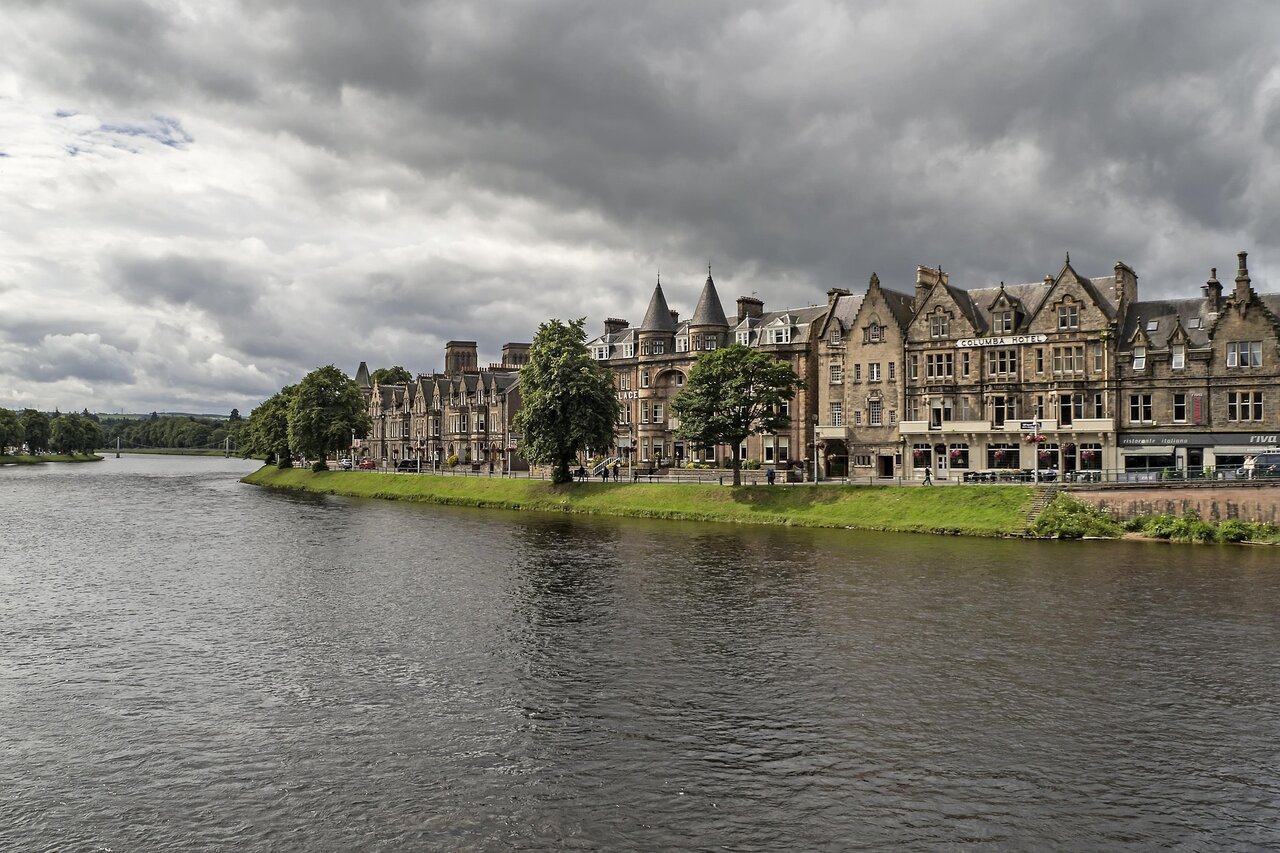
Inverness is often described as the capital of the Scottish Highlands, but in reality it feels more like a large town with a spectacular location than a busy city. Sitting on the River Ness and within easy reach of Loch Ness, Culloden Battlefield, the Cairngorms, and the North Coast 500, Inverness is one of the best bases in Scotland for exploring castles, landscapes, and whisky distilleries.
What makes Inverness special is that everything is close. The city centre is compact, the river runs right through town, and within minutes you can be walking along islands, woodland paths, or historic streets. Unlike Edinburgh or Glasgow, Inverness is calm, scenic, and easy to navigate, which makes it particularly popular with visitors doing road trips around the Highlands.
This Inverness travel guide is designed to help you plan your visit, understand how to get around, and decide what to see both in the city and nearby. Many people only pass through for a night on the way to Loch Ness or the Isle of Skye, but Inverness is worth staying longer, especially if you want to explore the Highlands properly without constantly changing hotels.
Another reason Inverness is important is transport. Inverness Airport connects the Highlands to London and Europe, the railway links the city with Edinburgh, Glasgow, and the famous Kyle Line, and the road network connects to some of the most scenic drives in the UK. Because of this, the city works perfectly as a starting point for Highland trips, whisky tours, and North Coast 500 journeys.
If you are visiting the Scottish Highlands for the first time, Inverness is one of the easiest and most logical places to base yourself.
Key Neighbourhoods, Areas & Regions
Inverness is not a huge city, but where you stay can still make a difference to your trip. Most visitors will spend their time in or near the centre, but there are a few areas worth understanding before booking accommodation.
The City Centre is where most visitors stay and where you will find shops, restaurants, pubs, Inverness Castle, the train station, and the bus station. The River Ness runs through the centre, and many hotels and guesthouses are within walking distance of everything. If it is your first time visiting Inverness, this is the best area to stay.
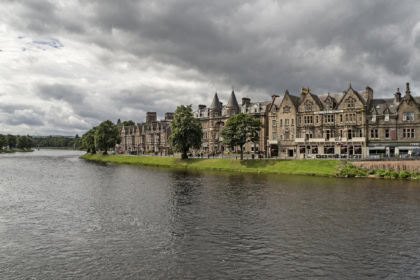
The Riverside and Ness Walk area is one of the most scenic parts of the city. This area has tree-lined walks along the river, views toward the cathedral, and several large hotels. It is quieter than the main centre but still very close to everything. This is one of the nicest areas in Inverness for a relaxed stay.
The Crown area sits slightly uphill from the city centre and is known for Victorian houses and guesthouses. Many bed and breakfasts are located here, and it is still only a short walk into town. This is a good area if you want quiet accommodation but easy access to the centre.
Ballifeary is a more residential area west of the river with large houses and some smaller hotels and guesthouses. Visitors don’t usually stay here unless they have a car, but it is a pleasant area.
Outside the city, many visitors stay near Loch Ness, especially around Drumnadrochit, which is where Urquhart Castle and many Loch Ness tours are based. Staying here gives you a quieter Highland experience, but you will need a car or tour to reach Inverness.
Overall, Inverness is compact, so location is less critical than in larger cities, but staying near the river or city centre will make your visit much easier.
Quick Facts About Inverness
| Fact | Information |
|---|---|
| Country | Scotland (United Kingdom) |
| Region | Scottish Highlands |
| Population | Approx. 50,000 |
| Airport | Inverness Airport (INV) |
| Main Train Station | Inverness Railway Station |
| Currency | British Pound (£) |
| Language | English |
| Famous For | Loch Ness, Highlands, Culloden, North Coast 500 |
| Best Time to Visit | May – September |
| Nearby Major Cities | Edinburgh, Glasgow, Aberdeen |
Inverness is one of the smallest cities in the UK, but it is one of the most important for tourism because it acts as the gateway to the Highlands. Many Highland tours, road trips, and rail journeys start here.
Brief History & Background
Inverness has a long and dramatic history, much of it connected to Highland clans, castles, and battles. The name Inverness comes from the Gaelic “Inbhir Nis,” meaning “mouth of the River Ness.” The city grew around the river crossing and castle, making it an important strategic location for centuries.
Inverness Castle has existed in various forms since medieval times, although the current red sandstone castle seen today dates from the 19th century. The castle overlooks the river and city and remains one of the main landmarks in Inverness.
One of the most significant historical events associated with Inverness is the Battle of Culloden in 1746, which took place just outside the city. This battle was the final confrontation of the Jacobite uprising and marked the end of the Highland clan system and a major turning point in Scottish history. Culloden Battlefield is now one of the most important historical sites in Scotland and is visited by people from all over the world.
During the 19th century, Inverness expanded as railways reached the Highlands, connecting the city to Edinburgh and the rest of Britain. This helped turn Inverness into the administrative and transport centre of the Highlands, a role it still holds today.
Modern Inverness is a mix of historic buildings, Victorian architecture, riverside walks, and modern development. Despite its city status, Inverness still feels relaxed and small, which is part of its charm and why so many visitors use it as a base for exploring the Scottish Highlands.
Getting There & Around
One of the reasons Inverness is such a good base for exploring the Highlands is that it is surprisingly well connected by air, rail, and road, even though it feels remote when you look at a map. Most visitors arrive either by plane, train from Edinburgh or Glasgow, or by car as part of a Highland road trip.
Once you arrive, getting around Inverness itself is very easy because the city centre is compact and walkable, and most attractions are within walking distance of the river and castle area. Public transport becomes more important if you are visiting places like Culloden Battlefield, Clava Cairns, or travelling out toward Loch Ness.
If you plan to explore the Highlands properly, having a car gives you the most flexibility, especially for visiting distilleries, castles, and scenic coastal areas. However, many popular destinations can still be reached by train, bus, or organised tours.
Throughout your trip, apps can make travel much easier. Trainline and the ScotRail app are useful for trains, Stagecoach covers most local buses, and Google Maps works very well in Inverness for walking and navigation. If you plan to use taxis, Uber is limited but local taxi companies operate throughout the city.
Overall, Inverness is much easier to travel around than most people expect, and it works well whether you are travelling by public transport, tour, or car.
Airport Overview & Transfers
Inverness Airport is located about 15–20 minutes from the city centre and is the main airport for the Scottish Highlands. Despite being relatively small, it has flights to London, other UK cities, and some European destinations. Many visitors arrive here when starting a Highland trip or North Coast 500 journey.
The airport is easy to use and quick to get through, which is very different from large airports like Heathrow or Manchester. You can usually arrive at the airport much closer to your flight time, and baggage collection is normally fast.
There are several ways to travel between the airport and the city centre. The most common option is the airport bus, which runs regularly and stops at the main bus station and train station in Inverness. Taxis are also available outside the terminal and are the quickest option if you have luggage or are arriving late at night.
There is also a railway station at the airport (Inverness Airport Station), although it is not directly attached to the terminal, so you need a short taxi or bus connection. Most visitors use the bus or taxi instead.
If you are planning transport in advance, Google Maps is very useful for checking bus times and routes, and train tickets can be booked through Trainline or ScotRail. These apps make it much easier to plan connections, especially if you are continuing your journey by train after arriving.
Because Inverness Airport is small, transfers are generally simple and stress-free, and it is one of the easiest airports in the UK to travel through.
If you’re flying into the Highlands, it’s worth planning your transfer in advance, especially if you’re arriving late at night or heading straight to Loch Ness or the Isle of Skye. We’ve put together a full guide covering airport buses, taxis, car hire, hotel transfers, and the cheapest ways to get into the city.
You can read our full guide here → Inverness Airport to City Centre Transfers Guide
Trains
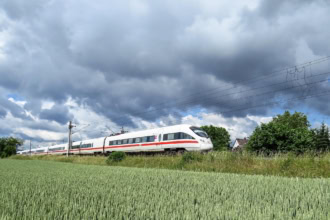
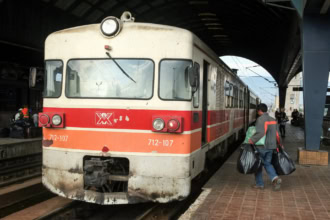
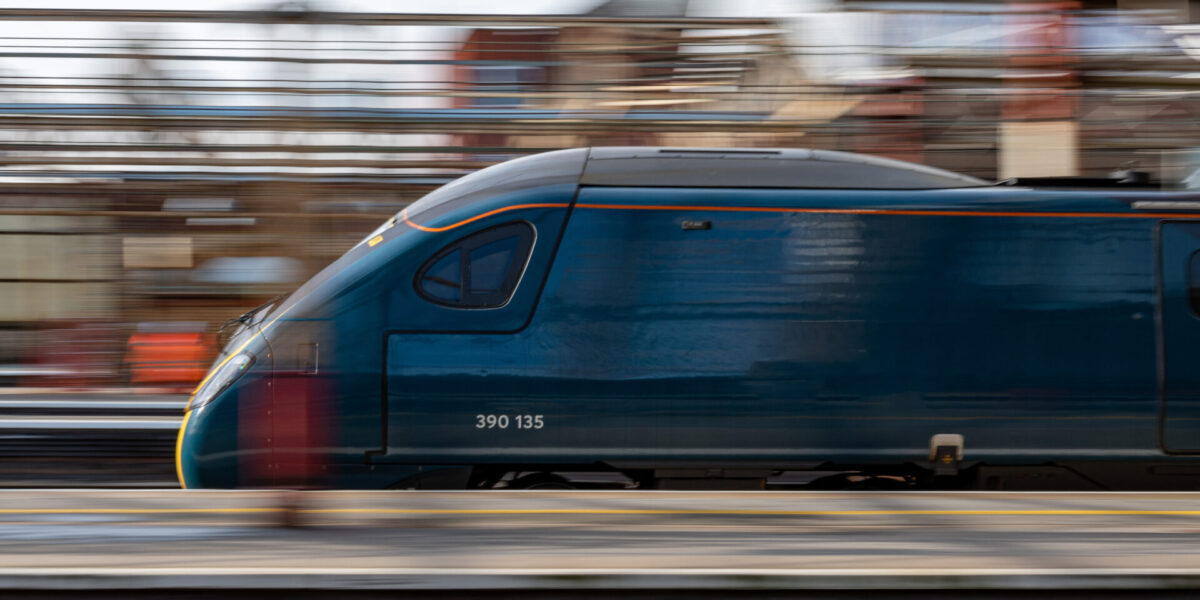
Inverness railway station is located right in the city centre, close to the river, bus station, and main shopping streets. This makes arriving by train very convenient, and many visitors travel to Inverness by rail from Edinburgh, Glasgow, or London.
The main rail routes connect Inverness with:
– Edinburgh
– Glasgow
– Aberdeen
– Perth
– London (Caledonian Sleeper)
One of the most famous train journeys from Inverness is the Kyle of Lochalsh line, which is often described as one of the most scenic railway journeys in the UK. This line passes through mountains, lochs, and remote Highland landscapes on the way to the west coast. Another scenic route is the Far North Line, which runs north toward Thurso and Wick.
You can read our full route guide, stops, and tips here → Kyle of Lochalsh Train Guide
For planning train travel, the ScotRail app and Trainline are the easiest tools for checking timetables and buying mobile tickets, which means you don’t need to queue at ticket machines. If you are travelling around Scotland by train frequently, it is worth checking rail passes or advance tickets to save money.
The Caledonian Sleeper is also an important train service that runs overnight between London and Inverness. This allows you to go to sleep in London and wake up in the Highlands, which is a unique and very popular way to travel.
We’ve covered cabins, tickets, prices, and whether it’s worth it in our full guide → Caledonian Sleeper Guide
Overall, train travel to and from Inverness is comfortable, scenic, and one of the best ways to reach the Highlands without driving.
Buses & Coaches
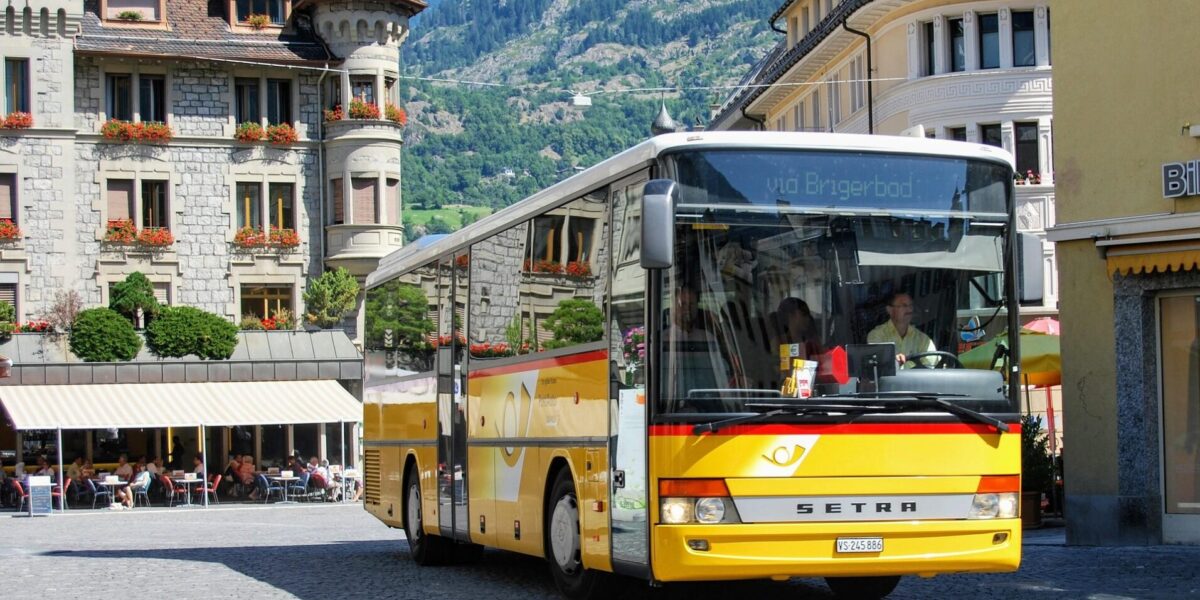
Buses and coaches are an important part of transport in the Highlands because many smaller towns and villages do not have train stations. Inverness bus station is located next to the train station, making it easy to transfer between train and bus services.
Long-distance coach services connect Inverness with cities across Scotland, including Edinburgh, Glasgow, Aberdeen, and Fort William. Scottish Citylink operates many of these routes and is one of the main coach companies in the Highlands. These coaches are usually comfortable and often cheaper than trains, although journeys take longer.
Local bus services are mainly operated by Stagecoach, which runs buses around Inverness and to nearby places such as Culloden, Nairn, and Loch Ness areas. If you plan to use local buses regularly, the Stagecoach Bus app is very useful for tickets, live bus tracking, and route planning.
For longer coach journeys, tickets can be booked through Citylink, Megabus, or travel planning apps. Google Maps is also very reliable for bus routes and timetables in Inverness, which makes planning journeys much easier.
Buses are particularly useful if you are visiting places like Culloden Battlefield or Clava Cairns without a car, as these locations are difficult to reach on foot but accessible by bus.
While driving gives the most flexibility in the Highlands, buses and coaches are still a good option if you want to travel without renting a car.
Local Public Transport
Local public transport in Inverness is mainly bus-based rather than trains, trams, or metro systems. Because the city is relatively small, most visitors will not rely heavily on public transport, but buses are useful for reaching places just outside the centre such as Culloden Battlefield, Clava Cairns, the retail parks, and some residential areas.
Stagecoach operates most of the local bus routes in Inverness and the surrounding area. Buses run from the main bus station near the train station and connect the city centre with suburbs and nearby towns. Services are generally reliable, but buses are not extremely frequent compared to major cities, so it is always worth checking the timetable before travelling.
If you plan to use buses during your stay, the Stagecoach Bus app is very useful for buying tickets, checking live bus times, and planning routes, which is often easier than paying on the bus. For general navigation and journey planning, Google Maps works extremely well in Inverness, showing bus routes, walking routes, and travel times very accurately.
Because the city centre is compact, many visitors find that walking is often quicker than waiting for a bus, but public transport is still useful for reaching attractions just outside the city centre.
Taxis & Ride Shares
Taxis are easy to find in Inverness and are often the most convenient way to travel short distances, especially in the evening, in bad weather, or if you are travelling to or from the airport. There are taxi ranks near the train station, bus station, and city centre, and most hotels or restaurants can call a taxi for you if needed.
Ride-sharing apps are more limited in Inverness than in larger cities. Uber does operate in the area, but availability can be inconsistent, particularly late at night or outside the city centre. Because of this, local taxi companies are often more reliable than relying on ride-sharing services.
If you prefer using apps rather than calling taxi companies, FREE NOW sometimes operates in Inverness and allows you to book taxis through an app, although coverage can vary. Many visitors find that taxis are particularly useful for early morning airport trips, late evening journeys, or travelling to accommodation outside the city centre.
Since Inverness is small, most taxi journeys within the city are short and relatively affordable compared to larger UK cities, and taxis are often a convenient alternative to waiting for buses.
Scooter & Bike Rentals
Electric scooters are not widely available in Inverness in the same way they are in some larger cities, but bicycles are a popular way to explore the area, especially along the River Ness and around the Ness Islands. The city is relatively flat in the centre, and traffic is light compared to major cities, which makes cycling a pleasant way to get around.
One of the most popular cycling and walking routes near Inverness is along the Caledonian Canal, which connects Inverness to Fort William. Even if you do not cycle the full route, the sections close to Inverness are ideal for scenic cycling and walking, with canal paths, countryside views, and very little traffic.
Bikes can be rented from local shops in the city centre, and some hotels and guesthouses can arrange bike hire or recommend rental companies. While cycling can be enjoyable, most visitors still rely mainly on walking and occasional taxis because the city centre itself is compact and easy to navigate on foot.
Cycling is best suited for visitors who want to explore riverside paths, the canal, nearby countryside, or quieter areas outside the centre, rather than for travelling around the city centre itself.
Driving, Parking & Car Access
Driving is one of the best ways to explore the Highlands, and many visitors either rent a car in Inverness or arrive by car as part of a Highland road trip. Inverness is a common starting point for the North Coast 500, Isle of Skye trips, whisky distillery tours, and scenic Highland drives, so the city is well set up for drivers.
Driving in Inverness itself is relatively straightforward compared to larger UK cities. Traffic is usually light, although there can be congestion during peak times, especially around the bridges over the River Ness and main roundabouts. Once you leave the city, roads quickly become rural, scenic, and sometimes narrow.
Parking in the city centre includes both on-street parking and car parks. Some areas are pay-and-display, while others have time limits, and many hotels offer parking. However, not all city centre accommodation includes parking, so it is important to check this before booking if you are travelling by car.
If you plan to drive in the Highlands, it is important to be aware of single-track roads with passing places, particularly in remote areas. Driving in the Highlands is incredibly scenic but requires careful and patient driving, especially if you are not used to narrow rural roads or sheep wandering onto the road.
For visitors who want to explore beyond Inverness and see castles, mountains, lochs, and coastal areas, having a car provides by far the most flexibility and freedom, and many Highland trips are much easier by car than by public transport.
Car Rental
Many visitors choose to rent a car in Inverness because it gives you the freedom to explore the Highlands properly. While you can reach some places by train or bus, many of the most famous Highland locations are difficult to reach without a car, especially castles, distilleries, coastal areas, and scenic routes.
Car rental companies operate both at Inverness Airport and in the city centre. Renting from the airport is often easier if you are flying into Inverness and planning to start a road trip straight away, while city centre rentals are useful if you arrive by train and only want a car for part of your trip.
Driving in the Highlands is very different from driving in large cities. Roads are quieter, but many rural roads are narrow, winding, and sometimes single-track with passing places. If you are not used to single-track roads, it can take a little time to get comfortable, but most visitors adjust quickly. Traffic is generally light once you leave Inverness, and driving is often very enjoyable because of the scenery.
If you are planning to explore places like Loch Ness, the Isle of Skye, the Cairngorms, or the North Coast 500, renting a car will make your trip much easier and give you far more flexibility than relying on public transport or tours.
It is usually best to book car rental in advance, especially during summer, because Highland car rentals can sell out during peak tourist season.
Walking
Walking is one of the best ways to explore Inverness because the city centre is compact and most attractions are close together. Many visitors find that they rarely need public transport while in the city itself, as it is easy to walk between the castle, river, shops, restaurants, and train station.
One of the most enjoyable walks in Inverness is along the River Ness, which runs through the centre of the city. There are walking paths on both sides of the river, and you can cross between them using several footbridges. The walk to the Ness Islands is particularly popular, as the islands are connected by small bridges and surrounded by trees and riverside paths.
Walking is also a good way to explore areas such as Inverness Cathedral, Eden Court Theatre, and Ness Walk, which are all located along the river and easy to reach on foot from the city centre.
If you are using navigation apps while walking, Google Maps works very well in Inverness, and offline map apps can also be useful if you plan to travel into more remote Highland areas where mobile signal may be limited.
Overall, Inverness is a very walkable city, and walking is often the easiest and most enjoyable way to see the main sights.
Ferries & Cruises
Inverness itself is not a major ferry port, but there are still some boat and cruise options in the area, mainly on Loch Ness and the Caledonian Canal rather than sea ferries. Most visitors who take boat trips near Inverness do so to explore Loch Ness or the canal system, rather than travelling by ferry to another destination.
Loch Ness boat cruises are one of the most popular activities in the area and often run from locations such as Dochgarroch, Fort Augustus, or Drumnadrochit rather than directly from Inverness city centre. These cruises usually include views of the surrounding Highlands and often pass Urquhart Castle, one of the most famous castles in Scotland.
Boat trips also operate along parts of the Caledonian Canal, which connects Inverness with Fort William and the west coast of Scotland. While most visitors don’t use boats as transport, canal and loch cruises are popular sightseeing activities and a good way to see the landscape from the water.
If you are planning to visit the Scottish islands such as Skye, Lewis, or Orkney, you will usually travel by ferry from ports such as Ullapool, Scrabster, or Mallaig, which can be reached from Inverness by car or bus.
Unique & Scenic Ways to Travel
One of the highlights of travelling to and from Inverness is that some of the most scenic transport routes in the UK start here, particularly rail routes through the Highlands. Even if you are not a train enthusiast, these journeys are worth considering because they are part of the travel experience rather than just transport.
The railway from Inverness to Kyle of Lochalsh is often described as one of the most scenic railway journeys in Britain. The train passes through mountains, lochs, forests, and remote Highland landscapes before reaching the west coast near the Isle of Skye. The journey is slow but incredibly scenic, and many people take it specifically for the views.
Another scenic railway is the Far North Line, which runs from Inverness to Thurso and Wick. This route travels through remote northern landscapes, small villages, and coastal areas and gives you a very different view of the Highlands compared to the west coast routes.
The Caledonian Sleeper is another unique way to travel to Inverness. This overnight train runs between London and the Highlands and allows you to go to sleep in London and wake up in Inverness the next morning. For many visitors, this is one of the most memorable ways to travel to Scotland.
These scenic journeys are not just transport routes; they are part of the Highland travel experience, and many visitors include them in their trip plans even if they are not travelling long distances.
Mini Trains, Trams & Tourist Shuttles (Hop on Hop Off)
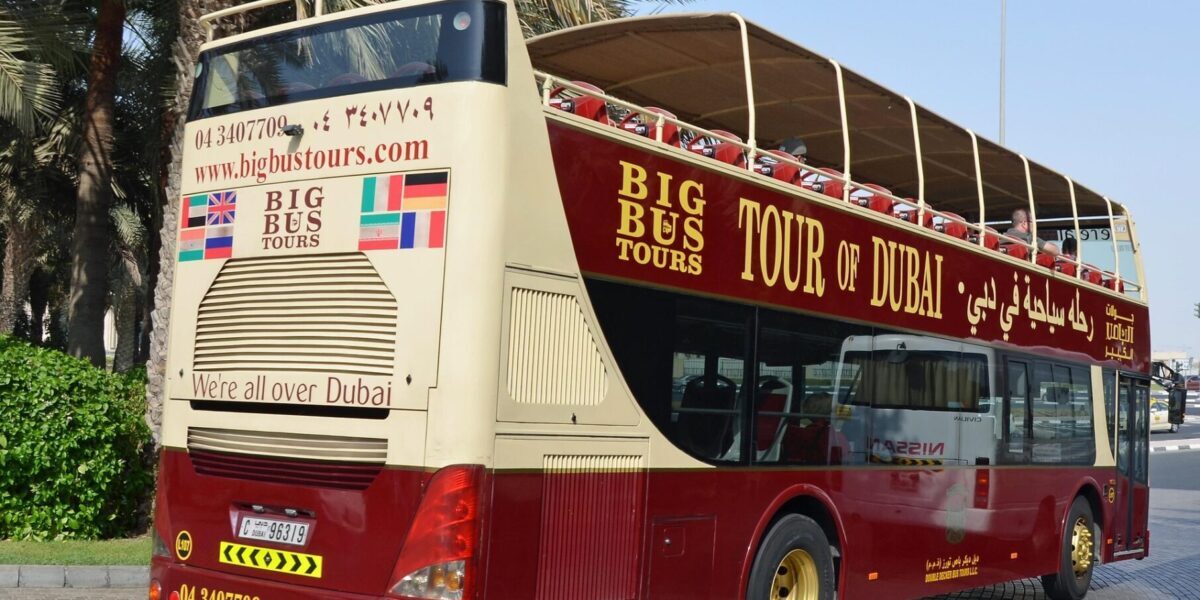
Inverness does not have a tram system or a large hop-on hop-off bus network like bigger tourist cities, but there are occasionally tourist road trains and small sightseeing buses operating during the summer season. These are mainly aimed at visitors who want a quick overview of the city without walking too much.
Because Inverness is relatively small, most visitors explore the city on foot rather than using sightseeing buses, and many of the main attractions are within walking distance of each other. Walking along the River Ness, visiting the castle area, and exploring the city centre can easily be done in a few hours.
For visitors who want to explore beyond the city centre, organised tours are more common than hop-on hop-off buses. Many tours operate from Inverness to places such as Loch Ness, Urquhart Castle, the Isle of Skye, Culloden Battlefield, and whisky distilleries. These tours usually depart from the city centre or bus station area.
If you prefer exploring independently, combining walking in the city with day tours or train journeys is often the best way to see the area. Inverness works more as a base for exploring the Highlands than as a city with lots of internal transport sightseeing routes.
Overall, Inverness is best explored on foot, with tours or trains used for longer scenic trips, rather than relying on hop-on hop-off style transport.
Visiting: Top Attractions
Although Inverness is small compared to Edinburgh or Glasgow, there are still plenty of attractions in and around the city, and it is also the gateway to some of the most famous sights in the Scottish Highlands. Many visitors use Inverness as a base for exploring Loch Ness and nearby historical sites.
One of the most recognisable landmarks is Inverness Castle, which sits on a hill overlooking the River Ness. While the castle itself has not always been open to the public, the viewpoint from the castle area offers some of the best views across the city and river.
The River Ness is one of the main focal points of the city. Walking along the river is one of the most popular things to do in Inverness, and the walk to the Ness Islands is particularly scenic. The islands are connected by small footbridges and surrounded by trees, making this one of the most peaceful areas of the city.
Inverness Cathedral, also known as St Andrew’s Cathedral, is located along the river and is one of the most impressive buildings in the city. Nearby, Eden Court Theatre hosts concerts, theatre, and cinema and is an important cultural venue for the Highlands.
Just outside the city, one of the most important historical sites in Scotland is Culloden Battlefield, the site of the final Jacobite uprising battle in 1746. Nearby are the Clava Cairns, ancient burial cairns that are thousands of years old and are one of the most atmospheric historic sites in the Highlands.
Of course, no visit to Inverness would be complete without visiting Loch Ness, which is only a short distance from the city and home to Urquhart Castle and the famous Loch Ness Monster legends.
While Inverness itself is relatively small, the number of major attractions within a short distance of the city is what makes it such an important destination.
Historical Highlights & Landmarks
Inverness and the surrounding area are full of historical sites, many of which are connected to Highland clans, Jacobite history, and ancient Scotland. Even though the city itself is relatively modern compared to places like Edinburgh, the history around Inverness is some of the most important in Scotland.
The most significant historical site near Inverness is Culloden Battlefield, where the Battle of Culloden took place in 1746. This was the final battle of the Jacobite uprising and changed the history of the Highlands forever. Today, the battlefield is preserved and includes a visitor centre, walking paths across the battlefield, and memorial stones marking the graves of different Highland clans.
Not far from Culloden are the Clava Cairns, which are Bronze Age burial cairns dating back around 4,000 years. These stone circles and burial chambers are incredibly atmospheric and are believed to have inspired the standing stones in the Outlander series.
In Inverness itself, Inverness Castle is the most prominent historical landmark. While the current castle building is from the 19th century, there has been a castle on this site for many centuries because of its strategic position overlooking the river crossing.
Another historic religious building is Old High Church, which is one of the oldest churches in Inverness and sits on a hill overlooking the river near the castle.
A short drive from Inverness you will also find Fort George, a massive 18th-century fortress built after the Battle of Culloden to control the Highlands. It is one of the best-preserved artillery forts in Europe and is open to visitors.
The history around Inverness is not just in museums; it is spread across battlefields, ancient burial sites, castles, and forts throughout the surrounding area.
Hidden Gems & Local Secrets
While many visitors focus on Loch Ness and Culloden, there are several lesser-known places around Inverness that are worth visiting if you have extra time. These places are often quieter and give you a better feel for the Highlands beyond the main tourist sites.
The Ness Islands are one of the nicest places in Inverness but are sometimes missed by visitors who only walk around the city centre. The islands are connected by footbridges and surrounded by trees and river paths, making them a peaceful place for a walk away from traffic and shops.
Another hidden gem is the Merkinch Local Nature Reserve, located near the Beauly Firth. This area has walking trails, wetlands, and views across the water and is popular with locals but less visited by tourists.
If you are interested in canals and quieter walks, the Caledonian Canal paths near Inverness are excellent for walking or cycling and offer views of boats, locks, and Highland scenery without the crowds of Loch Ness.
A short drive away, Dores Beach on Loch Ness is a great place to visit if you want to see Loch Ness without going to the main tourist areas around Urquhart Castle. From here you get wide views across the loch and a much quieter atmosphere.
These places are not always listed in short travel guides, but they are often some of the most enjoyable places to visit because they are quieter and feel more local.
Indoor Attractions & Rainy-Day Ideas
The weather in the Scottish Highlands can change quickly, and rain is possible at any time of year, so it is a good idea to have a few indoor attractions planned during your visit. Fortunately, Inverness has several indoor options that are worth visiting if the weather turns bad.
One of the main indoor attractions is the Inverness Museum and Art Gallery, located near the castle in the city centre. The museum covers Highland history, geology, wildlife, and local culture, and it is a good place to learn more about the area before exploring further into the Highlands. It is not a huge museum, but it provides useful context about Highland history and landscapes.
Eden Court Theatre is another important indoor venue in Inverness. This large cultural centre hosts theatre performances, live music, comedy, and cinema screenings. If you are staying in Inverness for a few nights, it is worth checking what is on during your visit because it is one of the main cultural venues in the Highlands.
There are also several whisky bars and distillery visitor centres in and around Inverness where you can spend a few hours indoors learning about whisky production and tasting local whiskies. Whisky is a major part of Highland culture, and visiting a distillery is a popular activity regardless of the weather.
Shopping centres, cafés, and restaurants in the city centre also provide good places to escape the rain for a while. Because the city centre is compact, it is easy to move between indoor locations without walking long distances in bad weather.
Rain is very normal in the Highlands, so having a flexible plan that includes indoor attractions will make your trip much easier.
Shopping & Markets
Shopping in Inverness is mainly centred around the city centre, where you will find a mix of high street shops, local stores, outdoor clothing shops, and souvenir shops. While Inverness is not a major shopping destination like Glasgow or Edinburgh, it has everything most visitors need.
The main shopping area includes Eastgate Shopping Centre, which is the largest shopping centre in Inverness and contains a range of UK high street brands, cafés, and services. Nearby streets in the city centre have smaller independent shops, outdoor clothing stores, bookshops, and gift shops selling Scottish products.
Many visitors look for Scottish souvenirs such as whisky, shortbread, tartan products, wool clothing, and Highland-themed gifts, and these can be found in shops around the city centre and near the castle and river area.
There is also a Victorian Market in Inverness, which is a historic indoor market with small independent shops, cafés, and food outlets. The building itself is worth visiting, and it offers a different experience from the modern shopping centre.
If you are preparing for Highland travel, Inverness is also a good place to buy outdoor clothing, hiking gear, and travel supplies, as there are several outdoor equipment shops in the city.
Shopping is not the main reason people visit Inverness, but it is a good place to pick up supplies, gifts, and outdoor equipment before travelling further into the Highlands.
Suggested Itinerary
Many visitors only spend one or two days in Inverness, but the city also works well as a base for longer Highland trips. How you structure your visit will depend on how much time you have and whether you have a car.
If you only have one day in Inverness, you can start by walking along the River Ness, visiting the cathedral, crossing the footbridges to the Ness Islands, and walking up to the castle viewpoint. After exploring the city centre, you could take a short trip to Culloden Battlefield and Clava Cairns, which are only a short drive or bus ride from the city.
With two days in Inverness, you could spend one day exploring the city and Culloden area, and another day visiting Loch Ness and Urquhart Castle, either by car, tour, or bus. A Loch Ness cruise can also be included in the same day.
If you have more time, Inverness becomes a base rather than just a city break. From here you can take day trips to the Isle of Skye, Cairngorms National Park, Fort William, or the North Coast 500 route. Many visitors stay in Inverness for several nights and explore a different part of the Highlands each day.
The key thing to understand when planning your itinerary is that Inverness itself is relatively small, but the surrounding area contains many of the most famous Highland locations, so most itineraries combine the city with day trips.
Events, Festivals, Seasonal Highlights & Annual Events
Inverness hosts several events and festivals throughout the year, and visiting during one of these events can add something extra to your trip. While it is not a major festival city like Edinburgh, there are still several important Highland events that take place in and around Inverness.
One of the most famous events in the area is the Highland Games, which take place in various locations across the Highlands during the summer. These events include traditional Scottish sports such as caber tossing, hammer throwing, Highland dancing, and pipe band competitions. If you are visiting in summer, attending a Highland Games is one of the most traditional Scottish experiences you can have.
The Inverness Music Festival and other cultural events take place throughout the year at venues such as Eden Court Theatre and other locations around the city. There are also seasonal events such as Christmas markets, winter festivals, and Hogmanay (New Year) celebrations.
Summer is the busiest tourist season in Inverness because of longer daylight hours and better weather. During summer, Loch Ness tours, Highland tours, and outdoor activities are at their busiest, and accommodation prices are usually higher.
Autumn can be a very good time to visit because the Highland landscapes change colour and there are fewer tourists, while spring offers longer days and quieter attractions before the summer season begins.
Winter is the quietest time of year, but it can still be a good time to visit if you want a quieter Highland experience, winter landscapes, and lower accommodation prices.
City Passes, Discount Cards & Tourism Bundles
Unlike larger tourist cities, Inverness does not have a major city pass that includes multiple attractions and public transport in one ticket. Most attractions in and around Inverness are either individual historic sites, natural attractions, or places spread across the Highlands, so city-wide attraction passes are not as common here as they are in cities like Edinburgh or London.
However, there are still some ways to save money on attractions if you plan to visit several historic sites. Historic Environment Scotland operates many important sites across Scotland, including Urquhart Castle, Fort George, and other castles and historic locations, and they offer explorer passes that allow entry to multiple sites over a number of days. If you are planning to visit several castles or historic locations, these passes can save money compared to buying individual tickets.
Many visitors also save money by booking Loch Ness cruises, Highland tours, and attraction tickets in advance online, as online prices are often cheaper than buying tickets on the day. Combination tours are also common, such as Loch Ness plus Urquhart Castle or Loch Ness plus Culloden and Clava Cairns.
Because attractions are spread out across the Highlands rather than concentrated in one city, planning your itinerary and booking tours or attraction tickets in advance is usually more useful than looking for a traditional city pass.
Parks, Gardens & Green Spaces
One of the nicest things about Inverness is how much green space there is within and around the city. The River Ness runs through the centre, and many of the city’s parks, walking routes, and green areas are located along the river, making Inverness feel very open and scenic compared to many cities.
The most popular green area in Inverness is the Ness Islands, which are small islands in the River Ness connected by footbridges. The islands are covered in trees and walking paths and are one of the most peaceful places in the city. Many visitors walk from the city centre along the river to the islands and back, which is one of the best short walks in Inverness.
Ness Walk is another scenic riverside area with wide walking paths, trees, and views across the river toward Inverness Cathedral and Eden Court Theatre. This is one of the most attractive parts of the city and is popular for walking, jogging, and relaxing by the river.
Outside the city centre, there are larger green areas and countryside walks, including areas along the Caledonian Canal and nature reserves near the Beauly Firth. These areas are good if you want to experience more of the Highland landscape without travelling too far from the city.
Inverness is not a city with large formal gardens or big city parks, but the river, islands, and surrounding countryside provide plenty of scenic outdoor space, and walking along the river is one of the main things visitors enjoy about the city.
Where & What to Eat
Inverness has a good range of restaurants, cafés, pubs, and takeaway options, and food in the Highlands often focuses on local seafood, Scottish beef, lamb, and traditional Scottish dishes. While Inverness is not known as a major food city, there are still plenty of good places to eat, especially around the city centre and river area.
Seafood is very popular in this part of Scotland, particularly salmon, haddock, scallops, and other seafood from the North Sea and west coast. Many restaurants serve locally sourced fish and seafood dishes, and fish and chips are also very popular.
Traditional Scottish dishes you may see on menus include haggis, neeps and tatties, Scotch broth, venison, and Cullen skink, which is a smoked haddock soup. Even if you are not sure about traditional Scottish food, many restaurants serve a mix of Scottish and international dishes.
There are also many cafés in Inverness where you can stop for coffee, cakes, soup, and sandwiches, which are very popular for lunch. Pubs are also an important part of the food scene, and many pubs serve full meals as well as drinks.
Whisky bars are common in Inverness, and trying Highland whisky is something many visitors include in their trip. The Highlands are one of the main whisky regions of Scotland, and Inverness is a good place to try several different whiskies in one place.
Overall, food in Inverness is hearty, local, and traditional, with plenty of pubs, cafés, and restaurants in the city centre.
Nightlife
Nightlife in Inverness is fairly relaxed compared to larger cities, but there are still plenty of pubs, bars, and a few late-night venues in the city centre. Most nightlife is centred around pubs, whisky bars, and live music venues, rather than large nightclubs.
Pubs are a major part of Scottish culture, and many pubs in Inverness offer local beers, Highland whisky, and sometimes live music, especially at weekends. Spending an evening in a pub is one of the most common nightlife activities in the city.
There are also several bars and a few clubs in the city centre for those who want a later night out, although the nightlife scene is relatively small compared to cities like Glasgow or Edinburgh.
Eden Court Theatre sometimes hosts evening performances, concerts, and events, which can be a good alternative to pubs if you are looking for something different in the evening.
Overall, nightlife in Inverness is more about pubs, whisky, and live music than big clubs, and evenings are generally relaxed rather than busy or crowded.
Day Trips
One of the main reasons people visit Inverness is not just for the city itself, but because it is one of the best bases for exploring the Scottish Highlands. Within a short distance of Inverness you can visit lochs, castles, mountains, coastal scenery, historic battlefields, and small Highland towns. Many visitors stay in Inverness for several nights and take a different day trip each day.
The most famous day trip from Inverness is Loch Ness and Urquhart Castle. Loch Ness is only a short drive from the city, and the castle ruins overlooking the loch are one of the most photographed locations in the Highlands. Many visitors combine a Loch Ness visit with a boat cruise on the loch.
Another very important nearby site is Culloden Battlefield, where the Battle of Culloden took place in 1746. Nearby are the Clava Cairns, ancient burial cairns that are thousands of years old. These two sites are very close to Inverness and are often visited together on the same trip.
For scenery, the Isle of Skye is one of the most popular day trips, although it is a long day and often better as an overnight trip. Skye is known for mountains, dramatic coastlines, and some of the most famous landscapes in Scotland.
The Cairngorms National Park is another excellent day trip destination, especially if you enjoy mountains, wildlife, and outdoor activities. The park includes forests, mountains, walking trails, and small Highland villages.
Some visitors also drive part of the North Coast 500, a famous scenic driving route that circles the north coast of Scotland. Even driving a short section of this route from Inverness gives you spectacular coastal scenery and small Highland villages.
What makes Inverness special is that within a few hours of the city you can reach some of the most famous landscapes and historic sites in Scotland, which is why it works so well as a base rather than just a city break destination.
Cultural Norms & Etiquette
Scottish culture is generally relaxed and friendly, and visitors usually find people in Inverness and the Highlands very welcoming. However, there are still a few cultural norms and etiquette points that are useful to know when visiting.
People in Scotland are generally polite and friendly, and simple things like saying please, thank you, and greeting people in shops and restaurants are expected. Queueing is taken seriously in the UK, so always join the queue and wait your turn in shops, bus stops, and ticket counters.
In pubs, it is common to order drinks at the bar rather than waiting for table service, and tipping is not required for drinks, although it is appreciated in restaurants if you receive good service.
If you are driving in rural Highland areas, you may encounter single-track roads with passing places. The etiquette on these roads is very important. If a passing place is on your side of the road, you should pull in to let oncoming vehicles pass, and it is common for drivers to give a small wave to say thank you.
When visiting historic sites, castles, churches, or battlefields, respectful behaviour is expected, particularly at places like Culloden Battlefield, which is considered an important historical and memorial site.
Overall, visitors usually find Highland culture friendly, relaxed, and welcoming, and basic politeness and patience go a long way.
Where to Stay
Most visitors choose to stay in or near the city centre when visiting Inverness, as this makes it easy to walk to restaurants, shops, the river, and transport connections. Staying in the centre is particularly useful if you arrive by train or bus and do not have a car.
The city centre and riverside areas are the most popular places to stay because they are close to everything and offer scenic views along the River Ness. Many hotels and guesthouses are located along the river, especially around Ness Walk, which is one of the nicest areas in the city.
Bed and breakfasts are very common in Inverness and the Highlands, and many visitors choose to stay in guesthouses rather than large hotels, as they often provide a more personal experience and include breakfast.
Some visitors choose to stay outside the city near Loch Ness or in the countryside, especially if they want a quieter Highland experience. This can be a good option if you have a car and want to stay somewhere scenic rather than in the city itself.
Inverness also works well as a base for several nights while exploring the Highlands, so many visitors stay in one place and take day trips rather than moving hotels every night.
Because Inverness is a popular starting point for Highland trips, accommodation can book up quickly in summer, so it is usually best to book in advance if you are visiting between May and September.
Toilets & Accessibility
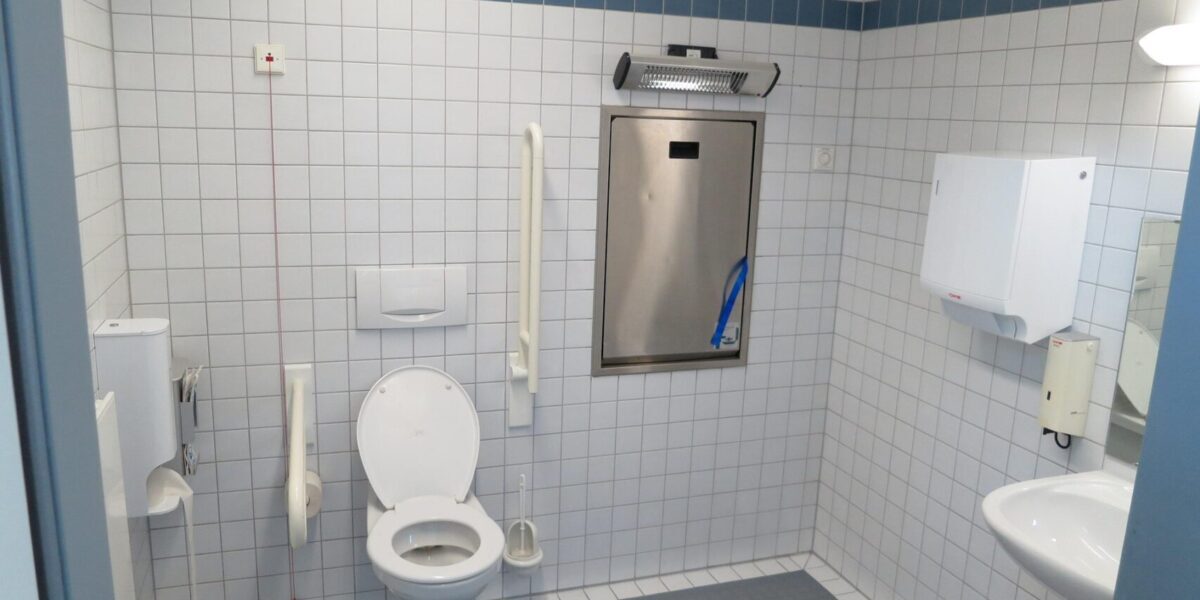
Public toilets are available in Inverness city centre, shopping centres, and some tourist locations, although they are not always as common as in larger cities. Shopping centres such as Eastgate Shopping Centre and locations near the river and city centre usually have public toilets available.
Cafés, restaurants, and pubs will also have toilets for customers, so many visitors simply use facilities when stopping for food or drinks. Some public toilets may charge a small fee, although many are free.
In terms of accessibility, Inverness city centre is relatively accessible because the centre is flat, compact, and easy to walk around, with pavements and pedestrian bridges across the River Ness. Some older buildings and historic sites may have limited accessibility due to steps or historic layouts.
Attractions such as Culloden Battlefield visitor centre and many modern museums and visitor centres are accessible, but some castles, historic ruins, and older buildings may have uneven ground, steps, or limited access.
Overall, Inverness is relatively easy to navigate for most visitors, and the compact city centre makes moving around easier than in many larger cities.
Weather & Best Time to Visit
The weather in Inverness and the Scottish Highlands can be unpredictable, and it is often said that you can experience all four seasons in one day. Even in summer, it is possible to have sunshine, rain, wind, and cooler temperatures within a few hours, so it is always best to be prepared for changing weather conditions.
Summer, from roughly May to September, is the most popular time to visit Inverness. During this period, days are long, temperatures are milder, and this is the best time for sightseeing, road trips, and outdoor activities. In June and July, daylight can last very late into the evening, which gives you more time to explore the Highlands.
Spring and autumn are also very good times to visit. In spring, the countryside begins to turn green and attractions are quieter before the summer season. In autumn, the Highland landscapes change colour and the scenery can be particularly beautiful, especially in forests and mountain areas. These seasons are often quieter and accommodation can be cheaper than in summer.
Winter is the quietest time of year in Inverness. Days are shorter and the weather can be cold, wet, and windy, but winter can also be a good time to visit if you want a quieter trip, lower prices, and dramatic winter landscapes. Snow is possible in the Highlands, particularly in the mountains, although not guaranteed in Inverness itself.
Whenever you visit, it is important to bring waterproof clothing and layers, as Highland weather can change quickly and rain is possible at any time of year.
eSIMs & Connectivity
Mobile signal and internet access in Inverness itself are generally good, and you will usually have 4G or 5G coverage in the city centre, hotels, restaurants, and most populated areas. However, once you start travelling into more remote Highland areas, mobile signal can become limited or disappear completely in some locations.
Because of this, it is a good idea to download offline maps before travelling into remote areas, especially if you are driving through the Highlands or visiting remote locations on the North Coast 500 or Isle of Skye.
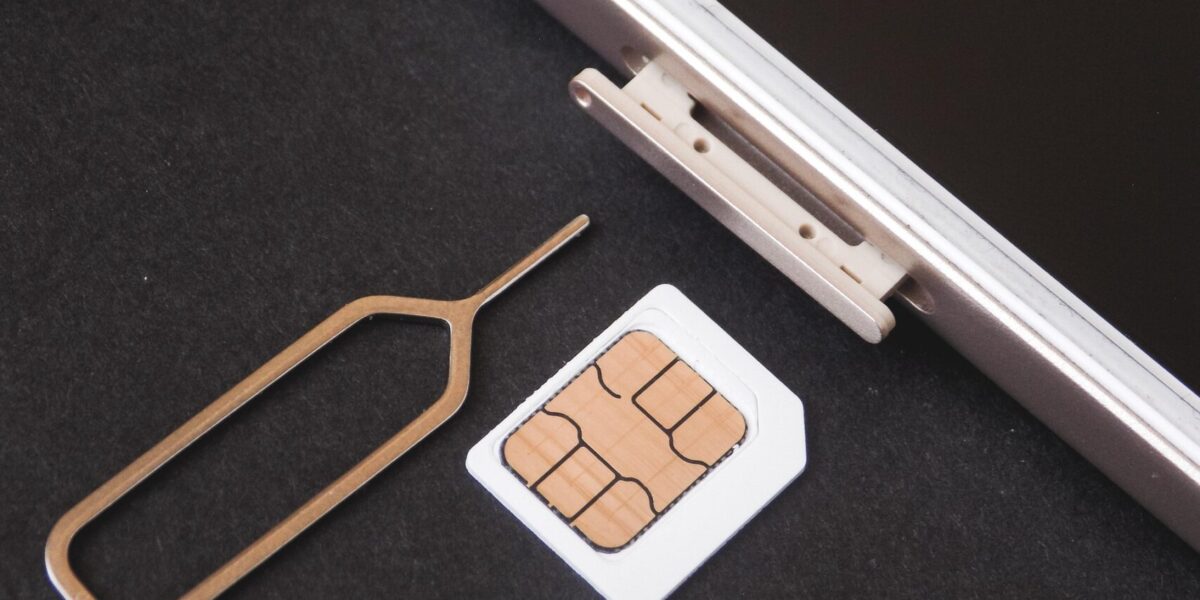
Many visitors now use eSIMs rather than buying local SIM cards, especially when travelling internationally. eSIMs allow you to activate mobile data before you arrive and avoid searching for SIM cards at the airport, which makes travel much easier.
If you plan to rely on maps, online bookings, or translation apps while travelling, having mobile data throughout your trip makes travel much easier, particularly when navigating in rural areas or checking transport times.
Most hotels, cafés, and restaurants in Inverness offer free Wi-Fi, so staying connected in the city is usually not a problem, but mobile data becomes more important when travelling outside the city.
Religious Customs & Behaviour in Sacred Spaces
Inverness and the Scottish Highlands are not particularly strict in terms of religious customs, but there are still some basic etiquette rules to follow when visiting churches, cathedrals, cemeteries, and historic religious sites.
If you visit places such as Inverness Cathedral or Old High Church, it is important to behave respectfully, keep noise levels low, and avoid disturbing services or people who are there for worship rather than tourism.
Photography is usually allowed in most churches and cathedrals, but it is always best to check signs or ask staff before taking photos, particularly during services or events.
At historic sites such as Culloden Battlefield, behaviour should be respectful because the site is considered a memorial and burial site, not just a tourist attraction. Visitors are expected to behave respectfully and not climb on memorial stones or graves.
In general, religious customs are not strict for visitors, but respectful behaviour is expected in churches, memorial sites, and historic locations.
Laws, Safety & Warnings
Inverness is generally a very safe city, and crime rates are relatively low compared to many cities. Most visitors will not experience any problems, and the city is considered safe for walking in the evening, especially in the city centre and riverside areas.
As with any destination, it is still important to take normal precautions such as keeping an eye on belongings, especially in busy areas, train stations, and tourist locations.
One of the main safety considerations in the Highlands is actually related to weather and driving rather than crime. Weather can change quickly, especially in mountain areas, and road conditions can sometimes be challenging in winter or during heavy rain.
If you are driving in rural Highland areas, you may encounter single-track roads, sharp bends, livestock on the road, and limited street lighting at night, so careful driving is important. If you are walking or hiking in remote areas, it is important to check weather forecasts and tell someone where you are going.
Another thing visitors should be aware of in summer is midges, which are small biting insects common in parts of the Highlands, especially near water and at sunrise or sunset. Insect repellent can be useful if you are spending time outdoors in summer.
Overall, Inverness and the Highlands are very safe for visitors, and most safety concerns relate more to weather, driving, and outdoor activities than to crime.

Rupert’s Handy Travel Tips
Heading to Inverness and the Scottish Highlands? Here are a few useful tips to make your trip smoother:
- Use Inverness as a base: Stay a few nights and take day trips to Loch Ness, Culloden, and the Cairngorms instead of moving hotels every night.
- Book car rental early: Cars can sell out in summer, and having a car makes exploring the Highlands much easier.
- Pack for all weather: Even in summer, bring waterproofs and layers because Highland weather changes quickly.
- Watch for single-track roads: Use passing places properly and drive slowly on rural Highland roads.
- Don’t rush Loch Ness: Visit quieter spots like Dores Beach as well as Urquhart Castle for the best views.
Want to meet the reindeer behind our travel tips? Find out more in our page Who is Rupert?.
Frequently Asked Questions
How many days do you need in Inverness?
Most visitors spend two to three days in Inverness. The city itself can be explored in a day, but additional time allows you to visit Loch Ness, Culloden Battlefield, and take day trips into the Highlands.
Is Inverness worth visiting if you are already visiting Edinburgh or Glasgow?
Yes, because Inverness is very different from Scotland’s larger cities. It is smaller, quieter, and surrounded by Highland scenery, castles, and lochs, making it a great base for exploring the Highlands.
Can you visit Loch Ness from Inverness without a car?
Yes, you can reach Loch Ness by bus, organised tour, or boat tour. However, having a car gives you more flexibility to visit quieter areas around the loch.
Is Inverness walkable?
Yes, the city centre is compact and very walkable. Most attractions in the city are within walking distance of the river and castle area.
When is the best time to visit Inverness?
Late spring to early autumn is the most popular time to visit due to longer days and better weather, although spring and autumn are quieter and often very scenic.
Further Reading & Related Travel Guides
If you’re planning a trip to Inverness and the Scottish Highlands, these guides will help you plan transport, day trips, and scenic routes across the region.
Inverness Airport to City Centre Transfers Guide → Inverness Airport Transfers Guide
Loch Ness & Urquhart Castle Visitor Guide → Loch Ness Travel Guide
Best Day Trips from Inverness → Day Trips from Inverness Guide
Scotland’s Most Scenic Railway → Kyle of Lochalsh Train Guide
Overnight Train from London to the Highlands → Caledonian Sleeper Guide
Last Updated
April 2026
Affiliate Disclosure
This page contains affiliate links. If you click through and make a purchase or booking, we may earn a small commission at no extra cost to you. This helps support our work and allows us to continue providing detailed, independent travel advice. We only recommend apps and services we personally use or have verified as high-quality.