
Reviewed by our editorial team Updated
Why Choose the Serbia Pass
The Interrail Serbia Pass is one of the most affordable ways to explore the Balkans by train, especially for travellers who want a slower, more authentic rail experience away from Europe’s busiest tourist routes. Serbia sits at an important crossroads between Central Europe, the western Balkans, and routes towards Greece, making it useful both as a destination in its own right and as part of a wider regional itinerary.
One of the biggest reasons to choose the Serbia rail pass is affordability. Rail travel in Serbia is already inexpensive compared with Western Europe, but the pass adds extra flexibility for travellers planning several journeys in one trip. Instead of buying separate tickets for every route, you can use selected travel days to move between major cities, regional towns, and scenic corridors without constantly checking fares.
The country offers far more variety than many first-time visitors expect. Belgrade is the obvious starting point, with its riverside setting, lively nightlife, Ottoman and Austro-Hungarian layers, and growing café culture. Further north, Novi Sad offers a calmer Danube-side atmosphere, elegant architecture, and the famous EXIT Festival at Petrovaradin Fortress. Heading south, Niš brings Roman history, Ottoman landmarks, and a more local Balkan feel.
The pass also works well for travellers interested in scenery. Serbian trains are generally slower than Western European services, but that slower pace can be part of the appeal. Routes pass through Danube plains, river valleys, mountain landscapes, and traditional towns that feel far removed from polished city-break tourism. The legendary Belgrade to Bar railway, continuing into Montenegro, is one of the great scenic routes of the Balkans, and the Serbia Pass covers the domestic Serbian section.
Another reason to consider the pass is Serbia’s role as a regional link. Rail and bus connections continue towards Hungary, Montenegro, Bulgaria, North Macedonia, and beyond, making Serbia a useful stop for travellers building a larger Balkan journey.
For budget-conscious travellers, rail enthusiasts, backpackers, and anyone wanting a more grounded travel experience, the Interrail Serbia Pass offers excellent value, cultural depth, and a genuine sense of Balkan rail adventure.
Quick Facts / Pass Overview
The Interrail Serbia Pass is a One Country Flexi Pass designed for travellers who want unlimited train travel on selected days within Serbia. It is valid on domestic services operated by Srbija Voz, Serbia’s national passenger railway company.
Travellers can normally choose between 3, 4, 5, 6, or 8 travel days within one month, allowing the pass to suit short city-based trips as well as broader rail itineraries across the country. On each active travel day, you can take unlimited eligible trains, making it possible to combine short regional journeys with longer intercity routes.
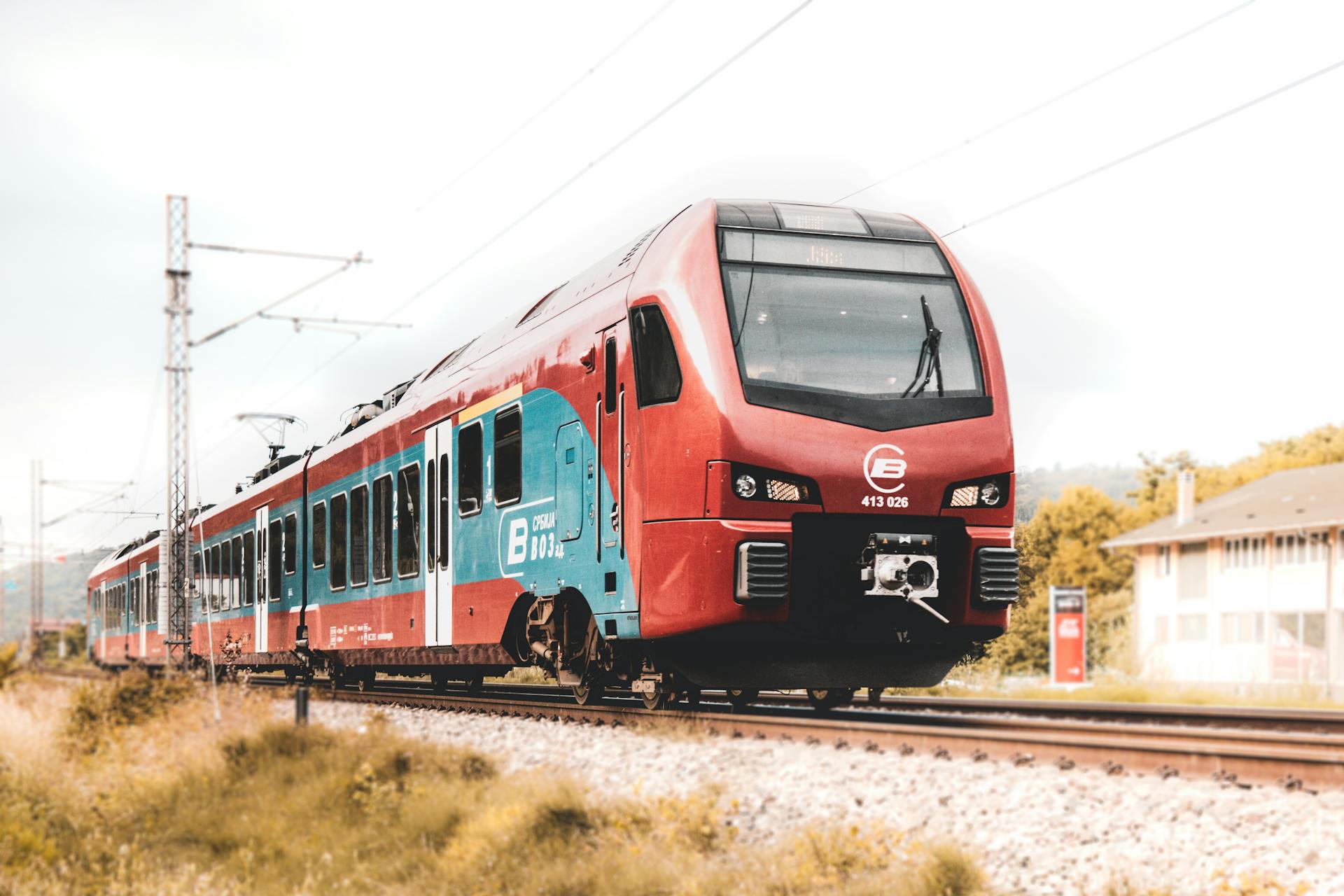
The pass covers intercity trains, regional services, and the modern Soko high-speed trains running between Belgrade and Novi Sad. This flagship route is currently Serbia’s most advanced rail service and gives travellers a glimpse of the country’s future railway ambitions.
The pass does not cover city transport such as buses, trams, or trolleybuses in Belgrade, Novi Sad, or Niš. It also does not include private tourist railways such as the Šargan Eight, which requires a separate ticket.
Seat reservations are not always compulsory, but they are strongly recommended on popular long-distance services and on the Belgrade to Novi Sad Soko trains, especially during busy periods. Reservation costs are usually low by European standards, often only a few euros.
The pass is available in mobile and paper formats. Most travellers now prefer the mobile version through the Rail Planner app, as it is easier to manage and avoids the risk of losing a physical pass.
Standard Interrail age categories apply, including Youth, Adult, and Senior pricing. Children under 12 can usually travel free with an accompanying adult pass holder, making Serbia a strong-value option for family travel as well.
Overall, the Serbia train travel pass works best for travellers planning several journeys across the country, especially those combining Belgrade, Novi Sad, Niš, Subotica, and the scenic route towards Montenegro.
| Travel Days | Youth (12–27) | Adult (28–59) | Senior (60+) |
|---|---|---|---|
| 3 days | €41 (£36 / $44) | €54 (£47 / $58) | €49 (£43 / $53) |
| 4 days | €50 (£44 / $54) | €66 (£57 / $71) | €59 (£51 / $64) |
| 5 days | €59 (£51 / $64) | €78 (£68 / $84) | €70 (£61 / $76) |
| 6 days | €67 (£58 / $72) | €89 (£77 / $96) | €80 (£70 / $86) |
| 8 days | €83 (£72 / $90) | €111 (£97 / $120) | €100 (£87 / $108) |
Prices are approximate and shown for guidance only. Interrail pricing can shift slightly by season and promotion, so it is always worth confirming the exact fare at checkout before booking.
Compare hotels and other places to stay in Serbia.
Check availabilityBrowse apartments, holiday homes and self-catering stays in Serbia.
View rentalsCompare prices for Serbia hotels across multiple booking sites.
Check dealsKey Operators and Rail Network Size
The Interrail Serbia Pass is valid on trains operated by Srbija Voz, Serbia’s state-owned passenger railway company. This makes pass coverage relatively simple, as Srbija Voz operates the main domestic passenger rail network used by most travellers.
Serbia’s rail network extends across roughly 3,800 kilometres of track, connecting the country’s largest cities, regional towns, border corridors, and several important scenic routes. The system is still developing, and the quality of services varies significantly between modernised corridors and older regional lines.
The most important recent improvement is the Belgrade to Novi Sad high-speed route, served by modern Soko trains. This line has transformed travel between the capital and Serbia’s second city, reducing journey times to around 30–40 minutes. It is one of the most advanced rail corridors in the Balkans and a major reason the Serbia Pass has become more appealing.
That high-speed network has since extended further north. The rebuilt Novi Sad to Subotica line reopened in October 2025, with revenue services beginning on 12 October on a newly double-tracked, electrified route capable of 200 km/h running toward the Hungarian border. This is part of the wider Belgrade to Budapest corridor upgrade. The Hungarian section has now been built, but through running between the two capitals has slipped repeatedly on signalling commissioning, first from March 2026 and then again, so no direct Belgrade to Budapest train was operating as this guide was updated. In the meantime the two capitals are linked by rail with a change, taking a Hungarian intercity to Szeged, a local cross-border train to Subotica, and the Soko onward to Belgrade. Check current timetables and station arrangements before building a tight itinerary around the route.
Outside this flagship route, Serbian rail travel is generally slower and more traditional. Long-distance services connect Belgrade with Niš, Subotica, Kraljevo, Užice, and other regional centres. These trains are not usually fast, but they offer an affordable and often scenic way to experience the country.
The network is also important for international travel, although cross-border services can be inconsistent. Serbia has railway links towards Hungary, Montenegro, Bulgaria, and North Macedonia, but timetables, infrastructure work, and service suspensions can affect availability. Travellers planning cross-border rail journeys should always check current schedules carefully before relying on them.
One major exclusion is the Šargan Eight, Serbia’s famous narrow-gauge heritage railway in the west of the country. Although it is one of the most scenic rail experiences in Serbia, it is a tourist railway and is not included with the Interrail Serbia Pass.
Overall, Serbia’s railway network is not as polished or frequent as those in Western Europe, but it offers genuine value for travellers who approach it with patience and realistic expectations. The mix of modern high-speed development, older regional trains, and dramatic Balkan scenery gives the Serbia rail pass a distinct character.
Transport Hubs and Major Routes
The heart of Serbia’s rail network is Belgrade, specifically Belgrade Centre, commonly known as Prokop. This station now acts as the main railway hub for the capital after replacing the old Belgrade Main Station. Although the station has taken time to develop fully, it is now the key departure point for most domestic long-distance services.
The most important and modern route is Belgrade to Novi Sad, operated by the fast Soko trains. This line is Serbia’s showcase rail corridor, offering comfortable trains, short journey times, and strong reliability compared with many older routes. For travellers using the Interrail Serbia Pass, this is often the easiest and most satisfying first journey.
Heading south from Belgrade, the main route reaches Niš, one of Serbia’s most historically important cities. Niš is associated with Roman history, Ottoman heritage, and a more traditional southern Serbian atmosphere. The journey is slower than the distance suggests, but it remains one of the country’s most important rail corridors.
To the north, trains connect Belgrade with Subotica, close to the Hungarian border. Subotica is known for its colourful Art Nouveau architecture and Central European influences. This route is also important because of the wider Belgrade to Budapest rail upgrade, which aims to improve international connections between Serbia and Hungary.
To the west and south-west, the legendary Belgrade to Bar railway is one of the region’s great scenic journeys. The full route continues into Montenegro, crossing mountains, valleys, tunnels, and dramatic viaducts. The Serbia Pass covers the Serbian section, while onward travel into Montenegro may require additional ticketing or a broader pass.
Regional routes also connect towns such as Kragujevac, Kraljevo, Užice, and Zrenjanin, although frequencies can be limited and services slower than buses in some cases.
The Serbian rail network is therefore best understood as a Belgrade-centred system, with major routes radiating towards Novi Sad, Niš, Subotica, and the mountainous route towards Montenegro. For travellers prepared for slower journeys and occasional timetable limitations, these routes offer an affordable and authentic way to explore the country.
Example Ticket Prices vs Pass Value
One of the most important questions travellers ask is whether the Interrail Serbia Pass actually saves money compared with buying individual tickets. Because Serbia is already a relatively cheap country for rail travel, the answer depends heavily on how often you plan to travel and how flexible you want your itinerary to be.
On Serbia’s flagship Belgrade to Novi Sad Soko high-speed route, standard tickets are usually very affordable. A one-way journey often costs only around €7 to €9 (£6-£8 / $8-$10), which is remarkably cheap for a modern high-speed service. Slower regional trains on the same corridor can cost even less, though journey times are significantly longer and comfort levels vary.
Longer journeys across the country remain inexpensive compared with Western Europe. A standard Belgrade to Niš ticket typically costs around €10 to €12 (£9-£10 / $11-$13), while journeys north towards Subotica near the Hungarian border often fall within a similar range. Even the famous Belgrade to Bar railway into Montenegro remains surprisingly affordable considering the distance and scenery involved.
For travellers making only one or two long-distance journeys, standard point-to-point tickets will usually work out cheaper than purchasing a pass. Serbia’s domestic rail pricing is simply too low for the pass to deliver huge financial savings on light travel itineraries.
However, the calculation changes once you start moving around more frequently. A traveller combining Belgrade, Novi Sad, Subotica, Niš, and part of the Montenegro route within one trip can quickly accumulate €60 to €90 (£52-£78 / $65-$97) in individual tickets. At that point, the Serbia rail pass starts becoming competitive, particularly when you factor in the convenience and flexibility it provides.
That flexibility is arguably the pass’s greatest strength. Instead of committing to fixed tickets, you can decide on the day whether to remain longer in Novi Sad, head south to Niš, or take an extra scenic detour. For many travellers, avoiding ticket queues, timetable stress, and constant ticket purchases is worth almost as much as the direct financial savings.
The pass therefore works best for travellers who intend to move around regularly, especially those exploring multiple Serbian regions within a relatively short timeframe.

Interrail Serbia Pass Prices (Flexi Passes)
The Interrail Serbia Pass is sold as a Flexi Pass, allowing travellers to choose a set number of unlimited rail travel days within a one-month period. This system works particularly well in Serbia because it allows you to alternate between travel days and slower sightseeing days without wasting the pass.
Adult pricing for the Serbia Pass remains among the cheapest in the entire Interrail system. Even the longer-duration passes cost far less than equivalent rail passes in Western Europe, which is one reason Serbia has become increasingly popular with budget-conscious rail travellers.
A typical 3-day Serbia Pass starts at around €54 (£47 / $58), while a 5-day pass costs roughly €78 (£68 / $84). Even the larger 8-day version generally remains close to only €111 (£97 / $120), making it one of the lowest-priced national Interrail passes available.
Youth travellers benefit from even lower prices. Travellers aged between 12 and 27 receive discounted rates across the full range of pass durations, making the pass particularly attractive for backpackers and students travelling through the Balkans.
Senior discounts are also available for travellers aged 60 and above, while children under 12 can usually travel free when accompanied by an adult pass holder. This gives the Serbia Pass strong value for families as well as younger independent travellers.
The pass is available in both mobile and paper formats. Most travellers now choose the mobile option through the Rail Planner app, as it simplifies journey management and removes the risk of losing physical tickets. Paper passes still remain available for travellers who prefer traditional documentation.
While the Serbia Pass does not always produce dramatic cost savings compared with individual domestic tickets, it delivers something equally valuable: convenience. Once activated, you can board eligible trains freely on your chosen travel days without needing to calculate separate fares for every journey.
For travellers planning several longer journeys across Serbia within a short period, the pass often becomes worthwhile both financially and practically.
How the Serbia Pass Works
The Interrail Serbia Pass works as a flexible travel pass rather than a fixed-ticket system. Once activated, it allows unlimited train travel on eligible Srbija Voz services during your selected travel days within a one-month validity window.
For example, if you purchase a 5-day Serbia Pass, you can choose any five separate days during the month to travel. On each of those travel days, you can take as many trains as you want, whether that means one long journey across the country or several shorter regional trips combined together.
Most travellers now use the mobile pass, which operates through the official Rail Planner app. Inside the app, you activate your pass, select travel days, and add train journeys to your trip log before boarding. Conductors scan the QR code directly from your phone during ticket inspections.
The older paper pass remains available as well. With this version, travellers must manually record each journey in a travel diary before boarding the train. While some travellers still prefer paper documentation, the mobile version is generally much easier to manage.
One major advantage of travelling in Serbia is that seat reservations are relatively inexpensive. On many regional trains, reservations are not required at all. However, they are strongly recommended on busy services, especially the Belgrade to Novi Sad Soko high-speed trains and long-distance routes such as the Belgrade to Bar railway.
Reservation fees are usually low by European standards, often costing only €1 to €3 (£1-£3 / $1-$3). These reservations can typically be purchased at station ticket offices or through Srbija Voz, Serbia’s national passenger rail operator, although online booking options may vary.
The pass only covers trains operated by Srbija Voz. It does not include local city transport such as buses, trams, or trolleybuses in cities like Belgrade or Novi Sad. Tourist railways such as the Šargan Eight are also excluded and require separate tickets.
In practical terms, the Serbia Pass is relatively easy to use once you understand the basics: activate your travel day, secure reservations where needed, and enjoy unlimited rail journeys throughout the country.
Where You Can Travel with the Serbia Pass
The Interrail Serbia Pass gives access to most of Serbia’s national passenger rail network, allowing travellers to explore a surprisingly wide variety of landscapes and cities using one pass.
The most modern and popular route is the high-speed corridor between Belgrade and Novi Sad. Operated by the fast Soko trains, this route has become the flagship of Serbian rail travel and dramatically reduced journey times between the country’s two largest urban centres.
Travelling south from Belgrade, the network reaches Niš, one of Serbia’s oldest and most historically significant cities. This route forms the backbone of southern Serbian rail travel and opens access to regions with strong Roman, Ottoman, and Balkan influences.
Northbound services connect Belgrade with Subotica, close to the Hungarian border. This city has a very different atmosphere from southern Serbia, with elegant Central European architecture and strong Hungarian cultural influences.
One of the greatest highlights available with the Serbia Pass is the famous Belgrade to Bar railway, continuing towards Montenegro. The Serbian portion of the route is covered by the pass and takes travellers through dramatic mountain landscapes, deep valleys, tunnels, and huge viaducts. Even experienced rail travellers often consider this one of the most scenic journeys in Europe.
Regional lines also reach cities and towns such as Kragujevac, Kraljevo, Užice, and Zrenjanin, although services on these routes are often slower and less frequent than on the main corridors.
International connectivity exists as well, although services can sometimes be inconsistent. Routes continue towards Hungary, Montenegro, Bulgaria, and North Macedonia, though travellers should always verify schedules carefully before planning cross-border rail journeys in the Balkans.
The overall experience of travelling Serbia by rail is less about speed and more about atmosphere, scenery, and flexibility. With the Serbia rail pass, travellers can comfortably explore everything from fast modern corridors to slower mountain routes and traditional regional lines across the country.
Search flights and useful route combinations for your trip.
View flightsUse an eSIM to get online without hunting for a local SIM after arrival.
See eSIM optionsArrange a private airport pickup for your trip to Serbia.
Check transfersHow to Buy the Interrail Serbia Pass
Buying the Interrail Serbia Pass is relatively straightforward, and most travellers will find purchasing online before departure to be the easiest option. The official Interrail.eu website remains the main platform for buying the pass, allowing you to choose your travel duration, traveller category, and preferred format before your trip begins.
When purchasing, you’ll select the number of travel days you want within a one-month period. Most travellers choose between the 3-day, 5-day, or 8-day versions depending on how intensively they plan to travel around Serbia.
You’ll also choose between a mobile pass and a paper pass. The mobile version has become the preferred option for most travellers because it integrates directly with the Rail Planner app. Once purchased, the pass is delivered digitally, allowing you to activate travel days, manage journeys, and present QR codes directly from your phone.
The older paper pass still exists for travellers who prefer physical documentation. However, it requires manual journey recording before each train ride, and lost paper passes cannot easily be replaced. For most travellers, the mobile version is considerably more practical.
Travellers already inside Serbia can sometimes buy passes at larger railway stations such as Belgrade Centre (Prokop) or Novi Sad, but availability and staff familiarity with Interrail products can vary. Because of this, purchasing online before arrival is usually the safer and less stressful option.
Children under 12 can normally receive free child passes when travelling with an adult pass holder, while discounted pricing is available for Youth travellers aged 12–27 and Senior travellers aged 60+.
It’s important to remember that seat reservations are separate from the pass itself. Even after purchasing the Serbia Pass, you may still need to pay small reservation fees on certain services such as the Soko high-speed trains or the Belgrade to Bar railway.
Overall, buying the Serbia Pass is simple. Once loaded into the Rail Planner app, it becomes an easy and flexible tool for exploring the country without repeatedly purchasing individual tickets.

Explore Europe by Train with Rail Passes
Travelling by train in Europe can quickly become expensive if you book individual tickets. Rail passes offer a flexible way to travel across one or multiple countries with a single ticket, making it easier to plan your journey.
Rail Europe allows you to compare and buy a wide range of rail passes, including Interrail-style options, helping you choose the best pass for your route and travel style.
Top Routes and Itineraries with the Serbia Pass
One of the biggest strengths of the Interrail Serbia Pass is that Serbia is compact enough to allow several very different travel experiences within a relatively short timeframe. You can combine modern cities, mountain scenery, historic towns, and international border regions without spending endless days in transit.
A classic first itinerary focuses on Belgrade and Novi Sad. Thanks to the fast Soko trains, the journey between the two cities now takes only around half an hour. This makes it easy to stay in one city and visit the other as a day trip, or split time between both. Belgrade offers nightlife, history, fortress views, and riverside cafés, while Novi Sad delivers a more relaxed atmosphere centred around the Danube and Petrovaradin Fortress.
A second popular route heads south from Belgrade towards Niš. This journey introduces travellers to a more traditional side of Serbia, with smaller towns, slower rail travel, and deeper Balkan influences. Niš itself is one of the oldest cities in the region and contains important Roman and Ottoman heritage sites.
Travellers seeking scenery often prioritise the legendary Belgrade to Bar railway. Even if you do not continue all the way into Montenegro, the Serbian portion of the line is spectacular. The route cuts through mountains, valleys, tunnels, and dramatic bridges, creating one of Europe’s great classic railway journeys.
Northern itineraries towards Subotica provide a very different atmosphere again. The closer you travel towards the Hungarian border, the more Central European influences become visible in the architecture, food, and culture.
For travellers with around one week available, a strong Serbia rail itinerary could comfortably include Belgrade, Novi Sad, Subotica, and Niš, with an additional scenic journey on the Montenegro line. Because the country is relatively compact, this allows a surprisingly broad overview of Serbian culture and geography without excessive travel time.
The pass works especially well for travellers who enjoy flexible itineraries. Instead of rigid pre-booked schedules, you can adapt plans depending on weather, recommendations, or personal interests as you travel.
Seat Reservations and Supplements
One advantage of travelling with the Interrail Serbia Pass is that reservations and supplements are generally much cheaper than in many Western European countries. However, understanding which trains require reservations is still important before you travel.
On many regional Serbian trains, reservations are not required at all. You can simply activate your travel day, board the train, and find any available seat. This makes spontaneous travel easy, particularly on slower regional routes.
The situation changes slightly on more popular and modern services. The fast Belgrade to Novi Sad Soko trains are among the busiest services in the country, and reservations are strongly recommended. These reservations are inexpensive, usually costing only around €1 to €3 (£1-£3 / $1-$3), but trains can fill up during busy periods, especially on weekends and during festivals.
Reservations are also recommended for the famous Belgrade to Bar railway, particularly if travelling overnight or during summer. Although the journey itself remains affordable, sleeper compartments and couchettes require additional supplements.
Long-distance trains towards Niš and some international routes may also benefit from reservations, although requirements can vary depending on the specific service and time of year.
Compared with countries such as France or Spain, Serbia’s reservation system is far less restrictive. Costs are low, and most domestic travel remains flexible and straightforward. The biggest issue is usually availability rather than expense, especially during peak travel periods.
International rail services are slightly more complicated. Some cross-border routes may require additional tickets or supplements outside Serbia, and certain services can be suspended or changed depending on infrastructure works or regional conditions. Travellers planning onward journeys into Montenegro, Hungary, Bulgaria, or North Macedonia should always verify schedules in advance.
Overall, reservation costs in Serbia are modest enough that they rarely damage the value of the pass. Most travellers will spend very little extra beyond the pass itself.
Benefits of the Interrail Serbia Pass
The biggest benefit of the Interrail Serbia Pass is affordability. Serbia remains one of Europe’s cheapest countries for rail travel, and the pass itself is among the lowest-priced Interrail products available. For travellers wanting a low-cost rail adventure through the Balkans, it offers excellent overall value.
Another major advantage is flexibility. Instead of buying separate tickets for every journey, the pass allows you to move around freely during your selected travel days. This is particularly useful in a country where plans may change depending on weather, train schedules, or local recommendations.
The pass also gives access to one of Europe’s most underrated scenic rail experiences: the Belgrade to Bar railway. Even experienced rail travellers often rank this route among the continent’s most dramatic mountain journeys, thanks to its tunnels, viaducts, valleys, and rugged Balkan landscapes.
Serbia’s compact geography is another strength. Distances between major cities are manageable, making it possible to experience several distinct regions during one trip. Within a relatively short timeframe, travellers can combine the urban energy of Belgrade, the Danube atmosphere of Novi Sad, the history of Niš, and mountain scenery further west and south.
The pass is also particularly attractive for budget travellers, backpackers, and slow travellers. Serbia’s lower accommodation, food, and transport costs mean rail-based travel remains accessible even for travellers with relatively modest budgets.
Families can benefit as well. Free child passes for younger travellers help keep costs down, while the slower pace of rail travel can actually suit travellers wanting a less rushed style of holiday.
Finally, the Serbia Pass works well as part of a wider Balkan adventure. Serbia’s position between Central Europe and the southern Balkans makes it a natural transit point towards countries such as Montenegro, North Macedonia, and Bulgaria.
For travellers who value authenticity, flexibility, scenery, and affordability more than speed and luxury, the Serbia rail pass delivers a rewarding and memorable travel experience.
Drawbacks and Limitations
While the Interrail Serbia Pass offers strong value and flexibility, it is important to approach rail travel in Serbia with realistic expectations. The network is improving, but it still operates very differently from the fast, highly polished systems found in countries such as France, Germany, or Austria.
The biggest limitation is speed. Outside the modern Belgrade to Novi Sad Soko corridor, most Serbian trains remain relatively slow. Journeys that appear short on a map can take considerably longer than travellers expect. The route from Belgrade to Niš, for example, still takes several hours despite linking two of the country’s most important cities.
Infrastructure quality also varies significantly. Some main corridors have received upgrades, but many regional lines still rely on older tracks and slower operational speeds. Delays are not unusual, especially on secondary routes or during infrastructure works.
Rolling stock is another mixed area. The modern Soko trains are comfortable, clean, and fast, but many other domestic services still use older carriages. Travellers may encounter outdated interiors, limited luggage space, inconsistent air conditioning, or fewer onboard facilities than they might expect elsewhere in Europe.
International rail connectivity is another weak point. Serbia sits in an excellent geographic position for Balkan travel, but actual cross-border train services can sometimes be unreliable, suspended, or slower than bus alternatives. In practice, many travellers still rely on buses for some Balkan border crossings, even while using the Serbia Pass domestically.
Service frequency can also create challenges. On some regional routes, trains may run only a few times per day, meaning travellers need to plan carefully rather than simply turning up at the station expecting frequent departures.
Finally, the financial savings of the pass are not always dramatic because Serbian domestic train tickets are already very cheap. Travellers making only one or two journeys may find that buying normal tickets works out cheaper overall.
For most people, the pass’s biggest strengths are convenience, flexibility, and simplicity rather than huge cost reductions.
Who the Pass is Best For
The Interrail Serbia Pass is best suited to travellers who enjoy flexible, slower-paced travel and who see rail journeys as part of the overall experience rather than simply transportation between destinations.
Backpackers and younger travellers are among the strongest fit for the pass. Serbia is already an affordable destination, and combining cheap accommodation, inexpensive food, and low-cost rail travel creates a very budget-friendly way to explore the Balkans.
The pass also works particularly well for travellers interested in discovering parts of Europe that still feel less commercialised and less heavily touristed. Serbia offers a very different atmosphere from many mainstream European city-break destinations, and rail travel provides direct access to both major cities and smaller regional towns.
Rail enthusiasts will also appreciate the pass, especially because of the legendary Belgrade to Bar railway. This route alone is a major attraction for many travellers and represents one of Europe’s classic mountain rail journeys.
Slow travellers are another ideal audience. Serbia’s railways reward patience. Journeys can be long, infrastructure imperfect, and schedules occasionally unpredictable, but the trade-off is scenery, authenticity, and a more grounded travel experience.
Families can benefit too, particularly because children under 12 can usually travel free with an accompanying adult pass holder. Serbia’s low general travel costs also help make family rail travel financially realistic.
The pass is less suitable for travellers with very limited time or those expecting high-speed Western European efficiency across the entire network. Anyone planning only a couple of simple journeys may also find standard tickets more economical.
Overall, the Serbia rail pass is best for travellers prioritising affordability, flexibility, scenery, and authentic Balkan travel experiences over speed and luxury.
Compare hostels and budget-friendly accommodation around Serbia.
Browse hostelsAccess compensation support, eligible lounge benefits and faster payouts when flights go wrong.
See the benefitsLeave your luggage somewhere convenient and enjoy Serbia hands-free.
View storageTips for Using the Serbia Pass
One of the best ways to enjoy travelling with the Interrail Serbia Pass is to adjust your mindset before arrival. Serbian rail travel is usually more relaxed, slower, and less predictable than Western European systems. Travellers who embrace that slower rhythm often enjoy the experience far more.
It is wise to build extra time into your itinerary, particularly when using older regional routes. Delays are not uncommon, and connections can sometimes be tighter than expected. Treating the journey itself as part of the adventure rather than simply a transfer helps avoid frustration.
Reservations should be booked early on busy routes, especially the Belgrade to Novi Sad Soko trains and summer departures on the Belgrade to Bar railway. Reservation fees are cheap, but popular services can fill up surprisingly quickly during festivals, weekends, and holiday periods.
Travellers should also check schedules carefully before travelling. Some regional services operate only a handful of times each day, especially outside the main Belgrade corridors. The flexibility of the pass is useful, but it does not guarantee frequent departures everywhere.
Breaking up longer journeys can significantly improve the experience. Instead of rushing directly from Belgrade to Niš, consider stopping in smaller towns along the route. The same applies to western Serbia and the Montenegro corridor, where mountain scenery and smaller stations can become highlights themselves.
It is also smart to carry food, water, and entertainment for longer journeys. Catering services are limited or inconsistent on many trains, particularly older regional services. Downloaded maps, podcasts, books, or offline entertainment can make longer trips much more enjoyable.
Finally, stay flexible. Serbia’s railways may not always operate perfectly, but that unpredictability is often part of the charm. Some of the best experiences come from unexpected stops, local conversations, and slower journeys through landscapes that many travellers never see.
Apps for Train Travel
Using the right apps can make travelling with the Interrail Serbia Pass much easier, especially because Serbian rail travel still relies heavily on timetable checking and last-minute updates.
The most important tool is the official Rail Planner app from Interrail. This app stores your mobile pass, allows you to activate travel days, and generates the QR codes conductors scan onboard. It also includes offline European timetables, which is particularly useful when travelling through areas with weaker mobile coverage.
For Serbian domestic rail information, the Srbija Voz website and associated systems are essential. These provide the latest timetable information, route updates, and reservation details. Since schedules can occasionally change, checking official departure times before travelling is highly recommended.
Google Maps remains extremely useful for station navigation, walking routes, and connecting public transport inside cities such as Belgrade and Novi Sad. Apps like Moovit can also help with local buses, trams, and trolleybuses, which are not covered by the Serbia Pass.
Travellers using the railways extensively in the Balkans may also find offline map tools helpful. Mobile signal quality can vary in mountainous regions, especially on scenic lines such as the Belgrade to Bar railway.
Accommodation apps such as Booking.com and Hostelworld are useful for flexible itineraries, especially because the Serbia Pass encourages spontaneous travel decisions. It is often easy to decide late in the day to continue to another city or stay somewhere longer than planned.
Currency apps can also help, since Serbia uses the Serbian dinar rather than the euro. Keeping track of exchange rates makes budgeting easier when buying food, reservations, or local transport tickets.
Together, these apps help transform the Serbia Pass from a simple rail ticket into a far smoother and more flexible travel experience across the country and wider Balkan region.

Rupert’s Handy Travel Tips
I’ve spent time on Serbia’s rails a couple of times now, and here’s what I’d want you to know before you set off.
- Base yourself in Belgrade first: it has the best transport links, the widest choice of accommodation, and Prokop station puts you within easy reach of every other route on the pass.
- Give Novi Sad more than a day trip: the Soko train makes it an easy half-hour hop, but the calmer Danube-side atmosphere and Petrovaradin Fortress are worth an overnight stay rather than a rushed visit.
- Don’t rush the Belgrade to Bar line: it’s one of Europe’s great scenic railways, so pick a daytime departure if you can and sit on the right-hand side for the best mountain views.
- Niš rewards travellers who slow down: it has a more local, less touristy Balkan feel than Belgrade, with genuine Roman and Ottoman history if you’re willing to explore on foot.
- Take the Soko all the way to Subotica: the high-speed line now runs Belgrade to Novi Sad to Subotica, so the Hungarian border town is an easy day out, but the through train onward to Budapest is still not running, so plan that leg with a change.
Want to meet the reindeer behind our travel tips? Find out more in our page Who is Rupert?.


Frequently Asked Questions about the Interrail Serbia Pass
Do all trains in Serbia require reservations?
No. Only certain services, like the Belgrade–Novi Sad high-speed line and long-distance trains, require or strongly recommend reservations. Regional trains are generally reservation-free.
Can I use the pass on international trains?
The Serbia Pass is valid only within Serbia on Srbija Voz trains. For routes into Hungary, Montenegro, Bulgaria, or North Macedonia, you’ll need either a Global Pass or a separate international ticket.
Are trains in Serbia modern?
The new Soko high-speed trains are modern and comfortable, but many Intercity and regional trains use older rolling stock. Expect variable comfort levels, especially on long routes.
Can children travel free with the pass?
Yes. Children under 12 can travel for free with an adult, but they need their own child pass, which must be booked alongside the adult’s.
Is it better to buy a mobile or paper pass?
Most travellers prefer the mobile pass, stored in the Rail Planner app. It’s easier to use and harder to lose. Paper passes are still available for those who prefer a physical ticket.

Further Reading & Related App Guides
Want to prepare for every part of your journey? These related guides will help you stay informed, connected, and ready to travel with confidence.
If the Serbia Pass is just one part of a longer Balkan or European trip, our Complete Interrail Pass Guide explains how the wider Interrail system works, including the Global Passes that combine several countries in a single ticket. It is also worth comparing platforms before you buy, since our Train Booking Apps Guide rounds up the best places to arrange reservations and onward tickets.
Good connectivity makes slower Balkan rail travel far less stressful, so it is worth checking our eSIM Apps Guide before you cross the border, then pairing it with our Local Transport Apps Guide for navigating buses and trams once you reach Belgrade or Novi Sad. Finally, our Travel Insurance Apps Guide is worth a look before any longer Balkan itinerary, just in case plans change along the way.











