
Why Visit Westminster Abbey
Westminster Abbey is one of the most important historic buildings in the United Kingdom and one of the most significant churches in the world. Even if you are not particularly interested in churches or religious buildings, Westminster Abbey is still worth visiting because of its history, royal connections, and role in British history for nearly 1,000 years.
This is the church where British monarchs are crowned, where many kings and queens are buried, and where royal weddings and state funerals take place. If you watched the weddings of Prince William and Kate Middleton or King Charles’ coronation, those events all took place inside Westminster Abbey. Visiting the Abbey is not just visiting a church — it is visiting a place where British history has actually happened.
Inside the Abbey you will find royal tombs, famous scientists, poets, writers, politicians, and historic figures buried or memorialised, including people such as Isaac Newton, Charles Darwin, and many British monarchs. The building itself is also impressive, with high gothic ceilings, stained glass windows, and detailed stonework that has developed over centuries.
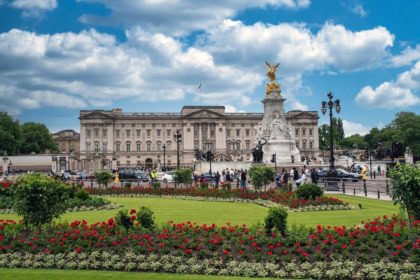
Another reason Westminster Abbey is such an important attraction is its location in the centre of Westminster, next to Big Ben, the Houses of Parliament, and close to Buckingham Palace. This means it is very easy to include Westminster Abbey in a day of sightseeing without needing to travel across London.
For visitors interested in British history, royal history, architecture, or major London landmarks, Westminster Abbey is usually considered one of the must-visit attractions in London, alongside the Tower of London and Buckingham Palace.
Westminster Abbey Quick Overview
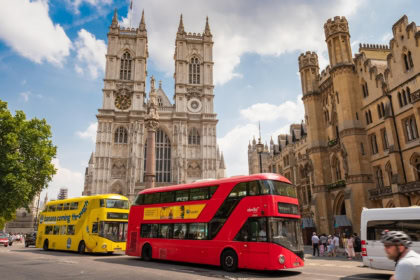
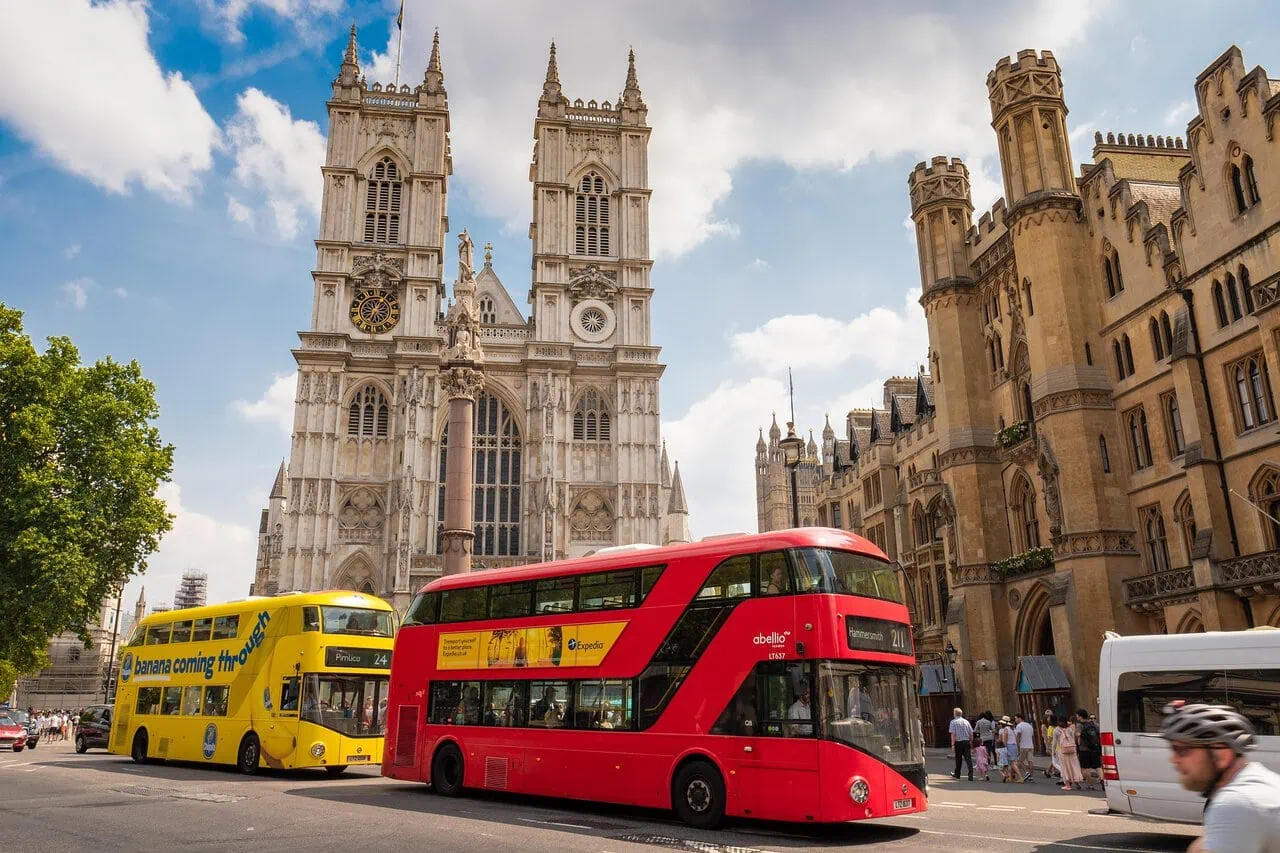
Westminster Abbey is a large historic church located in the Westminster area of central London, next to the Houses of Parliament and Big Ben. Although it is called an abbey, it is technically a royal church rather than a cathedral, and it has been the location of British coronations since 1066.
The current building is mainly Gothic in style and dates back to the 13th century, although there has been a church on this site for over 1,000 years. Over time, different monarchs added chapels, tombs, statues, and memorials, which means the Abbey is not just one building but a collection of historic chapels, tombs, and monuments built over many centuries.
Westminster Abbey is still an active church today, but it is also one of London’s most popular visitor attractions. Visitors can walk through different parts of the church, including the Nave, the Quire, Poets’ Corner, the Lady Chapel, royal tombs, and memorial areas. Audio guides are usually included with entry and help explain the history of the building and the people buried there.
Because Westminster Abbey is located in the middle of Westminster, it is usually visited together with Big Ben, the Houses of Parliament, St James’s Park, and Buckingham Palace, all of which are within walking distance. This makes the area one of the most important sightseeing areas in London and one of the easiest places to build a sightseeing day around.
The History of Westminster Abbey
The history of Westminster Abbey goes back more than 1,000 years, making it one of the oldest and most important buildings in London. The original church on this site was founded in the 10th century, but most of the building visitors see today was constructed during the 13th century under King Henry III, who wanted to build a grand church suitable for royal ceremonies and burials.
Since 1066, every British monarch has been crowned in Westminster Abbey, starting with William the Conqueror. This tradition continues today, which makes Westminster Abbey one of the most important ceremonial buildings in the United Kingdom. The Coronation Chair, which has been used for centuries during coronation ceremonies, is still kept inside the Abbey.
Over the centuries, Westminster Abbey became the burial place for monarchs, poets, scientists, politicians, and national figures. This is why the Abbey contains so many tombs and memorials. One of the most famous areas inside the Abbey is Poets’ Corner, where writers such as Geoffrey Chaucer, Charles Dickens, and Rudyard Kipling are buried or commemorated.
The Abbey has also hosted many important national events, including royal weddings, funerals, and state ceremonies. More recently, it was the location of the weddings of Prince William and Catherine Middleton and Prince Harry and Meghan Markle, as well as the funeral of Queen Elizabeth II’s state service events.
Because of this long history, Westminster Abbey is not just a church or tourist attraction — it is a place where British history, monarchy, religion, and national events all come together, which is why it is considered one of the most important historic sites in London.
What to See Inside Westminster Abbey
There is a lot to see inside Westminster Abbey, and many visitors are surprised by how large and detailed the interior is. The building is made up of several different sections, chapels, tomb areas, and memorial spaces, and it is worth taking your time to walk through slowly rather than rushing through.
One of the first things visitors see is the Nave, which is the large central area of the church with very high gothic ceilings and long stone arches. This is one of the most impressive parts of the building and gives you a sense of the scale and age of the Abbey.
Another important area is Poets’ Corner, where many famous British writers and poets are buried or memorialised. Even if you are not familiar with all the names, this area is historically important and shows how Westminster Abbey became a place to honour important national figures.
Visitors can also see royal tombs, including the tombs of several kings and queens, as well as the Coronation Chair, which has been used during coronations for centuries. The Lady Chapel, also known as Henry VII’s Chapel, is one of the most beautiful parts of the Abbey, with extremely detailed stonework on the ceiling.
As you walk through Westminster Abbey, you are not just looking at a museum — you are walking through a building that has been used for coronations, royal weddings, funerals, and national ceremonies for hundreds of years. This is what makes Westminster Abbey different from many other historic buildings. It is not just old — it is still important today.
Most visitors spend around 1.5 to 2 hours inside Westminster Abbey, especially if they use the audio guide and take time to explore the different chapels and tomb areas.
Westminster Abbey Tickets and Prices
To visit Westminster Abbey, you need to buy an entry ticket because it is both a working church and a major historic attraction. Tickets usually include an audio guide, which is highly recommended because it explains the history of the building, the coronations, royal tombs, and important areas inside the Abbey. Without the audio guide, it is easy to walk through without understanding what you are actually looking at.
Ticket prices can change, but Westminster Abbey is generally considered one of the more expensive historic attractions in London, similar to the Tower of London or St Paul’s Cathedral. However, because of the history and importance of the building, most visitors consider it worth visiting, especially if they are interested in British history or the monarchy.
It is usually best to book tickets online in advance, especially during busy periods such as summer, weekends, and school holidays. Booking in advance can save time and sometimes money, and it also helps you plan your day better because you know what time you will enter.
It is also worth checking whether Westminster Abbey is included in any London attraction passes, especially if you are planning to visit several paid attractions such as the Tower of London, St Paul’s Cathedral, or the London Eye. Depending on how many attractions you plan to visit, a pass can sometimes reduce overall sightseeing costs.
One important thing to remember is that Westminster Abbey is still a working church, so it is closed to visitors during certain services and special events. On some days, visiting hours may be shorter than expected, so always check opening times before your visit.
Best Time to Visit and How Long You Need
The best time to visit Westminster Abbey is usually in the morning shortly after it opens, or later in the afternoon when crowds are smaller. The middle of the day, especially between 11am and 2pm, is usually the busiest time because this is when most tour groups arrive in the Westminster area.
Visiting earlier in the day is often a better experience because the Abbey feels quieter and you can take your time walking through the different chapels and tomb areas. Westminster Abbey is not the type of attraction you want to rush — it is much better when you move slowly and take time to read the information and listen to the audio guide.
Most visitors spend around 1.5 to 2 hours inside Westminster Abbey, although history enthusiasts may spend longer. If you are combining Westminster Abbey with other nearby attractions such as Big Ben, Buckingham Palace, and the London Eye, you should plan this as part of a half-day sightseeing area rather than trying to rush everything in a short period of time.
Westminster Abbey fits very well into a Westminster and Buckingham Palace sightseeing day, which is one of the easiest sightseeing areas in London because many major attractions are within walking distance. A typical route might include Westminster Abbey, Big Ben, the Houses of Parliament, St James’s Park, Buckingham Palace, and then crossing Westminster Bridge towards the London Eye and South Bank.
Because of its location and importance, Westminster Abbey is often included in London in 1 Day, London in 2 Days, and London weekend itineraries, and it is usually one of the main historic attractions visitors choose to see while in London.
Sights Nearby and Combining Westminster Abbey With Other Attractions
One of the biggest advantages of visiting Westminster Abbey is its location in the centre of Westminster, which is one of the most important sightseeing areas in London. Several major London landmarks are within walking distance, which makes it very easy to combine Westminster Abbey with other attractions in the same day.
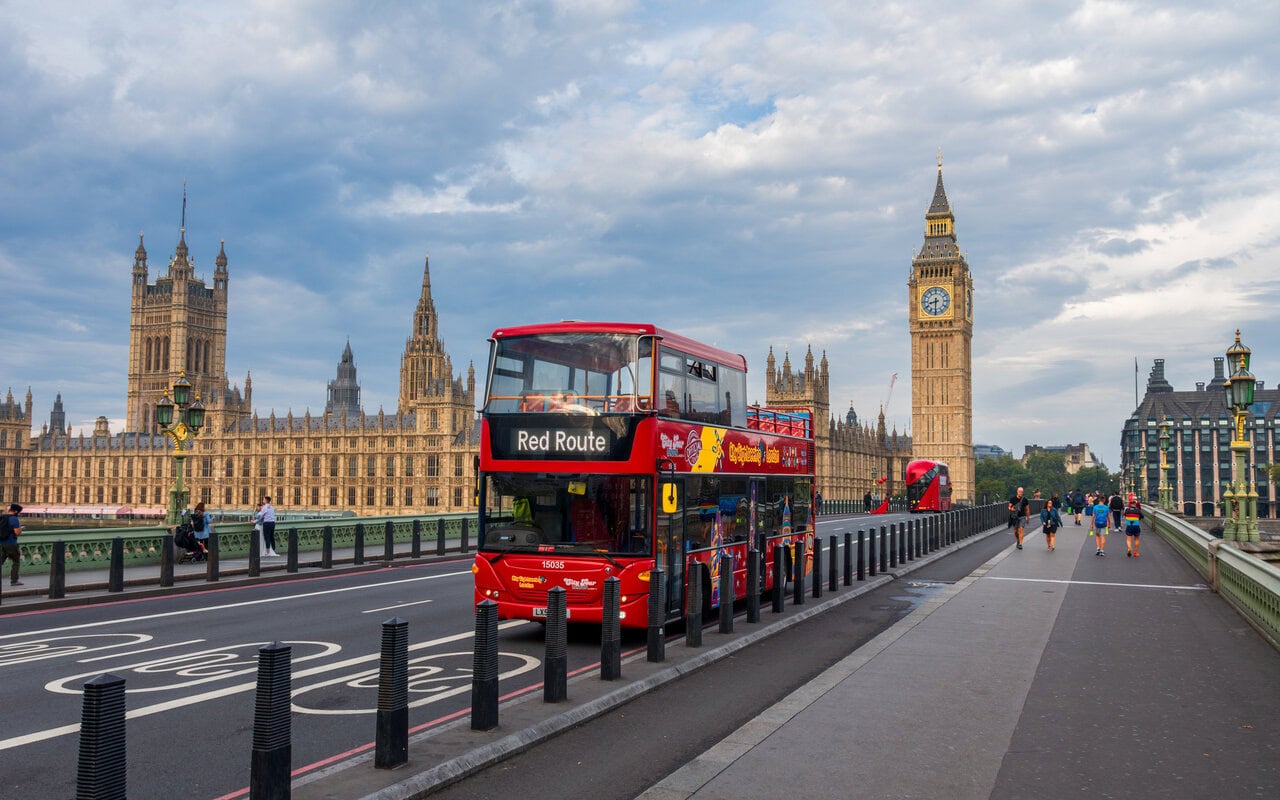
Right next to Westminster Abbey you will find Big Ben and the Houses of Parliament, which are some of the most recognisable landmarks in London. Just a short walk away you can reach St James’s Park and Buckingham Palace, where you can watch the Changing of the Guard if the timing works.
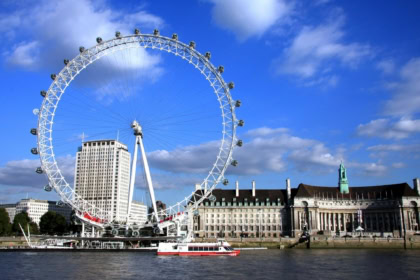
If you walk across Westminster Bridge, you reach the London Eye and the South Bank, where you will also find the London Dungeon, SEA LIFE London Aquarium, riverside walks, and Thames River Cruises. This means you can easily combine Westminster Abbey, Buckingham Palace, Big Ben, the London Eye, and the South Bank all in the same day without needing to use public transport very much.
Many visitors plan a full sightseeing day that looks something like this:
- Westminster Abbey
- Big Ben and Houses of Parliament
- Walk through St James’s Park
- Buckingham Palace
- Cross Westminster Bridge
- London Eye
- South Bank walk or Thames River Cruise
This is one of the most efficient sightseeing routes in London because many major attractions are located close together along the river and around Westminster.
Because of this, Westminster Abbey is not usually visited on its own. It is usually part of a Westminster, Buckingham Palace and South Bank sightseeing day, which is one of the most popular areas for visitors to explore in London.
Westminster Abbey With Kids
Westminster Abbey can be a good place to visit with children, but it depends very much on their age and interest in history. Unlike attractions such as the London Eye or the London Dungeon, Westminster Abbey is a quiet, historic building, so it is not an interactive attraction. However, older children who are interested in kings, queens, castles, and history often find it interesting, especially when they learn that real coronations, royal weddings, and famous burials have taken place here.
The audio guides often include family-friendly versions, which help explain the history in a simpler way and can make the visit more engaging for younger visitors. Children often find it interesting to see the Coronation Chair, royal tombs, and Poets’ Corner, especially if they recognise names they have learned about at school.
Because Westminster Abbey is located near St James’s Park and Buckingham Palace, visiting the Abbey with children works well if you combine it with time in the park, watching the Changing of the Guard, or visiting other attractions nearby. This helps balance historic sightseeing with outdoor space and more interesting activities for children.
If you are visiting London with children, Westminster Abbey usually works best as part of a Westminster and Buckingham Palace day, rather than as the only activity of the day.
Tips for Visiting Westminster Abbey
There are a few tips that can make your visit to Westminster Abbey much more enjoyable and easier to plan. The first and most important tip is to book tickets in advance, especially during busy tourist seasons. Westminster Abbey is one of London’s most popular historic attractions, and queues can be long during weekends and school holidays.
Another important tip is to use the audio guide that is included with your ticket. Westminster Abbey has a huge amount of history, and without the audio guide it is easy to walk through the building without understanding what you are looking at. The audio guide explains the history of the Abbey, coronations, royal tombs, Poets’ Corner, and many of the important memorials.
It is also important to remember that Westminster Abbey is a working church, not just a tourist attraction. This means visitors should dress respectfully, keep noise to a minimum, and follow instructions from staff. Photography is usually not allowed inside the Abbey, which surprises some visitors, so be prepared for that.
Try to visit earlier in the day or later in the afternoon if possible, as the middle of the day is usually the busiest time with large tour groups. Visiting when it is quieter makes the experience much more enjoyable because the Abbey feels more peaceful and less crowded.
Finally, plan your visit as part of a Westminster sightseeing day, including Big Ben, Buckingham Palace, and the London Eye, rather than travelling across London just to visit the Abbey on its own.
How to Get to Westminster Abbey
Westminster Abbey is very easy to reach because it is located in central London in the Westminster area, next to the Houses of Parliament and Big Ben. Several Underground stations are within walking distance, and many bus routes pass through this area.
The closest Underground station is Westminster Station, which is served by the Jubilee, District, and Circle lines. When you exit Westminster Station, you are immediately next to Big Ben and the Houses of Parliament, and Westminster Abbey is only a few minutes’ walk away from there.
Other nearby stations include St James’s Park Station and Victoria Station, both of which are within walking distance if you are visiting Buckingham Palace and the Westminster area on the same day.
Many visitors also reach Westminster using hop-on hop-off sightseeing buses, which usually stop near Westminster Abbey, Big Ben, and the London Eye. River transport is another option, as Thames River Cruises and Uber Boat services stop at Westminster Pier, which is a short walk from the Abbey.
Because Westminster Abbey is located in one of the most central sightseeing areas in London, it is usually very easy to include it in your itinerary without needing to travel far across the city.
Opening Hours and Practical Information
Westminster Abbey opening hours vary depending on the day, season, and whether services or special events are taking place, because the Abbey is still a working church and not just a tourist attraction. In general, the Abbey is open to visitors during the daytime from Monday to Saturday, but it is usually closed to tourists on Sundays, when the building is used for church services only. Visitors can attend services on Sundays, but sightseeing is not normally allowed.
It is always important to check the official Westminster Abbey website before visiting, because opening hours can change due to services, ceremonies, or special events. Sometimes the Abbey may close early or open later than expected, especially if there are official events taking place.
Visitors should try to arrive early in the day if possible, as this is usually the quietest time to visit. The Abbey can become very busy in the middle of the day, particularly during summer and school holidays when tour groups arrive in the Westminster area.
Security checks are in place before entering Westminster Abbey, and bags may be checked before entry. Large luggage is not allowed inside, so it is best to travel light when visiting. Photography is generally not allowed inside the Abbey, which surprises some visitors, so be prepared to enjoy the building without taking photos inside.
There are toilets, cafes, and restaurants nearby, particularly around Westminster, Victoria, and the South Bank area across the river. Many visitors combine Westminster Abbey with Big Ben, Buckingham Palace, St James’s Park, and the London Eye, which are all within walking distance.
Accessibility and Facilities
Westminster Abbey is accessible to most visitors, although because it is a very old historic building, some areas have uneven floors, steps, and narrow passages. There is step-free access available to many parts of the Abbey, and staff are available to assist visitors who need help.
Wheelchair access is available, and accessible toilets are located nearby. Visitors who require assistance are usually advised to check accessibility information in advance before visiting to make sure the areas they want to see are accessible.
Because Westminster Abbey is located in central London, the surrounding area is easy to navigate, with wide pavements, pedestrian crossings, nearby Underground stations, and parks such as St James’s Park where visitors can sit and rest. There are also plenty of cafes and restaurants in the Westminster and Victoria areas.
Families with pushchairs can visit Westminster Abbey, although pushchairs may need to be left in designated areas depending on space and visitor numbers. The Abbey is generally more suitable for older children and adults, as younger children may find the visit less interesting unless they are particularly interested in history or royal buildings.
Overall, Westminster Abbey is one of the easier historic buildings in London to visit, especially because it is located in such a central area with many nearby facilities and transport options.

Rupert’s Handy Travel Tips
Planning to visit Westminster Abbey? Here are a few useful tips to help you make the most of your visit to one of London’s most historic buildings:
- Visit in the morning if possible: Westminster Abbey is usually quieter earlier in the day before large tour groups arrive.
- Use the audio guide: The Abbey has a huge amount of history, and the audio guide helps explain the coronations, royal tombs, and Poets’ Corner.
- Combine nearby attractions: Westminster Abbey is very close to Big Ben, Buckingham Palace, St James’s Park, and the London Eye, so plan a full sightseeing day in this area.
- Remember it is a working church: Opening hours can change due to services and events, so always check before visiting.
Want to meet the reindeer behind our travel tips? Find out more in our page Who is Rupert?.
Westminster Abbey Frequently Asked Questions
How long does it take to visit Westminster Abbey?
Most visitors spend around 1.5 to 2 hours inside Westminster Abbey, especially if they use the audio guide and visit Poets’ Corner and the royal tombs.
Is Westminster Abbey worth visiting?
Yes, especially if you are interested in British history, the monarchy, architecture, and historic buildings. It is one of the most important historic sites in London.
Do you need to book Westminster Abbey tickets in advance?
It is recommended to book tickets in advance, especially during busy tourist seasons and weekends.
Is Westminster Abbey included in London attraction passes?
Westminster Abbey is included in some London attraction passes, so it may be worth checking if you plan to visit several paid attractions.
Can you take photos inside Westminster Abbey?
Photography is generally not allowed inside Westminster Abbey.
Is Westminster Abbey free to visit?
Visitors usually need to buy a ticket, but you can attend church services for free, although sightseeing is not allowed during services.
What is the closest Underground station to Westminster Abbey?
The closest station is Westminster Underground Station, which is only a few minutes’ walk away.
Further Reading & Related Guides
If you are planning your trip, make sure to read our London Attractions Guide, which covers where to stay, transport, attractions and how to plan your time in the city. This will help you build your itinerary properly and group attractions together so you don’t waste time travelling back and forth across London.
Because Westminster Abbey is located in the Westminster area, many visitors combine it with nearby attractions such as Big Ben, the Houses of Parliament, Buckingham Palace, St James’s Park and the London Eye. These attractions are all located close together and are easy to visit on the same day.
If you are planning your itinerary, you may also want to read our London in 1 Day, London in 2 Days, London in 3 Days and London in a Weekend guides, which explain how to group attractions by area and make the most of your time in the city.
Before travelling around London, it is also worth reading our Getting Around London guide and Oyster vs Contactless guide so you understand how London transport works and the easiest way to travel between attractions.
Reading these guides together will help you plan your London itinerary more efficiently, group nearby attractions together and make the most of your time in the city.
Last Updated
This guide to Westminster Abbey was last updated in April 2026. Attraction opening hours, ticket prices and visitor information can change, so always check official sources before visiting.
Affiliate Disclosure
This page may contain affiliate links. If you book tickets or tours through these links, we may earn a small commission at no extra cost to you. This helps support the website and allows us to continue creating detailed travel guides and itineraries.