
Why UK Christmas Markets Are Worth Visiting
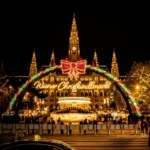
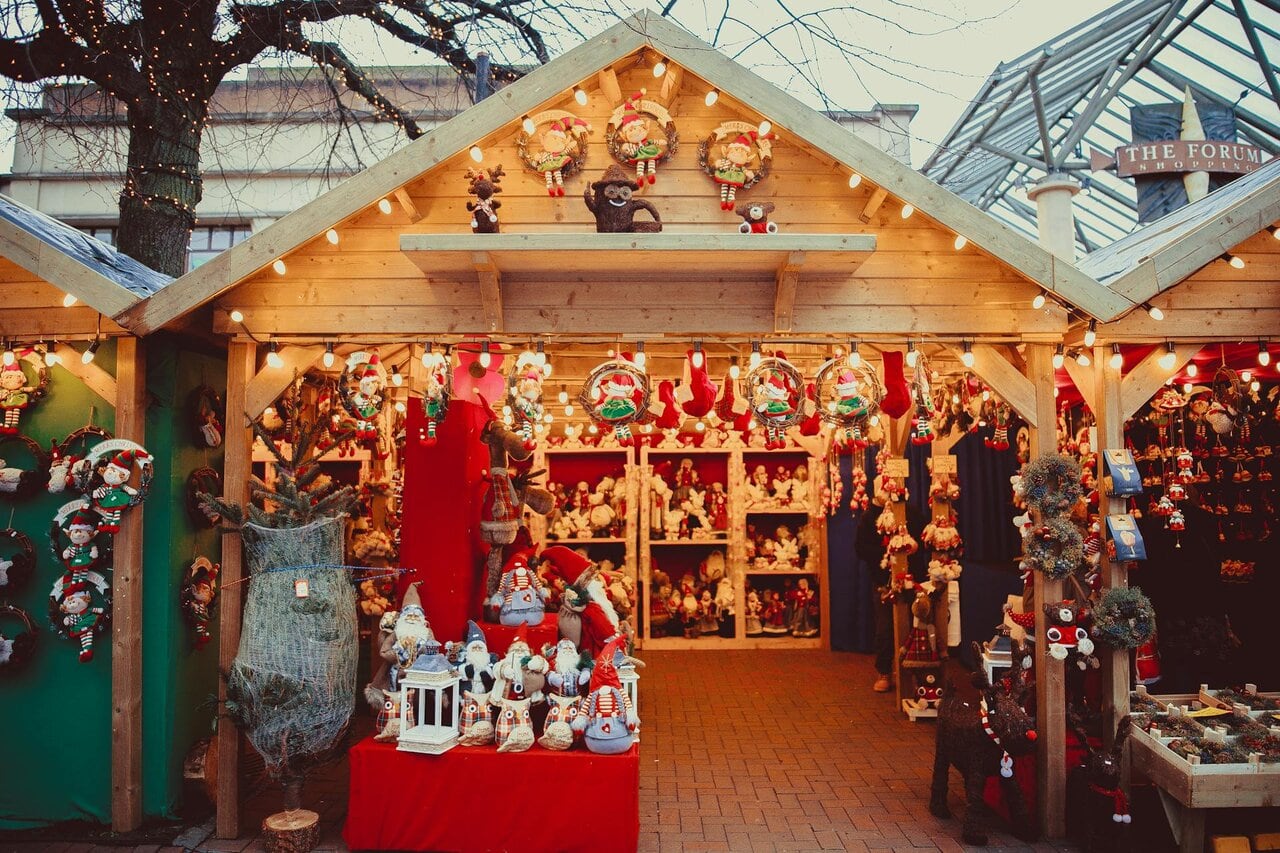
The UK Christmas markets guide wouldn’t exist if these markets weren’t genuinely worth visiting. Across the country, towns and cities transform during November and December with lights, wooden stalls, festive music, and the smell of mulled wine and street food in the air. Even cities you might normally visit for shopping or football suddenly feel completely different in winter.
One of the biggest reasons to visit UK Christmas markets is the atmosphere. Many markets are set in historic squares, cathedral grounds, or city centres, which makes them feel festive without needing artificial theme park decorations. Places like York, Bath and Edinburgh in particular feel like they were designed for Christmas markets.
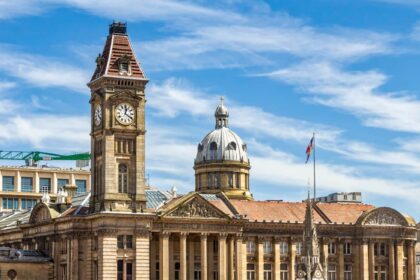
Another reason people travel around the country for markets is that each city has a slightly different style. Birmingham has the large German-style Frankfurt market, Manchester spreads its markets across multiple squares, Edinburgh combines markets with fairground rides, and Bath focuses more on crafts and gifts. Visiting different cities gives very different experiences rather than just repeating the same market.
It’s also worth remembering that Christmas markets are not just about shopping. In reality, most people go for food, drinks, decorations, lights, and atmosphere rather than buying presents. Many visitors treat them as a winter city break rather than just a market visit.
The UK Christmas markets season usually runs from mid-November until just before Christmas, although some cities keep lights, ice rinks, and winter attractions open into early January. Because the days are short and it gets dark early, markets often feel busiest and most atmospheric in the late afternoon and evening rather than during the morning.
If you are planning winter travel around Britain, building trips around Christmas markets is one of the easiest ways to turn a normal city break into a festive trip without needing to travel to mainland Europe.
UK Christmas Market Calendar and Typical Opening Dates
One of the most useful things when planning festive travel is understanding when UK Christmas markets actually open. Many people assume they all open in December, but in reality most start in mid-November and finish a few days before Christmas.
The larger markets usually open earlier because they attract visitors from across the country and internationally. Manchester, Birmingham and Edinburgh typically open in mid-November, while smaller markets such as Bath or Winchester often open later and run for a shorter period.
The busiest period across almost all markets is usually late November to mid-December, especially Friday evenings and weekends. If you want the atmosphere without the crowds, the best time to visit is often Monday to Wednesday evenings.
Below is a general guide to typical UK Christmas market dates. Exact dates change slightly each year, but the pattern is very consistent.
UK Christmas Market Calendar and Typical Opening Dates
| City | Typical Dates | Market Size | Best For | Nearest Airport |
|---|---|---|---|---|
| Manchester | Mid Nov – 22 Dec | Very Large | Variety & city atmosphere | Manchester |
| Birmingham | Mid Nov – 23 Dec | Very Large | German market | Birmingham |
| Edinburgh | Mid Nov – Early Jan | Large | Scenic & attractions | Edinburgh |
| Bath | Late Nov – Mid Dec | Medium | Crafts & gifts | Bristol |
| York | Mid Nov – 22 Dec | Medium | Historic setting | Leeds Bradford |
| London | Mid Nov – Early Jan | Very Large | Multiple markets | London airports |
| Winchester | Late Nov – Mid Dec | Medium | Traditional market | Southampton |
| Leeds | Late Nov – Late Dec | Medium | German-style market | Leeds Bradford |
| Nottingham | Mid Nov – Late Dec | Medium | Winter Wonderland | East Midlands |
| Belfast | Mid Nov – 22 Dec | Medium | International stalls | Belfast |
This calendar approach helps when planning trips because you can combine multiple markets in one trip, especially in northern England where cities like Manchester, Leeds and York are close together by train.
Best Christmas Markets in the UK
When people search for a UK Christmas markets guide, they are usually trying to work out which cities are actually worth visiting. Not all markets are the same size, and some are much better for a full weekend trip than others.
Manchester is often considered the biggest Christmas market in the UK, with stalls spread across multiple squares and streets rather than being in just one location. This makes it feel more like a city-wide event rather than a single market.
Birmingham hosts the Frankfurt Christmas Market, which is the largest German-style Christmas market outside Germany and Austria. It focuses heavily on German food, beer, sausages, and traditional stalls.
Edinburgh is one of the most scenic markets because it sits under Edinburgh Castle and includes rides, ice skating, and winter attractions. It works particularly well for a weekend trip because the city itself is very walkable and full of historic streets.
Bath Christmas Market is smaller but often considered one of the nicest because it focuses on crafts, gifts, and handmade items rather than just food and drink stalls. The market is set around Bath Abbey and the Roman Baths, which makes the setting particularly impressive in the evening.
York’s St Nicholas Fair is another popular market because the historic streets and old buildings make the city feel naturally festive. York is also easy to combine with Leeds Christmas Market on the same trip.
London has multiple Christmas markets rather than one single large one. Winter Wonderland in Hyde Park is the biggest attraction, but there are also markets along the South Bank, Leicester Square, and around Covent Garden.
Choosing the best market really depends on what you want. Some are better for food and drinks, some for gifts, and some for atmosphere and scenery. Many travellers end up visiting several cities over a few years rather than trying to pick just one.
Manchester Christmas Markets Guide
Manchester Christmas Markets are usually considered the biggest and most famous Christmas markets in the UK, and they are spread across the city centre rather than being in one single square. This makes the whole city feel festive rather than just one area.
The main market areas are usually located in Albert Square, St Ann’s Square, King Street, Exchange Square, Cathedral Gardens and Piccadilly Gardens. Each area tends to have a slightly different style, with some focusing more on food and drink while others have more gifts and craft stalls.
One of the reasons Manchester markets are so popular is the food and drink selection. You will find bratwurst, burgers, Yorkshire pudding wraps, pancakes, churros, hot chocolate, mulled wine, and beer tents across the markets. Many people visit purely to walk between markets and try different food rather than to shop.
The markets get extremely busy on Friday evenings and Saturdays, so if possible it is much better to visit midweek evenings. The atmosphere is still great, but you can actually walk around without being stuck in crowds.
Manchester is also a good base because you can easily combine the trip with shopping, football stadium tours, museums, or day trips. This makes it one of the easiest Christmas market city breaks to plan in the UK.
Transport to Manchester is easy from most parts of the UK by train, and the markets are within walking distance of Manchester Piccadilly, Victoria and Oxford Road stations. If staying overnight, it is best to book hotels early because prices increase significantly during the Christmas market period.
Food and Drink to Try at UK Christmas Markets
One of the main reasons people visit Christmas markets is not actually shopping, but food and drink. In many UK cities, the markets are as much about eating and socialising as they are about buying gifts. Walking between stalls with hot food and a drink has become part of the Christmas tradition in many British cities.
The most common drink you will see is mulled wine, usually sold from wooden huts or themed bars. Some markets also sell mulled cider, hot chocolate, and winter cocktails. Beer tents are very common at larger markets like Manchester and Birmingham, especially those with German themes.
Food varies slightly from city to city, but some things appear at almost every UK Christmas market. The most famous is probably the German bratwurst sausage, often served in a long roll with fried onions and mustard. You will also see burgers, loaded fries, pancakes, waffles, churros, and toasted sandwiches at many markets.
In recent years, UK Christmas markets have also become known for Yorkshire pudding wraps, which are filled with roast beef, gravy, stuffing and vegetables. These are very popular in northern England markets like Manchester, Leeds and York.
Cheese stalls are also common, particularly raclette stalls where melted cheese is scraped over potatoes, bread or meats. These stalls are usually easy to find because you can smell them before you see them.
Dessert stalls are another big part of the markets, selling things like fudge, brownies, cookies, doughnuts and chocolate-covered fruit. Many visitors end up buying food and desserts rather than gifts.
Overall, the food and drink are a major part of the experience, and many people visit markets simply to walk, eat, drink and enjoy the atmosphere rather than to shop.
Tips for Visiting UK Christmas Markets
Visiting Christmas markets is much more enjoyable if you plan a little in advance, especially because some markets get extremely busy. A few simple tips can make the experience much better.
The first tip is to avoid peak times if possible. Friday evenings and Saturdays are by far the busiest times at most UK Christmas markets. If you want a more relaxed visit, try going on a Monday, Tuesday or Wednesday evening instead.
Another important tip is to book hotels early if you are staying overnight. Christmas market weekends are some of the busiest weekends of the year for hotels in cities like York, Bath, Edinburgh and Manchester, and prices rise quickly.
You should also expect to spend more than you think. Food, drinks and gifts at Christmas markets are not usually cheap, and it is easy to spend quite a lot without realising. Many stalls now accept card payments, but it can still be useful to have some cash.
Dress warmly because most markets involve a lot of standing and walking outdoors, often in cold or wet weather. Gloves and a hat make a big difference if you are outside for several hours.
It is also worth combining Christmas markets with other attractions. Many cities have ice rinks, Christmas lights trails, shopping areas, museums and stadium tours that can turn a market visit into a full weekend trip.
Planning your visit properly can turn a crowded, expensive evening into a really enjoyable festive city break.
Suggested Christmas Market City Break Itineraries
One of the best ways to use a UK Christmas markets guide is to plan short winter city breaks rather than just visiting one market for a few hours. Many UK cities with Christmas markets are well connected by train, so it is easy to visit more than one in a trip.
A popular trip in northern England is Manchester, Leeds and York. You could stay in Manchester, visit the markets there, then take a train to Leeds Christmas Market and continue on to York’s St Nicholas Fair. All three cities are relatively close together and well connected by rail.
Another good trip is Birmingham and Stratford-upon-Avon, combining the Birmingham Frankfurt Market with a historic town visit. Birmingham’s market is large enough to spend most of a day there.
In the south of England, a good combination is London and Winchester or London and Bath, depending on where you are travelling from. Bath Christmas Market is particularly popular for weekend trips because the city is compact and very scenic in winter.
For Scotland, Edinburgh works well as a standalone Christmas market city break, but it can also be combined with Glasgow if you want a longer trip.
These types of trips work well because Christmas markets are usually best in the late afternoon and evening, which leaves the daytime free for sightseeing, shopping or museums.
Planning trips like this also helps spread travel costs and makes the trip feel more like a winter holiday rather than just visiting a market for a few hours.
Transport Between UK Christmas Market Cities
Transport is an important part of planning Christmas market trips because many people visit more than one city in a single trip. Fortunately, most major UK Christmas market cities are connected by train, which is usually the easiest way to travel between them.
Trains are often the best option for routes such as Manchester to Leeds, Leeds to York, London to Bath, London to Birmingham, and Edinburgh to Glasgow. City centre train stations also mean you usually arrive within walking distance of the markets.
Driving is another option, but parking in city centres during Christmas market season can be difficult and expensive. Many cities operate park and ride systems during the Christmas period, which can be much easier than trying to park in the centre.
Coaches are usually cheaper than trains but take longer. They can still be useful if you are travelling between cities where train tickets are expensive or if you book late.
If you are planning to visit several markets in different cities, it is often worth booking train tickets in advance because prices increase closer to travel dates, especially in December.
Overall, trains are usually the easiest way to travel between UK Christmas market cities, while driving can work better for smaller towns or if you are visiting several places in one day.
Where to Stay for UK Christmas Markets
Choosing where to stay can make a big difference to your Christmas market trip. The best option in most cities is usually a hotel within walking distance of the city centre, because markets are normally spread across central squares and shopping areas rather than being in one single location.
Staying centrally means you can easily return to your hotel to drop off shopping, warm up, or take a break before heading back out in the evening when the markets are at their busiest and most atmospheric. Many people find that Christmas markets are best visited twice in one day, once in the afternoon and again after dark when the lights are on.
Hotels near main train stations can also be a good option. In cities like Manchester, York, Birmingham and Edinburgh, the train station is usually very close to the markets, so staying near the station makes arriving and leaving much easier, especially if you are only staying one night.
If city centre hotels are expensive, another option is to stay slightly outside the centre near tram, metro or train lines. This can often save money while still allowing easy access to the markets in the evening.
It is important to book accommodation early if you plan to visit Christmas markets on weekends, because hotel prices often increase significantly in November and December, especially in popular cities like Bath, York and Edinburgh.
For longer trips where you plan to visit multiple markets, it can sometimes be easier to stay in one larger city and travel to smaller markets by train during the day, rather than changing hotels every night.
UK Christmas Markets vs European Christmas Markets
Many travellers compare UK Christmas markets with the famous markets in Germany, Austria, Prague or Budapest. While European markets are often larger and more traditional, UK Christmas markets have become very popular and are much easier for UK travellers to visit without flights.
European Christmas markets tend to focus more on traditional wooden stalls, crafts, decorations and local foods, while UK markets often focus more heavily on food, drinks and social atmosphere. In the UK, many people treat Christmas markets as an evening out rather than a shopping trip.
Germany is often considered the home of Christmas markets, with cities like Cologne, Munich and Nuremberg hosting some of the most famous markets in the world. Austria, particularly Vienna and Salzburg, is also well known for very traditional and scenic markets.
Cities such as Prague, Budapest and Krakow have also become popular for Christmas market trips because they combine historic city centres with relatively low prices, making them popular for weekend trips.
However, UK Christmas markets are much easier to visit for short trips because you do not need flights, hotels can be booked for one night, and transport between cities is easy. This makes UK markets ideal for weekend trips or even day trips.
Many travellers end up visiting UK markets in some years and European markets in other years, rather than choosing one over the other.
If you are interested in European Christmas markets, you can also explore the official European Best Destinations Christmas market guide here,
Frequently Asked Questions About UK Christmas Markets
When do UK Christmas markets start?
Most UK Christmas markets open between mid-November and late November and run until a few days before Christmas. Some winter attractions and ice rinks stay open into early January.
Which is the biggest Christmas market in the UK?
Manchester Christmas Markets and Birmingham Frankfurt Christmas Market are usually considered the largest in the UK, with markets spread across large areas of the city centre.
Are UK Christmas markets expensive?
Food, drinks and gifts can be quite expensive at Christmas markets, especially in larger cities. Many people visit more for the atmosphere and food rather than shopping.
Which UK Christmas market is best for a weekend trip?
York, Bath, Edinburgh and Manchester are all very popular for Christmas market weekend trips because the markets are close to the city centre and there are plenty of other attractions nearby.
Do UK Christmas markets open after Christmas?
Most markets close just before Christmas, but some winter attractions, ice rinks and Christmas light displays remain open until early January, especially in London and Edinburgh.

Rupert’s Handy Travel Tips
Heading to UK Christmas markets this winter? Here are a few useful tips to make your visit smoother:
- Visit midweek if possible: Markets are far quieter Monday to Wednesday evenings than on weekends.
- Book hotels early: Prices rise quickly in November and December in popular market cities.
- Wrap up warm: You will spend more time outdoors than you expect walking between stalls.
- Combine cities: Many UK Christmas market cities are close together by train, making multi-city trips easy.
Want to meet the reindeer behind our travel tips? Find out more in our page Who is Rupert?.
Further Reading & Related Travel Guides
Planning a festive winter trip or looking for Christmas travel inspiration? These guides will help you plan Christmas markets, winter trips and festive holidays across the UK and Europe.
Explore the best festive cities, market dates and winter travel ideas across the continent → European Christmas Markets Guide: Best Cities, Dates & Winter Trips
Planning a magical winter trip to the Arctic Circle? Learn about costs, activities, reindeer, Santa Claus Village and how to plan your trip → Visiting Santa in Lapland: Complete Travel Guide, Costs & Tips
Looking for winter sun, festive cities or snowy destinations? Explore the best destinations for December travel → Best Places to Visit in December: Winter Sun, Snow & Festive Trips
Last Updated
March 2026
Affiliate Disclosure
This page contains affiliate links. If you click through and make a purchase or booking, we may earn a small commission at no extra cost to you. This helps support our work and allows us to continue providing detailed, independent travel advice. We only recommend apps and services we personally use or have verified as high-quality.