
Using ScotRail Trains in Scotland
Train travel is one of the easiest and most scenic ways to get around Scotland, and ScotRail operates the majority of domestic passenger train services across the country. Whether you are travelling between major cities like Glasgow and Edinburgh or heading into the Highlands, trains are often faster, more comfortable, and more scenic than driving.
Scotland’s rail network connects cities, towns, ferry ports, and remote Highland areas, making it extremely useful for travellers who want to explore without hiring a car. Many ferry connections to the Scottish islands are designed to connect with trains, particularly routes from Glasgow, Inverness and Edinburgh.
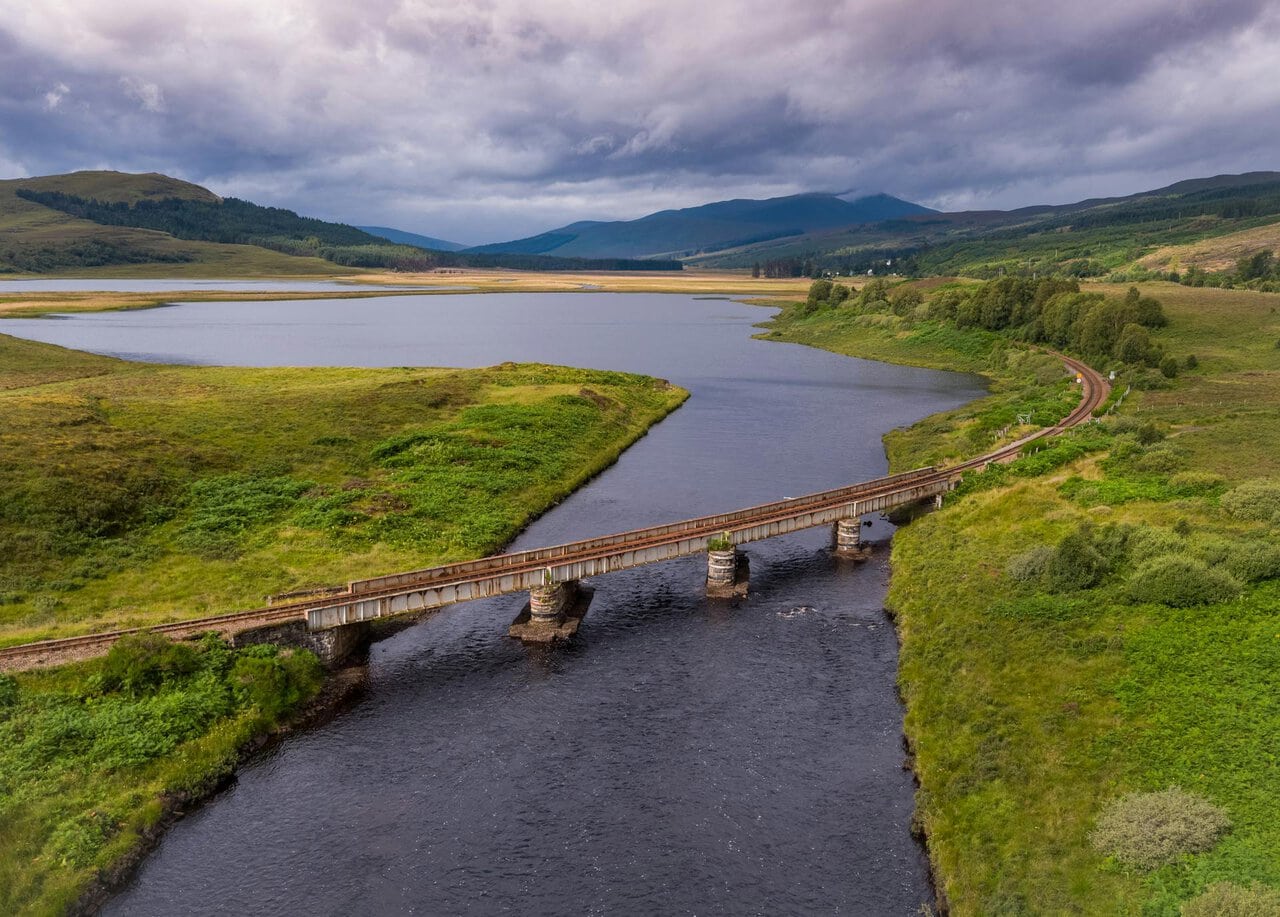
One of the biggest advantages of travelling by train in Scotland is the scenery. Some routes pass lochs, mountains, coastlines, forests and remote moorland, and several railways are considered among the most scenic in Europe. This means that train travel in Scotland is not just transport — it is often part of the travel experience itself.
ScotRail trains are generally clean, reliable, and easy to use, and most routes run multiple services per day. On busy routes like Glasgow to Edinburgh, trains run very frequently, often every 15 minutes. In more remote areas such as the Highlands, services are less frequent, but the journeys are often incredibly scenic and relaxed compared to motorway driving.
If you are planning to travel around Scotland without a car, using ScotRail trains will likely be a major part of your trip, especially for routes into the Highlands, to ferry ports, and between Scotland’s major cities.
Where Trains Go in Scotland
Scotland’s rail network covers much more of the country than many visitors expect. While there are no railways on most islands, the train network connects to many ferry ports, allowing you to combine rail and ferry travel easily.
The main rail hubs in Scotland are Glasgow, Edinburgh, Inverness, Aberdeen, Dundee and Stirling, and most routes connect through these cities. From these hubs, trains run to coastal towns, Highland villages, ferry terminals, and smaller towns across the country.
From Glasgow, trains run west towards Oban, north towards Fort William, south towards Ayr and Stranraer, and east towards Edinburgh. Glasgow is one of the most important rail hubs in Scotland and is often the starting point for Highland rail journeys.
From Edinburgh, trains run north to Inverness and Aberdeen, west to Glasgow and Stirling, and south towards the English border and London. Edinburgh is particularly important for east coast rail routes.
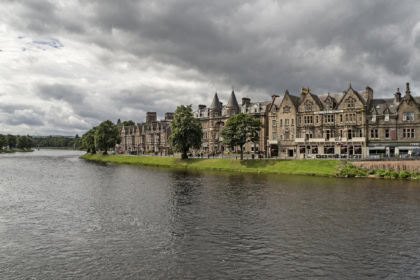
Inverness is the main rail hub for the Highlands. From here, trains run to Kyle of Lochalsh, Wick, Thurso, Aberdeen, Edinburgh and Glasgow, making it a key transport centre for northern Scotland.
Many rail routes also connect directly to ferry terminals, which is extremely useful if you are travelling to the islands. Examples include Ardrossan for the Isle of Arran, Wemyss Bay for the Isle of Bute, Oban for Mull and Barra, and Mallaig for Skye ferry connections.
Overall, the rail network allows you to reach most major destinations in mainland Scotland without needing a car, and many of the journeys are scenic enough to be attractions in their own right.
Major ScotRail Routes
There are several major rail routes that form the backbone of train travel in Scotland. These routes connect the main cities and transport hubs and are the most commonly used by both locals and travellers.
The most important route is Glasgow to Edinburgh, which is Scotland’s busiest rail line. The journey takes around 50 minutes and trains run very frequently throughout the day. Many travellers use this route when visiting both cities on the same trip.
Another key route is Edinburgh to Inverness, which runs through the Highlands via Perth and Aviemore. This journey takes around three and a half hours and offers beautiful Highland scenery along the way, especially around the Cairngorms National Park.
The Glasgow to Inverness route is also very important and travels through the central Highlands, passing mountains, forests and lochs. This is a popular route for travellers heading to the Highlands without a car.
On the east coast, the Edinburgh to Aberdeen route connects Scotland’s capital with the northeast and is commonly used for both business and tourism travel.
There are also several routes that connect directly to ferry ports, which are particularly useful if you are combining rail and ferry travel. For example, trains run from Glasgow to Ardrossan Harbour for ferries to Arran, and from Glasgow to Wemyss Bay for ferries to the Isle of Bute.
These major routes make it possible to travel across most of Scotland by train, and in many cases train travel is easier than driving, especially between major cities.
| Route | Approx Travel Time | Notes |
|---|
| Glasgow – Edinburgh | ~50 mins | Scotland’s busiest rail route |
| Edinburgh – Inverness | ~3.5 hrs | Highland scenery via Aviemore |
| Glasgow – Inverness | ~3.5 hrs | Scenic central Highlands route |
| Edinburgh – Aberdeen | ~2.5 hrs | Main east coast route |
| Glasgow – Oban | ~3 hrs | West Highland Line |
| Glasgow – Fort William | ~4 hrs | Very scenic Highland route |
| Inverness – Kyle of Lochalsh | ~2.5 hrs | One of the most scenic railways |
| Inverness – Wick / Thurso | ~4 hrs | Far North Line |
| Glasgow – Ayr | ~50 mins | Coastal route |
| Glasgow – Ardrossan Harbour | ~45 mins | Ferry connection to Arran |
| Glasgow – Wemyss Bay | ~1 hr | Ferry connection to Isle of Bute |
Scenic Rail Lines in Scotland
Scotland is home to some of the most scenic railway lines in the world, and many travellers use trains specifically for the views rather than just transport. Several Scottish rail routes are considered bucket list train journeys, especially in the Highlands.
The most famous scenic railway is the West Highland Line, which runs from Glasgow to Fort William and Mallaig. This line passes through Rannoch Moor, Glen Coe, Ben Nevis and the Glenfinnan Viaduct, which is famous from the Harry Potter films. This is widely considered one of the most scenic train journeys in Europe.
Another spectacular route is the Kyle of Lochalsh Line, which runs from Inverness to the west coast near the Isle of Skye. This railway passes through remote Highland landscapes, mountains, lochs and small villages, and is often described as one of the most beautiful rail journeys in the UK.
The Far North Line from Inverness to Wick and Thurso is another incredible journey, travelling through very remote northern landscapes, peat moorland, small fishing villages and coastal scenery. This route feels very different from the rest of the UK and shows a much wilder side of Scotland.
There is also the Borders Railway from Edinburgh to Tweedbank, which reopened in 2015 and travels through rolling countryside and historic border towns. While less dramatic than the Highland routes, it is still a very scenic and relaxing journey.
These scenic railways are one of the biggest reasons many visitors choose train travel in Scotland, because the journey itself often becomes one of the highlights of the trip.
| Rail Line | Route | Why It’s Scenic |
|---|
| West Highland Line | Glasgow – Fort William – Mallaig | Mountains, lochs, Glenfinnan Viaduct |
| Kyle Line | Inverness – Kyle of Lochalsh | Highlands, lochs, west coast scenery |
| Far North Line | Inverness – Wick / Thurso | Remote north coast and moorland |
| Borders Railway | Edinburgh – Tweedbank | Rolling countryside and historic towns |
| Stranraer Line | Glasgow – Stranraer | Coastal views and rural landscapes |
| Highland Main Line | Perth – Inverness | Cairngorms scenery |
Types of Trains in Scotland
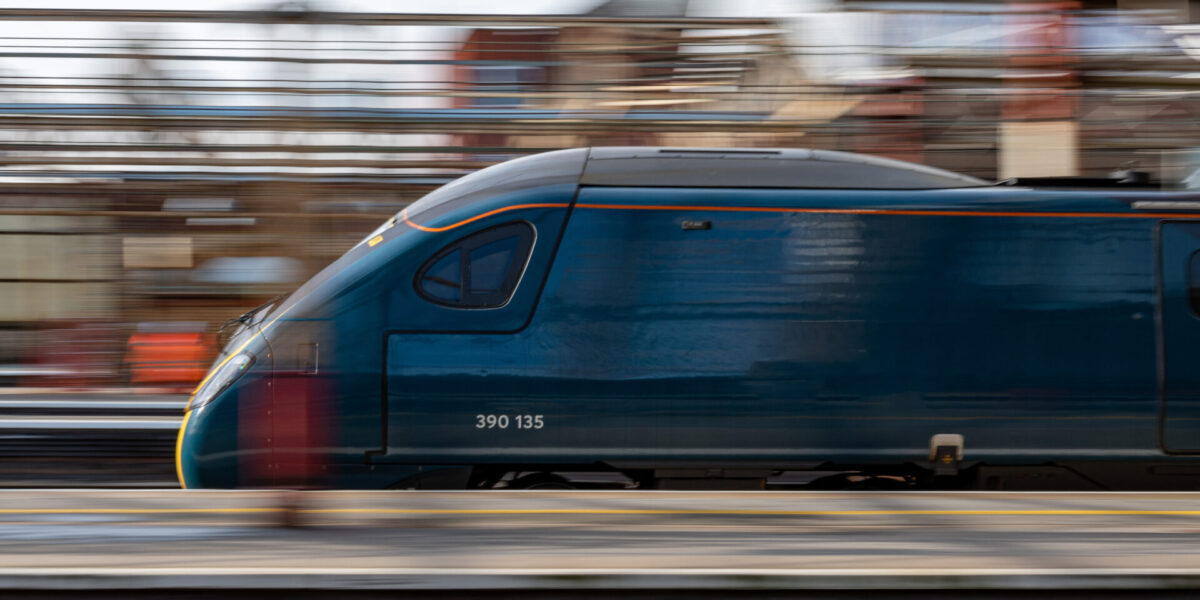
ScotRail operates several different types of trains across Scotland, and the type of train you travel on will depend on the route. Some trains are designed for short commuter journeys between cities, while others are built for long scenic journeys through the Highlands, with larger windows and more luggage space.
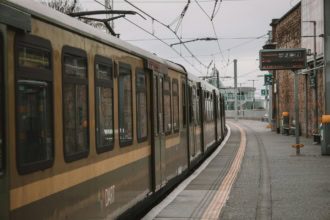
On busy city routes such as Glasgow to Edinburgh, trains are usually modern electric trains with comfortable seating, tables on some services, luggage racks and toilets. These services are frequent and are used heavily by commuters as well as travellers.
On longer routes such as Edinburgh to Inverness, Glasgow to Fort William, and Inverness to Kyle of Lochalsh, trains are typically diesel trains designed for longer journeys. These often have large windows for scenic viewing, toilets, luggage space and sometimes small refreshment facilities. These Highland trains are slower than city trains, but the journeys are much more scenic and relaxed.
Some very rural routes use smaller trains with fewer carriages, particularly on lines such as the Far North Line and some west coast routes. These trains are simple but comfortable and are part of what makes rail travel in Scotland feel very different from rail travel in England or mainland Europe.
Overall, Scotland’s trains are comfortable and easy to use, and while they are not high-speed trains, the scenery and relaxed pace often make train travel more enjoyable than driving.
The Caledonian Sleeper
The Caledonian Sleeper is one of the most famous train services in the UK and connects London with Scotland overnight, stopping at cities including Edinburgh, Glasgow, Inverness, Fort William and Aberdeen.
This sleeper train allows you to travel overnight and wake up in Scotland, which can save both travel time and a night in a hotel. The sleeper operates every night except Saturday on most routes.
There are different types of accommodation available on the sleeper:
- Seats (cheapest option)
- Shared cabins
- Private cabins
- Rooms with en-suite bathroom
The most famous part of the sleeper network is the Fort William sleeper, which travels along part of the West Highland Line and is often described as one of the most scenic rail journeys in the world, especially in the morning when the train travels through the Highlands.
Even if you are not using the sleeper, it is worth knowing about because it is one of the easiest ways to travel between London and Scotland without flying.
The ScotRail App
If you are planning to travel by train in Scotland, the ScotRail app is one of the most useful travel apps you can download. It allows you to plan journeys, buy tickets, check live train times and store mobile tickets on your phone.
One of the biggest advantages of the app is that you can buy tickets directly in the app and use mobile tickets, which means you do not need to print tickets or use ticket machines at the station. This makes travelling much easier, especially at smaller stations where ticket offices may not always be open.
The app also provides live departure boards, platform information, delay alerts and journey updates, which are very useful if there are delays or timetable changes. You can also save favourite journeys, which is helpful if you are travelling between the same places regularly.
For travellers moving around Scotland, the app effectively becomes a journey planner, ticket office and live information board all in one, which is why it is highly recommended if you are planning to use ScotRail trains.
You can find more information about ScotRail services, routes and timetables on the official ScotRail website.


Buying ScotRail Tickets
There are several ways to buy ScotRail tickets, and the best option usually depends on how much travel you are planning to do.
The easiest way to buy tickets is through the ScotRail website or the ScotRail app, where you can buy digital tickets and store them on your phone. You can also buy tickets at station ticket machines or ticket offices, although smaller stations may not always have staff available.
If you are travelling long distances or travelling at busy times, it is often cheaper to book tickets in advance, as advance tickets can be significantly cheaper than buying on the day. However, advance tickets are usually tied to a specific train.
For flexible travel, you can buy Anytime or Off-Peak tickets, which allow you to travel on different trains on the same day. Off-Peak tickets are usually cheaper and are valid outside busy commuter hours.
If you are planning to travel around Scotland a lot by train, you should also look at Scottish rail passes, which can sometimes work out cheaper than buying individual tickets. We cover this in detail in our Scottish Rail Pass guide, which explains the different passes and when they are worth buying.
Buying tickets is generally straightforward, and once you have used the system once or twice, train travel in Scotland is very easy to organise.
Tips for Using Trains in Scotland
Using trains in Scotland is generally straightforward, but there are a few things that can make your journey much easier if you know them in advance. Train travel in Scotland is very different from high-speed rail in Europe — services are slower, more scenic, and sometimes less frequent, especially in rural areas.
One of the most important things to understand is that some Highland routes only have a few trains per day, so missing a train can mean a long wait for the next one. Always check return times carefully if you are taking a day trip to somewhere like Kyle of Lochalsh, Oban, Mallaig or Wick.
It is also worth knowing that Off-Peak tickets are usually much cheaper than peak tickets, especially on routes between Glasgow and Edinburgh. If you can travel after the morning commuter rush, you can often save a significant amount of money.
When travelling on scenic routes such as the West Highland Line or the Kyle Line, try to sit on the left or right side of the train depending on the direction of travel, as this can give much better views of lochs and mountains. Many travellers actually plan their seats on these routes because the scenery is such a big part of the journey.
Luggage space on ScotRail trains is usually available at the ends of carriages and above seats, but on busy trains it can fill up quickly. If you are travelling with large suitcases or backpacks, try to board early if possible.
Overall, the main advice is simple: book longer journeys in advance, check return times carefully in rural areas, and treat Highland rail journeys as part of the travel experience rather than just transport.

Rupert’s Handy Travel Tips
Planning to travel around Scotland by train? Here are a few handy tips to make your journeys smoother:
- Book scenic routes early: Trains on the West Highland Line and Kyle Line can get busy in summer, especially window seats.
- Check the last train: Some Highland routes only have a few trains per day, so always check return times before travelling.
- Use the ScotRail app: Mobile tickets, live departures and platform information make travel much easier.
- Allow extra time for connections: If you are connecting to ferries, don’t risk tight connections in case of delays.
Want to meet the reindeer behind our travel tips? Find out more in our page Who is Rupert?.
Further Reading & Related Guides
If you are planning to travel around Scotland by train, ferry or public transport, these guides will help you plan routes, choose the best tickets and understand how transport works across the country.
Our Scottish Rail Pass Guide explains rail passes, ticket options and whether a rail pass is worth it for travelling around Scotland.
For overnight travel between London and Scotland, see our Caledonian Sleeper Guide, which covers routes, cabins, seats and booking tips.
If your journey includes island travel, our CalMac Ferry Guide explains ferry routes to the Scottish islands, booking tickets and travelling with a car.
For Highland rail routes such as the Kyle Line and Far North Line, our Inverness Travel Guide includes transport information and travel planning for the Scottish Highlands.
Last Updated
April 2026.
Affiliate Disclosure
This page contains affiliate links. If you click through and make a purchase or booking, we may earn a small commission at no extra cost to you. This helps support our work and allows us to continue providing detailed, independent travel advice. We only recommend apps and services we personally use or have verified as high-quality.