
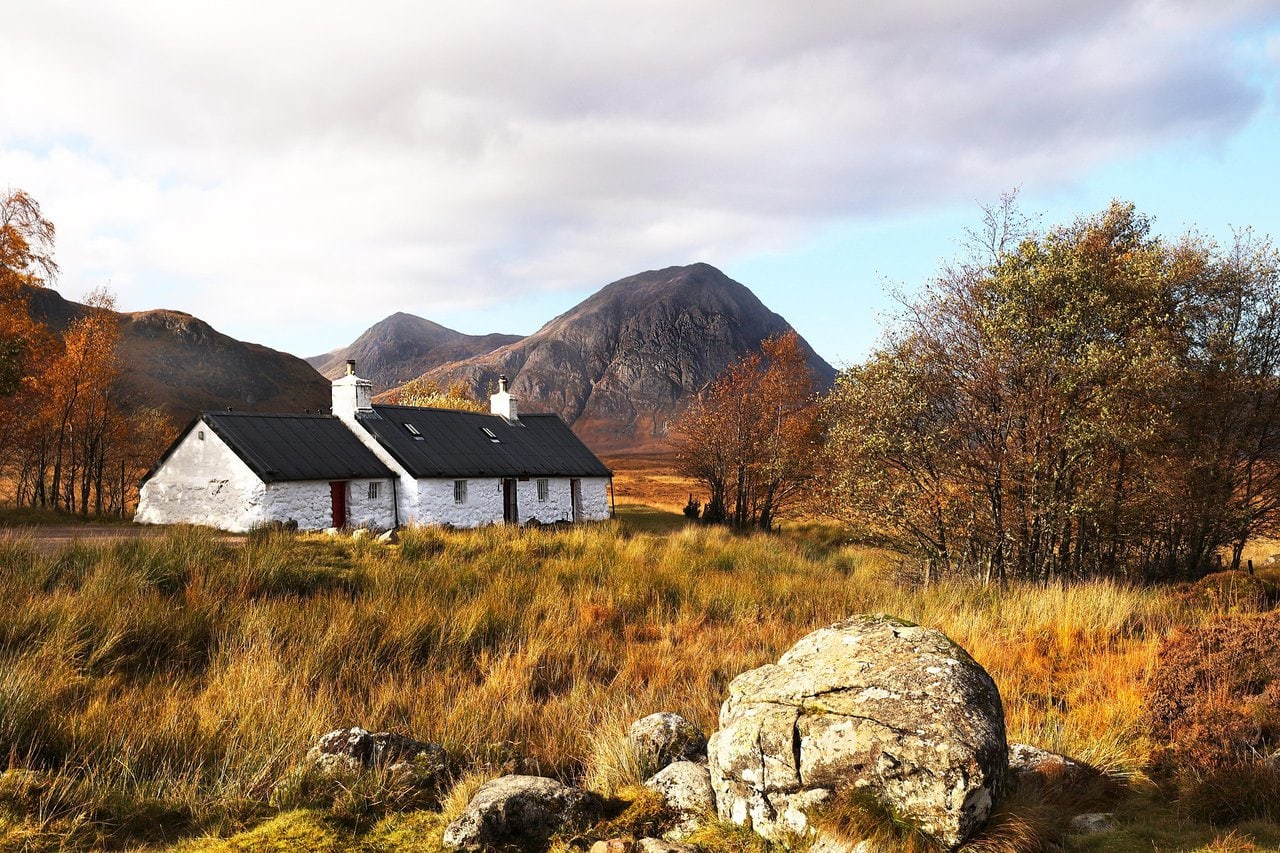
North Coast 500 Overview
The North Coast 500 is one of the most famous road trips in the UK and is often described as Scotland’s answer to Route 66. The route is a circular journey of around 500 miles that starts and ends in Inverness and takes you through some of the most dramatic landscapes in Scotland, including mountains, beaches, lochs, cliffs, castles and remote villages.
Driving the North Coast 500 is not just about the distance or the route itself. It is about the scenery, the small places along the way, and the experience of travelling through the Scottish Highlands. Many people think it is simply a long drive, but in reality it is a journey where you stop frequently for viewpoints, walks, beaches, castles and small towns.
The route takes you through areas such as Applecross, Torridon, Ullapool, Durness, Thurso and John O’Groats, and each part of the route feels very different. The west coast is known for mountains and coastal scenery, the north coast has dramatic cliffs and beaches, and the east coast has castles, harbours and historic towns.
Although some people try to drive the route quickly, the North Coast 500 is best enjoyed slowly. This is not a motorway road trip — many roads are narrow, winding and single track, and you will want to stop often because the scenery changes constantly.
For most travellers, the North Coast 500 becomes one of the highlights of a Scotland trip, especially if you enjoy driving, photography, landscapes and exploring remote areas.
North Coast 500 Route Map & Direction
The North Coast 500 is a circular route that begins and ends in Inverness, and most people drive it either clockwise or anti-clockwise. There is no official correct direction, but many travellers prefer to drive it anti-clockwise so that the most dramatic coastal scenery is on the driver’s side of the road on the west coast.
Driving anti-clockwise means travelling Inverness → Applecross → Torridon → Ullapool → Durness → Thurso → John O’Groats → Wick → Inverness. This route builds gradually from rolling countryside into dramatic mountain scenery and then finishes with castles and historic towns on the east coast.
The most famous section of the route is the Bealach na Bà (Applecross Pass), a steep and winding mountain road with hairpin bends and incredible views. Many drivers consider this one of the most memorable roads in Scotland, although it can be challenging in bad weather or for nervous drivers.
If you prefer to avoid the Applecross Pass, there is an alternative coastal road that still takes you to Applecross but avoids the steep mountain section.
You can find an official route map and travel information on the official North Coast 500 website here.
When planning your route, remember that the North Coast 500 is not about driving non-stop — it is about planning where to stop, where to stay, and what to see along the way.
North Coast 500 Route Breakdown
Although the North Coast 500 is one circular route, it is easier to plan your trip by breaking it into sections. Each part of the route has very different scenery and highlights, and most people complete the route over several days.
The first section is Inverness to Applecross, which includes the famous Bealach na Bà mountain pass and some of the most dramatic driving roads in Scotland. This section introduces you to Highland scenery very quickly and is one of the most memorable parts of the trip.
The next section is Applecross to Torridon and Gairloch, an area known for mountains, sea lochs and quiet coastal roads. This part of the route is very scenic and often feels remote and wild.
From there, the route continues Gairloch to Ullapool, one of the larger towns on the route and a common overnight stop. Ullapool has accommodation, restaurants and ferry connections to the Outer Hebrides.
The route then continues Ullapool to Durness, which includes some of the most dramatic coastal scenery in Scotland, including mountains, beaches and cliffs.
After Durness, the route heads Durness to Thurso and John O’Groats, the northernmost part of mainland Scotland. This area has cliffs, coastal views and famous landmarks.
The final section is John O’Groats to Wick and back to Inverness, which includes castles, harbours and historic towns, and the roads become easier and faster compared to the west coast.
Breaking the North Coast 500 into sections makes it much easier to plan overnight stops and daily driving distances.
Best Stops on the North Coast 500
One of the best things about the North Coast 500 is the number of amazing places you can stop along the route. Some of the most memorable parts of the trip are often small stops, viewpoints, beaches and castles rather than the main towns.
Applecross is one of the most famous stops on the route, especially if you drive the Bealach na Bà pass. The village itself is small, but the scenery and coastal views are incredible.
The Torridon area is known for dramatic mountains and some of the most beautiful landscapes in Scotland. Many people consider this one of the most scenic parts of the entire route.
Ullapool is a popular overnight stop and has shops, restaurants and a harbour. It is also the ferry port for the Outer Hebrides, so it can be busy in summer.
Further north, Durness is famous for Smoo Cave and nearby beaches such as Balnakeil Beach, which has white sand and turquoise water and does not look like what many people expect from Scotland.
John O’Groats is one of the most famous landmarks in Scotland and is known for the signpost marking distances to places around the world. Nearby cliffs and coastal walks are also worth visiting.
On the east coast, Dunrobin Castle is one of the most impressive castles in Scotland and is located just off the North Coast 500 route, making it a very popular stop on the return journey to Inverness.
The best way to enjoy the North Coast 500 is not to rush between major towns, but to stop frequently at viewpoints, beaches, castles and small villages along the way.
How Long to Drive the North Coast 500
One of the most common questions people ask is how long it takes to drive the North Coast 500, and the answer depends entirely on how many stops you want to make and how slowly you want to travel. Although the route is around 500 miles, this is not a drive you should rush.
Some people drive the route in three days, but this usually means long driving days and very little time to explore, and most people who do this say afterwards that they wished they had allowed more time.
For most travellers, five to seven days is the ideal amount of time for the North Coast 500. This allows time for scenic stops, short walks, beaches, castles and small towns along the route rather than just driving from place to place.
If you have more time, many people extend the trip to eight or ten days and include detours such as the Isle of Skye, the Outer Hebrides ferry from Ullapool, or extra time in places like Torridon or Durness.
The most important thing to remember is that driving in the Highlands is slower than you might expect. Many roads are single track with passing places, and you will often stop for photos, viewpoints or animals on the road. A journey that looks short on a map can easily take much longer in reality.
The North Coast 500 is best treated as a scenic journey rather than a road to drive quickly, and allowing more time usually makes the trip far more enjoyable.
When to Drive the North Coast 500
The North Coast 500 can be driven at any time of year, but the experience is very different depending on the season. The most popular time to drive the route is between May and September, when the weather is generally better and the days are long.
Summer has the longest daylight hours, which means you can explore for much longer each day, but it is also the busiest time for accommodation and motorhomes on the route. Some smaller places can become very busy in July and August.
Spring, particularly April and May, is often considered one of the best times to drive the North Coast 500 because the roads are quieter, the landscapes are green, and the days are getting longer.
Autumn is also a very good time to visit because the scenery can be beautiful with autumn colours, and there are usually fewer tourists than in summer.
Winter is the quietest time to drive the route, but some accommodation, cafés and attractions may be closed, and weather conditions can include snow, ice, heavy rain and strong winds, especially on the west coast and in mountain areas.
Overall, the best time to drive the North Coast 500 is usually late spring, early summer or early autumn, when the weather is reasonable and the roads are less crowded than peak summer.
Driving Tips for the North Coast 500
Driving the North Coast 500 is very different from driving on motorways or major roads. Many of the roads, especially on the west coast and north coast, are single-track roads with passing places, and you need to drive carefully and be prepared to stop frequently.
Passing places are small areas where cars can pull over to allow vehicles travelling in the opposite direction to pass. It is important to use passing places properly and be patient, especially during busy periods when there are many motorhomes and tourists on the route.
Fuel stations can be quite far apart in the Highlands, so it is a good idea to fill up when you have the chance rather than waiting until the tank is nearly empty. Larger towns such as Inverness, Ullapool, Thurso and Wick have fuel stations, but smaller villages may not.
Mobile phone signal can be limited in some remote areas, particularly on the west coast, so it is helpful to download offline maps before starting the route.
Weather conditions can change quickly in the Highlands, and roads can become wet, foggy or windy very quickly, especially near the coast or in mountain areas. It is important to drive slowly and carefully, especially on single-track roads and steep sections like the Bealach na Bà.
The most important driving tip for the North Coast 500 is simply do not rush. Drive slowly, use passing places properly, and enjoy the scenery.
Accommodation on the North Coast 500
Accommodation along the North Coast 500 includes hotels, guesthouses, B&Bs, hostels, campsites, lodges and campervan sites, but accommodation can be limited in some areas, especially on the west and north coasts.
Popular overnight stops include Applecross, Torridon, Gairloch, Ullapool, Lochinver, Durness, Thurso and Wick, and many travellers plan their route around staying in these locations.
During the summer months, accommodation along the North Coast 500 can book up far in advance, especially in smaller villages where there are only a few places to stay. It is usually a good idea to book accommodation in advance rather than trying to find somewhere on the day, particularly between May and September.
If you are travelling by campervan or motorhome, there are many campsites along the route, but wild camping rules and parking restrictions should be followed carefully. Some areas have motorhome parking restrictions due to the increase in NC500 traffic in recent years.
Staying in small guesthouses or B&Bs is often one of the best parts of the North Coast 500, because many are family-run and located in very scenic and remote locations, which adds to the overall experience of the trip.
Castles, Distilleries and Attractions on the North Coast 500
One of the best things about driving the North Coast 500 is that it is not just a scenic drive. Along the route you will find castles, beaches, distilleries, caves, viewpoints, wildlife areas and historic towns, and many of these become highlights of the trip.
One of the most famous stops on the east coast is Dunrobin Castle, which looks more like a French château than a traditional Scottish castle. It is located near Golspie and is one of the most impressive castles on the entire route. Many people stop here on the final stretch back towards Inverness.
Further north, Smoo Cave near Durness is one of the most unusual natural attractions on the route. It is a large sea cave with a waterfall inside, and it is only a short walk from the car park, making it an easy stop.
Beaches are another major highlight of the North Coast 500. Places like Achmelvich Beach, Balnakeil Beach and Sandwood Bay have white sand and clear water and often look more like tropical beaches than Scottish coastline, especially on a sunny day.
There are also several whisky distilleries near or just off the route, particularly on the east coast. This means you can easily combine the North Coast 500 with whisky distillery visits, especially if you are travelling through the Highlands and Speyside before or after the route.
Wildlife is another reason many people drive the North Coast 500. Along the route you may see deer, seals, dolphins, seabirds and even whales in some areas, particularly along the north and west coasts.
The North Coast 500 is really a route of attractions and scenery rather than a route of big cities, and many of the best stops are small places you discover along the way.
North Coast 500 Itinerary Suggestions
Most people drive the North Coast 500 over several days, and planning overnight stops in advance makes the trip much easier. The most common itineraries are usually between three and seven days, depending on how much time you have.
A three-day itinerary is possible but usually involves long driving days and limited time to explore, so it is not ideal unless you are short on time.
A five-day itinerary is often considered a good balance. Many people split the route into overnight stops around Applecross or Torridon, Ullapool, Durness or Thurso, and then the east coast before returning to Inverness.
A seven-day itinerary allows much more time to explore beaches, castles, walks and small towns along the route, and this is often considered the best way to experience the North Coast 500 without rushing.
Some travellers also add extra days and include detours to the Isle of Skye, the Outer Hebrides from Ullapool, or extra time in places like Torridon or Assynt, which are some of the most scenic parts of the Highlands.
The key to a good North Coast 500 itinerary is not driving too far each day and allowing time for stops, because the scenery is what makes the trip special.
7 Day North Coast 500 Itinerary
Driving the North Coast 500 in 7 days is a comfortable pace that allows time for stops, short walks, beaches, castles and scenic viewpoints. Many people try to rush the route in 3–4 days, but a week is a much better experience, especially if you want to enjoy the Highlands rather than just drive through them.
| Day | Start | Finish | Places to Visit | Approx Miles |
|---|---|---|---|---|
| Day 1 | Inverness | Applecross | Lochcarron, Bealach na Bà, Applecross | 80 |
| Day 2 | Applecross | Torridon / Gairloch | Torridon mountains, Shieldaig, Gairloch | 70 |
| Day 3 | Gairloch | Ullapool | Gruinard Bay, Corrieshalloch Gorge, Ullapool | 60 |
| Day 4 | Ullapool | Durness | Ardvreck Castle, Kylesku Bridge, Smoo Cave | 95 |
| Day 5 | Durness | Thurso | Dunnet Head, Strathy Point, beaches | 70 |
| Day 6 | Thurso | Wick | John O’Groats, Castle of Old Wick | 25 |
| Day 7 | Wick | Inverness | Dunrobin Castle, Dornoch, Black Isle | 105 |
Total distance is roughly 500–520 miles, depending on detours and side trips.
How the 7 Day Route 500 Itinerary Works
Day 1 starts in Inverness, which is the traditional starting point for the North Coast 500. The drive west towards Applecross includes one of the most famous roads in Scotland, the Bealach na Bà mountain pass, which has steep climbs and incredible views across the Highlands.
Days 2 and 3 cover the west coast, which is often considered the most scenic part of the entire route. This area includes Torridon, Gairloch and Ullapool, with mountains, lochs and white sand beaches.
Day 4 takes you along the remote northwest coast, with highlights like Ardvreck Castle, Kylesku Bridge and Smoo Cave near Durness. This section feels very wild and remote compared to the rest of Scotland.
Days 5 and 6 cover the far north coast, including Dunnet Head (the most northerly point on mainland Britain) and John O’Groats.
Day 7 heads back south along the east coast, which is easier driving and includes castles, beaches and historic towns like Dornoch before returning to Inverness.
Motorhomes, Campervans and Road Rules
The North Coast 500 is very popular with motorhomes and campervans, and many people travel the route this way. However, it is important to understand that many of the roads on the route are narrow single-track roads, and driving a large vehicle can be challenging in some areas.
If you are driving a campervan or motorhome, it is important to use passing places properly, allow faster vehicles to pass, and avoid parking in passing places, as this can cause traffic problems on narrow roads.
Wild camping is allowed in Scotland under the Scottish Outdoor Access Code, but this applies to tents rather than motorhomes. Campervans should use campsites or designated overnight parking areas, and some areas along the North Coast 500 now have restrictions due to increased visitor numbers.
It is also important to plan fuel stops carefully, especially if you are driving a larger vehicle. Fuel stations are available in larger towns such as Inverness, Ullapool, Thurso and Wick, but there are fewer options in remote areas.
Driving the North Coast 500 in a campervan can be an amazing experience, but it is important to drive slowly, be patient on single-track roads, and plan overnight stops properly.
Frequently Asked Questions About the North Coast 500
Where does the North Coast 500 start and finish?
The North Coast 500 starts and finishes in Inverness, which is considered the capital of the Scottish Highlands and is the main gateway to the route.
Is the North Coast 500 difficult to drive?
The route is not difficult for experienced drivers, but many roads are narrow single-track roads with passing places. The Bealach na Bà road to Applecross is steep and winding and can be challenging in bad weather.
Do you need a 4×4 for the North Coast 500?
No, most of the route can be driven in a normal car. However, you should be comfortable driving on narrow roads and in rural areas.
Can you drive the North Coast 500 in winter?
Yes, but weather conditions can include snow, ice, strong winds and heavy rain. Some accommodation and attractions may also be closed during winter.
Is the North Coast 500 worth it?
For many people, the North Coast 500 is one of the best road trips in the UK because of the scenery, beaches, mountains and remote landscapes along the route.

Rupert’s Handy Travel Tips
Driving the North Coast 500? Here are a few useful tips to make your trip smoother:
- Don’t rush the route: The North Coast 500 is about scenery and stops, not driving quickly.
- Use passing places properly: Many roads are single track and require patience.
- Book accommodation in advance: Especially during summer months.
- Fill up with fuel when you can: Fuel stations can be far apart in the Highlands.
Want to meet the reindeer behind our travel tips? Find out more in our page Who is Rupert?.
Further Reading & Related Guides
If you are planning a trip around the Scottish Highlands or driving the North Coast 500, these guides will help you plan transport, accommodation and things to do along the route.
Start your journey in the Highlands capital with our Inverness Travel Guide, which covers where to stay, how to get there and what to see before starting the NC500.
If you are continuing your trip west, our Isle of Skye Travel Guide includes the best places to visit, scenic drives, castles and walking routes on Scotland’s most famous island.
Whisky lovers should read our Scotland Distillery Guide, which covers distilleries across the Highlands, Speyside and the islands that you can visit during a North Coast 500 road trip.
If you are planning to combine your road trip with rail travel, our ScotRail Guide explains train routes across Scotland, rail passes and scenic railway journeys like the Kyle Line.
For island hopping and coastal travel, see our CalMac Ferry Guide, which explains ferry routes to the Hebrides and how to take your car to the Scottish islands.
Last Updated
April 2026
Affiliate Disclosure
This page contains affiliate links. If you click through and make a purchase or booking, we may earn a small commission at no extra cost to you. This helps support our work and allows us to continue providing detailed travel guides and advice.