
Monaco Travel Guide: The Glamorous Riviera Microstate
Monaco is one of the smallest countries in the world, yet it is one of the most famous luxury travel destinations in Europe. Sitting on the French Riviera between Nice and the Italian border, Monaco is known for casinos, yachts, Formula 1, luxury hotels, and dramatic Mediterranean views. Despite its reputation for wealth and glamour, visiting Monaco is surprisingly easy and many travellers visit as a day trip from Nice or the Côte d’Azur.
What makes Monaco unique is that the entire country is essentially one city, built vertically into the cliffs overlooking the sea. You can walk across Monaco in under an hour, yet within that small area you will find a royal palace, world-famous casino, botanical gardens, beaches, museums, marinas filled with superyachts, and the famous Formula 1 street circuit.
Many visitors assume Monaco is only for the rich, but that isn’t entirely true. You can visit Monaco on a reasonable budget if you plan properly, use trains from Nice, walk instead of taking taxis, and focus on viewpoints, gardens, and historic areas rather than luxury shopping and fine dining.
This Monaco travel guide covers how to get there, how to get around, the best things to do, where to stay, day trips, events like the Monaco Grand Prix, and practical travel tips so you can plan your visit properly whether you are visiting for a day or staying longer on the Riviera.
Key Neighbourhoods, Areas & Regions
Although Monaco is tiny, it is divided into several districts, each with a different feel. Understanding the areas of Monaco makes visiting much easier, especially if you are choosing where to stay or deciding what to see.
Monte Carlo is the most famous part of Monaco and the area most people picture when they think of the country. This is where you will find the Casino de Monte-Carlo, luxury hotels, designer shopping, and many of the famous Monaco viewpoints. The area is elegant, expensive, and very polished, and it is especially busy in the evenings.
Monaco-Ville, often called “The Rock”, is the old town sitting on the cliff above the harbour. This is the historic heart of Monaco and home to the Prince’s Palace, Monaco Cathedral, and the Oceanographic Museum. The streets here are narrow and historic, and this area feels completely different from the modern parts of Monaco.
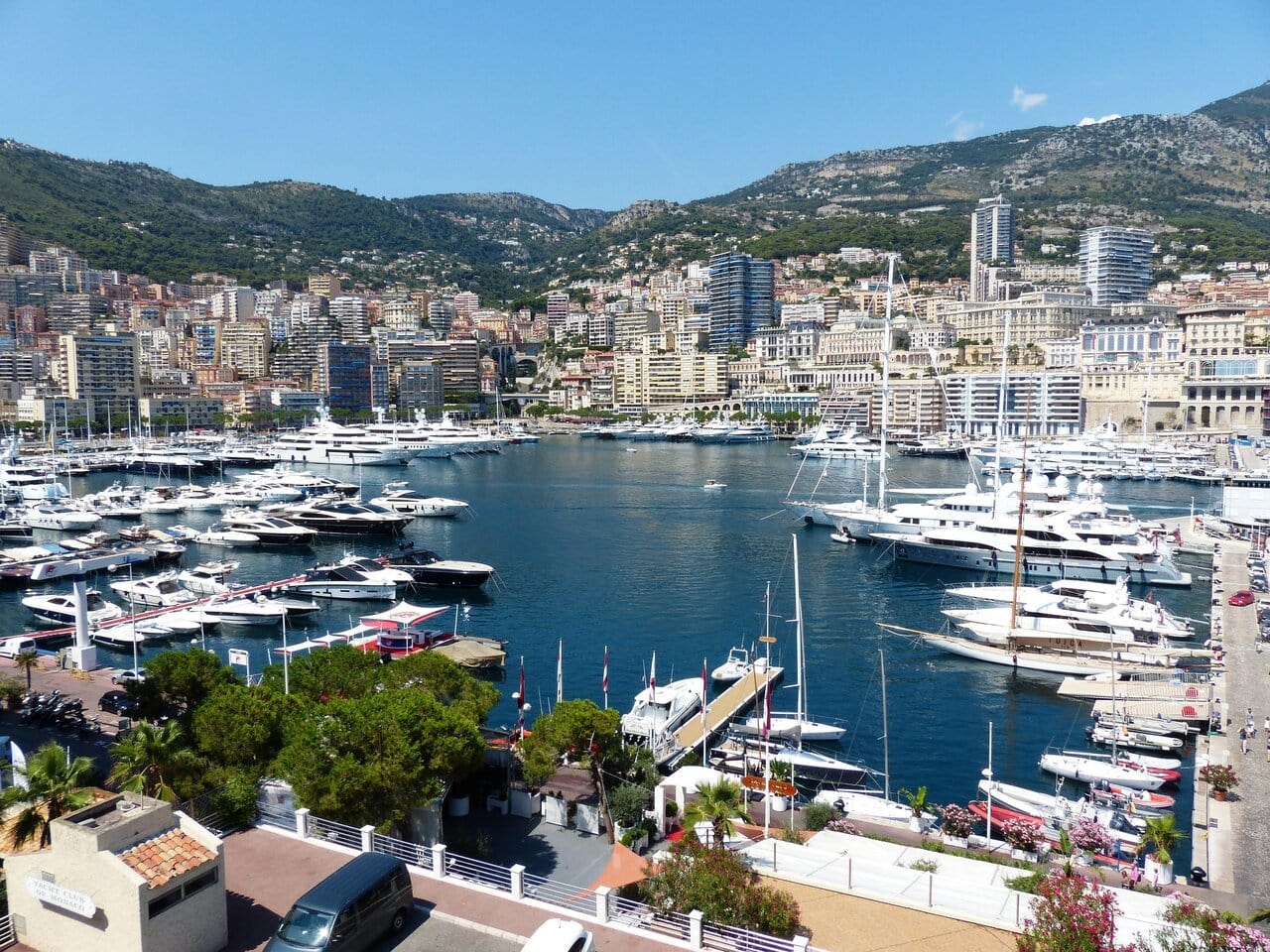
La Condamine is the port district around Port Hercules, where you will see the marina filled with yachts and many restaurants and cafes along the waterfront. This is also where the Monaco Grand Prix circuit runs around the harbour, making it one of the most recognisable sections of the Formula 1 track.
Fontvieille is a quieter, more modern district built on reclaimed land. It contains the Princess Grace Rose Garden, Monaco heliport, marina, and several museums, and it is usually less crowded than Monte Carlo or Monaco-Ville.
Larvotto is Monaco’s beach area. Monaco doesn’t have many beaches, but Larvotto has a long stretch of public and private beach clubs, seaside restaurants, and a promenade. This is the best place in Monaco if you want to spend time by the sea.
Quick Facts About Monaco
| Topic | Information |
|---|---|
| Country | Principality of Monaco |
| Population | Approx. 39,000 |
| Size | 2.1 km² |
| Currency | Euro (€) |
| Language | French (official), English widely spoken |
| Border | Surrounded by France |
| Nearest Airport | Nice Côte d’Azur Airport |
| Famous For | Casinos, Formula 1, yachts, luxury travel |
| Royal Family | House of Grimaldi |
| Best Day Trip From | Nice |
| Walking Across Monaco | About 45–60 minutes |
| Public Transport | Buses and elevators |
| Train Station | Monaco–Monte Carlo |
One of the most interesting things about Monaco is that it is the second smallest country in the world after Vatican City, yet it is one of the wealthiest countries per person. The entire country is built into steep hills, so you will find public elevators, escalators, and pedestrian tunnels that help people move between different levels of the city.
Brief History & Background
Monaco has a long and unusual history for such a small country. The area has been inhabited since ancient times, but Monaco’s modern history began in 1297 when the Grimaldi family captured the fortress on the Rock of Monaco. Remarkably, the Grimaldi family still rules Monaco today, making it one of the oldest ruling families in Europe.
For centuries Monaco survived by forming alliances with larger powers like France and Italy while maintaining its independence. In the 19th century, Monaco transformed itself by building the famous Monte Carlo Casino, which helped turn the country into a luxury destination and tax haven for wealthy Europeans.
In the 20th century, Monaco became even more famous after Prince Rainier III married Hollywood actress Grace Kelly, who became Princess Grace of Monaco. This brought huge international attention to the country and helped shape Monaco’s glamorous image.
Today Monaco is known for luxury tourism, the Monaco Grand Prix, the Monaco Yacht Show, casinos, finance, and high-end real estate. Despite its wealth and luxury reputation, Monaco is also a very safe, clean, and well-organised place to visit, and many travellers include it as part of a French Riviera trip.
Getting There & Around Monaco
Getting to Monaco is relatively easy, but understanding how transport works before you arrive will make your trip much smoother, especially if you are visiting as a day trip from Nice or travelling along the French Riviera. Monaco does not have its own airport, so almost all visitors arrive via Nice Côte d’Azur Airport, then continue by train, bus, taxi, or helicopter.
Because Monaco is built into steep hills, moving around the country is very different from most cities, and visitors should expect to use elevators, escalators, buses, and pedestrian tunnels as well as walking.
Arriving by Train
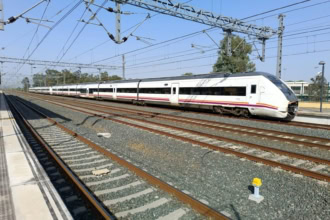
The easiest and most common way to reach Monaco is by train. The main station is Monaco–Monte Carlo railway station, which sits inside the hill above Monte Carlo and La Condamine. Many first-time visitors are surprised because the station is mostly underground, but escalators, elevators, and pedestrian tunnels connect the platforms to different parts of Monaco.
Trains along this route are operated mainly by SNCF using TER regional trains, with some services continuing into Italy operated by Trenitalia. These trains run along the French Riviera between Nice, Monaco, Menton, Ventimiglia (Italy), Cannes, and Antibes, making Monaco very easy to reach without a car.
The journey from Nice to Monaco takes around 20–25 minutes, and trains usually run every 20–30 minutes, making this one of the most convenient ways to travel along the Riviera. Ticket prices are also relatively affordable compared to taxis or private transfers. A typical one-way ticket from Nice to Monaco usually costs around €4–€6, with slightly higher prices from Cannes and lower prices from Menton.
The best app for buying train tickets and checking times is the official French rail app, SNCF Connect, which allows you to buy tickets, store mobile tickets, and check live train times and platform information. Another useful option for comparing trains and transport across Europe is Omio, which is particularly useful if you are travelling across multiple countries.
From Monaco–Monte Carlo station, walking times to key areas are relatively short:
- Monte Carlo / Casino Square: around 10–15 minutes walk (downhill)
- Port Hercules / Harbour: around 10 minutes walk
- Monaco-Ville (Old Town): around 20 minutes walk or short bus ride
- Larvotto Beach: around 15 minutes by bus or a longer walk
Many visitors arrive by train, spend the day walking around Monaco, and then return to Nice in the evening. This is one of the most popular ways to visit Monaco, especially for travellers staying elsewhere on the French Riviera.
Travelling from Nice to Monaco → Nice to Monaco Travel Guide – Train, bus, taxi, and helicopter transport options between Nice and Monaco.



Arriving by Helicopter from Nice Airport
One of the most famous and scenic ways to arrive in Monaco is by helicopter transfer from Nice Airport. The flight takes around 7 minutes and flies along the coastline, giving incredible views over the French Riviera and Monaco harbour.
Helicopter flights operate frequently throughout the day between Nice Airport and the Monaco Heliport in Fontvieille, which is located on the western side of Monaco near the marina and rose garden.
Typical details:
- Flight time: about 7 minutes
- Transfer time including check-in: around 30 minutes
- Price: usually around €150–€180 per person one way
- Luggage allowed on most flights
- Transfers often include a car transfer to your hotel in Monaco
This is obviously not the cheapest way to arrive, but it is one of the most unique arrivals in Europe and very popular with luxury travellers and Grand Prix visitors.
Arriving by helicopter → Nice to Monaco Helicopter Transfer Guide – Prices, flight time, booking tips, and what the helicopter transfer is like.
Local Buses in Monaco
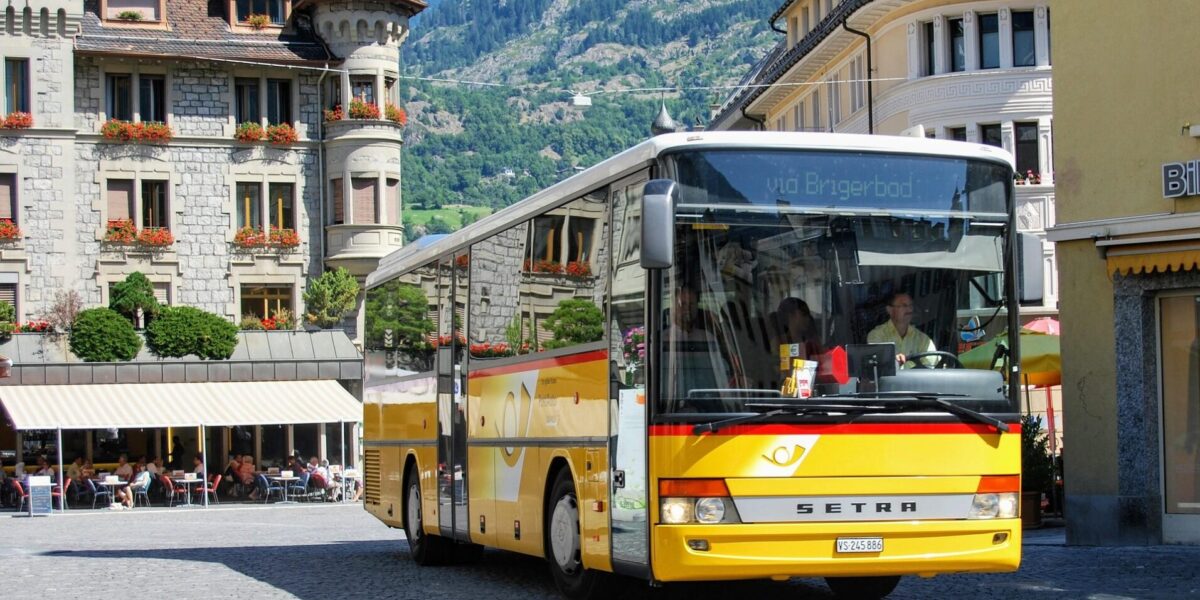
Monaco has an excellent public bus network operated by Compagnie des Autobus de Monaco, usually shortened to CAM. The bus system is one of the easiest ways to move around Monaco, especially because the country is very hilly and walking everywhere can involve a lot of uphill climbs.
Buses connect all the main districts including:
- Monaco–Monte Carlo train station
- Casino Square / Monte Carlo
- Port Hercules and La Condamine
- Monaco-Ville (Old Town)
- Fontvieille
- Larvotto Beach
- Exotic Garden
Services run frequently throughout the day, and buses are modern, clean, and reliable. For many journeys, especially from the harbour up to Monaco-Ville or the Exotic Garden, the bus can save a lot of walking uphill.
Bus tickets are relatively affordable compared to taxis. A single journey usually costs only a few euros, and day passes are available if you plan to use buses multiple times in one day. Tickets can be bought on the bus, at ticket machines, or through the official transport app.
The main bus interchange area in Monaco is Place d’Armes, located in La Condamine near the harbour and Condamine Market. Many bus routes pass through this area, and it is one of the main transport hubs in Monaco along with the train station.
Monaco also has an official public transport app called
Monapass.
This app allows you to:
- Buy bus tickets
- Store digital tickets
- Check bus routes and timetables
- Plan journeys across Monaco
- Use mobile tickets instead of paper tickets
This is the most useful app for public transport in Monaco and is worth downloading before you arrive. Many travellers also use offline map apps to navigate Monaco’s pedestrian tunnels, elevators, and walking routes, which can be confusing the first time you visit.
Overall, the Monaco bus system is one of the best ways to get around the country without a car, and combined with walking and public elevators, it makes travelling around Monaco very easy.ys and buying tickets, which are worth downloading before visiting Monaco so you can plan routes, check timetables, and avoid waiting at bus stops.


Getting Around Monaco on Foot
Despite the hills, Monaco is actually very walkable, and many visitors explore the entire country on foot. Walking is often the best way to see Monaco because there are many viewpoints, small streets, gardens, and harbour areas that you would miss if travelling only by bus or taxi.
The most important thing to know is that Monaco has a network of public elevators, escalators, and pedestrian tunnels that help people move between different levels of the city. These elevators are free to use and can save a huge amount of walking uphill.
Walking routes often involve:
- Elevators between the harbour and Monaco-Ville
- Escalators between the train station and Monte Carlo
- Pedestrian tunnels connecting districts through the hills
Because Monaco is so compact, you can walk across most of the country in under an hour, although the hills can make it feel longer.
Hop-On Hop-Off Buses & Tourist Transport
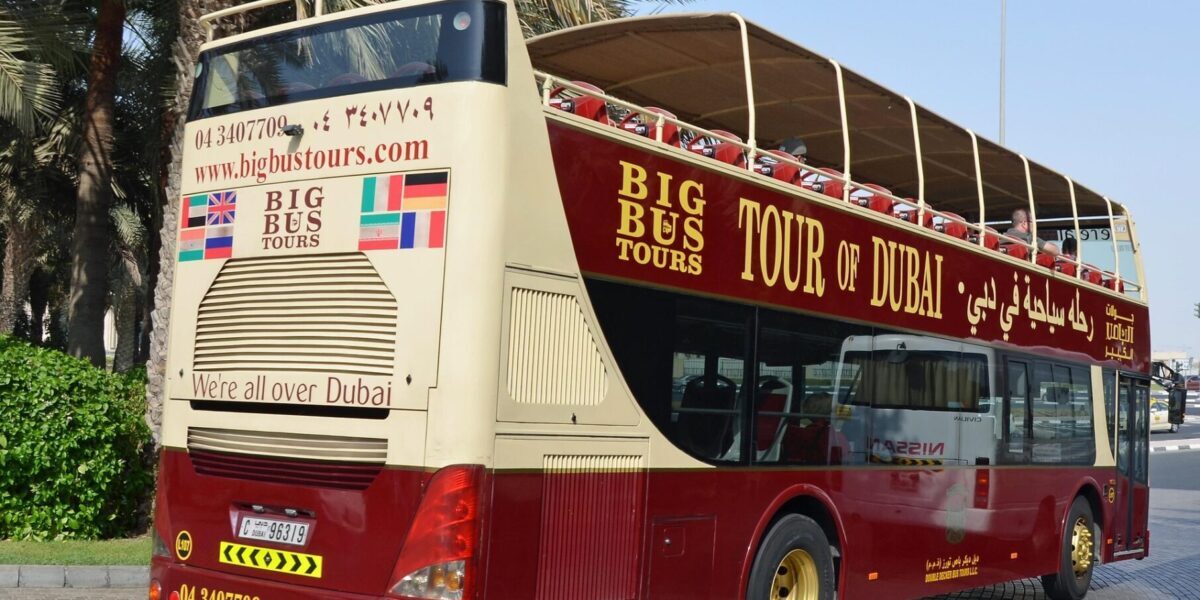
Monaco also has sightseeing buses and tourist transport options that travel between the main attractions. These are useful if you want a guided tour of Monaco without walking long distances, and they usually stop at places like the casino, harbour, old town, museum, and gardens.
These buses are popular with cruise passengers and day-trip visitors who want to see the main sights quickly.
Getting around Monaco easily → Monaco Hop-On Hop-Off Bus Guide – Bus stops, route, tickets, and whether the sightseeing bus is worth it.
Visiting Monaco: Top Attractions
Despite its small size, Monaco has a surprising number of attractions. Many visitors come for the casinos and luxury atmosphere, but there is much more to Monaco than gambling and yachts. The main attractions are spread across Monaco-Ville, Monte Carlo, and the harbour area, and most can be visited in a single day if planned properly.
One of the most important attractions is the Oceanographic Museum of Monaco, located dramatically on the cliffs above the sea. The museum and aquarium were founded by Prince Albert I and are one of the most famous attractions in Monaco. The building itself is spectacular, and inside you will find aquariums, marine exhibitions, and rooftop terraces with incredible views over the Mediterranean. This is one of the top places to visit in Monaco and worth allowing a couple of hours.
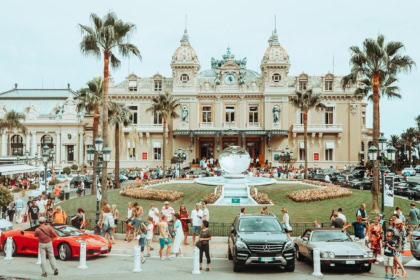
Another major attraction is the Casino de Monte-Carlo, one of the most famous casinos in the world. Even if you do not gamble, the casino square area is worth visiting for the architecture, luxury cars, and atmosphere. During the day you can often enter parts of the casino building to see the interior rooms.
The Prince’s Palace of Monaco in Monaco-Ville is another highlight. Visitors can watch the changing of the guard and visit parts of the palace during certain times of the year. Nearby you will also find Monaco Cathedral, where Princess Grace and Prince Rainier are buried.
Walking around Port Hercules is also one of the best things to do in Monaco. The marina is filled with luxury yachts, and many restaurants and cafes line the harbour. This area is also part of the Monaco Grand Prix circuit, so Formula 1 fans often recognise parts of the streets.
Historical Highlights & Landmarks
Monaco may look modern and luxurious, but it has a long history centred around Monaco-Ville, the old town area on the Rock. This is the historic heart of the country and one of the most interesting places to walk around.
The most important historical site is the Prince’s Palace, which has been the official residence of the Grimaldi family for centuries. The palace sits on top of the Rock overlooking the sea and the harbour, and the square outside the palace offers one of the best viewpoints in Monaco. The changing of the guard ceremony takes place here daily and is popular with visitors.
Nearby you will find Monaco Cathedral, also known as Saint Nicholas Cathedral. This is where members of the royal family are buried, including Princess Grace Kelly. The cathedral is relatively simple compared to some European cathedrals, but it is an important historical and cultural site in Monaco.
Walking through the streets of Monaco-Ville feels very different from the modern Monte Carlo district. The narrow streets, small squares, and old buildings give a much more traditional feel, and this area is full of small shops, cafes, and viewpoints over the Mediterranean.
Another historic location is Fort Antoine, a small fortress that now functions as an open-air theatre overlooking the sea. It is not always open, but the area nearby has excellent views over the harbour and coastline.
Spending time in Monaco-Ville helps visitors understand that Monaco is not just casinos and luxury hotels — it is also a historic principality with centuries of history and a royal family that still rules today.
Hidden Gems & Local Secrets
Because Monaco is small, many visitors only see the casino, harbour, and old town, but there are several quieter places that are worth visiting if you want to see a different side of the country.
One of the best hidden gems is the Japanese Garden near Larvotto, a peaceful landscaped garden with ponds, bridges, and walking paths. It is a calm place to escape the busy streets and is completely free to enter.
Another lesser-known place is the Princess Grace Rose Garden in Fontvieille, which is dedicated to Princess Grace Kelly and contains hundreds of rose varieties. This area is quieter than Monte Carlo and is a pleasant place for a walk, especially in spring and summer.
Many visitors also miss the Exotic Garden of Monaco, located on a cliff on the western side of Monaco. The garden contains cactus and succulent plants from around the world, but the real reason to visit is the incredible panoramic views over Monaco, the coastline, and the mountains behind the Riviera.
For one of the best viewpoints in Monaco, walk up to the area around the Prince’s Palace and the Oceanographic Museum. The viewpoints along the cliffs here provide some of the most famous views in Monaco, looking down over the harbour and the Mediterranean.
Exploring Monaco on foot and using the public elevators and escalators is one of the best ways to find these hidden viewpoints and quieter areas. Because Monaco is built vertically, many of the best views are above the main streets and tourist areas.
Indoor Attractions & Rainy-Day Ideas
Although Monaco is known for sunshine, sea views, and outdoor terraces, there are still plenty of indoor attractions if the weather is poor or if you want a break from the heat. Monaco is actually a very good destination for museums, aquariums, and cultural attractions, and several of the main sights are indoors.
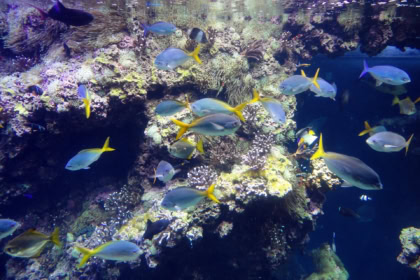
The most important indoor attraction is the Oceanographic Museum of Monaco, which is not only an aquarium but also a marine science museum and historic building. The aquariums contain Mediterranean and tropical species, shark tanks, coral reefs, and interactive exhibits. Even if the weather is bad, this is easily one of the best places to spend a few hours in Monaco. The building also has indoor exhibitions about ocean exploration and marine conservation.
The Casino de Monte-Carlo is another major indoor attraction. Visitors can enter certain rooms during the day, and in the evening the casino becomes much more lively. Even if you do not gamble, the interior architecture, chandeliers, and decorated gaming rooms are worth seeing. There is a dress code in the evening, so visitors should check requirements before going.
Monaco also has several smaller museums including the Prince’s Palace State Apartments (seasonal opening), the Monaco Top Cars Collection (classic car museum), and the Naval Museum. These are good options if you want something different from the main tourist attractions.
Shopping arcades and luxury malls around Monte Carlo also provide indoor areas to walk around if the weather is poor. Even without buying anything, the shopping areas are interesting to see because Monaco is one of the luxury shopping capitals of Europe.
Shopping & Markets
Monaco is famous for luxury shopping, but there are also markets and smaller shops if you look beyond the designer boutiques. Shopping in Monaco ranges from extremely high-end fashion to local food markets and souvenir shops, so most visitors will find something interesting even if they are not shopping for luxury goods.
The most famous shopping area is around Casino Square and Monte Carlo, where you will find designer brands, jewellery shops, and luxury boutiques. Even if you are not planning to buy anything, this area is worth visiting just to see the shop displays, luxury cars, and atmosphere.
For something more local and less expensive, visit Condamine Market (Marché de la Condamine) near Port Hercules. This covered market is one of the best places in Monaco to see local food, small restaurants, and everyday life. You can find fresh produce, bakeries, local dishes, and casual food counters where locals eat lunch. This is one of the best places to eat in Monaco if you want something more affordable.
Fontvieille Shopping Centre is a smaller mall with more normal shops and supermarkets, and prices here are often more reasonable than in Monte Carlo. This is a useful area if you are staying in Monaco and need groceries or everyday items.
Overall, Monaco is not a shopping destination for bargains, but it is one of the most famous luxury shopping destinations in Europe, and even window shopping is part of the Monaco experience.
Suggested Itinerary for Visiting Monaco
Because Monaco is so small, many visitors only spend one day in the country. It is absolutely possible to see the main highlights of Monaco in one day, especially if you arrive early by train from Nice.
A typical day in Monaco often starts at the train station, which is located inside the hill above Monte Carlo. From there, most visitors walk down towards Casino Square and Monte Carlo, where you can see the famous casino, luxury hotels, and expensive cars parked outside the casino entrance.
From Monte Carlo, you can walk down to Port Hercules, the main harbour, and walk along the marina. This is one of the best places to see the yachts and also parts of the Monaco Grand Prix circuit.
After the harbour, take the public elevator or walk up to Monaco-Ville (the Old Town). This area includes the Prince’s Palace, Monaco Cathedral, and the Oceanographic Museum. You can easily spend several hours walking around this area, visiting the museum, and enjoying the viewpoints over the sea.
If you still have time, you can visit the Japanese Garden or Larvotto Beach, or walk through Fontvieille and the Princess Grace Rose Garden before heading back to the train station.
Monaco is best explored on foot, and part of the experience is simply walking around and enjoying the views, the architecture, the marina, and the atmosphere of the French Riviera.
Events, Festivals, Seasonal Highlights & Annual Events
Monaco hosts several major international events throughout the year, and these events can dramatically change hotel prices and how busy the country feels, so it is important to know when they take place.
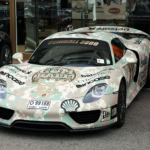
The most famous event is the Monaco Grand Prix, held every May. This Formula 1 race takes place on the streets of Monaco, and the entire country transforms into a race circuit. Grandstands are built around the harbour and city streets, and hotels and apartments become extremely expensive during this period. However, it is also one of the most exciting times to visit Monaco if you are a motorsport fan.
Another major event is the Monaco Yacht Show, usually held in September. This event showcases some of the world’s largest and most expensive yachts, and the harbour becomes filled with enormous superyachts. The atmosphere during the yacht show is very different, with many private events and exhibitions taking place.
The Monte Carlo Rally, part of the World Rally Championship, also takes place in Monaco and the surrounding mountains during winter. This event attracts motorsport fans from across Europe.
Monaco National Day in November is another important event, with celebrations, ceremonies, and fireworks. During the summer months, Monaco also hosts concerts, cultural events, and outdoor performances.
If you want to visit Monaco when the weather is good but without huge crowds or extreme hotel prices, spring and early autumn are usually the best times to visit.
Parks, Gardens & Green Spaces
Monaco is heavily built up, but surprisingly there are several beautiful parks and gardens spread across the country, many of which offer excellent views over the sea and the harbour. Because Monaco is built into steep hills, many of these gardens are located on terraces or cliffs, which makes them some of the best scenic spots in the country.
One of the most famous green spaces is the Princess Grace Rose Garden in Fontvieille. This garden was created in memory of Princess Grace Kelly and contains hundreds of rose varieties arranged around quiet paths and fountains. It is a peaceful place to walk and very different from the busy Monte Carlo area.
The Japanese Garden near Larvotto Beach is another popular green space. This landscaped garden includes small bridges, water features, and carefully designed plants and rocks. It is free to enter and is one of the most relaxing places in Monaco, especially during summer when the main streets are busy.
The Exotic Garden of Monaco is located on a cliff on the western side of Monaco and is one of the most scenic places in the country. The garden contains cactus and succulent plants from around the world, but the real highlight is the panoramic view over Monaco, the harbour, and the Mediterranean Sea. This is one of the best viewpoints in Monaco and worth visiting even if you are not interested in plants.
There are also several smaller parks and viewpoints around Monaco-Ville and the harbour area. Because Monaco is built vertically, many of the best viewpoints are located in gardens or terrace areas above the main streets, so it is worth exploring these areas on foot.
Where & What to Eat in Monaco
Food in Monaco is heavily influenced by French and Italian cuisine, and you will find everything from luxury restaurants to small cafes and bakeries. Monaco is known for expensive dining, but it is still possible to find reasonably priced food if you know where to go.
Restaurants around Casino Square and Monte Carlo are usually the most expensive, with many high-end restaurants and fine dining venues. These are great if you want a luxury experience, but prices can be very high compared to nearby French towns.
For more affordable meals, La Condamine Market is one of the best places to eat in Monaco. Inside the market building you will find food stalls and small restaurants serving local dishes, pasta, pizza, seafood, and salads at much more reasonable prices than Monte Carlo restaurants. Many locals eat here, which is usually a good sign.
Around the harbour and Fontvieille you will also find restaurants that are slightly cheaper than Monte Carlo, and Larvotto Beach has several seaside restaurants and cafes.
Local specialities include socca (chickpea pancake), barbagiuan (fried pastry filled with vegetables), seafood dishes, and Mediterranean cuisine. Because Monaco is located on the Riviera, seafood is very common on restaurant menus.
Many visitors also choose to stay in Nice or Menton and visit Monaco for the day, as food and accommodation are usually cheaper outside Monaco.
Nightlife in Monaco
Monaco is famous for nightlife, particularly casinos, luxury bars, beach clubs, and nightclubs. The nightlife scene is centred mainly around Monte Carlo and the harbour area.
The most famous nightlife venue is the Casino de Monte-Carlo, which is not just a casino but also one of the most iconic buildings in Monaco. In the evening, the area around the casino becomes very lively, with luxury cars, well-dressed visitors, and busy bars and restaurants nearby. There is usually a dress code to enter the casino in the evening, so visitors should check requirements before going.
Monaco is also known for luxury nightclubs such as Jimmy’z Monte-Carlo, which is one of the most famous nightclubs on the French Riviera and attracts international DJs and celebrities during the summer season.
Beach clubs and bars around Larvotto Beach are popular in summer, especially during the evening when people gather for drinks by the sea. The harbour area also has several bars and restaurants that stay open late.
Nightlife in Monaco is generally expensive, and drinks and entry fees can be high compared to nearby French towns. Many visitors choose to enjoy the atmosphere in Monaco in the evening and then return to Nice by train, which runs late into the evening and is much cheaper for accommodation.
Day Trips from Monaco
Although Monaco is small, it is located in one of the most beautiful parts of Europe, and there are many excellent day trips from Monaco along the French Riviera and into Italy.
Nice is the most popular nearby destination and is only about 25 minutes away by train. Nice has beaches, markets, museums, and a large old town area, and many travellers actually stay in Nice and visit Monaco as a day trip rather than staying in Monaco itself.
The hilltop village of Èze is another popular day trip. The village sits high above the sea and has narrow streets, stone buildings, and incredible views over the Riviera. It is located between Nice and Monaco and can be reached by bus or car.
Menton, near the Italian border, is another beautiful coastal town known for colourful buildings, beaches, and a relaxed atmosphere. It is quieter than Nice and Monaco and makes a very pleasant day trip.
You can also easily cross into Italy and visit Ventimiglia, which is known for markets and Italian restaurants. Trains run regularly along the coast, making it very easy to travel between these towns.
Because the train line runs along the Riviera coastline, Monaco is very well located for exploring the French Riviera without needing a car, and many travellers visit several towns during their stay in the region.
Cultural Norms & Etiquette
Monaco may feel relaxed and holiday-focused, but it is actually a very formal and wealthy country with strong expectations around behaviour, dress, and public conduct. Visitors do not need to be overly formal, but it helps to understand a few local norms.
Dress standards are generally higher than in many tourist destinations. In Monte Carlo, particularly around the casino and luxury hotels, smart casual clothing is expected in the evenings, and some venues will refuse entry to people wearing beachwear, flip flops, or sportswear. During the day, normal casual clothing is fine, especially around the harbour, old town, and beach areas.
Monaco is very clean and very safe, and littering, jaywalking, and disorderly behaviour are taken seriously. Police presence is noticeable, and fines can be issued for things that might be ignored elsewhere. Crossing roads at proper crossings is particularly important.
Photography is generally allowed in most public areas, but be respectful around private yachts, luxury properties, and inside casinos, where photography is often not permitted.
Tipping is not required in Monaco because service is usually included in restaurant bills, but leaving small change or rounding up is appreciated for good service.
Overall, Monaco is very welcoming to visitors, but behaving respectfully, dressing reasonably well in the evenings, and following local rules will make your visit much smoother.
Where to Stay in Monaco
Accommodation in Monaco is expensive, and many visitors choose to stay in nearby towns like Nice, Menton, or Beaulieu-sur-Mer and visit Monaco by train. However, staying in Monaco itself can be a unique experience, especially if you want to be close to the casino, harbour, or Grand Prix circuit.
Hotels in Monte Carlo are usually the most expensive and are close to the casino, luxury shopping, and nightlife. This is the best area if you want to be in the centre of Monaco’s luxury atmosphere.
Monaco-Ville has very limited accommodation but is quieter and more historic. La Condamine and Fontvieille often have slightly more affordable accommodation and are close to the harbour and marina areas.
If you want a beach location, Larvotto is the best area to stay, as it is close to Monaco’s main beach and seaside restaurants.
Many travellers stay in Nice because accommodation is much cheaper, there are more hotel options, and the train to Monaco is quick and easy. Staying in Nice and visiting Monaco for the day is one of the most common travel plans on the French Riviera.
Toilets & Accessibility
Public toilets in Monaco are available but not always obvious to find, so it is useful to know where to look. You can usually find toilets near major tourist areas, parks, shopping centres, and the harbour, and many restaurants and cafes will allow customers to use toilets if you buy a drink or coffee.
Shopping centres in Fontvieille and Monte Carlo are reliable places to find toilets, and the Condamine Market also has facilities available.
Monaco is built on steep hills, which can make walking difficult in some areas, but the country has an excellent system of public elevators, escalators, and pedestrian tunnels that help people move between different levels. These are very useful for visitors with mobility issues or anyone who wants to avoid steep climbs.
The main train station in Monaco has elevators and escalators, and many public buildings and attractions are accessible. However, the old town area in Monaco-Ville has narrow streets and some steep sections, which may be more difficult for wheelchair users.
Overall, Monaco is relatively accessible compared to many historic European destinations, mainly because of the elevators and escalator systems built into the city.
Weather & Best Time to Visit Monaco
Monaco has a Mediterranean climate, which means hot summers, mild winters, and plenty of sunshine throughout the year. The best time to visit depends on whether you want good weather, fewer crowds, or specific events like the Monaco Grand Prix.
Summer, from June to August, is the hottest and busiest time to visit Monaco. Temperatures are usually high, the beaches and beach clubs are busy, and the harbour is full of yachts. This is a great time to visit if you want a Riviera summer atmosphere, but hotel prices are very high and Monaco can be crowded.
Spring and early autumn are usually the best times to visit. The weather is warm but not too hot, and the crowds are smaller than in summer. May is famous for the Monaco Grand Prix, which is one of the biggest events of the year, but hotel prices are extremely high during Grand Prix week.
Winter is much quieter and cooler, but Monaco is still pleasant compared to many other European destinations. It is a good time to visit if you want to see Monaco without crowds and high hotel prices.
Overall, April to June and September to October are usually the best times to visit Monaco, with good weather and fewer crowds than peak summer.
eSIMs & Connectivity
Mobile coverage in Monaco is excellent, and most visitors will have no issues with mobile data, calls, or Wi-Fi. Monaco is very well connected, and most hotels, restaurants, cafes, and public areas offer Wi-Fi.
However, Monaco is not in the EU, so depending on your mobile provider, EU roaming rules may not always apply, and roaming charges can sometimes be higher than in France or Italy. It is important to check your mobile plan before travelling.
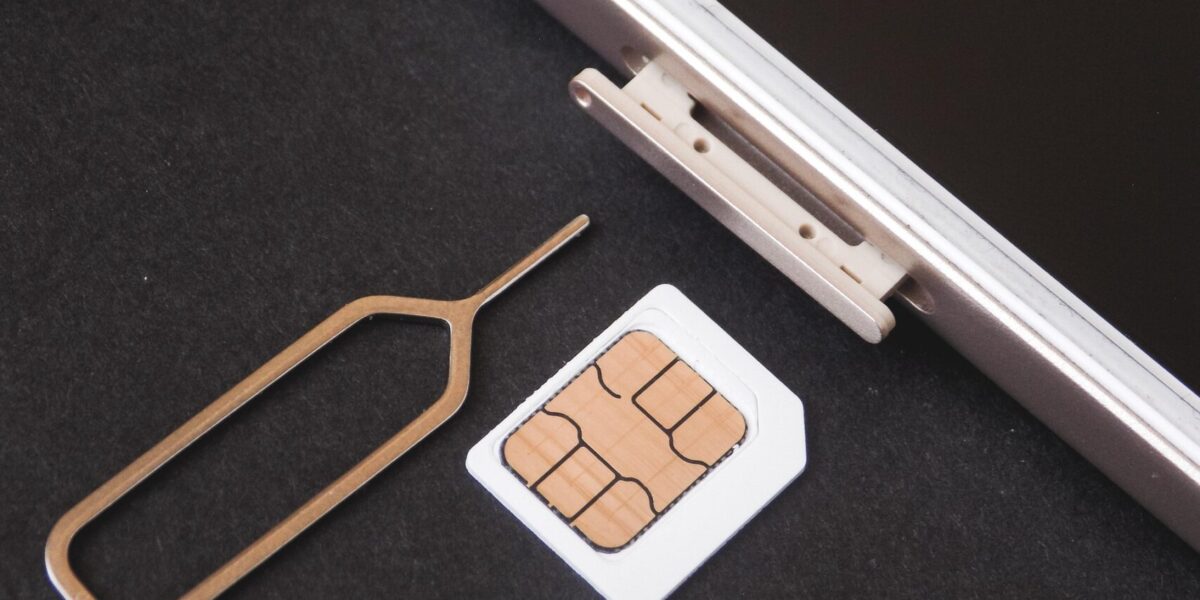
Many travellers now use eSIM travel data plans, which can be cheaper and easier than roaming with a home network. eSIMs allow you to download a mobile data plan directly to your phone without needing a physical SIM card, and they are particularly useful if you are travelling across multiple countries in Europe.
Because Monaco is so close to France, your phone may switch between Monaco and French networks, so having a reliable data plan is useful for maps, train tickets, restaurant bookings, and travel apps.
Laws, Safety & Warnings
Monaco is one of the safest places in Europe, with very low crime rates and a strong police presence. Visitors generally do not need to worry about safety, but there are still a few important rules and things to be aware of.
Jaywalking is taken seriously in Monaco, and crossing the road outside pedestrian crossings can result in fines. Littering and public disorder are also taken seriously, and Monaco is known for being extremely clean and well maintained.
Casinos have dress codes, especially in the evening, and visitors may be refused entry if they are wearing shorts, flip flops, or very casual clothing. Photography is not allowed inside casinos.
Monaco is very expensive, and restaurants, taxis, hotels, and bars can be significantly more expensive than nearby French towns, so visitors should be prepared for higher prices.
Because Monaco is small and surrounded by France, border controls are usually not noticeable, but Monaco is technically a separate country, so visitors should still carry identification.
Overall, Monaco is very safe and easy to visit, but respecting local rules and understanding that Monaco is a formal and wealthy country will help avoid problems during your visit.

Rupert’s Handy Travel Tips
Heading to Monaco? Here are a few useful tips to make your visit smoother:
- Visit early or late: Monaco gets very busy during the middle of the day, especially when cruise ships arrive.
- Use the public elevators: Monaco is very hilly, and elevators and escalators will save you a lot of walking uphill.
- Stay in Nice to save money: Hotels and restaurants are much cheaper in Nice, and the train to Monaco is quick and scenic.
- Walk the Grand Prix circuit: Many of the famous Formula 1 corners are just normal streets you can walk around.
Want to meet the reindeer behind our travel tips? Find out more in our page Who is Rupert?.
Frequently Asked Questions
Is Monaco worth visiting?
Yes, Monaco is worth visiting, especially if you are already travelling along the French Riviera. The views, harbour, old town, and famous casino make it a unique destination.
Can you visit Monaco in one day?
Yes, Monaco is very small and most of the main attractions can be seen in one day, especially if you arrive early by train from Nice.
Is Monaco very expensive?
Monaco is expensive compared to most destinations, especially for hotels and restaurants, but visiting for a day trip can be affordable.
Do you need a passport to visit Monaco?
Monaco is a separate country but has open borders with France, so passport checks are not usually required, although you should still carry identification.
What is Monaco most famous for?
Monaco is most famous for the Monte Carlo Casino, the Monaco Grand Prix, luxury yachts, and being one of the wealthiest countries in the world.
Further Reading & Related Travel Guides
If you are planning a trip to Monaco, these guides may also be helpful:
Visiting during Formula 1 weekend → Monaco Grand Prix Guide – Tickets, grandstands, best viewing areas, hotels, and tips for visiting Monaco during race weekend.
Seeing the superyachts → Monaco Yacht Show Guide – Dates, visiting tips, where to see the yachts, and what Monaco is like during yacht show week.
Watching the famous rally → Monte Carlo Rally Guide – Route, best viewing spots, Monaco start and finish, and tips for watching rally stages.
Monaco’s most famous attraction → Monaco Oceanographic Museum Guide – Aquarium, museum exhibits, rooftop terrace, and visitor information.
Getting around Monaco easily → Monaco Hop-On Hop-Off Bus Guide – Bus stops, route, tickets, and whether the sightseeing bus is worth it.
Travelling from Nice to Monaco → Nice to Monaco Travel Guide – Train, bus, taxi, and helicopter transport options between Nice and Monaco.
Arriving by helicopter → Nice to Monaco Helicopter Transfer Guide – Prices, flight time, booking tips, and what the helicopter transfer is like.
Last Updated
March 2026
Affiliate Disclosure
This page contains affiliate links. If you click through and make a purchase or booking, we may earn a small commission at no extra cost to you. This helps support our work and allows us to continue providing detailed, independent travel advice. We only recommend apps and services we personally use or have verified as high-quality.