
The Midland Main Line: London to the East Midlands and Sheffield
The Midland Main Line is one of the main railway routes in England, running north from London St Pancras through the East Midlands to Sheffield. Although it is sometimes less famous than the West Coast or East Coast main lines, it is an extremely important railway that connects London with a chain of major regional cities and growing commuter towns. For many travellers, students, commuters and weekend visitors, this line is one of the most useful rail routes in the country.
One of the reasons the Midland Main Line is so important is that it serves several cities that are not on the other major north–south railways. Cities such as Leicester, Derby, and Nottingham rely heavily on this route for fast connections to London, and the line also provides important access to towns in Bedfordshire and Northamptonshire. Because of this, the railway is used for a wide range of journeys, from daily commuting into London to longer intercity travel and leisure trips between cities.
Another major advantage of this route is that it starts at St Pancras International, one of the best connected railway stations in London. From St Pancras you can connect easily to the London Underground, Thameslink trains running across London, and even international trains via Eurostar. This makes the Midland Main Line particularly convenient for travellers arriving in London who want to continue north without crossing the city to another station.
Route, Towns and Cities Along the Midland Main Line
The route of the Midland Main Line runs north from London through a series of towns and cities that gradually change from London commuter territory into the Midlands and then South Yorkshire. The southern part of the route includes places like Luton and Bedford, which are strongly linked to London and often used by commuters. As the railway continues north, the character of the route changes and the line begins to serve historic market towns and university cities such as Market Harborough and Leicester.
Further north, the railway connects important regional cities including Derby and Nottingham, both of which have strong rail connections and large student populations. Nottingham is slightly unusual because it sits on a branch from the main line rather than directly on the main route, but it still has frequent fast trains to London and is considered one of the main destinations on the Midland Main Line network. The line then continues north through Chesterfield before reaching Sheffield, which is generally considered the northern end of the main route.
This sequence of towns and cities makes the Midland Main Line particularly useful for multi-stop trips. It is relatively easy to travel from London to Leicester, then continue to Derby or Nottingham, and then continue further north to Sheffield, all using the same railway corridor. This makes the line useful not just for individual journeys but for building longer rail itineraries around England.
Trains and Services on the Midland Main Line
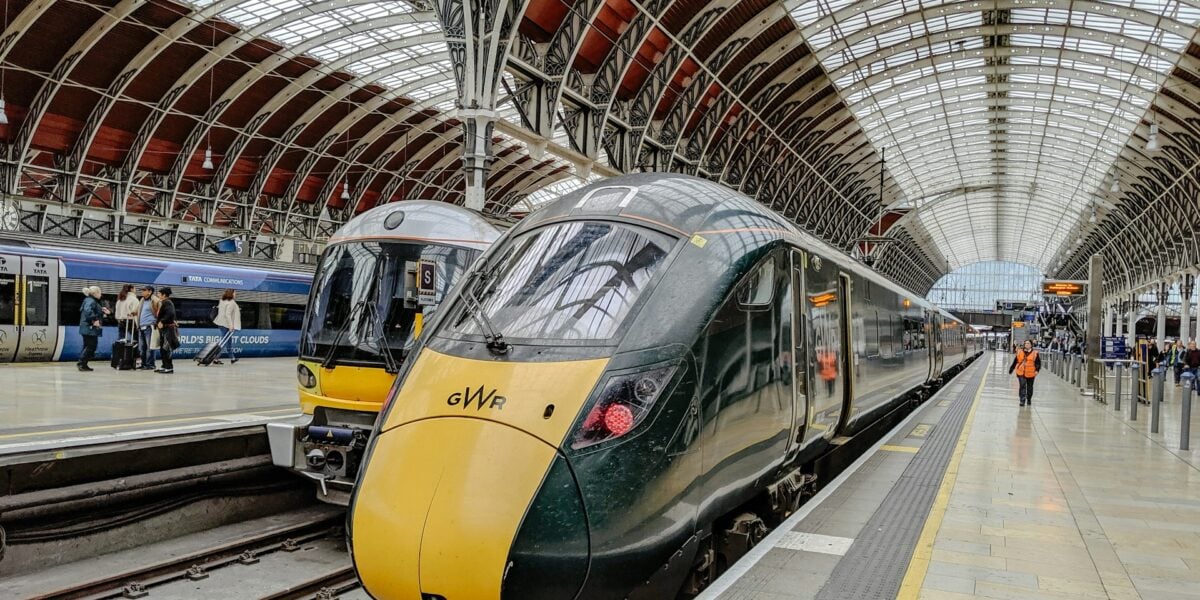
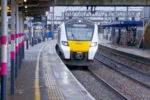
Train services on the Midland Main Line are mainly operated by East Midlands Railway, which runs long-distance intercity services between London and cities such as Leicester, Derby, Nottingham and Sheffield. These trains are designed for longer journeys and usually include reserved seating, luggage space, toilets and sometimes First Class accommodation. Journey times are relatively fast, especially between London and Leicester, which is just over an hour by train.
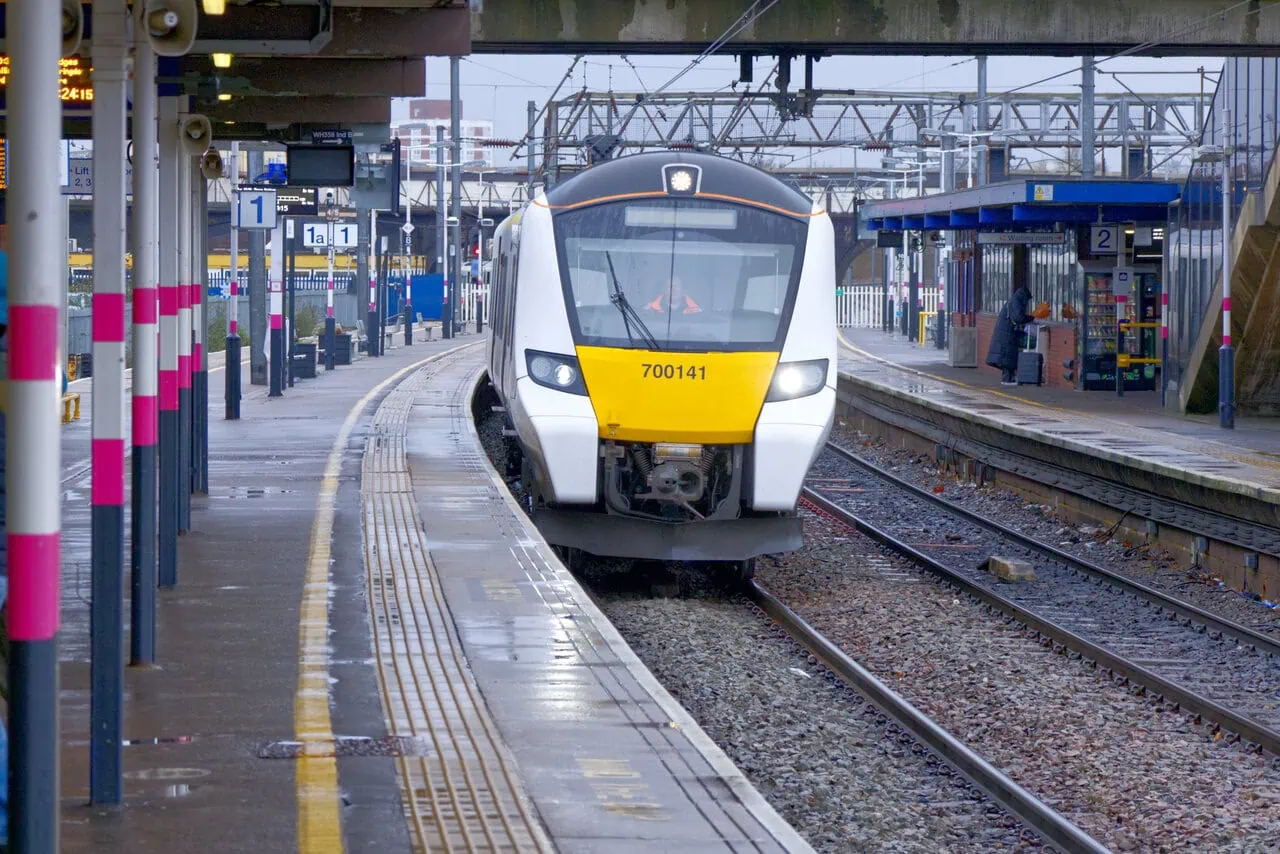
The southern section of the line, particularly between London, Luton and Bedford, is also served by Thameslink trains. These services are more like commuter trains and run through central London to destinations such as Brighton, Gatwick Airport and Cambridge. This means the Midland Main Line is not just a north–south route but also part of a wider cross-London railway network, which makes it very useful for airport connections and journeys across London without changing trains.
Because both intercity and commuter services use parts of the same railway, travellers will often see a mix of fast trains and slower stopping trains on the route. Fast trains may only stop at major cities such as Leicester or Derby, while stopping services call at many smaller stations along the way. When booking tickets, it is always worth checking whether the train is a fast service or a stopping service because this can make a significant difference to journey time.
Journey Times and Travel Distances
Journey times on the Midland Main Line are competitive with driving and are often much faster during busy periods when motorways around London and the Midlands are congested. This is one of the main reasons the railway is so heavily used by commuters and business travellers, particularly between London and cities like Leicester and Nottingham.
Travelling from London to Luton usually takes around half an hour, while Bedford can be reached in under an hour. Kettering and Market Harborough are roughly around the one hour mark from London, which makes them within comfortable commuting distance of the capital. Leicester is just over an hour away, Derby around an hour and a half, Nottingham roughly one hour and forty minutes, and Sheffield typically around two hours from London on faster services.
These journey times mean that several cities on the Midland Main Line are realistic day-trip destinations from London, while towns in Bedfordshire and Northamptonshire are firmly within the London commuter belt. This mix of commuter towns and regional cities is one of the defining characteristics of the Midland Main Line and explains why it is such an important railway in England.
Tickets, Fares and How to Save Money on the Midland Main Line
Train tickets on the Midland Main Line can vary significantly in price depending on when you travel, how far in advance you book, and whether you are travelling at peak times. Understanding how UK train tickets work can make a very big difference to the price you pay, especially on longer journeys between London, Leicester, Derby, Nottingham and Sheffield.
The cheapest tickets are usually Advance tickets, which are tied to a specific train and are released several weeks before travel. These are limited in number and usually become more expensive as the travel date gets closer. If you know your travel time in advance, booking early can reduce the cost of a long-distance journey quite dramatically.
If you need flexibility, you will usually be choosing between Off-Peak and Anytime tickets. Off-Peak tickets are cheaper but cannot be used during busy commuter periods, particularly on weekday mornings and evenings. Anytime tickets can be used on any train but are usually the most expensive option. For shorter journeys, the price difference may not be huge, but for longer journeys such as London to Sheffield, the difference can be significant.
Many travellers also save money by using Railcards, which typically reduce ticket prices by around one third. Railcards are available for several groups including young people, seniors, couples travelling together, and families. If you travel even a few times per year on the Midland Main Line, a railcard often pays for itself very quickly.
Another way some travellers save money is through split ticketing, where instead of buying one ticket for the entire journey, you buy separate tickets for different parts of the route. Because of how UK rail pricing works, this can sometimes be cheaper even if you stay on the same train the entire time.
Seat Reservations, First Class and Upgrades
On longer Midland Main Line journeys, especially between London and Sheffield, many trains offer seat reservations. These are usually free when booking Advance tickets and can make a big difference on busy trains, particularly on Friday evenings and Sunday afternoons when trains can be very busy with weekend travellers and students.
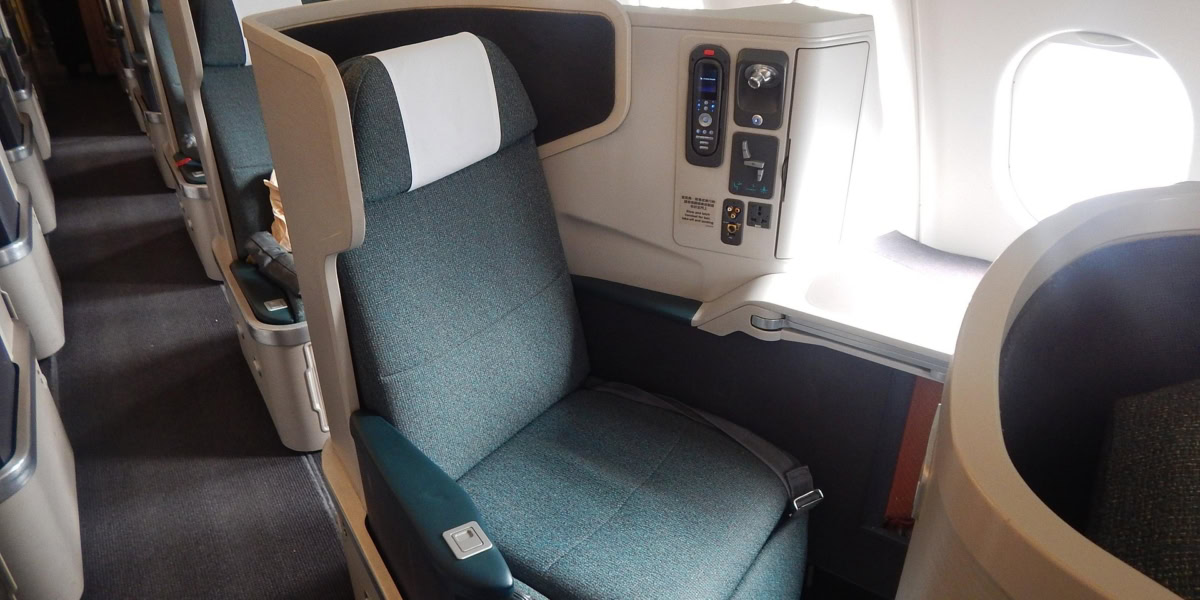
First Class is also available on many long-distance services. First Class typically offers larger seats, quieter carriages, more space for luggage, and sometimes complimentary food and drinks, depending on the service and time of day. While First Class tickets can be expensive if bought normally, some travellers use upgrade apps such as Seatfrog to bid for unsold First Class seats shortly before departure, sometimes securing upgrades for a relatively small additional cost.
Even if you are travelling in Standard Class, it is often worth reserving a seat if the option is available. Window seats are popular on this route because large parts of the journey, especially north of Leicester, pass through open countryside and rolling hills.
Luggage space on Midland Main Line trains is generally good, with overhead racks and larger luggage areas near the ends of carriages. If you are travelling with large suitcases, it is usually easier to board near the carriage doors where the larger luggage racks are located.
Using Interrail and BritRail Passes on the Midland Main Line
The Midland Main Line is fully included in both the Interrail Great Britain Pass and the BritRail Pass, which means pass holders can travel on most services between London, Leicester, Derby, Nottingham and Sheffield without buying separate tickets. This makes the route particularly useful for travellers exploring multiple cities in England by train.
One of the advantages of using a rail pass on this route is that journey times between major cities are relatively short. You can travel from London to Leicester in just over an hour, continue to Derby or Nottingham, and then travel onwards to Sheffield, all using the same rail corridor. This makes the Midland Main Line a very convenient backbone for rail itineraries around central England.
Seat reservations are sometimes recommended on longer journeys, especially between London and Sheffield, but they are not always compulsory. On busy trains, particularly on Fridays and Sundays, reserving a seat can make the journey much more comfortable. Reservations can usually be made through train company websites or at major railway stations.
For overseas visitors using rail passes, the Midland Main Line is often one of the easiest routes to understand because it is essentially a straight north–south railway from London through several major cities. This makes it ideal for travellers who want to visit multiple destinations without complicated route planning or multiple train changes.
If you are planning a rail trip around Britain, the Midland Main Line works well as part of a wider itinerary that could include London, Leicester, Nottingham, Derby and Sheffield, before continuing to other parts of the country.
Midland Main Line Upgrades, Electrification and Future Improvements
The Midland Main Line has been undergoing major upgrades for several years, and this work is gradually improving journey times, reliability and train quality. One of the biggest projects has been electrification of parts of the route, which allows faster and more environmentally friendly electric trains to operate on sections of the line.
Electrification has already been completed from London to Bedford, and extended further north towards Kettering and Corby. Further upgrades and improvements continue along other sections of the route, including track improvements, signalling upgrades and station improvements. These projects are designed to allow faster trains, more frequent services and more reliable timetables in the future.
New trains have also been introduced on the route in recent years, including bi-mode trains that can run on both electric and diesel sections of track. This allows newer trains to operate along the entire route even where electrification is not yet complete.
In the long term, these improvements are expected to reduce journey times between London and cities such as Leicester, Derby and Sheffield, and increase capacity on one of the country’s busiest rail corridors.
Tips for Travelling on the Midland Main Line
If you travel on the Midland Main Line regularly, there are a few simple tips that can make journeys easier and sometimes cheaper. One of the most useful things to know is that St Pancras International is a large station, so it is worth arriving early, especially if you are unfamiliar with the layout. Platforms for East Midlands Railway services are usually in the main train shed area rather than the Underground or Thameslink sections of the station.
Trains on this route can be very busy at certain times, especially Friday evenings heading north and Sunday afternoons heading back towards London. Booking seats in advance on these services is strongly recommended if possible. Mid-morning and early afternoon trains are often quieter and sometimes cheaper as well.
If you are travelling to Luton Airport Parkway, remember that the Luton airport itself is connected by a shuttle system rather than being directly next to the station, so you need to allow a little extra time for the transfer between the railway station and the airport terminal.
Finally, if your train is delayed, you may be entitled to compensation through the Delay Repay system used by most UK train operators. Even relatively small delays can sometimes qualify for partial refunds, so it is always worth checking if your train arrives late.

Rupert’s Handy Travel Tips
Travelling on the Midland Main Line? Here are a few tips to make your journey smoother:
- Book early for long-distance trips: Advance tickets between London, Leicester, Derby and Sheffield are usually much cheaper if booked several weeks ahead.
- Reserve a seat on busy days: Friday evenings and Sunday afternoons are some of the busiest trains on this route.
- Use Railcards where possible: Railcards typically save around one third on most fares and often pay for themselves in just a few trips.
- Check for First Class upgrades: Apps like Seatfrog sometimes offer cheap last-minute upgrades on Midland Main Line services.
Want to meet the reindeer behind our travel tips? Find out more in our page Who is Rupert?.
Frequently Asked Questions About the Midland Main Line
Where does the Midland Main Line start and end?
The Midland Main Line runs from London St Pancras International to Sheffield, passing through towns and cities including Bedford, Kettering, Leicester, Derby and Chesterfield. Some services also branch to Nottingham.
Which train company operates the Midland Main Line?
Most long-distance services on the Midland Main Line are operated by East Midlands Railway, while Thameslink operates commuter services on the southern part of the route between London, Luton and Bedford.
How long is the train journey from London to Sheffield?
Fast trains from London St Pancras to Sheffield typically take around two hours, although stopping services may take slightly longer depending on the number of stops.
Is Nottingham on the Midland Main Line?
Nottingham sits on a branch line connected to the Midland Main Line, but it still has frequent direct trains to London St Pancras and is considered one of the main destinations on the route.
Can you use Railcards on Midland Main Line trains?
Yes, Railcards can be used on most services on the Midland Main Line and usually reduce ticket prices by around one third, subject to minimum fare rules during peak times.
Further Reading & Related Guides
If you are planning train travel in the UK, it is worth understanding how the rail system works so you can save money and travel more efficiently. Our Railcards guide explains the different railcards available in the UK and how they can reduce ticket prices, especially on longer journeys like London to Sheffield or London to Leicester.
If your train is delayed, you may be able to claim compensation through the Delay Repay system. Our Delay Repay guide explains how compensation works, how much you can claim, and how to submit a claim if your train arrives late.
If you want to try First Class for less, our Seatfrog guide explains how the Seatfrog app allows passengers to bid for unsold First Class seats on many UK train routes, including services on the Midland Main Line.
If you are travelling to or through London, our London Train Stations guide explains the main railway stations in London, including St Pancras, King’s Cross, Euston, Paddington and Waterloo, and how to transfer between them.
If you are exploring towns along this railway, our Northamptonshire travel guide includes places such as Higham Ferrers, Rushden Lakes and surrounding areas that sit along the Midland Main Line.
Reading these guides together will help you understand UK train travel better, save money on tickets, and plan journeys more efficiently.
Last Updated
April 2026
Affiliate Disclosure
This page contains affiliate links. If you click through and make a purchase or booking, we may earn a small commission at no extra cost to you. This helps support our work and allows us to continue providing detailed, independent travel advice. We only recommend apps and services we personally use or have verified as high-quality.