
Top London Attractions and Landmarks You Shouldn’t Miss
London is one of the world’s great sightseeing cities, packed with historic landmarks, royal palaces, museums, viewpoints, markets, and riverside walks. What makes the city particularly special for visitors is the sheer number of major attractions concentrated in central London, meaning you can see an enormous amount in just a few days if you plan properly. From medieval fortresses to modern skyscrapers, from royal parks to world-class museums, London offers one of the most varied sightseeing experiences in Europe.
A good London attractions guide is not just a list of places to visit, but a way to understand how the city fits together geographically. Many of the most famous landmarks sit along the River Thames, particularly between Westminster, the London Eye, St Paul’s Cathedral, the Tower of London, and Tower Bridge. This stretch alone contains some of the most famous sights in the United Kingdom, and many of them can be linked together on foot or by river boat.
Visitors often underestimate London because the Underground map makes everything look close together. In reality, London is a very large city, and planning routes between attractions is extremely important if you want to avoid wasting time travelling back and forth across the city. The good news is that public transport is excellent, walking between attractions is often easy, and the Uber Boat river service provides one of the most scenic ways to travel between major landmarks.
Perhaps the biggest mistake first-time visitors make is trying to do too much without a plan. London rewards travellers who organise attractions by area and book popular sights in advance. With a little planning, you can see an incredible amount of London in one, two, or three days, and this guide will help you understand which attractions to prioritise, how to get between them, and how to make the most of your time in the city.
Top Attractions in London
London’s top attractions cover over a thousand years of history, from Norman castles to modern glass skyscrapers, and the city’s landmarks are among the most famous in the world. Many visitors arrive already knowing the names of the major sights, but what often surprises people is how close many of these attractions are to each other, particularly around Westminster, the South Bank, and the City of London.
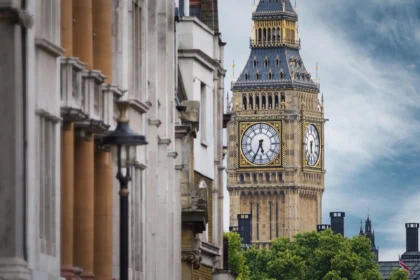
One of the most visited attractions in the city is the London Eye, which offers panoramic views across the Thames and central London. Just across the river sits the Palace of Westminster and Big Ben, followed nearby by Westminster Abbey, where British monarchs have been crowned for centuries. This area alone could easily fill half a day of sightseeing and is one of the best starting points for exploring London for the first time.
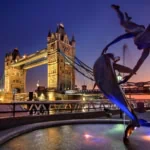
Further east along the river you reach the historic heart of London, where the Tower of London and Tower Bridge stand. The Tower of London is not just a castle but a fortress, prison, royal residence, and treasury, and it remains one of the most historically important buildings in the country. Nearby, St Paul’s Cathedral dominates the skyline of the City of London and offers one of the best viewpoints in central London from its famous dome.
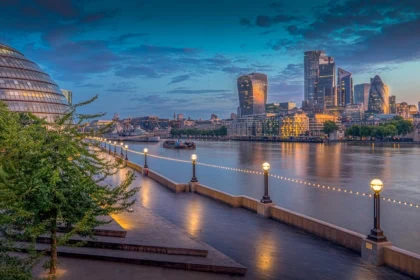
Modern London also has its own attractions, including The Shard, Sky Garden, and the riverside developments around London Bridge and Canary Wharf. These newer attractions provide some of the best skyline views and photography spots in the city, especially at sunset or after dark when London’s skyline is illuminated.
Outside the very centre, attractions like Kew Gardens, the Warner Bros Studio Tour, and Wembley Stadium show a different side of London beyond the historic centre. Together, these attractions form the backbone of any London sightseeing trip, and most visitors will build their itinerary around a selection of these major landmarks.
Best Areas for Attractions in London
Understanding London by area rather than by individual attractions is one of the smartest ways to plan a trip. The city is enormous, but most major attractions are grouped into a few key areas, and organising your sightseeing by neighbourhood can save a huge amount of travel time. Instead of crossing the city multiple times in one day, it is far better to explore one area at a time.
Westminster is the political and historic centre of London and contains some of the most famous landmarks in the country. This is where you will find Big Ben, the Houses of Parliament, Westminster Abbey, and Buckingham Palace, all within walking distance of each other. The area is also very close to St James’s Park and The Mall, making it one of the best areas for a walking sightseeing route.
Across the river, the South Bank is one of London’s most enjoyable areas to explore on foot. The London Eye, the Southbank Centre, river walks, street performers, and food markets make this one of the most lively and scenic parts of the city. From here you can walk along the Thames towards Tower Bridge, passing attractions like Shakespeare’s Globe, Tate Modern, and the Millennium Bridge along the way.
The City of London is the historic financial district and home to St Paul’s Cathedral, the Museum of London, and several historic churches and markets. It is also within walking distance of the Tower of London and Tower Bridge, making it easy to combine historic attractions in this area into a single day.
Further west, Kensington and South Kensington are home to some of London’s best museums, including the Natural History Museum, the Science Museum, and the Victoria and Albert Museum, many of which are free to enter. Nearby you will also find Hyde Park, Kensington Palace, and Royal Albert Hall, making this another excellent sightseeing area.
By planning your trip around these key areas, you can see far more attractions with far less travel time, and your days will feel much more relaxed and organised.
London Attraction Tickets & Skip-the-Line Tips
One of the most important things to understand when visiting London is that many major attractions sell out in advance, especially during summer, school holidays, and weekends. Attractions such as the London Eye, the Tower of London, Warner Bros Studio Tour, and popular Thames River Cruises often have timed entry tickets, and arriving without a booking can sometimes mean long queues or no availability at all.
Booking tickets in advance is almost always a good idea, particularly for the London Eye, Tower of London, and Westminster Abbey, where queues can be very long in peak season. Skip-the-line tickets can save a significant amount of time, especially if you are visiting London for only a few days and want to maximise sightseeing rather than waiting in queues.
Another important tip is to group attractions geographically and book tickets in time slots that make sense for travel between locations. For example, visiting Westminster Abbey in the morning, the London Eye around lunchtime, and a Thames River Cruise in the afternoon makes far more sense than travelling back and forth across the city for different timed entries.
Many visitors also consider buying a London attraction pass, which can include entry to multiple attractions for a fixed price. These passes can be good value if you plan to visit several paid attractions in a short period of time, but they are not always worth it for every traveller. Understanding which attractions you want to visit before buying tickets or passes is therefore very important.
Planning tickets in advance, grouping attractions by area, and allowing enough time between bookings are some of the most important things you can do to make your London sightseeing trip smooth and stress-free.
London Attraction Passes Explained
Many visitors to London consider buying an attraction pass to save money, but whether a pass is worth it depends entirely on how many paid attractions you plan to visit and how quickly you plan to see them. The two main passes most visitors look at are the London Pass and the Explorer Pass, and while they sound similar, they work in very different ways.
The London Pass is based on the number of days you use it. Once activated, you can visit as many included attractions as you want within the number of days purchased. This works best for travellers who plan to visit several major attractions such as the Tower of London, Westminster Abbey, St Paul’s Cathedral, and take a Hop On Hop Off bus tour within a short time period. The more attractions you visit in a day, the better value the pass becomes.
The Explorer Pass, on the other hand, is based on the number of attractions rather than the number of days. You buy a pass for a certain number of attractions and can use it over a longer period. This is often better for travellers who want a more relaxed itinerary and do not want to rush between attractions just to get value from a time-based pass.
It is important to understand that not every attraction in London is included in these passes, and some very popular attractions like the London Eye may only be included on certain passes or combinations. Before buying any pass, you should always calculate the normal ticket prices for the attractions you actually want to visit and compare that with the pass price.
For some travellers, attraction passes can save a significant amount of money. For others, especially those who prefer museums, parks, walking, and free attractions, buying individual tickets may actually be cheaper. The key is planning your itinerary first, and only then deciding whether a pass makes financial sense.
Free Attractions in London
One of the best things about London compared to many other major cities is that some of the best attractions in the city are completely free. This means you can have an excellent London sightseeing trip without spending a fortune on attraction tickets, especially if you mix paid attractions with free museums, parks, and viewpoints.
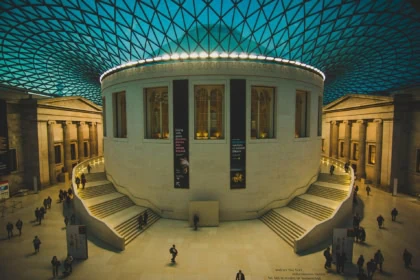
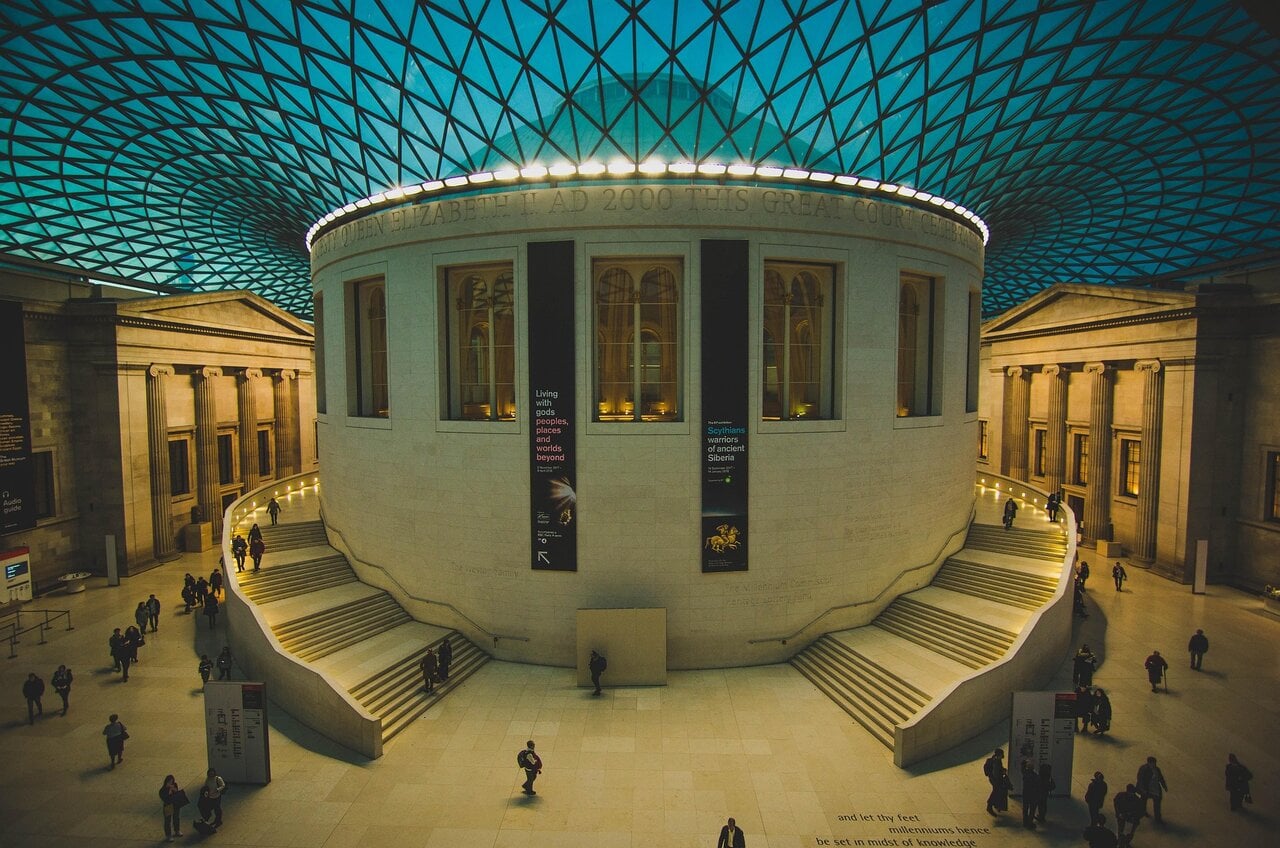
London is famous for its free museums, and several of them are world-class. The British Museum, the Natural History Museum, the Science Museum, and the Victoria and Albert Museum are all free to enter and could each easily take several hours to explore. These museums are not small local museums but major national institutions with globally important collections.
London is also a very green city, and its parks are attractions in their own right. Hyde Park, Kensington Gardens, St James’s Park, Regent’s Park, and Greenwich Park are all excellent places to walk, relax, or take a break between sightseeing stops. Some of the best views in London can actually be found from parks rather than buildings.
There are also several free viewpoints across London. The most famous is Sky Garden, which offers panoramic views across the city from the top of a skyscraper. Although the ticket is free, you usually need to book a time slot in advance. Walking across Tower Bridge, along the South Bank, or up Primrose Hill also provides excellent views without paying for observation decks.
When planning your trip, it is a very good idea to mix paid attractions with free attractions, as this keeps costs down and also prevents sightseeing from becoming too rushed or exhausting. Many visitors find that some of their favourite experiences in London are actually the parks, markets, riverside walks, and museums rather than the expensive attractions.
Best Time to Visit London Attractions
London is a year-round destination, but the experience of visiting attractions can vary significantly depending on the time of year, the day of the week, and even the time of day. Understanding when attractions are busiest can make a huge difference to how enjoyable your trip feels.
Summer is the busiest time to visit London, especially between June and August when schools are on holiday and international tourism is at its peak. During this period, attractions like the London Eye, the Tower of London, and Buckingham Palace can be extremely busy, with long queues and crowded viewing areas. If you visit during summer, it is strongly recommended to book tickets in advance and visit major attractions early in the morning.
Spring and autumn are often considered the best times to visit London because the weather is usually mild and crowds are smaller than in peak summer. Parks are particularly nice in spring when flowers are blooming, and autumn can be a beautiful time to walk along the Thames or through London’s parks.
Winter is quieter for tourism, although the period around Christmas is very busy due to Christmas markets, lights, and shopping. Visiting London attractions in winter can actually be very pleasant because queues are shorter, and many indoor attractions like museums, galleries, and historic buildings are ideal for colder weather.
Time of day also matters. Early morning is usually the best time to visit major attractions, especially the Tower of London, Westminster Abbey, and St Paul’s Cathedral. Late afternoon and evening are often the best times for viewpoints such as The Shard, Sky Garden, or river cruises, as the city looks particularly impressive at sunset and after dark.
Getting Between London Attractions
Getting between attractions in London is usually very easy, but choosing the right transport method can save a lot of time and energy. Many visitors rely heavily on the Underground, but in central London, walking, buses, and river boats are often just as useful and sometimes much more enjoyable.
The London Underground is the fastest way to travel longer distances across the city, and it connects most major tourist areas. However, stations can be deep underground, busy, and involve a lot of escalators and walking through tunnels. For shorter journeys in central London, it is often quicker to walk or take a bus.
London buses are very useful for sightseeing because you can actually see the city while travelling, unlike on the Underground. Many bus routes pass major landmarks, and sitting on the upper deck of a bus can feel like a cheap sightseeing tour. Buses are also useful for short journeys between areas like Westminster, Trafalgar Square, Covent Garden, and St Paul’s Cathedral.
One of the most enjoyable ways to travel between attractions is the Uber Boat by Thames Clippers, which operates along the River Thames like a river bus. The boats stop at piers near attractions such as Westminster, the London Eye, Tower of London, Greenwich, and Canary Wharf. Travelling by river is often slower than the Underground but far more scenic, and it is a great way to rest your feet while still sightseeing.
Many of London’s major attractions are actually closer together than they appear on the Tube map, and walking between areas like Westminster, the South Bank, Covent Garden, Trafalgar Square, and the City of London is often the best way to explore. Some of the best parts of London are found between attractions rather than at the attractions themselves, and walking allows you to discover streets, markets, and views that you would otherwise miss underground.
Suggested London Attraction Itineraries
One of the biggest challenges when visiting London is deciding what to see first, because there are so many major attractions spread across the city. The key to a successful trip is grouping attractions by area and planning your days logically, rather than trying to visit places in a random order. London sightseeing becomes much easier when you focus on one part of the city at a time.
A typical first day in London often focuses on Westminster and the South Bank. This area includes Big Ben, the Houses of Parliament, Westminster Abbey, Buckingham Palace, and the London Eye, all within a relatively small area. Walking along the river between Westminster Bridge and Tower Bridge is one of the best sightseeing routes in London and passes several famous landmarks along the way.
Another day could focus on the historic eastern side of central London, including St Paul’s Cathedral, the Tower of London, and Tower Bridge. This area is slightly less crowded than Westminster but just as historically important. Walking across Tower Bridge and along the riverside paths provides some of the best views in the city.
A third day could include Kensington, the major museums such as the Natural History Museum and the Science Museum, plus Hyde Park and Kensington Palace. Alternatively, you could use a day for attractions slightly further out, such as Kew Gardens, Greenwich, Wembley Stadium, or the Warner Bros Studio Tour.
The most important thing to remember when planning your itinerary is that London is larger than most visitors expect, and travel time between areas can be significant. By grouping attractions into areas like Westminster, South Bank, City of London, and Kensington, you will see far more and spend far less time travelling.
London Attractions Tips
There are a few simple things that can make visiting London attractions much easier and more enjoyable. The first is to start your days early, especially if you want to visit popular attractions like the Tower of London, Westminster Abbey, or the London Eye. Arriving early in the morning often means shorter queues and a more relaxed experience.
Another important tip is to book major attractions in advance whenever possible. London is one of the most visited cities in the world, and some attractions operate timed entry systems. Turning up without a ticket can sometimes mean long waits or no entry at all, especially during summer and school holidays.
It is also important to plan your routes carefully. Many attractions look close together on the Underground map but may actually be quicker to reach by bus or on foot. Walking between attractions along the River Thames is often one of the best ways to see London, and you will often discover viewpoints, markets, and historic streets that you would never see from the Underground.
Another useful tip is to mix indoor and outdoor attractions throughout the day, especially if the weather is unpredictable. London weather can change quickly, so having a flexible plan helps a lot. Museums, galleries, and historic buildings are perfect for rainy periods, while parks, viewpoints, and river walks are best saved for dry weather.
Finally, remember that London is a city best explored slowly, not by rushing between attractions trying to see everything. Many of the best experiences in London come from walking through neighbourhoods, crossing bridges, exploring parks, and stopping for food or coffee between attractions. Allow time to enjoy the city rather than just ticking landmarks off a list.

Rupert’s Handy Travel Tips
Planning to explore London’s top attractions? Here are a few tips to make your sightseeing days easier and more enjoyable:
- Group attractions by area: London is huge, so plan your days around Westminster, the South Bank, the City, or Kensington rather than travelling across the city all day.
- Start early at major attractions: Places like the Tower of London and Westminster Abbey are much quieter in the morning.
- Use the river boats: The Uber Boat along the Thames is one of the most scenic ways to travel between attractions.
- Walk when you can: Many of London’s major sights are closer together than they look on the Tube map.
- Mix free and paid attractions: London has world-class free museums and parks, so you don’t need to pay for everything.
Want to meet the reindeer behind our travel tips? Find out more in our page Who is Rupert?.
Frequently Asked Questions
What are the most popular attractions in London?
The most popular attractions in London include Big Ben, Westminster Abbey, the London Eye, the Tower of London, Tower Bridge, St Paul’s Cathedral, and Buckingham Palace. Many of these attractions are located along the River Thames, making it easy to visit several of them in one day if you plan your route carefully.
Do you need to book London attractions in advance?
For many major London attractions, it is recommended to book tickets in advance, especially for the London Eye, Tower of London, Westminster Abbey, and the Warner Bros Studio Tour. Booking ahead can help you avoid long queues and secure entry during busy periods such as summer and school holidays.
Are there free attractions in London?
Yes, London has many free attractions, including the British Museum, the Natural History Museum, the Science Museum, Hyde Park, St James’s Park, and viewpoints such as Sky Garden. Many visitors are surprised by how many excellent attractions in London are free to enter.
What is the best way to travel between London attractions?
The best way to travel between London attractions depends on the distance, but in central London, walking, buses, and the Uber Boat on the River Thames are often very convenient. For longer distances, the London Underground is usually the fastest option.
How many days do you need to see London attractions?
Most visitors need at least two or three days to see the main London attractions without rushing. One day is enough to see landmarks around Westminster, the London Eye, and Tower Bridge, but three days allows you to visit museums, parks, and areas like Kensington or Greenwich as well.
Further Reading & Related London Guides
If you are planning your trip, make sure to read our London Attractions Guide, which covers the main landmarks, sightseeing areas, ticket advice, and how to organise your time in the city. This will help you build your itinerary properly and group attractions together so you don’t waste time travelling back and forth across London.
Because many of London’s most famous attractions are located along the River Thames, many visitors combine places such as the London Eye, Westminster Abbey, the Tower of London, and Tower Bridge with a Thames river boat journey, which is one of the most scenic ways to travel between attractions.
To plan your days properly, you should also read our London Itinerary Guide, as well as our London in 1 Day, London in 2 Days, and London in 3 Days guides, which show how to group attractions by area and avoid unnecessary travel time.
Before travelling around the city, it is also worth reading our Getting Around London guide and Oyster vs Contactless guide so you understand the cheapest and easiest way to use London’s transport system.
Reading these guides together will help you plan your London itinerary more efficiently, group nearby attractions together and make the most of your time in the city.
Last Updated
April 2026
Affiliate Disclosure
This page contains affiliate links. If you click through and make a purchase or booking, we may earn a small commission at no extra cost to you. This helps support our work and allows us to continue providing detailed, independent travel advice. We only recommend apps and services we personally use or have verified as high-quality.