
Grand Egyptian Museum: What You Need to Know
The Grand Egyptian Museum is one of the most important new attractions in Egypt and is already considered a must-visit alongside the Pyramids of Giza. Located just outside Cairo, this vast complex is the largest archaeological museum in the world dedicated to a single civilisation, housing over 100,000 artefacts from ancient Egypt.
What makes the museum stand out is not just the scale, but the way it presents history. Unlike the older Egyptian Museum in Tahrir Square, the Grand Egyptian Museum is designed as a modern, structured experience, with wide galleries, clear layouts, and exhibits that guide you through thousands of years of Egyptian civilisation.
One of the biggest highlights is the complete Tutankhamun collection, displayed together for the first time, alongside monumental pieces such as the colossal statue of Ramses II, which greets visitors on arrival. The museum is also positioned close to the pyramids, making it easy to combine both into a single visit.
For most travellers, visiting the museum is straightforward, but planning ahead makes a big difference. You can either buy an entry ticket and explore independently, or choose a guided tour that combines the museum with the pyramids and other key sites, which simplifies the day and provides much more context.
Where Is the Grand Egyptian Museum?
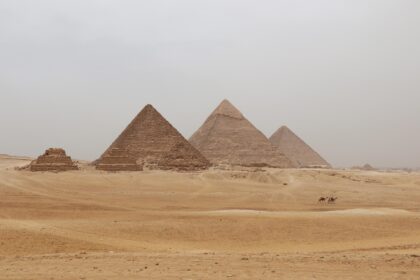
The Grand Egyptian Museum is located on the outskirts of Cairo, close to the Giza Plateau, where the pyramids are found. This positioning is intentional, allowing visitors to combine two of Egypt’s most important attractions in a single trip.
From central Cairo, the museum is around 20 to 25 kilometres away, with travel times typically ranging from 30 to 60 minutes, depending on traffic. From the Pyramids of Giza, the journey is much shorter, usually around 10 to 15 minutes by car, making it an easy addition to a pyramids visit.
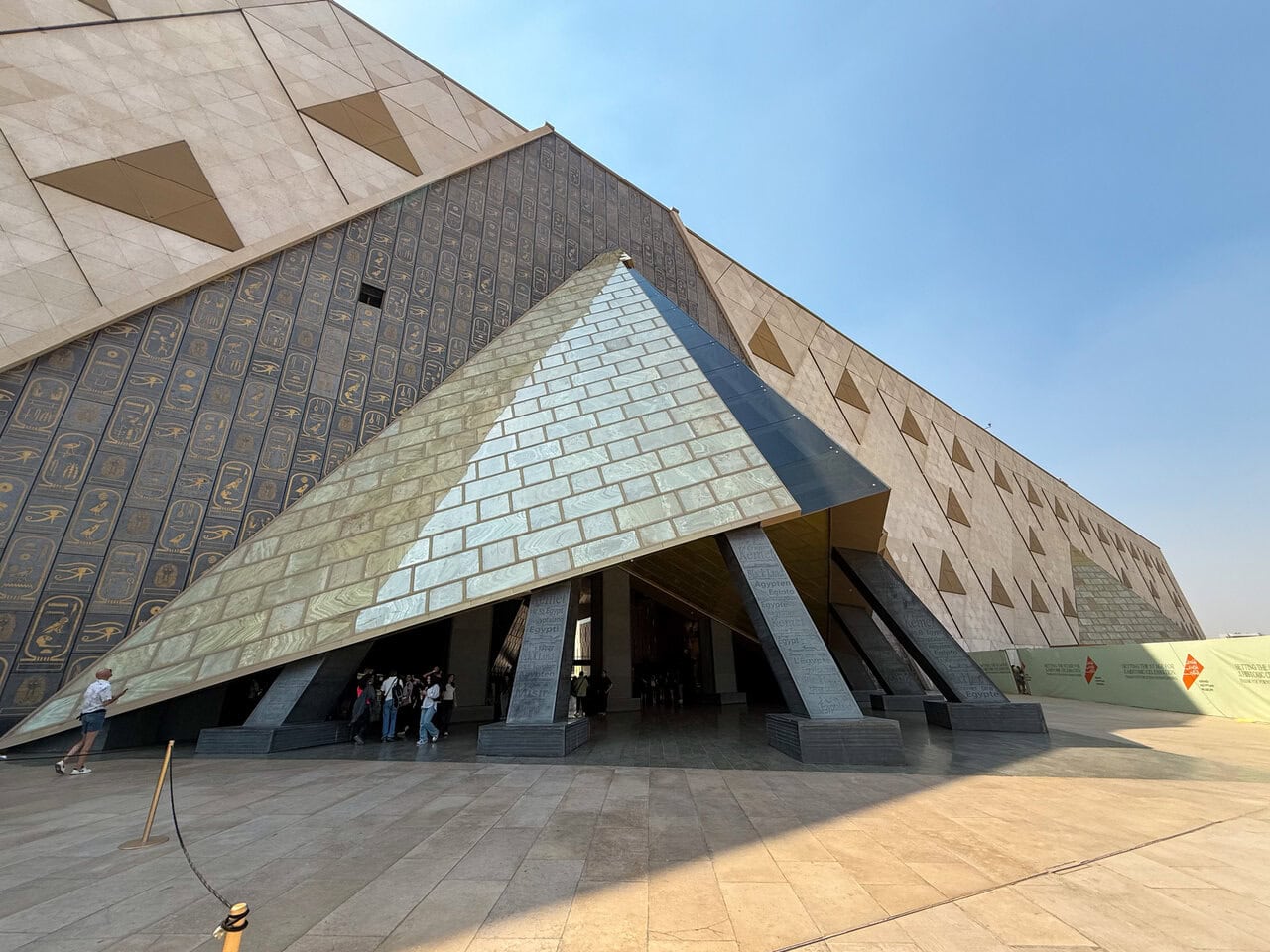
The museum complex itself is large and modern, with a designated entrance currently operating through Gate 9, where security checks and ticket validation take place. Once inside, visitors can access the main galleries, exhibitions, and surrounding areas.
Because of its location, most visitors reach the museum by taxi or ride-hailing apps such as Uber or Careem, which are widely available in Cairo and Giza. Public transport is possible, but it usually involves combining the metro with a taxi for the final part of the journey.
The key point is simple. The museum is not in central Cairo, but it is ideally positioned to be visited alongside the pyramids, which is how most travellers include it in their itinerary.
Grand Egyptian Museum Tickets & Entry
Visiting the Grand Egyptian Museum requires an entry ticket, and while it is possible to purchase tickets on arrival, many travellers prefer to book in advance to avoid uncertainty.
On-site ticket purchase is available, but it can involve queues and variable availability, particularly during busy periods or peak travel seasons. Entry is generally well organised, but arriving without a ticket means you may need to spend extra time navigating ticket counters before entering the museum.
Booking a ticket in advance offers a more straightforward experience. You can secure your entry, choose your preferred time, and move directly through the entrance process when you arrive. This is particularly useful if you are working with a tight itinerary or planning to combine the museum with other attractions.
A popular option is the entry ticket to the Grand Egyptian Museum, which includes access to the main galleries, the Tutankhamun collection, and permanent exhibitions. Reviews consistently highlight how easy the process is, with many travellers noting fast entry and a smooth experience once inside.
It is worth noting that tickets are typically non-refundable, so it is important to confirm your plans before booking. However, for most visitors, the convenience of having everything arranged in advance outweighs this limitation.
For travellers who want a simple visit with minimal hassle, booking your ticket ahead of time is the easiest way to ensure a smooth experience.
What You’ll See Inside the Grand Egyptian Museum
The Grand Egyptian Museum is not just a collection of artefacts. It is designed as a full journey through ancient Egyptian civilisation, combining scale, storytelling, and modern presentation in a way that feels very different from traditional museums.
One of the first things you encounter is the colossal statue of Ramses II, which stands at the heart of the museum’s main hall. This is not just a display piece, it sets the tone for the entire visit. The size, detail, and presentation immediately show the scale of what you are about to experience.
From there, the museum opens into a series of large, structured galleries, each organised chronologically. As you move through the space, you are effectively walking through thousands of years of history, from early dynasties through to the height of ancient Egyptian power. The layout is deliberately designed to be easy to follow, so even without a guide, the experience feels logical and well-paced.
The highlight for most visitors is the Tutankhamun collection, which is displayed in full for the first time. This includes the famous golden mask, jewellery, ceremonial objects, and items from the tomb that were previously scattered across different locations. Seeing everything together creates a much clearer picture of the pharaoh’s life and burial, and it is one of the most complete and immersive exhibits anywhere in the world.
Beyond Tutankhamun, the museum includes a vast range of artefacts that cover daily life, religion, and royal power in ancient Egypt. You will see statues of gods and pharaohs, detailed carvings, tools, jewellery, and objects that reveal how people lived thousands of years ago. These pieces are displayed with clear explanations, making them accessible even if you have little prior knowledge.
One of the strengths of the museum is how it uses modern design and interactive elements to enhance the experience. Lighting, space, and presentation are carefully controlled, which makes the exhibits easier to appreciate compared to more crowded or traditional museum environments. The galleries feel open rather than overwhelming, even though the collection is enormous.
The museum also offers views towards the pyramids from certain areas of the complex, reinforcing the connection between the artefacts inside and the monuments outside. This link between location and history adds an extra layer to the visit that you do not get elsewhere.
Because of the size of the museum, it is not necessary to see everything in detail. Most visitors focus on the main highlights and spend around 2 to 3 hours exploring, which is enough to experience the key exhibits without feeling rushed.
What makes the Grand Egyptian Museum stand out is not just the artefacts themselves, but how they are presented. It turns what could be an overwhelming collection into a structured, engaging experience that brings ancient Egypt to life in a clear and memorable way.
How Long Do You Need at the Grand Egyptian Museum?
Most visitors spend around 2 to 3 hours at the Grand Egyptian Museum, which is enough time to see the main highlights without feeling rushed. This typically includes the Ramses II statue, the Tutankhamun galleries, and a walkthrough of the key exhibition halls.
If you want to explore in more detail, you could easily spend 4 hours or more, especially if you take time to read the displays, visit additional galleries, or move at a slower pace. The museum is vast, and trying to see everything in one visit can become tiring, so most travellers focus on the major sections.
Reviews consistently suggest that around 3 hours is the ideal balance, giving you enough time to experience the museum properly while still leaving energy for other activities, such as visiting the pyramids.
If you are combining the museum with other attractions, it is important to plan your time carefully. The size of the museum means it can take longer than expected, particularly during busy periods when entry queues or security checks add extra time.
For most travellers, the best approach is to treat the visit as a focused experience, prioritising the main highlights rather than trying to see every exhibit.
Facilities at the Grand Egyptian Museum
The Grand Egyptian Museum is a modern, purpose-built complex, and the facilities reflect that. Compared to older museums in Cairo, everything here is designed to make the visitor experience comfortable, structured, and easy to navigate.
Inside the museum, you will find a range of cafés and dining areas, offering drinks, light meals, and places to take a break during your visit. Given the size of the museum, most visitors appreciate having somewhere to sit and recharge before continuing through the galleries.
There are also gift shops located within the complex, selling souvenirs, books, and replicas inspired by ancient Egyptian artefacts. These are well-organised and provide a more curated shopping experience compared to markets elsewhere in Cairo.
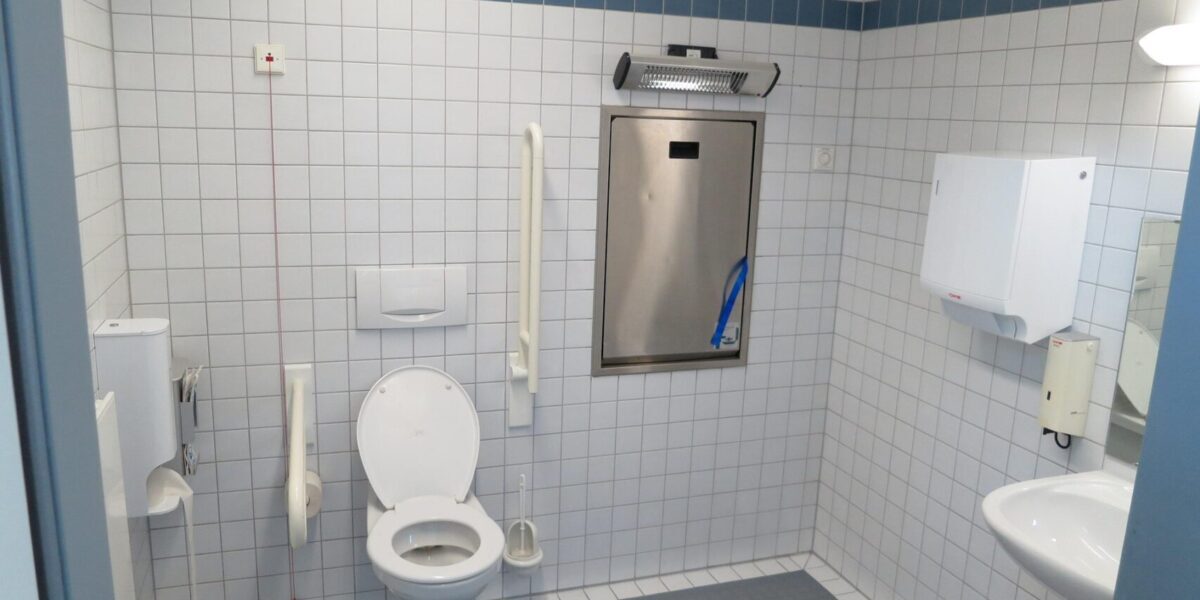
Toilets are available throughout the museum and are generally clean, modern, and easy to find, which is a noticeable improvement compared to many older attractions. Facilities are clearly signposted, helping visitors move around without confusion.
For those travelling with luggage or larger items, bag restrictions are in place, and large bags are not permitted inside the galleries. In some cases, storage or holding areas may be available near the entrance, but it is best to arrive with minimal items to avoid delays at security.
Families are well catered for, with baby changing facilities available, making it easier to visit with young children. The layout of the museum also makes it relatively easy to move around with strollers in most areas.
Designated smoking areas are located outside the main gallery spaces, as smoking is not permitted inside the museum. If you need to step out, you can do so without leaving the wider complex entirely.
Overall, the facilities at the Grand Egyptian Museum are one of its strongest points. The combination of modern amenities, clear layout, and visitor-focused design makes it far easier to spend several hours here compared to older museums in the city.
Best Tours Including the Grand Egyptian Museum
For travellers who want to make the most of their time in Cairo, combining the museum with other major attractions is often the most efficient option. Rather than visiting each site separately, a structured tour allows you to experience the Grand Egyptian Museum, the Pyramids of Giza, and the Sphinx in a single, well-planned day.
A popular choice is a guided tour that includes the Grand Egyptian Museum, Pyramids, and Sphinx, which offers a complete overview of Egypt’s most iconic sites. With a 4.6 rating and over 2,800 reviews, it is widely used by visitors looking for a straightforward and organised experience.
The main advantage of this type of tour is efficiency. Instead of arranging transport, tickets, and timing yourself, everything is handled for you. The itinerary typically includes time at the Giza Plateau, where you can explore the pyramids and see the Great Sphinx, followed by a visit to the museum to understand the historical context behind what you have seen.
Having an Egyptologist guide also adds significant value, particularly inside the museum. The scale of the exhibits can be overwhelming, and a guide helps explain the meaning behind key artefacts, making the experience much more engaging.
Most tours also include transport in an air-conditioned vehicle and lunch, which helps break up the day and makes the overall experience more comfortable.
While it is entirely possible to visit the museum and pyramids independently, doing so requires careful planning and coordination. A combined tour removes this complexity and ensures you can see the main highlights without worrying about logistics.
For travellers with limited time, or those who prefer a more structured experience, this is often the most efficient way to visit the Grand Egyptian Museum and the pyramids together.
How to Get to the Grand Egyptian Museum
Reaching the Grand Egyptian Museum is relatively straightforward, but it does require planning due to its location outside central Cairo.
The most common way to get there is by taxi or ride-hailing apps such as Uber or Careem, which are widely available throughout Cairo and Giza. This is the easiest option, especially if you are travelling directly from your hotel or combining the visit with the pyramids.
From central Cairo, the journey typically takes 30 to 60 minutes, depending on traffic. From the Giza area, travel time is much shorter, usually around 10 to 15 minutes, making it an easy addition to a pyramids itinerary.
Public transport is possible, but it involves multiple steps. The closest metro station is Giza (Line 2), from where you will need to take a taxi or local minibus towards the pyramids and the museum. This option is cheaper, but less convenient, particularly for first-time visitors.
Because of the museum’s size and location, most travellers choose the simplest option. Using a direct taxi or ride-hailing service avoids unnecessary complications and allows you to focus on the visit itself.
Can You Visit the Museum and Pyramids Together?
Yes, and in fact, this is how most visitors plan their day. The Grand Egyptian Museum is located just a short distance from the Pyramids of Giza, making it easy to combine both into a single trip.
The two sites complement each other well. Visiting the pyramids gives you the physical experience of ancient Egypt, while the museum provides the historical context and artefacts that explain what you are seeing.
Travel between the two locations is quick, usually around 10 to 15 minutes by car, which means you can move between them without losing much time. This makes it entirely realistic to visit both in one day, especially if you plan your timing carefully.
Many travellers choose to visit the pyramids first, when temperatures are cooler and the site is less crowded, before heading to the museum later in the day. This creates a balanced itinerary that avoids rushing.
Alternatively, a combined guided tour allows you to experience both locations without needing to organise transport or timing yourself. This is often the simplest option, particularly if you are short on time or prefer a structured experience.
Combining the museum and pyramids is one of the most efficient ways to experience Cairo’s highlights, and for many visitors, it becomes the standout day of their trip.
Tips for Visiting the Grand Egyptian Museum
Visiting the Grand Egyptian Museum is straightforward, but a few practical details can make the experience much smoother.
Arriving early in the day is usually the best approach, particularly if you want to avoid peak crowds and have more space to explore the galleries. The museum is large and well organised, but it can become busy, especially during peak travel periods.
Security checks are thorough, and large bags, food, and drinks are not permitted inside the galleries, so it is best to travel light. This will help you move through the entrance process more quickly and avoid delays.
Because of the size of the museum, it helps to have a rough idea of what you want to see before you arrive. Focusing on the main highlights, such as the Tutankhamun collection and key galleries, allows you to enjoy the visit without feeling overwhelmed.
Comfort is also important. You will be walking for extended periods, so comfortable shoes and light clothing are recommended, particularly in warmer months.
Finally, allow flexibility in your schedule. The museum is larger than most visitors expect, and giving yourself extra time ensures you can explore at a relaxed pace rather than rushing through the experience.

Rupert’s Handy Travel Tips
Visiting the Grand Egyptian Museum? Rupert’s wandered the halls and picked up a few tips to help you make the most of your visit:
- Start with a plan: The museum is huge, so focus on the key highlights like Tutankhamun rather than trying to see everything.
- Allow more time than you think: Most people spend around 3 hours, but it’s easy to stay longer once you’re inside.
- Combine it with the pyramids: They’re only a short drive away, and visiting both in one day makes your trip far more efficient.
- Travel light: Large bags are not allowed inside, and security checks are thorough.
- Consider a guided visit: Understanding the stories behind the artefacts makes a big difference to the experience.
Want to meet the reindeer behind our travel tips? Find out more in our page Who is Rupert?.
Frequently Asked Questions
Do you need to book tickets for the Grand Egyptian Museum in advance?
No, you can buy tickets on arrival, but booking in advance is often easier. It allows you to avoid queues and enter the museum without delays, particularly during busy periods.
How long should you spend at the Grand Egyptian Museum?
Most visitors spend around 2 to 3 hours, which is enough to see the main highlights. If you want to explore in more detail, you can easily spend longer.
Is the Grand Egyptian Museum worth visiting?
Yes, it is widely considered one of the top attractions in Egypt. The scale of the museum, combined with the Tutankhamun collection and modern presentation, makes it a must-visit for most travellers.
Can you visit the pyramids and the museum on the same day?
Yes, the museum is located close to the Pyramids of Giza, and both can easily be combined into a single day. Many visitors choose to visit the pyramids first and the museum later.
How do you get to the Grand Egyptian Museum?
The easiest way is by taxi or ride-hailing apps such as Uber or Careem. Public transport is possible but less convenient, as it usually requires a combination of metro and taxi.
Further Reading & Related App Guides
If you are planning your visit, make sure to read our Cairo Travel Guide, which explains where to stay, how to get around, and how to organise your time in the city.
To prepare for your visit to the pyramids, our Pyramids of Giza guide covers tickets, timings, and how to avoid common mistakes when visiting the site.
Getting around Cairo is much easier with the right tools, so our Taxi & Ride-Hailing Apps guide explains how to use services like Uber and Careem effectively.
To stay connected during your trip, our eSIM Apps Guide shows you how to get mobile data instantly, which is particularly useful for navigation and bookings.
Finally, our Attraction Ticket Apps Guide helps you book tickets and tours in advance, making it easier to plan your itinerary and avoid queues.
Reading these guides together will help you plan your visit more efficiently and make the most of your time in Cairo.
Last Updated
April 2026
Affiliate Disclosure
This page contains affiliate links. If you click through and make a purchase or booking, we may earn a small commission at no extra cost to you. This helps support our work and allows us to continue providing detailed, independent travel advice. We only recommend apps and services we personally use or have verified as high-quality.