
Getting Around London: Transport Made Easy
Getting around London is much easier than many visitors expect. The city has one of the largest and most efficient public transport systems in the world, and most visitors use a combination of the Underground, buses, trains, river boats, and walking during their trip. Once you understand how the system works, travelling across London is very straightforward.
Central London is actually quite compact, and many of the major attractions such as Big Ben, Buckingham Palace, Trafalgar Square, Covent Garden, the London Eye, St Paul’s Cathedral, and Tower Bridge are closer together than people think. You will often find that walking between attractions is faster than taking the Underground for short distances.
For longer journeys, the London Underground, also known as the Tube, is the fastest way to travel across the city. Buses are useful for shorter journeys and sightseeing because you can see the city as you travel. Many visitors also use the river boats on the Thames, which are both a transport option and a sightseeing experience.
Most visitors do not need to buy paper tickets because contactless payment is the easiest way to pay for transport in London. You simply tap your card or phone at the station gates or on the bus and the system automatically calculates the cheapest fare.
Once you understand the basics, getting around London is simple, fast, and one of the easiest parts of visiting the city.
London Underground (The Tube)
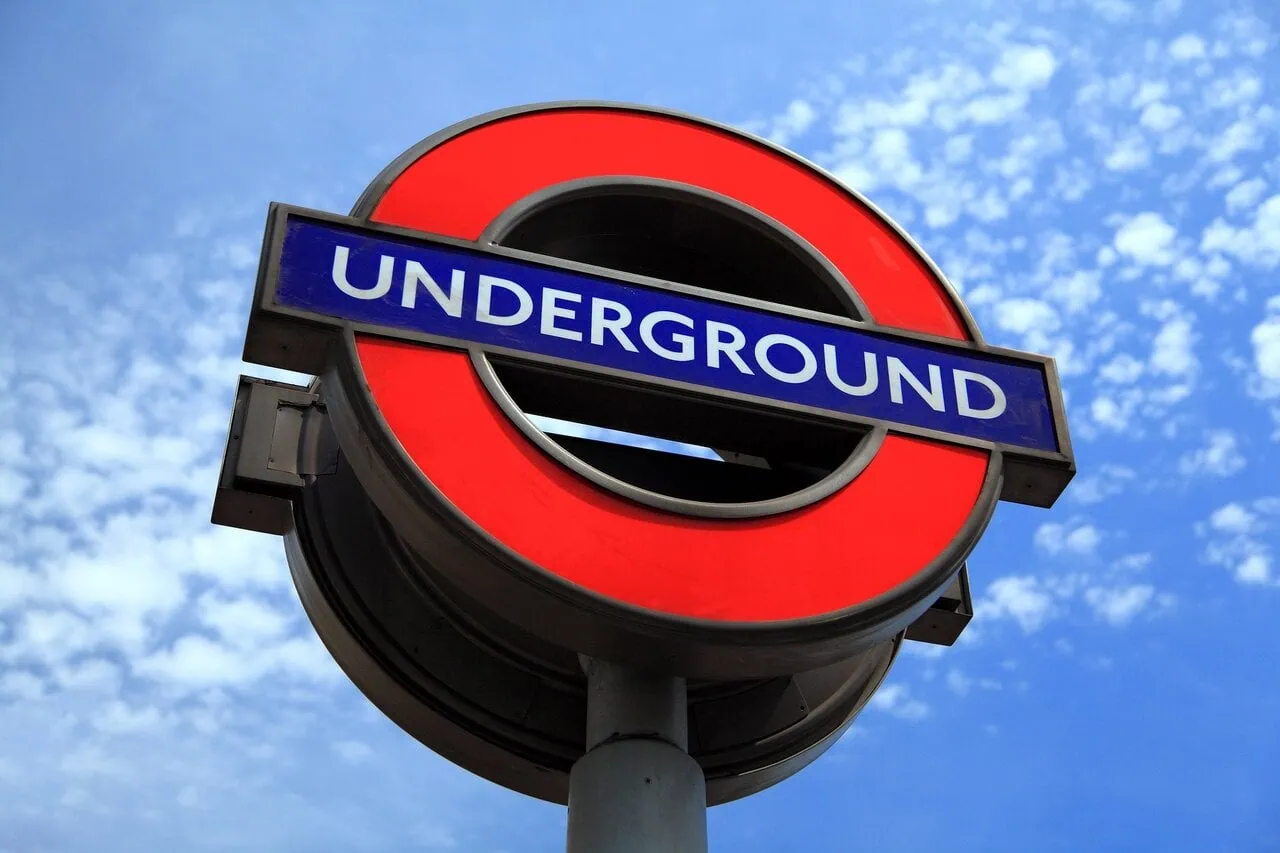
The London Underground, usually called the Tube, is the fastest way to travel across London and will probably be the transport you use most during your visit. The network covers most of the city and connects major stations, attractions, and transport hubs.
Tube lines are shown by different colours on the London Underground map, and stations are clearly signposted. Major central London stations include Westminster, Green Park, Victoria, Oxford Circus, Piccadilly Circus, Leicester Square, King’s Cross, London Bridge, and Tower Hill, which are all close to major attractions.
Trains run very frequently, usually every few minutes, and services run from early morning until around midnight, with some lines running Night Tube services on Friday and Saturday nights.
Tube stations use ticket barriers, and you must tap in when entering and tap out when leaving the system. If you forget to tap out, you may be charged a higher fare.
During rush hour, especially between 07:30 to 09:30 and 16:30 to 18:30, trains can be very busy, so if possible it is easier to travel outside these times. Outside rush hour, the Tube is usually a very quick and convenient way of getting around London.
London Buses
London’s red buses are one of the most famous symbols of the city, but they are also a very useful way to travel, especially for shorter journeys and sightseeing. Unlike the Underground, you can see the city as you travel, which makes buses a good option if you are not in a hurry.
Buses do not accept cash, so you must use contactless card, phone payment, or Oyster card when boarding. You only tap once when you get on the bus, not when you get off.
Buses are particularly useful in central London where Underground stations are very close together and going underground for one stop often takes longer than simply getting a bus or walking. Bus routes run all over London and many run 24 hours a day.
If you can get a seat on the top deck of a bus, especially at the front, you will get great views of London streets and landmarks as you travel. Many visitors find this one of the easiest and most enjoyable ways of getting around London while also seeing the city.
Santander Cycles (Boris Bikes)
London’s public bike hire scheme is called Santander Cycles, but many people still call them Boris Bikes after the mayor who introduced them. These are rental bicycles that you can pick up from docking stations across central London and return to any other docking station.
The bikes are very popular for short journeys, especially in central London and along the River Thames. You will see docking stations near many major attractions such as Westminster, Buckingham Palace, Trafalgar Square, Covent Garden, Hyde Park, Tower Bridge and the South Bank.
You can hire a bike using the Santander Cycles app or directly at the docking station using a bank card. The pricing system is based on short rides, so the bikes are best used for journeys under about 30 minutes. Many people use them to cycle through Hyde Park, along the Thames, or between major attractions in central London.
Cycling in central London traffic can be busy, but there are many cycle lanes and quieter routes, especially along the river and through parks. On a nice day, cycling can be a very enjoyable way of getting around London and seeing the city from a different perspective.
Contactless vs Oyster Card
Most visitors to London will use either contactless payment or an Oyster card to pay for transport. Both work in a similar way, and you tap in and out at stations and tap once on buses.
For most visitors, contactless bank card or Apple Pay or Google Pay is the easiest option. You do not need to buy anything in advance, and the system automatically applies daily fare caps so you do not pay more than necessary.
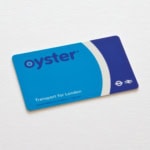
An Oyster card is a plastic travel card that you load with credit. It works the same way as contactless payment, but you have to buy the card and add money to it. Oyster cards are useful for children, visitors without contactless cards, or people staying longer in London.
For a short trip, most people will find that contactless payment is the simplest way of getting around London, and you do not need to worry about buying tickets or working out fares.
Uber Boat by Thames Clippers
One of the most interesting ways of getting around London is by using the Uber Boat by Thames Clippers, which is a river bus service that runs along the River Thames. This is not just a sightseeing cruise, it is a real part of London’s public transport system and can be used to travel between different parts of the city.
The boats run between Putney, Battersea Power Station, Westminster, London Eye, Bankside, London Bridge, Tower Pier, Greenwich and North Greenwich, stopping at multiple piers along the river. This makes it a very useful way to travel between attractions such as Westminster, the London Eye, Tate Modern, St Paul’s Cathedral, Tower of London, Tower Bridge and Greenwich.
You can pay using contactless card or Oyster card, just like the Underground and buses, although river boats are more expensive than Tube or bus fares. However, the views from the boat are excellent and it is a much more relaxing way to travel across London compared to the Underground.
Many visitors use the river boat at least once during their trip because it combines transport and sightseeing at the same time. Sitting on the outside deck as you travel past the Houses of Parliament, St Paul’s Cathedral, the Shard, Tower Bridge and Canary Wharf is one of the best ways to see London from the river.
We have a full guide explaining routes, ticket prices and the best stops to use in our Uber Boat by Thames Clippers guide, which you should read if you plan to use the river boats during your trip.
London Trains & Overground
In addition to the Underground, London also has a large network of overground trains and national rail services that are useful for travelling across the city and to areas outside central London.
The London Overground is part of the Transport for London system and appears on the Tube map as orange lines. These trains connect areas that are not directly served by the Underground and are useful for travelling between different parts of London without going through the centre.
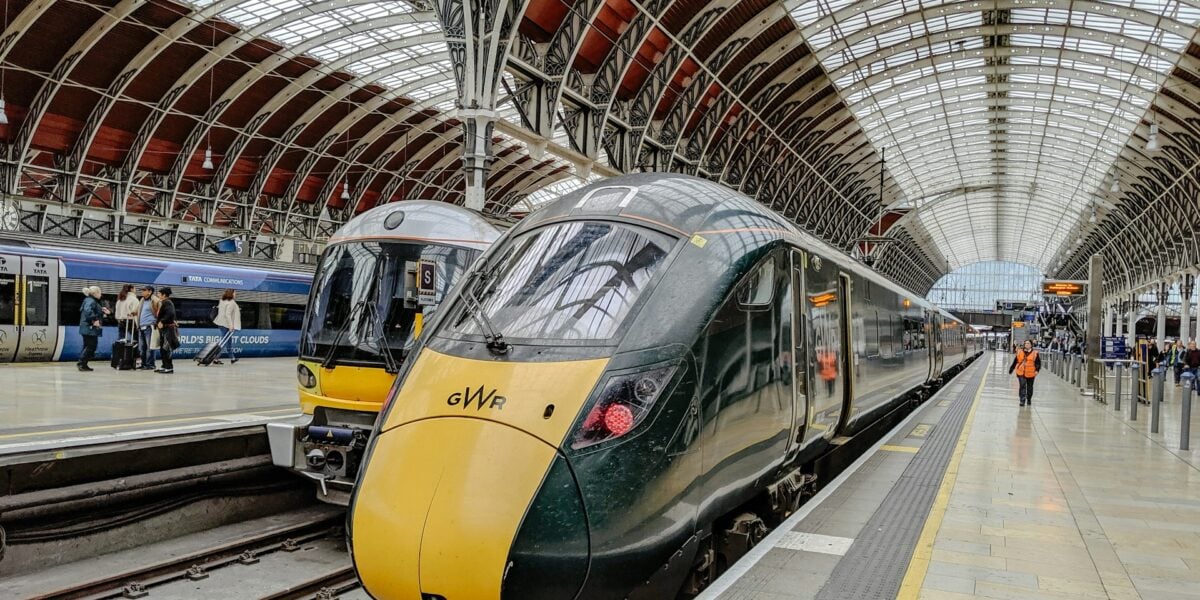
National Rail trains also run from major stations such as Paddington, Victoria, Waterloo, London Bridge, King’s Cross, St Pancras and Liverpool Street. These trains are often used for travelling to outer parts of London, nearby towns, and airports.
You can use contactless payment or Oyster card on most trains within London travel zones, and you tap in and out at the station barriers just like the Underground.
Visitors do not usually need to worry too much about trains unless they are travelling to places like Greenwich, Wimbledon, Hampton Court, Windsor, or the airports, but it is useful to know that the train network is part of the overall system for getting around London.
DLR (Docklands Light Railway)
The DLR, or Docklands Light Railway, is a light rail system that mainly serves East London, including Greenwich, Canary Wharf, Stratford and London City Airport. The trains are driverless, and if you sit at the front you can look out the front window, which makes it quite a fun journey.
Visitors often use the DLR when travelling to Greenwich, where you can visit the Royal Observatory, the Prime Meridian line, Greenwich Park and the Cutty Sark. The DLR is also used to reach London City Airport and the business district around Canary Wharf.
The DLR is part of the Transport for London system, so you can use contactless payment or Oyster card just like on the Underground and buses. You tap in and out at the station barriers in the same way.
Many visitors do not use the DLR unless they are visiting Greenwich or flying from London City Airport, but it is still an important part of the transport network and another option for getting around London if you are travelling to East London.
Taxis, Uber & Ride Apps
London has several taxi and ride options, including the famous black cabs, Uber, and other ride apps. These are useful late at night, when travelling with luggage, or when public transport is less convenient.
Black cabs can be hailed on the street or picked up from taxi ranks outside major stations and attractions. They are reliable and drivers know London extremely well, but they are usually more expensive than other options.
Uber operates across London and is often cheaper than black cabs, especially for longer journeys. Other ride apps such as Bolt and Free Now also operate in London and sometimes have lower prices than Uber.
For short trips in central London, public transport is usually faster and cheaper, but taxis and ride apps are useful in the evening, when travelling to restaurants, or when returning to your hotel late at night.
Most visitors will mainly use the Underground, buses and walking, but taxis and ride apps are still useful as a backup when getting around London.
Walking Around Central London
Walking is one of the best ways of getting around London, especially in central areas where many attractions are close together. Visitors often underestimate how close many famous landmarks actually are to each other.
For example, you can easily walk between Westminster, Big Ben, Buckingham Palace, Trafalgar Square, Covent Garden, Soho and Leicester Square in one afternoon. Similarly, you can walk along the South Bank from the London Eye to Tower Bridge, passing St Paul’s Cathedral, Tate Modern, Shakespeare’s Globe and Borough Market along the way.
Walking also allows you to see parts of London that you would miss if you travelled everywhere by Underground. Small streets, historic buildings, parks, and riverside paths are often some of the most interesting parts of the city.
Comfortable shoes are very important when visiting London because you will probably walk much more than you expect. Many visitors find that they walk 10 to 15 kilometres per day when sightseeing in central London.
Combining walking with the Underground and buses is usually the best way of getting around London during a short trip.
Airport Transport Options
If you are flying into London, there are several ways of getting from the airports into central London, including trains, Underground lines, buses, taxis, and private transfers. The best option depends on which airport you arrive at and where your hotel is located.
Heathrow Airport is connected to central London by the Piccadilly Line on the Underground, which is the cheapest option, and the Heathrow Express, which is the fastest train to Paddington Station. Many visitors use the Piccadilly Line because it goes directly to central London areas like Green Park, Leicester Square and Covent Garden.
Gatwick Airport is connected to London by the Gatwick Express, Southern trains, and Thameslink trains, which all travel to central London stations such as Victoria, London Bridge and St Pancras.
Stansted Airport has the Stansted Express train to Liverpool Street Station, while Luton Airport has trains to St Pancras International. London City Airport is the closest airport to central London and is connected by the DLR light railway.
Taxis and ride apps are available from all airports, but they are usually much more expensive than trains. For most visitors, trains or Underground lines are the easiest way of getting into the city before continuing getting around London using public transport.
Best Apps for Getting Around London
London is a very easy city to navigate, but using the right apps will make your trip much smoother, especially when using the Underground, buses and trains. Journey planner apps can show you the fastest routes, live departure times, platform information and service disruptions, which can save a lot of time when travelling across the city.
Taxi apps, bike hire apps and river transport apps can also be useful depending on how you plan to travel around London. Most visitors end up using a combination of walking, the Underground and buses, so having at least one good journey planner app installed before your trip is highly recommended.
Below are some of the best apps to use when getting around London.
| Transport Type | Best App | What It’s Best For |
|---|---|---|
| Underground (Tube) | Citymapper | Live routes, fastest journey planning, delays and platform info |
| Buses | Citymapper | Bus routes, stops and live arrival times |
| Walking | Google Maps | Walking directions, attractions and restaurants |
| Trains | National Rail | Train times and platforms for National Rail services |
| River Boat | Uber Boat by Thames Clippers | Thames river timetable and tickets |
| Taxi | Uber | Booking taxis and fare estimates |
| Black Cabs | Free Now | Book London black cabs |
| Cycling | Santander Cycles | Hire Boris Bikes and find docking stations |
| Journey Planning | TfL Go | Official Transport for London app with Tube map and live updates |
If you only download one app for London, Citymapper is usually the best choice because it combines Underground, buses, trains and walking directions in one place and shows live travel updates. Many Londoners use Citymapper daily because it often suggests faster routes than Google Maps.
Google Maps is still very useful for walking directions, finding attractions, restaurants and shops nearby, and saving locations you want to visit. The TfL Go app is also helpful because it is the official Transport for London app and includes the Tube map and service updates.
Having these apps on your phone before arriving in London will make travelling around the city much easier, especially during busy periods or when Underground lines have delays or closures.
Is Public Transport Expensive in London?
Public transport in London is not cheap compared to many other cities, but the system of daily fare caps helps keep costs under control. When you use contactless payment or an Oyster card, there is a maximum amount you will pay per day within certain travel zones.
Most major tourist attractions are located in Zone 1 and Zone 2, and once you reach the daily cap for those zones, the rest of your travel that day is effectively free.
Buses are the cheapest form of transport in London and are useful for short journeys. The Underground is faster but slightly more expensive. River boats are more expensive than buses and Underground trains, but they are also a sightseeing experience as well as transport.
For most visitors staying in central London, daily transport costs are usually reasonable, especially if you combine walking, Underground and buses. Many people find they spend less on transport than expected because central London is quite compact.
Overall, while transport is not cheap, the system is very efficient and makes getting around London quick and easy.
Transport Tips for Visitors to London
A few simple tips can make getting around London much easier and help you avoid common mistakes.
Try to avoid travelling during rush hour if possible, especially between early morning and late afternoon on weekdays, because trains can be very crowded. Outside rush hour, public transport is usually much more comfortable.
Always stand on the right side of escalators in Underground stations and walk on the left. This is one of the most important unwritten rules in London.
When using the Underground, look at the map before travelling and pay attention to the direction of travel, which is usually shown by the name of the final station on the line.
Walking is often faster than using the Underground for short distances in central London, especially between Covent Garden, Leicester Square, Trafalgar Square, Soho and Piccadilly Circus, which are all very close together.
If you want a more scenic way to travel across London, try using the river boats along the Thames, which give great views of the city while also acting as public transport.
Using a combination of walking, Underground, buses and river boats is usually the best way of getting around London.

- Use contactless payment on transport. It is the easiest way to travel across London.
- Stand on the right on escalators and walk on the left in Underground stations.
- Walk between central London attractions because many are closer than they appear on the map.
- Try the Uber Boat river service at least once for great views of London.
- Avoid rush hour on the Underground if possible.
Want to meet the reindeer behind our travel tips? Find out more in our page Who is Rupert?.
Frequently Asked Questions About Getting Around London
Is public transport easy to use in London?
Yes, London has one of the easiest public transport systems in the world, and most visitors use the Underground, buses and walking to travel around the city.
Is contactless or Oyster better in London?
For most visitors, contactless payment is easier because you do not need to buy or top up an Oyster card.
Can you use buses with contactless payment?
Yes, you can tap your contactless card or phone when boarding buses.
Is London walkable for tourists?
Yes, many major attractions in central London are within walking distance of each other.
Further Reading & Related Guides
If you are planning your trip, make sure to read our London Attractions Guide, which covers the main landmarks, museums, viewpoints and experiences across the city. This will help you understand where attractions are located and how to group them together so you do not waste time travelling back and forth across London.
You should also read our Oyster vs Contactless guide, which explains the cheapest and easiest way to pay for public transport in London and how the daily fare caps work.
If you plan to travel along the river, our Uber Boat by Thames Clippers guide explains the routes, stops and ticket prices, and how to use the river boats as part of your transport across London.
Our London Itinerary Guide, London in 1 Day, London in 2 Days, and London in a Weekend guides will also help you plan which areas to visit each day and how to group attractions together.
Reading these guides together will help you understand getting around London and make your trip much easier to plan.
Last Updated
April 2026
Affiliate Disclosure
This page contains affiliate links. If you click through and make a purchase or booking, we may earn a small commission at no extra cost to you. This helps support our work and allows us to continue providing detailed, independent travel advice. We only recommend apps and services we personally use or have verified as high-quality.