
Domestic UK Flights: When Flying Within the UK Makes Sense
Many visitors are surprised to learn that domestic UK flights are still an important part of travel around the country. The UK rail network is extensive and often very fast, especially on routes like London to Manchester, London to Birmingham, and London to Leeds, but flying within the UK can still make sense in certain situations. Understanding when to fly and when to take the train is key to planning efficient travel around Britain.
Flights are most useful for longer distances such as London to Edinburgh, London to Glasgow, and especially London to Belfast, where flying is by far the quickest and most practical option. Northern Ireland has no direct rail connection to mainland Britain, so most travellers fly between Belfast and London, Manchester, Birmingham, or Glasgow. These routes are among the busiest UK domestic flight routes, particularly for business travel and weekend trips.
Flying also becomes important when travelling to more remote parts of the UK. The Scottish Highlands and Islands rely heavily on air travel, with regular flights to places such as Inverness, Stornoway, Kirkwall, Sumburgh, Islay, and even Barra, which is famous for having the world’s only scheduled beach runway. In these regions, flights are not just for tourists — they are an essential part of everyday transport for local communities.
Another situation where flights within the UK can make sense is when train prices are very high. UK train tickets can be expensive if booked last minute, and it is sometimes possible to find domestic UK flights that are cheaper than train tickets on the same route. This is particularly true on routes such as London to Edinburgh, London to Glasgow, and London to Newcastle, where advance train tickets are usually reasonable but last-minute fares can be extremely expensive.
Flights are also useful for travellers connecting to international flights. For example, someone living in Aberdeen, Newcastle, or Belfast might fly to London Heathrow to connect with a long-haul flight. Heathrow is the main international hub in the UK, and many UK internal flights operate specifically to feed passengers into long-haul routes.
In short, while trains are often the best way to travel within England, domestic UK flights are particularly useful for Scotland, Northern Ireland, the Channel Islands, the Isle of Man, and remote regions where train travel would take a very long time. Knowing when to fly and when to take the train will help you travel around the UK more efficiently and often more cheaply.
UK Domestic Airlines
Several airlines operate domestic UK flights, ranging from large international airlines to small regional carriers that serve remote areas and islands. The airline you fly with often depends on the route, as some airlines specialise in particular regions of the UK.
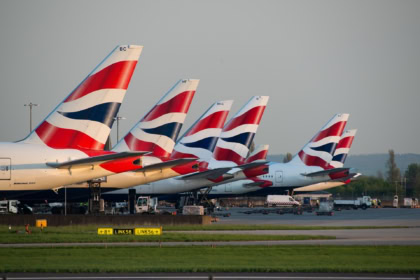
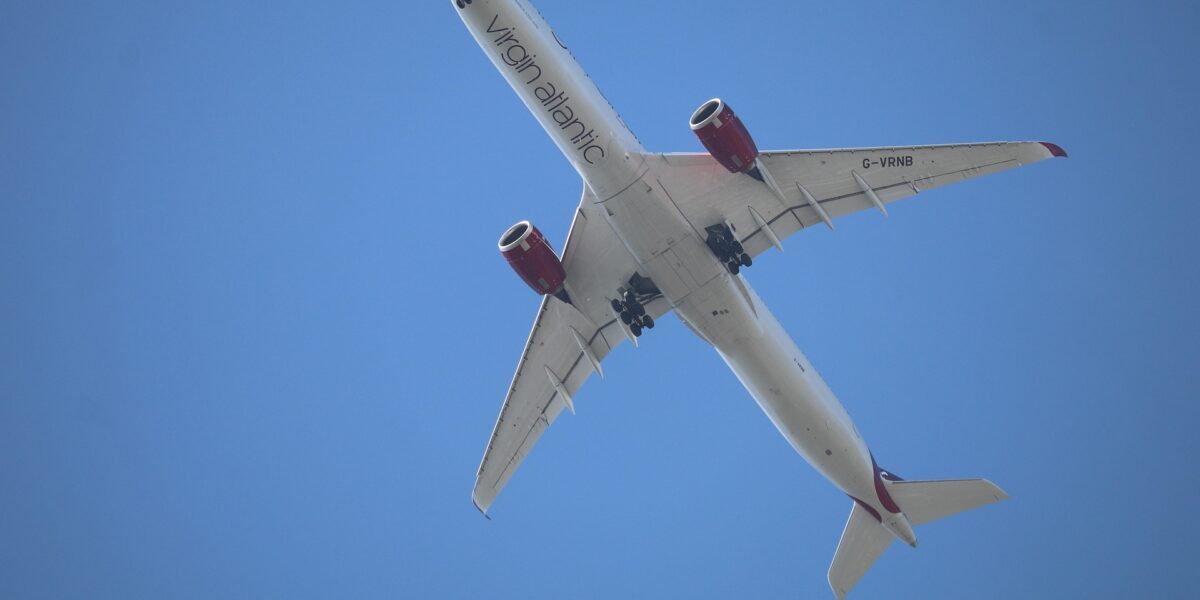
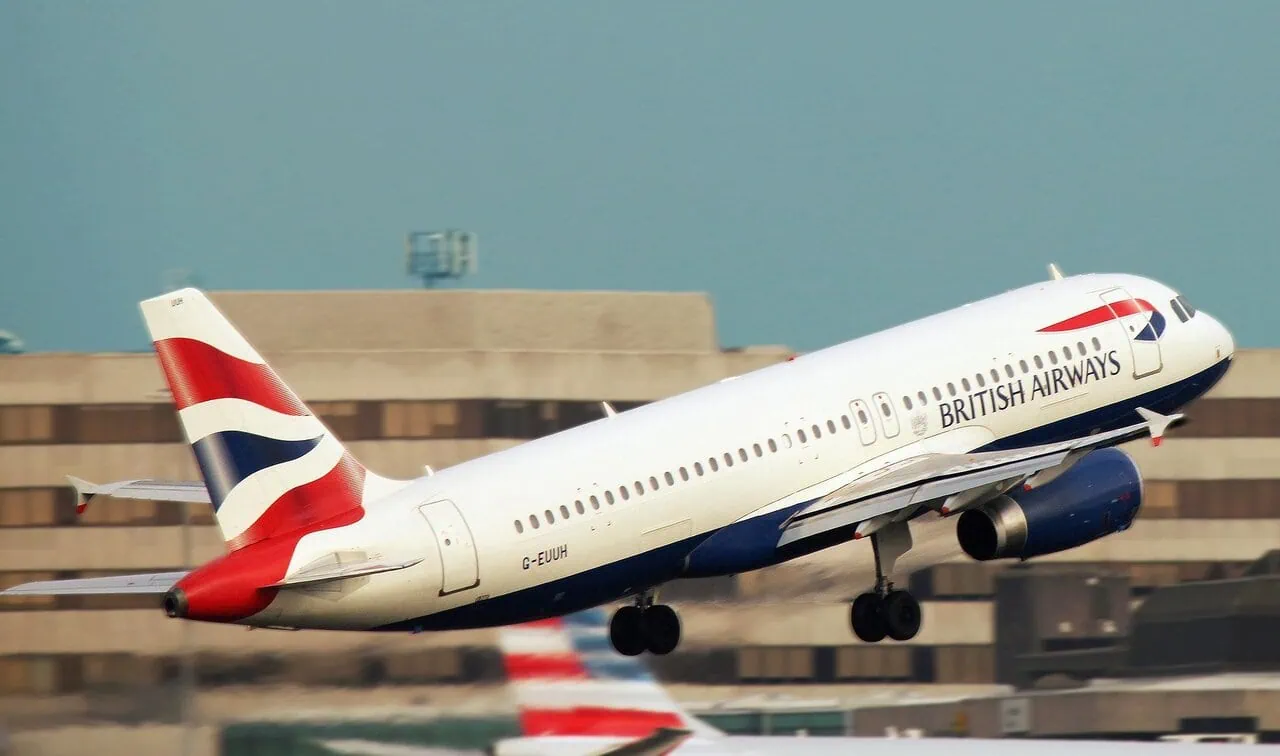
The largest airline operating flights within the UK is British Airways, which mainly runs domestic routes from London Heathrow and London City Airport. British Airways operates frequent flights to major UK cities including Edinburgh, Glasgow, Aberdeen, Newcastle, Manchester, and Belfast. Many of these flights are designed to connect passengers to long-haul international flights from Heathrow, making British Airways an important part of the UK’s domestic and international aviation network.
easyJet is another major airline offering UK domestic flight routes, particularly from London Gatwick, Bristol, Manchester, Edinburgh, and Belfast. easyJet often offers some of the cheapest domestic UK flights, especially if booked in advance. Their network includes routes such as Bristol to Edinburgh, Manchester to Belfast, and London to Glasgow.
For more remote areas, Loganair is one of the most important airlines in the UK. Loganair operates many routes across Scotland, including flights to the Highlands and Islands, such as Orkney, Shetland, Stornoway, Islay, Benbecula, and Barra. Loganair also operates some routes in England and Northern Ireland, including flights to Newquay, Exeter, Southampton, and Isle of Man. If you are flying to smaller regional airports or island destinations, there is a good chance you will be flying with Loganair.
Other smaller airlines that operate UK internal flights include Eastern Airways, which runs regional routes mainly for business travel, Blue Islands, which operates flights to the Channel Islands, and Aurigny, which is based in Guernsey and connects the Channel Islands with the UK mainland. Aer Lingus Regional also operates some flights between the UK and Ireland, particularly routes connecting Belfast, Manchester, and Birmingham with Irish destinations.
Although Ryanair is one of Europe’s largest airlines, it operates relatively few domestic UK flights, focusing mainly on international routes from the UK to Europe. However, it does operate a small number of internal routes, particularly between England, Scotland, and Northern Ireland.
Overall, the UK domestic airlines network is a mix of large airlines operating major city routes and smaller regional airlines connecting remote areas and islands. This combination allows travellers to reach almost every part of the UK by air if necessary.
All UK Domestic Flight Routes
There are dozens of UK domestic flight routes connecting major cities, regional airports, island communities, and remote areas. Many of these routes are centred around London, which acts as the main aviation hub for the UK, but there are also many regional routes that do not involve London at all.
The busiest domestic UK flight routes are typically between London and major cities such as Edinburgh, Glasgow, Aberdeen, Newcastle, Manchester, and Belfast. These routes are used heavily by business travellers, tourists, and passengers connecting to international flights. Flights between London and Edinburgh and London and Glasgow are among the busiest domestic air routes in Europe.
Outside London, there are many important regional routes. For example, Manchester is a major hub for domestic flights, with routes to Belfast, Edinburgh, Glasgow, Inverness, Newquay, Exeter, and the Channel Islands. Birmingham, Bristol, Newcastle, Leeds Bradford, Southampton, Exeter, and Newquay also have domestic routes connecting different parts of the UK.
Scotland has a particularly large domestic flight network because of the geography of the country. Flights connect Glasgow, Edinburgh, Aberdeen, and Inverness with island airports such as Kirkwall (Orkney), Sumburgh (Shetland), Stornoway (Western Isles), Benbecula, Islay, and Barra. Some of these flights are essential transport links and operate year-round even in difficult weather conditions.
Northern Ireland also has many domestic air routes, particularly from Belfast City Airport and Belfast International Airport. Flights connect Belfast with London, Manchester, Birmingham, Glasgow, Edinburgh, Newcastle, Leeds, Bristol, Exeter, and Southampton. Because there is no rail connection across the Irish Sea, these routes are extremely important for travel between Northern Ireland and the rest of the UK.
The Channel Islands (Jersey and Guernsey) and the Isle of Man are also connected to the UK by many domestic flights. Popular routes include flights between Jersey and London, Guernsey and Manchester, and Isle of Man and Liverpool, as well as flights to Birmingham, Bristol, Southampton, and Exeter.
Overall, the domestic UK flights network is much larger than many people expect, with routes connecting major cities, regional airports, island communities, and remote areas across England, Scotland, Wales, Northern Ireland, and the Crown Dependencies.
London Domestic Flights and Airports
London is the centre of the domestic UK flights network, and several London airports operate flights to other parts of the UK. However, each airport serves different routes and airlines, so it is important to know which London airport you are likely to use when flying within the UK.
London Heathrow is the main hub for British Airways domestic flights, and most Heathrow domestic routes are designed to connect passengers to long-haul international flights. From Heathrow, you can fly to Edinburgh, Glasgow, Aberdeen, Newcastle, Manchester, and Belfast. Heathrow domestic flights usually operate from Terminal 5, and these flights are often used by business travellers and international passengers making connections.
London Gatwick is mainly used by easyJet and some other airlines for UK internal flights, particularly routes to Edinburgh, Glasgow, Belfast, and sometimes Newquay and other seasonal destinations. Gatwick often has some of the cheapest domestic UK flights, especially if booked in advance.
London City Airport is located close to the financial district and Canary Wharf, and it mainly serves business routes. Flights from London City operate to Edinburgh, Glasgow, Dundee, Isle of Man, and occasionally other regional airports. London City is one of the most convenient airports for central London, and security and boarding are usually much faster than at Heathrow or Gatwick.
London Luton and London Stansted have very limited domestic flight routes, as most flights from these airports are international low-cost flights to Europe. However, there are occasionally domestic routes to destinations such as Belfast, Edinburgh, or Glasgow, depending on the airline schedules.
When booking domestic UK flights from London, it is very important to check which airport you are flying from, as travelling across London between airports can take a long time. Heathrow, Gatwick, Stansted, Luton, and London City are all in different parts of the city and are not quick to transfer between.
London’s multiple airports mean that travellers have a wide choice of flights within the UK, but it also means planning airport transfers carefully is an important part of the journey.
Scotland, Highlands and Islands Flights
One of the most important parts of the domestic UK flights network is in Scotland, particularly the Highlands and Islands, where flying is often the fastest and sometimes the only practical way to travel. Scotland’s geography includes mountains, remote coastal areas, and many islands, which makes road and rail travel slow in some regions. Because of this, flights within Scotland are an essential part of everyday transport for both residents and visitors.
Major Scottish airports such as Glasgow, Edinburgh, Aberdeen, and Inverness are connected by air, but the most interesting part of the network is the island flights operated mainly by Loganair. These flights connect the mainland with island groups such as the Orkney Islands, Shetland Islands, and the Western Isles. Airports such as Kirkwall, Sumburgh, Stornoway, Benbecula, Islay, and Tiree all have scheduled flights to mainland Scotland.
One of the most famous UK domestic flights is the flight to Barra Airport in the Outer Hebrides. Barra is unique because the runway is actually on the beach, and flight schedules are determined by the tides. This is the only airport in the world where scheduled passenger flights land on a beach runway, making it one of the most unusual aviation experiences in Europe.
Flights are also important for reaching the far north of Scotland. For example, flying from Glasgow or Edinburgh to Inverness is much faster than travelling by train or car, and flights from Aberdeen to Shetland save many hours compared to ferry travel. In many cases, these UK internal flights are used by local residents, workers in the oil and gas industry, and government services, not just tourists.
The Scottish Highlands and Islands have one of the most complex domestic flight networks in the UK, with routes connecting mainland Scotland to remote islands as well as inter-island flights between smaller islands. Most of these routes are operated by Loganair and are essential transport links rather than just tourist flights.
These flights typically operate using small aircraft and often connect through Glasgow, Edinburgh, Aberdeen, and Inverness, which act as the main hubs for Scottish domestic flights.
Mainland Scotland to Highlands & Islands Flights
| From | To | Region |
|---|---|---|
| Glasgow | Barra | Outer Hebrides |
| Glasgow | Benbecula | Outer Hebrides |
| Glasgow | Stornoway | Outer Hebrides |
| Glasgow | Tiree | Inner Hebrides |
| Glasgow | Islay | Inner Hebrides |
| Glasgow | Campbeltown | Argyll |
| Glasgow | Kirkwall | Orkney |
| Glasgow | Sumburgh | Shetland |
| Edinburgh | Kirkwall | Orkney |
| Edinburgh | Sumburgh | Shetland |
| Edinburgh | Stornoway | Outer Hebrides |
| Aberdeen | Kirkwall | Orkney |
| Aberdeen | Sumburgh | Shetland |
| Aberdeen | Wick | Northern mainland |
| Aberdeen | Stornoway | Outer Hebrides |
| Inverness | Stornoway | Outer Hebrides |
| Inverness | Kirkwall | Orkney |
| Inverness | Sumburgh | Shetland |
Orkney Inter-Island Flights
These flights operate mainly from Kirkwall Airport, which is the main airport in the Orkney Islands.
| From | To | Notes |
|---|---|---|
| Kirkwall | Westray | Connects to Papa Westray |
| Kirkwall | Papa Westray | Very short flight |
| Kirkwall | Sanday | Small island |
| Kirkwall | North Ronaldsay | Remote island |
| Kirkwall | Eday | Small island |
| Kirkwall | Stronsay | Small island |
| Westray | Papa Westray | Shortest flight in the world |
The Westray to Papa Westray flight is the shortest scheduled commercial flight in the world, lasting around 1–2 minutes.
Shetland Inter-Island Flights
Inter-island flights in Shetland mainly operate from Tingwall Airport, near Lerwick.
| From | To | Notes |
|---|---|---|
| Tingwall | Fair Isle | Very remote island |
| Tingwall | Foula | One of the most remote UK islands |
| Tingwall | Out Skerries | Small island group |
| Tingwall | Papa Stour | Small island |
| Sumburgh | Fair Isle | Alternative route |
These flights are extremely important for local communities and are often used for school transport, medical appointments, and essential travel.
Channel Islands and Isle of Man Flights
The Channel Islands (Jersey and Guernsey) and the Isle of Man are not part of the United Kingdom, but they are Crown Dependencies and are connected to the UK by frequent domestic-style flights. In aviation terms, these routes are usually treated similarly to domestic UK flights, and they form an important part of the UK air network.
Jersey Airport and Guernsey Airport have regular flights to many UK cities including London, Manchester, Birmingham, Bristol, Southampton, Exeter, Leeds, Newcastle, Edinburgh, and Glasgow. These flights are operated by airlines such as Blue Islands, Aurigny, easyJet, and British Airways. The Channel Islands are popular holiday destinations, so many of these routes operate more frequently in the summer months.
The Isle of Man also has strong air connections to the UK mainland. Flights operate between the Isle of Man and London, Manchester, Liverpool, Birmingham, Belfast, Edinburgh, and Bristol. Because ferry crossings can be affected by weather, flights are often the most reliable way to travel to and from the Isle of Man, especially in winter.
For travellers, these routes are often included when people search for flights within the UK, even though technically the Channel Islands and Isle of Man are separate jurisdictions. In practical travel terms, however, these flights function very similarly to UK domestic flight routes, and many travellers use them in the same way as internal flights within Britain.
If you are planning a trip to Jersey, Guernsey, or the Isle of Man, flying is usually the quickest and easiest way to get there from most UK cities.
Domestic Flights vs Trains in the UK
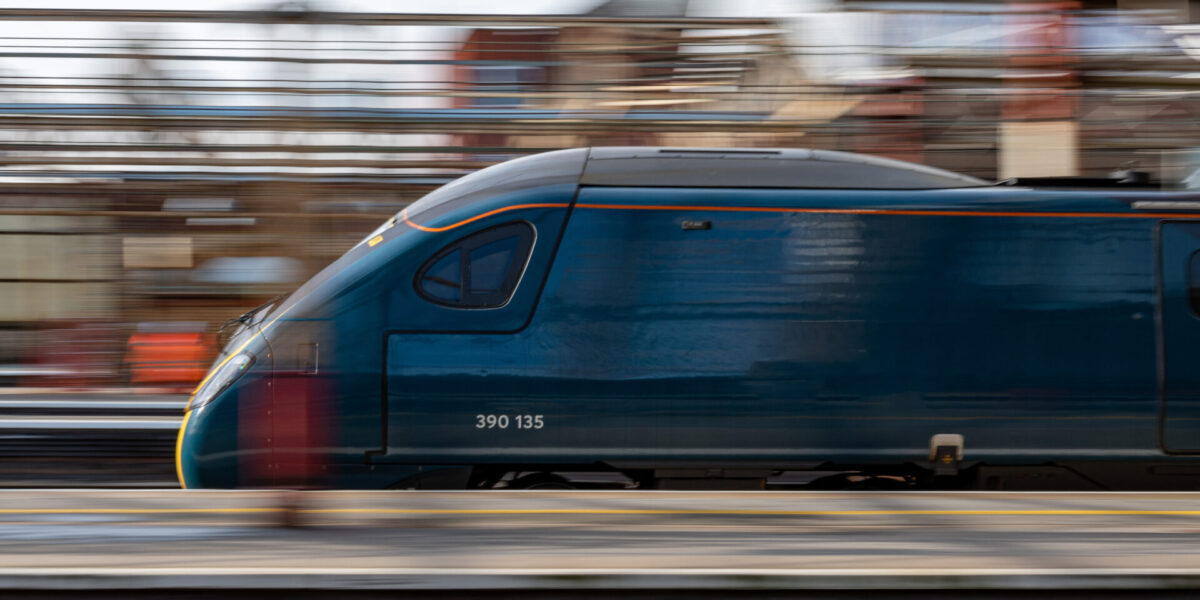
One of the most common questions travellers ask is whether it is better to take the train or fly within the UK. The answer depends on the route, the price of tickets, and how far in advance you book. In many cases, trains are actually faster than domestic UK flights once you include airport travel time and security checks.
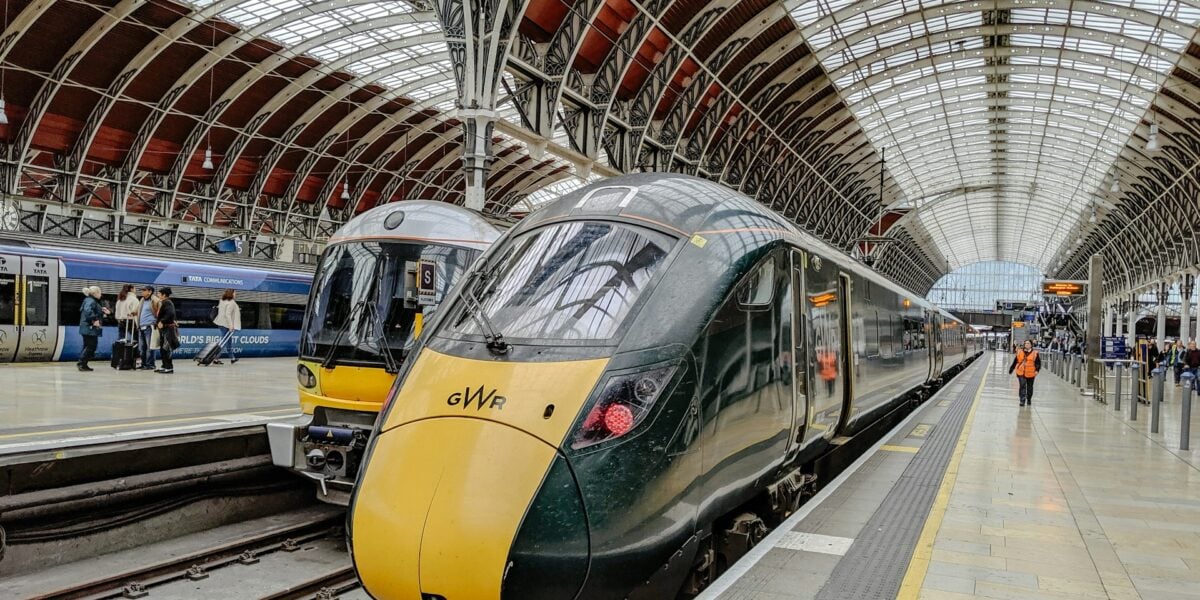
For example, the train from London to Manchester takes around two hours and arrives in the city centre, while flying involves travelling to the airport, checking in, going through security, boarding, flying, and then travelling from the destination airport into the city centre. When you include all of this time, flying is often slower for shorter routes within England.
However, for longer routes such as London to Edinburgh or London to Glasgow, flying can still save time, especially if you are travelling to or from London Heathrow for a connecting international flight. Flights to Belfast are almost always the best option because there is no direct rail route across the Irish Sea.
Another important factor is price. If train tickets are booked in advance, they are often cheaper than UK internal flights, but last-minute train tickets can be extremely expensive. In those situations, domestic UK flights can sometimes be cheaper than trains, particularly on routes between London and Scotland.
In general, trains are better for travel within England, while flights within the UK are more useful for Scotland, Northern Ireland, and island destinations.
Typical Prices for UK Domestic Flights
Prices for domestic UK flights vary depending on the route, how far in advance you book, and which airline you fly with. Low-cost airlines such as easyJet sometimes offer very cheap tickets if booked early, while last-minute tickets on business routes can be expensive.
Typical one-way prices for UK domestic flights are roughly:
- £30 to £50 for very cheap advance tickets
- £50 to £90 for typical advance fares
- £90 to £150 for short-notice bookings
- £150+ for last-minute business travel routes
Flights to Belfast, Aberdeen, Inverness, and the Scottish islands are often more expensive because there are fewer flights and less competition between airlines. Flights from London City Airport are also usually more expensive because the airport mainly serves business travellers and operates smaller aircraft.
Flights to the Channel Islands and Isle of Man can also be relatively expensive, particularly during the summer holiday season when demand is high. However, outside peak season it is sometimes possible to find reasonably priced tickets.
One important thing to remember when booking flights within the UK is that low-cost airlines often charge extra for baggage, seat selection, and priority boarding. A very cheap ticket can become much more expensive once these extras are added, so it is always important to compare the total price rather than just the headline fare.
If you book early, travel mid-week, and avoid peak holiday periods, it is usually possible to find reasonably priced domestic UK flights on most major routes.
Airports Used for Domestic Flights in the UK
There are many airports used for domestic UK flights, but a relatively small number handle most of the traffic. The UK aviation network is built around a mix of major hub airports, regional airports, and small island airports, which together connect almost every part of the country by air.
The busiest airport for flights within the UK is London Heathrow, which acts as the main hub for British Airways domestic flights. Heathrow connects London with cities such as Edinburgh, Glasgow, Aberdeen, Newcastle, Manchester, and Belfast, and many passengers use these flights to connect to long-haul international routes. Most Heathrow domestic flights operate from Terminal 5, and these routes are particularly popular with business travellers and international passengers.
London Gatwick is another important airport for UK internal flights, particularly for easyJet, which operates routes to Edinburgh, Glasgow, Belfast, and some seasonal routes such as Newquay. Gatwick often has some of the cheapest domestic UK flights if you book in advance.
London City Airport is much smaller but very convenient for central London and Canary Wharf. Domestic routes from London City include Edinburgh, Glasgow, Dundee, and Isle of Man. London City is often the quickest airport to travel through because security and boarding times are much shorter than at Heathrow or Gatwick.
Outside London, the most important airports for domestic flights within the UK include Manchester, Birmingham, Bristol, Newcastle, Leeds Bradford, Southampton, Exeter, Newquay, Edinburgh, Glasgow, Aberdeen, Inverness, Belfast City, and Belfast International. These airports connect different parts of England, Scotland, Northern Ireland, and the islands.
In Scotland and the islands, smaller airports such as Kirkwall, Sumburgh, Stornoway, Benbecula, Barra, Tiree, Islay, and Tingwall form part of the Highlands and Islands flight network, which is one of the most unusual domestic aviation networks in Europe.
When booking domestic UK flights, it is always important to check which airport you are flying from and how long it will take to reach the airport, because airports are often located outside city centres and transfer time can be longer than expected.
Tips for Flying Within the UK
Flying within the UK is generally very straightforward, but there are a few things travellers should know before booking domestic UK flights.
One important thing to understand is that you usually do not need a passport for flights within the UK, but you do need photo identification. Most airlines accept a driving licence as ID on domestic flights. However, some airlines may still require a passport for certain routes, especially flights to the Channel Islands or Isle of Man, so it is always best to check before travelling.
Even though these are UK internal flights, airport security rules are still the same as international flights. This means the 100ml liquid rule still applies, laptops and tablets must be removed from bags at security in some airports, and you will still go through full airport security screening.
You should usually arrive at the airport around 60 to 90 minutes before departure for domestic UK flights. Some smaller airports are very quick to pass through, while larger airports like Heathrow and Gatwick can take longer, especially during busy periods.
Another important tip is to check baggage rules carefully, particularly if you are flying with low-cost airlines such as easyJet. Many cheap tickets only include a small cabin bag, and checked baggage can cost extra. Always check the baggage allowance before booking because the cheapest ticket is not always the cheapest overall once baggage fees are added.
If you are flying from London, London City Airport is usually the quickest airport to travel through, while Heathrow has the most domestic routes and international connections. Gatwick, Luton, and Stansted are mainly used for low-cost airlines and European flights, with fewer domestic routes.
Overall, flights within the UK are easy to use and can sometimes save a lot of time, particularly when travelling to Scotland, Northern Ireland, or the UK islands.

Rupert’s Handy Travel Tips
Thinking about taking domestic UK flights? Rupert has a few tips to help you travel smarter and avoid common mistakes:
- Always compare train prices first: On routes like London to Manchester or London to Birmingham, trains are often faster and more convenient than flying.
- Book early for Scotland and Belfast routes: Prices rise quickly on popular routes like London to Edinburgh, Glasgow and Belfast.
- Check which London airport you are using: Heathrow, Gatwick, Stansted, Luton and London City are far apart and not quick to transfer between.
- Remember baggage fees: Low-cost airlines often charge extra for cabin bags and checked luggage, which can make cheap tickets more expensive.
- Island flights are unique experiences: Flights to places like Barra, Orkney and Shetland are some of the most scenic and unusual domestic flights in Europe.
Want to meet the reindeer behind our travel tips? Find out more in our page Who is Rupert?.
Further Reading & Related Guides
If you are planning to travel around the UK, it is worth reading our UK train travel guide as well, because on many routes trains are actually faster and more convenient than domestic UK flights. Routes such as London to Manchester, London to Birmingham and London to Leeds are usually better by train, while flights are more useful for Scotland, Northern Ireland and island destinations.
If your journey involves London, you should also read our London Airports guide, which explains the difference between Heathrow, Gatwick, Stansted, Luton and London City Airport, and how long it takes to reach each airport from central London. Choosing the right airport can make a big difference to your travel time.
If you are booking flights, it is also worth reading our Flight Booking Apps guide, which explains which apps are best for finding cheap flights, comparing airlines and tracking prices before you book.
Reading these guides together will help you plan your UK travel more efficiently, compare trains and flights properly, choose the right airports and make your journey much smoother.
Last Updated
April 2026
Affiliate Disclosure
This page contains affiliate links. If you click through and make a purchase or booking, we may earn a small commission at no extra cost to you. This helps support our work and allows us to continue providing detailed, independent travel advice. We only recommend apps and services we personally use or have verified as high-quality.