
Docklands Light Railway (DLR) Guide
The Docklands Light Railway (DLR) is an important part of London’s public transport network, particularly for travelling around East London, Canary Wharf, Greenwich, Stratford and London City Airport. Many visitors to London are familiar with the Underground and buses, but the DLR is often less well known, even though it is one of the easiest transport systems in London to use.
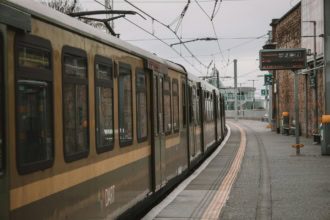
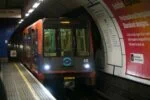
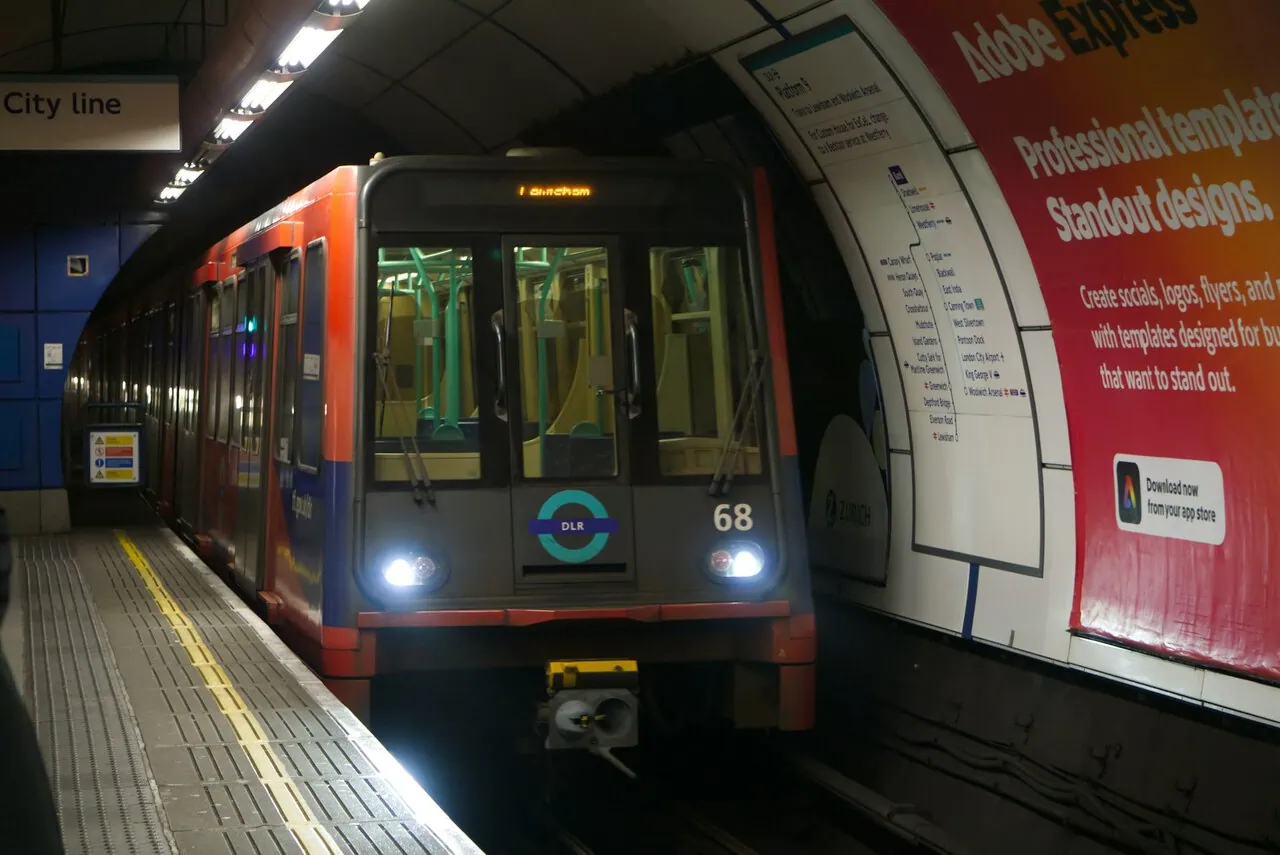
The DLR is a light railway system rather than a traditional Underground line, and the trains are fully automated, which means there is no driver at the front of the train. If you sit at the front, you can look through the front window as the train moves along the track, which is quite a unique experience compared to other trains in London. The trains are usually quieter and less crowded than the Underground, and many sections of the railway run above ground, which means you can see parts of London that you would not normally see when travelling on the Underground.
The DLR is fully integrated into the Transport for London (TfL) network, which means you use the same ticketing system as the Underground and buses. You can travel using contactless payment, Apple Pay, Google Pay or an Oyster card, and you simply tap in at the start of your journey and tap out at the end. The fare is then calculated automatically based on how far you travel and which zones you travel through.
The DLR is particularly important for travellers using London City Airport, because the airport is located directly on the DLR network. It is also very useful for reaching Canary Wharf, Greenwich, the O2 Arena, Excel London, Stratford and East London, and it connects with several Underground and Elizabeth Line stations, which makes it easy to travel across London using a combination of different transport lines.
For many visitors travelling around East London, the DLR is often faster, quieter and easier to use than the Underground, and it is an important part of getting around London.
DLR Routes and Main Stations
The DLR network mainly covers East London and the Docklands area, but it connects to several major railway and Underground stations, which makes it possible to travel across London using the DLR as part of a longer journey.
The DLR is not a single line but a network with several branches, so it is important to check the destination displayed on the front of the train before boarding. For example, from London City Airport you can take DLR trains towards Bank or Stratford, and the best route depends on where you are travelling in London.
Some of the most important stations on the DLR network include Bank, Tower Gateway, Canary Wharf, Canning Town, Custom House, Stratford, Greenwich and Woolwich Arsenal. These stations connect the DLR to the London Underground, Elizabeth Line, London Overground and National Rail services, which makes the DLR very useful for changing between different transport lines.
Bank Station is one of the main central London stations on the DLR network and is located in the City of London financial district. From Bank you can connect to several Underground lines including the Central Line and Northern Line, which makes it easy to reach areas such as Oxford Circus, Tottenham Court Road, King’s Cross and Camden.
Canary Wharf is another important DLR station and is located in London’s main financial district in Docklands. From Canary Wharf you can connect to the Jubilee Line and the Elizabeth Line, which makes it very easy to travel to London Bridge, Westminster, Bond Street, Paddington and Heathrow Airport.
Stratford is also an important interchange station where the DLR connects with the Central Line, Jubilee Line, Elizabeth Line, London Overground and National Rail services. Stratford is also close to Westfield Stratford City, one of the largest shopping centres in Europe, and the Queen Elizabeth Olympic Park.
Because the DLR connects with so many major transport lines, it is often used as part of a longer journey rather than as a complete journey on its own.
DLR and London City Airport
One of the most important uses of the Docklands Light Railway for visitors to London is travelling to and from London City Airport. The airport has its own DLR station called London City Airport station, which is located directly next to the airport terminal. You can walk from the terminal building to the DLR platform in just a few minutes, which makes it one of the easiest airport train connections in London.
From London City Airport, DLR trains run towards Canning Town, Canary Wharf, Stratford, Bank and Tower Gateway, and from these stations you can change onto other Underground or train lines to reach different parts of London.
For example, if you are travelling to London Bridge, Waterloo or Westminster, you would normally take the DLR to Canning Town and then change to the Jubilee Line. If you are travelling to the City of London, you can take the DLR directly to Bank Station. If you are travelling to Liverpool Street, Paddington or Heathrow, you can take the DLR to Custom House or Canary Wharf and then change to the Elizabeth Line.
Because the DLR station is located directly at the airport and trains run frequently, the DLR is usually the best and easiest way to travel from London City Airport into London.
DLR Fares and Tickets
The DLR uses the same fare system as the London Underground and London buses, and it is part of the London travel zone system. This means the cost of your journey depends on how far you travel and which zones you travel through.
The easiest way to pay for the DLR is by using contactless payment such as a contactless debit card, credit card, Apple Pay or Google Pay. You can also use an Oyster card, which is a rechargeable travel card used on London public transport. You do not need to buy a paper ticket in most cases.
To travel on the DLR, you simply tap in at the start of your journey and tap out at the end using the yellow card readers at the station. If you forget to tap out, you may be charged the maximum fare for the journey.
Fares on the DLR are usually similar to Underground fares, and they are much cheaper than taxis. Because the DLR is part of the London transport network, there are also daily fare caps, which means you will never pay more than a certain amount per day if you use contactless payment or an Oyster card.
For most visitors travelling around East London or travelling to and from London City Airport, the DLR is one of the cheapest and easiest ways to travel in London.
DLR vs London Underground
Many visitors to London are familiar with the London Underground, but fewer people understand how the Docklands Light Railway (DLR) compares to the Underground and when it is better to use one instead of the other. Both systems are part of the Transport for London network, and you can use the same tickets, Oyster card or contactless payment on both, but the experience of travelling on the DLR is quite different from travelling on the Underground.
The first major difference is that most DLR tracks are above ground, whereas much of the Underground runs in tunnels. This means that journeys on the DLR are often more scenic and feel less crowded and claustrophobic than Underground journeys. The trains are smaller and lighter, and because they are automated, there is no driver’s cab at the front, so passengers can sit at the front of the train and look out of the window as the train moves along the track.
Another difference is that the DLR mainly serves East London and the Docklands area, while the Underground covers a much larger area across London. Because of this, the DLR is often used in combination with the Underground rather than as a complete journey on its own. For example, you might take the DLR from London City Airport to Canning Town and then change to the Jubilee Line to continue into central London.
In terms of speed, the DLR is often faster than buses and sometimes faster than the Underground for journeys in East London, especially between places such as Canary Wharf, Greenwich, Stratford and London City Airport. However, for travelling across central London, the Underground or Elizabeth Line will usually be faster.
In terms of cost, the DLR costs the same as the Underground, because they both use the same London fare system and travel zones. You do not need a separate ticket, and you simply tap in and tap out in the same way.
For visitors to London, the DLR is best thought of as part of the wider London transport network, rather than a separate system. In many cases, the quickest route across London will involve using a combination of DLR, Underground and Elizabeth Line rather than just one type of transport.
When to Use the DLR in London
The Docklands Light Railway is particularly useful for travelling in East London and the Docklands area, and there are several situations where it is often the best transport option.
The DLR is the main transport link for London City Airport, so if you are flying into or out of London City Airport, you will almost certainly use the DLR for part of your journey. It is also the easiest way to travel to Canary Wharf, which is one of London’s main financial districts and a major business and hotel area.
The DLR is also very useful if you are visiting Greenwich, where attractions include the Royal Observatory, Greenwich Park, the Cutty Sark and the National Maritime Museum. You can take the DLR to Cutty Sark station, which is located close to the main tourist area in Greenwich.
Another place where the DLR is very useful is Stratford, which is home to Westfield Stratford City shopping centre, the Queen Elizabeth Olympic Park and several sports venues. Stratford is also a major transport hub where you can connect to the Underground, Elizabeth Line and National Rail services.
The DLR is also useful for travelling to Excel London, which is a large exhibition and conference centre in East London that hosts events, exhibitions and conventions throughout the year.
In general, you are most likely to use the DLR if you are travelling to or from:
- London City Airport
- Canary Wharf
- Greenwich
- Stratford
- Excel London
- East London
- The City of London (via Bank)
For many visitors who are staying in Canary Wharf or travelling through London City Airport, the DLR will be one of the most important transport lines they use during their trip to London.
Tips for Using the DLR in London
If you are using the Docklands Light Railway (DLR) for the first time, the system is generally very easy to use, but there are a few things that are useful to know before you travel. Because the DLR is part of the London public transport network, it works in a very similar way to the Underground and London Overground, but there are a few small differences.
When using the DLR, you must tap in and tap out at the start and end of your journey using contactless payment or an Oyster card. Some DLR stations do not have ticket barriers like Underground stations, but you still need to tap in using the card readers on the platform. If you forget to tap out at the end of your journey, you may be charged the maximum fare.
Another important thing to remember is that the DLR is not a single line, but a network with multiple branches. This means you should always check the destination on the front of the train before boarding. For example, from London City Airport, some trains go towards Bank and others go towards Stratford, and the best route depends on where you are travelling in London.
The DLR is usually less crowded than the Underground, especially outside rush hour, and because much of the railway runs above ground, journeys can be more pleasant and you can see parts of London such as Canary Wharf, Docklands and the River Thames. Many people also like sitting at the front of the train, where you can look through the front window because the trains are automated and do not have a driver’s cab.
If you are travelling around East London, Canary Wharf, Greenwich, Stratford or London City Airport, the DLR will often be one of the easiest and most convenient ways to travel.
When the DLR Is Most Useful
The Docklands Light Railway is most useful when travelling in East London and the Docklands area, and there are several situations where it is often the best transport option compared to the Underground or buses.
The DLR is the main transport link for London City Airport, so anyone flying into or out of London City Airport will almost certainly use the DLR as part of their journey. It is also the easiest way to travel to Canary Wharf, which is one of London’s main financial districts and a major area for hotels, offices and restaurants.
The DLR is also very useful if you are visiting Greenwich, where you can visit attractions such as the Royal Observatory, Greenwich Park, the Cutty Sark and the National Maritime Museum. The DLR stops at Cutty Sark station, which is located close to the main tourist area in Greenwich.
Another important destination on the DLR network is Stratford, which is home to Westfield Stratford City shopping centre, the Queen Elizabeth Olympic Park and several sports venues. Stratford is also a major transport hub where you can change to the Central Line, Jubilee Line, Elizabeth Line, London Overground and National Rail services.
The DLR is also commonly used for travelling to Excel London, a large exhibition and conference centre that hosts exhibitions, conventions and events throughout the year.
In general, the DLR is most useful if you are travelling to or from:
- London City Airport
- Canary Wharf
- Greenwich
- Stratford
- Excel London
- East London
- The City of London (via Bank station)
For many visitors staying in Canary Wharf or East London, the DLR will be one of the main transport lines they use during their trip.

Rupert’s Handy Travel Tips
If you are using the Docklands Light Railway (DLR) in London, here are a few useful tips to make your journey easier:
- Check the train destination: The DLR is a network with multiple branches, so always check the destination on the front of the train before boarding.
- Sit at the front: The trains are automated with no driver, so you can sit at the front and look out through the front window.
- Tap in and tap out: Some DLR stations do not have barriers, but you still need to tap your card at the start and end of your journey.
- Change at Canning Town: This is the best interchange for the Jubilee Line to London Bridge, Waterloo and Westminster.
- Change at Custom House: This is the easiest place to change to the Elizabeth Line for central London and Heathrow.
Want to meet the reindeer behind our travel tips? Find out more in our page Who is Rupert?.
Further Reading & Related Guides
If you are planning to use public transport in London, make sure to read our Getting Around London Guide, which explains how to use the London Underground, buses, trains, contactless payment and Oyster cards. Understanding how London’s transport system works will make travelling across the city much easier.
If you are travelling to or from the airport, you may also want to read our London City Airport Transfers Guide, which explains the best ways to travel between London City Airport and central London using the DLR, Underground, Elizabeth Line and taxis.
If you are travelling from other London airports, you can also read our airport transfer guides for Heathrow, Gatwick, Stansted and Luton, which compare trains, buses and taxis from each airport into London.
Reading these guides together will help you plan your journey more efficiently, understand London’s transport network and choose the best routes for travelling across the city.
Last Updated
April 2026
Affiliate Disclosure
This page contains affiliate links. If you click through and make a purchase or booking, we may earn a small commission at no extra cost to you. This helps support our work and allows us to continue providing detailed, independent travel advice. We only recommend apps and services we personally use or have researched thoroughly.