
Oyster vs Contactless: How to Pay for London Transport
If you are visiting London, one of the first things you need to understand is how to pay for public transport. The two main options are the Oyster card and contactless payment, and both are used across the London Underground, buses, trams, DLR, Overground and most trains within London.
Many visitors are unsure whether they should buy an Oyster card or just use their bank card or phone. The good news is that both systems work in a very similar way. You tap in at the start of your journey and tap out at the end, and the system automatically calculates the correct fare.
For most visitors, the decision between Oyster vs Contactless is quite simple, but there are a few situations where one is better than the other. Understanding how fares, daily caps and travel zones work will help you avoid paying more than necessary.
This guide explains Oyster vs Contactless London, which one is cheaper, which one tourists should use, and how to avoid common mistakes when paying for transport in London.
What Is an Oyster Card
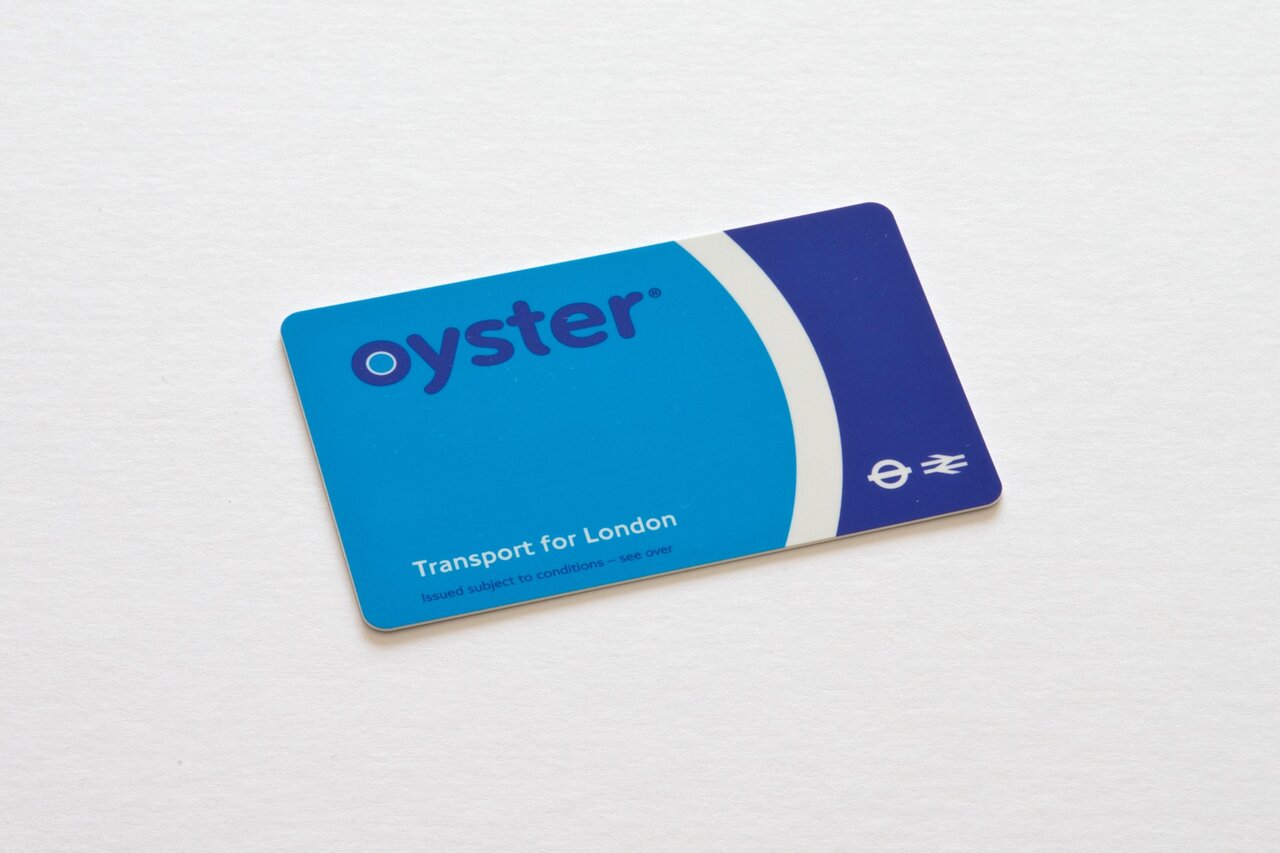
An Oyster card is a reusable plastic travel card that you can use to pay for public transport in London. You add credit to the card and then tap it on the yellow card readers when entering and leaving stations or when boarding buses.
Oyster cards can be used on the Underground, buses, DLR, London Overground, trams and most trains within London travel zones. The card automatically deducts the correct fare for each journey and applies daily fare caps so you do not pay more than a certain amount per day.
You can buy an Oyster card at Underground stations, airport stations, and some shops. The card itself usually requires a small initial fee, and then you add credit to it. You can top up the card at ticket machines in stations or online.
Oyster cards are useful for children, visitors who do not have contactless bank cards, or people staying in London for a longer period. However, many short-term visitors now use contactless payment instead of Oyster because it is simpler and you do not need to buy a card.
What Is Contactless Payment
Contactless payment allows you to use a contactless bank card or your phone to pay for public transport in London in exactly the same way as an Oyster card. You tap your card or phone on the yellow card reader when entering and leaving stations or when boarding buses.
You can use contactless bank cards, Apple Pay, Google Pay and other mobile payment systems across the London transport network. The system calculates your fares automatically and applies daily fare caps in the same way as an Oyster card.
For most visitors, contactless payment is the easiest option because you do not need to buy a card, top up credit, or queue at ticket machines. You simply use your bank card as your travel card.
One important rule is that you must use the same card or device for the entire journey and throughout the day so that the system can apply the daily cap correctly. If you use different cards or switch between phone and card, you may be charged extra because the system will treat them as separate journeys.
For short trips and weekends, contactless payment is usually the simplest way when deciding Oyster vs Contactless London.
Oyster vs Contactless Fares and Daily Caps
When comparing Oyster vs Contactless, the fares are usually exactly the same. Both Oyster cards and contactless payment use the same fare system across London public transport.
London transport is divided into zones, and the cost of your journey depends on how many zones you travel through. Most major tourist attractions are located in Zone 1 and Zone 2, so many visitors will mainly travel within these zones.
Both Oyster and contactless have daily fare caps, which means once you reach a certain amount of spending in one day, you will not be charged any more for additional journeys within the same zones. This makes it easy to travel around London without worrying about buying the right ticket each time.
There are also weekly caps for contactless users, which can be useful if you are staying in London for several days. The system automatically calculates the best fare based on your travel.
Because the fares and caps are the same, the decision between Oyster vs Contactless London usually comes down to convenience rather than price.
London Daily Fare Caps and Typical Tube Fares
The table below shows typical adult fares using Oyster or contactless payment. Prices are approximate and change slightly each year, but these are good guide prices for visitors.
| Zones Travelled | Typical Single Tube Fare | Daily Cap |
|---|---|---|
| Zone 1 only | ~£2.80 | ~£8.10 |
| Zones 1–2 | ~£3.00 | ~£8.50 |
| Zones 1–3 | ~£3.40 | ~£10.00 |
| Zones 1–4 | ~£3.90 | ~£12.30 |
| Zones 1–5 | ~£4.80 | ~£14.60 |
| Zones 1–6 | ~£5.60 | ~£15.60 |
Most visitors to London travel mainly in Zones 1 and 2, where the majority of major attractions are located, including Big Ben, Buckingham Palace, Tower of London, Tower Bridge, the London Eye, St Paul’s Cathedral, Covent Garden and Soho. This means most visitors will usually reach the Zones 1–2 daily cap, and after that all additional travel that day is effectively free.
In practical terms, this means after around three Underground journeys in one day, you will normally reach the daily cap. This is why many visitors find that using contactless payment or Oyster is easier than trying to buy day tickets or travel cards.
Which Is Cheaper in London
When comparing Oyster vs Contactless, the important thing to understand is that the fares are usually exactly the same. Both Oyster cards and contactless payment use the same fare system, the same daily caps, and the same travel zones across London public transport.
This means that for most visitors, there is no price difference between using an Oyster card and using a contactless bank card or phone. You will normally pay the same fares and reach the same daily caps regardless of which payment method you use.
The only small differences appear in certain situations, such as some weekly travel caps, railcard discounts linked to Oyster, or children and concession fares, which are usually linked to Oyster cards rather than contactless payment.
For most tourists visiting London for a few days or a weekend, contactless payment is usually the easiest option, and it will cost the same as using an Oyster card. This is why most visitors do not need to buy an Oyster card anymore when deciding Oyster vs Contactless London.
When Oyster Is Better
Although contactless is easier for most visitors, there are still some situations where an Oyster card is the better option.
Oyster cards are useful for children, teenagers, students, and people who qualify for railcard discounts, because these discounts can be added to an Oyster card but usually cannot be added to contactless bank cards.
Oyster cards are also useful for visitors who do not have a contactless bank card, or whose bank charges foreign transaction fees for every contactless payment. In some cases, using an Oyster card and topping it up once can avoid multiple foreign transaction fees.
Another situation where Oyster can be useful is for longer stays in London, especially if you are buying weekly travelcards or adding discounts to the card.
However, for short trips, weekends, and most tourists visiting London, Oyster is usually not necessary, and contactless payment is normally easier when comparing Oyster vs Contactless.
When Contactless Is Better
For most visitors, contactless payment is the easiest way to pay for transport in London. You do not need to buy a card, you do not need to top up credit, and you do not need to worry about how much money is left on your Oyster card at the end of your trip.
You simply use your contactless bank card, Apple Pay, or Google Pay to tap in and out of stations and on buses. The system automatically calculates your fares and applies daily caps.
Contactless payment is usually better for short trips, weekend visits, business trips, and tourists staying for a few days, because it is simple and requires no setup.
One important thing to remember is that you must use the same card or device for all journeys in one day. If you switch between your phone and your physical card, the system will treat them as separate cards and you may not get the daily cap applied correctly.
For most visitors comparing Oyster vs Contactless London, contactless payment is usually the best option.
How to Use Oyster or Contactless on the Underground and Buses
Using Oyster or contactless on London public transport is very simple once you know how the system works.
On the Underground, Overground, DLR and trains, you must tap your card or phone on the yellow card reader at the entrance barriers when you enter the station, and then tap again on the yellow reader when you leave the station at your destination. This is called tapping in and tapping out, and it is very important because the system calculates your fare based on where you start and end your journey.
On buses, you only tap once when you get on the bus. There is no need to tap when you get off.
If you forget to tap out at a station, the system will charge you a maximum fare, which is more expensive than a normal journey. This is one of the most common mistakes visitors make when using London transport.
As long as you remember to tap in at the start and tap out at the end, both Oyster and contactless are very easy to use for travelling across London.
Using the TfL Oyster & Contactless App
Transport for London has an official app and online account system where you can manage your Oyster card or contactless travel history. This is very useful if you are staying in London for several days and want to keep track of your spending and journeys.
If you register your Oyster card or contactless card on the Transport for London website or app, you can view your journey history, fares charged, daily caps, and payments. This is helpful if you think you have been charged incorrectly or if you want to check that the daily cap has been applied.
You can also top up your Oyster card online, check your balance, and see recent journeys. The app also includes live travel information, Underground maps, and service updates, which can be useful when travelling around London.
Many visitors do not realise that you can check all your journeys online, but it is a useful tool if you are using London transport regularly during your trip.


Can Tourists Use Contactless in London
Yes, most tourists can use contactless payment in London as long as their bank card supports contactless payments. Many international debit cards and credit cards work on the London transport system, as well as Apple Pay and Google Pay.
Before travelling, it is a good idea to check whether your bank charges foreign transaction fees for contactless payments. Some banks charge a small fee for each transaction, which could make contactless slightly more expensive than using an Oyster card.
If your bank does charge transaction fees, you may prefer to use an Oyster card and top it up once rather than paying multiple small contactless charges.
If your card does not work, you can always buy an Oyster card at Underground stations, airport stations, and some shops.
For most visitors, however, contactless payment is the easiest option when deciding Oyster vs Contactless London, and it works for the majority of international visitors.
Common Mistakes to Avoid
There are a few common mistakes that visitors make when using Oyster or contactless on London transport. Avoiding these mistakes can save you money and prevent incorrect fares.
One of the most common mistakes is forgetting to tap out at the end of a journey on the Underground or trains. If you forget to tap out, the system will charge a maximum fare instead of the normal fare.
Another common mistake is using different cards or devices during the same day. For example, if you tap in with your phone and tap out with your bank card, the system will treat these as two separate journeys and you may be charged extra. Always use the same card or the same phone for all journeys in one day.
Some visitors also buy paper tickets, which are usually more expensive than Oyster or contactless fares. It is almost always cheaper to use Oyster or contactless instead of buying individual paper tickets.
Understanding these simple rules will help you avoid problems when choosing Oyster vs Contactless London.

- For most visitors, contactless payment is easier than buying an Oyster card.
- Always tap in and tap out on the Underground to avoid maximum fares.
- Use the same card or phone for every journey to make sure the daily cap is applied.
- Most London attractions are in Zones 1–2, so you will usually reach the daily cap quickly.
- Avoid buying paper tickets because they are more expensive than Oyster or contactless.
Want to meet the reindeer behind our travel tips? Find out more in our page Who is Rupert?.
Frequently Asked Questions About Oyster vs Contactless
Is Oyster cheaper than contactless in London?
No, Oyster and contactless usually have exactly the same fares and daily caps. Most visitors will pay the same amount regardless of which one they use.
Should tourists use Oyster or contactless in London?
Most tourists should use contactless payment because it is easier and you do not need to buy or top up an Oyster card.
Do I need to buy an Oyster card before arriving in London?
No, most visitors can simply use a contactless bank card or phone to pay for transport. Oyster cards are only necessary in certain situations such as for children or if your bank charges transaction fees.
What happens if I forget to tap out in London?
If you forget to tap out, you may be charged a maximum fare instead of the normal fare. You should always tap in at the start of your journey and tap out at the end.
Can I use Apple Pay or Google Pay on London transport?
Yes, Apple Pay and Google Pay work the same way as contactless bank cards on London public transport.
Further Reading & Related Guides
If you are planning your trip, make sure to read our London Attractions Guide, which explains where the main attractions are located and how to group them together so you do not waste time travelling back and forth across London.
You should also read our Getting Around London guide, which explains the Underground, buses, river boats, trains and other ways of travelling across the city.
If you are planning your itinerary, our London Itinerary Guide, London in 1 Day, London in 2 Days, and London in a Weekend guides will help you plan which areas to visit each day and how to organise your time efficiently.
If you plan to travel along the river, our Uber Boat by Thames Clippers guide explains the routes, stops and ticket prices, and how to use the river boats as part of London’s transport system.
Reading these guides together will help you understand Oyster vs Contactless London and make getting around the city much easier.
Last Updated
April 2026
Affiliate Disclosure
This page contains affiliate links. If you click through and make a purchase or booking, we may earn a small commission at no extra cost to you. This helps support our work and allows us to continue providing detailed, independent travel advice. We only recommend apps and services we personally use or have verified as high-quality.