
Three Perfect Days in London – See the Landmarks, Museums and Neighbourhoods That Matter
Spending 3 days in London gives you enough time to see the famous landmarks, visit a few museums, explore different neighbourhoods and still have time to enjoy the city without rushing constantly. London is a very large city, but most of the major attractions are located in central London along the River Thames, which makes planning a three-day itinerary much easier than most visitors expect.
With three days, you can cover the Westminster area, Buckingham Palace, Covent Garden, Soho, Tower of London, Tower Bridge, St Paul’s Cathedral, several museums, markets like Borough Market and Camden Market, and still have time for viewpoints such as Sky Garden or The Shard. This makes a three-day trip one of the best lengths of time for a first visit to London.
The key to a good London itinerary is grouping attractions by area so you are not travelling back and forth across the city. Central London can largely be explored in sections such as Westminster, the West End, the South Bank, the City of London, and the museum district around South Kensington. If you plan your days around these areas, you can see a huge amount of the city without spending too much time on public transport.
This London in 3 days itinerary is designed to help you see the major landmarks, visit some of the best museums, explore famous markets and neighbourhoods, and experience London from above and along the river, giving you a well-rounded view of the city.
Exploring Westminster and the River Thames
Start your first morning in London in the historic Westminster area, which is the political and ceremonial centre of the city and home to several of the most famous landmarks in the United Kingdom. This is the best place to begin a London trip because many major attractions are located within a short walking distance of each other.
Begin at Westminster Abbey, one of the most important historic buildings in the country and the location of royal coronations, weddings and state funerals. The interior is one of the most impressive historic buildings in London, and visiting inside is recommended if this is your first trip to the city. You should allow at least an hour to explore the abbey properly.
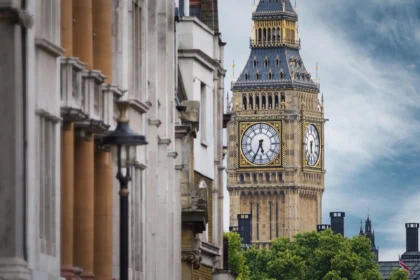
From Westminster Abbey, walk to Big Ben and the Houses of Parliament, which sit directly next to the River Thames. This is one of the most iconic views in London and one of the most photographed locations in the city. Spend some time walking around Parliament Square and along the river so you can see the buildings from different angles.
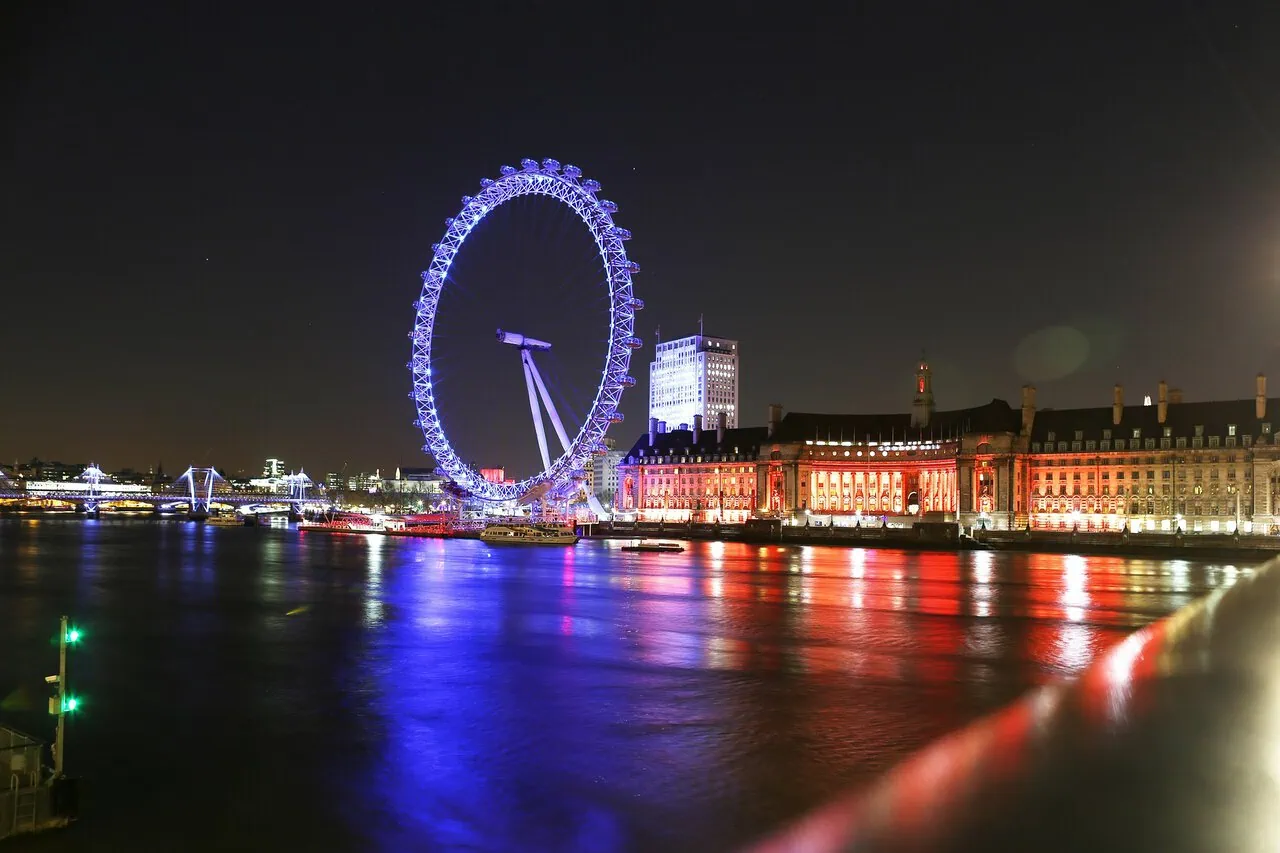
Next, walk across Westminster Bridge where you will get one of the classic London skyline views looking back towards Big Ben and Parliament. On the other side of the bridge you will find the London Eye, which is one of the best viewpoints in central London. Riding the London Eye in the morning is often quieter than later in the day and gives excellent views across the River Thames, St Paul’s Cathedral, Buckingham Palace and the City of London skyline.
This area alone can easily fill a full morning and is the perfect introduction to London for first-time visitors.
Buckingham Palace, St James’s Park and Trafalgar Square
After visiting the London Eye, head back towards St James’s Park, which is one of the most beautiful parks in central London and a very pleasant place to walk, especially if the weather is good. The park also offers some of the best views of Buckingham Palace from across the lake.
Continue through the park to Buckingham Palace, the official London residence of the British monarch. If you arrive at the right time, you may be able to see the Changing of the Guard ceremony, which is one of the most popular events for visitors to London. Even when the ceremony is not taking place, the palace and the large open square in front of it are still worth visiting.
From Buckingham Palace, make your way towards Trafalgar Square, one of London’s most famous public squares and a central meeting point in the city. Here you will see Nelson’s Column, the fountains and the National Gallery, and the square is often busy with visitors and street performers.
From Trafalgar Square, walk along The Strand towards Covent Garden, which is one of the most popular areas in London for restaurants, markets, street performers and small shops. This is a good place to stop for lunch, take a break and explore the surrounding streets and markets.
This route from Westminster to Buckingham Palace to Trafalgar Square and Covent Garden forms one of the easiest and most efficient sightseeing routes in central London.
An Evening in Soho and the West End
After a full first day exploring Westminster, Buckingham Palace and central London, the first evening of your London in 3 days itinerary is a good time to explore the West End, which is London’s main entertainment, theatre and nightlife area. This part of London feels very different from the historic areas you visited earlier in the day and gives you a chance to experience the city in the evening when it is busy and lively.
Start the evening around Piccadilly Circus, which is one of the most famous intersections in London and is known for its large advertising screens and busy atmosphere. The area is often compared to Times Square in New York and is one of the most recognisable places in central London at night.
From Piccadilly Circus, walk into Soho, which is one of the best areas in London for restaurants, theatres, bars and nightlife. Soho has hundreds of places to eat, ranging from small street food restaurants to international cuisine and theatre dining. This is a good place to have dinner on your first night in London because there are so many options in a small area.
Nearby you will also find Leicester Square, which is home to many cinemas and film premieres, and Covent Garden, which is still lively in the evening with restaurants and street performers. The whole West End area is very walkable, and you can easily spend the evening walking between Soho, Leicester Square, Covent Garden and Piccadilly Circus.
If you are interested in theatre, the West End is also where you will find London’s famous theatre district. Seeing a musical or theatre show in the West End is one of the most popular evening activities in London and can be a great way to end the first day of your trip.
Spending your first evening in Soho and the West End gives you a completely different experience of London compared to the historic landmarks you visited earlier in the day and is a great introduction to London’s nightlife and entertainment areas.
The Tower of London and Historic London
Start the second day of your London in 3 days itinerary in the historic eastern side of central London, where you will find some of the oldest buildings and most important landmarks in the city. This area around the River Thames and the City of London is very different from Westminster and the West End and gives you a better understanding of London’s history and how the city developed.
Begin the morning at the Tower of London, one of the most famous historic sites in the United Kingdom and a UNESCO World Heritage Site. The Tower has served as a royal palace, prison, armoury and treasury over the last thousand years, and it is also home to the Crown Jewels. Visiting the Tower of London is one of the most popular things to do in London and is worth including in any London itinerary, especially if this is your first visit to the city.
You should allow at least two to three hours to visit the Tower of London properly, as the site is much larger than many visitors expect. Inside the complex you can visit the White Tower, walk along the medieval walls, see the famous ravens, and view the Crown Jewels exhibition. Many visitors also join a Yeoman Warder tour, which is included in the ticket and provides a very interesting introduction to the history of the Tower.
Right next to the Tower of London is Tower Bridge, which is often mistaken for London Bridge but is actually the famous bridge with two large towers and walkways across the top. You can walk across the bridge for free at road level, or you can visit the Tower Bridge Exhibition and walk across the glass walkway high above the river.
After visiting Tower Bridge, spend some time walking along the River Thames in this area, as the views of the river, the City skyline and the bridge are some of the best in London.
Borough Market, St Paul’s Cathedral and the City
After the Tower of London and Tower Bridge, walk west along the south side of the River Thames towards Borough Market, which is one of the best food markets in London and an excellent place to stop for lunch. Borough Market has a huge range of food stalls, bakeries, street food vendors and small restaurants, and it is a very popular place with both visitors and locals.
From Borough Market, you can walk across Millennium Bridge towards St Paul’s Cathedral, which is one of London’s most famous churches and one of the most recognisable buildings in the London skyline. The cathedral was designed by Sir Christopher Wren and has survived events such as the Great Fire of London and the Blitz during the Second World War.
If you have the time and energy, you can visit inside St Paul’s Cathedral and climb to the dome for views across London. The climb is quite long, but the views from the top are excellent and very different from the views from modern skyscrapers like The Shard or Sky Garden.
This part of London is known as the City of London, which is the historic financial district and the original location of the Roman settlement that later became London. Walking around this area you will see a mixture of very old buildings, historic churches and modern skyscrapers such as the Gherkin and the Walkie Talkie building, which is where Sky Garden is located.
Spending the afternoon walking between Borough Market, Millennium Bridge, St Paul’s Cathedral and the City of London is one of the best ways to see both historic and modern London in the same area.
London’s Skyline and the Thames at Night
After spending the afternoon around Borough Market, St Paul’s Cathedral and the City of London, the second evening of your London in 3 days itinerary is a good time to explore the City area after work hours when the financial district becomes much quieter and the skyline lights start to come on.
Start by walking around St Paul’s Cathedral in the evening light, then cross Millennium Bridge again towards the south side of the river. From the bridge you get one of the best views in London looking back towards St Paul’s Cathedral with the modern skyscrapers behind it.
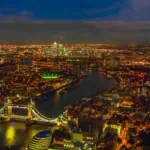
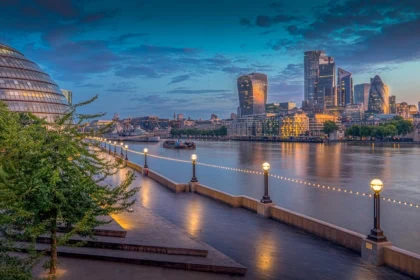
From here, you can walk along the river towards London Bridge and Tower Bridge, passing riverside bars, restaurants and viewpoints along the way. The section of the Thames between London Bridge and Tower Bridge is particularly nice in the evening because the bridges and riverside buildings are illuminated.
This is also a good evening to visit Sky Garden if you have booked tickets in advance, as the views across the City of London skyline, the River Thames and Tower Bridge are particularly impressive after dark. Alternatively, you could visit The Shard for one of the highest viewpoints in London and wide views across the entire city.
Another option for the evening is to take a Thames river cruise, which allows you to see many of the landmarks you visited earlier in the day from the water. Many evening river cruises pass the Houses of Parliament, the London Eye, St Paul’s Cathedral and Tower Bridge, all of which are lit up at night.
This evening should feel more relaxed than Day 1 and is a good opportunity to enjoy the skyline, the river and the City of London after spending the day visiting historic landmarks and markets.
Natural History Museum and South Kensington
Start your third day in London in South Kensington, which is home to some of the best museums in the city and is a good area to spend a slower morning after two busy days of sightseeing. This area is easy to reach by Underground and several major museums are located within a short walking distance of each other.
The most popular museum in this area is the Natural History Museum, which is famous for its dinosaur skeletons, large central hall and interactive exhibits. Even if you are not usually interested in museums, the building itself is impressive and worth seeing. The museum is very large, so you could easily spend several hours here.
Next door to the Natural History Museum is the Science Museum, which focuses on technology, engineering, space travel and scientific discoveries. This museum is very interactive and is particularly popular with families and children, but many adults also enjoy it.
Also nearby is the Victoria and Albert Museum, often called the V&A, which focuses on art, design, fashion and historical objects from around the world. This museum is quieter than the other two and is a good choice if you prefer art and culture rather than science or natural history.
One of the best things about these museums is that most major museums in London are free to enter, which makes them a very good option if the weather is not great or if you want a more relaxed morning during your London in 3 days trip.
Exploring Kensington and Notting Hill
After visiting the museums, walk into Hyde Park and Kensington Gardens, which together form one of the largest green spaces in central London. This is a good place to relax, go for a walk, or take a break from sightseeing. You can walk past Kensington Palace, the Albert Memorial and the Serpentine Lake while crossing the park.
From Hyde Park, you could continue towards Notting Hill and Portobello Road, which is one of the most famous markets and neighbourhoods in London. Notting Hill is known for its colourful houses, cafés, antique shops and market stalls, and it feels very different from central London and the financial district. This area is especially popular on Fridays and Saturdays when Portobello Road Market is busiest.
If you are not interested in Notting Hill, another option for the afternoon is to go shopping around Oxford Street, Regent Street and Carnaby Street, which are some of the main shopping areas in London. These streets are all located close to Soho and Piccadilly Circus and are easy to explore on foot.
This afternoon should be more relaxed than the previous days and is a good opportunity to explore neighbourhoods, parks or shopping areas rather than major landmarks.
Camden, Covent Garden or a Final Thames Walk
For your final evening in London, you can choose between several different areas depending on what type of evening you want. One option is to visit Camden, which is known for Camden Market, street food, live music venues and alternative shops. Camden has a very different atmosphere compared to central London and is a good place for food and an evening walk along the canal.
Another option is to return to Covent Garden for your final evening, as this area is very lively at night with restaurants, performers and theatre crowds. Many visitors like to spend their last evening here because it is central and has a good atmosphere.
You could also finish your trip with a final walk along the River Thames, particularly between Westminster, South Bank, and London Bridge, which are some of the most scenic areas of the city in the evening. Seeing the London Eye, Big Ben, St Paul’s Cathedral and Tower Bridge lit up at night is a great way to end a trip to London.
By the end of the third day, you will have seen the major landmarks, historic sites, museums, parks, markets and several different neighbourhoods, which makes three days one of the best lengths of time for a first visit to London.
Getting Around London During Your 3 Day Trip
Getting around London during a three day trip is relatively straightforward because the city has one of the largest and most connected public transport systems in the world. Most visitors will use a combination of the Underground, buses, walking and occasionally river transport to move between attractions. Because many major sights are located in central London along the River Thames, you will often find that walking between attractions is faster than taking transport for short distances.
The London Underground is usually the fastest way to travel longer distances across the city, especially when travelling between areas such as Westminster, South Kensington, Camden and Notting Hill. Trains run frequently throughout the day and routes are clearly marked on the Tube map. For shorter journeys, London buses are useful because you can see the city while travelling, and many bus routes pass major landmarks and tourist areas.
Another transport option that many visitors enjoy is the Uber Boat by Thames Clippers, which runs along the River Thames and connects places such as Westminster, the London Eye, London Bridge, Tower Bridge and Greenwich. This can be a scenic way to travel between attractions instead of using the Underground and is particularly useful if you are visiting several places along the river.
Most visitors now pay for transport using contactless bank cards or mobile payments rather than buying paper tickets. Fares are automatically calculated and capped daily, which makes travelling around London much easier than many visitors expect.
Where to Stay for a 3 Day London Trip
If you are visiting London for three days, choosing the right area to stay in can make a big difference to how much you are able to see. Staying somewhere central or near a major Underground line will save you a lot of travel time and make it easier to return to your hotel during the day if needed.
Areas such as Westminster, Covent Garden, Soho, South Bank and London Bridge are excellent locations for a short trip because they are close to many major attractions and have good transport connections. These areas are usually more expensive but can save time travelling across the city.
Areas slightly outside the very centre, such as Paddington, Victoria, King’s Cross, South Kensington and Shoreditch, can sometimes offer better hotel prices while still being very well connected by Underground and bus routes. Staying near a station on a major Underground line such as the Central Line, Piccadilly Line, Northern Line or District Line can make travelling around the city much easier.
When planning where to stay in London, the most important factor is transport connections rather than the exact neighbourhood, because London is very large and travel time can quickly reduce the amount of sightseeing you can do.
Tips for Visiting London in 3 Days
When visiting London for three days, the most important thing is to plan your itinerary by area rather than by individual attractions. Central London attractions are closer together than they appear on a map, and grouping attractions by area will save you a lot of time travelling on public transport.
It is also important to start your days early, especially if you plan to visit places like the Tower of London, Buckingham Palace, or major viewpoints such as The Shard or Sky Garden. These attractions can become very busy later in the day, and visiting earlier often means shorter queues and a more relaxed experience.
Another useful tip is to mix indoor and outdoor attractions across your three days. London weather can change quickly, so having museums, markets and indoor attractions planned alongside parks and walking routes makes it easier to adjust your plans if it rains.
Finally, remember that even three days is not enough to see everything in London. The aim of a three day itinerary is to see the major landmarks, explore a few neighbourhoods, visit a museum or market, and experience the city from different viewpoints rather than trying to visit every attraction.
Frequently Asked Questions
Is 3 days enough to visit London?
Yes, three days is enough time to see most of London’s major landmarks, visit museums, explore markets and neighbourhoods, and experience the River Thames and city viewpoints. It is one of the best trip lengths for a first visit to London.
What is the best way to get around London in 3 days?
The best way to get around London is usually a combination of walking and the Underground. Buses and river boats can also be useful for certain routes and can be more scenic than travelling underground.
Should I buy a London Pass for 3 days?
A London Pass can be worth it if you plan to visit several paid attractions such as the Tower of London, Westminster Abbey, The Shard and river cruises. You should compare the cost of individual tickets before deciding.
Where should I stay for a 3 day London trip?
It is best to stay in central London or near a major Underground station so you can travel quickly between attractions and maximise your sightseeing time.
Can I walk between most London attractions?
Many central London attractions are within walking distance of each other, especially around Westminster, Covent Garden, Soho, the South Bank, London Bridge and the City of London.

Rupert’s Handy Travel Tips
If you have three days in London, you are in a great position because you can see the main landmarks without rushing and still have time to explore a few different areas of the city. Three days is usually the perfect amount of time for a first visit to London.
- Group attractions by area: Visit Westminster and the South Bank on one day, the Tower of London and the City on another, and museums or neighbourhoods on the third day.
- Do not try to visit too many museums: London museums are huge and can take several hours each.
- Use the Underground to save time: London is much bigger than most visitors expect.
- Leave time for neighbourhoods: Places like Notting Hill, Camden, Greenwich or Covent Garden are worth exploring.
- Book major attractions in advance: Especially the London Eye, Tower of London and popular tours.
Want to meet the reindeer behind our travel tips? Find out more in our page Who is Rupert?.
Further Reading & Related Guides
If you are planning your trip, make sure to read our London Attractions Guide, which explains the main landmarks and places to visit across the city and helps you decide which attractions to prioritise during your trip.
You should also read the London Itinerary Guide, which explains how to plan your time in London, how to group attractions by area, and how to structure your days depending on how long you are visiting for.
If you are visiting for a shorter trip, our London in 1 Day and London in 2 Days guides will help you prioritise the most important attractions and plan efficient sightseeing routes through the city.
For transport, the Getting Around London guide and Oyster vs Contactless guide explain how London public transport works, how fares are calculated, and the easiest way to pay for travel across the city.
If you plan to travel along the river, you should also read our Uber Boat London guide, which explains how the Thames river boat services work and how to use them as part of your London itinerary.
Reading these guides together will help you plan your London trip more efficiently, group nearby attractions together and make the most of your time in the city.
Last Updated
April 2026
Affiliate Disclosure
This page contains affiliate links. If you click through and make a purchase or booking, we may earn a small commission at no extra cost to you. This helps support our work and allows us to continue providing detailed, independent travel advice. We only recommend apps and services we personally use or have verified as high-quality.