
CalMac Ferries Overview
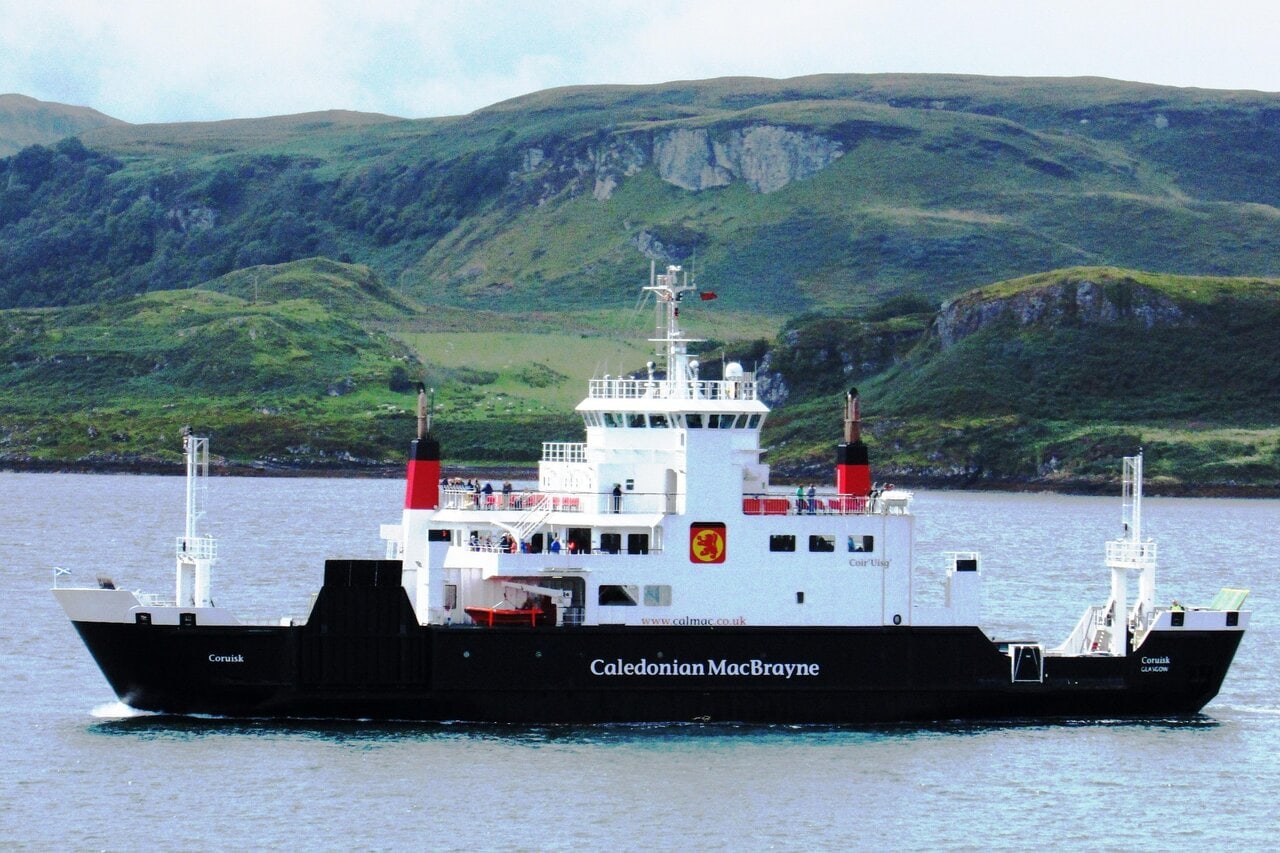
CalMac Ferries, short for Caledonian MacBrayne, operate most of the ferry routes on the west coast of Scotland and are the main transport lifeline to many Scottish islands. Without these ferries, many islands such as Mull, Arran, Islay, Barra, and the Outer Hebrides would be extremely difficult to reach.
The network connects mainland ports such as Oban, Mallaig, Ullapool, Ardrossan, Wemyss Bay, and Kennacraig with islands across the Inner and Outer Hebrides. Some ferries carry cars and lorries, while others are smaller passenger ferries serving shorter crossings.
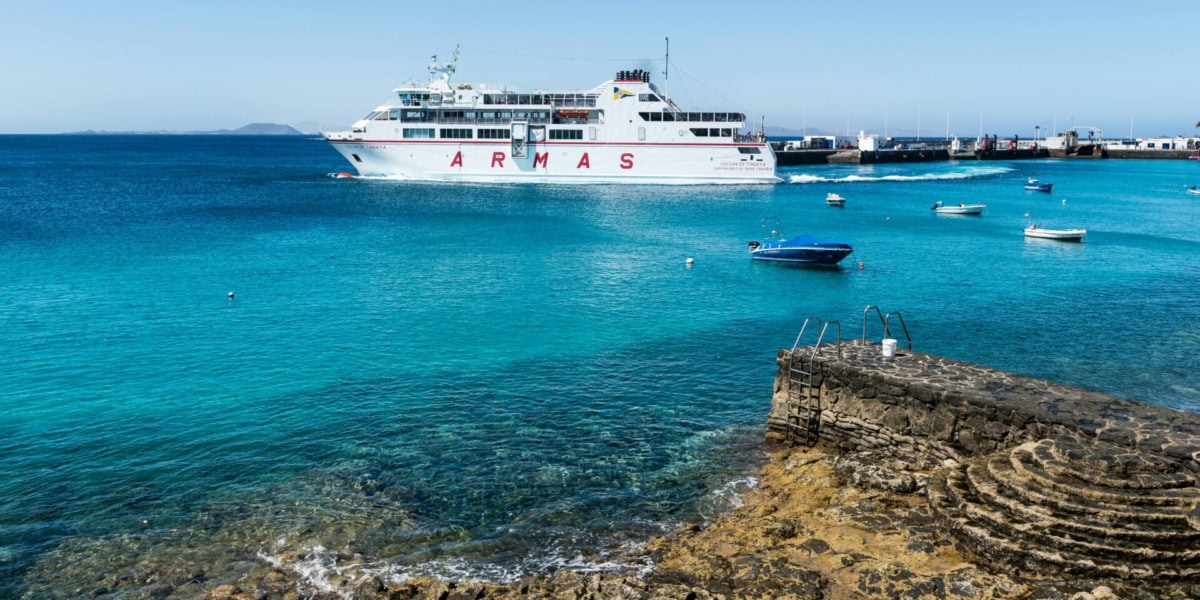
For travellers, CalMac ferries are not just transport — many of the ferry crossings are incredibly scenic and are part of the travel experience itself. Routes such as Oban to Mull, Mallaig to Skye, and Ullapool to Stornoway pass through some of the most beautiful coastal scenery in Scotland.
The ferries run all year, but timetables change between summer and winter, and weather can sometimes cause delays or cancellations, particularly in winter and on longer routes. Planning ahead is important, especially if you are travelling with a car or during peak summer months.
If you are planning to visit the Scottish islands, understanding how the CalMac network works is essential, because ferries are often the only way to reach many destinations.
History of CalMac Ferries
CalMac (Caledonian MacBrayne) is the main ferry operator serving Scotland’s west coast islands and is a vital part of transport infrastructure for many remote communities. The company operates ferry services across the Clyde and Hebrides network, connecting mainland Scotland with dozens of islands.
The origins of CalMac date back to 1851, when David MacBrayne Ltd began operating cargo and passenger steamships along the west coast of Scotland. These early steamships were essential for transporting goods, livestock, mail, and passengers to islands that had no bridges or airports.
In 1928, ferry services on the River Clyde were reorganised under the Caledonian Steam Packet Company, which operated routes mainly around the Clyde estuary and nearby islands. For several decades, these two ferry networks operated separately.
In 1973, the government merged the companies to create Caledonian MacBrayne Ltd, which is where the modern name CalMac comes from. Today the ferry network is publicly funded because many routes are considered lifeline services, meaning island communities depend on them for everyday life, not just tourism.
CalMac Fleet, Ports and Network Overview
Today, CalMac operates around 35 ferries of various sizes, ranging from small local ferries that carry a few cars to large vehicle ferries that can carry hundreds of passengers and heavy goods vehicles.
The network includes over 50 ports and slipways, making it one of the largest ferry networks in Europe.
Main Mainland Ferry Ports
Most CalMac routes depart from a small number of key mainland ports, including:
– Oban – gateway to Mull, Coll, Tiree and Barra
– Mallaig – ferries to Skye and the Small Isles
– Ullapool – ferry to Stornoway (Lewis)
– Kennacraig – ferries to Islay and Jura
– Wemyss Bay – ferry to Rothesay (Isle of Bute)
– Ardrossan / Troon – ferries to Isle of Arran
– Largs – ferry to Great Cumbrae
– Claonaig / Tarbert – ferries to Lochranza (Arran)
– Uig (Skye) – ferries to Harris and North Uist
These ports form the backbone of the CalMac ferry network and connect most of the Scottish west coast islands to the mainland.
CalMac Ferry Routes and Network
The CalMac network covers a large area of Scotland’s west coast and island communities. The routes connect mainland ports to islands across the Inner Hebrides, Outer Hebrides, and the Firth of Clyde.
One of the main ferry hubs is Oban, which serves routes to Mull, Coll, Tiree, Barra, and South Uist. Oban is often called the gateway to the Hebrides, and many island trips start from here.
Further north, Ullapool connects to Stornoway on the Isle of Lewis, which is the main ferry route to the Outer Hebrides. This is a longer crossing across open sea and can take around 2.5 hours.
Another important ferry port is Mallaig, which connects to Armadale on the Isle of Skye as well as the Small Isles such as Rum, Eigg, Muck, and Canna. This route is popular with travellers doing Highland road trips.
Kennacraig is the ferry port for Islay and Jura, famous for whisky distilleries, while Ardrossan connects to the Isle of Arran, one of the most popular island trips from Glasgow.
There are also smaller ferry routes such as Wemyss Bay to Rothesay (Isle of Bute) and various short crossings between islands in the Hebrides.
When you look at a map of CalMac routes, you realise that the ferry network is effectively part of Scotland’s road network, connecting islands in the same way bridges and roads connect mainland towns.
CalMac Ferry Routes A–Z
| Island / Route Area | From | To | Via | Duration |
|---|---|---|---|---|
| Arran | Ardrossan | Brodick | Direct | 55 min |
| Arran | Claonaig | Lochranza | Direct | 30 min |
| Arran | Troon | Brodick | Direct | 1 hr 15 min |
| Barra | Oban | Castlebay | Direct | 4 hr 45 min |
| Bute | Colintraive | Rhubodach | Direct | 5 min |
| Bute | Wemyss Bay | Rothesay | Direct | 35 min |
| Canna | Mallaig | Canna | Eigg, Muck, Rum | 2–3 hr |
| Colonsay | Oban | Kennacraig | Colonsay, Islay | 4–5 hr |
| Dunoon | Gourock | Dunoon | Direct | 25 min |
| Gigha | Tayinloan | Gigha | Direct | 20 min |
| Harris | Uig | Tarbert | Direct | 1 hr 40 min |
| Harris | Berneray | Leverburgh | Direct | 1 hr |
| Iona | Fionnphort | Iona | Direct | 10 min |
| Islay | Kennacraig | Port Ellen | Port Askaig | 2 hr |
| Kerrera | Gallanach | Kerrera | Direct | 5 min |
| Kilcreggan | Gourock | Kilcreggan | Direct | 15 min |
| Lewis | Ullapool | Stornoway | Direct | 2 hr 30 min |
| Lismore | Oban | Lismore | Direct | 55 min |
| Mull | Oban | Craignure | Direct | 50 min |
| Mull | Lochaline | Fishnish | Direct | 15 min |
| North Uist | Uig | Lochmaddy | Direct | 1 hr 45 min |
| Raasay | Sconser | Raasay | Direct | 25 min |
| Skye | Mallaig | Armadale | Direct | 30 min |
| South Uist | Mallaig | Lochboisdale | Direct | 3 hr 30 min |
| Tiree | Oban | Tiree | Coll | 4 hr |
| Cumbrae | Largs | Millport | Direct | 10 min |
Most Popular CalMac Ferry Routes
Some CalMac ferry routes are used mainly by island residents, while others are very popular with tourists and travellers exploring Scotland. If you are planning a trip to the Scottish islands, there are several routes you are most likely to use.
The Mallaig to Armadale ferry is one of the most popular routes because it connects the mainland to the Isle of Skye. Many travellers drive to Mallaig via Fort William and Glenfinnan, take the ferry to Skye, and then leave Skye via the bridge, creating a classic Highlands and Skye circular route.
The Oban to Mull ferry is another very popular crossing. Mull is known for colourful Tobermory, wildlife tours, and access to the Isle of Iona. This crossing takes less than an hour and runs frequently.
The Ardrossan to Arran ferry is one of the busiest routes in the network because Arran is very popular for short breaks and day trips from Glasgow. Arran is sometimes described as “Scotland in miniature” because it has mountains, castles, beaches, and distilleries.
The Kennacraig to Islay ferry is widely used by whisky lovers visiting Islay’s famous distilleries such as Laphroaig, Lagavulin, and Ardbeg.
One of the longer and more dramatic crossings is the Ullapool to Stornoway ferry, which connects the mainland to the Outer Hebrides. This route crosses open sea and feels more like a proper sea voyage than a short ferry crossing.
These ferry routes are often combined into island hopping trips, where travellers visit multiple islands using different ferry routes rather than returning the same way.
Major CalMac Ferry Routes
| From | To | Island | Duration |
|---|---|---|---|
| Ardrossan | Brodick | Arran | 55 min |
| Oban | Craignure | Mull | 50 min |
| Mallaig | Armadale | Skye | 30 min |
| Kennacraig | Port Ellen / Port Askaig | Islay | 2 hr |
| Ullapool | Stornoway | Lewis | 2 hr 30 min |
| Uig (Skye) | Tarbert | Harris | 1 hr 40 min |
| Uig (Skye) | Lochmaddy | North Uist | 1 hr 45 min |
| Oban | Castlebay | Barra | 4 hr 45 min |
| Oban | Tiree | Coll | 4 hr |
| Wemyss Bay | Rothesay | Bute | 35 min |
| Largs | Cumbrae | Great Cumbrae | 10 min |
| Oban | Lismore | Lismore | 55 min |
| Lochaline | Fishnish | Mull | 15 min |
How to Book CalMac Ferries
Booking CalMac ferries is relatively straightforward, but it is important to understand how the booking system works, especially if you are travelling with a vehicle.
Most CalMac ferry tickets are purchased directly through the official CalMac website, where you can search routes, check timetables, and book both passenger and vehicle tickets. If you are travelling with a car, motorhome, or motorcycle, you should always book in advance, particularly in summer when many sailings sell out.
You can book tickets and check timetables on the official CalMac website here.
When booking, you usually need to select:
- Route
- Date and sailing time
- Number of passengers
- Vehicle type and length (if taking a car)
Once booked, you will receive a booking confirmation and reference number, which you may need when checking in at the ferry terminal.
If you are travelling as a foot passenger, you can sometimes just turn up and buy a ticket at the port, especially on shorter routes. However, on busy routes and during summer, booking in advance is still recommended.
If you are travelling with a vehicle, you will normally need to:
- Arrive at the port early
- Check in before the closing time
- Wait in the vehicle lanes
- Follow staff instructions when boarding
Vehicle check-in usually closes around 30 minutes before departure, but arriving earlier is always safer, especially during busy periods.
The most important thing to remember is that vehicle spaces on ferries are limited, and missing a ferry because you did not book ahead can cause major delays to your travel plans, particularly on routes with only a few sailings per day.
Taking a Car on CalMac Ferries
Taking a car on a CalMac ferry is very straightforward, and for many island trips having a car makes a huge difference, because public transport on most Scottish islands is limited and attractions are spread out.
When you arrive at the ferry terminal, you will usually see lanes marked for different sailings. You check in at a small booth or drive straight into the correct lane depending on the port. Staff will then direct vehicles onto the ferry when boarding begins, and you simply follow their instructions.
Once parked on the vehicle deck, you normally leave your car and go upstairs to the passenger lounges or outside decks. You usually cannot return to your car during the crossing, so make sure you bring anything you need with you before leaving the vehicle deck.
The ferries are large and stable on most routes, and crossings are usually smooth, although on longer routes such as Ullapool to Stornoway or Oban to Barra, the sea can be rough in bad weather.
Motorhomes, caravans, bicycles, and motorcycles are all allowed on most CalMac ferries, but vehicle size matters when booking. You must enter the correct vehicle length when booking, especially for motorhomes and vans, because space on the ferry is carefully planned.
If you are doing a Highlands and islands road trip, using ferries with a car is very easy and often one of the most memorable parts of travelling around the west coast of Scotland.
Ferry Travel Tips for Scotland Island Trips
Travelling to the Scottish islands by ferry is very different from taking a short ferry in many other countries. Weather, timetables, and availability can all affect your plans, so it is important to be flexible.
One of the most important things to remember is that weather can cancel ferries, especially in winter or on longer routes across open sea. If you are planning a tight schedule with accommodation bookings, always allow some flexibility in case of delays or cancellations.
Another important tip is to book vehicle spaces early in summer. July and August are extremely busy on popular routes such as Arran, Mull, and Islay, and many sailings sell out well in advance.
On most ferries there are cafés, seating areas, toilets, and outside decks, and on longer routes there may be hot food available. Sitting outside on deck as the ferry approaches an island is often one of the highlights of the journey.
It is also a good idea to arrive early, bring snacks, check ferry status on the day of travel, and always have a backup plan, especially if you are travelling between islands.
Island travel in Scotland is incredible, but ferries are part of the adventure and plans sometimes need to change, so a relaxed approach works best.
Rail and Sail Tickets (Train and Ferry Combined)
One of the most useful and least known ways to travel to the Scottish islands is using Rail and Sail tickets, which combine a train journey and a ferry crossing into a single ticket.
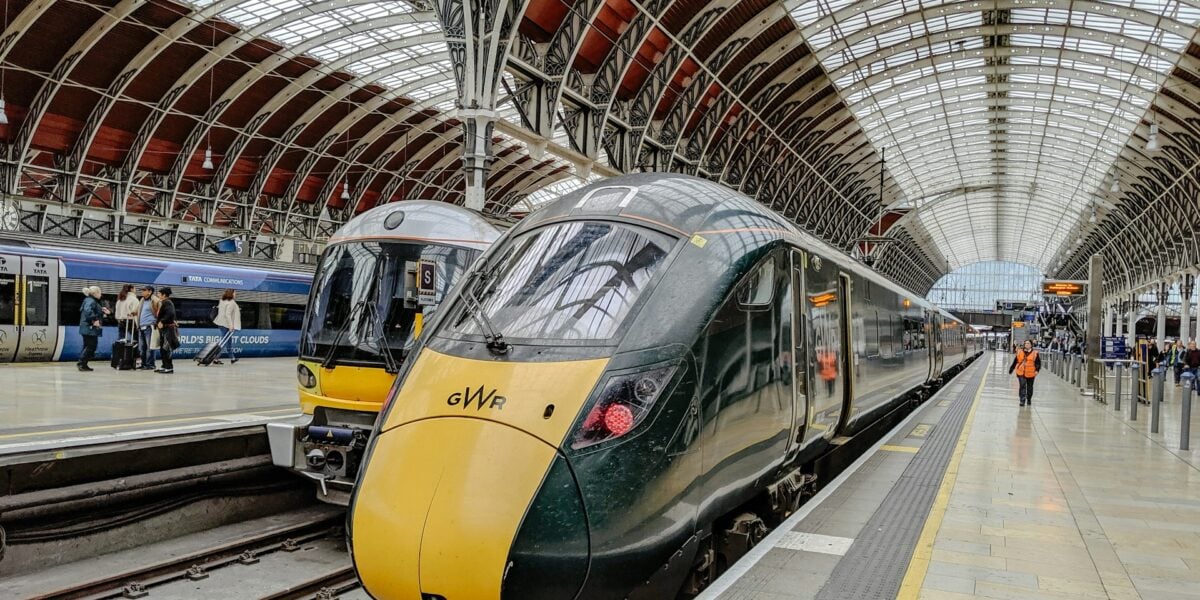
These tickets allow you to travel by train from cities such as Glasgow, Edinburgh, Inverness, or even London, and then transfer directly onto a ferry to islands such as Arran, Mull, Skye, or the Outer Hebrides.
For example, you can buy a single ticket that includes:
- Train Glasgow to Ardrossan + ferry to Arran
- Train Glasgow to Oban + ferry to Mull
- Train Inverness to Kyle of Lochalsh + bus to Skye
- Train to Mallaig + ferry to Skye
- Train to Ullapool (via bus connection) + ferry to Stornoway
Rail and Sail tickets are often cheaper than buying train and ferry tickets separately, and they make travel much simpler because everything is on one ticket.
These tickets can usually be booked through rail booking platforms and train operators rather than ferry-only websites. For travellers without a car, Rail and Sail is one of the best ways to reach the Scottish islands.
This also fits perfectly into a Scotland trip where you combine ScotRail trains, ferries, and island travel without needing to drive.
Best Apps for CalMac Ferries and Scottish Island Travel
If you are travelling around the Scottish islands, a few apps can make ferry travel much easier, especially for checking timetables, delays, and planning routes.
The official CalMac ferry app is CalMac Status, which is very useful for checking live service updates, delays, cancellations, and timetable changes. This is particularly important because ferry services are sometimes affected by weather, especially in winter and on longer routes.


Another useful app is ScotRail Train Times & Tickets, especially if you are using Rail and Sail tickets or travelling to ferry ports by train. This app allows you to check train times, buy tickets, and see live rail updates.
For planning routes around the Highlands and islands, Google Maps is still one of the best tools, especially if you download maps offline before travelling, because mobile signal can disappear in remote areas.
Using a combination of ferry, train, and map apps makes travelling around the Scottish islands much easier, and having the CalMac app in particular is very useful for checking ferry status before heading to the port.
Best Islands to Visit Using CalMac Ferries
One of the best reasons to use CalMac ferries is to visit Scotland’s islands, many of which feel completely different from the mainland Highlands. Each island has its own character, landscapes, and attractions, and ferry travel is often the only way to reach them.
The Isle of Arran is one of the easiest islands to visit and is often described as “Scotland in miniature” because it has mountains, castles, beaches, and distilleries all on one island. It is very popular for short trips from Glasgow and is a good first island to visit.
The Isle of Mull is another very popular destination, reached by ferry from Oban. Mull is known for colourful Tobermory harbour, wildlife tours, and access to the Isle of Iona, which is famous for its abbey and white sandy beaches.
The Isle of Islay is famous for whisky and is home to several world-famous distilleries. Whisky lovers often travel here specifically to visit distilleries such as Laphroaig, Lagavulin, and Ardbeg.
The Outer Hebrides, including Lewis, Harris, North Uist, Benbecula, South Uist, and Barra, are much more remote and feel very different from mainland Scotland. These islands are known for white sand beaches, dramatic coastal scenery, and a slower pace of life. Many travellers visit these islands as part of a longer island-hopping trip using multiple ferries.
Smaller islands such as Coll and Tiree are known for beaches, wildlife, and quiet landscapes, and they are much less visited than Arran or Mull. If you want a quieter island experience, these are good options.
Using CalMac ferries allows you to combine several islands into one trip, travelling between islands by ferry and returning to the mainland from a different port.
CalMac Ferry Prices and Tickets
Ferry prices in Scotland are generally more reasonable than many people expect, especially because the Scottish Government introduced something called Road Equivalent Tariff (RET) pricing on many routes. This means ferry prices are calculated to be similar to what it would cost to drive the same distance on a road.
For foot passengers, ferry tickets are usually quite affordable, and on shorter routes they can be similar to the price of a short train journey. Travelling with a car is more expensive, but still reasonable compared to ferries in many other countries.
Prices vary depending on:
- Route length
- Vehicle size
- Number of passengers
- Time of year
- Whether you book in advance
On busy summer routes, vehicle spaces are often more limited than passenger spaces, so even if tickets are available, vehicle spaces may be sold out.
Some routes also offer open return tickets, which allow you to return on a different sailing, which can be useful if you are not sure exactly when you will leave the island.
If you are travelling between several islands, ferry costs can add up, so it is worth planning your route in advance rather than booking each crossing at the last minute.

Rupert’s Handy Travel Tips
Planning to use CalMac ferries around Scotland’s islands? Here are a few useful tips to make your journey smoother:
- Book vehicle spaces early: In summer, car spaces on popular routes like Arran, Mull and Islay sell out quickly.
- Arrive early at the port: Boarding usually starts well before departure and late arrivals may miss the ferry.
- Check the service status: Weather can affect sailings, so always check the CalMac Status app before travelling.
- Bring snacks and a jacket: Ferry decks can be windy, but the views are often the best part of the journey.
- Plan island hopping carefully: Ferry timetables don’t always run every hour, so check connections in advance.
Want to meet the reindeer behind our travel tips? Find out more in our page Who is Rupert?.
Frequently Asked Questions About CalMac Ferries
Do you need to book CalMac ferries in advance?
If you are travelling with a car, it is strongly recommended to book in advance, especially in summer. Foot passengers can often just turn up, but booking is still safer on busy routes.
How early should you arrive for a CalMac ferry?
Vehicles usually need to check in around 30 minutes before departure, but it is safer to arrive earlier, especially during busy periods.
Can you stay in your car on the ferry?
No, passengers usually have to leave their vehicles and go to the passenger lounges or outside decks during the crossing.
Are CalMac ferries cancelled in bad weather?
Yes, ferries can be delayed or cancelled due to weather, especially in winter or on longer routes across open sea.
Can you take dogs on CalMac ferries?
Yes, dogs are allowed on most ferries, and some ferries have designated pet areas.
Are there restaurants on CalMac ferries?
Most larger ferries have cafés or food counters, and longer routes often have hot food available.
Further Reading & Related Scotland Guides
If you are planning to explore the Scottish Highlands and islands using CalMac ferries, these guides will help you plan routes, transport and places to visit across Scotland.
Many ferry journeys connect directly to Scotland’s most famous island, so our Isle of Skye Travel Guide covers where to stay, scenic drives, castles and the best places to visit on Skye.
If you are combining ferries with rail travel, our ScotRail Guide explains train routes across Scotland, rail passes and scenic railway journeys that connect with ferry ports.
For longer journeys to Scotland before taking ferries to the islands, see our Caledonian Sleeper Guide, which explains overnight trains between London, Edinburgh, Glasgow and the Scottish Highlands.
Many Highland and island trips start in the Highlands capital, so our Inverness Travel Guide includes transport, accommodation and travel planning advice for the region.
Last Updated
Last updated: 2026
Affiliate Disclosure
This page contains affiliate links. If you click through and make a purchase or booking, we may earn a small commission at no extra cost to you. This helps support our work and allows us to continue providing detailed, independent travel advice. We only recommend apps and services we personally use or have verified as high-quality.