
Why the Basilica Cistern Is One of Istanbul’s Most Unique Attractions
The Basilica Cistern is one of the most unusual and memorable places to visit in Istanbul. Located beneath the streets of the historic Sultanahmet area, this enormous underground water reservoir dates back to the Byzantine Empire and feels more like an underground palace than a water storage system.
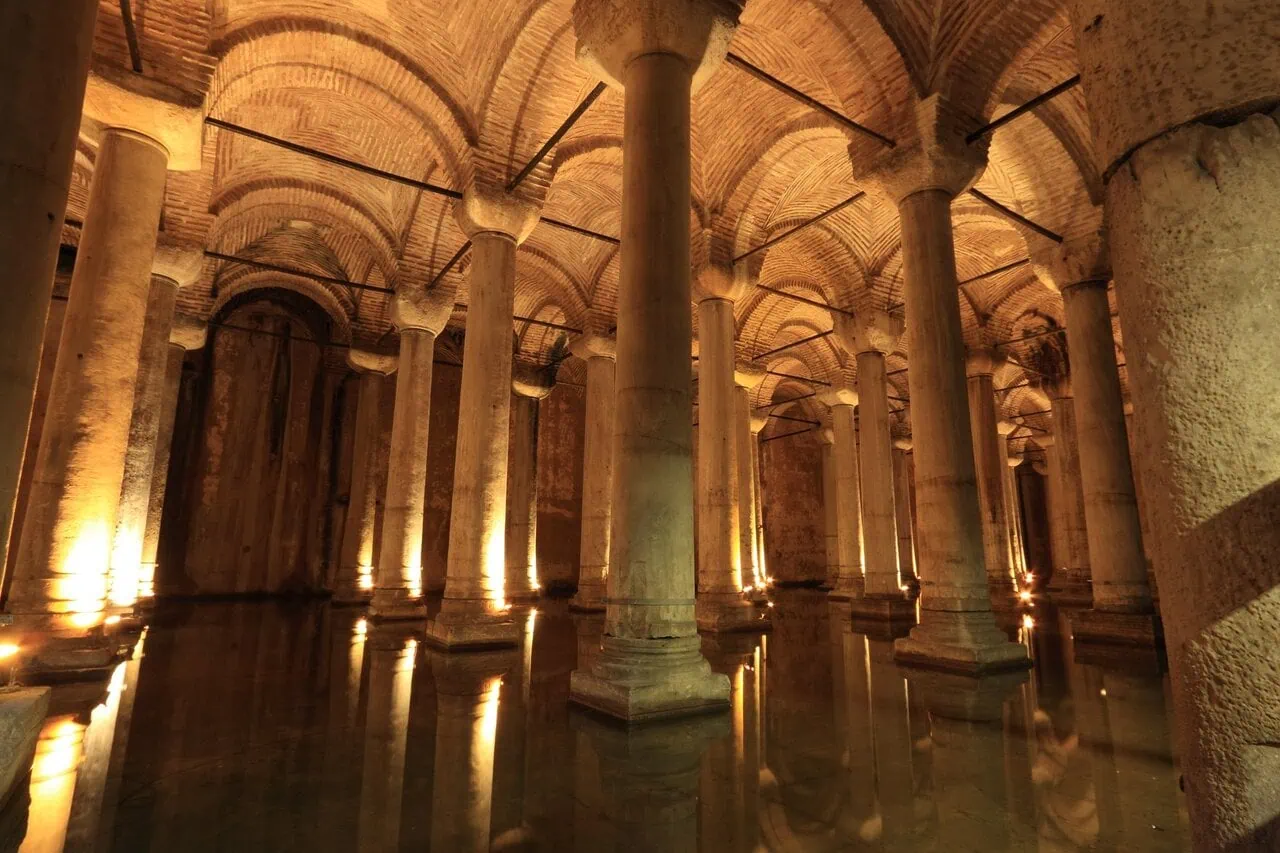
As you walk down the steps into the cistern, the atmosphere changes immediately. The space is dimly lit, with rows of stone columns rising out of the water, reflections on the surface and quiet walkways leading through the underground chamber. It is very different from the mosques, palaces and busy streets above ground, which is why many visitors consider it one of the most interesting attractions in the city.
The cistern was built to store water for the Great Palace of Constantinople and nearby buildings, ensuring the city had a reliable water supply. Today, visitors can walk along raised platforms through the cistern and see the columns, arches and famous Medusa head sculptures.
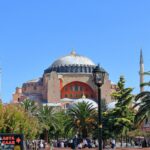
Because the Basilica Cistern is located close to Hagia Sophia, the Blue Mosque and Topkapi Palace, it is usually visited as part of a day exploring the Sultanahmet area. Many visitors combine all of these attractions on the same day because they are within walking distance of each other.
Although the cistern is not as large as Topkapi Palace or as famous as Hagia Sophia, it is often remembered as one of the most atmospheric and unique places in Istanbul.
The History of the Basilica Cistern
The Basilica Cistern was built in the 6th century during the reign of the Byzantine Emperor Justinian I. At the time, Constantinople (modern Istanbul) needed a reliable water supply for the imperial palace and surrounding buildings, especially during sieges when outside water sources might be cut off.
Water was brought to the cistern through aqueducts from forests and reservoirs outside the city, and the cistern could store a huge amount of water underground. The structure is supported by hundreds of marble columns, many of which were reused from older Roman buildings and temples, which is why the columns are not all identical.
After the Ottoman Empire conquered Constantinople in 1453, the cistern was used less frequently because the Ottomans preferred running water systems rather than large underground storage tanks. Over time, the cistern was largely forgotten and even became filled with mud and debris.
It was rediscovered in the 16th century when locals reported that they could lower buckets through holes in their basements to collect water and even catch fish, not realising there was a huge underground structure beneath their homes.
The cistern was later cleaned, restored and eventually opened to visitors. Today, it is one of Istanbul’s most famous historical attractions and gives visitors a glimpse into the engineering and infrastructure of the Byzantine Empire.
Inside the Basilica Cistern
Inside the Basilica Cistern, visitors walk along raised wooden or stone walkways above the water, allowing them to move through the underground chamber and see the columns up close. The lighting is deliberately low, which creates reflections on the water and gives the cistern its distinctive atmosphere.
The cistern contains hundreds of columns arranged in rows, supporting the ceiling above. The space is much larger than most visitors expect, and the repeating columns create a very impressive underground hall.
As you walk through the cistern, you will notice that many of the columns have different styles and decorations, because they were taken from older Roman buildings and reused when the cistern was built. This reuse of materials was common in Byzantine construction.
The sound of water dripping and the reflections on the water surface make the cistern feel very different from other historical sites in Istanbul. It is cool, quiet and dark compared to the busy streets outside, which is why many people find it a very memorable place to visit.
At the far end of the cistern, visitors will find the famous Medusa head sculptures, which are some of the most photographed objects inside the cistern and one of its biggest highlights.
The Medusa Heads and Other Highlights
The most famous features inside the Basilica Cistern are the two Medusa head sculptures, which are used as column bases in one corner of the cistern. One Medusa head is placed sideways and the other upside down, and no one is completely certain why they were positioned this way.
According to legend, Medusa was a figure from Greek mythology whose gaze could turn people to stone. Some historians believe the heads were placed sideways and upside down to remove their mythological power, while others think they were simply reused from an older Roman building and positioned in whatever way fit the space.
The Medusa heads are now one of the main reasons many people visit the Basilica Cistern, and there is usually a small queue of visitors waiting to take photos in this area.
Other highlights inside the cistern include the rows of illuminated columns, reflections in the water, vaulted ceilings and the overall underground atmosphere, which makes the cistern feel more like an underground palace than a water storage system.
Although the Basilica Cistern does not take as long to visit as Topkapi Palace, it is still considered one of the must-see attractions in Istanbul, especially because it is located so close to the city’s other major historical landmarks.
Basilica Cistern Tickets and Entry Information
The Basilica Cistern requires an entrance ticket, and because it is one of the most popular attractions in the Sultanahmet area, queues can sometimes be long, especially during the middle of the day and in peak tourist season. The entrance is located very close to Hagia Sophia, so the area is always busy with visitors.
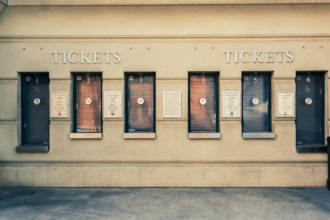
Tickets are usually sold at the entrance, but many visitors choose to buy tickets online in advance or use skip-the-line tickets to avoid waiting. Because the cistern is underground and the walkways inside are quite narrow, the number of visitors allowed inside at one time may be limited, which is another reason queues can form outside.
The visit itself does not usually take as long as Topkapi Palace or Hagia Sophia. Most visitors spend around 30 to 45 minutes inside the Basilica Cistern, although some people stay longer to take photos and walk around slowly to enjoy the atmosphere.
Some visitors also enter the Basilica Cistern using tourist attraction passes that include multiple Istanbul attractions, which can sometimes be good value if you are planning to visit several major sites in the city.
Because the Basilica Cistern is located in the same area as many of Istanbul’s main historical attractions, it is usually best to combine your visit with Hagia Sophia, the Blue Mosque and Topkapi Palace, all of which are within walking distance.
Opening Hours and Best Time to Visit the Basilica Cistern
The Basilica Cistern is normally open every day, but opening hours can change depending on the season, events or restoration work, so it is always a good idea to check the latest opening times before visiting.
The best time to visit the Basilica Cistern is usually early in the morning or later in the evening, when there are fewer visitors inside and the atmosphere is quieter. Because the cistern is underground and the walkways are narrow, it can feel crowded if you visit in the middle of the day.
Many people visit the Basilica Cistern after visiting Hagia Sophia or the Blue Mosque because all of these attractions are located very close together. However, this also means that late morning and early afternoon are usually the busiest times.
If possible, visiting early in the morning allows you to walk through the cistern more slowly and take photos without large crowds. The lighting inside the cistern is atmospheric throughout the day, so there is no bad time to visit, but quieter times make the experience more enjoyable.
Because the visit does not take very long, the Basilica Cistern is easy to fit into a day of sightseeing in the Sultanahmet area.
How to Get to the Basilica Cistern
The Basilica Cistern is located in the Sultanahmet area of Istanbul, very close to Hagia Sophia and the Blue Mosque. Because of its central location, it is one of the easiest attractions in the city to reach.
The easiest way to get there is usually by taking the T1 tram line and getting off at Sultanahmet stop. From the tram stop, it is only a short walk to the entrance of the cistern.
Many visitors simply walk to the Basilica Cistern as part of exploring the historic centre because the main attractions in this area are all very close together. You can easily walk between Hagia Sophia, the Blue Mosque, Topkapi Palace, Gülhane Park and the Basilica Cistern in the same day.
If you are staying in areas such as Taksim, Galata or Karaköy, you can take the metro or funicular to the tram line and then continue by tram to Sultanahmet. Taxis are also available, but traffic in the old city can be slow, so public transport is often easier.
Because the Basilica Cistern is underground, the entrance can be easy to miss if you are not looking for it, but it is located very close to Hagia Sophia and is well signposted.
Tips for Visiting the Basilica Cistern
One of the most important things to know before visiting the Basilica Cistern is that it is cool and slightly damp inside, even in summer, because it is underground and surrounded by water. Bringing a light jacket can be a good idea, especially if you are visiting early in the morning or in the evening.
The walkways inside the cistern can sometimes be slippery in places, so it is best to wear comfortable shoes with good grip rather than smooth-soled shoes.
Because the cistern is quite dark, it can be difficult to take photos without blur, so you may need to use night mode on your phone or a steady hand when taking pictures.
The Medusa heads are located at one end of the cistern, and this area is usually the busiest part because many visitors want photos there. If you want photos without too many people in the background, it is best to visit early in the morning.
Since the Basilica Cistern does not take very long to visit, it is a good idea to combine it with Hagia Sophia, the Blue Mosque and Topkapi Palace on the same day, as all of these attractions are within walking distance of each other in the Sultanahmet area.
Nearby Attractions to the Basilica Cistern
One of the biggest advantages of visiting the Basilica Cistern is its location in the Sultanahmet district, which is the historic centre of Istanbul and home to many of the city’s most famous landmarks. Because everything is located close together, it is very easy to visit several major attractions on the same day without needing public transport.
Just a short walk from the Basilica Cistern is Hagia Sophia, one of the most famous buildings in the world and one of the most important historical sites in Istanbul. Many visitors visit Hagia Sophia first and then walk across to the Basilica Cistern afterwards.
Nearby you will also find the Blue Mosque, which is known for its large courtyard and impressive interior. The Blue Mosque is still an active mosque, so visitors should be aware of prayer times when planning their visit.
Another major attraction very close to the Basilica Cistern is Topkapi Palace, which was the main residence of the Ottoman sultans for centuries. Topkapi Palace is much larger and takes several hours to visit, so many visitors plan to visit the palace in the morning and the Basilica Cistern later in the day.
You can also walk through Gülhane Park, which was once part of the palace grounds and is now a public park. It is a good place to relax after visiting the historical attractions in the area.
Because all of these attractions are located within walking distance of each other, many visitors spend a full day exploring the Sultanahmet area, visiting Hagia Sophia, the Blue Mosque, Topkapi Palace and the Basilica Cistern.

Rupert’s Handy Travel Tips
Planning to visit the Basilica Cistern? Here are a few useful tips before you go:
- Visit early or late: The cistern can get crowded because the walkways are narrow, so quieter times make the visit more enjoyable.
- It’s cooler underground: Even in summer, the cistern can feel cool and damp, so a light jacket can be useful.
- Watch your footing: Some areas of the walkway can be slightly slippery.
- Don’t miss the Medusa heads: They are located at one end of the cistern and are the most famous feature inside.
- Combine nearby attractions: Visit Hagia Sophia, the Blue Mosque and Topkapi Palace on the same day since they are all within walking distance.
Want to meet the reindeer behind our travel tips? Find out more in our page Who is Rupert?.
Frequently Asked Questions About the Basilica Cistern
How long does it take to visit the Basilica Cistern?
Most visitors spend around 30 to 45 minutes inside the Basilica Cistern, although you may stay longer if you take photos or walk through slowly.
Is the Basilica Cistern worth visiting?
Yes, the Basilica Cistern is one of the most unique attractions in Istanbul and is very different from the city’s mosques and palaces. Many visitors consider it one of the most memorable places in the city.
Where are the Medusa heads in the Basilica Cistern?
The Medusa heads are located at one end of the cistern, and there are signs inside directing visitors to them.
Can you visit the Basilica Cistern and Hagia Sophia on the same day?
Yes, they are located very close to each other, and most visitors visit Hagia Sophia, the Blue Mosque and the Basilica Cistern on the same day.
Is the Basilica Cistern underground?
Yes, the Basilica Cistern is completely underground, which is why the temperature inside is cooler than outside.
Further Reading & Related Guides
If you are planning your trip, make sure to read our Istanbul Travel Guide, which covers where to stay, transport, attractions and how to plan your time in the city. This will help you organise your itinerary and group attractions together so you don’t spend too much time travelling across this very large city.
Because the Basilica Cistern is located in the Sultanahmet area, many visitors combine it with nearby attractions such as Hagia Sophia, the Blue Mosque and Topkapi Palace, which are all located within walking distance of each other and are some of the most important historical sites in Istanbul.
You may also want to read our Bosphorus Cruises guide, as many visitors take a Bosphorus cruise after exploring the historic centre, especially from the nearby Eminönü area.
If you are planning to visit several attractions during your trip, it is also worth reading our Istanbul Tourist Pass guide, which explains which attractions are included and whether the pass is worth buying.
Reading these guides together will help you plan your Istanbul itinerary more efficiently, group nearby attractions together and make the most of your time in the city.
Last Updated
April 2026
Affiliate Disclosure
This page contains affiliate links. If you click through and make a purchase or booking, we may earn a small commission at no extra cost to you. This helps support our work and allows us to continue providing detailed, independent travel advice. We only recommend apps and services we personally use or have verified as high-quality.