
Why Aer Lingus Matters for International Travellers
Aer Lingus sits in an interesting position in the airline world. It is not a low-cost airline like Ryanair, and it is not a huge global airline like British Airways or Emirates. Instead, it operates as a hybrid airline, offering full-service long-haul flights while also running a strong short-haul European network.
For travellers flying between Europe and North America, Aer Lingus is often one of the most useful airlines to know about. The airline operates many transatlantic routes from Dublin and Shannon, and these airports offer something very important for passengers heading to the United States: US Preclearance. This means you pass US immigration before boarding your flight, and when you land in America you arrive as a domestic passenger, saving a huge amount of time.
Another reason the airline matters is pricing. Aer Lingus frequently offers cheaper transatlantic flights than many larger airlines, especially when flying from the UK via Dublin. Many travellers now deliberately book flights that connect through Ireland because the overall journey can be cheaper and sometimes faster through immigration.
The airline is also part of the Avios ecosystem through its AerClub loyalty programme, which means frequent travellers can earn Avios points, making the airline particularly relevant for UK and European travellers who collect airline points.
Overall, Aer Lingus is not always the most famous airline on a route, but it is often one of the smartest airlines to check when booking long-haul flights, particularly to North America.
A Brief History of Aer Lingus
Aer Lingus was founded in 1936 and is the national airline of Ireland. The name Aer Lingus comes from the Irish phrase Loingeas Aeir, which means “air fleet.” The airline began with very small aircraft operating short routes between Ireland and the UK, but over time it expanded into a major transatlantic airline.
During the mid-20th century, Aer Lingus became well known for flights between Ireland, the UK and the United States, particularly routes to New York and Boston. These routes were important because of the large Irish diaspora in America, and transatlantic travel became a core part of the airline’s identity.
Like many European airlines, Aer Lingus was originally state-owned, but it later became partially privatised and eventually joined the International Airlines Group (IAG), the same parent company that owns British Airways, Iberia, and Vueling. This changed the airline’s strategy significantly and brought it closer into the wider airline alliance and Avios ecosystem.
Despite being part of a large airline group, Aer Lingus still operates largely as its own brand and focuses heavily on transatlantic routes, Irish tourism, and connections between Europe and North America.
Today, Aer Lingus operates a modern fleet and is considered one of the most important airlines for travel between Ireland, the UK, Europe and the United States.
Aer Lingus and Airline Alliances
Aer Lingus is not a full member of the Oneworld alliance in the same way that British Airways, Qatar Airways or American Airlines are, but it is closely connected to the Oneworld network through its parent company IAG and multiple airline partnerships.
This is important because travellers can still earn and use Avios on Aer Lingus flights, and Aer Lingus flights often appear in booking systems alongside British Airways and American Airlines. In practical terms, this means Aer Lingus works like part of a wider airline network even though it is not officially branded as a full alliance member.
Aer Lingus has partnerships with several major airlines, particularly across the Atlantic. These partnerships allow passengers to book connecting flights on a single ticket and earn frequent flyer points across airlines. This is especially useful for travellers flying from smaller European cities to the United States via Dublin.
For example, a traveller might:
– Fly from Manchester to Dublin with Aer Lingus
– Continue from Dublin to New York
– Return via Boston and connect onto another partner airline
All of this can often be booked as a single itinerary.
If you want to understand airline alliances and partnerships in more detail, the official Oneworld website explains how airline networks, lounges and frequent flyer benefits work.
For frequent travellers, alliances and airline partnerships often matter more than the airline itself, because they determine lounge access, miles, upgrades and flexible booking options.
Aer Lingus Hubs: Dublin and Shannon
Aer Lingus operates primarily from Dublin Airport and Shannon Airport, and these two airports are central to the airline’s entire long-haul strategy, particularly for transatlantic travel between Europe and North America.
Dublin is the airline’s main hub and by far the most important airport in its network. Most long-haul flights to the United States and Canada depart from Dublin, and the airport is designed to handle connecting passengers efficiently. One of the biggest advantages of flying Aer Lingus via Dublin is US Preclearance, which allows passengers to complete US immigration before boarding the aircraft. This means when you land in the United States, you arrive as a domestic passenger, which can save a significant amount of time compared to arriving at major US airports and queueing for immigration.
Shannon Airport on the west coast of Ireland is smaller but still very important for Aer Lingus’s transatlantic operations. Shannon also offers US Preclearance, and because the airport is much quieter than major hubs, the overall travel experience can actually be faster and less stressful than flying via larger airports like Heathrow, Amsterdam or Paris.
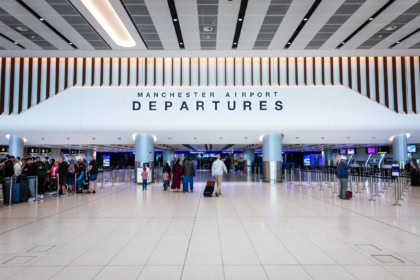
Aer Lingus previously operated long-haul flights from Manchester, but the airline has recently announced that it is closing Manchester as a long-haul base and focusing its transatlantic operations through Dublin instead. This means many UK passengers will now connect through Dublin rather than flying direct from regional UK airports.
In practice, this does not reduce the usefulness of Aer Lingus for UK travellers. In many cases, flying from the UK to Dublin and then onward to North America is still competitive on price and often easier for immigration, especially for travellers heading to busy US airports.
Overall, Aer Lingus’s strategy is very clear. Rather than operating many hubs across Europe, the airline focuses heavily on Ireland as a transatlantic gateway, using Dublin and Shannon as efficient transfer points between Europe and North America.
Aer Lingus Route Network
Aer Lingus has a route network that is heavily focused on transatlantic travel between Europe and North America, alongside a large number of short-haul routes across the UK and Europe. This combination of short-haul feeder flights and long-haul routes is what allows the airline to compete with much larger airlines.
From Ireland, Aer Lingus operates long-haul flights to major North American cities such as New York, Boston, Chicago, Orlando, Los Angeles, San Francisco, Washington, Toronto and several other destinations. These routes are the backbone of the airline’s business, and Aer Lingus is one of the most important airlines for travel between Ireland and the United States.
The airline also operates a large short-haul network across Europe, including routes to the UK, Spain, Portugal, France, Italy, Germany and many holiday destinations. These short-haul routes are important because they feed passengers into Dublin, where they then connect onto long-haul flights to North America.
For UK travellers, this is particularly useful. Instead of flying direct from Heathrow, it is often possible to fly from a regional UK airport to Dublin and then connect onto a transatlantic flight, sometimes at a lower price than flying direct from London.
Aer Lingus does not try to fly everywhere in the world. Instead, the airline focuses on routes that make sense through Ireland as a hub. The strategy is very much quality routes rather than a massive global network, and this is why the airline often appears in flight searches for transatlantic travel.
Fleet and Cabin Classes
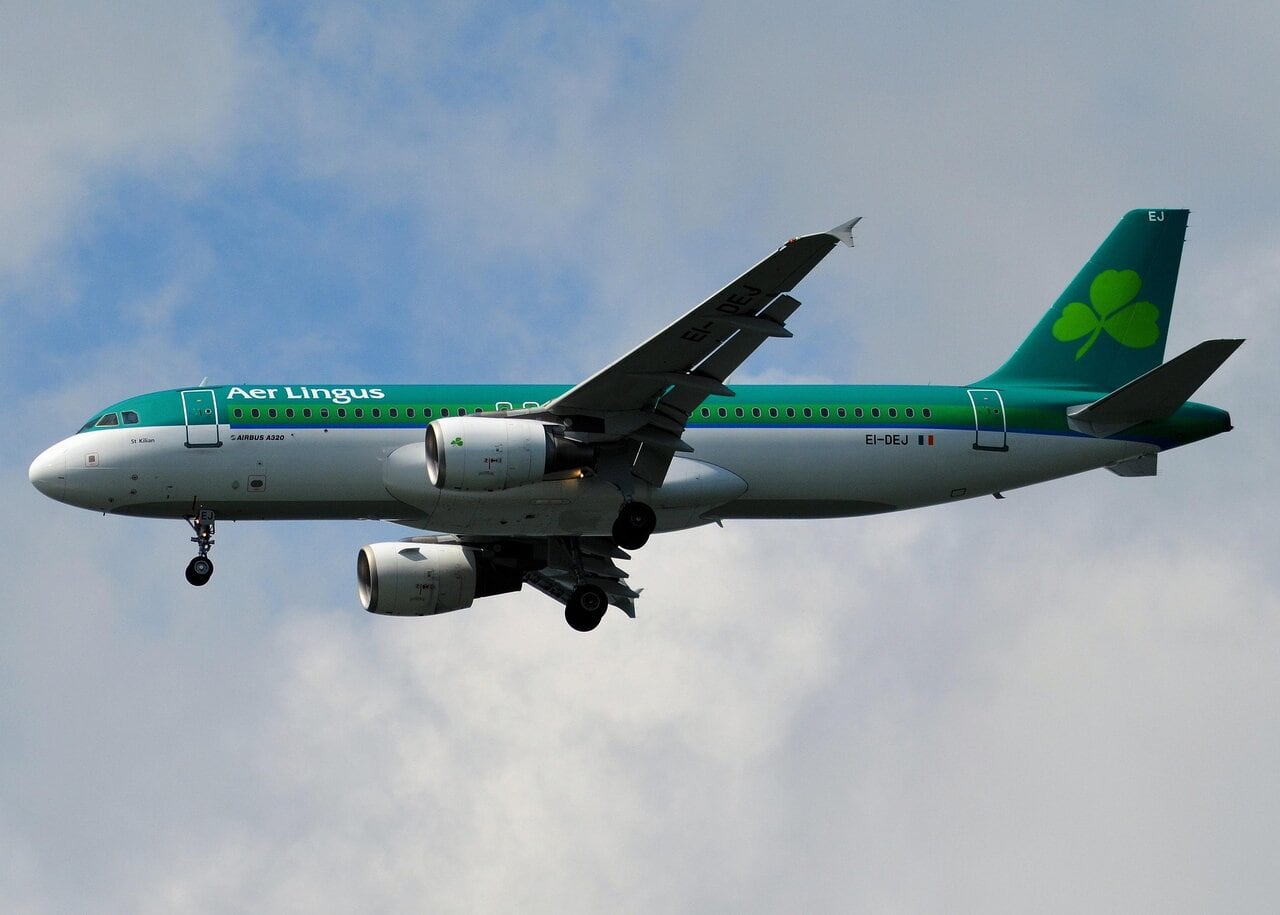
Aer Lingus operates a modern fleet made up mainly of Airbus aircraft, including aircraft designed for both short European flights and long-haul transatlantic routes.
For long-haul flights, the airline operates aircraft such as the Airbus A330 and the newer Airbus A321LR and A321XLR aircraft. These aircraft are particularly important because they allow Aer Lingus to operate long-distance routes with smaller aircraft, which means the airline can fly between cities that might not be viable for larger planes.
For passengers, aircraft type can make a big difference to the flight experience. Larger aircraft like the Airbus A330 are typically used on busy routes such as Dublin to New York or Boston, while the smaller long-range aircraft are used on thinner routes where demand is lower.
Aer Lingus typically offers two main cabin classes on long-haul flights:
– Economy Class
– Business Class
On short-haul European flights, the airline usually operates a single cabin but offers different fare types that include baggage, seat selection and flexibility.
Overall, Aer Lingus positions itself as a full-service airline on long-haul flights, meaning meals, entertainment and baggage are usually included on transatlantic routes, which is very different from low-cost airlines operating short European routes.
Aer Lingus Economy and Business Class Explained
Aer Lingus Economy Class on long-haul flights is generally considered solid and comfortable compared to many airlines. Seats include personal entertainment screens on long-haul aircraft, meals are included, and baggage is usually included depending on the ticket type. For many travellers, Aer Lingus economy is a good balance between price and comfort, particularly on transatlantic flights.
Business Class is where the airline becomes more competitive with larger international airlines. Aer Lingus Business Class includes lie-flat seats on long-haul flights, lounge access, priority boarding, better meals and larger baggage allowance. The seats convert into fully flat beds on most long-haul aircraft, which makes overnight flights much more comfortable.
One of the reasons frequent travellers check Aer Lingus when booking flights is that business class fares can sometimes be significantly cheaper than British Airways or American Airlines, especially during sales. This makes the airline popular with travellers paying for their own business class tickets rather than travelling on corporate bookings.
The main differences between Economy and Business Class usually include:
– Seat size and whether the seat converts into a bed
– Lounge access
– Priority check-in and boarding
– Food and drink quality
– Baggage allowance
– Flexibility of tickets
For long-haul travel, especially overnight flights, the difference between economy and business class can be enormous, and Aer Lingus is often considered good value in business class compared to some competitors.
AerClub, Avios and Frequent Flyer Benefits
Aer Lingus has its own frequent flyer programme called AerClub, and this programme uses Avios points, the same points currency used by British Airways, Iberia and Qatar Airways. This is extremely important for frequent travellers because Avios points can be collected and used across multiple airlines, not just Aer Lingus.
Passengers can earn Avios by flying with Aer Lingus, as well as through partner airlines, hotels, car hire companies and credit card spending in some countries. These points can then be used for flight discounts, upgrades or reward flights.
Because Aer Lingus is part of the same airline group as British Airways and Iberia, many travellers combine Avios points across these airlines, which makes the loyalty programme much more useful than many smaller airline schemes.
Frequent flyer programmes can be complicated, but the key things to understand are:
– You earn Avios when you fly
– You can spend Avios on flights or upgrades
– Higher status gives lounge access and priority boarding
– Points can often be transferred between Avios airlines
For travellers who fly regularly between Europe and North America, collecting Avios through Aer Lingus flights can be very valuable over time, especially if combined with flights on British Airways or other partner airlines.
The Aer Lingus App and Digital Travel Tools
Like most modern airlines, Aer Lingus has its own mobile app that allows passengers to manage bookings, check in online, download boarding passes and track flights. While many travellers still use flight comparison websites to book tickets, airline apps are now extremely useful once a booking has been made, particularly for managing seats, baggage and boarding passes.
The Aer Lingus app allows you to check in online, choose seats, add baggage, update passenger details and store boarding passes on your phone. This makes the airport experience much smoother because you can often go straight to security if you are travelling with hand luggage only.
Another useful feature is flight notifications. The app can notify passengers about gate changes, delays and boarding times. This is particularly helpful when connecting through Dublin, because you can monitor your next flight without needing to constantly check airport screens.
Many travellers now use a combination of airline apps and flight comparison apps when travelling. The comparison apps are usually better for finding cheap flights, while airline apps are better for managing bookings and boarding passes. Using both together is often the easiest way to manage modern travel.
Overall, the Aer Lingus app is not the most advanced airline app in the world, but it does everything most travellers need and is worth downloading before flying.


How to Book Cheap Flights with Aer Lingus
If you want to find cheap Aer Lingus flights, the most important thing is not to go straight to the airline website first. Instead, you should normally use flight comparison tools to compare routes, dates and prices across multiple airlines.
Flight prices can vary significantly depending on:
• Time of year
• Day of the week
• How far in advance you book
• Whether you are flying one-way or return
• Which airport you depart from
Being flexible with dates is often the biggest factor in finding cheaper flights. Flying a day earlier or later can sometimes reduce the price significantly, especially on transatlantic routes.
Another useful strategy is to check flights from different airports. For example, flights from Dublin, Manchester, London, Amsterdam or Paris may all be priced differently even for similar routes, so it can sometimes be cheaper to position to another European airport first.
Aer Lingus also runs occasional sales, particularly for transatlantic routes, so if your travel dates are flexible it can be worth monitoring prices for a few weeks before booking.
In general, booking long-haul flights two to four months in advance is often a good balance between price and availability, although this can vary depending on season and demand.
Aer Lingus Strengths and Weaknesses
Like any airline, Aer Lingus has both advantages and disadvantages, and understanding these can help you decide whether it is the right airline for your trip.
Strengths
• Competitive transatlantic pricing
• US Preclearance in Dublin and Shannon
• Modern aircraft
• Good business class product
• Strong network between Europe and North America
• Avios loyalty programme
• Often cheaper than British Airways on similar routes
Weaknesses
• Smaller global network than major airlines
• Fewer daily flights on some routes
• Not part of a major alliance as a full member
• Some aircraft layouts vary by route
• Short-haul flights are more basic than long-haul
Overall, Aer Lingus is often best described as a very strong transatlantic airline with a supporting European network, rather than a global airline flying everywhere in the world. For many travellers, especially those flying between Europe and North America, it can offer very good value.
Who Should Fly Aer Lingus
Aer Lingus is not an airline that suits every type of traveller, but for certain routes and travel styles it can be an extremely good choice. The airline is particularly strong on transatlantic flights between Europe and North America, and this is where it usually offers the best combination of price, comfort and convenience.
One of the biggest reasons people choose Aer Lingus is the ability to clear US immigration in Dublin or Shannon before boarding the aircraft. This can make a very big difference to the overall journey, especially when flying into busy US airports like New York, Boston or Chicago. Instead of queueing for immigration after a long flight, you land and walk straight out of the airport like a domestic passenger. For many travellers, this alone is enough reason to choose the airline over competitors.
Aer Lingus is also a good option for travellers who are collecting Avios points. Because the airline uses the same Avios currency as British Airways and Iberia, flights can contribute towards a wider points strategy. Over time, this can lead to upgrades or reward flights, particularly for people who fly regularly between Europe and North America.
The airline is also worth considering for travellers who do not live near Heathrow or another major hub. Flying from a regional UK or European airport to Dublin and then connecting onto a transatlantic flight is often easier and sometimes cheaper than travelling via large hub airports. Dublin Airport is relatively compact and easy to transfer through, which makes connections less stressful than some larger European airports.
Aer Lingus is probably less suitable for travellers who need a massive global network or very high flight frequency on specific routes. The airline focuses heavily on North America and European routes, so if you are flying to more unusual destinations you may need to connect onto partner airlines.
Overall, Aer Lingus is best suited to travellers heading across the Atlantic who want a balance of price, comfort, and a smoother airport experience, rather than simply choosing the largest airline available.

Rupert’s Handy Travel Tips
Flying with Aer Lingus or connecting through Dublin? Here are a few useful tips to make your journey smoother:
- Use US Preclearance: Allow extra time in Dublin so you can complete US immigration before boarding and arrive in America as a domestic passenger.
- Compare Dublin vs UK departures: Sometimes it is cheaper to fly from Dublin than London or Manchester, even after adding a short positioning flight.
- Check aircraft type: Wide-body A330 aircraft usually have the best cabins for long-haul flights.
- Join AerClub: Even occasional travellers should collect Avios points for future discounts or upgrades.
Want to meet the reindeer behind our travel tips? Find out more in our page Who is Rupert?.
Frequently Asked Questions About Aer Lingus
Is Aer Lingus a good airline to fly with?
Aer Lingus is generally considered a good airline, particularly for transatlantic flights between Europe and North America. It offers full-service long-haul flights, meals included, and competitive pricing compared to larger airlines.
Is Aer Lingus part of an airline alliance?
Aer Lingus is not a full member of Oneworld, but it is owned by the same parent company as British Airways and Iberia and uses Avios points, so it works closely with those airlines and partner networks.
Where does Aer Lingus fly from in the UK?
Aer Lingus operates flights from several UK airports to Dublin, including London, Manchester, Birmingham and Edinburgh, where passengers can connect onto long-haul flights to North America.
What is US Preclearance in Dublin Airport?
US Preclearance allows passengers to complete US immigration before boarding their flight in Dublin or Shannon. When you arrive in the United States, you arrive as a domestic passenger and can leave the airport immediately.
Can you earn Avios on Aer Lingus flights?
Yes, Aer Lingus uses the Avios points system through its AerClub loyalty programme, and points can often be used across Aer Lingus, British Airways and Iberia.
Further Reading & Related App Guides
If you are planning flights, airport transfers or long-distance travel, these guides will help you plan and book your journey more efficiently:
Qantas Airline Guide:
Learn about Qantas routes, long-haul flights, and connections across Australia, Asia, Europe and North America.
Iberia Airline Guide:
Another Avios airline with strong routes between Europe, North America and South America.
AirHelp Flight Compensation Guide:
Understand your rights if your flight is delayed or cancelled in Europe or the UK.
Best eSIM Apps for Travellers:
Stay connected when you land without airport SIM cards or roaming charges.
How to Use Google Flights Guide:
Learn how to use Google Flights to compare prices, track fares and find the best flight deals.
Last Updated
March 2026
Affiliate Disclosure
This page contains affiliate links. If you click through and make a purchase or booking, we may earn a small commission at no extra cost to you. This helps support our work and allows us to continue providing detailed, independent travel advice. We only recommend apps and services we personally use or have verified as high-quality.