
Why the TransPennine Line Is One of the UK’s Most Important Rail Routes
The TransPennine line is one of the most important rail corridors in northern England, linking major cities from the west coast to the east. It connects Liverpool with Manchester, continues through Leeds, and reaches historic destinations such as York before extending to Newcastle upon Tyne. This creates a true coast to coast railway across the north of England.
What makes the TransPennine line stand out is how it cuts directly through the Pennines, the mountain range that divides the region. This is not just a commuter route but a major national transport link used by business travellers, tourists, and long distance passengers every day. Journeys such as Manchester to Leeds are among the busiest in the UK, while longer routes from Liverpool to Newcastle provide a fast and practical alternative to driving.
The line also plays a critical role in connecting regional economies. Cities along the route are some of the most important outside London, and the railway supports daily commuting, university travel, and tourism. For travellers, it offers a simple way to explore multiple destinations without a car, making the TransPennine route one of the most practical and efficient rail lines in the country.
Quick Overview of the TransPennine Line
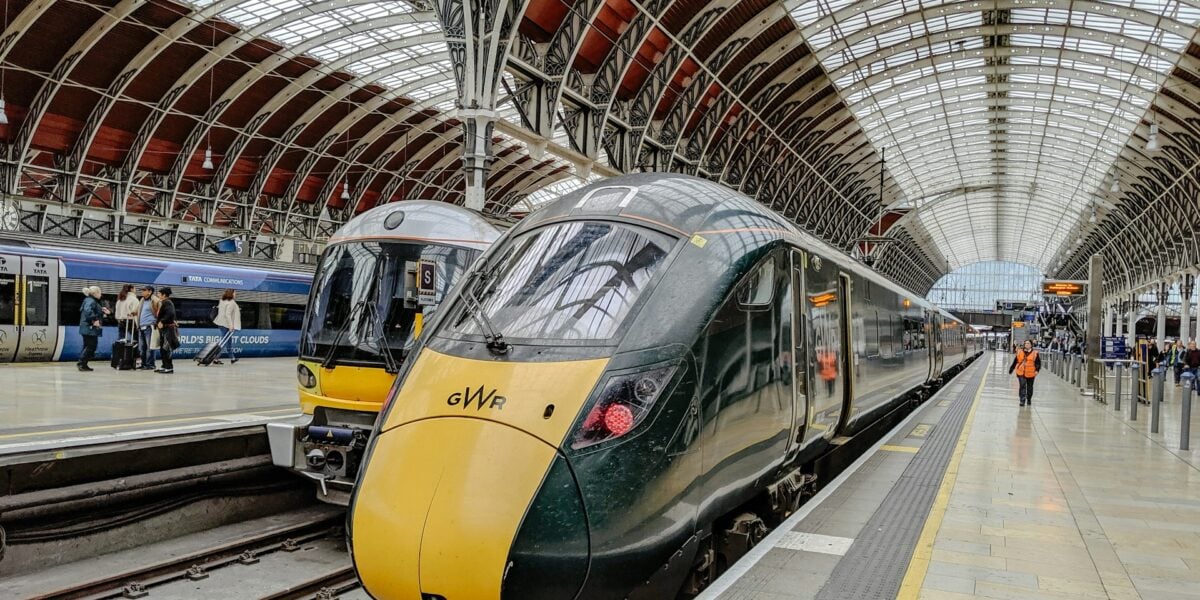
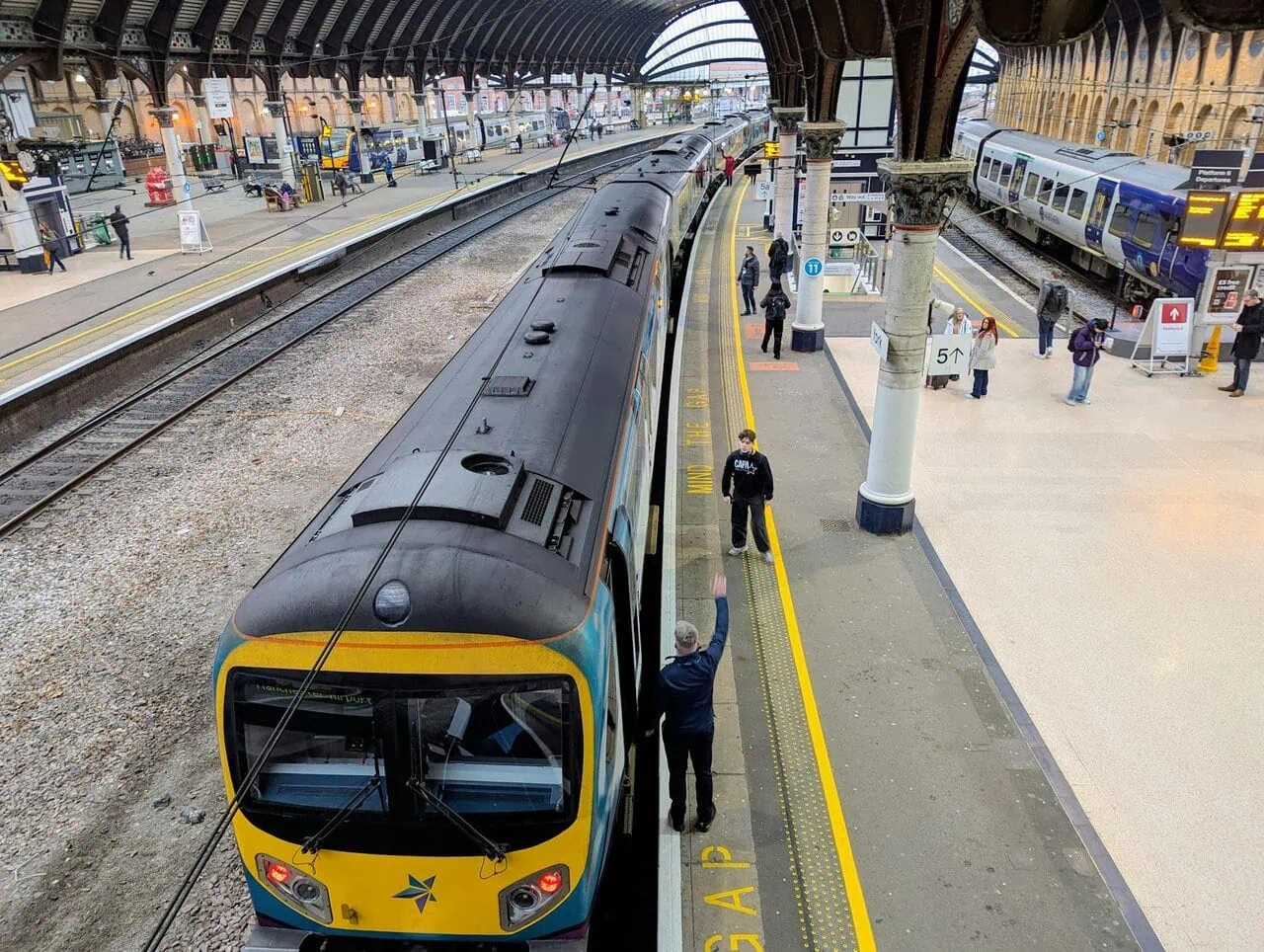
The TransPennine Express route is operated primarily by TransPennine Express, providing fast and frequent services across northern England. The network is designed to connect major cities quickly, with modern trains and direct routes that reduce the need for changes.
Most services begin at Liverpool Lime Street, travelling east through Manchester Piccadilly, which acts as a key interchange hub for the entire region. From there, trains continue across the Pennines toward Leeds, one of the busiest rail stations in the UK. Beyond Leeds, services extend to cities such as York and Newcastle, with some routes continuing to Middlesbrough, Hull, or Scarborough.
The TransPennine line is known for its balance of speed, connectivity, and flexibility. It links major urban centres while still serving smaller towns along the route, making it useful for both long distance journeys and short regional trips. This combination is what keeps it at the centre of the UK rail network.
TransPennine Routes Explained: Liverpool to Newcastle and Beyond
At its core, the TransPennine line runs from Liverpool to Newcastle, forming a continuous east to west connection across northern England. The journey begins in Liverpool city centre, where trains depart from Liverpool Lime Street and quickly reach Manchester, one of the busiest and most important rail hubs in the UK.
From Manchester, the route becomes more distinctive as it crosses the Pennines toward Leeds. This section is widely seen as the heart of the TransPennine route, where trains pass through rolling hills, valleys, and smaller towns that define the region. It is this stretch that gives the line its identity and makes it one of the most recognisable rail journeys in England.
After Leeds, the route continues east toward York, a city known for its medieval streets and historic landmarks. From there, services continue to Newcastle upon Tyne, completing the full cross-country journey. Some trains extend beyond this core route, offering connections to coastal destinations and other northern cities, increasing the reach and flexibility of the network.
Key Stops and Major Cities Along the Line
The strength of the TransPennine line lies in the range of major cities and destinations it connects. Each stop offers something different, making it possible to build entire trips around this single railway line.
In the west, Liverpool provides a starting point with its waterfront, museums, and cultural attractions. Moving east, Manchester stands out as a major transport hub and one of the UK’s most dynamic cities. Leeds follows as a key commercial centre, known for shopping and business travel, while York offers a completely different experience with its historic streets and well preserved architecture.
Further along the route, Newcastle upon Tyne provides access to the north east, combining a lively city atmosphere with proximity to the coast. Together, these destinations form a powerful travel corridor, and the rail connections between them make it easy to move quickly from one city to another. This is what makes the TransPennine route so valuable for travellers looking to explore northern England efficiently.
Explore the Key Cities Along the TransPennine Line
Liverpool: Culture, Waterfront and a Western Gateway
Starting in Liverpool, the TransPennine line connects you to one of the UK’s most distinctive cities. Known for its historic waterfront, music heritage, and museums, Liverpool is far more than just a starting point. It acts as the western gateway to the route, with direct trains linking it to Manchester, Leeds, and beyond.
Travelling from Liverpool gives you immediate access to the wider north of England, making it an ideal base if you are planning to explore multiple cities. You can dive deeper into everything the city offers in our Liverpool travel guide, from the Albert Dock to the city’s famous cultural landmarks.
Manchester: The Northern Powerhouse Hub
Moving east, Manchester is the beating heart of the TransPennine route. With Manchester Piccadilly acting as a major interchange, this is where routes converge and journeys across the Pennines truly begin.
Manchester stands out for its mix of industry, sport, music, and modern city life, making it one of the most dynamic destinations in the UK. Its central position also means it is one of the easiest places to travel from, with frequent services heading toward Leeds and York. If you are planning time here, our Manchester city travel guide covers the best areas, attractions, and transport tips.
Leeds: A Commercial and Travel Hub
Further along the line, Leeds plays a key role as both a business centre and transport hub. The station is one of the busiest in the UK, connecting multiple rail lines and making it a crucial stop on the TransPennine Express route.
Leeds offers a different feel compared to Liverpool and Manchester, with a strong focus on shopping, dining, and city life. It is also a practical base for exploring nearby destinations, thanks to its central location in northern England. Even if you are just passing through, it is worth recognising how important Leeds is to the overall network.
York: Historic Streets and Timeless Landmarks
One of the standout stops on the TransPennine line is York, a city that feels completely different from the modern centres to the west. Known for its medieval streets, city walls, and historic landmarks, York is a highlight for many travellers.
Its compact layout makes it easy to explore in a single day, which is why it is such a popular destination from both Manchester and Leeds. Whether you are interested in history, architecture, or simply wandering through one of the UK’s most atmospheric cities, York delivers a completely different experience. You can explore it in more detail in our York travel guide, especially as your cluster builds out.
Journey Times and Train Frequency
Journey times on the TransPennine line are one of its biggest advantages, especially when compared to driving across northern England. The route is designed for fast intercity travel, with frequent services linking major destinations throughout the day.
The busiest section is between Manchester and Leeds, where trains typically run every 15 to 30 minutes. This makes it one of the most heavily used rail corridors in the country, with journey times usually taking around 50 minutes to 1 hour, depending on the service. For travellers moving between these two cities, the train is often faster and far more convenient than driving.
Longer journeys remain competitive. A full route from Liverpool to York generally takes around 1 hour 50 minutes to 2 hours, while services continuing to Newcastle upon Tyne can take just under 3 hours. These timings make the TransPennine Express route a strong option for both day trips and longer journeys.
Frequency is generally reliable throughout the day, particularly on core sections of the route. However, services can become less frequent late in the evening or on Sundays, so it is always worth checking live timetables before travelling.
Tickets, Pricing and How to Save Money
Ticket pricing on the TransPennine line can vary significantly depending on when and how you book. Like most UK rail travel, fares are influenced by time of day, demand, and flexibility, which means planning ahead can make a noticeable difference.
The cheapest tickets are usually Advance fares, which are released in limited numbers and tied to a specific train. These can offer excellent value, particularly on longer journeys such as Liverpool to Newcastle or Manchester to York. However, they are less flexible, so they work best if your plans are fixed.
More flexible options include Off Peak and Anytime tickets, which allow you to travel on a wider range of services. These are useful for business travel or last minute trips, but they come at a higher price. Peak time travel, especially during weekday mornings and late afternoons, is typically the most expensive.
To reduce costs, many travellers use split ticketing, where a journey is broken into smaller segments that are booked separately. While this does not change the train you are on, it can sometimes lower the total fare. Booking in advance and travelling outside peak hours remain the simplest ways to save money on the TransPennine Express route.
Another option worth considering is upgrading after you book. Apps like Seatfrog allow you to bid for First Class upgrades at a reduced price, which can sometimes be cheaper than buying a premium ticket outright. This can be particularly useful on longer journeys across the Pennines, where extra space and comfort make a noticeable difference. You can find out how it works in our Seatfrog guide, including tips on when upgrades are most likely to be successful.
How to Book TransPennine Trains (Best Apps)
Booking tickets for the TransPennine line is straightforward, but using the right tools can make the process faster, cheaper, and more flexible. Most travellers now rely on train booking apps to compare prices, check live times, and store digital tickets.
Apps such as Trainline and Omio allow you to search across multiple operators, making it easy to find the best routes between cities like Manchester, Leeds, and York. These platforms also highlight cheaper tickets, show real time delays, and provide mobile tickets that can be scanned directly at the station.
Using an app also makes it easier to adapt your journey if plans change. Live updates, platform information, and service alerts are all built in, which is particularly useful on a busy route like the TransPennine Express route, where delays can occasionally occur.
For most travellers, booking through an app is now the simplest way to manage rail travel in the UK. It removes the need for paper tickets and gives you instant access to everything you need for your journey in one place.
Using Rail Passes on the TransPennine Line
For visitors to the UK, rail passes can offer a convenient and cost effective way to travel along the TransPennine line, especially when planning multiple journeys between cities. Both Interrail and BritRail Passes can be used on services operated by TransPennine Express, making them a flexible option for exploring northern England.
The Interrail Great Britain Pass is designed for European residents and allows unlimited travel on most UK rail services over a set number of days. This can be particularly useful if you are planning to visit several destinations such as Liverpool, Manchester, and York within a short period.
For non European visitors, the BritRail Pass offers a similar concept, providing unlimited travel across the UK rail network. This can simplify planning, as there is no need to book individual tickets for each journey, although seat reservations may still be recommended on busy services.
Rail passes are especially useful for travellers who value flexibility. Instead of committing to specific trains, you can move between cities at your own pace, making the most of what the TransPennine route has to offer without worrying about changing ticket prices.
Onboard Experience and Facilities
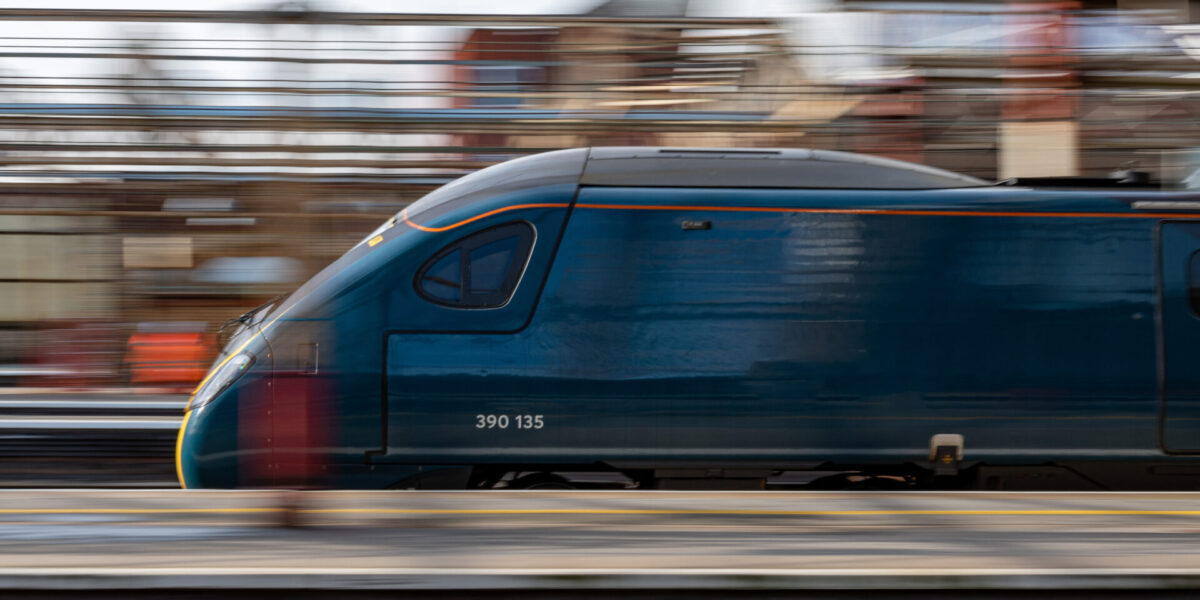
Travelling on the TransPennine line is generally comfortable, especially on longer journeys between major cities. Services operated by TransPennine Express use modern trains designed for intercity travel, with a focus on speed, seating, and onboard amenities.
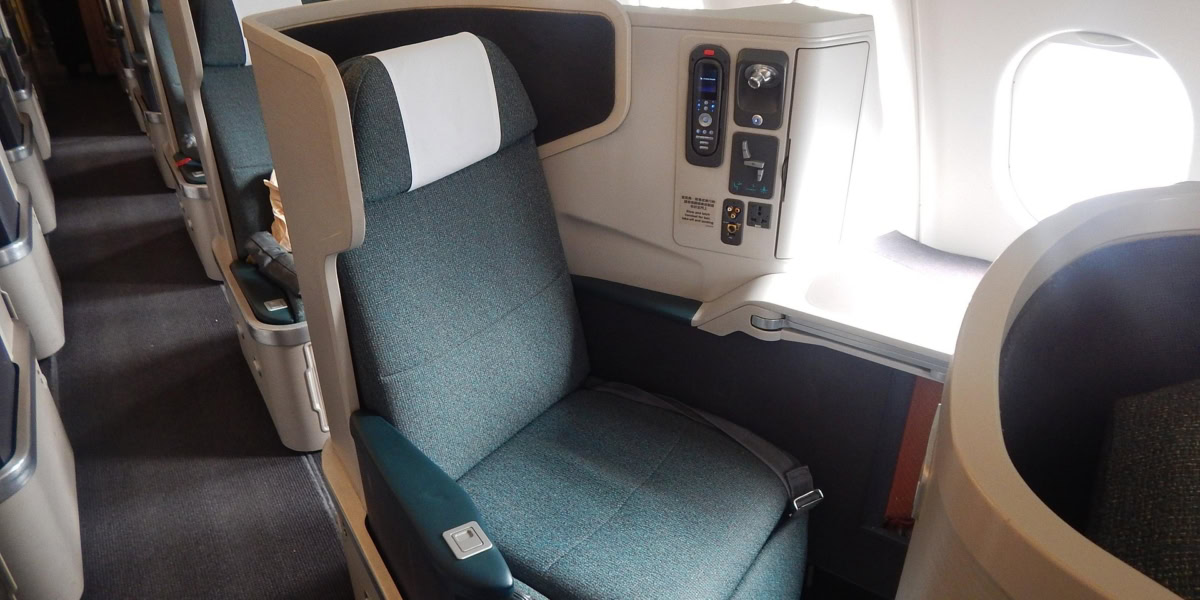
Most trains offer reserved seating, which can be particularly useful during busy periods between Manchester and Leeds. Standard Class provides a practical setup for most travellers, while First Class offers wider seats, quieter carriages, and additional space, making it a good option for longer journeys such as Liverpool to Newcastle.
Facilities typically include WiFi, power sockets, and luggage storage areas, although availability can vary depending on the specific train. For shorter journeys, these features are less critical, but on longer cross country trips they make a noticeable difference. Overall, the experience is designed to be functional and efficient rather than luxurious, which fits the role of the TransPennine Express route as a busy regional and intercity link.
Reliability, Delays and What to Expect
Reliability on the TransPennine line has been a widely discussed topic in recent years, and it is something travellers should be aware of when planning their journey. While many services run on time, delays and cancellations can occur, particularly on the busiest sections of the route.
The stretch between Manchester and Leeds is one of the most heavily used rail corridors in the UK, and this level of demand can lead to congestion. Infrastructure constraints across the Pennines also play a role, as the line passes through challenging terrain with limited capacity in certain areas.
That said, improvements have been made, and performance can vary depending on the time of day and the specific service. Travelling outside peak hours often results in a smoother experience, while early morning and late evening services tend to be less crowded and more reliable.
Using live travel apps is one of the best ways to manage potential disruption. Real time updates, platform changes, and delay notifications can help you adjust quickly, which is especially useful when travelling across multiple cities on the TransPennine Express route.
Best Scenic Sections of the TransPennine Route
One of the most underrated aspects of the TransPennine line is the scenery, particularly as the route crosses the Pennines between Manchester and Leeds. This section offers some of the most impressive rail views in northern England, with changing landscapes that reflect the geography of the region.
As trains leave Manchester, the urban environment gradually gives way to open countryside, with rolling hills, stone-built villages, and wide valleys becoming more prominent. The route passes through areas such as the Calder Valley, where the scenery becomes more dramatic, especially in clear weather.
This part of the journey is often a highlight for travellers who are not familiar with the region. It provides a completely different perspective compared to city travel, showing the natural landscape that defines northern England. Sitting by the window on this stretch can turn a simple train journey into something much more memorable.
Further east, the approach to York offers flatter, more open landscapes, before trains continue toward the north east. While less dramatic than the Pennine crossing, it still provides a sense of how the terrain changes across the country.
Top Day Trips Using the TransPennine Line
The TransPennine line is perfectly suited for day trips, with short journey times between major cities making it easy to explore multiple destinations without needing to stay overnight.
A popular option is travelling from Manchester to York, which takes around an hour and offers a complete contrast between a modern city and a historic destination. Similarly, journeys from Leeds to Liverpool allow travellers to experience both a major commercial centre and a coastal cultural hub in a single day.
Longer day trips are also possible. Travelling from York to Newcastle upon Tyne provides access to a different part of northern England, with a distinct atmosphere and easy links to the coast. Because of the frequency of services, it is often possible to travel out in the morning and return in the evening without feeling rushed.
This flexibility is one of the biggest strengths of the TransPennine Express route, making it ideal for travellers who want to maximise their time and see more of the UK in a short period.
When to Use Alternative Routes Instead
While the TransPennine line is one of the most useful rail routes in northern England, there are situations where alternative services may be a better option. This is particularly true during periods of disruption or when travelling at peak times.
For journeys between London and York or Newcastle upon Tyne, operators such as LNER provide faster direct services using the East Coast Main Line. These trains are designed for high speed travel and can significantly reduce journey times compared to routes that involve crossing the Pennines.
For shorter regional journeys, local services operated by Northern may offer more frequent stopping patterns, which can be useful if you are travelling to smaller towns not directly served by TransPennine Express. These services are typically slower but provide wider coverage across the region.
Choosing the right route often comes down to timing and flexibility. If speed is the priority, high speed intercity services may be the better choice. If you are travelling between northern cities such as Manchester, Leeds, and York, the TransPennine Express route remains one of the most direct and practical options available.
Apps for Train Travel in the UK
Using the right tools can make travelling on the TransPennine line far easier, especially when dealing with live updates, delays, or last minute changes. Most travellers now rely on train booking mobile apps to manage their journeys from start to finish.
Apps such as Trainline and Omio are widely used for booking tickets, checking live departure boards, and tracking service updates. They allow you to compare routes across multiple operators, which is useful when travelling between major cities like Manchester, Leeds, and York. Digital tickets stored on your phone remove the need for paper copies and make station access quicker and simpler.
In addition to booking apps, real time journey planners can provide alerts for delays and platform changes. This is particularly useful on busy routes where conditions can change quickly. Having access to live information gives you more control over your journey and helps reduce the impact of disruption on the TransPennine Express route.

Rupert’s Handy Travel Tips
Travelling across the Pennines from Liverpool to York or Newcastle? Rupert’s spent plenty of time riding the TransPennine line and has picked up a few tips along the way:
- Travel earlier in the day: Morning services are usually quieter and more reliable, especially on busy routes between Manchester and Leeds.
- Reserve a seat where possible: Trains can fill quickly on peak services, particularly on the core cross-Pennine section.
- Pick your seat for the views: Sit on the right-hand side when heading east for some of the best scenery across the Pennines.
- Keep an eye on live updates: Delays can happen, so having a travel app open helps you react quickly to platform changes or disruptions.
Want to meet the reindeer behind our travel tips? Find out more in our page Who is Rupert?.
Frequently Asked Questions
Does the TransPennine line go to Liverpool
Yes, services operated by TransPennine Express start or terminate at Liverpool Lime Street, connecting the city to Manchester, Leeds, York, and Newcastle.
How long is the journey from Manchester to Leeds
Most journeys between Manchester and Leeds take around 50 minutes to 1 hour, depending on the service and number of stops.
Is the TransPennine line reliable
Reliability can vary, particularly on busy sections between Manchester and Leeds. Travelling outside peak times and using live travel apps can improve your experience.
Can I use an Interrail or BritRail Pass on this route
Yes, both Interrail Great Britain Pass and BritRail Pass are valid on services operated by TransPennine Express, although seat reservations may be recommended.
Is it better to book tickets in advance
Yes, booking Advance tickets is usually the cheapest option, especially for longer journeys. Prices tend to increase closer to the travel date.
Further Reading & Related Guides
If you are planning a trip along the TransPennine line, it makes sense to explore the cities connected by the route in more detail. You can start by discovering the waterfront and cultural highlights of Liverpool, before moving east to experience the energy and transport links of Manchester. From there, continue across to York, where historic streets and landmarks offer a completely different atmosphere.
To make your journey smoother, it is also worth using dedicated tools and passes. Comparing ticket options using our train booking apps guide can help you find better prices and more flexible routes, while rail passes such as Interrail and BritRail can simplify travel if you plan to visit multiple destinations along the line.
Last Updated
April 2026
Affiliate Disclosure
This page contains affiliate links. If you click through and make a purchase or booking, we may earn a small commission at no extra cost to you. This helps support our work and allows us to continue providing detailed, independent travel advice. We only recommend apps and services we personally use or have verified as high-quality.