
Why London Is One of the Best Extreme Day Trips from Paris
A Paris to London day trip is one of the most rewarding extreme day trips in Europe. It combines high-speed rail with access to one of the world’s most iconic cities, all within a single day.
What makes this journey stand out is the time zone advantage. Travelling from Paris to London means you effectively gain one hour, so you arrive earlier than the clock suggests. This creates a strong window to explore, especially compared to many other international day trips.
London also offers an exceptional concentration of landmarks in central areas. From historic sites such as Westminster Abbey to modern highlights like the London Eye, you can experience a wide range of attractions without travelling long distances.
Unlike smaller destinations, London delivers a full international experience rather than a quick stop. You step into a different country, culture, and atmosphere, all within a tightly planned but achievable day.
Is a Paris to London Day Trip Worth It?
A Paris to London day trip is absolutely worth it, but only if you approach it with the right expectations.
This is a structured, time-focused travel day. You need to move efficiently, plan your route in advance, and stay comfortable with a fast pace. In return, you get the chance to experience London’s most famous landmarks in a well-organised trip.
It works particularly well for travellers who want a high-impact introduction to London. If it is your first visit, focusing on central London landmarks gives you a strong sense of the city without needing multiple days.
The trip is especially suited to solo travellers and couples who are comfortable using public transport and walking between locations. The compact nature of central London makes it possible to see several major sights without spending too much time travelling.
However, it is not ideal for anyone looking for a relaxed experience. London is a large city, and even with careful planning you will only explore a portion of it in one day. If your goal is to visit museums in depth or explore multiple neighbourhoods, a longer stay is the better option.
Paris to London by Eurostar: How the Journey Works
The journey from Paris to London by Eurostar is straightforward, but it includes airport-style procedures due to international travel.
You depart from Paris Gare du Nord, where you will go through security, French exit checks, and UK border control before boarding. This means you should arrive at the station at least 60 minutes before departure, particularly during busy periods.
Once on board, the journey takes approximately 2 hours 15 minutes to 2 hours 30 minutes, travelling through northern France and the Channel Tunnel before arriving at London St Pancras International.
A major advantage of this route is that you arrive directly in central London. From St Pancras, you are within easy reach of key areas such as Westminster, the Thames, and the West End, allowing you to begin your day quickly without long transfers.
For a day trip, efficiency is key. Minimising delays at the station, boarding promptly, and having a clear plan for your first destination will help you make the most of your time in London.
Eurostar Times: Your Full Day Window Explained
Your available time in London depends entirely on the Eurostar schedule, so understanding your day window is essential.
The earliest departures from Paris are typically 07:09 and 07:37, arriving into London at approximately 08:30 and 09:00. Thanks to the 1-hour time difference, you effectively gain time on arrival, giving you a strong start to the day.
Return services are earlier than many travellers expect. The main options are the 19:01 train (arriving 22:26 in Paris) or the 20:01 train (arriving 23:24). Because Eurostar requires you to complete security and UK exit checks before departure, you should aim to be back at St Pancras at least 45 to 60 minutes before your train.
This creates a clearly defined structure for your day. While you gain time in the morning, your evening window is more limited, meaning you need to plan your return carefully and avoid leaving central London too late.
Choosing the right combination of outbound and return trains is what determines whether this trip feels smooth and enjoyable or rushed and stressful.
How Much Time You Actually Get in London
While the timetable looks generous at first glance, your usable time in London depends on how efficiently you move through each stage of the journey.
If you take the 07:09 departure, arriving at 08:30, you can realistically be out of St Pancras and starting your day by around 09:00. On the 07:37 train, arriving at 09:00, you are more likely to begin exploring closer to 09:30.
Your return journey is the main constraint. For the 19:01 train, you should aim to be back at St Pancras by around 18:00, while for the 20:01 train, arriving by 19:00 is a safer target. This allows enough time for security, exit checks, and boarding without unnecessary stress.
In practical terms, this gives you around 8.5 to 10.5 hours in London, depending on your train choices and how efficiently you manage your time.
This is enough for a well-planned, landmark-focused day, but not enough to explore the city in depth. The key is to treat London as a series of connected zones rather than trying to move across the entire city.
What does a Paris to London Day Trip Cost?
The total cost of a Paris to London day trip varies depending on how early you book and how flexible your travel dates are.
Eurostar tickets are typically the largest expense, with prices usually ranging from around £60 to £180 return. Booking in advance or travelling on less popular days can significantly reduce costs, while peak times tend to be more expensive.
Once in London, transport costs are relatively straightforward. Using contactless payment or an Oyster card, most travellers will spend around £5 to £10 on Tube and bus journeys throughout the day, depending on how much they move around.
Food and attractions will vary based on your plans, but overall, you can expect a total cost of approximately £80 to £200+ per person for the full trip.
For a breakdown of how to travel efficiently in London, see our getting around London guide, and for ticket options, our Oyster vs contactless comparison explains which is best for visitors.
Can You Use Eurostar Snap for a London Day Trip?
Eurostar Snap is not a good fit for a Paris to London day trip, even though it can offer lower prices.
The issue is timing. Snap tickets assign your departure within a broad time window, and you will not know your exact train until shortly before travel. For a tightly scheduled day trip, this creates too much uncertainty.
If you are assigned to a later train within the morning window, your arrival into London could be significantly delayed, reducing your already limited time in the city. With return trains fixed in the evening, this can make the entire trip feel rushed and less worthwhile.
Because a successful day trip depends on maximising your time on arrival, having a confirmed early departure is far more important than saving a small amount on the ticket price.
Snap works much better for flexible or overnight trips, where arrival time is less critical.
Can You Really Experience London in One Day?
You can experience London in a single day, but you cannot fully explore it. Setting the right expectations before you travel is what determines whether this trip feels rewarding or rushed.
With around 8.5 to 10.5 hours in the city, depending on your train times, you have enough time to see a meaningful number of iconic landmarks, walk through central areas, and get a strong sense of London’s atmosphere. The combination of historic architecture, riverside views, and walkable sightseeing zones makes it possible to create a high-impact itinerary within a limited timeframe.
One of London’s biggest advantages is that many of its most recognisable sights are concentrated in central areas. This means you can avoid long journeys across the city and instead focus on efficient, connected routes. In practice, this saves valuable time and allows you to spend more of your day actually exploring rather than navigating transport systems.
However, London is a large and layered city made up of very different neighbourhoods. Areas such as Camden, Shoreditch, or Notting Hill each offer completely different experiences, and major attractions like museums and galleries can easily take several hours on their own. Trying to include too many of these in a single day quickly leads to a fragmented and stressful itinerary.
The key to success is to approach this as a focused introduction rather than a complete visit. By accepting that you are seeing a carefully selected part of London, you can plan with clarity and avoid overloading your schedule.
If you structure your day around a single central route, allow time for short breaks, and prioritise the highlights that interest you most, the experience becomes far more enjoyable. Instead of rushing between disconnected locations, you build a day that feels coherent, manageable, and memorable.
What You Can Actually See in One Day (Landmark Route)
London works best as a day trip when you focus on a tight cluster of landmarks, rather than trying to cover multiple areas across the city.
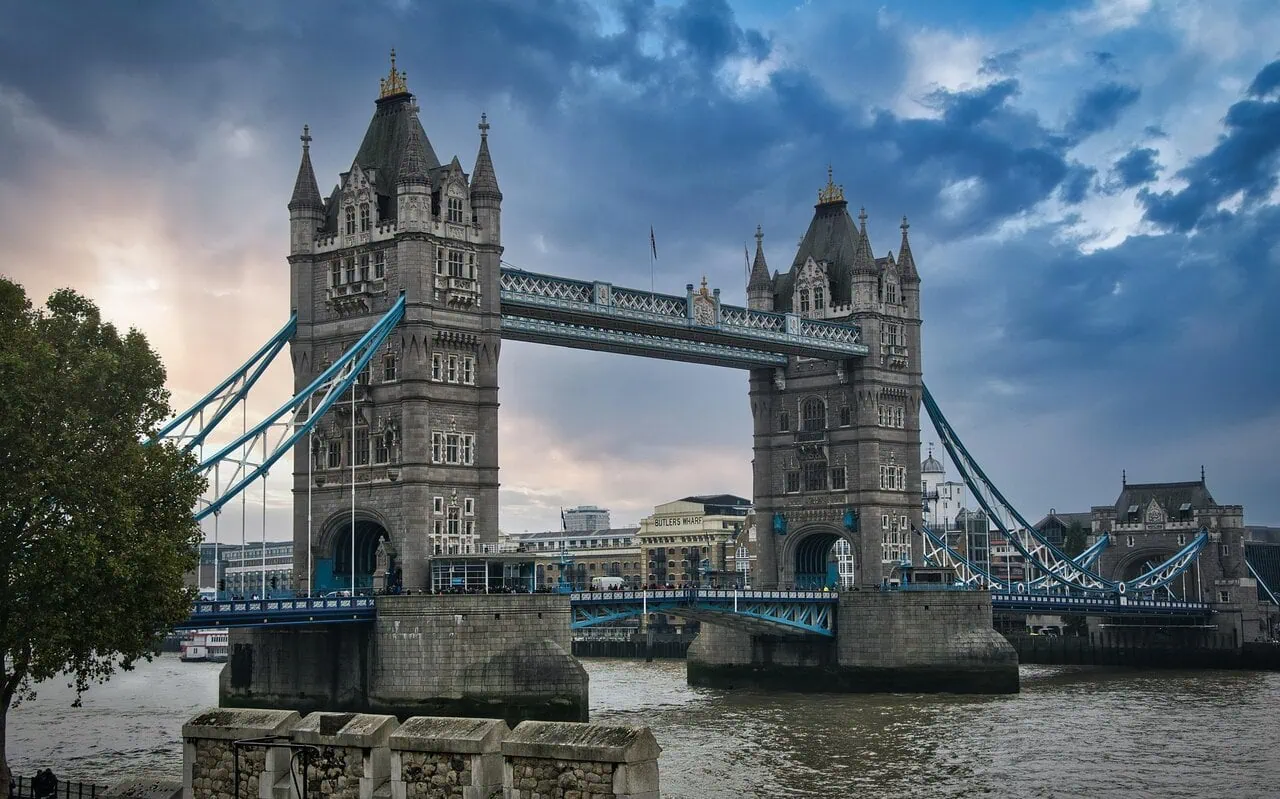
The most effective approach is to centre your visit around the Westminster and River Thames corridor, where many of London’s most famous sights are located within a relatively small, walkable area. This allows you to build a logical sightseeing route that maximises your time and keeps travel to a minimum.
Starting in the Westminster area, you can take in major landmarks such as Big Ben, the Houses of Parliament, and Westminster Abbey. These are all located within a short walking distance of each other and provide a strong historical introduction to the city.
From here, moving towards the river opens up views along the River Thames, where you can continue your route towards the London Eye and surrounding South Bank area. This stretch combines iconic skyline views, street performers, and riverside walking paths, making it one of the most engaging parts of a short visit.
Depending on your pace, you can extend your route further along the river or cross back into central London to explore additional landmarks, parks, or viewpoints. The key is to keep your route continuous and geographically sensible, rather than jumping between distant locations.
By following a single, structured route, you can combine major sights, scenic walks, and short stops into a day that feels full without becoming overwhelming.
The goal is not to see everything, but to experience a well-planned, high-impact slice of London that fits comfortably within your available time and leaves you wanting to return.
Tips for a Successful Paris to London Day Trip
A successful day trip depends on planning carefully and managing your time effectively throughout the day.
Taking the earliest possible Eurostar departure is essential, as it gives you the maximum time in London and allows you to follow your itinerary without feeling rushed. Starting later in the day reduces your flexibility and limits what you can see.
It is also important to keep your route simple. London is large, and travelling between distant areas can quickly eat into your available time. Sticking to a central, walkable route and using the Tube only when necessary will help you move efficiently.
Travelling light will make a noticeable difference. Being able to move quickly through stations, onto trains, and between attractions helps you maintain momentum throughout the day.
Finally, always plan your return carefully. Leaving central London with enough time to reach St Pancras, complete security checks, and board your train without rushing will make the end of your trip far more comfortable.
Common Mistakes to Avoid
One of the most common mistakes is trying to cover too much ground. London is not a city where you can jump between multiple districts quickly without losing valuable time.
Another frequent issue is underestimating the size of the city. Even with fast transport options, distances between areas can be significant, making poor route planning one of the biggest causes of wasted time.
Leaving your return journey too late is another risk. Failing to allow enough time to get back to St Pancras and complete check-in procedures can create unnecessary stress and increase the chance of missing your train.
Using Eurostar Snap for a day trip is also a mistake. The lack of a fixed departure time makes it unreliable for a tightly scheduled itinerary where every hour matters.
Avoiding these mistakes comes down to planning realistically, keeping your itinerary focused, and allowing buffer time throughout the day.

Rupert’s Handy Travel Tips
Taking on a Paris to London extreme day trip? Here are a few tips to help you get the most out of your visit:
- Take the earliest train available: The 07:09 departure gives you the longest and most comfortable day in London.
- Stick to central London: Focus on the Westminster and Thames areas to avoid wasting time travelling.
- Use contactless for transport: It’s the quickest and easiest way to move around the city.
- Plan your return carefully: Aim to be back at St Pancras at least an hour before your train.
- Don’t overpack your itinerary: Seeing fewer places properly is far better than rushing through too many.
Want to meet the reindeer behind our travel tips? Find out more in our page Who is Rupert?.
Frequently Asked Questions
How long does it take to travel from Paris to London by Eurostar?
The journey takes around 2 hours 15 minutes to 2 hours 30 minutes, including travel through the Channel Tunnel.
How much time do you get in London on a day trip?
You can expect around 8.5 to 10.5 hours in London, depending on your train times and how efficiently you manage your schedule.
Is a Paris to London day trip worth it?
Yes, if you are comfortable with a fast-paced itinerary. You can see major landmarks and experience the city, but not explore it in depth.
Can you use Eurostar Snap for a London day trip?
No, it is not recommended. The lack of a fixed departure time makes it unsuitable for a tightly planned day trip.
What is the best way to get around London in one day?
Using the Tube and walking is the most efficient approach, with contactless payment being the easiest way to travel.
Further Reading & Related Guides
If you are planning your day in London, make sure to read our London in 1 day guide, which provides a detailed itinerary and helps you structure your visit efficiently. This works perfectly alongside a day trip and ensures you don’t waste time deciding where to go next.
Our London attractions guide gives a broader overview of the city’s key sights, helping you decide which landmarks to prioritise based on your interests and time.
To move around efficiently, our getting around London guide explains the Tube, buses, and walking routes, while our Oyster vs contactless comparison helps you choose the best way to pay for transport.
If you are interested in views and photo spots, our best views in London guide highlights locations such as the Shard and Sky Garden, which can be added to your itinerary if time allows.
Reading these guides together will help you plan your trip more effectively, maximise your time in London, and avoid common mistakes.
Last Updated
April 2026
Affiliate Disclosure
This page contains affiliate links. If you click through and make a purchase or booking, we may earn a small commission at no extra cost to you. This helps support our work and allows us to continue providing detailed, independent travel advice. We only recommend apps and services we personally use or have verified as high-quality.