
What Are the Northern Lights and Why You Should See Them
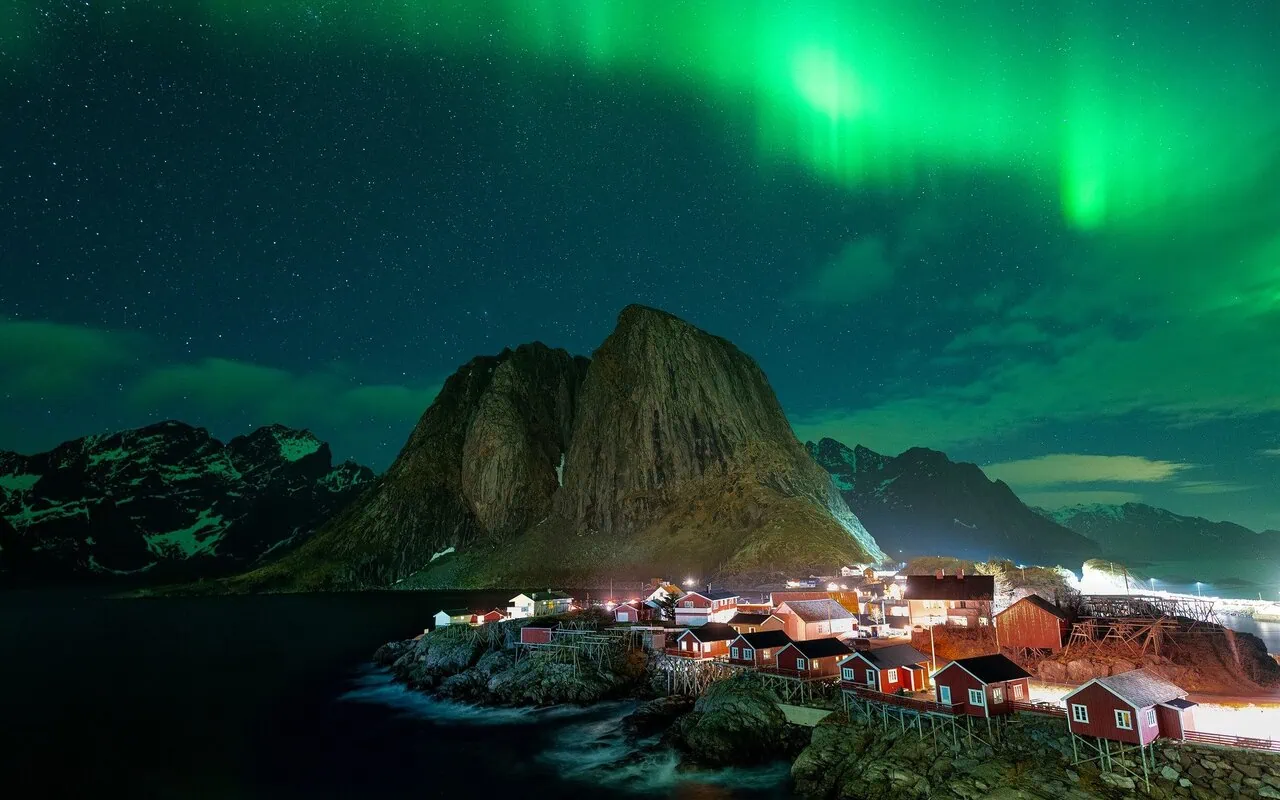
The Northern Lights, also known as the Aurora Borealis, are one of the most extraordinary natural phenomena on Earth. They appear as moving ribbons, waves, and curtains of light that drift across the night sky, usually in shades of green, but sometimes purple, pink, and red. Seeing them for the first time is something most travellers never forget, and for many people, planning a trip to see them becomes a major travel goal.
A good Northern Lights travel guide should start by setting expectations properly. The aurora is not a light show that runs every night at a fixed time. It is a natural event that depends on solar activity, clear skies, darkness, and a bit of luck. Some nights the lights are faint and barely visible, while on other nights they can fill the entire sky with fast-moving colour. This unpredictability is part of what makes aurora hunting so exciting.
Many people imagine the lights looking exactly like the bright green photographs they see online, but the reality can be different. Sometimes the lights appear as soft grey or pale green clouds that move slowly, and only cameras capture the full colour. On strong nights, however, the sky can explode with colour and movement, and this is when people really understand why the Aurora Borealis is considered one of the greatest natural sights in the world.
A Northern Lights trip is rarely just about the lights themselves. Most travellers combine aurora hunting with winter experiences such as snowy landscapes, frozen lakes, quiet forests, and small towns far away from city lights. The whole experience often becomes about being in the Arctic winter, not just ticking off a single sight. Long nights, crisp air, and the silence of snowy landscapes create an atmosphere that feels very different from a normal holiday.
For many travellers, the most memorable moment is not just seeing the lights, but standing outside in complete darkness and silence, watching the sky slowly start to move. When the lights appear, they often begin as a faint glow, then slowly stretch, twist, and move across the sky. It can feel almost unreal the first time you see it.
What Causes the Northern Lights
Although the Northern Lights look mysterious and magical, they are actually caused by activity from the sun interacting with Earth’s atmosphere. The sun constantly releases energy and tiny charged particles into space. This stream of particles is known as the solar wind, and when these particles reach Earth, most are deflected by the planet’s magnetic field. However, some are pulled toward the North and South Poles.
When these charged particles collide with gases in Earth’s atmosphere, energy is released in the form of light. This is what creates the Aurora Borealis in the northern hemisphere and the Aurora Australis in the southern hemisphere. The colours of the lights depend on which gases the particles collide with and how high in the atmosphere the collision happens. Oxygen usually produces green light, which is why green is the most common colour, while nitrogen can produce purple, pink, or blue tones. Red aurora are rarer and usually occur higher in the atmosphere.
You may also hear people talk about the KP Index, which is a scale that measures aurora activity from 0 to 9. A higher number generally means stronger aurora activity and a greater chance of seeing the lights further south than usual. Many travellers use aurora forecast apps that track solar activity and provide alerts when there is a higher chance of seeing the lights. However, even with a high KP index, you still need clear skies and darkness to actually see anything.
This is why seeing the Aurora Borealis always involves a combination of science, weather, and luck. Even in the best locations in the world, you usually need to stay several nights to give yourself a good chance.
Where You Can See the Northern Lights
The Northern Lights are visible in a region of the world known as the Aurora Zone, which circles the Earth at high northern latitudes. This zone includes parts of Scandinavia, Iceland, Greenland, northern Canada, and Alaska. These are the places where you have the highest chance of seeing the lights on a Northern Lights holiday.
In Europe, some of the most popular destinations include Iceland, northern Norway, Finnish Lapland, and northern Sweden. These places are relatively easy to reach and have good tourism infrastructure, including tours, winter activities, and accommodation designed specifically for aurora viewing. Places like Tromsø in Norway and Rovaniemi in Finland have become famous as Northern Lights destinations, with many hotels offering aurora wake-up calls if the lights appear during the night.
In North America, the best locations are Alaska and northern Canada, particularly areas like Yukon, the Northwest Territories, and parts of Manitoba. These areas often have very clear skies and very little light pollution, which can make them excellent places for aurora viewing. Some of the strongest aurora displays in the world are actually seen in northern Canada, although these locations are more remote and require more planning to reach.
There are also more remote locations such as Svalbard and Greenland, which sit very far north and can offer incredible aurora viewing conditions. However, these destinations are usually more expensive and are typically visited by travellers specifically planning a dedicated aurora trip rather than a general winter holiday.
One important thing to understand is that being further north generally increases your chances of seeing the lights, but weather is just as important as location. A cloudy sky will block the aurora completely, which is why many travellers stay several nights or are prepared to travel short distances to find clear skies.
Best Places to See the Northern Lights
| Destination | Country | Why Go There | Best Months |
|---|---|---|---|
| Reykjavik / South Coast | Iceland | Easy access, dramatic scenery, popular tours | Sept – Mar |
| Tromsø | Norway | One of the most reliable aurora locations | Oct – Mar |
| Lofoten Islands | Norway | Aurora over mountains and sea | Sept – Mar |
| Rovaniemi (Lapland) | Finland | Winter resorts, glass igloos, Lapland experiences | Dec – Mar |
| Abisko | Sweden | Very clear skies, low rainfall | Nov – Mar |
| Svalbard | Norway | Very far north, polar night season | Nov – Feb |
| Fairbanks | Alaska, USA | Very high aurora activity | Sept – Mar |
| Whitehorse | Canada (Yukon) | Clear skies, wilderness locations | Sept – Mar |
| Yellowknife | Canada | One of the best places in the world for aurora | Sept – Mar |
| Churchill | Canada | Aurora and polar bears | Jan – Mar |
| Northern Scotland | UK | Possible during strong aurora activity | Oct – Mar |
Clear skies matter more than the exact country you choose. A slightly less northern location with clear skies is often better than a very northern location covered in cloud.
For many travellers, Iceland, northern Norway, and Finnish Lapland are the easiest and most popular destinations because they combine good aurora chances with winter activities, accommodation options, and relatively easy travel connections.
If your main goal is simply to maximise your chances of seeing the Northern Lights, then places like Tromsø, Abisko, Fairbanks, and Yellowknife are often considered some of the most reliable locations in the world.
Best Time of Year to See the Northern Lights
The Northern Lights season generally runs from late September to early April, when nights are long and dark in the northern parts of the world. You cannot see the Northern Lights in summer because the sky never gets properly dark in many Arctic regions.
Different parts of the season offer slightly different experiences. Early season, in September and October, often has milder temperatures and sometimes clearer skies, which can make aurora viewing more comfortable. Snow may not yet be deep, and travel conditions are usually easier. This period is often considered one of the best times for photography because lakes may still be unfrozen and can reflect the lights.
Mid-winter, particularly December and January, has the longest nights, which gives you more hours of darkness and therefore more potential time to see the lights. However, this is also the coldest time of year, especially in places like Finland and northern Canada where temperatures can drop well below freezing. Snow-covered landscapes at this time of year can make the whole experience feel very atmospheric and wintry.
Many experienced travellers actually consider February and March to be some of the best months for a Northern Lights trip. There is still plenty of darkness, but days are slightly longer, temperatures are often a bit more manageable, and weather conditions can be more stable. Snow landscapes are usually at their best during this period as well.
The most important thing to remember is that you should always plan to stay at least three nights, and ideally four or five nights, to give yourself a good chance of seeing the aurora. Even in the best locations in the world, the lights are not guaranteed every night, and weather conditions play a huge role in whether you see them or not.
Best Time of Night to See the Northern Lights
Many people assume the Northern Lights appear at a specific time each night, but that is not really how the aurora works. The lights can technically appear at any time when it is dark, but there are certain hours when activity is more common and easier to see.
The best time to look for the aurora is usually between 9pm and 2am, with around midnight often being the most active period. This does not mean the lights will appear exactly at midnight, but statistically this is when sightings are most common.
The most important factor is darkness. You need a properly dark sky, away from city lights, and ideally without a bright full moon. Light pollution can make weak aurora very difficult to see, which is why many tours drive out into the countryside away from towns and street lights.
Another important thing to understand is that aurora displays often come in waves. The sky might look empty for an hour, then suddenly the lights appear and move quickly across the sky for ten or fifteen minutes, then disappear again. This is why patience is extremely important when aurora hunting. Many people give up too early and miss the best display of the night.
If you are staying somewhere specifically for a Northern Lights trip, it is often worth checking the sky several times during the evening rather than going out once and giving up. Some hotels in places like Finland and Norway even offer aurora wake-up calls, where staff will wake you if the lights appear during the night.
How to Increase Your Chances of Seeing the Northern Lights
One of the most important parts of any Northern Lights excursion is understanding that success is mostly about increasing your odds, not guaranteeing a sighting. There are several things you can do to dramatically improve your chances.
The first and most important rule is stay several nights. If you only stay one night, your chances are quite low. If you stay three or four nights, your chances increase significantly. Many experienced travellers recommend a minimum of three nights, but four or five nights is even better.
The second key factor is clear skies. You can have very strong aurora activity above the clouds and still see nothing. This is why many tours are actually cloud-hunting tours, where guides drive to areas with clearer skies rather than staying in one fixed location.
Location also matters. Being further north generally increases your chances, especially in places like northern Norway, Finnish Lapland, Iceland, and northern Canada. However, being in a slightly less northern location with clear skies is often better than being further north under heavy cloud.
Light pollution is another major factor. The darker the sky, the easier it is to see the aurora. Even a small town can create enough light to reduce visibility, so many travellers head out to lakes, forests, or open countryside to watch the sky.
Finally, patience is incredibly important. The best Northern Lights displays often happen late at night, when many people have already gone back inside. Standing outside in the cold waiting for something that might not appear can be difficult, but when the lights finally show up, it is almost always worth it.
Northern Lights Forecast and Apps
Technology has made planning a Northern Lights trip much easier than it used to be. There are now several websites and apps that provide aurora forecasts, solar activity predictions, and cloud cover maps, which help travellers decide when and where to go looking for the lights.
Most aurora forecasts are based on something called the KP index, which measures geomagnetic activity on a scale from 0 to 9. The higher the number, the stronger the aurora activity is likely to be, and the further south the lights may be visible. In places like Iceland, Norway, and Finland, even a KP index of 2 or 3 can be enough to see the lights if the sky is clear and dark.
However, cloud cover is often more important than aurora strength. Many experienced aurora hunters spend more time looking at weather and cloud maps than aurora forecasts, because a clear sky with moderate aurora activity is usually better than strong aurora hidden behind clouds.
There are several apps and websites commonly used by travellers planning to see the Northern Lights, including aurora forecast apps, weather radar apps, and cloud cover maps. Using a combination of aurora activity forecasts and weather forecasts gives you the best chance of being in the right place at the right time.
A good external resource for aurora forecasts can be found on the Space Weather Prediction Centre Website.
This type of forecast shows where aurora activity is currently visible and can be very useful when planning a night of aurora hunting.
Northern Lights Tours vs Seeing Them Yourself
One of the biggest decisions when planning a Northern Lights holiday is whether to book a guided tour or try to see the lights on your own. Both options have advantages, and the best choice often depends on where you are travelling and whether you are comfortable driving in winter conditions.
Guided tours are very popular in places like Iceland, Norway, and Finland. Tour guides usually monitor weather forecasts, cloud cover, and aurora activity, and then drive groups to the best locations on that particular night. They also know local viewing spots, safe parking areas, and places with good views of the horizon. For many travellers, especially those without a car, tours are the easiest way to go aurora hunting.
Seeing the lights on your own can also be a great experience, especially if you have a rental car and are comfortable driving on snowy or icy roads. This option gives you more flexibility, and you can choose quiet locations such as lakes, mountains, or coastal areas where there is very little light pollution. Many travellers enjoy the independence of planning their own Northern Lights trip, checking forecasts, and driving out to find clear skies.
Some hotels and lodges in northern regions are also designed specifically for aurora viewing. These places are often located in dark areas away from towns, and some offer glass igloos, cabins with panoramic windows, or aurora alert systems that notify guests when the lights appear.
In reality, many travellers combine both approaches. They might book a tour on the first night to learn how aurora hunting works, and then spend the remaining nights trying to see the lights on their own.
Photography Tips for Northern Lights
Photographing the Northern Lights is very different from normal photography, and many people are surprised by how dark it actually is when they arrive. The bright green skies you see in photos are often captured using long exposure photography, which allows the camera to collect more light than the human eye can see.
If you want good Northern Lights photos, the most important piece of equipment is a tripod. You cannot hold a camera still enough for long exposure shots, and even small movements will blur the image. Once your camera is stable, you can use a longer exposure time to capture more colour and detail in the sky.
Camera settings vary depending on conditions, but generally photographers use a wide aperture, high ISO, and exposure times of several seconds. Modern smartphones are actually surprisingly good at photographing the aurora because many now have night mode and long exposure features built in. In some cases, a phone camera will actually show more colour than you can see with your eyes.
Cold weather is another thing many people forget about. Batteries drain very quickly in freezing temperatures, so it is a good idea to carry spare batteries in a warm pocket and only take them out when needed. Condensation can also be an issue when bringing a cold camera back indoors, so it is often recommended to leave your camera in a bag until it warms up slowly.
Even if you are not a serious photographer, it is still worth trying to take photos during your Northern Lights trip, because cameras often capture colours and movement that you might not fully see at the time.
What to Wear When Aurora Hunting
One of the biggest mistakes people make when planning a Northern Lights holiday is underestimating how cold it can be. Watching the aurora often involves standing outside for long periods late at night, sometimes in temperatures well below freezing. Even if the temperature does not sound extremely low, standing still in the dark for an hour can feel very cold very quickly.
The key to staying comfortable is layering. Instead of wearing one thick coat, it is much better to wear several layers that trap warm air between them. A typical setup might include thermal base layers, a fleece or wool mid-layer, and a windproof and waterproof outer layer. Good boots are also very important, especially in snowy areas where you may be standing on ice or snow while watching the sky.
Hands and feet are usually the first parts of the body to get cold, so warm gloves, thick socks, and insulated boots make a huge difference. A hat that covers your ears is also essential because you can lose a lot of heat through your head.
Many people who go aurora hunting end up spending much longer outside than they expected because once the lights appear, you do not want to go inside and miss anything. Being properly dressed can be the difference between enjoying the experience and having to go back indoors early because you are too cold.
Northern Lights Myths and Common Mistakes
There are many myths about the Northern Lights, and understanding these can help you plan a much better trip and avoid disappointment.
One of the biggest myths is that the Northern Lights are guaranteed if you travel far north. This is not true. Even in the best locations in the world, the aurora depends on solar activity and clear skies. You could stay several nights and see nothing, or you could arrive and see an incredible display on your first evening.
Another common mistake is expecting the lights to look exactly like professional photographs. Cameras can capture more colour and detail than the human eye, especially during long exposures. Sometimes the aurora appears as a faint green glow or moving grey clouds to the naked eye, but photographs reveal bright greens and purples. On strong aurora nights, however, the colours can be very visible even without a camera.
Clouds are probably the biggest reason people do not see the lights. You can have strong aurora activity above the clouds and still see absolutely nothing from the ground. This is why flexibility, checking weather forecasts, and staying several nights are so important.
Another mistake is staying in bright cities and expecting to see strong aurora displays. Light pollution makes weaker aurora very difficult to see, so it is usually best to travel away from towns and cities into darker areas.
Finally, many people simply do not stay outside long enough. The aurora often appears in short bursts, and if you only go outside for ten minutes and then go back inside, you might miss the best display of the night.

Rupert’s Handy Travel Tips
Planning a Northern Lights trip? Rupert has a few tips to help you actually see them rather than just hope for them:
- Stay at least three nights: One night is rarely enough. The longer you stay, the better your chances.
- Check cloud cover, not just aurora forecasts: Clear skies matter more than high solar activity.
- Get away from city lights: Even small towns create light pollution that can hide weaker aurora.
- Dress warmer than you think you need: You may be standing outside for an hour or more waiting.
- Look up often: The aurora can appear suddenly and disappear just as quickly.
Want to meet the reindeer behind our travel tips? Find out more in our page Who is Rupert?.
Frequently Asked Questions
Can you see the Northern Lights with the naked eye?
Yes, you can see the Northern Lights with the naked eye, but how bright they appear depends on aurora strength and light pollution. On strong nights, the lights can be very bright and colourful. On weaker nights, they may look like pale green or grey moving clouds.
Are the Northern Lights guaranteed?
No, the aurora is a natural phenomenon and can never be guaranteed. Even in the best locations, weather and solar activity determine whether the lights are visible.
Which country is best to see the Northern Lights?
Popular destinations include Iceland, Norway, Finland, Sweden, Canada, and Alaska. The best location often depends on weather conditions, budget, and travel preferences.
How many nights should I stay to see the Northern Lights?
Most Northern Lights travel guide advice recommends staying at least three nights, but four or five nights gives you a much better chance.
Do the Northern Lights happen every night?
Aurora activity happens frequently, but you can only see the lights when there is darkness and clear skies. Cloud cover is often the biggest problem.
Can you see the Northern Lights from a plane?
Sometimes, yes. If you are on a night flight over northern regions and the aurora is active, you may be able to see it from the window, especially on flights between Europe and North America.
Further Reading & Related Guides
If you are planning a trip to see the Northern Lights, it is worth researching specific destinations such as Iceland, northern Norway, Finnish Lapland, and northern Canada, as each location offers different landscapes, accommodation options, and winter activities. Choosing the right destination can make a big difference to your overall trip, especially if you want to combine aurora hunting with activities like dog sledding, snowmobiling, or visiting ice hotels.
Many travellers combine a Northern Lights trip with a wider winter itinerary. For example, Iceland trips often include waterfalls, glaciers, volcanoes, and hot springs, while trips to Finland or Sweden often focus on Lapland experiences such as reindeer farms and winter cabins. Planning your route properly helps ensure that even if the aurora does not appear every night, your trip is still full of memorable experiences.
It is also worth reading guides on winter travel apps, weather apps, and offline maps, as these can be extremely useful when travelling in remote northern regions where weather conditions change quickly and mobile signal may not always be reliable.
Reading destination guides alongside this Northern Lights travel guide will help you plan your trip more effectively, choose the right location, and understand how long to stay to give yourself the best chance of seeing the aurora.
Last Updated
April 2026
Affiliate Disclosure
This page contains affiliate links. If you click through and make a purchase or booking, we may earn a small commission at no extra cost to you. This helps support our work and allows us to continue providing detailed, independent travel advice. We only recommend apps and services we personally use or have verified as high-quality.