
Why the London Eye Still Earns a Place on Your London Itinerary
The London Eye is one of the most recognisable attractions in the United Kingdom, and despite London having many viewpoints and modern observation decks, it still remains one of the best overall sightseeing experiences in central London. Many visitors initially wonder whether it is worth the cost or the queue, but the truth is that the London Eye delivers something that most other attractions cannot — a slow, panoramic introduction to the entire city.
One of the biggest challenges for first-time visitors is understanding how London fits together. The city is large, spread out, and full of different districts and landmarks that can feel disconnected when you are moving around at street level. When you rise above the River Thames on the London Eye, the layout suddenly becomes clear. You can see the river winding through the city, the historic government buildings around Westminster, the modern skyline around the City of London and Canary Wharf, and the parks and green spaces that break up the urban landscape. The experience gives you a mental map of London, which actually helps with the rest of your trip.
From the top of the wheel you can see Big Ben, the Houses of Parliament, Westminster Abbey, Buckingham Palace, St Paul’s Cathedral, The Shard, Tower Bridge, and many of London’s most famous landmarks. On a clear day you can see surprisingly far, and many visitors find themselves recognising places they visit later in their trip. This is why many London itineraries place the London Eye near the start of a visit rather than at the end.
Another reason the London Eye works so well is its location on the South Bank, which is one of the most interesting and lively areas in London. The South Bank is full of street performers, riverside walks, food stalls, markets, theatres, and cultural venues. You are also directly across the river from Westminster, which means you can easily combine a visit to the London Eye with Westminster Abbey, Big Ben, Buckingham Palace, the London Dungeon, or a Thames River Cruise in the same day. Very few London attractions are positioned in such a useful sightseeing location.
The ride itself is also designed to be accessible to almost everyone. The pods are enclosed, spacious, and move slowly, so the experience is not rushed or stressful. You have time to walk around the pod, take photographs, and watch the city change as you gradually rise above the river. The rotation takes around 30 minutes, which is long enough to feel like a proper experience rather than a quick viewpoint stop. For many visitors, the London Eye becomes one of the most memorable moments of their London trip, especially if they visit at sunset or in the evening when the city lights begin to appear.
London Eye Quick Overview
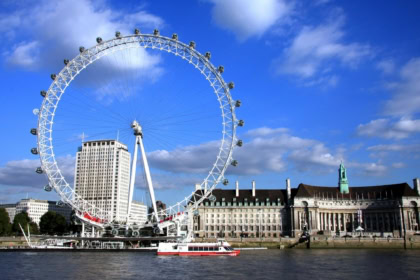
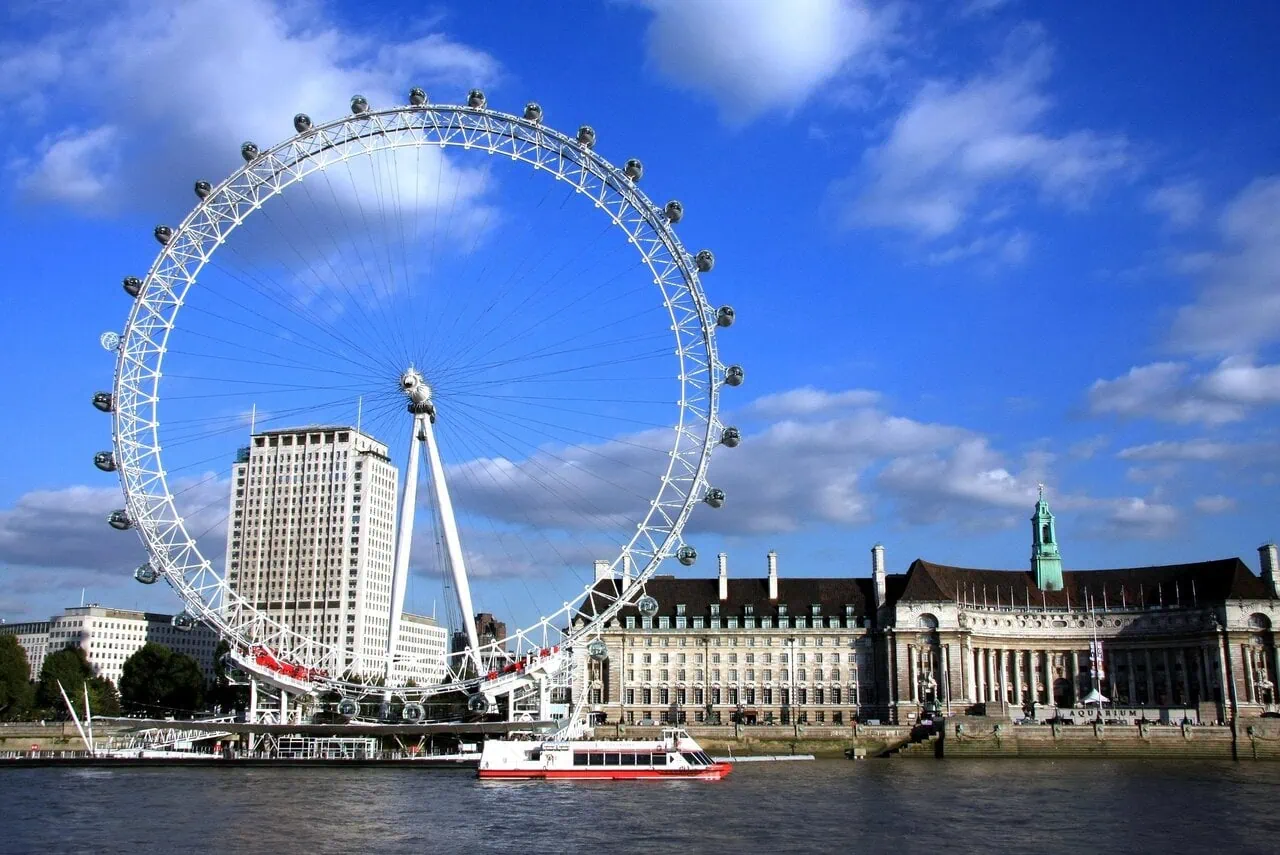
The London Eye is a large observation wheel located on the South Bank of the River Thames, directly opposite the Palace of Westminster and Big Ben. Since opening in 2000, it has become one of the most visited attractions in the United Kingdom and is now firmly established as part of the London skyline. What was originally planned as a temporary millennium attraction quickly became one of the city’s permanent landmarks.
The wheel stands approximately 135 metres tall, and at the time it was built it was the tallest observation wheel in the world. Although other cities have since built larger wheels, the London Eye remains one of the most famous because of its location and the historic skyline around it. The capsules are fully enclosed glass pods, and each one can hold a number of visitors, although it rarely feels overcrowded because people tend to spread out to look at the views.
A full rotation of the London Eye takes around 30 minutes, and the wheel moves slowly enough that passengers usually board while it is still moving. The slow rotation is intentional, allowing visitors to experience changing views across the city rather than simply reaching the top and coming straight back down. As you rise, you will see the Houses of Parliament directly beside you, then the river and bridges stretching east and west, and then the wider London skyline appearing in the distance.
The attraction is also surrounded by other things to do, which makes it easy to include in a full day of sightseeing. The South Bank area includes the London Dungeon, SEA LIFE London Aquarium, street food markets, riverside walks, theatres, and river cruise piers. Just across Westminster Bridge you reach Big Ben, Westminster Abbey, and the government buildings, and a little further beyond that you can walk to St James’s Park and Buckingham Palace. This means the London Eye is rarely visited on its own — it usually becomes part of a larger sightseeing route through central London.
Because of its central location, the London Eye is also easy to reach by public transport. Several Underground stations are within walking distance, and many hop-on hop-off buses and river boats stop nearby, making it one of the easiest major attractions in London to include in a sightseeing plan.
What the London Eye Experience Is Actually Like
Many people imagine the London Eye as simply going up, looking around, and coming back down, but the experience is actually more gradual and more immersive than that. The wheel moves very slowly, and as you rise above the South Bank, the view changes constantly. At first you are looking across the river at Big Ben and the Houses of Parliament, then you begin to see further along the Thames towards St Paul’s Cathedral and the City of London, and eventually the skyline opens up in all directions.
Inside the glass pod, you are free to walk around and look from different angles. Most people move around several times during the rotation as different landmarks come into view. One of the most interesting parts of the experience is spotting places you have already visited or plan to visit later in your trip. You can often see Tower Bridge, The Shard, railway stations, parks, and even Wembley Stadium in the distance on a clear day.
The height of the London Eye is enough to give a dramatic view but not so high that everything looks tiny and distant. This is actually one of its strengths compared with very tall observation decks. You are high enough to see the skyline clearly but still low enough to recognise streets, bridges, and landmarks in detail. The view feels connected to the city rather than detached from it.
The experience also changes depending on the time of day. During the morning and early afternoon, visibility is often best, and you get clear views across the city. Around sunset, the light over the river and the skyline can be very impressive, and in the evening you see London lit up with bridges, buildings, and traffic lights stretching into the distance. Many visitors consider evening rides to be one of the best experiences, although they can also be busier.
Overall, the London Eye is not a thrill ride or a fast attraction. It is a slow sightseeing experience, and that is exactly why it works so well. It gives you time to relax, take photographs, and appreciate the scale of London from above.
Best Time to Visit the London Eye and How to Avoid Queues
One of the most important things to understand when planning a visit is that queues for the London Eye can be very long, especially during weekends, school holidays, and summer. Many visitors who do not plan ahead end up spending much longer waiting than they do actually on the wheel, which is why timing and ticket choice are very important.
The busiest times are usually late morning to mid-afternoon, particularly between 11am and 3pm. This is when most tour groups and day visitors arrive in the Westminster and South Bank area. If you want to minimise waiting time, the best strategy is usually to visit early in the morning or later in the evening. Early morning often has shorter queues and clearer visibility, while evening visits offer impressive views of the city lights.
Another way to avoid queues is to book fast-track tickets in advance. These cost more than standard tickets but allow you to use a shorter queue, which can save a significant amount of time during busy periods. For visitors with limited time in London, fast-track tickets are often worth considering because they allow you to fit more into your day.
Weather also plays a role in choosing the best time to visit. Clear days obviously provide the best views, but slightly cloudy days can still be good because the city is still visible and the lighting can be interesting for photographs. Very foggy or rainy days reduce visibility significantly, so if the weather is extremely poor and you have flexibility in your itinerary, it may be worth visiting on a different day.
Many visitors combine the London Eye with other attractions nearby, so it often works well to plan the London Eye either at the start of a Westminster and South Bank sightseeing day or at the end of the day before dinner along the river. Planning the visit as part of a wider sightseeing route usually makes the experience feel more worthwhile and avoids unnecessary extra travel across the city.
London Eye Tickets, Prices and Fast Track Options
When planning a visit, one of the most important things to understand is the London Eye ticket system, because this is where many visitors either save time or waste a lot of it. The London Eye operates with timed entry slots, meaning you select a time window rather than simply turning up and joining a general queue. During busy periods, turning up without a ticket can mean very long waiting times, sometimes well over an hour.
Standard tickets allow entry at your selected time, but you will still join the main queue for boarding. This queue usually moves steadily because the wheel does not stop completely for boarding, but during peak tourist seasons the line can still be quite long. This is why many visitors consider Fast Track tickets, which allow you to use a shorter queue and board much faster. If you are visiting London for only a short time, fast track tickets can be worth it simply because they allow you to fit more into your day.
There are also combination tickets available that bundle the London Eye with nearby attractions such as the London Dungeon, SEA LIFE London Aquarium, or other Merlin attractions. These combination tickets can sometimes offer better value if you were already planning to visit multiple attractions in the area. This is especially useful for families or visitors spending a full day on the South Bank.
Prices vary depending on the time of day, ticket type, and whether you book in advance, but in general the London Eye is considered one of London’s more expensive attractions. However, it is also one of the most iconic experiences in the city, and many visitors consider it part of a classic London trip, similar to visiting the Tower of London or Buckingham Palace.
It is also worth checking whether the London Eye is included in London attraction passes, because some passes include entry or discounted entry. If you are planning to visit multiple paid attractions in London, a pass can sometimes reduce overall costs, but it depends on how many attractions you plan to visit in a short period.
How Long You Need for the London Eye
Many visitors underestimate how long to allow for the London Eye, not because the ride itself is long, but because the total experience includes queue time, boarding, the rotation, and time spent around the South Bank area. The rotation itself takes around 30 minutes, but realistically you should allow at least one to two hours for the full experience, especially during busy periods.
If you are visiting during peak tourist season and do not have fast track tickets, it is safer to allow even longer. Queues can vary significantly depending on weather, weekends, school holidays, and time of day. Visiting early in the morning or later in the evening usually reduces waiting times and makes the experience more relaxed.
The London Eye works best when combined with other nearby attractions rather than treated as a standalone visit. Because it is located in such a central sightseeing area, many visitors combine the London Eye with Westminster Abbey, Big Ben, a walk across Westminster Bridge, the South Bank riverside walk, the London Dungeon, or a Thames River Cruise. Planning the London Eye as part of a full day in this area makes much better use of your time.
A typical sightseeing plan might involve visiting Westminster Abbey in the morning, walking past Big Ben and the Houses of Parliament, crossing Westminster Bridge to the London Eye, spending time on the South Bank, and then taking a river cruise or continuing towards Tower Bridge later in the day. This is one of the most efficient sightseeing routes in London because many major attractions are located along the river.
Because of this, the London Eye is often included in one-day and two-day London itineraries, and it is one of the easiest major attractions to fit into a busy schedule due to its central location and predictable rotation time.
Sights Nearby the London Eye
One of the biggest advantages of visiting the London Eye is that it sits in one of the most attraction-dense areas of London. Within a short walking distance, you can visit several of London’s most famous landmarks without needing to use public transport. This makes the London Eye an excellent starting point for a full day of sightseeing around Westminster and the South Bank.
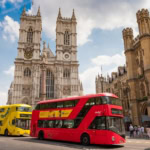
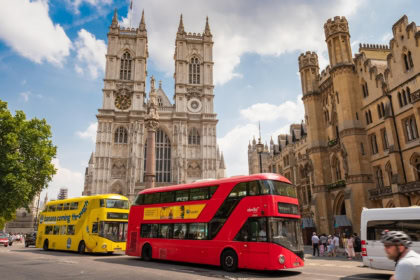
Directly across Westminster Bridge you will find Big Ben, the Houses of Parliament, and Westminster Abbey, which are some of the most important historic and political landmarks in the United Kingdom. A short walk from Westminster Abbey takes you through St James’s Park towards Buckingham Palace, which means you can easily combine royal London, historic London, and modern London in a single day.
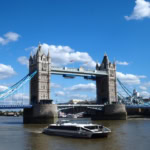
On the South Bank itself, you will find the London Dungeon, SEA LIFE London Aquarium, street performers, riverside food markets, theatres, and walking routes along the Thames. If you walk east along the river, you can continue towards Tate Modern, Shakespeare’s Globe, Borough Market, Tower Bridge, and the Tower of London, making the river one of the best sightseeing routes in the city.
The London Eye is also located next to river boat services, including Thames river cruises and Uber Boat by Thames Clippers, which allow you to travel along the river instead of using the Underground. This can be a very scenic way to move between attractions such as Westminster, the London Eye, Tower Bridge, Greenwich, and Canary Wharf.
Because so many attractions are nearby, the London Eye is rarely visited on its own. It usually becomes part of a Westminster and South Bank sightseeing day, which is one of the most popular sightseeing areas in London and one of the easiest places to build an itinerary around.
Is the London Eye Worth Visiting?
Whether the London Eye is worth visiting depends on what you want from your London trip, but for many visitors, especially first-time visitors, the answer is yes. The London Eye is not just about height or views. It is about seeing London from above in a way that is slow, comfortable, and easy to understand. It gives you perspective on the city and helps you appreciate how historic London and modern London sit alongside each other.
If you are only in London for a short time, the London Eye provides one of the quickest ways to see a large part of the city from above. Instead of visiting multiple viewpoints across London, you can see many landmarks in a single 30-minute rotation. This makes it particularly useful for short trips and weekend visits.
However, if you are visiting London on a tight budget, there are other viewpoints such as Sky Garden, Primrose Hill, and Greenwich Park that provide excellent views for free. The London Eye is a paid attraction, and whether it is worth the cost depends on how much you value the experience rather than just the view.
For families, first-time visitors, and people who enjoy city viewpoints, the London Eye is often considered one of the most memorable attractions in London. For repeat visitors who have already seen London from above, it may be less essential, but it still remains one of the most iconic experiences in the city.
Overall, the London Eye remains popular for a reason. It combines location, views, accessibility, and iconic status, and very few attractions in London offer all of those things together in one place.
Combining the London Eye With Other London Attractions
One of the smartest ways to plan your visit to the London Eye is to combine it with other nearby attractions so that you are not travelling back and forth across the city. The London Eye sits in a very strategic location, and if you plan your day properly, you can see a large number of London’s most famous landmarks within walking distance.
A very common sightseeing route is to start on the Westminster side of the river. You might begin at Westminster Abbey, walk past Big Ben and the Houses of Parliament, cross Westminster Bridge, and then visit the London Eye. After that, you can spend time exploring the South Bank, which is one of the most lively areas in London with street performers, markets, theatres, and riverside walks. From there, many visitors continue east along the river towards Tate Modern, Shakespeare’s Globe, Borough Market, Tower Bridge, and the Tower of London.
Another popular option is to combine the London Eye with a Thames River Cruise. River cruises depart from nearby piers and allow you to see London from the water as well as from above. Many visitors find that combining the London Eye with a river cruise creates a really good overview of London because you see the city from two different perspectives. You can also use Uber Boat by Thames Clippers as a transport option rather than just a sightseeing cruise, which is a very enjoyable way to travel between attractions.
The London Eye is also included on many hop-on hop-off bus routes, which means you can visit the London Eye as part of a full day bus tour around the city. This is particularly useful for visitors who want an overview of London without using the Underground too much. The bus routes usually stop near Westminster, the London Eye, Tower Bridge, and other major attractions, making it easy to combine multiple landmarks in one day.
Because the London Eye is located in such a central sightseeing area, it is often included in one-day, two-day, and three-day London itineraries, and it fits particularly well into the first day of a trip when visitors are exploring Westminster and the South Bank.
London Eye With Kids and Families
The London Eye is one of the most family-friendly major attractions in London, which is one reason it appears in many London with kids itineraries. Unlike museums or historical buildings that rely on children being interested in history, the London Eye is a visual experience that most children enjoy regardless of age.
The slow movement of the wheel makes it suitable for families with younger children because it is not a fast or frightening ride. The pods are enclosed and spacious, so families can move around inside and look out in different directions. Children often enjoy spotting landmarks from above, especially Big Ben, the river boats, trains crossing bridges, and famous buildings.
Another advantage for families is the location. The South Bank area around the London Eye is one of the best areas in London for families, with street performers, food stalls, open space, and several attractions close together. Nearby attractions include SEA LIFE London Aquarium, the London Dungeon (for older children), playgrounds along the South Bank, and river boat trips. This means families can spend most of the day in this area without needing to travel long distances.
The London Eye also works well for families because the experience is relatively short and predictable. The rotation takes about 30 minutes, which is long enough to be memorable but not so long that children become bored. Many families combine the London Eye with a river cruise or a hop-on hop-off bus, which creates a full sightseeing day that is easy to manage without too much walking.
If you are visiting London with children and want to include a major attraction that is easy, central, and memorable, the London Eye is usually one of the safest choices in the city.
Tips for Visiting the London Eye
There are a few practical tips that can make a big difference to your visit to the London Eye. The first and most important tip is book tickets in advance, especially during busy periods. Turning up without a ticket can mean very long queues, and timed entry tickets help reduce waiting time significantly.
The second tip is to think carefully about what time of day you visit. Morning visits often have clearer visibility and shorter queues, while evening visits offer views of London lit up at night. Midday is usually the busiest time. If you want the best combination of views and shorter queues, late afternoon or early evening is often a good compromise.
Weather is also important. London weather can change quickly, and visibility from the London Eye is obviously much better on clear days. If you have flexibility in your itinerary, it can be worth checking the weather forecast and choosing a clear day for your visit rather than booking too far in advance.
Another useful tip is to combine the London Eye with nearby attractions rather than visiting it on its own. Because the London Eye is close to Westminster Abbey, Big Ben, Buckingham Palace, the South Bank, and river cruises, it fits best into a full day of sightseeing rather than as a standalone attraction.
Finally, if you are planning to visit several paid attractions in London, it may be worth checking whether the London Eye is included in a London attraction pass, as this can sometimes reduce overall sightseeing costs depending on how many attractions you plan to visit.
Summary – Planning Your London Eye Visit
The London Eye remains one of London’s most iconic attractions, and despite the cost and potential queues, it continues to be one of the most popular sightseeing experiences in the city. The combination of central location, famous landmarks, panoramic views, and a relaxed sightseeing experience makes it appealing to a wide range of visitors.
The attraction works particularly well for first-time visitors, families, short trips, and anyone who wants to understand the layout of London early in their visit. Seeing London from above helps you appreciate how the river, historic areas, and modern skyline all connect together, which can actually make the rest of your trip easier to plan.
To get the most out of a visit, it is important to book tickets in advance, choose the right time of day, and combine the London Eye with nearby attractions such as Westminster Abbey, Buckingham Palace, the South Bank, and river cruises. Planning your visit as part of a wider sightseeing route will make the experience feel much more worthwhile.
While there are other viewpoints in London, the London Eye remains one of the most recognisable and memorable experiences in the city. For many visitors, a trip to London would not feel complete without seeing the skyline slowly unfold from one of the glass pods above the River Thames.
London Eye vs Other London Viewpoints
London has several viewpoints now, and one of the most common questions visitors ask is whether the London Eye is the best place to see London from above, or whether they should visit somewhere like Sky Garden, The Shard, or Primrose Hill instead. The answer really depends on what kind of experience you want, because each viewpoint in London offers something slightly different.
The London Eye is unique because it gives you a moving, changing perspective of the city rather than a fixed viewing platform. As the wheel rotates, the angle of the skyline changes constantly, and you see London from multiple directions rather than just one viewing terrace. This makes the experience feel more like a sightseeing attraction rather than simply a viewpoint.
Sky Garden is one of the best free viewpoints in London and offers a high indoor garden space with views across the City of London. It is excellent, but it looks mostly towards the financial district rather than Westminster. The Shard is much higher than the London Eye and gives very dramatic views, but tickets are expensive and the experience is more like a viewing platform than an attraction. Primrose Hill and Greenwich Park offer fantastic free views, but they are further from central sightseeing areas and require more travel time.
Where the London Eye really wins is location and overall experience. You are right in the middle of central London, next to Westminster and the South Bank, and the experience feels like part of a full sightseeing day rather than a separate trip across the city. You also get excellent views of Big Ben, the Houses of Parliament, Westminster Abbey, and the river, which are some of the most famous London landmarks.
If you only have time for one paid viewpoint in London, many first-time visitors still choose the London Eye because it offers iconic views, central location, and a memorable experience, not just a viewing platform.
How to Get to the London Eye
The London Eye is located on the South Bank of the River Thames, directly opposite the Palace of Westminster, and it is very easy to reach using London public transport. Several Underground stations are within walking distance, and many bus routes and river boats stop nearby.
The closest Underground stations are Waterloo, Westminster, Embankment, and Charing Cross, all of which are within walking distance. Waterloo is usually the closest station, but Westminster is often the most scenic approach because you walk across Westminster Bridge with views of Big Ben and the London Eye directly in front of you.
Many visitors also reach the London Eye using river transport, which is one of the most enjoyable ways to travel in London. River boats stop at nearby piers, and you can travel along the Thames between Westminster, the London Eye, Tower Bridge, Greenwich, and Canary Wharf. This is a great alternative to the Underground and allows you to see London from the river as well as from above.
Another popular option is to visit the London Eye using a hop-on hop-off bus, as most sightseeing bus routes stop very close to the attraction. This can be useful for visitors who want to see multiple attractions in one day without navigating the Underground system.
Because the London Eye is so centrally located, it is usually very easy to include it in a sightseeing day without needing to travel far across London.
When to Include the London Eye in Your London Itinerary
The London Eye fits best into a London itinerary when combined with sightseeing around Westminster and the South Bank, which is one of the most important sightseeing areas in the city. Many visitors include the London Eye on their first or second day in London because it helps them understand the layout of the city and see many landmarks from above.
A very common sightseeing day includes Westminster Abbey, Big Ben, the Houses of Parliament, the London Eye, the South Bank walk, and possibly a Thames River Cruise. This route is very efficient because all of these attractions are close together and connected by bridges and riverside paths.
If you are following a one-day London itinerary, the London Eye is often included alongside Westminster and Tower Bridge as part of a fast overview of the city. If you are spending two or three days in London, the London Eye is usually included in the Westminster and South Bank day, while other days focus on museums, markets, or different neighbourhoods.
Even if you are visiting London for a weekend, the London Eye is still easy to include because it does not take a full day and is located in the middle of many other major attractions.
Because of its location, the London Eye is not something you usually travel across London specifically to visit. Instead, it is something you include naturally while sightseeing around Westminster, the South Bank, and the River Thames.
Final Thoughts on Visiting the London Eye
The London Eye has now been part of the London skyline for over two decades, and during that time it has become one of the most recognisable landmarks in the city. While London now has several viewpoints and observation decks, the London Eye remains one of the most complete sightseeing experiences because it combines views, location, and a memorable attraction in one place.
The experience is not about speed or thrills. It is about slowly rising above London and watching the city unfold around you. You see the river, the bridges, historic buildings, modern skyscrapers, parks, and railway stations all stretching across the capital. It gives you a sense of the scale of London that you cannot get from street level.
For first-time visitors, families, and anyone who enjoys city viewpoints, the London Eye is usually worth including in a London trip, especially if you combine it with nearby attractions and plan your visit at a good time of day. Booking tickets in advance, avoiding peak queue times, and combining the visit with Westminster and the South Bank will make the experience much more enjoyable.
London has many famous attractions, but the London Eye remains one of the few that gives you a complete visual introduction to the city, and that is why it continues to be one of the most visited attractions in the United Kingdom.
Practical London Eye Visiting Plan (Easy Half-Day Route)
If you want to make the most of your visit to the London Eye, the best approach is to plan it as part of a Westminster and South Bank walking route, which is one of the most efficient sightseeing areas in London. Many visitors waste time travelling back and forth across the city when in reality several of London’s biggest attractions are all located within walking distance of each other around this area.
A very easy and logical sightseeing route would be to start your day at Westminster Underground Station, where you immediately see Big Ben and the Houses of Parliament when you exit the station. From there, walk to Westminster Abbey, then continue through Parliament Square and across Westminster Bridge towards the London Eye. This walk alone gives you some of the most famous London views and is one of the most photographed routes in the city.
After visiting the London Eye, spend some time walking along the South Bank, which is one of the best riverside walking routes in London. You will pass street performers, food stalls, book markets, and cultural venues. From here you can visit the London Dungeon, SEA LIFE London Aquarium, or simply continue walking along the river towards Tate Modern and Shakespeare’s Globe.
If you do not want to walk too far, another excellent option is to take a Thames River Cruise or Uber Boat from nearby piers and travel along the river towards Tower Bridge and the Tower of London. This allows you to continue sightseeing without needing to use the Underground and gives you another perspective of London from the water.
This entire area around Westminster and the South Bank is one of the most important sightseeing zones in London, and the London Eye sits right in the middle of it, which is why it fits so easily into so many London itineraries.
Photography Tips for the London Eye and the Surrounding Area
The London Eye area is actually one of the best photography locations in London, both from inside the wheel and from the ground around the South Bank and Westminster Bridge. If you enjoy photography or simply want good travel photos, this area is one of the easiest places in London to capture famous landmarks in a short period of time.
From inside the London Eye, the best photographs are usually taken as you begin to rise above the river, when Big Ben and the Houses of Parliament are still relatively close but you are already high enough to see the river and bridges stretching into the distance. Many people wait until the very top, but some of the best angles are actually slightly below the highest point because the landmarks appear larger in the frame.
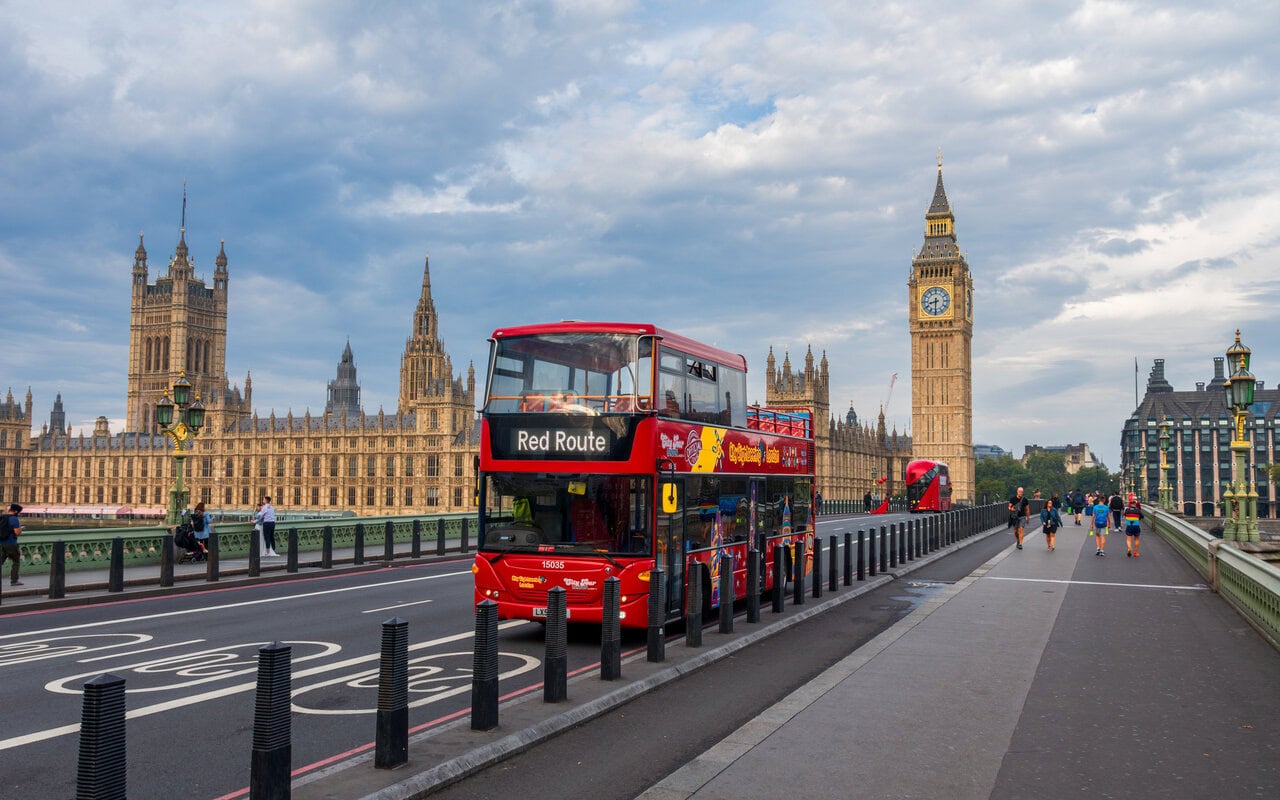
Outside the London Eye, some of the best photo spots include Westminster Bridge, where you can photograph the London Eye with Big Ben in the background, and the South Bank riverside path, where you can photograph the London Eye reflected in the Thames. Evening and sunset are particularly good times for photography because the lights along the river and bridges start to appear.
Another good photography location is slightly further along the South Bank near Hungerford Bridge and Golden Jubilee Bridges, where you can capture the London Eye, the river, and Westminster all in one shot. This area is often less crowded than Westminster Bridge but still offers excellent views.
If you visit London during winter, especially around Christmas and New Year, the London Eye area is often lit up and very atmospheric, and it is also one of the main locations for London’s New Year fireworks.
Mistakes to Avoid When Visiting the London Eye
There are a few common mistakes that visitors make when planning a visit to the London Eye, and avoiding these can make a big difference to your experience. The biggest mistake is not booking tickets in advance, especially during busy periods. Many visitors turn up expecting to buy tickets on the day and are surprised by long queues and limited availability for certain time slots.
Another mistake is visiting in the middle of the day during peak tourist season, when queues are longest and visibility can sometimes be worse due to haze or cloud. Early morning or late afternoon are usually better times to visit if you want shorter queues and better lighting.
Some visitors also underestimate how much there is to do around the London Eye and treat it as a quick standalone attraction. The area around the London Eye, Westminster, and the South Bank is actually one of the best full sightseeing areas in London, and it is worth allowing time to explore the riverside, nearby parks, and other attractions rather than just arriving, riding the wheel, and leaving.
Another common mistake is choosing a very poor weather day if you have flexibility in your itinerary. While the London Eye still operates in most weather conditions, visibility is much better on clear days, so if you can choose your day, it is worth checking the forecast.
Finally, some visitors try to fit too many attractions into one day and end up rushing everything. The London Eye works best as part of a relaxed sightseeing route along the river, not as something squeezed between multiple Underground journeys across the city.
Opening Hours and Practical Information
The London Eye opening hours vary throughout the year, depending on the season, school holidays, and special events. In general, the London Eye usually opens in the late morning and closes in the evening, with longer hours during summer and shorter hours during winter months. It is always best to check the official website before visiting because opening times can change.
Visitors should arrive at least 15–20 minutes before their ticket time slot, especially during busy periods. There are security checks before boarding, similar to airport-style bag checks, which can add extra time to the visit. Even with timed tickets, there may still be a short queue for boarding, but it usually moves steadily.
The boarding process is quite smooth because the wheel does not usually stop completely, and visitors step into the capsule while it is moving slowly. Staff are available to assist if needed, and the process is generally well organised.
There are toilets, cafes, and food stalls nearby on the South Bank, and this area has plenty of places to eat before or after your visit. The South Bank is one of the best areas in London to spend time walking along the river, so it is worth allowing extra time to explore the area rather than just visiting the London Eye and leaving immediately.
Because this area is so central, many visitors combine the London Eye with Westminster Abbey, Big Ben, Buckingham Palace, the London Dungeon, Thames River Cruises, or hop-on hop-off buses, making it part of a full sightseeing day rather than a standalone attraction.
Accessibility and Facilities
The London Eye is fully accessible and designed to accommodate a wide range of visitors, including wheelchair users and families with pushchairs. The capsules are spacious, enclosed, and step-free, and staff are available to assist with boarding if needed.
Wheelchair users can access the capsules, but it is recommended to contact the attraction in advance to ensure assistance is available and to confirm accessibility arrangements. The slow boarding process makes it easier for visitors who need extra time to enter the capsule safely.
The surrounding South Bank area is also step-free and easy to walk, with wide pedestrian paths along the river, seating areas, and plenty of places to stop for food and drinks. Public toilets, restaurants, cafes, and shops are all located nearby, making this one of the more convenient sightseeing areas in London.
The London Eye is also suitable for families with children, and pushchairs are usually allowed inside the capsules depending on size and capacity. The slow movement of the wheel makes it suitable for visitors who may not enjoy fast rides or heights, as the experience is smooth and enclosed rather than exposed.
Because of its central location and good accessibility, the London Eye is one of the easier major attractions in London to visit, especially compared with some historic buildings that have stairs or limited access.

Rupert’s Handy Travel Tips
If you are planning to visit the London Eye, a little planning goes a long way. This is one of London’s best-known attractions, but it works best when you time it well and combine it with the sights around Westminster and the South Bank.
- Book ahead if you can: The London Eye is much easier to enjoy when you already have a timed ticket, especially on weekends and during school holidays.
- Visit as part of a wider sightseeing day: It pairs very well with Westminster Abbey, Big Ben, the South Bank, and a Thames River Cruise.
- Choose your time carefully: Early slots can mean shorter queues, while later rides can give you some of the most impressive skyline views over London.
- Do not rush off afterwards: The riverside around the London Eye is one of the best walking areas in central London, with plenty to see on foot.
Want to meet the reindeer behind our travel tips? Find out more in our page Who is Rupert?.
London Eye Frequently Asked Questions
How long does the London Eye ride take?
A full rotation of the London Eye takes around 30 minutes, but you should allow at least one to two hours for the full experience including queues and boarding.
Is the London Eye worth visiting?
For first-time visitors to London, the London Eye is usually considered worth visiting, especially because of the central location and views of major landmarks such as Big Ben, Westminster Abbey, and the River Thames.
Do you need to book London Eye tickets in advance?
It is strongly recommended to book tickets in advance, especially during weekends and school holidays, as queues can be very long.
What is the best time to visit the London Eye?
The best times to visit are usually early morning or late afternoon/evening, when queues are shorter and the lighting is better for views and photographs.
Is the London Eye included in London attraction passes?
The London Eye is included in some London attraction passes, so it may be worth checking if you plan to visit several paid attractions in London.
Is the London Eye scary?
The London Eye moves very slowly and the capsules are enclosed, so most visitors do not find it scary, even if they are not comfortable with heights.
Can you bring bags onto the London Eye?
Small bags are allowed, but there are security checks before boarding, and large luggage is not permitted.
Further Reading & Related Guides
If you are planning your trip, make sure to read our London Attractions Guide, which covers the main attractions, areas of London, and how to plan your time in the city. This will help you build your itinerary properly and group attractions together so you don’t waste time travelling back and forth across London.
Because the London Eye is located in the Westminster and South Bank area, many visitors combine it with nearby attractions such as Westminster Abbey, Buckingham Palace, the London Dungeon, and a walk along the South Bank. You can also add a Thames River Cruise or Uber Boat journey from this area, which is one of the best ways to see London from the river. These attractions are all located close together and are easy to visit on the same day.
If you are planning your itinerary, you may also want to read our London in 1 Day, London in 2 Days, London in 3 Days, and London in a Weekend guides, which explain how to group attractions by area and make the most of your time in the city.
Before your trip, it is also worth reading our Getting Around London guide and Oyster vs Contactless guide so you understand how London transport works and the easiest way to travel between attractions.
Reading these guides together will help you plan your London itinerary more efficiently, group nearby attractions together, and make the most of your time in the city.
Last Updated
This guide to the London Eye was last updated in April 2026. Attraction hours, ticket types, and prices can change, so always check official sources before you travel.
Affiliate Disclosure
This page contains affiliate links. If you click through and make a purchase or booking, we may earn a small commission at no extra cost to you. This helps support our work and allows us to continue providing detailed, independent travel advice. We only recommend apps and services we personally use or have verified as high-quality.