
Why Food and Drink Safety Matters When Travelling
When travelling to another country, your stomach is often exposed to different bacteria, food preparation standards, and water treatment systems that your body is not used to. This is why many travellers experience stomach problems during trips abroad, even when the food looks perfectly normal. Food and drink safety abroad is not just about avoiding obviously unsafe food — it is often about small differences in hygiene, storage, and water quality that travellers do not immediately notice.
Traveller’s stomach, food poisoning, and stomach bugs are some of the most common travel problems worldwide. Even experienced travellers can get sick if they are not careful with water, ice, salads, or food that has not been stored properly. In many countries, food safety standards are different, refrigeration may not be consistent, and tap water may not be treated to the same standard as in the UK, Europe, or North America.
Another common issue is that long travel days, jet lag, dehydration, and altitude can weaken your immune system slightly, making it easier to pick up stomach bugs. Many people think they got sick from one specific meal, but often it is a combination of travel fatigue, dehydration, and bacteria exposure.
Understanding food and drink safety abroad does not mean avoiding local food or street food completely. In fact, many street food vendors serve excellent and safe food. The key is knowing what to avoid, what to choose, and how to reduce your risk, rather than being overly cautious and missing out on local cuisine entirely.
Countries and Regions Where Travellers Should Be More Careful
Food and drink safety varies significantly around the world. In many parts of Western Europe, North America, Japan, South Korea, Australia, and New Zealand, food and water safety standards are generally very high and travellers rarely need to worry about tap water or food hygiene in normal restaurants.
However, in parts of Asia, Africa, the Middle East, Central America, and South America, travellers may need to be more careful, especially with tap water, ice, salads, and street food that has not been freshly cooked.
This does not mean food is unsafe everywhere in these regions — far from it — but travellers should pay more attention to where they eat and what they drink. Large cities, tourist areas, busy restaurants, and hotels often have very good hygiene standards, while smaller towns, roadside stalls, and buffets may carry more risk.
A good general rule used by experienced travellers is:
Eat where it is busy, eat food that is cooked fresh and served hot, and avoid anything that may have been sitting out for a long time.
Buffets are a common cause of food poisoning while travelling because food may sit at room temperature for long periods. Similarly, seafood in hot climates can be risky if it has not been stored properly.
Being aware of higher risk regions does not mean you cannot enjoy local food. It simply means making sensible choices about where and what you eat.
Is Tap Water Safe to Drink Abroad?
One of the biggest food and drink safety issues abroad is tap water. In many countries, tap water is not treated to drinking standards, and even if locals drink it, travellers may still get stomach problems because their bodies are not used to the local bacteria.
If you are unsure whether tap water is safe, it is best to assume it is not and use bottled or filtered water instead. This includes not only drinking water, but also brushing your teeth, making ice, and washing fruit.
Ice is a very common cause of stomach problems because it is often made from tap water. Even if you drink bottled water, ice in drinks may still expose you to untreated water. In many countries, higher-end hotels and restaurants use filtered ice, but smaller cafes and bars may not.
Another thing travellers often forget is brushing teeth with tap water. In countries where water is not safe to drink, use bottled water when brushing your teeth to reduce the risk of stomach issues.
Sealed bottled water is usually the safest option, but in some places it is worth checking that the bottle seal has not already been opened. In areas where plastic waste is a concern, filtered water bottles or purification tablets can also be useful for longer trips.
Understanding water safety is one of the most important parts of food and drink safety abroad, and many stomach problems while travelling are actually caused by water rather than food.
Street Food Safety Tips for Travellers
Street food is one of the best parts of travelling and often some of the most authentic and delicious food you will find. However, street food also worries many travellers when it comes to food safety abroad.
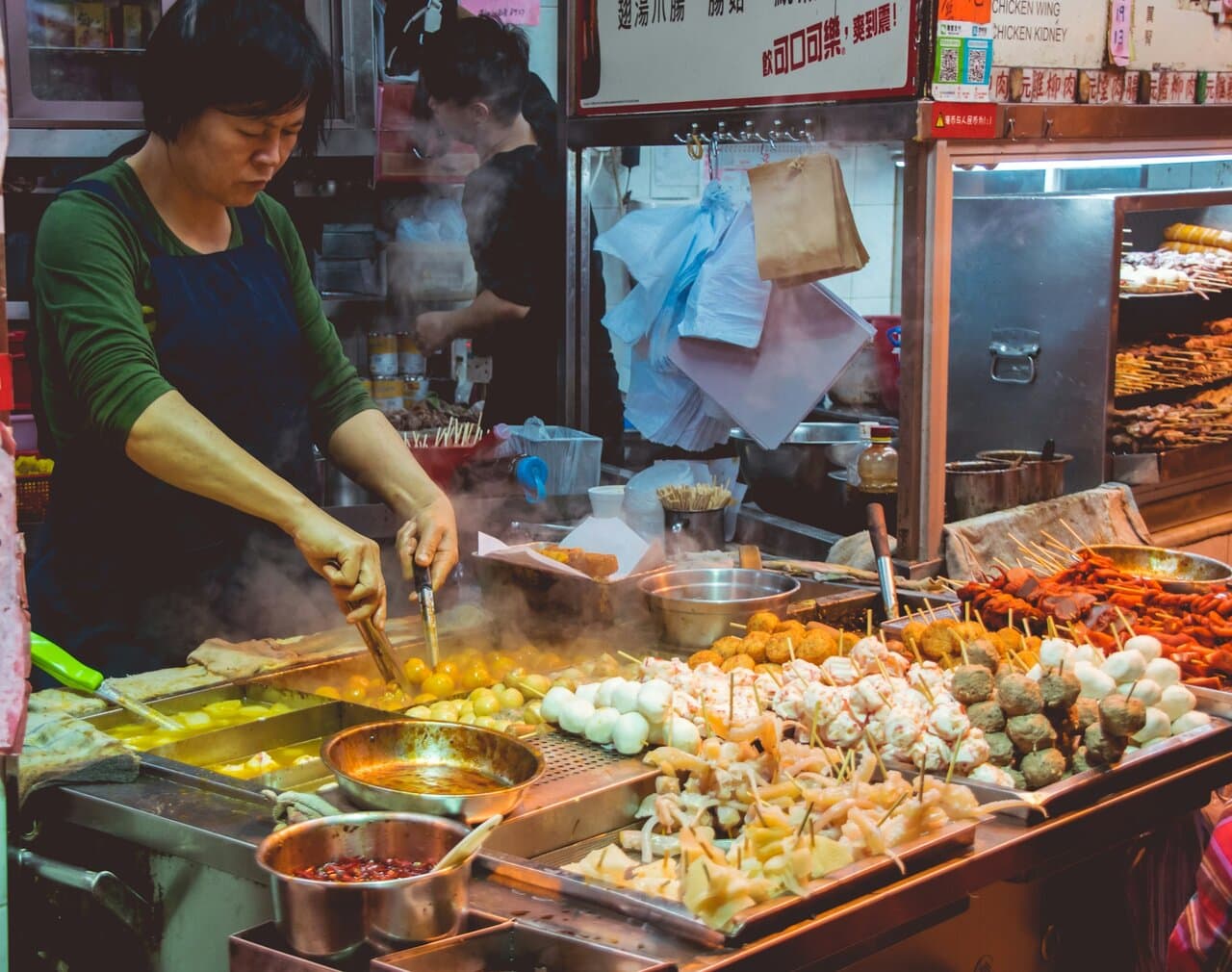
The good news is that street food is often safe if you choose the right stalls. In many countries, street food vendors cook food fresh in front of you, which is often safer than food that has been sitting in a buffet or under heat lamps for hours.
A very good rule when choosing street food is to look for busy stalls with high turnover. If lots of locals are eating there and food is being cooked constantly, the food is likely to be fresh. If a stall is empty and food is already cooked and sitting out, the risk is higher.
Food that is cooked fresh and served hot is generally much safer than food that is raw, cold, or has been sitting out. This is why cooked rice, noodles, grilled meat, soups, and stir-fried dishes are usually safer choices than salads, cut fruit, or cold sauces.
Street food is not automatically unsafe — in fact, some of the best and safest meals you will eat while travelling will come from busy street food stalls. The key is choosing busy vendors, freshly cooked food, and avoiding anything that may have been sitting out for a long time.
Foods Travellers Should Be Careful With Abroad
When thinking about food and drink safety abroad, it is not always obvious which foods are more likely to cause stomach problems. In many cases, it is not the type of cuisine that matters, but how the food has been stored, washed, or prepared.
Salads are one of the most common causes of traveller’s stomach because they are often washed in tap water. In countries where tap water is not safe to drink, salads, uncooked vegetables, and cut fruit can carry bacteria even if they look fresh and clean. Fruit that you can peel yourself, such as bananas, oranges, or mangoes, is usually much safer.
Buffets are another common source of food poisoning while travelling. Food may be cooked safely but then left sitting at room temperature for hours, which allows bacteria to grow. This is particularly risky in hot countries where food warms quickly. Food that is cooked fresh and served hot is almost always safer than buffet food that has been sitting out.
Seafood can also be risky in hot climates, especially in smaller towns or beach areas where refrigeration may not be consistent. Shellfish in particular can cause stomach problems if it is not very fresh. Similarly, unpasteurised milk, cheese, or dairy products can cause stomach issues in some countries.
A simple rule many travellers follow is:
Boil it, cook it, peel it, or leave it.
This is not always necessary everywhere, but it is a useful rule in higher-risk regions.
Being careful with a few high-risk foods can significantly reduce the chance of getting sick while travelling abroad.
How To Avoid Food Poisoning When Travelling
Avoiding food poisoning abroad is mostly about simple habits rather than avoiding entire types of food. Good hand hygiene is one of the most important things you can do, especially before eating. Carrying hand sanitiser is very useful when travelling because soap and clean water are not always available.
Choosing where to eat is also important. Busy restaurants usually have higher food turnover, meaning food is fresher and less likely to have been sitting around. Restaurants that are popular with locals are often a good sign.
Drinks are another thing travellers should think about. Sealed bottled drinks are usually very safe. Hot drinks like tea and coffee are also usually safe because the water has been boiled. Drinks with ice can be risky if the ice is made from tap water, so in some countries it is safer to ask for drinks without ice.
Food that is cooked thoroughly and served hot is usually safe. Problems often come from lukewarm food, raw food, washed vegetables, or food that has been sitting out for a long time. Paying attention to these small details can make a big difference.
Most travellers who get food poisoning abroad do not get it from obviously bad food. It usually comes from something small like ice, salad, tap water, or food that was not kept hot enough.
What To Do If You Get Food Poisoning Abroad
Even if you are careful with food and drink safety abroad, stomach problems can still happen. Most cases of food poisoning while travelling are unpleasant but not serious, and the main treatment is rest and hydration.
The most important thing if you get food poisoning is to drink plenty of fluids to avoid dehydration. Oral rehydration salts are very useful and are sold in pharmacies worldwide. These help replace salts and minerals lost through vomiting or diarrhoea.
Many travellers carry anti-diarrhoea medication such as loperamide for long journeys, flights, or bus trips when access to toilets may be limited. However, these medications should be used carefully because diarrhoea is sometimes the body’s way of removing bacteria.
If symptoms include high fever, blood in stool, severe dehydration, or symptoms lasting more than a few days, it is important to see a doctor. Travel insurance is very important for this reason, especially when travelling long distances.
In most cases, traveller’s stomach improves within a few days, but rest, hydration, and simple food are the most important treatments.
For official travel health advice and food safety recommendations, the UK government travel health site is a useful resource.
Travel Health Kit for Food and Stomach Problems
Many experienced travellers carry a small travel health kit to deal with stomach problems quickly. Having the right items can make a big difference if you get sick while travelling, especially on long journeys or in remote areas.
A basic travel stomach kit usually includes anti-diarrhoea tablets, oral rehydration salts, pain relief tablets, hand sanitiser, and possibly anti-nausea medication. Rehydration salts are particularly important because dehydration is the biggest risk from food poisoning and stomach bugs.
Some travellers also carry probiotics, which may help maintain gut health while travelling, although results vary. Charcoal tablets are also used by some travellers for stomach issues, although medical advice varies on how effective they are.
The main goal of a travel health kit is not to treat serious illness, but to manage minor stomach problems quickly so they do not ruin several days of your trip.
Being prepared is a big part of food and drink safety abroad, and a small travel health kit takes up very little space but can be extremely useful when travelling.
Food Allergies When Travelling Abroad
Travelling with food allergies requires extra planning, especially in countries where language barriers make it difficult to explain dietary restrictions. Food and drink safety abroad is not only about hygiene and water quality, but also about making sure you do not accidentally eat something you are allergic to.
One of the best things travellers with allergies can do is carry allergy translation cards that clearly explain their allergy in the local language. These can be shown in restaurants so staff understand exactly what ingredients must be avoided. This is particularly important for nut allergies, shellfish allergies, dairy intolerance, and gluten intolerance.
It is also important to remember that in some countries, ingredients such as peanuts, sesame oil, shellfish sauces, or dairy products are used in many dishes, sometimes in ways that are not obvious. Sauces, marinades, and cooking oils are often where allergens appear.
Travellers with severe allergies should always carry their medication, such as antihistamines or an EpiPen if prescribed. Do not pack important allergy medication in checked luggage — always keep it in hand luggage.
Researching local cuisine before travelling is also helpful because it allows you to understand which dishes may contain ingredients you need to avoid. With preparation, most people with food allergies travel safely, but planning ahead is very important.

Rupert’s Handy Travel Tips
Trying local food is one of the best parts of travelling, but a few simple habits can help you avoid stomach problems and keep your trip on track.
- Eat where it’s busy: High turnover usually means fresher food.
- Choose freshly cooked hot food: Food served hot is usually safer than buffet food.
- Be careful with tap water and ice: Bottled or filtered water is often safer.
- Carry hand sanitiser: Clean hands before eating reduces stomach bugs.
- Pack rehydration salts: Very useful if you get traveller’s stomach.
Want to meet the reindeer behind our travel tips? Find out more in our page Who is Rupert?.
Frequently Asked Questions About Food and Drink Safety Abroad
Is street food safe when travelling?
Street food is often safe if you choose busy stalls where food is cooked fresh and served hot. Avoid food that has been sitting out for long periods.
Can you brush your teeth with tap water abroad?
In countries where tap water is not safe to drink, it is safer to brush your teeth using bottled or filtered water.
Is ice safe in drinks abroad?
Ice can be unsafe if it is made from tap water. In some countries it is safer to ask for drinks without ice.
What foods cause traveller’s stomach most often?
Salads washed in tap water, buffet food, seafood in hot climates, unpasteurised dairy products, and untreated tap water are common causes.
How long does food poisoning last when travelling?
Most cases improve within 1 to 3 days, but dehydration is the main risk and fluids are very important.
Further Reading & Related Travel Guides
If you are planning a trip abroad, these guides may also help you travel safely and prepare for common travel health issues:
Travel Insurance Guide – What You Need To Check Before You Travel
Altitude Sickness Travel Guide – Symptoms, Prevention & Treatment
Jet Lag Travel Guide – How To Prevent and Recover Faster
Best eSIM Apps for Travel – Stay Connected Worldwide
Last Updated
March 2026
Affiliate Disclosure
This page contains affiliate links. If you click through and make a purchase or booking, we may earn a small commission at no extra cost to you. This helps support our work and allows us to continue providing detailed, independent travel advice. We only recommend apps and services we personally use or have verified as high-quality.