

Why Choose the Caledonian Sleeper
The Caledonian Sleeper is one of Britain’s most distinctive train experiences, offering travellers the rare chance to journey between England and Scotland while they sleep. As an overnight rail service linking cities such as London, Birmingham, Glasgow, Aberdeen, Inverness, and Fort William, it combines convenience with comfort — transforming what could be a long day of travel into a restful night’s journey through some of the UK’s most scenic landscapes.
For many passengers, the appeal of the Caledonian Sleeper routes lies in reclaiming time. Rather than spending daylight hours in traffic or at airports, you board in the evening and arrive refreshed the next morning — ready for business, sightseeing, or adventure. The recent expansion to include Birmingham International in January 2026 marks the most significant timetable update in over 30 years, extending direct access to the Highlands for millions of travellers in the West Midlands.
The service also fits perfectly into the growing trend of sustainable travel. Trains emit far less carbon than short-haul flights, making the Caledonian Sleeper train guide a favourite among eco-conscious passengers who want to reduce their footprint without sacrificing comfort. With spacious cabins, modern facilities, lounge access at select stations, and friendly Scottish hospitality on board, this is an experience that feels both nostalgic and thoroughly modern — the ideal blend of heritage and innovation in UK rail travel.
Quick Facts / Route Overview
| Detail | Information |
|---|---|
| Operator | Caledonian Sleeper Ltd (owned by Scottish Government) |
| Service Type | Overnight long-distance train between England and Scotland |
| Main Departures | London Euston / Birmingham International |
| Destinations | Aberdeen • Fort William • Inverness |
| Journey Time | 10 – 12 hours depending on route |
| Ticket Sales | Opened 1 October 2025 |
| Birmingham Service Launch | 15 January 2026 |
| Cabin Classes | Caledonian Double • Club En-suite • Classic Room • Seated Coach |
| Station Lounges | London Euston • Inverness • Fort William |
| Sustainability | Up to 7× lower CO₂ emissions than flying |
| Booking Platforms | Official website • Trainline • Rail Europe • Omio |
These facts highlight how the Caledonian Sleeper routes unite multiple Scottish destinations with England’s biggest transport hubs. Whether travelling from London Euston or the new Birmingham International stop, passengers can choose between budget seats or luxurious en-suite cabins — all with overnight comfort and sustainability built in.
Key Operators and Rail Network Size
The Caledonian Sleeper operates under the ownership of the Scottish Government through Caledonian Sleeper Ltd, ensuring that the service remains a vital link between Scotland and England’s key cities. It runs in close coordination with Network Rail, which manages track access and station infrastructure, and ScotRail, which provides many of the onward regional connections once travellers reach their Scottish destinations.
The service forms part of Britain’s wider overnight rail heritage, operating six nights a week (Sunday to Friday) on two primary Caledonian Sleeper routes:
– The Highland Sleeper, connecting London and Birmingham with Fort William, Inverness, and Aberdeen.
– The Lowland Sleeper, running between London and the central belt cities of Glasgow and Edinburgh.
The new Birmingham International stop integrates the West Midlands directly into this network for the first time, offering seamless access to Scotland’s northbound lines without the need to travel via London. The northern termini — Fort William, Inverness, and Aberdeen — link to Scotland’s key scenic corridors such as the West Highland Line and the Highland Main Line, two of Europe’s most picturesque railway routes.
This expansive network not only strengthens domestic connectivity but also provides easy interchange with ferry ports, regional bus links, and other long-distance rail services, including Avanti West Coast and LNER, giving travellers across the UK and beyond greater flexibility and choice.
Transport Hubs and Major Routes
The Caledonian Sleeper routes are designed to connect England’s largest transport hubs with Scotland’s most spectacular landscapes — all while travellers rest comfortably overnight. The two principal departure points, London Euston and Birmingham International, ensure coverage for both the southeast and the central Midlands, catering to a wide range of passengers from leisure travellers to corporate commuters.
From Birmingham International, the new Highland service will depart in the evening and arrive in Fort William, Inverness, and Aberdeen by morning. Return journeys depart early evening from the Highlands, arriving back in Birmingham around early morning. For those boarding at London Euston, journey times are similar and the same cabin options apply.
The route itself is among the most scenic in Europe. Travellers can expect to pass through rolling English countryside, the Lake District, and the rugged Scottish Highlands, with sunrise often breaking over lochs, glens, and mountain ranges. Intermediate stops such as Crewe, Preston, Glasgow, and Crianlarich allow boarding and alighting for regional travellers.
Together, these hubs make the Caledonian Sleeper one of the most comprehensive north–south overnight networks in Europe — a sustainable, comfortable, and atmospheric way to explore both nations.
Example Ticket Prices vs Pass Value
Pricing on the Caledonian Sleeper routes varies depending on the class of accommodation, route, and season. While overnight rail travel can cost more than daytime trains, many passengers view it as exceptional value — especially when factoring in the comfort, privacy, and the time saved by travelling while they sleep.
A typical Seated Coach fare between Birmingham International and Fort William may start from around £55–£70 when booked in advance, offering one of the most affordable ways to travel to the Scottish Highlands. Moving up the scale, a Classic Room (with twin bunks and washbasin) generally ranges between £150–£220, depending on demand. For added comfort, the Club En-suite Room — with private shower, breakfast, and lounge access — typically costs £250–£350, while the Caledonian Double En-suite sits at the top of the range, usually between £370–£480 per journey.
Compared with hotel stays, airport transfers, or regional flights, these fares often work out competitively. A Caledonian Sleeper ticket combines both transport and accommodation into a single cost — effectively giving travellers a night’s stay on wheels.
Interrail and Eurail pass holders can use their passes on the Caledonian Sleeper train guide, provided they pay a separate reservation or upgrade fee for cabin accommodation. This makes the service a convenient, comfortable addition to wider European rail itineraries, especially for travellers connecting from mainland Europe via London or Birmingham.
How the Caledonian Sleeper Network Operates
The Caledonian Sleeper is not one single train but a coordinated network of overnight services linking London with multiple destinations across Scotland. Each evening, several portions depart separately from the Highlands and Lowlands before joining together for the journey south — a distinctive operation that sets the service apart from any other in the UK rail system.
The network is divided into two main services. The Highland Sleeper connects London Euston with Fort William, Inverness, and Aberdeen. These three sections depart their respective stations — Fort William at 19:50, Aberdeen at 20:26, and Inverness at 20:45 — and all converge at Edinburgh Waverley around 01:00. Once coupled, the combined train continues south through Carlisle, Preston, and Crewe, reaching London Euston just after 07:15. In the opposite direction, the same process happens in reverse: a single train leaves London and divides at Edinburgh, sending passengers on to their separate Highland destinations by mid-morning.
The Lowland Sleeper operates between London Euston, Glasgow Central, and Edinburgh Waverley, with its two portions joining or dividing at Carstairs Junction near midnight. Both routes deliver passengers into Scotland’s major cities by 07:30 the next morning.
This intricate system allows the Caledonian Sleeper to cover more of Scotland than any other single rail service, while maintaining the comfort and privacy of an overnight hotel on wheels. From January 2026, the network will expand further with a new stop at Birmingham International, marking the first major timetable change in more than thirty years and opening direct Highland access to the heart of England.
Fort William Route — The West Highland Adventure
The Fort William leg of the Caledonian Sleeper routes is arguably Britain’s most spectacular train journey. Departing London Euston or Birmingham International in the evening, the service winds north overnight through the Lake District and into the Scottish Highlands, before sunrise reveals the famous West Highland Line — a railway that has become a destination in its own right.
After calling at Glasgow Queen Street Low Level, the train threads through the mountains via Crianlarich, Rannoch Moor, and Corrour, Britain’s most remote station, accessible only by rail or footpath. The landscape is a cinematic sweep of moorland, lochs, and pine forest. By the time the train glides past Spean Bridge and Ben Nevis comes into view, passengers have experienced one of Europe’s last true wilderness rail routes.
Fort William marks the end of the line — and the beginning of countless adventures. From here, travellers can tackle Ben Nevis, cruise Loch Linnhe, or continue on the Jacobite Steam Train to Mallaig, crossing the world-famous Glenfinnan Viaduct of Harry Potter fame. The town itself is a lively base for hiking, climbing, and whisky tasting, with easy day trips to Glen Coe, Oban, and the Isle of Skye.
This route is the slowest and most scenic of all the Sleeper services — around twelve hours of unfiltered Highland drama. Travelling this way isn’t simply about reaching Fort William; it’s about embracing the rhythm of overnight rail travel where the journey itself becomes part of the adventure.
Inverness Route — Gateway to the Highlands
The Inverness route of the Caledonian Sleeper takes travellers deep into the heart of the Scottish Highlands, tracing one of Britain’s most storied rail corridors. Departing London Euston or Birmingham International in the evening, the train glides through Preston, Carlisle, and Perth before beginning its Highland climb past Pitlochry, Blair Atholl, and Aviemore. By dawn, the Cairngorm Mountains rise beyond the windows, and the air outside feels wilder, crisper, and unmistakably Scottish.
This route delivers passengers directly to Inverness, the capital of the Highlands, shortly after 08:45 — perfect for starting a day’s exploration without losing a single daylight hour. Known as the Gateway to the North, Inverness offers immediate access to the legendary Loch Ness, historic Culloden Battlefield, and the scenic North Coast 500, Scotland’s ultimate road trip circuit. Travellers can enjoy riverside walks along the River Ness, visit Inverness Castle, or tour the nearby Tomatin Distillery for a taste of Highland whisky craftsmanship.
For outdoor enthusiasts, this line is the most practical of the Caledonian Sleeper routes, combining comfort with efficiency. The service caters equally to business travellers and adventurers bound for the Cairngorms National Park or the rugged west coast. With comfortable cabins, breakfast service, and the sense of waking up amid mountain light, it transforms long-distance travel into a restorative overnight experience. Whether continuing north to Thurso, west to Skye, or simply exploring the culture of Inverness itself, this route perfectly balances convenience and immersion in Scotland’s natural grandeur.
Aberdeen Route — Scotland’s East-Coast Connection
The Aberdeen route of the Caledonian Sleeper offers a striking contrast to its Highland counterparts — trading moorland wilderness for Scotland’s elegant east-coast cities and harbours. Departing London Euston or Birmingham International in the evening, the train travels overnight through Crewe, Preston, and Edinburgh Waverley, then follows the Fife Coast Line past Kirkcaldy, Dundee, and Arbroath, before reaching Aberdeen around 07:40 – 07:50.
This route is ideal for passengers bound for Scotland’s energy capital, known for its granite architecture, maritime heritage, and thriving offshore industry. The journey itself is no less impressive: after crossing the Forth Bridge, the train runs parallel to the North Sea, offering early-morning glimpses of fishing villages, cliffs, and sandy coves bathed in northern light.
Once in Aberdeen, travellers can explore the historic Maritime Museum, wander through Old Aberdeen’s cobbled streets, or take a short trip to nearby Stonehaven and Dunnottar Castle, one of Scotland’s most dramatic coastal fortresses. For those venturing inland, the city is the gateway to Speyside’s whisky distilleries and the Cairngorms National Park.
Compared with the Fort William and Inverness services, this leg of the Caledonian Sleeper routes is slightly shorter and more business-oriented, but no less memorable. It combines modern comfort with east-coast sophistication, offering a seamless overnight link between England and one of Scotland’s most distinctive cities. Whether travelling for work or a weekend escape, waking up as the North Sea glimmers outside your window is a uniquely Scottish luxury.
Lowland Sleeper — Scotland’s City Link Between London, Edinburgh & Glasgow
The Lowland Sleeper forms the urban heart of the Caledonian Sleeper routes, linking London Euston with Edinburgh Waverley and Glasgow Central overnight. Unlike the Highland service, which splits into three northern branches, this train divides into just two portions at Carstairs Junction, where one half continues west to Glasgow and the other heads east to Edinburgh. Together, they provide the most time-efficient and comfortable way to travel between England’s capital and Scotland’s two great cities.
Departing London around 21:15, the Lowland Sleeper glides north through Watford Junction, Crewe, and Carlisle before the division at Carstairs near midnight. By dawn, one portion rolls into Glasgow Central at around 07:30, while the other arrives at Edinburgh Waverley minutes later. In the opposite direction, the two sections reunite at Carstairs before continuing as a single train south to London — a smooth and quiet process passengers scarcely notice as they sleep.
The route itself showcases a gentler side of Scottish scenery, with glimpses of border hills and rivers before the lights of the cities appear. On arrival, passengers can step directly into the heart of Edinburgh’s Old Town, within walking distance of the Royal Mile and Princes Street Gardens, or wake in Glasgow’s grand Central Station, perfectly placed for exploring its art nouveau architecture, galleries, and vibrant food scene.
For business travellers, the Lowland Sleeper is a practical overnight link that saves a full working day; for leisure visitors, it’s a restful introduction to Scotland’s cities without airport queues or early-morning flights. As with all Caledonian Sleeper routes, it blends comfort, sustainability, and understated Scottish hospitality — proof that overnight rail travel can still feel quietly luxurious.
How to Book the Caledonian Sleeper
Booking a journey on the Caledonian Sleeper is easy, but it’s important to know where each type of ticket can be purchased. The primary booking source is the official Caledonian Sleeper website which is the only platform where you can reserve private rooms such as the Caledonian Double, Club En-suite, or Classic Room. The website allows travellers to select their departure station, destination, cabin type, meal preferences, and any upgrades in one secure transaction.
Third-party apps and aggregators — including Trainline, Rail Europe, and Omio — also sell Caledonian Sleeper tickets, but these are for seated tickets only. These apps are still valuable tools for comparing prices, checking live timetables, and planning onward connections across the UK and Europe. If you want to sleep in a cabin rather than travel in a seat, you’ll need to complete your booking directly through the official Caledonian Sleeper site or by contacting the Guest Service Centre.
Using Existing Tickets or Rail Passes
Travellers who already hold valid National Rail, BritRail, Interrail, or Eurail passes can still enjoy private accommodation by purchasing a Room Supplement. These supplements cover the cost of the cabin only and must be used alongside a valid travel ticket.
Room Supplements are available for solo or shared use in both Classic and Club rooms. Holders of Standard-Class tickets may buy Classic Room Supplements, while First-Class travellers can choose either Classic or Club rooms. Supplements cannot be combined with seated tickets — passengers wishing to upgrade must first refund their seat booking and then purchase the appropriate cabin fare.
Eligible ticket types include Anytime, Off-Peak, Super Off-Peak, All Line Rover, BritRail, Interrail, Eurail, and FIP Coupons covering Great Britain. Refunds are available up to seven days before travel (100 %), or 50 % up to midday the day before departure.
Fare Types and Upgrades
Direct bookings on the Caledonian Sleeper website offer advance, semi-flexible, and flexible fares, each with their own amendment and refund conditions. Guests travelling in Club or Double En-suite rooms receive breakfast and station-lounge access automatically, while Classic and Seated passengers can upgrade onboard.
Whether booking via app for a seat or through the official site for a cabin, the process remains straightforward, secure, and ideal for building multi-leg itineraries across the UK or into Europe.
Caledonian Sleeper Cabin & Room Types
The Caledonian Sleeper cabins are designed to make every journey restful, private, and distinctly Scottish. Each room type offers a different balance of comfort, price, and convenience — all featuring handcrafted Glencraft mattresses made in Aberdeen, high-quality bedding, and attentive onboard service.
– Caledonian Double En-suite — The flagship cabin, featuring a full double bed, private shower, and access to the Club Car dining lounge. Guests enjoy complimentary breakfast (in the Club Car or delivered to their room) and access to station lounges at both ends of the journey.
– Club En-suite — Twin bunk layout with private shower room, handcrafted mattresses, and breakfast included. Ideal for solo travellers or couples seeking hotel-level comfort with a more compact footprint.
– Classic Room — Twin bunks with washbasin, optional interconnecting door for families or groups, and room service on request. A perfect mid-range choice.
– Seated Coach — Reclining seat with adjustable headrest, USB charging, individual lighting, tray table, and lockable storage. Passengers can order food and drink from their seat — a budget-friendly yet comfortable option.
– Accessible Double & Twin Rooms — Designed for wheelchair users and passengers with mobility needs, these offer lowered fixtures, widened access, and proximity to accessible toilet facilities.
All cabin classes come with complimentary sleep kits and priority boarding for passengers with accessibility requirements. With warm lighting, Scottish hospitality, and thoughtful design, the cabins transform travel into a restorative overnight retreat.
How the Caledonian Sleeper Works
Travelling on the Caledonian Sleeper is designed to be as effortless as possible, blending traditional railway charm with modern efficiency. Each service operates overnight, typically six days a week, with separate northbound and southbound trains linking London and Birmingham to key Scottish destinations including Fort William, Inverness, and Aberdeen.
Passengers board in the evening, usually between 21:00 and 23:00, depending on departure station. After being welcomed aboard by the onboard hosts, guests settle into their cabins or seats as the train departs for its journey north through the night. Room service, light meals, and drinks are available from the Club Car, while those preferring an early night can use in-room dining trays for breakfast or evening snacks.
Arrival times vary by destination but typically range between 07:00 and 09:30. Guests travelling in cabins are asked to vacate their rooms by around 08:00–08:30, though they can enjoy access to the station lounges at Inverness or Fort William for showers and refreshments.
The Caledonian Sleeper routes are popular for their comfort, scenic value, and sustainability. The service reduces the need for short-haul flights, saving an estimated 7× more carbon per journey. It’s particularly useful for business travellers heading to Scotland’s northern cities, outdoor enthusiasts bound for the Highlands, and anyone who prefers to make travel part of the experience rather than a chore.
Top Routes and Itineraries
One of the reasons the Caledonian Sleeper routes remain so beloved is their diversity — each line unlocks a different slice of Scotland’s landscape, from dramatic coastal views to mountain passes and remote Highland towns. Whether you’re chasing the Northern Lights in Inverness or exploring whisky country near Aberdeen, the Sleeper transforms long distances into an effortless overnight adventure.
1. Birmingham to Fort William — The Highland Explorer Route
The new route from Birmingham International (launching January 2026) provides direct overnight access to the West Highland Line, one of the most scenic train journeys in the world. Travellers wake up amid misty glens, lochs, and mountain vistas before arriving in Fort William — gateway to Ben Nevis and Glen Coe.
2. London to Inverness — The Classic Highland Route
This journey traces Britain’s backbone, passing through rolling English countryside before climbing into the Cairngorms National Park. Inverness offers onward connections to Loch Ness, Skye, and the North Coast 500 driving route.
3. London to Aberdeen — The Whisky & Heritage Trail
Ideal for travellers interested in Scotland’s northeast coast, this route ends in Aberdeen, home to the region’s maritime history and a short hop from Speyside’s world-famous whisky distilleries.
4. Fort William to Birmingham (Southbound)
Returning travellers can enjoy a reverse journey through the same stunning landscapes, arriving refreshed and ready to explore the West Midlands by morning.
Each itinerary can be paired with a ScotRail regional pass or an Interrail journey, making it easy to extend your trip across Scotland or onward into continental Europe.
Benefits of the Caledonian Sleeper
The Caledonian Sleeper remains one of the most distinctive ways to travel across Britain, offering a blend of efficiency, comfort, and romance rarely found in modern transport. Its overnight format means you can travel hundreds of miles while sleeping, turning what would normally be a 10–12-hour daytime trip into a restful night’s journey.
One of the service’s greatest advantages is time efficiency — travellers reclaim a full day that might otherwise be spent in transit. For business travellers heading to Glasgow, Inverness, or Aberdeen, it allows for morning meetings without an overnight hotel stay. Leisure passengers can start their Highland adventures refreshed, avoiding early-morning flights or long motorway drives.
Sustainability is another key strength. The Caledonian Sleeper routes generate up to seven times fewer CO₂ emissions than domestic air travel, aligning perfectly with the growing shift toward greener tourism. The onboard environment also feels far more relaxed and personal: soft lighting, quality bedding, and Scottish hospitality create an experience that feels more like a boutique hotel than a train.
Finally, the service’s ability to connect major English hubs like London and Birmingham directly with Scotland’s remote northern regions makes it both practical and scenic — an atmospheric journey that combines function with a true sense of occasion.
Drawbacks and Limitations
While the Caledonian Sleeper is a unique and memorable way to travel, it isn’t perfect for everyone. One of the most common concerns is price. Premium cabins, particularly the Caledonian Double En-suite, can cost more than some short-haul flights plus a budget hotel. However, many passengers feel the cost is justified once the quality and convenience are factored in.
Availability is another limitation. Because each train carries a limited number of cabins, services can sell out weeks in advance — especially on popular routes to Fort William or Inverness. Booking early is essential, particularly during summer and holiday periods.
Travellers who are light sleepers may also find the gentle motion, station stops, or track noise disruptive, despite the train’s high comfort standards. Lastly, early arrival times — sometimes before 07:00 — can leave passengers waiting for hotel check-ins or onward connections.
That said, these drawbacks are minor for most passengers and are easily outweighed by the benefits of time-efficient, scenic, and sustainable travel. With realistic expectations and early booking, the Caledonian Sleeper train remains one of the UK’s most rewarding rail experiences.
Who the Service Is Best For
The Caledonian Sleeper attracts a wide variety of passengers, from solo travellers and families to photographers and business professionals. Its design and schedule make it a smart choice for anyone who values comfort, sustainability, and time efficiency.
For leisure travellers, the service provides a smooth, scenic way to reach Scotland’s Highlands without the stress of airports or long drives. Many couples and small groups choose the Sleeper as part of a wider holiday — perhaps beginning in Birmingham or London and connecting to outdoor adventures in Fort William or Inverness.
Business travellers also benefit, especially those commuting between the Midlands and Scotland. Overnight travel saves daytime working hours and removes the need for overnight hotels, allowing passengers to arrive rested and ready to start the day.
The Caledonian Sleeper routes also appeal to eco-conscious travellers seeking to reduce their carbon footprint. With far lower emissions than flights, it’s an excellent choice for sustainable tourism. Rail enthusiasts and photographers love it too, thanks to its scenic dawn arrivals through misty glens and lochs.
Whether for work, leisure, or environmental reasons, the Caledonian Sleeper is a rare travel experience that combines practicality with atmosphere — perfect for those who want their journey to be as memorable as their destination.
Tips for Using the Caledonian Sleeper
To make the most of your journey on the Caledonian Sleeper, a little planning goes a long way. Here are some insider tips to help ensure a smooth and comfortable trip:
– Book early: Demand for cabins is high, especially in summer and around public holidays. Secure tickets as soon as bookings open.
– Choose your cabin wisely: Solo travellers may prefer a Classic Room, while couples might enjoy the privacy of the Caledonian Double En-suite.
– Use station lounges: At London Euston, Inverness, and Fort William, lounge access (included with premium tickets) offers showers and quiet spaces for arrivals and departures.
– Pack light: Luggage space in cabins is limited, so bring only essentials and store larger bags under the bed or in overhead racks.
– Bring entertainment: Wi-Fi is available but can be patchy through remote Highland sections. Download podcasts, films, or reading material beforehand.
– Wake up early: Don’t miss the scenic approach into Fort William or Inverness — sunrise over the Highlands is unforgettable.
These small details can turn a comfortable train journey into a truly memorable experience. Travelling on the Caledonian Sleeper train is more than just getting from A to B — it’s a return to a slower, more romantic style of travel where the journey itself becomes the highlight.
Apps for Train Travel
While there’s no standalone Caledonian Sleeper app, several reliable travel apps make booking and managing your journey effortless. Each one supports mobile ticketing, real-time updates, and integrated onward travel — essential for anyone travelling between Birmingham, London, and the Scottish Highlands.
– Trainline — The most popular choice for booking Caledonian Sleeper routes and onward UK rail connections. Users can view live train status, add digital tickets to Apple Wallet or Google Pay, and manage reservations easily. It’s especially useful for combining the Sleeper with ScotRail or Avanti West Coast services.
– Rail Europe — Ideal for travellers linking the Sleeper with wider European itineraries. The app allows for seamless integration with Interrail or Eurail passes, showing cross-border connections and digital seat reservations.
– Omio — A flexible multimodal app that compares train, bus, and flight options across Europe. It’s a good choice for travellers arriving from abroad who want to book the Caledonian Sleeper train as part of a larger trip.
– ScotRail App — Essential for those planning onward regional travel once in Scotland. It provides real-time timetables and platform information for routes radiating out from Fort William, Inverness, and Aberdeen.
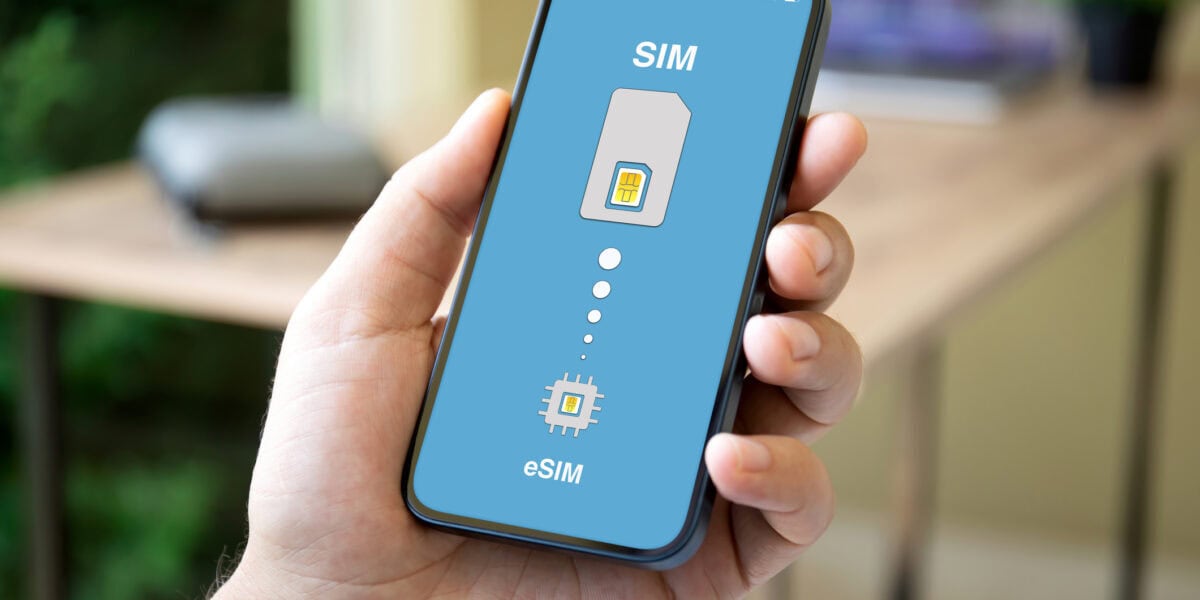
Using these apps ensures a stress-free travel experience, whether booking weeks ahead or checking live updates on the night of departure. Combined with eSIM data access and weather apps, they complete the toolkit of any smart, app-savvy traveller heading north by night.
Frequently Asked Questions
Can I use an Interrail or Eurail Pass on the Caledonian Sleeper?
Yes. Pass holders can travel on all Caledonian Sleeper routes, but a paid reservation or cabin supplement is required. Prices vary depending on the room type.
Do all cabins include breakfast?
Breakfast is complimentary for guests in Club En-suite and Caledonian Double rooms. Classic and Seated passengers can pre-order meals or purchase them onboard.
Is Wi-Fi available throughout the journey?
Yes, Wi-Fi is included, though coverage may drop out briefly in rural or mountainous areas, particularly along the West Highland Line.
Are pets allowed on board?
Small pets are permitted in private cabins for a small fee. Advance notice must be given at booking. Pets aren’t allowed in seated coaches.
What accessibility features are available?
The Sleeper offers Accessible Double and Accessible Twin rooms with larger floor space, lowered washbasins, and adjacent accessible toilets. Staff are trained to assist passengers with additional needs.
Can I check in early or use the lounge after arrival?
Yes. Lounge access is included with premium fares and available for purchase by others. Travellers can relax before departure or refresh after an early arrival in Fort William or Inverness.

Rupert’s Handy Travel Tips
Travelling overnight on the Caledonian Sleeper? Here are a few smart tips from Rupert to make your Highlands journey even smoother:
- Book early: Cabins on popular routes like Fort William and Inverness often sell out months ahead, especially during summer.
- Choose your comfort level: Solo travellers might prefer a Classic Room, while couples will enjoy the privacy of the Caledonian Double En-suite.
- Wake up to the view: Set an alarm 30 minutes before arrival to catch sunrise over Rannoch Moor or the Great Glen.
- Pack light: Storage in cabins is compact — soft luggage fits best under the bed or in overhead racks.
- Recharge and relax: USB ports are available in all rooms, but Wi-Fi can be patchy in the Highlands — download entertainment before boarding.
- Use the lounges: Take advantage of the station lounges at London Euston, Inverness, and Fort William for pre-departure or post-arrival refreshments.
Want to meet the reindeer behind our travel tips? Find out more in our page Who is Rupert?.
Further Reading & Related App Guides
Want to prepare for every part of your journey? These related guides will help you stay informed, connected, and ready to travel with confidence.
– Translate on the go with our translation apps guide → Translation Apps Guide
– Keep track of exchange rates with our currency converter apps guide → Currency Converter Apps Guide
– Stay connected worldwide with our eSIM apps guide → eSIM Apps Guide
– Plan for any weather with our weather apps guide → Weather Apps Guide
– Protect your trip with our travel insurance apps guide → Travel Insurance Apps Guide
Last Updated
14th October 2025
Affiliate Disclosure
This page contains affiliate links. If you click through and make a purchase or booking, we may earn a small commission at no extra cost to you. This helps support our work and allows us to continue providing detailed, independent travel advice. We only recommend apps and services we personally use or have verified as high-quality.