
Why Packing Light Matters
Packing light for a hand-luggage-only holiday gives you far more freedom than travelling with a checked suitcase. You move faster, spend less, and avoid that nagging worry about lost baggage. Travelling with just a cabin bag means no waiting at the carousel, no airline baggage fees, and a much easier time navigating busy stations or narrow hotel staircases.
Sticking to a single bag also forces you to prioritise what actually matters. Instead of dragging around items you barely use, you’re carrying a streamlined set of essentials chosen intentionally. This often leads to a more relaxed, organised trip, where everything has its place and you can access it quickly.
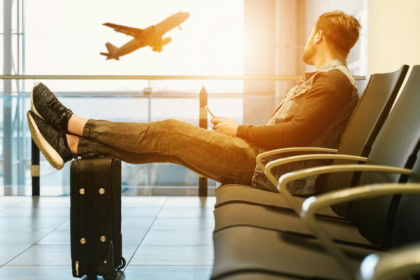
Hand-luggage-only travel also reduces stress during unexpected situations. If your flight is delayed, cancelled, or rerouted, you already have all your belongings at your side. There’s no risk of them going missing in transit. Ultimately, packing light is about convenience, control, and confidence throughout the journey.
Know Your Airline’s Carry-On Rules
Before you choose what goes in your bag, you need to know exactly what size and weight you’re allowed. Every airline sets different limits, and some low-cost carriers enforce them extremely strictly. A few centimetres or a single extra kilogram can mean expensive gate fees, so understanding the rules early prevents last-minute stress.
Most airlines allow one cabin bag plus a personal item (like a small backpack, laptop bag or handbag). However, some budget carriers only include a smaller “under-seat bag” unless you pay for priority boarding. Always check: dimensions, weight allowance, and whether wheels are included in the measurement.
If you’re travelling with multiple airlines (for example on a connection), follow the smallest allowance across the whole journey. This avoids repacking at airports and keeps your trip smooth. As a rule, screenshot or save the exact measurements from the airline’s website so you can double-check while packing.
Choosing the Right Cabin Bag
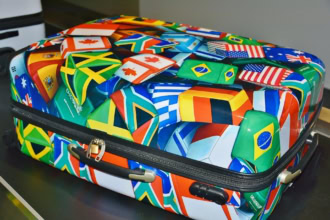
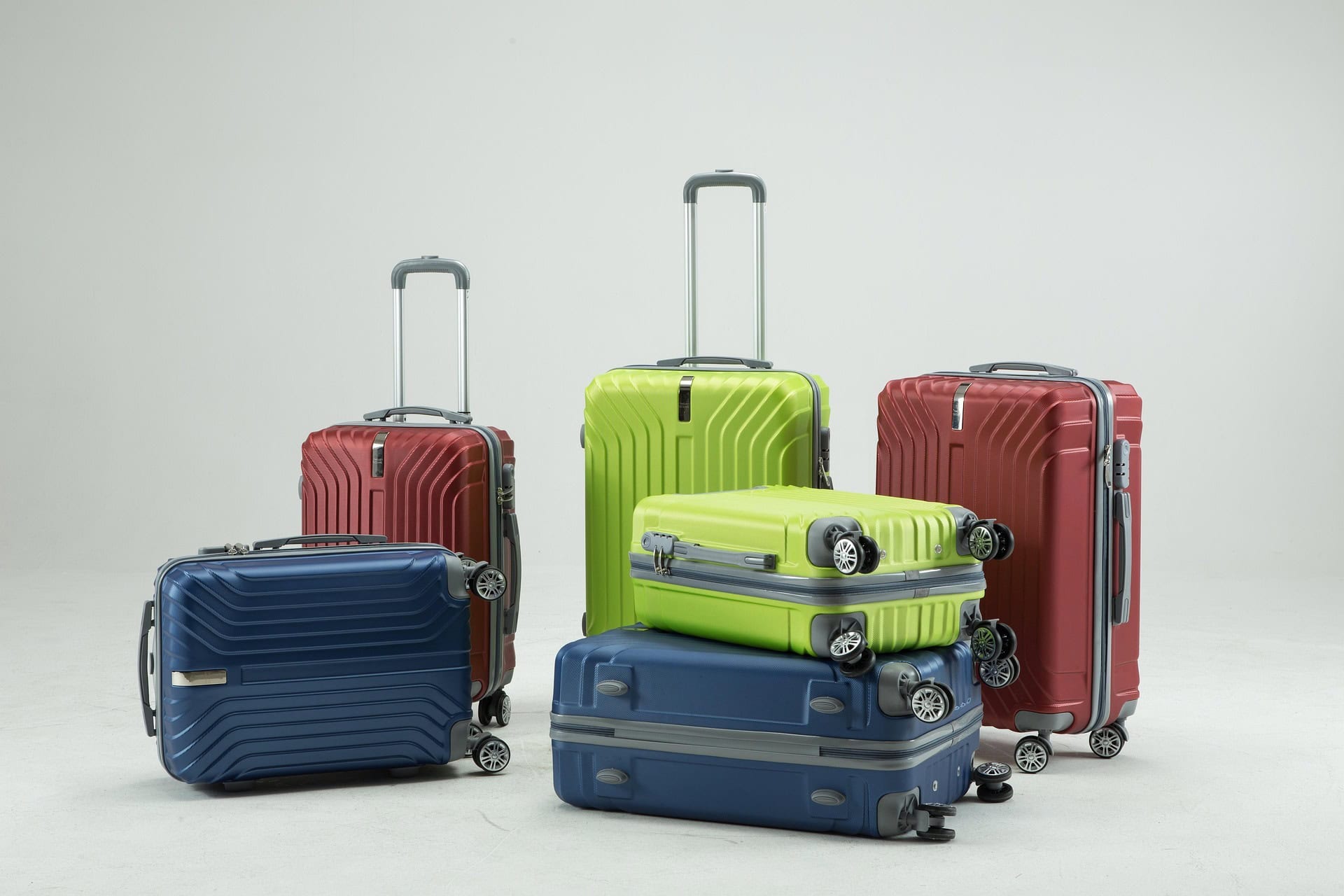
The key to packing light is choosing a cabin bag that works with you, not against you. The best hand-luggage bags are lightweight, structured, and designed with organisation in mind. Hard-shell cases protect fragile items and keep everything compressed, while soft backpacks offer flexibility, pockets, and easier storage in tight overhead lockers.
Look for bags with smart internal layouts, padded laptop sleeves, and compression straps. A good bag should weigh no more than 2–2.5kg empty, allowing you to use more of your allowance on actual belongings. Expanders are helpful but risky on airlines that weigh bags, so only use them when you’re certain of your space.
If you’re a frequent traveller, consider a cabin bag known to meet nearly all airline dimensions — often called “international carry-on size”. This makes hand-luggage travel far simpler, especially with budget carriers. Choosing the right bag is the foundation of travelling light.
Clothing Strategy: The Capsule Wardrobe
A capsule wardrobe is your secret weapon when packing light. Instead of taking several outfits, take a small collection of items that can be mixed and matched easily. Aim for neutral colours, lightweight fabrics, and layers that adapt to different temperatures. The goal is to create maximum outfit combinations from minimal clothing.
Choose clothes made from fabrics like merino wool, quick-dry synthetics, or cotton blends that resist odours and pack down small. Bring pieces that can be worn in multiple contexts — for example, a smarter shirt that also works casually, or trousers that look good with several tops. Layering is far better than bringing bulky jumpers, as it keeps you warm while saving space.
A good rule is the 4–3–2 system: four tops, three bottoms, two pairs of shoes (one worn, one packed). It’s simple, efficient, and works for city breaks, beach holidays, and even business trips. By planning outfits in advance, you avoid overpacking and ensure every piece earns its place in your bag.
Toiletries Under 100ml
For hand-luggage-only holidays, all liquids must fit into 100ml containers and sit comfortably inside your airport security liquids bag. This forces you to be strategic, but it doesn’t mean compromising on comfort. The easiest way to stay within the rules is to switch to solid toiletries where possible — solid shampoo, conditioner, soap, deodorant, and even fragrance sticks. These last longer, weigh less, and don’t count toward your liquids allowance.
When liquids are unavoidable, decant them into reusable 100ml or 50ml travel bottles. Many travellers mistakenly bring far more product than they’ll ever use on a short break. For a weekend or five-day trip, even 50ml of shampoo or moisturiser is more than enough. Focus on essentials: toothpaste, moisturiser, cleanser, sunscreen, and one multipurpose product.
Remember that some items — like razor blades — have specific rules depending on the airline or airport, so check before you pack. The more you streamline your toiletries, the more space you save for other essentials.
Electronics & Essentials
Electronics can easily become dead weight, so only take what you will genuinely use. Start with the basics: phone, charger, USB cable, and a universal travel adapter if travelling abroad. If you’re carrying a laptop or tablet, ensure its size justifies the space it takes. Many travellers find that a smartphone alone handles navigation, entertainment, reading, and communication.
A compact power bank is essential for long travel days, especially when using maps or airline apps. Choose one under 10,000mAh to stay lightweight while still keeping your devices charged. Noise-cancelling or foldable headphones can make flights more comfortable and pack down small.
Document essentials should always be stored together in an easy-access area of your bag. These include passport, boarding passes, insurance documents, booking confirmations, and a backup payment card. Keeping them in a slim pouch means you won’t be digging around at security or boarding gates.
Smart Packing Techniques
Packing light isn’t just about what you take — it’s about how you pack. Using the right techniques can dramatically reduce the space your belongings take up. Rolling clothes is a popular method because it prevents creasing and fits neatly into packing cubes. Compression cubes can reduce bulk further, though they may add a little weight.
Use every corner of your bag: tuck socks inside shoes, fill dead space with small items, and place heavier items near the wheels or back panel for better balance. Keeping toiletries and electronics in separate pouches helps you stay organised and speeds up security checks.
A useful strategy is the “80% rule”: aim to pack your bag to 80% capacity before leaving. This ensures you have space for souvenirs, shopping, or last-minute additions while travelling. Good packing technique keeps everything secure, accessible, and streamlined.
Documents, Money & Safety Items
Staying organised with your key documents makes hand-luggage travel surprisingly smooth. Keep your passport, ID, travel insurance, reservations, and emergency contacts in one dedicated travel wallet or digital folder. Having digital copies stored securely on your phone or cloud storage is a smart backup in case anything is misplaced.
When it comes to money, aim for a balanced approach: take a mix of cash and card options, including at least one backup card stored separately. Many travellers now rely heavily on mobile payments and travel-friendly banking apps, but having a physical payment method is always wise in case your phone battery dies.
Safety items should be compact and practical. Consider packing a small first-aid pouch, essential medication, and any prescriptions you need to prove at security. A lightweight padlock, RFID-resistant wallet, or anti-theft pouch can add peace of mind without adding bulk. These small items ensure smoother, safer travel without compromising your hand-luggage-only goal.
Laundry on the Go
When travelling with only hand luggage, being able to wash and refresh clothing easily becomes a huge advantage. Most modern fabrics — especially quick-dry synthetics and merino blends — can be washed in a hotel sink and be dry again within hours. Pack a couple of travel detergent sheets or a small sachet of concentrated detergent, which weigh almost nothing and avoid liquid limits.
A lightweight microfibre towel can double as a drying cloth for quick laundry or as a backup towel for beach days. Many hotels provide heated towel rails or radiators, and in warmer climates your clothes will often dry overnight without effort. If you want to pack ultra-light, plan to wash socks, underwear, and T-shirts every few days — this dramatically reduces the number of items you need to carry.
Some travellers also bring a collapsible clothesline or a few pegs, but even simple methods like hanging clothes on a hanger or placing items flat on a towel work perfectly. Laundry on the go is one of the most effective ways to stretch a capsule wardrobe and stay comfortable while travelling light.
Weather-Proofing Your Bag
Packing light doesn’t mean being unprepared for changing weather. The key is choosing packable, versatile layers that cover hot, cold, and rainy conditions without adding bulk. A compact packable waterproof jacket or windbreaker is a must for unexpected showers, and it can be stowed in an exterior pocket for quick access.
For cooler destinations, prioritise thin, insulating layers instead of big jumpers. Items like fleece mid-layers, merino base layers, or ultra-light down jackets compress extremely well and keep you warm without consuming precious luggage space. A small scarf or buff can also add warmth and adaptability while staying feather-light.
For sunny climates, bring lightweight long-sleeve layers, a hat, and sunscreen. These keep you comfortable and protected without filling your bag. Thinking in layers — rather than bulky single-use items — keeps your packing flexible for any forecast.
Packing for Different Trip Types
The secret to packing light for different holidays is tailoring your capsule to the type of trip you’re taking. For city breaks, focus on comfortable walking shoes, simple outfits, and one smart-casual piece for evenings. Everything should pair together so you’re not carrying “single-use outfits”.
For beach holidays, your heaviest items are often towels and footwear — switch to a packable microfibre towel and slim sandals. Swimwear takes up very little space, so you rarely need more than two sets. Add a lightweight cover-up and breathable clothing for hot climates.
For hiking or adventure trips, the priority is footwear and weather protection. Wear your bulkiest shoes on the flight and pack moisture-wicking layers, a small first-aid pouch, and sun protection. Business travellers should rely on crease-resistant clothing, one smart pair of shoes, and a slim laptop sleeve built into your bag.
By adjusting the core wardrobe to your trip style, you stay light without sacrificing comfort.
What NOT to Pack
Avoiding excess is just as important as selecting the right items. Begin by removing everything that feels like a “just in case” item — these are the biggest space-wasters. Unless you use an item every day at home, it likely won’t earn its place in your hand luggage.
Skip bulky items such as large headphones, full-sized toiletries, multiple pairs of shoes, and heavy books. Digital alternatives, like e-books and travel apps, save both weight and space. Similarly, avoid packing duplicate items: if one pair of jeans or shorts works for the entire trip, you don’t need a second backup pair.
Resist the temptation to pack accessories, cosmetics, or outfits you’re not confident you’ll wear. If an item doesn’t serve a clear purpose or isn’t part of your capsule wardrobe, leave it behind. Packing light is as much about discipline as it is about technique.
Example Packing Lists
A practical way to master travelling with hand luggage only is to use a simple, reliable packing list that you can adapt for each trip. These lists help you stay focused on essentials and avoid overpacking. They also act as a last-minute check to ensure nothing important is forgotten.
A typical city break list includes: four tops, three bottoms, one light jacket, two pairs of shoes (one worn), underwear for the trip length, minimal toiletries, a universal adapter, and essential documents. For a beach holiday, swap the extra trousers for swimwear, add a microfibre towel, and include sun-protection clothing and lightweight sandals.
For business travel, choose a crease-resistant shirt or blouse, smart trousers or skirt, a compact blazer, one pair of formal shoes, a laptop, and streamlined toiletries. Winter destinations call for layered clothing rather than bulky coats: merino base layers, a packable down jacket, gloves, and thermal socks.
Having example lists helps you refine your own approach and gives you a starting point for every kind of adventure.
Tech Tools & Travel Apps to Help You Pack
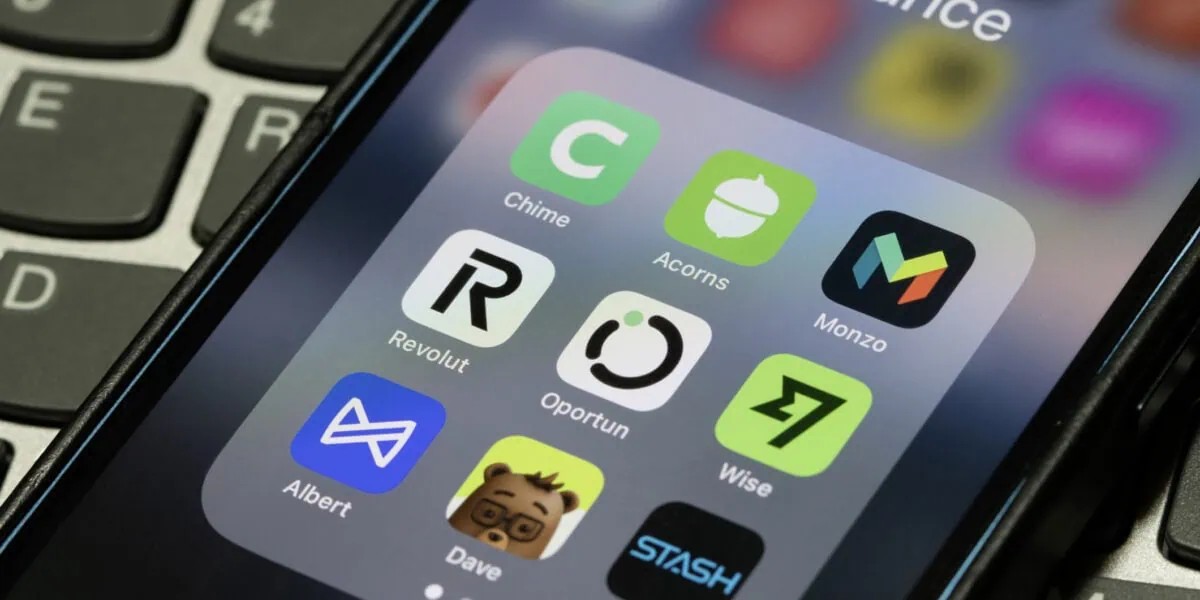
Digital tools can make packing light much easier. Packing list apps allow you to create templates for different trip types, mark completed items, and store your favourite capsule combinations. Popular choices let you categorise items and save past trips for quick reference.
Airline apps are essential for checking your hand luggage size and weight limits before you travel. They often include digital boarding passes, live flight alerts, and terminal guidance. Weather apps help you choose appropriate layers by giving you accurate forecasts for your destination, allowing you to fine-tune your capsule wardrobe.
Cloud storage apps let you keep digital copies of passports, insurance documents, and reservations, which reduces paper clutter and helps with organisation. Using these tools together keeps your packing streamlined and reduces the chance of forgetting key items.

Rupert’s Handy Travel Tips
Heading away with nothing but hand luggage? Here are a few smart tips to help you stay organised and stress-free:
- Choose **multi-purpose items** — such as clothing that works for both day and night.
- Wear your **bulkiest shoes and layers** at the airport to save precious bag space.
- Decant toiletries into **50ml bottles** instead of 100ml — you’ll use less than you think.
- Keep your essentials in an **easy-access pouch** for security checks and boarding.
- Leave space for the return journey — your bag should never start the trip completely full.
Want to meet the reindeer behind our travel tips? Find out more in our page Who is Rupert?.
Frequently Asked Questions
How strict are airlines about hand luggage size?
Airline enforcement varies, but low-cost carriers tend to be the strictest. If your bag is even slightly oversized, it may be placed in a bag sizer or weighed. To avoid issues, always follow the smallest carry-on allowance of your entire journey and choose a bag specifically designed to meet airline standards.
Can I take a full-size laptop in hand luggage?
Yes — laptops are allowed in cabin bags, and most travellers keep them in their personal item for easy access. Just remember that electronic devices must usually be removed during security screening, and a laptop adds noticeable weight, so only bring one if you genuinely need it.
How do I pack light for winter?
Winter packing is all about layering. Pack thin but warm items like merino base layers, fleece mid-layers, and an ultra-light down jacket. Wear your bulkiest items (coat, boots, jumper) during travel days. This keeps your bag compact while still keeping you warm.
Is it possible to travel for two weeks with only hand luggage?
Absolutely. Many travellers use a capsule wardrobe, do a quick laundry wash every few days, and rely on compact toiletries. Planning outfits in advance makes longer trips very manageable with carry-on only.
Can I bring medication in my hand luggage?
Yes. Essential medication should always be kept in your cabin bag. Bring prescriptions or doctor’s notes if needed for controlled items. Medication does not need to follow the 100ml liquid rule if it is medically required, but you may be asked to show documentation.
Last Updated
Last updated: 24 November 2025
Affiliate Disclosure
This page contains affiliate links. If you click through and make a purchase or booking, we may earn a small commission at no extra cost to you. This helps support our work and allows us to continue providing detailed, independent travel advice. We only recommend apps and services we personally use or have verified as high-quality.