
Why the Tower of London and Crown Jewels Are Must-See London Attractions
The Tower of London and Crown Jewels are among the most famous historic attractions in the United Kingdom and are considered essential stops on almost every London itinerary. Located beside the River Thames next to Tower Bridge, the Tower of London combines nearly one thousand years of British history, royal stories, executions, prisons, castles and treasure in one place. For many visitors, this is not just another attraction but one of the most important historic sites in the country.
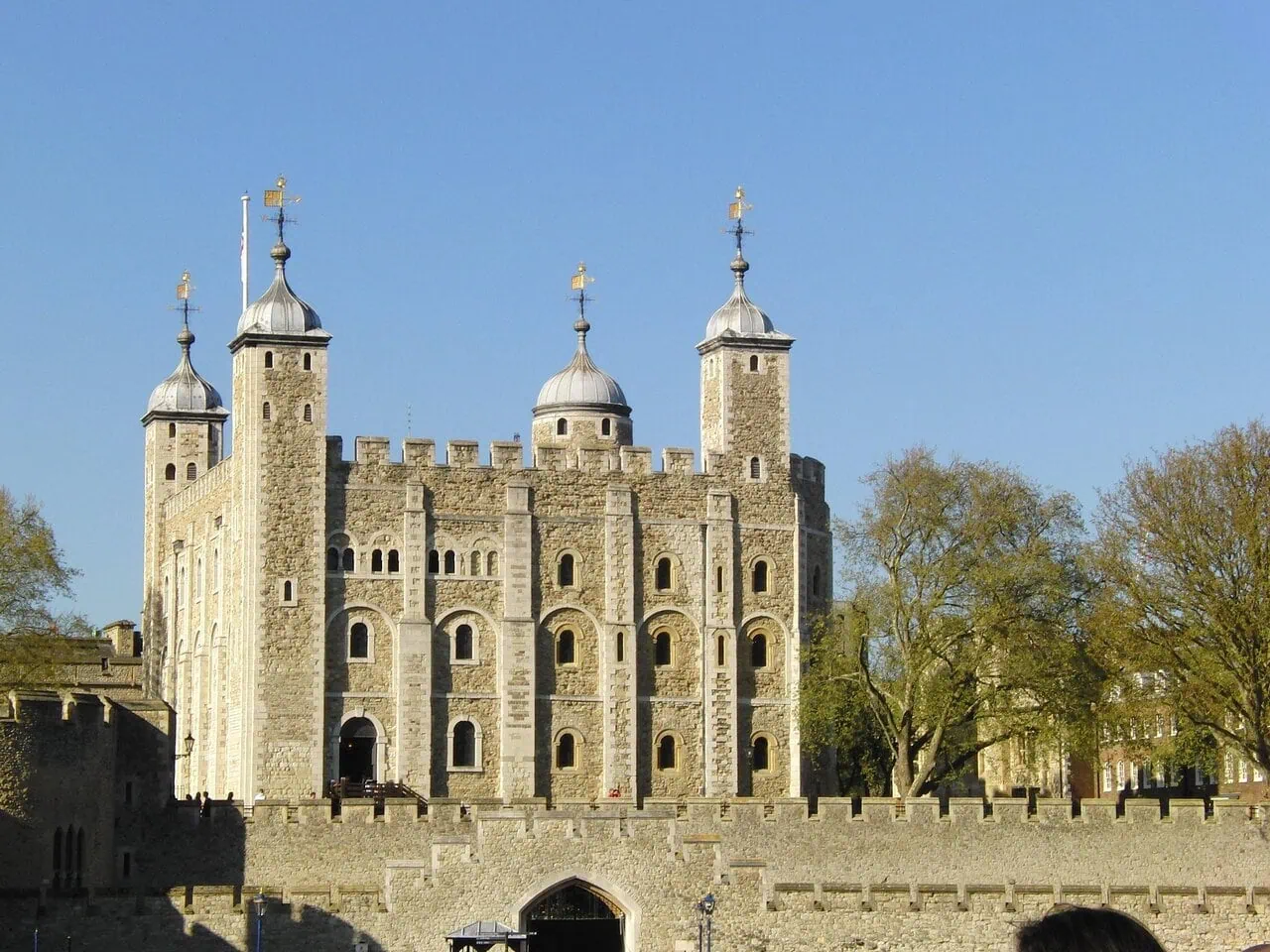
What makes the Tower of London particularly special is that it is not just a single building. It is a large historic fortress complex made up of defensive walls, towers, courtyards and historic buildings built over many centuries. Inside the complex you will find the famous White Tower, medieval walls, former prison towers, royal armour collections and the world-famous Crown Jewels. Because there is so much to see in one location, the Tower of London is one of the best places in London to understand the story of English kings, queens and power.
The Crown Jewels are one of the main reasons people visit. These include crowns, sceptres, swords and ceremonial objects still used in royal ceremonies today. Seeing the Crown Jewels in person is very different from seeing them in photographs, and for many visitors this is the highlight of their visit. Combined with the historic buildings and stories of prisoners and kings, the Tower of London and Crown Jewels together create one of the most interesting historical attractions in London.
Because of its location, history and importance, the Tower of London is often grouped together with Westminster Abbey, Buckingham Palace and St Paul’s Cathedral as one of the most important historic landmarks in London. If someone is visiting London for the first time, this is almost always on the list of places to see.
Tower of London History and What It Was Used For
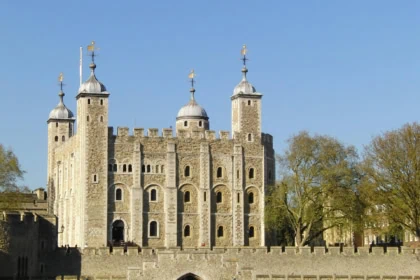
The history of the Tower of London begins in 1066 after William the Conqueror invaded England and became king. To control London and demonstrate Norman power, he ordered the construction of a large stone fortress on the edge of the city. This building became the White Tower, which still stands at the centre of the complex today and is the oldest part of the Tower of London.
Over the centuries, the Tower developed into a much larger fortress surrounded by thick defensive walls and a moat. Although many people think of the Tower mainly as a prison, it actually had many different uses throughout history. At different times it served as a royal palace, prison, armoury, treasury, mint, zoo and military fortress. Few buildings in the UK have served so many different purposes over such a long period of time.
The Tower became particularly famous as a prison for important political prisoners and royal figures. One of the most famous prisoners was Anne Boleyn, the second wife of Henry VIII, who was executed at the Tower in 1536. Other prisoners included Guy Fawkes and several nobles involved in political conflicts and rebellions. These stories of imprisonment, executions and royal intrigue are a major reason why the Tower of London is such a fascinating place to visit today.
The Tower also played an important role in the monarchy because the Crown Jewels were stored here for protection. The Tower was considered one of the safest places in the country to store royal treasures, and this tradition continues today. The Crown Jewels are still kept inside the Tower of London under heavy security and are one of the most valuable collections in the world.
The Crown Jewels: What You Will See
The Crown Jewels are one of the most important royal collections in the world and are the main highlight for many visitors to the Tower of London. The collection includes crowns, sceptres, swords, rings, orbs and ceremonial objects used during royal coronations and official ceremonies. These objects are not just historical items in a museum, but are still used by the British monarchy today.
One of the most famous pieces in the collection is the Imperial State Crown, which is worn by the monarch during the State Opening of Parliament. Another important crown is St Edward’s Crown, which is used during coronation ceremonies. Visitors can also see the Sovereign’s Sceptre, which contains one of the largest cut diamonds in the world, and the Sovereign’s Orb, which represents the monarch’s power.
The Crown Jewels are displayed inside a secure exhibition building within the Tower complex. Visitors walk through the exhibition and can see the jewels displayed behind glass under strong security. One of the most memorable parts of the exhibition is the moving walkway that passes slowly in front of the crowns, allowing visitors to see them clearly without crowds blocking the view.
Many visitors go straight to the Crown Jewels when they arrive because this is often the busiest part of the Tower of London. Visiting the Crown Jewels early in the day is often the best strategy because queues can become long later in the afternoon, especially during summer and school holidays.
Tower of London Tickets and Entry Information
When visiting the Tower of London and Crown Jewels, it is usually a good idea to buy tickets in advance rather than buying them on the day. The Tower is one of the most popular attractions in London and can become very busy, especially during weekends, school holidays and summer months. Buying tickets in advance can save time and sometimes money, and it also helps you plan your day more easily.
A standard Tower of London ticket includes entry to the entire Tower complex. This includes access to the Crown Jewels exhibition, the White Tower, the medieval walls and towers, historic buildings, exhibitions and the Yeoman Warder tours. The Yeoman Warder tours, often called Beefeater tours, are included in the ticket price and are one of the best ways to learn about the history of the Tower because the guides explain the stories of prisoners, executions and royal history in an entertaining way.
The Tower of London is also included in several London attraction passes, which can be good value if you are planning to visit multiple paid attractions in London. These passes often include entry to the Tower of London, Tower Bridge, river cruises, and other major attractions for a single combined price. If you are planning to visit several attractions during your trip, it is worth comparing passes to see whether they could save you money. You can read our London Attraction Pass Comparison Guide to see which passes include the Tower of London and whether they are worth buying.
Most visitors spend two to three hours at the Tower of London, although people who are very interested in history may stay longer. There is a lot to see inside the walls, and it is worth allowing enough time to explore the different towers and exhibitions rather than rushing through just to see the Crown Jewels.
The Tower of London is located very close to Tower Hill Underground station, which makes it very easy to reach from most parts of London. Because the Tower is also next to Tower Bridge and the River Thames, many visitors combine the Tower of London with a walk across Tower Bridge or a Thames River cruise on the same day, which makes this one of the most popular sightseeing areas in London.
Opening Times and Best Time to Visit the Tower of London
The Tower of London and Crown Jewels are open throughout most of the year, but opening hours can vary depending on the season and day of the week. In general, the Tower opens in the morning and closes in the late afternoon, with last entry usually about an hour before closing time. Because opening hours change slightly during winter and summer, it is always a good idea to check the official website before visiting.
The best time to visit the Tower of London is usually early in the morning shortly after opening. This is especially important if you want to see the Crown Jewels, because this is the busiest part of the attraction and queues can become quite long later in the day. Many experienced visitors enter the Tower and go directly to the Crown Jewels first, then explore the rest of the Tower afterwards when the crowds spread out around the site.
Weekends, school holidays and summer months are the busiest times of year, and the area around Tower Bridge and Tower Hill can become very crowded. Visiting on a weekday morning outside school holidays is usually the quietest time. Winter can also be a very good time to visit because there are fewer tourists, although the weather can be colder and wetter.
Another good time to visit is later in the afternoon when some tour groups have left, but you need to make sure you still allow enough time to see the Crown Jewels and the White Tower before closing time. The Tower is larger than many visitors expect, so it is important not to arrive too late in the day.
How Long to Spend at the Tower of London
Most visitors spend between two and three hours visiting the Tower of London and Crown Jewels, although it is possible to spend longer if you want to explore every tower, exhibition and historic building. The Tower is not just one building but a large historic fortress complex, and walking around the walls, visiting the towers and seeing the exhibitions can take more time than people expect.
A typical visit might include seeing the Crown Jewels, visiting the White Tower, walking along the medieval walls, visiting some of the prison towers, and joining a Yeoman Warder tour. The Yeoman Warder tours usually last around an hour and are one of the highlights of visiting the Tower because they explain the history and stories behind the buildings.
If you are short on time and only want to see the main highlights, you could visit the Crown Jewels and the White Tower in around one and a half to two hours. However, if you are interested in history, photography or simply exploring the site properly, it is better to allow at least half a day in this part of London so you can also walk around Tower Bridge, the River Thames and the City of London nearby.
Because the Tower of London is located in one of the most historic parts of London, many visitors combine it with nearby attractions rather than treating it as a standalone visit.
How to Get to the Tower of London
The Tower of London is very easy to reach using public transport and is located in central London on the north side of the River Thames next to Tower Bridge. The nearest Underground station is Tower Hill, which is served by the District Line and Circle Line. From Tower Hill station, the Tower of London is only a short walk away and is clearly signposted.
Another nearby station is London Bridge, which is across the river and about a fifteen to twenty minute walk across Tower Bridge. London Bridge station is a major railway station with National Rail services, the Northern Line and the Jubilee Line, so this can be a useful route if you are arriving from other parts of London or from outside the city.
The Tower can also be reached by river boat services on the Thames, and some river cruises stop at Tower Pier, which is located next to the Tower of London. Arriving by river boat is one of the most scenic ways to reach the Tower because you approach it from the Thames and get excellent views of the fortress and Tower Bridge.
Because the Tower is located in central London, it is also easy to reach by bus, taxi, or even on foot if you are exploring central London attractions. Many visitors walk between the Tower of London, Tower Bridge, the Monument, and the City of London in the same day.
Combining the Tower of London with Tower Bridge and Thames Cruises
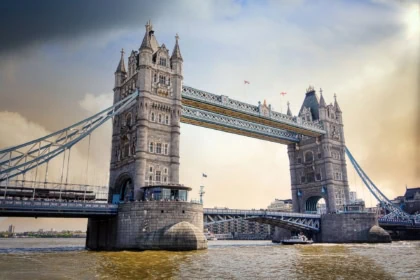
One of the best things about visiting the Tower of London and Crown Jewels is that several other major attractions are located very close by. The most obvious nearby attraction is Tower Bridge, which is only a short walk from the Tower of London and can easily be visited on the same day. Many visitors explore the Tower in the morning and then walk across Tower Bridge in the afternoon.
Another popular activity in this area is taking a Thames River cruise. River cruises often depart from Tower Pier, which is next to the Tower of London, and travel west towards central London, passing landmarks such as the London Eye, St Paul’s Cathedral, the Houses of Parliament and Westminster Bridge. A river cruise is a relaxing way to see many of London’s landmarks from the water and is often combined with a Tower of London visit.
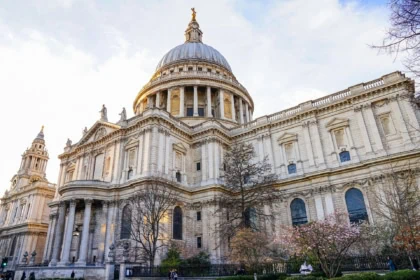
This area of London is also one of the oldest parts of the city, so after visiting the Tower and Tower Bridge, many visitors explore the City of London, including places like Leadenhall Market, the Monument, St Paul’s Cathedral and the Sky Garden. Because so many attractions are located close together, this part of London is ideal for a full day of sightseeing without needing to travel across the city.

Rupert’s Handy Travel Tips
Visiting the Tower of London and Crown Jewels? Here are a few tips to make your visit easier and more enjoyable:
- Go to the Crown Jewels first: This is the busiest part of the Tower, so visit as soon as you enter to avoid long queues later in the day.
- Join a Yeoman Warder tour: The Beefeater tours are included in your ticket and are one of the best ways to learn the history of the Tower.
- Allow at least 2–3 hours: The Tower is much bigger than most visitors expect and there is a lot to see inside the walls.
- Combine nearby attractions: Tower Bridge and Thames river cruises are only a short walk away and are easy to visit on the same day.
Want to meet the reindeer behind our travel tips? Find out more in our page Who is Rupert?.
Frequently Asked Questions About the Tower of London and Crown Jewels
Are the Crown Jewels included in the Tower of London ticket?
Yes, entry to the Crown Jewels exhibition is included in the standard Tower of London ticket. You do not need a separate ticket to see the Crown Jewels.
How long does it take to visit the Tower of London?
Most visitors spend between two and three hours visiting the Tower of London and Crown Jewels, although history enthusiasts may spend longer exploring the towers, walls and exhibitions.
What is the best time to visit the Crown Jewels?
The best time to see the Crown Jewels is early in the morning shortly after the Tower opens, as this is when queues are usually shortest.
Is the Tower of London near Tower Bridge?
Yes, the Tower of London is located right next to Tower Bridge on the north side of the River Thames, and the two attractions are often visited together.
Which Underground station is closest to the Tower of London?
Tower Hill Underground station is the closest station and is only a short walk from the Tower of London entrance.
Further Reading & Related Guides
If you are planning your trip to London, make sure to read our London Attractions Guide, which covers the main landmarks, museums and sightseeing areas across the city. This will help you plan your itinerary and group nearby attractions together so you don’t waste time travelling back and forth across London.
Because the Tower of London is located next to Tower Bridge and the River Thames, many visitors combine it with a river cruise. Our Thames River Cruises London guide explains the different cruise options and routes and how to choose the best one for your trip.
If you are planning your itinerary, our London in a Day, London in 2 Days and London in a Weekend guides will help you plan how to group attractions together and make the most of your time in the city.
Before travelling around London, it is also worth reading our Getting Around London guide and Oyster vs Contactless guide so you understand the Underground, buses and payment systems before you arrive.
Reading these guides together will help you plan your London trip more efficiently and make the most of your time in the city.
Last Updated
April 2026
Affiliate Disclosure
This page contains affiliate links. If you click through and make a purchase or booking, we may earn a small commission at no extra cost to you. This helps support our work and allows us to continue providing detailed, independent travel advice. We only recommend apps and services we personally use or have verified as high-quality.