
Why Topkapi Palace Is One of the Most Important Places to Visit in Istanbul
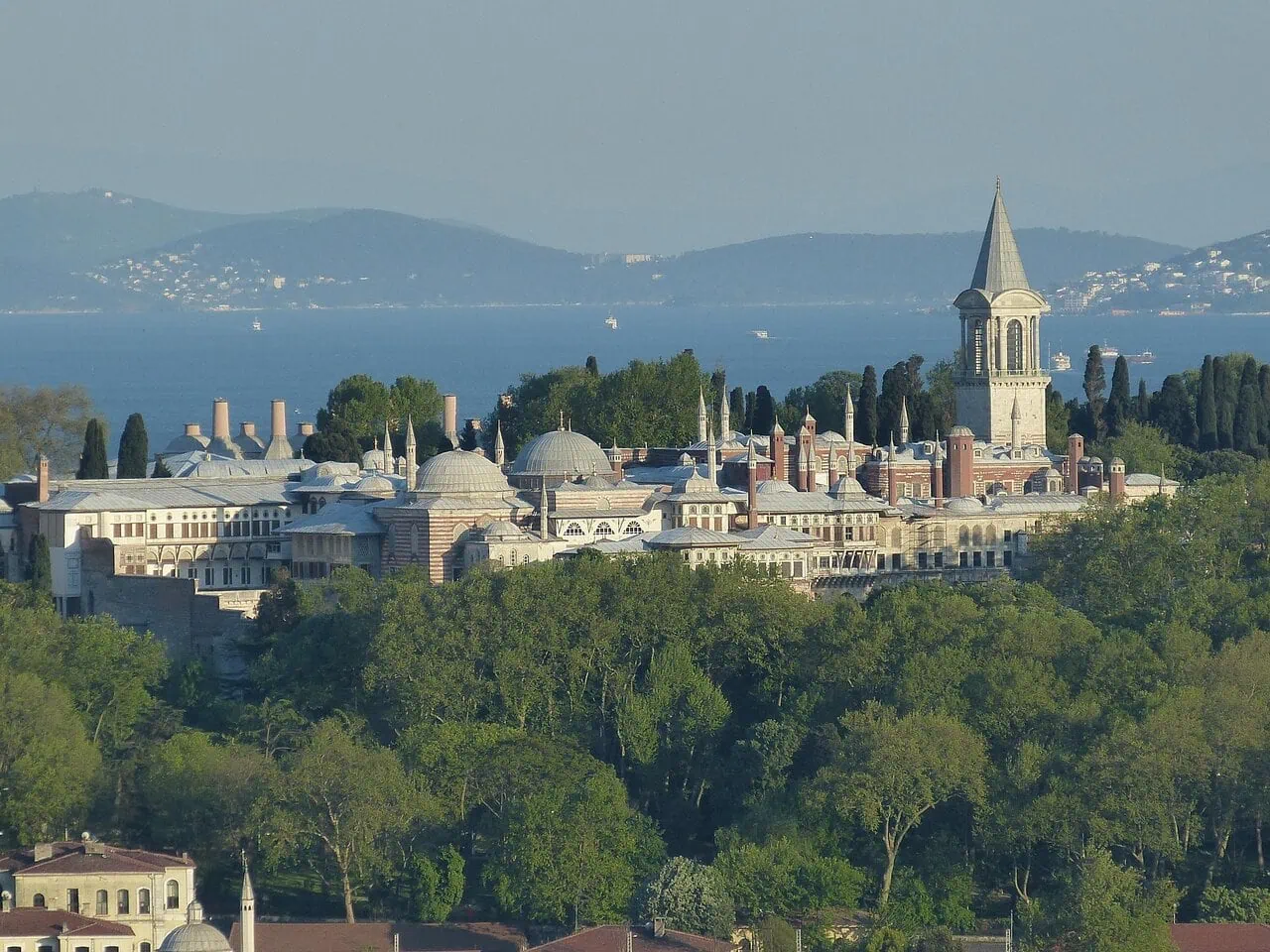
Topkapi Palace is one of the most important historical sites in Istanbul and was the main residence of the Ottoman sultans for nearly 400 years. During the height of the Ottoman Empire, this palace was not just a royal home but also the administrative and political centre of one of the most powerful empires in the world.
Located next to Hagia Sophia and overlooking the Bosphorus and Golden Horn, the palace sits in one of the most scenic and historically important parts of the city. Many visitors are surprised by how large the palace complex is, because it is not a single building but a series of courtyards, halls, gardens and pavilions spread across a large area.
Visiting Topkapi Palace helps you understand how the Ottoman Empire was governed and how the sultans lived. Inside the complex you will find treasure rooms, royal courtyards, audience chambers, kitchens, weapons collections and religious relics, making it more like a small city than a traditional palace.
One of the reasons Topkapi Palace is so interesting is that it shows both the political power and the private life of the Ottoman rulers. The famous Harem section, where the sultan’s family lived, is one of the most visited parts of the palace and gives a fascinating insight into palace life.
For most visitors, Topkapi Palace is one of the must-see attractions in Istanbul, along with Hagia Sophia and the Basilica Cistern.
The History of Topkapi Palace
Topkapi Palace was built shortly after the Ottoman conquest of Constantinople in 1453 by Sultan Mehmed II, also known as Mehmed the Conqueror. After capturing the city from the Byzantine Empire, he needed a new palace to serve as the administrative centre of the Ottoman state, and Topkapi became the heart of the empire for centuries.
Over time, different sultans expanded the palace complex, adding courtyards, kitchens, mosques, audience halls and the famous Harem section. At its peak, the palace housed thousands of people, including royal family members, servants, soldiers, administrators and advisors.
For nearly four centuries, Topkapi Palace was the centre of Ottoman political power. Important decisions about wars, trade, diplomacy and government were made here. Foreign ambassadors were received in the palace, and ceremonies and official events took place in the courtyards.
In the 19th century, the Ottoman sultans moved to Dolmabahçe Palace, which was built in a more European style along the Bosphorus. After this, Topkapi Palace became less important as a royal residence.
In 1924, after the founding of modern Turkey, Topkapi Palace was turned into a museum. Today it is one of the most visited museums in Turkey and gives visitors a chance to see Ottoman treasures, weapons, religious relics and royal rooms.
Exploring the Courtyards of Topkapi Palace
Topkapi Palace is not a single building but a large palace complex made up of courtyards, gates, gardens and pavilions. Visiting the palace involves walking through a series of courtyards, each of which had a different purpose during the Ottoman period. Moving through the courtyards is almost like moving deeper into the private world of the Ottoman sultans.
The First Courtyard is the outer courtyard and was historically open to the public. Today this is where visitors enter the palace complex. The courtyard is large and park-like, and you will pass through here before reaching the main ticketed areas of the palace. This courtyard once contained workshops, storage buildings and even a hospital.
After passing through the main gate, you enter the Second Courtyard, which was the administrative centre of the Ottoman Empire. This area was where government business took place and where officials, soldiers and administrators worked. One of the most interesting buildings here is the Imperial Council Chamber, where important political decisions were made. The sultan would sometimes listen to these meetings from a hidden window without being seen.
The Second Courtyard is also where you will find the palace kitchens, which are some of the largest historical kitchens in the world. These kitchens once prepared food for thousands of people every day, including the royal family, palace staff and soldiers. Today, some of the kitchen buildings display collections of Ottoman porcelain, silverware and kitchen equipment.
From the Second Courtyard, visitors pass through another gate into the Third Courtyard, which was the private area of the sultan. Only important officials and invited guests were allowed into this part of the palace. This courtyard includes audience chambers, libraries and some of the most important rooms in the palace complex.
Walking through these courtyards helps visitors understand how the palace was organised and how the Ottoman Empire was governed, with each courtyard becoming more private and more important as you move further into the palace.
Inside the Palace Buildings, Treasury and Harem
Beyond the courtyards, many of the palace buildings contain exhibitions and rooms that visitors can explore. One of the most famous parts of Topkapi Palace is the Imperial Treasury, which displays weapons, armour, jewellery and ceremonial objects that belonged to the Ottoman sultans.
The Treasury contains some extremely valuable items, including jewelled swords, gold objects, decorated armour and precious stones. Even visitors who are not usually interested in museums often find this section impressive because of the scale and craftsmanship of the objects.
Another very important part of the palace is the Sacred Relics section, which contains religious relics that were collected by the Ottoman sultans. This is an important area for many visitors and is usually one of the busiest parts of the palace.
The Harem is one of the most famous parts of Topkapi Palace and requires a separate ticket. The Harem was the private living area of the sultan and his family, and it includes many rooms, courtyards, corridors and private chambers. Walking through the Harem gives visitors a better understanding of palace life and the structure of the royal household.
Many visitors find the Harem particularly interesting because it shows the private side of palace life, which is very different from the official buildings and ceremonial courtyards. The rooms are decorated with tiles, colourful patterns and detailed designs, and the layout is quite complex, almost like a maze.
At the edge of the palace complex, there are also gardens and terraces overlooking the Bosphorus and the Golden Horn, and these viewpoints are some of the best places in the palace to take photos and enjoy the scenery.
Topkapi Palace Highlights and What Not to Miss
Because Topkapi Palace is very large, it is easy to miss some of the most important areas if you rush through your visit. Most visitors spend two to three hours exploring the palace, but you could easily spend longer if you visit every building and exhibition.
Some of the most important highlights include the Imperial Treasury, which displays jewels, weapons and ceremonial objects used by the sultans. This is one of the most popular parts of the palace and is often very busy.
The Harem is another major highlight and is usually considered worth the extra ticket. This area gives visitors a fascinating look into the private lives of the Ottoman royal family and is very different from the official palace courtyards.
The Imperial Council Chamber is also important because this is where government meetings took place and where important decisions about the Ottoman Empire were made.
Many visitors also enjoy the palace terraces and gardens, which offer excellent views over the Bosphorus, the Golden Horn and the Asian side of Istanbul. These viewpoints are a great place to take a break during your visit.
If you are short on time, the main areas you should try to see are:
- The Imperial Treasury
- The Harem
- The Imperial Council Chamber
- The Palace Courtyards
- The Terrace Views over the Bosphorus
These areas give you a good overview of both the political power and the private life of the Ottoman sultans, which is what makes Topkapi Palace such an interesting place to visit.
Topkapi Palace Tickets and Entry Information
Topkapi Palace requires an entrance ticket, and visitors should be aware that the palace complex is divided into multiple sections that are ticketed separately, most notably the main palace complex and the Harem. Many visitors do not realise this before arriving, so it is worth understanding the ticket structure in advance.
The main palace ticket gives access to the courtyards, exhibition halls, treasury, sacred relics rooms, kitchens and palace grounds, which already includes a large part of the complex and can easily take a few hours to explore. However, the Harem section requires an additional ticket, and many visitors consider this one of the most interesting parts of the palace because it shows the private living quarters of the sultan and his family.
Because Topkapi Palace is one of the most popular attractions in Istanbul, ticket queues can be very long, especially during summer, weekends and cruise ship days. It is quite common to see long lines forming outside the ticket office in the morning and around midday. For this reason, many visitors choose to buy skip-the-line tickets or guided tours, which allow you to enter more quickly and often include a guide explaining the history of the palace.
Another option is to visit Topkapi Palace using a tourist attraction pass, which includes entry to several major attractions in Istanbul. If you are planning to visit places such as Hagia Sophia, the Basilica Cistern and Dolmabahçe Palace as well, a pass can sometimes work out cheaper than buying individual tickets.
It is usually best to visit early in the morning when the palace opens, as this is the quietest time of day. By late morning and early afternoon the palace becomes much busier, particularly in the Treasury and Harem sections.
When planning your visit, it is worth allowing at least two to three hours to explore Topkapi Palace properly, and longer if you plan to visit the Harem and all exhibition rooms. Many visitors combine Topkapi Palace with Hagia Sophia and the Basilica Cistern, as all three attractions are located close to each other in the Sultanahmet area.
Opening Hours and Best Time to Visit Topkapi Palace
Topkapi Palace is open most days of the week, but it is usually closed one day per week, so it is important to check opening days before planning your visit. The palace normally opens in the morning and closes in the late afternoon, with last entry typically about an hour before closing time.
The best time to visit Topkapi Palace is early in the morning, ideally shortly after it opens. This is when the courtyards are quieter and you can explore the Treasury and Harem before the largest tour groups arrive. By late morning and early afternoon, the palace can become very busy, especially in peak tourist season.
Another good time to visit is later in the afternoon, when many tour groups have already left, although you need to make sure you still have enough time to see everything before closing.
Topkapi Palace is a very large complex, and most visitors spend between two and three hours exploring the palace. If you plan to visit the Harem, the Treasury and all courtyards, you may want to allow even longer.
If you are visiting multiple attractions in the Sultanahmet area, a good plan is often to visit Topkapi Palace in the morning, then visit Hagia Sophia, the Basilica Cistern or the Blue Mosque later in the day, as all of these attractions are located close to each other.
How to Get to Topkapi Palace
Topkapi Palace is located in the Sultanahmet area of Istanbul, which is where many of the city’s most famous historical attractions are located. Because of this, the palace is relatively easy to reach using public transport.
The easiest way to get to Topkapi Palace is usually by taking the T1 tram line and getting off at Sultanahmet or Gülhane stops. From either stop, it is only a short walk to the palace entrance.
Many visitors walk to Topkapi Palace as part of exploring the historic centre because the palace is located close to Hagia Sophia, the Blue Mosque, the Basilica Cistern and Gülhane Park. The entire area is very walkable and full of historical sites.
If you are staying in areas such as Taksim or Galata, you can take the metro or funicular down to the tram line and then continue by tram to Sultanahmet. Taxis are also widely available, but traffic in the old city can be slow, so public transport is often easier.
Because the palace is located on a peninsula overlooking the Bosphorus and the Golden Horn, the walk around the palace grounds also offers some excellent viewpoints and scenic areas, especially near Gülhane Park.
Tips for Visiting Topkapi Palace
Topkapi Palace is much larger than many visitors expect, so it helps to plan your visit in advance. One of the most important tips is to arrive early, as the palace becomes very busy later in the day, particularly in the Treasury and Harem sections.
It is also important to remember that the palace complex includes multiple buildings, courtyards and exhibition rooms, so you will be doing quite a lot of walking. Comfortable shoes are definitely recommended.
Many visitors find that the Harem is one of the most interesting parts of the palace, so it is usually worth buying the additional Harem ticket if you have time. The Harem gives a very different perspective on palace life compared to the official courtyards and government buildings.
You should also allow time to walk to the palace terraces and viewpoints, which overlook the Bosphorus and the Golden Horn. These areas are sometimes quieter than the main exhibition rooms and are a nice place to take a break during your visit.
If you are planning to visit several attractions in the area, it is a good idea to group Topkapi Palace with Hagia Sophia, the Basilica Cistern and the Blue Mosque, as they are all located within walking distance of each other.
Overall, the key tips are arrive early, allow enough time, visit the Harem, and don’t miss the terrace views, as these are some of the best parts of the palace.
Nearby Attractions to Topkapi Palace
One of the advantages of visiting Topkapi Palace is that it is located in the heart of Istanbul’s historic centre, close to many of the city’s most famous attractions. Most visitors combine Topkapi Palace with other nearby sites on the same day.
Just a short walk from the palace is Hagia Sophia, one of the most famous buildings in the world and a major landmark of Istanbul. Nearby you will also find the Blue Mosque, which is known for its large courtyard and blue interior tiles.
Another very popular attraction close to Topkapi Palace is the Basilica Cistern, an underground Byzantine water reservoir supported by hundreds of columns. This is one of the most unusual and atmospheric attractions in Istanbul.
You can also walk through Gülhane Park, which was once part of the palace gardens and is now a public park. It is a nice place to relax after visiting the palace.
Many visitors also walk down towards Eminönü and the Galata Bridge after visiting Topkapi Palace, where you can see ferries crossing the Bosphorus and the Golden Horn.
Because so many major attractions are located close together in this area, the Sultanahmet district is usually where visitors spend at least one full day exploring Istanbul’s historical sites.

Rupert’s Handy Travel Tips
Planning to visit Topkapi Palace? Here are a few tips to make your visit smoother and more enjoyable:
- Arrive early: Topkapi Palace is one of the busiest attractions in Istanbul, and the queues can get very long by mid-morning.
- Buy the Harem ticket: Many visitors say the Harem is the most interesting part of the palace, so it is usually worth the extra ticket.
- Allow enough time: The palace complex is very large, so plan to spend at least two to three hours exploring.
- Wear comfortable shoes: You will walk through several courtyards and buildings, and the ground can be uneven in places.
- Visit the terraces: The palace gardens and viewpoints overlooking the Bosphorus are some of the best photo spots in the complex.
Want to meet the reindeer behind our travel tips? Find out more in our page Who is Rupert?.
Frequently Asked Questions About Topkapi Palace
How long do you need at Topkapi Palace?
Most visitors spend around two to three hours at Topkapi Palace, especially if visiting the Harem and Treasury. You could easily spend longer if you explore every courtyard and exhibition.
Is the Harem included in the Topkapi Palace ticket?
No, the Harem requires a separate ticket, but many visitors consider it one of the most interesting parts of the palace.
Is Topkapi Palace worth visiting?
Yes, Topkapi Palace is one of the most important historical sites in Istanbul and gives visitors a good understanding of the Ottoman Empire and how the sultans lived.
Can you visit Topkapi Palace and Hagia Sophia on the same day?
Yes, they are located very close to each other in the Sultanahmet area, and many visitors visit Topkapi Palace, Hagia Sophia and the Basilica Cistern on the same day.
What is the best time to visit Topkapi Palace?
The best time to visit is early in the morning when the palace opens, as it becomes much busier later in the day.
Further Reading & Related Guides
If you are planning your trip, make sure to read our Istanbul Travel Guide, which covers where to stay, transport, attractions and how to plan your time in the city. This will help you organise your itinerary and group attractions together so you don’t spend too much time travelling across this very large city.
Because Topkapi Palace is located in the Sultanahmet area, many visitors combine it with nearby attractions such as Hagia Sophia, the Blue Mosque and the Basilica Cistern, which are all located within walking distance of each other. Visiting these attractions on the same day is one of the most common sightseeing plans in Istanbul.
You may also want to read our Bosphorus Cruises guide, as many visitors take a cruise after visiting the historical sites in the old city, especially from the nearby Eminönü area.
If you are planning to visit several attractions during your trip, it is also worth reading our Istanbul Tourist Pass guide, which explains which attractions are included and whether the pass is worth buying.
Reading these guides together will help you plan your Istanbul itinerary more efficiently, group nearby attractions together and make the most of your time in the city.
Last Updated
April 2026
Affiliate Disclosure
This page contains affiliate links. If you click through and make a purchase or booking, we may earn a small commission at no extra cost to you. This helps support our work and allows us to continue providing detailed, independent travel advice. We only recommend apps and services we personally use or have verified as high-quality.