
What Is a Schengen Visa?
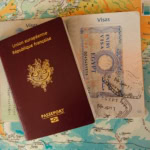
A Schengen visa is a visa that allows travellers to visit multiple European countries within the Schengen Area using a single visa. The Schengen Area operates as a single travel zone, meaning once you enter one Schengen country, you can normally travel to other Schengen countries without passing through border control again.
The Schengen visa is designed for short stays, typically for tourism, business trips, visiting friends or family, attending events, or short study visits. It is not intended for long-term work, permanent residence, or long-term study, which require different types of visas or residence permits.
One of the most important things to understand is that the Schengen Area is not the same as the European Union. Some countries such as Switzerland, Norway, Iceland and Liechtenstein are part of the Schengen Area but are not members of the European Union. For travellers, the Schengen Area is what matters for visas, border control, and the 90 days in 180 days travel rule.
A Schengen visa usually allows travel for up to 90 days within any 180-day period across all Schengen countries combined. This means you cannot spend 90 days in each country. Instead, the total time spent across the entire Schengen Area must not exceed 90 days within a rolling 180-day period.
A Schengen visa is essentially a single visa that allows travel across most of Europe for short stays, which makes travel much easier for visitors who need a visa to enter Europe.
Who Needs a Schengen Visa?
Not all travellers need a Schengen visa. Many countries have visa-free travel agreements with the Schengen Area, meaning travellers from those countries can visit for short stays without applying for a visa. However, travellers from countries that are not visa-exempt must apply for a Schengen visa before travelling.
Travellers who usually need a Schengen visa include citizens of many countries in Africa, Asia, the Middle East, and some parts of Eastern Europe and South America. Visa requirements depend on your nationality, not where you live, so travellers should always check the visa requirements based on the passport they hold.
Travellers from visa-exempt countries such as the United Kingdom, United States, Canada, Australia and New Zealand currently do not need a Schengen visa for short stays, but they will need ETIAS travel authorisation once that system is introduced. This is why many travellers are confused between ETIAS and Schengen visas, as they apply to different travellers.
Even if you do not need a visa, border officers may still ask for proof of accommodation, return flights, travel insurance and proof of funds when you arrive in the Schengen Area. Entry is never guaranteed, and travellers must still meet entry requirements at the border.
If your country is not visa-exempt, you must apply for a Schengen visa before travelling to Schengen countries.
Schengen Countries List
The Schengen Area includes multiple European countries that have removed internal border controls, allowing travellers to move between them without passport checks. The Schengen Area operates as a single travel zone for immigration purposes.
The following countries are part of the Schengen Area:
| Western Europe | Central Europe | Northern Europe | Southern Europe |
|---|---|---|---|
| France | Germany | Denmark | Italy |
| Belgium | Austria | Sweden | Spain |
| Netherlands | Hungary | Finland | Portugal |
| Luxembourg | Poland | Iceland | Greece |
| Switzerland | Czech Republic | Norway | Malta |
| Liechtenstein | Slovakia | Estonia | Slovenia |
| Lithuania | Latvia | Croatia |
Travelling between these countries usually does not involve border checks, but the 90 days in 180 days rule applies across all Schengen countries combined, not per country.
It is important to understand that time spent in any Schengen country counts towards your total Schengen stay, whether you visit one country or several countries on the same trip.
Schengen Visa Requirements
Applying for a Schengen visa requires travellers to provide several documents and meet certain requirements. The visa application process is more detailed than applying for travel authorisation such as ESTA or ETIAS.
Travellers applying for a Schengen visa will normally need a valid passport, travel insurance, proof of accommodation, return travel bookings, and proof of funds to show they can support themselves during their trip.
Travel insurance is a particularly important requirement because Schengen visa applicants must normally have travel medical insurance that covers emergency medical treatment and repatriation for the duration of their stay in the Schengen Area.
Applicants must also show the purpose of their trip, such as tourism, visiting family, business travel, or attending events. This may involve providing hotel bookings, invitation letters, event registrations, or travel itineraries.
Another important requirement is proof of funds, which shows that travellers have enough money to support themselves during their stay. The amount required varies by country, but travellers may be asked to provide bank statements, payslips, or sponsorship letters.
Providing complete and accurate documents is one of the most important parts of a successful Schengen visa application, as many visa refusals happen because documents are missing or unclear.
How To Apply For a Schengen Visa
Applying for a Schengen visa involves several steps, and travellers should start the process well in advance of their travel dates. Visa applications are normally submitted to the embassy, consulate, or official visa application centre of the country you are visiting first or spending the most time in.
The application process usually begins by completing a Schengen visa application form, booking a visa appointment, and preparing the required supporting documents. These documents typically include your passport, travel insurance, accommodation bookings, return flights, proof of funds, and documents showing the purpose of your trip.
Many travellers must attend an appointment at a visa centre, where they submit documents, provide biometric data such as fingerprints, and pay the visa fee. Some travellers may also be asked additional questions about their travel plans.
It is important to apply for the visa through the correct country. If you are visiting multiple Schengen countries, you should normally apply through the country where you will spend the most time. If you are spending equal time in multiple countries, you should apply through the country you enter first.
Visa processing times vary, but travellers should usually apply at least several weeks before travel, and during busy travel seasons it may take longer to get an appointment or receive a decision.
Applying early and preparing all documents carefully greatly improves the chances of a successful visa application.
Schengen Visa Costs and Processing Time
The cost of a Schengen visa can change over time, but there is usually a standard visa fee, although some travellers such as children may pay reduced fees or be exempt in certain cases.
In addition to the visa fee, travellers may also need to pay service fees if applying through a visa application centre, and they must also purchase travel insurance, which is required for Schengen visa applications. Travel insurance must normally cover emergency medical treatment and repatriation during the trip.
Processing time for a Schengen visa varies depending on the country, time of year, and individual application. Many visas are processed within a few weeks, but some applications may take longer if additional documents are required or if the embassy needs to review the application in more detail.
Travellers should avoid booking non-refundable flights or accommodation until their visa is approved, as visa refusal can happen and travel plans may need to change.
Applying early, submitting clear documents, and providing proof of funds and travel plans will usually help speed up the visa process and reduce the risk of delays.
Schengen 90/180 Day Rule Explained
One of the most important rules for travelling in the Schengen Area is the 90 days in 180 days rule. This rule applies to both visa-free travellers and many Schengen visa holders.
The rule means that travellers can stay in the Schengen Area for a maximum of 90 days within any 180-day period. The 180-day period is a rolling period, which means border officers look back over the previous 180 days to calculate how long you have already stayed in Schengen countries.
Many travellers misunderstand this rule and think they can stay for 90 days, leave for a short time, and then return for another 90 days immediately. This is usually not allowed, because the rule looks at the total number of days spent in the Schengen Area within the previous 180 days.
Time spent in all Schengen countries combined counts towards the same 90-day limit, not per country. For example, if you spend time in France, Spain, Italy and Germany on the same trip, all those days count towards the same total.
Overstaying the allowed time can lead to fines, entry bans, visa problems, and difficulties travelling to Europe in the future, so travellers should keep track of how many days they have spent in the Schengen Area.
Understanding the 90/180 day rule is extremely important for anyone travelling in Europe, whether travelling visa-free or with a Schengen visa.
Schengen Visa vs ETIAS – What’s the Difference?
Many travellers are confused about the difference between a Schengen visa and ETIAS, but they apply to different travellers and different situations.
A Schengen visa is required for travellers from countries that do not have visa-free access to the Schengen Area. The visa application process involves submitting documents, attending an appointment, and waiting for visa approval.
ETIAS, on the other hand, is a travel authorisation for visa-exempt travellers who currently do not need a visa to visit Europe for short stays. ETIAS is completed online and is much quicker and easier than applying for a visa.
Both Schengen visa holders and ETIAS travellers must still follow the 90 days in 180 days rule, and border officers can still ask for documents such as accommodation details, return flights, travel insurance, and proof of funds.
The main difference is simple: if your country requires a visa, you need a Schengen visa. If your country is visa-exempt, you will need ETIAS instead.
Common Schengen Visa Mistakes and Refusals
Schengen visa refusals are more common than many travellers expect, and most refusals happen because of missing documents, unclear travel plans, or insufficient proof of funds rather than serious problems.
One of the most common mistakes is not providing enough proof of accommodation or travel plans. Visa officers want to see where you will stay, how long you will stay, and how you will travel between countries if visiting more than one destination.
Another frequent issue is insufficient proof of funds. Applicants must show they can afford their trip, including accommodation, food, transport, and return travel. Bank statements are usually required, and large unexplained deposits can sometimes cause concern.
Travel insurance is another area where mistakes happen. Schengen visa applicants must normally have travel medical insurance covering emergency medical treatment and repatriation, and the policy must cover the entire Schengen Area for the duration of the trip.
Some applications are refused because the embassy is not convinced the traveller will leave the Schengen Area before the visa expires. This is why documents such as employment letters, return flights, property ownership, or ties to your home country can be important.
Most Schengen visa refusals are due to missing documents or unclear travel plans rather than serious issues, so preparing documents carefully and applying early can significantly improve your chances of approval.
Schengen Visa Frequently Asked Questions
How long can I stay in Europe with a Schengen visa?
Most Schengen visas allow stays of up to 90 days within a 180-day period, although some visas may allow shorter stays depending on the visa issued.
Can I visit multiple countries with a Schengen visa?
Yes. A Schengen visa normally allows travel to all Schengen countries, not just the country that issued the visa.
Do I need travel insurance for a Schengen visa?
Yes. Travel medical insurance is usually required for Schengen visa applications and must cover emergency medical treatment and repatriation.
How long does a Schengen visa take to process?
Processing times vary by country and time of year, but many visas are processed within a few weeks. Travellers should apply well in advance of travel.
Can I extend my Schengen visa?
Schengen visas are not usually extended except in exceptional circumstances such as emergencies or medical issues.
What happens if I overstay my Schengen visa?
Overstaying can lead to fines, entry bans, visa problems, and difficulties travelling to Europe in the future.
Do I need a Schengen visa if I already have ETIAS?
No. ETIAS is for visa-exempt travellers. Travellers who require a Schengen visa do not use ETIAS.

Rupert’s Handy Travel Tips
Applying for a Schengen visa? These tips can help avoid common problems:
- Apply early: Visa appointments can be limited and processing can take several weeks.
- Check travel insurance carefully: Insurance must cover the entire Schengen Area and include medical and repatriation cover.
- Prepare clear travel plans: Provide accommodation bookings, return flights and travel itinerary if visiting multiple countries.
- Bring supporting documents: Employment letters, bank statements and proof of ties to your home country can help visa approval.
Want to meet the reindeer behind our travel tips? Find out more in our page Who is Rupert?.
Further Reading
If you are planning travel to Europe or international travel, these guides may also be useful:
ETIAS Europe Travel Authorisation – Visa waiver system for Europe
Countries That Require Proof of Funds – Entry requirements explained
Transit Visa Guide – Airport transit visa rules
Travel Insurance Explained – Why travel insurance is important
Airport Layover Guide – Transit rules and leaving the airport
ESTA Visa Guide – Travel authorisation for visiting the United States
Last Updated
This guide was last updated in April 2026 to reflect current Schengen visa rules, application procedures, and travel requirements. Visa rules and entry requirements can change, so travellers should always check official embassy or government information before applying.
Affiliate Disclosure
Some pages on this website contain affiliate links. This means that if you book or purchase through certain links, we may earn a small commission at no extra cost to you.
These commissions help support the site and allow us to continue creating free travel advice, safety guides, and travel resources for travellers around the world.
We only recommend services, products, and travel resources that we believe are useful, reliable, and relevant for travellers.