

What Is Roamless
Roamless is a global mobile connectivity app that allows travellers to access mobile data, international calls, and SMS services without needing a traditional roaming plan or a local SIM card. Instead of buying country-specific eSIM plans that expire after a certain number of days, Roamless works using a pay-as-you-go credit system, which many travellers find far more flexible.
The biggest difference between Roamless and many other travel eSIM providers is that Roamless is not based on fixed data packages. Most eSIM apps require you to buy a plan such as 5GB for 30 days in a specific country or region. Roamless works differently. You add credit to your account, and the app simply charges for the data, calls, or messages you actually use. This means your credit does not expire after a trip, and you can keep using the same balance across multiple countries and multiple trips.
For travellers who visit several countries per year, this can be extremely convenient. Instead of buying a new eSIM every time you travel, you can simply install Roamless once and use it anywhere supported, topping up your credit when needed.
Another major feature that makes Roamless stand out is the ability to verify and use your own phone number for international calls and SMS. This means when you call hotels, restaurants, taxi drivers, or tour companies abroad, they will still see your normal number instead of a foreign or unknown number.
Overall, Roamless is designed for frequent travellers, business travellers, and people who want a flexible global connectivity solution without subscriptions, contracts, or expiring data plans.
How Roamless Works
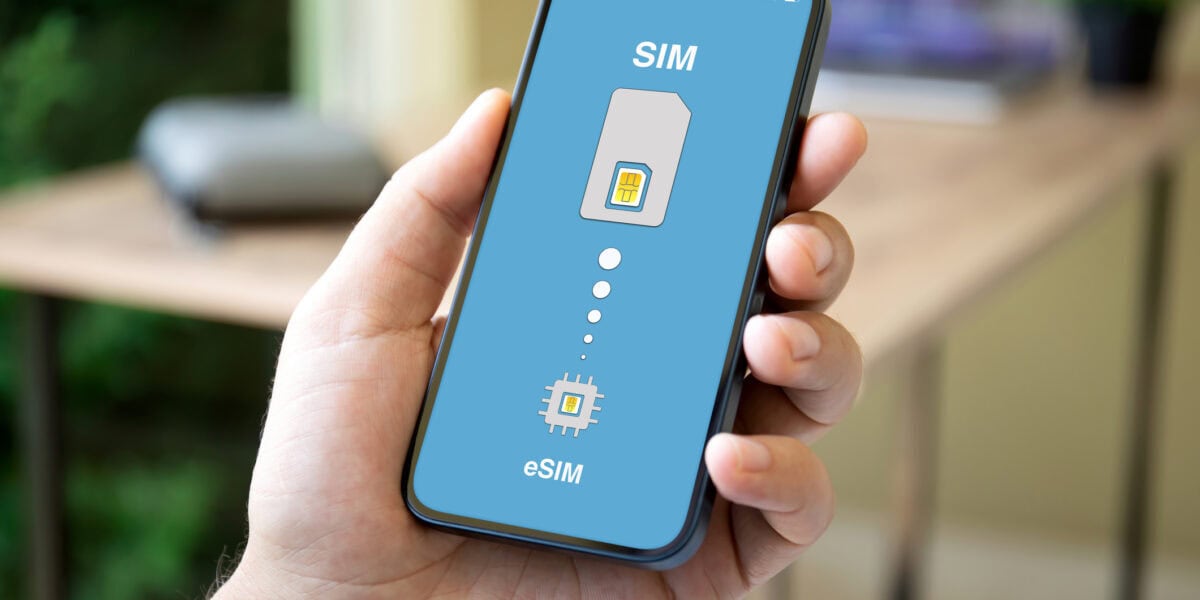
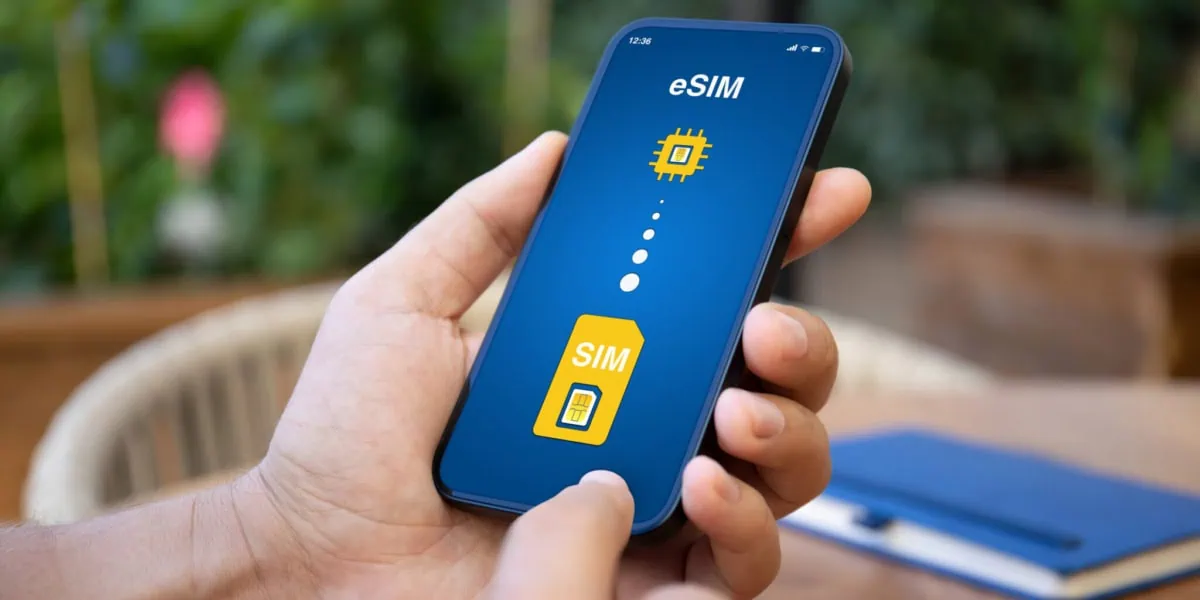
Roamless works through a combination of eSIM technology, cloud-based calling, virtual numbers, and a flexible credit system. Once you install the app and set up your account, the app installs a Roamless eSIM on your phone. This eSIM connects to partner mobile networks around the world, allowing your phone to access mobile data without needing a physical SIM card from each country you visit.
Instead of relying only on fixed data plans, Roamless allows you to add Roamless Credits to your account, and the app deducts credit based on how much data you use, how many calls you make, and how many SMS messages you send. This makes the system very similar to prepaid credit rather than a mobile contract, and it is one of the reasons many frequent travellers like Roamless.
Roamless also offers data bundles ranging from around 500MB up to 20GB, which means you are not limited to pay-as-you-go usage. Travellers who expect to use more data during a trip can purchase a bundle instead, which often works out cheaper per gigabyte than using credit alone. Many users combine both options, using a data bundle for everyday data and Roamless credit for calls, SMS, and extra data if needed.
Another feature that makes Roamless different from many travel eSIM providers is the ability to verify your own phone number or subscribe to foreign phone numbers. This means you can use your existing number for international calls and SMS, or you can get a phone number from another country, which can be useful for business, long stays, or situations where you need a local number for bookings, deliveries, or local services.
When you travel to a new country, Roamless automatically connects to a supported network in that country. You do not need to change settings, buy a new SIM, or install a new eSIM each time you travel. This is one of the main reasons many travellers prefer Roamless over traditional travel eSIM apps, especially if they visit multiple countries per year.
Roamless also supports international calling and SMS, which many data-only eSIM providers do not offer. Calls can be made using the Roamless app while showing your verified number or subscribed foreign number as the caller ID. This is particularly useful when contacting hotels, tour operators, airlines, or transport companies while travelling.
Another useful feature is Roamless-to-Roamless communication, where users of the app can call and message each other for free over data. These calls and messages are encrypted and work similarly to internet calling apps but are integrated directly into the Roamless platform.
Because everything runs through the app and eSIM, Roamless effectively becomes your global mobile network, working across multiple countries without needing to change SIM cards, change mobile plans, or buy a new eSIM every time you travel.
How to Set Up Roamless
Setting up Roamless is relatively straightforward, and most travellers can complete the process in just a few minutes. The first step is to download the Roamless app from the App Store or Google Play and create an account. Once your account is created, the app will guide you through installing the Roamless eSIM on your device.
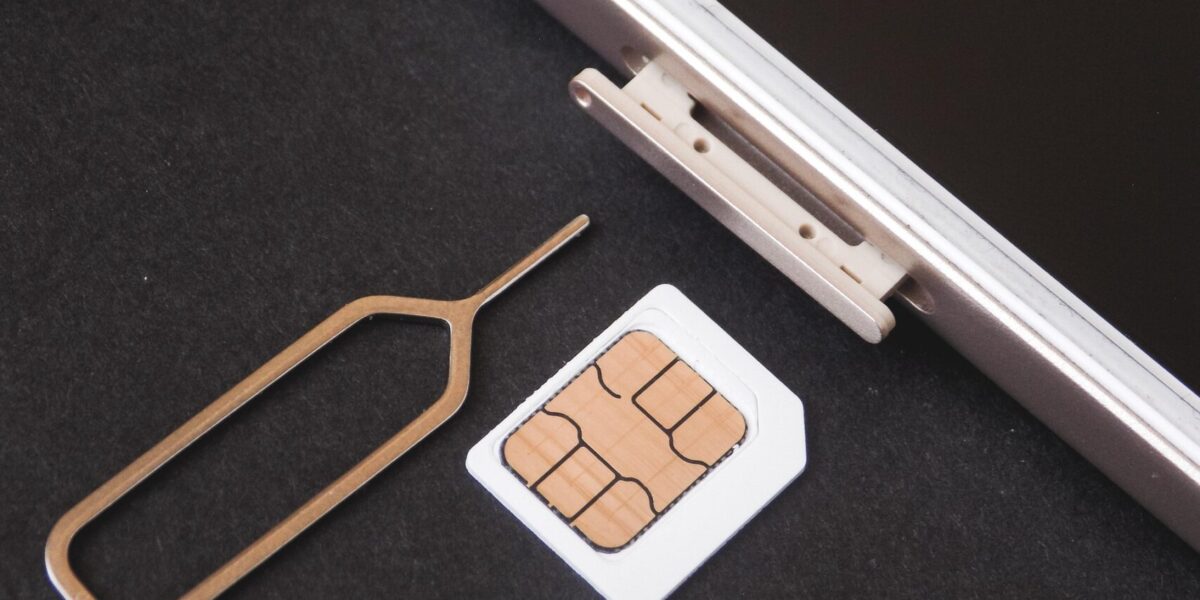
Your phone must support eSIM technology, which most modern smartphones do, including newer iPhones, Google Pixel devices, and many Samsung Galaxy phones. During installation, the app will install a digital SIM profile onto your phone, which allows your device to connect to Roamless partner networks around the world.
After installing the eSIM, the next step is to add credit to your Roamless account. This credit is used for mobile data, calls, and SMS. You can usually top up using a bank card, Apple Pay, or Google Pay, depending on your device.
Once your credit is added, you simply need to turn on the Roamless eSIM in your phone settings and allow data roaming on that eSIM. When you arrive in a supported country, your phone should automatically connect to a local network through Roamless.
Many travellers install Roamless before leaving home so that their phone connects immediately when they land, avoiding airport SIM card queues or expensive roaming charges from their home network.


Use Your Own Number with Roamless
One of the most useful features of Roamless is the ability to verify and use your own phone number while travelling. This allows you to make international calls and send SMS messages while still showing your normal phone number as the caller ID.
This feature is particularly useful when travelling because many hotels, tour companies, taxi drivers, and local businesses are more likely to answer calls from a normal phone number rather than an unfamiliar international number. It also makes it easier for people to call you back without confusion.
To use this feature, you need to verify your phone number inside the Roamless app. Once verified, you can make calls and send messages using Roamless Credits while your contacts still see your usual number.
Roamless also allows free calls and messages between Roamless users, which can be useful if you are travelling with friends or family who also use the app. These calls are encrypted and use data rather than traditional mobile networks, which can reduce costs significantly.
This combination of data connectivity, international calling, SMS messaging, and number verification makes Roamless different from many travel eSIM providers that only offer mobile data.
Roamless Coverage and Supported Countries
One of the main reasons travellers consider Roamless eSIM is its wide international coverage. Roamless works in a large number of countries across Europe, North America, Asia, the Middle East, and many parts of Africa and South America. Instead of buying a separate eSIM plan for each country you visit, Roamless connects to partner networks in each country automatically, allowing you to continue using mobile data without changing SIM cards or installing new plans.
This is particularly useful for multi-country trips such as travelling across Europe, visiting several countries in Southeast Asia, or moving between major international hubs for business travel. With many traditional travel eSIM providers, you need to buy either country-specific plans or regional plans, and these often expire after a fixed number of days. Roamless works differently because your credit stays in your account and can be used in multiple countries over time, which makes it more flexible for frequent travellers.
Connection speeds and network quality depend on the partner networks in each country, but in most major destinations Roamless connects to 4G and sometimes 5G networks, which is more than fast enough for maps, messaging, ride-hailing apps, emails, and streaming.
It is still important for travellers to check the supported country list before travelling, especially if visiting more remote destinations. Roamless works best in major travel destinations and cities, while coverage may be more limited in very remote areas.
Roamless Pricing and Credits Explained
Roamless uses a credit-based pricing system rather than fixed data packages, which is one of the biggest differences between Roamless and most other travel eSIM providers. Instead of buying a 7-day or 30-day data plan, you add credit to your Roamless account and the app deducts credit based on how much data you use, how many calls you make, and how many messages you send.
This system can be very cost-effective for travellers who do not use large amounts of data and prefer paying only for what they use. For example, if you mainly use maps, messaging apps, and occasional web browsing, your credit can last a long time. On the other hand, travellers who stream video constantly or use large amounts of hotspot data may find traditional fixed data packages better value.
Another advantage is that Roamless credit usually does not expire quickly, unlike many eSIM packages that expire after a certain number of days whether you use the data or not. This makes Roamless useful for people who travel several times per year because they can keep using the same credit balance across multiple trips.
Calls and SMS are also charged using the credit system, which allows travellers to make international calls without expensive roaming charges from their home network. This is particularly useful for calling hotels, airlines, car rental companies, or local businesses while travelling.
Overall, the Roamless pricing system is best suited to travellers who want flexibility and control over their mobile costs rather than fixed packages.
Roamless vs Other eSIM Providers
When comparing Roamless eSIM to other travel eSIM providers such as Airalo, Holafly, Nomad, or GigSky, the main difference is the pricing model and flexibility. Most travel eSIM providers sell fixed packages such as 5GB for 30 days in a specific country or region. These are simple to understand but can be wasteful if you do not use all the data before the plan expires.
Roamless, on the other hand, works more like a global prepaid mobile account, where you load credit and use it over time across multiple countries. This makes Roamless particularly useful for frequent travellers who take several trips per year rather than one long trip.
Another major difference is that Roamless supports calls and SMS with your own number, while many eSIM providers are data-only services. If you need to make phone calls while travelling, this can be a significant advantage.
However, Roamless is not always the cheapest option for heavy data users. If you are travelling for several weeks and plan to use a lot of data for streaming, hotspot usage, or remote work, a large fixed data package from another eSIM provider may be cheaper.
In simple terms, many travellers use a combination approach. They may use Roamless for ongoing global connectivity and calls, and then buy a local SIM or large data eSIM package if they are staying in one country for a long time.
Who Roamless Is Best For
Roamless is best suited to travellers who want flexible global connectivity without buying a new SIM or eSIM for every trip. Frequent travellers, business travellers, digital nomads, and people who regularly visit multiple countries per year often find Roamless very convenient because they can install it once and keep using it over time.
It is also a good option for travellers who need to make international calls while travelling, especially to hotels, airlines, tour companies, or local businesses. Many travel eSIM providers do not include calling or SMS, which means travellers have to rely on internet calling apps. Roamless provides a more traditional phone service experience while still working internationally.
Roamless can also be useful as a backup data connection. Some travellers keep their home SIM card active for calls and texts but use Roamless for data to avoid expensive roaming charges. Others install Roamless as a secondary eSIM so they always have connectivity when arriving in a new country.
However, Roamless may not be the best option for travellers who use very large amounts of mobile data every day, as fixed unlimited or large data plans from other eSIM providers may work out cheaper in those situations.
For most travellers, Roamless works best as a flexible global connectivity tool rather than a heavy data plan replacement, and this is where it fits into many travel setups.
Roamless Tips and Things to Know
When using Roamless eSIM while travelling, there are a few important things to understand so you can get the best value and avoid using more credit than expected. Roamless is designed to be flexible, but like any travel connectivity service, how you use it will affect how much you spend.
One of the most important things to remember is that Roamless offers both pay-as-you-go credit and data bundles, and choosing the right option can make a big difference to cost. If you only use maps, messaging apps, emails, and occasional browsing, the credit system can work very well because you only pay for what you use. However, if you plan to stream video, upload lots of photos, or use your phone as a hotspot, buying a data bundle is usually cheaper than using credit alone.
It is also a good idea to install Roamless and set everything up before you leave home. This means your phone will connect as soon as you land in a new country, which is extremely useful for ordering a taxi, checking directions, contacting your accommodation, or accessing booking confirmations.
Another useful tip is to keep Roamless installed even when you are not travelling. Many travellers use Roamless as a backup data connection, especially if their main SIM stops working or roaming charges are expensive in certain countries. Having a global eSIM already installed can be very useful in travel emergencies.
You should also be aware that background apps can use mobile data without you realising. Turning off background data for large apps such as cloud storage, video apps, or automatic updates can help make your Roamless credit or data bundle last much longer.
Overall, the best way to think about Roamless is not as a single-trip SIM card, but as a long-term global mobile service that you can keep on your phone and use whenever you travel.

Rupert’s Handy Travel Tips
Planning to use Roamless on your trip? Here are a few tips to help you stay connected and avoid expensive roaming charges:
- Install Roamless before you travel: Set up the eSIM at home so your phone connects as soon as you land.
- Use data bundles for heavy usage: Bundles are usually cheaper than pay-as-you-go credit for large data usage.
- Verify your number early: This allows you to make calls and send SMS using your normal phone number.
- Keep Roamless as a backup connection: It is useful if your main SIM stops working or roaming is expensive.
- Turn off background data: App updates and cloud backups can use data without you realising.
Want to meet the reindeer behind our travel tips? Find out more in our page Who is Rupert?.
Frequently Asked Questions
Is Roamless better than other travel eSIM apps?
Roamless is different rather than simply better or worse. Roamless offers pay-as-you-go credit, data bundles, international calls, SMS, and the ability to use or subscribe to phone numbers, while many travel eSIM providers only offer data packages. Roamless is often better for frequent travellers and multi-country trips, while fixed data eSIM plans may be cheaper for heavy data use in one country.
Does Roamless work worldwide?
Roamless works in many countries across Europe, North America, Asia, the Middle East, and other major travel destinations. Coverage depends on partner networks, so it is always worth checking supported countries before travelling.
Can I make phone calls with Roamless?
Yes. Roamless allows you to make international calls and send SMS messages, and you can use your verified phone number or a subscribed foreign number as your caller ID.
Is Roamless cheaper than roaming with my home network?
In most cases, yes. International roaming from home networks is often very expensive, especially outside Europe. Roamless usually works out much cheaper for mobile data, calls, and SMS while travelling.
Do I need an eSIM phone to use Roamless?
Yes. Your phone must support eSIM technology to install and use Roamless.
Further Reading & Related Guides
If you are considering using Roamless for your trip, it is worth comparing it with other travel connectivity options to make sure you choose the best solution for your travel style and destination. Our eSIM Apps Guide compares the main travel eSIM providers and explains which apps are best for short trips, long trips, and multi-country travel.
You may also want to read our individual guides to other eSIM providers, including Airalo, Holafly, Nomad, Yesim and GigSky, which all offer different pricing models, data plans, and coverage options. Comparing these providers can help you decide whether a credit-based system like Roamless or a fixed data plan eSIM is better for your trip.
Another important guide to read is our eSIM vs Local SIM Card Guide, which explains the advantages and disadvantages of travel eSIMs compared to buying a local SIM card at your destination. In some countries, local SIM cards are still cheaper for long stays, while eSIMs are often more convenient for short trips and multi-country travel.
Reading these guides together will help you choose the best mobile data option for your trip, avoid expensive roaming charges, and stay connected more easily while travelling.
Last Updated
April 2026
Affiliate Disclosure
This page contains affiliate links. If you click through and make a purchase or booking, we may earn a small commission at no extra cost to you. This helps support our work and allows us to continue providing detailed, independent travel advice. We only recommend apps and services we personally use or have verified as high-quality.