
How to Plan a Trip to London
Planning a trip to London can feel overwhelming at first because there are so many famous landmarks, museums, viewpoints, parks, and historic areas spread across the city. The key to building a good itinerary is not trying to see everything, but grouping attractions by area and planning each day logically so you spend more time sightseeing and less time travelling across the city.
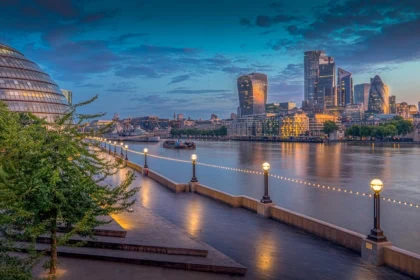
A good London itinerary guide should always start with geography. Many of the major attractions sit along the River Thames, particularly between Westminster, the London Eye, St Paul’s Cathedral, the Tower of London, and Tower Bridge. This means you can often visit several of London’s most famous landmarks in a single day simply by following the river on foot or by boat.
Another important thing to understand when planning your itinerary is that London is much bigger than most visitors expect. Even though the Tube map makes everything look close together, travelling between areas like Kensington, Greenwich, Camden, and the City of London can take longer than expected. This is why most good London itineraries are organised by area rather than by attraction type.
The best way to plan your trip is to decide how many days you have, then assign different areas of London to each day. For example, Westminster and the South Bank work well together, St Paul’s Cathedral and the Tower of London work well together, and Kensington and the museums work well together. Planning your days like this makes your trip far more relaxed and efficient.
How Many Days Do You Need in London
One of the most common questions visitors ask is how many days they need in London, and the answer depends on how much you want to see and how fast you want to travel between attractions. London is not a city you can fully explore in a couple of days, but you can see many of the major landmarks in one, two, or three days if you plan carefully.
If you only have one day in London, you should focus on the main central attractions such as Big Ben, Westminster Abbey, Buckingham Palace, the London Eye, and a walk along the River Thames towards Tower Bridge. This gives you a good overview of the city and allows you to see several iconic landmarks in a short time.
With two days in London, you can explore more of the historic areas and add attractions like the Tower of London, St Paul’s Cathedral, and perhaps a museum or viewpoint such as Sky Garden or The Shard. Two days allows a much more relaxed pace and gives time to explore different neighbourhoods rather than just the main landmarks.
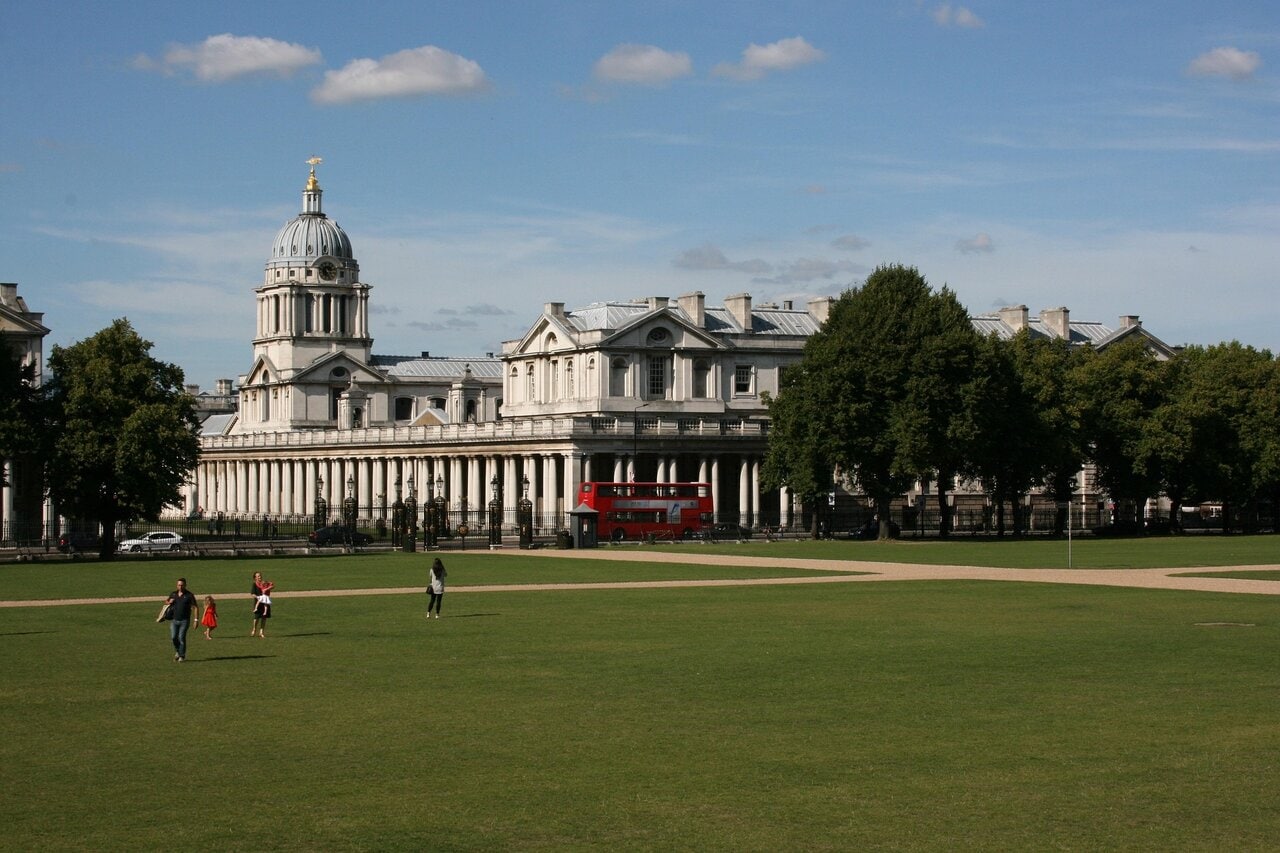
With three days in London, you can include areas slightly further from the centre such as Kensington, Greenwich, Camden, or Kew Gardens, as well as visit museums, markets, and parks. Three days is often considered the ideal length for a first visit because you can see the main attractions without rushing too much.
If you have four or five days, London becomes a much more relaxed city to explore, and you can include day trips such as Windsor Castle, Oxford, or Stonehenge, as well as spend more time exploring neighbourhoods rather than just major attractions.
London in 1 Day Itinerary Overview
If you only have one day in London, the most important thing is to focus on the central attractions and avoid travelling long distances across the city. The best one-day itinerary usually focuses on Westminster, the South Bank, and the area around Tower Bridge, as these areas contain many of London’s most famous landmarks within walking distance of each other.
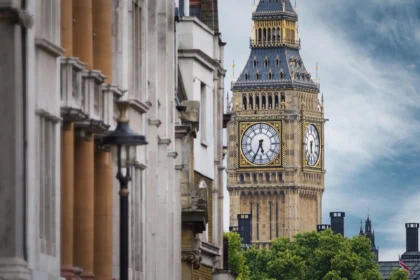
Most one-day itineraries begin in Westminster, where you can see Big Ben, the Houses of Parliament, and Westminster Abbey. From there, many visitors walk through St James’s Park towards Buckingham Palace, which is one of the most famous royal buildings in the world.
After visiting Westminster and Buckingham Palace, the itinerary usually continues across Westminster Bridge to the London Eye and the South Bank, which is one of the most scenic walking routes in London. Walking along the river from the London Eye towards Tower Bridge takes you past Shakespeare’s Globe, Tate Modern, and several riverside viewpoints and markets.
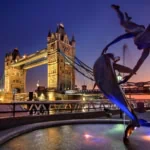
Many visitors finish their one-day itinerary at the Tower of London and Tower Bridge, which are among the most impressive historic landmarks in London. If time allows, this is also a great area to take an evening river cruise or a Thames boat journey, which provides some of the best views of London at sunset.
A one-day itinerary in London is busy, but it is possible to see many of the city’s most famous landmarks in a single day if you follow a logical route along the river.
London in 2 Days Itinerary Overview
With two days in London, you can slow the pace slightly and explore more areas rather than trying to see everything in one long day. Most two-day itineraries split London into Westminster and the South Bank on one day, and the City of London and Tower Bridge area on the second day.
The first day usually focuses on Big Ben, Westminster Abbey, Buckingham Palace, the London Eye, and a walk along the South Bank. This route includes many of London’s most recognisable landmarks and is a great introduction to the city.
The second day often focuses on historic London, including St Paul’s Cathedral, the Tower of London, and Tower Bridge. This area has a very different atmosphere from Westminster and shows the older, historic side of the city rather than the political and royal side.
With two days, you also have time to visit a museum, a market such as Borough Market or Covent Garden, or a viewpoint such as Sky Garden or The Shard. Two days in London allows you to see the main attractions without rushing too much and gives time to enjoy the city rather than just moving between landmarks.
Two days is often the most common length of stay for visitors, and with a well-planned itinerary, you can see most of London’s major attractions while still having time to enjoy the city’s atmosphere, parks, and riverside walks.
London in 3 Days Itinerary Overview
If you have three days in London, you can explore the city at a much more comfortable pace and include areas beyond the main central landmarks. Three days is often considered the ideal length for a first visit because you can see the major attractions, visit museums, explore different neighbourhoods, and still have time to relax and enjoy the city rather than rushing between landmarks.
Most three-day itineraries start with Westminster and Buckingham Palace, including Big Ben, the Houses of Parliament, Westminster Abbey, and a walk through St James’s Park to Buckingham Palace. From there, many visitors cross the river to the London Eye and walk along the South Bank, one of the best sightseeing routes in London.
Another day is usually spent exploring the historic eastern side of central London, including St Paul’s Cathedral, the Tower of London, and Tower Bridge. This area shows a different side of London compared to Westminster and is one of the most historically important parts of the city. Walking across Tower Bridge and along the riverside paths provides some of the best views in London.
With three days, you can also include Kensington and the museums, such as the Natural History Museum, the Science Museum, and the Victoria and Albert Museum, as well as Hyde Park and Kensington Palace. Alternatively, many visitors use the third day to visit Greenwich, Camden Market, Kew Gardens, or take a day trip to Windsor Castle.
A three-day itinerary allows you to see the main landmarks, explore different parts of London, visit museums, and still have time to enjoy the city without feeling rushed, which is why many travellers consider three days the perfect length for a first visit.
London Weekend Itinerary
A weekend in London is similar to a two-day itinerary, but it is often slightly busier because many attractions and shopping areas are more crowded on Saturdays and Sundays. However, London is a great weekend destination, and a well-planned London weekend itinerary can include many of the city’s most famous landmarks and neighbourhoods.
Most weekend trips start around Westminster, where you can see Big Ben, the Houses of Parliament, Westminster Abbey, and Buckingham Palace. This area is close to Trafalgar Square, Covent Garden, and the South Bank, making it a good starting point for a weekend itinerary.
Many weekend visitors also spend time around Covent Garden, Leicester Square, Soho, and Piccadilly Circus, which are some of the busiest and most lively parts of central London. These areas are known for theatres, restaurants, shops, and street performers, and they are particularly busy in the evenings.
A second day in a weekend itinerary often includes St Paul’s Cathedral, the Tower of London, and Tower Bridge, as well as a walk along the Thames or a river boat journey. Markets such as Borough Market, Camden Market, or Portobello Road Market are also popular weekend destinations.
A London weekend itinerary is usually quite busy, but if you group attractions by area and plan your routes carefully, you can see many of London’s most famous landmarks and neighbourhoods in just two days.
Planning Your London Itinerary
Planning a London itinerary properly is one of the most important things you can do before your trip. London is a huge city, and travelling between areas can take longer than expected, so a well-planned itinerary can save hours of travel time and make your trip far more enjoyable.
The most important rule when planning a London itinerary is to group attractions by area rather than by attraction type. For example, it makes sense to visit Westminster Abbey, Big Ben, Buckingham Palace, and the London Eye on the same day because they are all close together. It also makes sense to visit St Paul’s Cathedral, the Tower of London, and Tower Bridge on the same day because they are in the same part of the city.
Another important part of planning is deciding which attractions need tickets in advance. Attractions like the London Eye, the Tower of London, Westminster Abbey, and the Warner Bros Studio Tour can sell out, especially in summer and school holidays. Booking these attractions in advance helps avoid long queues and makes it easier to plan your days around timed entry slots.
Transport planning is also important. Many visitors rely entirely on the Underground, but in central London, walking, buses, and river boats are often just as useful and sometimes more enjoyable. The Uber Boat river service is particularly useful for travelling between Westminster, the London Eye, and Tower Bridge while also seeing the city from the river.
A good itinerary balances major attractions, walking routes, parks, museums, and food areas, rather than trying to visit paid attractions all day. London is a city that is best enjoyed by exploring neighbourhoods as well as visiting famous landmarks.
Getting Around During Your Itinerary
Getting around London during your itinerary is usually straightforward because the city has one of the best public transport systems in the world. However, choosing the right transport for each journey can make a big difference to how much you see and how tired you feel at the end of the day.
The London Underground is the fastest way to travel longer distances across the city, especially between areas like Kensington, Camden, Greenwich, and the City of London. However, Underground stations can be deep underground and involve long escalators and corridors, so it is not always the fastest option for short journeys in central London.
London buses are very useful for sightseeing because you can see the city while travelling. Sitting on the upper deck of a bus can feel like a sightseeing tour, and buses are particularly useful for travelling between areas like Westminster, Trafalgar Square, Covent Garden, and St Paul’s Cathedral.
One of the most enjoyable ways to travel between attractions is the Uber Boat by Thames Clippers, which runs along the River Thames and stops near attractions such as Westminster, the London Eye, Tower Bridge, and Greenwich. Travelling by river is slower than the Underground but much more scenic and is a great way to rest while still sightseeing.
Many visitors are surprised to discover that walking between attractions in central London is often the best way to explore, especially along the River Thames or between areas like Westminster, Covent Garden, Soho, and the City of London. Walking allows you to see far more of London than travelling underground.
London Itinerary Tips
There are a few simple things that can make a huge difference when planning your London itinerary, and most of them are related to travel time, ticket booking, and how you structure each day. London is a large city, and one of the biggest mistakes visitors make is trying to see too many attractions that are far apart on the same day, which leads to spending more time on trains than actually sightseeing.
One of the best tips when planning your itinerary is to start each day in a different area of London and explore that area properly rather than travelling back and forth across the city. For example, spend one day around Westminster and the South Bank, another day around St Paul’s Cathedral and the Tower of London, and another day around Kensington and the museums. This approach makes your trip far more relaxed and efficient.
Another important tip is to book major attractions in advance, especially the London Eye, the Tower of London, Westminster Abbey, and the Warner Bros Studio Tour. Many attractions use timed entry tickets, and planning your itinerary around these time slots makes your days much easier to organise.
It is also a good idea to mix indoor and outdoor attractions throughout your itinerary. London weather can change quickly, so having museums, churches, and indoor attractions planned alongside parks, viewpoints, and walking routes helps keep your plans flexible.
Finally, remember that London is a city best explored at a steady pace, not by rushing from attraction to attraction. Some of the best experiences in London come from walking along the Thames, exploring markets like Borough Market or Camden Market, relaxing in parks such as Hyde Park or Greenwich Park, and discovering streets and neighbourhoods between major landmarks.
A well-planned itinerary should include major attractions, walking routes, parks, museums, food areas, and time to relax, rather than trying to fill every hour of the day with ticketed attractions.

Rupert’s Handy Travel Tips
Planning your London itinerary? These tips will help you organise your days and avoid wasting time travelling across the city:
- Plan by area, not by attraction: Group Westminster, the South Bank, and Tower Bridge areas on separate days.
- Book major attractions early: The London Eye, Tower of London and Westminster Abbey can sell out.
- Use the river boats: The Uber Boat is a scenic way to travel between Westminster, London Eye and Tower Bridge.
- Walk central London: Many attractions are closer together than they look on the Tube map.
- Mix busy days with relaxed areas: Combine major landmarks with parks, markets and museums.
Want to meet the reindeer behind our travel tips? Find out more in our page Who is Rupert?.
Frequently Asked Questions
How many days do you need in London?
Most visitors find that two to three days is a good amount of time for a first visit to London. In two or three days, you can see major landmarks such as Big Ben, Westminster Abbey, the Tower of London, Tower Bridge, and the London Eye, while also exploring parks, museums, and different areas of the city.
Can you see London in one day?
Yes, it is possible to see many of London’s main landmarks in one day if you follow a logical route around Westminster, the South Bank, and Tower Bridge. However, one day will be busy, and most visitors prefer two or three days to explore London at a more relaxed pace.
What is the best way to plan a London itinerary?
The best way to plan a London itinerary is to group attractions by area rather than travelling across the city multiple times in one day. For example, visit Westminster and the South Bank together, then visit St Paul’s Cathedral and the Tower of London on another day.
Is it better to use the Tube or buses in London?
The London Underground is usually faster for long distances, but buses are very useful in central London because you can see the city while travelling. Many visitors also use the Uber Boat river service to travel between Westminster and Tower Bridge.
Should I buy a London attraction pass?
A London attraction pass can be worth it if you plan to visit several paid attractions in a short period of time, such as the Tower of London, Westminster Abbey, and a bus tour. However, if you plan to visit mostly free museums and parks, buying individual tickets may be cheaper.
Further Reading & Related London Guides
If you are planning your trip, make sure to read our London Attractions Guide, which covers the main landmarks, sightseeing areas, ticket advice, and how to organise your time in the city. This will help you build your itinerary properly and group attractions together so you don’t waste time travelling back and forth across London.
Because many of London’s most famous attractions are located along the River Thames, many visitors combine places such as the London Eye, Westminster Abbey, the Tower of London, and Tower Bridge with a Thames river boat journey, which is one of the most scenic ways to travel between attractions.
You may also want to read our Getting Around London guide and Oyster vs Contactless London guide so you understand the cheapest and easiest way to use London’s public transport system during your trip.
If you are trying to decide which attractions to visit and whether attraction passes are worth it, our London Attraction Pass Comparison and Free Things to Do in London guides will help you plan your sightseeing budget and choose the best attractions for your itinerary.
Reading these guides together will help you plan your London itinerary more efficiently, group nearby attractions together and make the most of your time in the city.
Last Updated
April 2026
Affiliate Disclosure
This page contains affiliate links. If you click through and make a purchase or booking, we may earn a small commission at no extra cost to you. This helps support our work and allows us to continue providing detailed travel guides and itinerary planning advice. We only recommend attractions, apps and services that we have researched and believe are genuinely useful for travellers.