
What Is the Japan Rail Pass and Is It Worth It?
The Japan Rail Pass is a special train pass available to foreign visitors that allows unlimited travel on most JR (Japan Railways) trains, including many Shinkansen bullet trains, for a fixed number of consecutive days. It is designed for tourists who plan to travel between multiple cities and can be one of the most convenient ways to explore the country.
Japan has one of the best rail networks in the world, and long-distance trains are fast, comfortable, and extremely reliable. However, individual train tickets can be expensive, especially for Shinkansen journeys between major cities like Tokyo, Kyoto, Osaka, and Hiroshima. This is where the rail pass can save money if used correctly.
Whether the pass is worth buying depends entirely on how far you plan to travel. If you are travelling between several cities using bullet trains, the pass can often pay for itself very quickly. On the other hand, if you are staying mostly in one city and only making short trips, buying individual tickets or using a prepaid travel card may be cheaper.
In simple terms, the pass is usually good value if your trip includes routes such as Tokyo to Kyoto, Kyoto to Osaka, Osaka to Hiroshima, or longer cross-country journeys. It is usually not good value if you are only travelling locally in Tokyo, Kyoto, or Osaka.
The key to deciding whether to buy the pass is planning your itinerary first, then comparing individual ticket prices with the cost of the pass. Travellers who do this properly often save a significant amount of money and also enjoy the convenience of unlimited train travel without buying individual tickets each time.
Japan Rail Pass Prices
The Japan Rail Pass is available for 7, 14, or 21 consecutive days, and you can choose between Standard Class and Green Car (First Class). Standard Class is already very comfortable, and most travellers choose this option, while Green Car offers larger seats, quieter carriages, and more luggage space.
Below are typical approximate prices for the pass.
| Pass Duration | Standard (GBP) | Standard (USD) | Standard (EUR) | Green Car (GBP) | Green Car (USD) | Green Car (EUR) |
|---|---|---|---|---|---|---|
| 7 Days | £249 | $315 | €290 | £345 | $435 | €400 |
| 14 Days | £389 | $495 | €455 | £543 | $690 | €635 |
| 21 Days | £497 | $635 | €585 | £691 | $880 | €810 |
Prices are approximate and vary depending on exchange rates and where the pass is purchased.
It is important to understand that the pass is not automatically cheaper than buying individual tickets. The value comes from using long-distance Shinkansen routes, not local trains. For example, a return bullet train trip between Tokyo and Kyoto alone can cost a large amount, which means a 7-day pass can sometimes pay for itself with just a few long journeys.
Because of this, the pass is most useful for travellers planning a multi-city itinerary across Japan rather than those staying in one place.
How the Japan Rail Pass Works
The process for using the rail pass is slightly different from buying a normal train ticket, and this sometimes confuses travellers, but it is actually quite simple once you understand the steps.
First, you normally buy the pass online before travelling to Japan. After purchasing, you receive either a digital confirmation or an exchange voucher. When you arrive in Japan, you take this voucher to a JR Exchange Office, usually located in major airports or large train stations.
At the exchange office, you choose the start date for your pass. This is very important because the pass runs for consecutive calendar days, not individual travel days. For example, if you activate a 7-day pass on a Monday, it will expire on Sunday at midnight, even if you do not travel every day.
Once activated, you receive the actual rail pass, which you show at manned ticket gates instead of inserting a ticket into the automatic gates. You simply show the pass to staff and walk through.
The pass also allows you to reserve seats on many trains for free, which is very useful on busy Shinkansen routes. Seat reservations can be made at ticket offices or reservation machines at stations.
Overall, the system is very efficient, and many travellers find the pass extremely convenient because it removes the need to buy separate tickets for each journey.
What Trains Are Included in the Japan Rail Pass
The pass covers most trains operated by Japan Railways (JR), which includes a large portion of the national rail network. This includes many long-distance trains, regional trains, and some city transport lines.
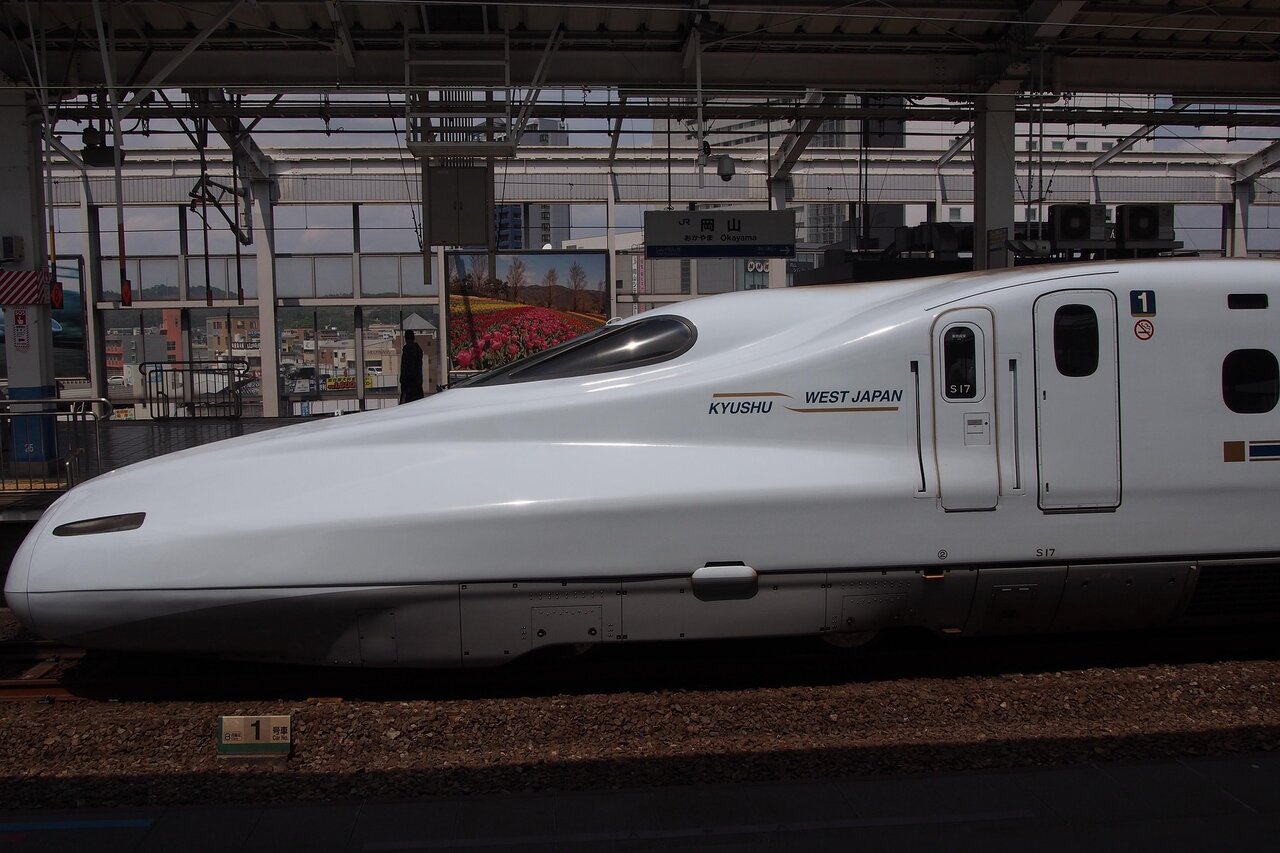
The most important trains included are the Shinkansen bullet trains, which connect major cities across Japan. However, there is one important exception that travellers must understand.
The pass does not cover the Nozomi and Mizuho Shinkansen, which are the fastest trains on the Tokaido and Sanyo Shinkansen lines. Pass holders instead use the Hikari, Sakura, Kodama, and other Shinkansen services, which are slightly slower but still very fast and comfortable.
The pass also covers many useful airport and regional routes, including services such as airport express trains and some JR bus routes. There is even a JR ferry route to Miyajima Island, which is included with the pass and is often used by travellers visiting Hiroshima.
One important thing to remember is that the pass does not cover metro systems in cities like Tokyo, Kyoto, and Osaka, unless the line is operated by JR. This means travellers often use a prepaid IC card such as Suica or Pasmo for city transport and use the rail pass for longer JR train journeys.
Understanding what is and is not included is important when planning your itinerary and calculating whether the pass will save you money.
Where You Can Travel With the Japan Rail Pass
One of the biggest advantages of the Japan Rail Pass is that it allows you to travel across most of the country using the extensive JR rail network, including many high-speed Shinkansen routes. This makes it possible to visit multiple cities in a relatively short period of time without worrying about buying individual tickets for each journey.
Many travellers use the pass to follow the classic Tokyo – Kyoto – Osaka – Hiroshima route, which is one of the most popular travel routes in Japan. These cities are all connected by fast and frequent Shinkansen services, and travelling between them is straightforward and comfortable.
From Tokyo, you can easily reach places such as Kyoto, Osaka, Hiroshima, Nagoya, Kanazawa, Sendai, and even Hokkaido, although the journey to the far north is quite long. From Kyoto and Osaka, you can take short trips to places like Nara, Kobe, and Himeji, all of which are covered by JR trains and therefore included in the pass.
The pass also works very well for travellers exploring western Japan. Routes such as Osaka to Hiroshima, Hiroshima to Fukuoka, and travel around Kyushu are all possible using JR trains covered by the pass. Because the rail network is so extensive, you can travel large distances quickly and comfortably.
When planning your trip, it is useful to look at a map of the JR network and identify which long-distance routes you will use. The pass becomes much better value when you include several long Shinkansen journeys rather than just short regional trips.
Example Itinerary and Cost Comparison
To understand whether the pass is worth buying, it helps to compare the cost of individual tickets with the cost of the pass. Many travellers find that the pass becomes good value once they take two or three long-distance Shinkansen journeys.
Below is a typical multi-city itinerary that many visitors follow when travelling around Japan.
| Route | Approx One-Way Price (GBP) | Approx Price (USD) | Approx Price (EUR) |
|---|---|---|---|
| Tokyo → Kyoto | ~£90 | ~$115 | ~€105 |
| Kyoto → Hiroshima | ~£70 | ~$90 | ~€80 |
| Hiroshima → Osaka | ~£60 | ~$75 | ~€70 |
| Osaka → Tokyo | ~£95 | ~$120 | ~€110 |
| Total Cost | ~£315 | ~$400 | ~€365 |
In this example itinerary, the total cost of individual tickets is approximately £315 / $400 / €365, while a 7-day Japan Rail Pass costs around £249 / $315 / €290. This means the pass would save money in this scenario, as well as making travel easier because you do not need to buy separate tickets for each journey.
This is why the pass is often recommended for travellers planning to visit Tokyo, Kyoto, Osaka, and Hiroshima in a single trip. The savings become even greater if you add additional long-distance journeys.
However, if your itinerary only includes Tokyo and Kyoto, or mainly local travel within one region, the pass may not be worth the cost. The pass provides the best value when used for multiple long-distance Shinkansen journeys over a short period of time. with several long train journeys, rather than slow travel focused on one region.
How to Buy the Japan Rail Pass
Most travellers buy the Japan Rail Pass online before arriving in Japan. After purchasing, you receive an exchange voucher or digital confirmation, which you then exchange for the actual pass once you arrive in the country.
You can exchange the pass at JR Exchange Offices located in major airports such as Narita, Haneda, and Kansai Airport, as well as large train stations in major cities. When exchanging the voucher, you will choose the start date for the pass, which is the date from which your consecutive travel days begin.
It is usually best to activate the pass on the day you start long-distance travel, not on the day you arrive in Japan, especially if you plan to spend a few days in Tokyo before travelling to other cities.
Once you have the pass, you simply show it at the manned ticket gates instead of inserting a ticket. You can also make free seat reservations for many Shinkansen trains at ticket offices or reservation machines in stations.
Buying and using the pass is generally very straightforward, and Japan’s train system is known for being extremely efficient and easy to navigate, even for first-time visitors.
Seat Reservations and Using the Pass
With the Japan Rail Pass, you can use both reserved and non-reserved seats on most trains. Non-reserved cars allow you to simply board and sit in any available seat, while reserved seats guarantee you a specific seat on a specific train.
Seat reservations are free with the pass and are recommended for long-distance Shinkansen journeys, especially during busy travel periods, weekends, and holidays. Reservations can be made at JR ticket offices or using reservation machines at many stations.
One useful thing to know is that travellers with large suitcases sometimes need to reserve seats in luggage storage areas on certain Shinkansen services. Station staff can help with this when making reservations.
When entering and leaving stations, you do not use the automatic ticket gates. Instead, you go to the manned gate and show your rail pass to the staff, who will allow you through. This becomes very quick and easy after the first few times.
Using the rail pass is generally very convenient, especially for travellers making multiple journeys, because it removes the need to constantly buy individual tickets and allows a lot of flexibility if you change your plans.
Pros and Cons of the Japan Rail Pass
Like most travel passes, the Japan Rail Pass is excellent in some situations and not worth the money in others. Whether it is good value depends almost entirely on your itinerary and how many long-distance train journeys you plan to take.
One of the biggest advantages of the pass is unlimited travel on JR trains for a fixed price. This makes budgeting much easier because you do not need to worry about buying individual tickets for every journey. It also gives a lot of flexibility, because you can change your plans and take different trains without worrying about ticket costs.
Another major advantage is the Shinkansen bullet trains, which are one of the fastest and most comfortable ways to travel in Japan. Long journeys that would take many hours by car or bus can be completed very quickly by train. Travelling from Tokyo to Kyoto, for example, takes only a few hours by Shinkansen.
The pass also includes free seat reservations, which is very useful during busy travel periods. Being able to reserve seats without paying extra makes long journeys much more comfortable, especially if you are travelling with luggage.
However, there are also some disadvantages. The biggest one is the price. Since the price increase in recent years, the pass is not automatically worth buying, and many travellers find that individual tickets are cheaper if they are not travelling long distances.
Another limitation is that the pass cannot be used on the Nozomi and Mizuho Shinkansen, which are the fastest bullet trains on some routes. Pass holders instead use slightly slower services, although the difference in travel time is usually not very large.
The pass also does not cover most metro and subway systems in cities like Tokyo, Kyoto, and Osaka. This means you will still need a prepaid transport card for local travel within cities.
Overall, the pass is best viewed as a long-distance travel pass, not a city transport pass.
Who Should Buy the Japan Rail Pass
The Japan Rail Pass is usually best for travellers who plan to visit multiple cities across Japan in a short period of time, especially if they will be using the Shinkansen several times.
Travellers who follow routes such as Tokyo → Kyoto → Osaka → Hiroshima → Tokyo often find the pass saves money and makes travel much easier. It is also useful for people who like flexible travel plans, because you can board many trains without buying separate tickets.
The pass is also a good option for travellers planning longer routes such as travelling from Tokyo to northern Japan or travelling down to Kyushu in the south. The longer the train journeys, the more value the pass usually provides.
On the other hand, the pass is usually not worth buying if you are:
- Staying mostly in Tokyo
- Staying mostly in Kyoto or Osaka
- Travelling slowly and staying in one region
- Using buses or domestic flights instead of trains
- Only making one long-distance train journey
Many travellers spend several days in Tokyo at the start of their trip and several days in Kyoto or Osaka at the end. In this situation, some people activate a 7-day pass only for the middle part of the trip, when they are travelling between cities. This is often one of the most cost-effective ways to use the pass.
The most important advice is always the same: plan your route first, then decide whether the pass is worth it.
Best Apps for Train Travel in Japan
Travelling by train in Japan is very easy, but using a few apps can make planning journeys, checking timetables, and navigating stations much simpler. Japan has a very complex rail network with many different lines and stations, so route planning apps are extremely useful.
One of the most useful apps is Japan Travel by Navitime, which is designed specifically for tourists and can show routes covered by the rail pass. This makes it much easier to plan journeys and avoid trains that are not included.
Many travellers also use Google Maps, which works very well for train routes in Japan and shows platform numbers, transfer times, and journey durations. It is very reliable in major cities and on long-distance routes.
Ticket booking apps and travel booking apps are also useful for reserving seats, booking train tickets, and planning journeys between cities. Having a few travel apps installed before arriving in Japan can make train travel much easier, especially during busy travel periods.
Using apps alongside the rail pass helps travellers plan routes, reserve seats, and navigate stations more easily, which makes travelling across Japan much less stressful.



Rupert’s Handy Travel Tips
Planning to travel around Japan by train? The Japan Rail Pass can be excellent value, but only if you use it correctly and time it properly.
- Activate your pass at the right time: Start it just before your first long-distance Shinkansen journey, not when you arrive in Tokyo.
- Group long journeys together: Try to fit Tokyo, Kyoto, Osaka, and Hiroshima into the same 7-day pass period.
- Reserve seats on busy routes: Seat reservations are free with the pass and recommended for long journeys.
- Remember JR lines only: The pass does not cover most metro and subway systems in cities.
- Arrive early for trains: Japanese trains leave exactly on time, not a minute late.
Want to meet the reindeer behind our travel tips? Find out more in our page Who is Rupert?.
Frequently Asked Questions
Is the Japan Rail Pass worth it?
It depends on your itinerary. The pass is usually worth it if you take several long-distance Shinkansen journeys between major cities, but it may not be worth it if you are staying mostly in one city.
Can tourists buy the Japan Rail Pass?
Yes, the pass is designed specifically for foreign tourists visiting Japan on a temporary visitor visa.
Can I use the Japan Rail Pass on the Shinkansen?
Yes, the pass can be used on most Shinkansen trains, but it cannot be used on the Nozomi and Mizuho services.
Can I reserve seats with the Japan Rail Pass?
Yes, seat reservations are free and can be made at JR ticket offices or reservation machines.
Can I use the Japan Rail Pass in Tokyo?
Yes, but only on JR lines such as the Yamanote Line. The pass does not cover most metro and subway lines.
Do I still need a transport card like Suica or Pasmo?
Yes, most travellers still use a Suica or Pasmo card for city transport systems that are not operated by JR.
Further Reading & Related Guides
If you are planning a trip to Japan, these guides will help you plan transport, connectivity, and travel logistics more easily.
If you are travelling between cities, read our Train Booking Apps Guide to find the best apps for booking rail tickets and checking train times.
You should also read our Offline Map Apps Guide so you can navigate stations and cities even without mobile data.
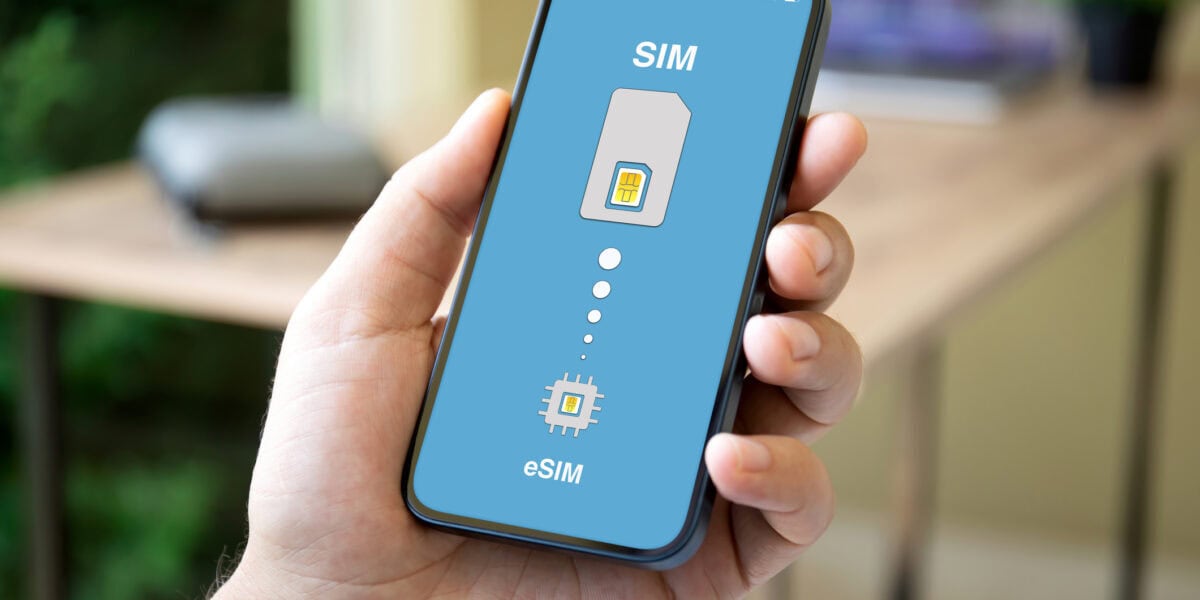
Before travelling, make sure you read our eSIM Apps Guide to stay connected in Japan without expensive roaming charges.
If you are planning city travel, our Local Transport Apps Guide explains how to use metro and bus systems in major cities around the world.
Last Updated
This guide was last updated in April 2026 to reflect current Japan Rail Pass prices, rules, and travel information.
Affiliate Disclosure
This page contains affiliate links. If you click through and make a purchase or booking, we may earn a small commission at no extra cost to you. This helps support our work and allows us to continue providing detailed, independent travel advice. We only recommend apps and services we personally use or have verified as high-quality.