
What Is Altitude Sickness and Why It Happens
Altitude sickness is something many travellers do not think about until they arrive somewhere high in the mountains and suddenly feel terrible. Altitude sickness happens when your body cannot adjust quickly enough to lower oxygen levels at higher elevations. The higher you go, the thinner the air becomes, and the less oxygen your body receives with each breath.
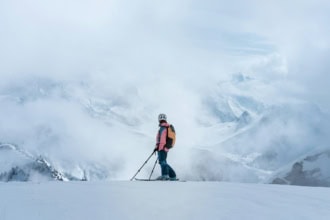
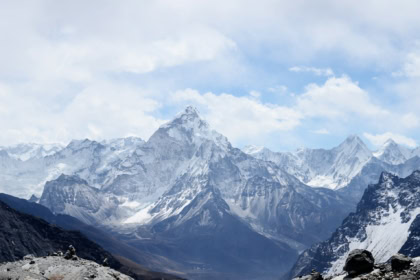
Most people begin to notice altitude effects from around 2,500 metres (8,200 ft), although some people feel symptoms lower than this. Popular travel destinations where altitude sickness can be an issue include La Paz, Cusco, Machu Picchu, Quito, Lhasa, Leh, and the Everest region. Ski resorts in the Alps and Rockies can also be high enough to cause mild symptoms.
When you travel to high altitude too quickly, your body does not have time to acclimatise. Your breathing rate increases, your heart works harder, and your body starts producing more red blood cells to carry oxygen. This adjustment process takes time, which is why ascending slowly is the most important prevention method.
Altitude sickness is not related to fitness. Even very fit people can get altitude sickness, and sometimes they are more at risk because they try to move too quickly at high altitude. Age, gender, and fitness level do not reliably predict who will be affected.
Understanding altitude sickness before travelling to high altitude destinations can prevent serious problems and may even save your trip.
Altitude Levels and Risk Zones for Travellers
Altitude sickness risk increases the higher you go. Travellers often underestimate how high some cities actually are, especially in South America and Asia.
| Altitude | Height | Risk Level | Examples |
|---|---|---|---|
| Low Altitude | 0–1,500 m | No risk | Most cities worldwide |
| Moderate Altitude | 1,500–2,500 m | Mild risk | Mexico City |
| High Altitude | 2,500–3,500 m | Moderate risk | Cusco, Quito |
| Very High Altitude | 3,500–5,500 m | High risk | La Paz, Lhasa |
| Extreme Altitude | 5,500 m+ | Serious risk | Everest Base Camp |
La Paz in Bolivia is the highest capital city in the world at around 3,650 metres, and many travellers feel altitude sickness within hours of arrival. Cusco in Peru is also high enough to cause symptoms for many visitors, especially those flying directly from sea level.
A common travel mistake is flying directly into a high altitude city and immediately starting sightseeing or hiking. Your body needs at least 24–48 hours to begin acclimatisation, and ideally you should plan a slow ascent itinerary if possible.
For example, when visiting Machu Picchu, many experienced travellers stay in the Sacred Valley first because it is lower than Cusco and allows the body to adjust more gradually.
Altitude sickness is therefore not just about mountains — it is something that affects normal city travel in many parts of the world.
Altitude Sickness Symptoms Travellers Should Know
Altitude sickness symptoms usually begin 6 to 24 hours after arriving at high altitude. Symptoms can be mild, moderate, or severe, and it is important not to ignore them.
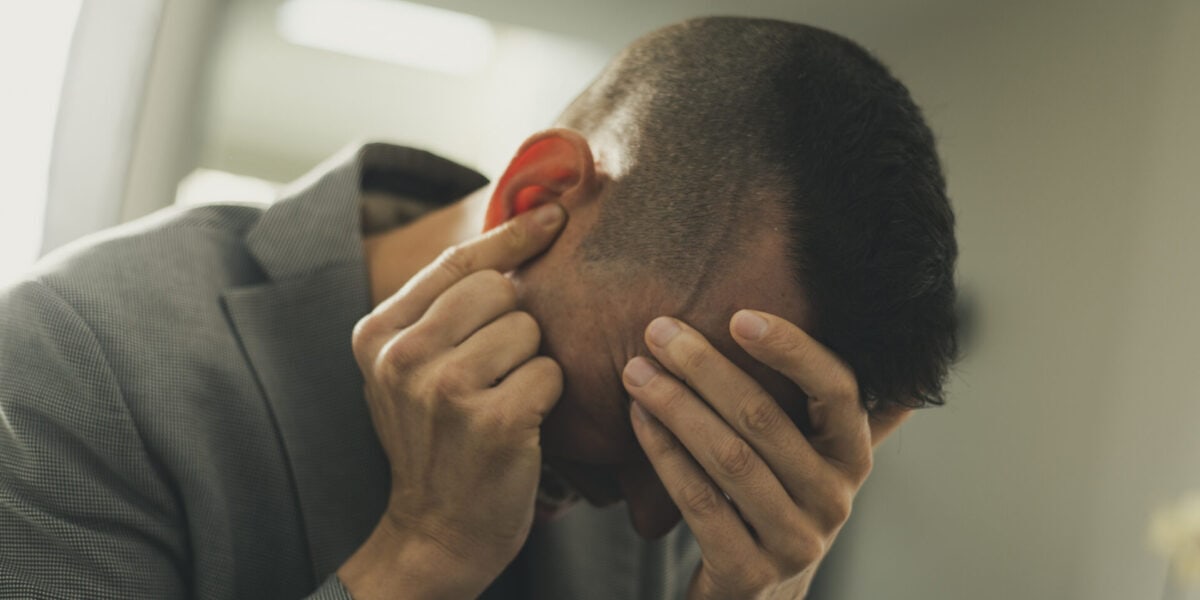
The most common symptoms include headache, nausea, dizziness, fatigue, shortness of breath, loss of appetite, and difficulty sleeping. Many travellers describe it as feeling like a hangover combined with flu symptoms.
Mild altitude sickness is very common and usually improves after a day or two if you rest and allow your body to acclimatise. However, symptoms should never be ignored because altitude sickness can develop into more serious conditions.
More serious altitude illnesses include HAPE (High Altitude Pulmonary Edema) and HACE (High Altitude Cerebral Edema), which are dangerous and require immediate descent to lower altitude. Symptoms of severe altitude sickness include confusion, inability to walk properly, severe breathlessness even when resting, chest tightness, and coughing pink or frothy liquid.
If symptoms get worse instead of better, the correct treatment is always to descend to a lower altitude immediately. Many serious altitude sickness cases happen because travellers try to “push through it” instead of going lower.
The key rule is simple: If you feel worse at altitude, go down.
How To Prevent Altitude Sickness When Travelling
Preventing altitude sickness is much easier than treating it. The most important rule is to ascend slowly and give your body time to adapt to the altitude.
If possible, avoid flying directly to very high altitude cities. Travelling by road or train and gradually increasing altitude gives your body more time to acclimatise. If you must fly directly to high altitude, plan a very relaxed first two days with minimal walking or physical activity.
Hydration is extremely important at altitude because the air is dry and you lose more moisture when breathing faster. Drink more water than usual and avoid alcohol during the first 24–48 hours at altitude. Alcohol can make altitude sickness worse and dehydrates the body.
Eating light meals is also recommended because altitude can reduce appetite and digestion can slow down. Carbohydrates are often easier to digest than heavy fatty foods at altitude.
Many travellers also use medication such as acetazolamide (Diamox), which can help the body acclimatise faster. This is usually taken before ascending to high altitude and for the first few days at elevation.
Another important rule used by mountaineers is:
Climb high, sleep low.
This means you can go higher during the day, but you should sleep at a lower altitude to help your body adjust.
Planning your itinerary with altitude in mind can make a huge difference to how enjoyable your trip will be.
How To Treat Altitude Sickness When Travelling
If altitude sickness symptoms start, the most important thing is not to ignore them and not to continue ascending. Many serious altitude problems happen because travellers try to stick to their itinerary instead of listening to their body.
For mild altitude sickness, the best treatment is rest, hydration, light food, and allowing time for acclimatisation. Most mild symptoms improve within 24–48 hours if you stay at the same altitude and rest properly. Headaches can usually be treated with paracetamol or ibuprofen, and nausea medication can help if you feel sick.
If symptoms do not improve after a day, or if they get worse, you should descend to a lower altitude. Descending even 500–1,000 metres can make a huge difference and symptoms often improve quickly once you go lower.
For more serious altitude sickness symptoms such as severe breathlessness, confusion, inability to walk properly, or chest tightness, this becomes a medical emergency. The correct treatment is immediate descent, oxygen if available, and medical help. Travel insurance that covers high altitude is very important if you are travelling in mountain regions.
One important rule used by mountain guides is:
Never go higher if you have altitude sickness symptoms.
This simple rule prevents most serious altitude illness.
Medications That Help Prevent and Treat Altitude Sickness
There are several medications that travellers use to prevent or treat altitude sickness. Some are available over the counter, while others require a prescription. Medication should not replace proper acclimatisation, but it can help reduce symptoms and make high altitude travel more comfortable.
The most commonly used altitude sickness medication is acetazolamide, often sold under the name Diamox. This medication helps your body acclimatise faster by encouraging deeper breathing and helping the body adjust to lower oxygen levels more quickly. It is usually taken one or two days before ascending to high altitude and continued for the first few days at elevation. Many travellers heading to places like Peru, Bolivia, Nepal, or Tibet speak to their doctor about this medication before travelling.
For headaches caused by altitude sickness, ibuprofen or paracetamol are commonly used and can be very effective for mild symptoms. Headaches are the most common altitude sickness symptom, and simple pain relief is often enough while your body acclimatises.
If nausea is a problem, anti-nausea medication can help, especially for travellers who feel sick when arriving at altitude. Rehydration salts are also useful because dehydration is common at altitude and can make symptoms worse.
In more serious situations, doctors may prescribe dexamethasone, which is a steroid medication used to treat severe altitude sickness, particularly brain swelling caused by high altitude cerebral edema. This is usually only carried on trekking or mountaineering trips and should only be used under medical advice.
Some travellers also use portable oxygen canisters, which are sold in many high altitude destinations. These do not cure altitude sickness but can provide temporary relief from symptoms such as breathlessness and headaches.
The most important thing to remember is that medication helps with altitude sickness, but the real treatment is always acclimatisation or descending to a lower altitude if symptoms become severe.
Medications, Illness and Other Things That Make Altitude Sickness Worse
Many travellers do not realise that certain medications, illnesses, and behaviours can make altitude sickness worse or increase the chance of developing symptoms. Altitude sickness is not just about height — it is also affected by hydration, sleep, alcohol, medication, and how quickly you ascend.
Alcohol is one of the biggest causes of worsening altitude sickness symptoms. Alcohol dehydrates the body, reduces sleep quality, and slows breathing during the night, which reduces oxygen levels even further. Many travellers arrive at high altitude destinations and celebrate with drinks, only to feel extremely ill the next day. Avoid alcohol for the first 24 to 48 hours at altitude to reduce the risk of symptoms.
Sleeping pills and sedative medications can also make altitude sickness worse because they slow breathing. At altitude, your body needs to breathe faster to compensate for lower oxygen levels, so anything that slows breathing can increase symptoms. This includes sleeping tablets, benzodiazepines such as diazepam, strong painkillers like opioids, and some anti-anxiety medications.
Dehydration is another major factor. Air at altitude is very dry and you lose water faster through breathing and sweating. Dehydration makes headaches worse and slows acclimatisation, so drinking more water than usual is very important when travelling at altitude.
Overexertion on the first day is one of the most common mistakes travellers make. Arriving at a high altitude city and immediately walking long distances, climbing hills, or carrying heavy luggage puts extra stress on the body when oxygen levels are already lower. The first day at altitude should be slow and relaxed, with minimal physical activity.
Smoking can also make altitude sickness worse because it reduces oxygen levels in the blood. If you smoke, symptoms may be stronger and acclimatisation may take longer.
Finally, travelling to altitude while already ill can increase the risk of altitude sickness. Colds, flu, chest infections, and sinus problems all affect breathing and oxygen intake, which makes altitude adjustment more difficult.
The biggest causes of altitude sickness getting worse are ascending too quickly, drinking alcohol too early, dehydration, heavy activity on the first day, and taking medications that slow breathing. If travellers avoid these, they greatly reduce their chances of serious altitude problems.
Blood Pressure Tablets and Altitude Sickness
Blood pressure medication does not automatically mean you cannot travel to high altitude, but some blood pressure tablets can affect how your body reacts to altitude, so travellers should be aware and ideally speak to their doctor before travelling to high altitude destinations.
At altitude, your body reacts to lower oxygen levels by increasing heart rate and changing blood pressure. Some medications interact with this adjustment process.
ACE Inhibitors and ARBs
Common blood pressure medications such as:
- Ramipril
- Lisinopril
- Enalapril
- Losartan
- Candesartan
These are usually safe at altitude, but they can sometimes increase the risk of dehydration and dizziness, especially if you are not drinking enough water. Because altitude already increases dehydration risk, travellers taking these medications should make sure they drink more water than usual.
High Altitude Destinations Where Travellers Commonly Get Sick
Many travellers are surprised that altitude sickness often happens in normal cities, not just on mountain expeditions. Some of the most popular tourist destinations in the world are at high altitude.
| Destination | Country | Altitude |
|---|---|---|
| La Paz | Bolivia | 3,650 m |
| Cusco | Peru | 3,400 m |
| Quito | Ecuador | 2,850 m |
| Lhasa | Tibet | 3,650 m |
| Leh | India | 3,500 m |
| Bogota | Colombia | 2,640 m |
| Addis Ababa | Ethiopia | 2,355 m |
| Mexico City | Mexico | 2,240 m |
Places like Cusco and La Paz are particularly difficult because most travellers fly directly from sea level, which gives the body no time to adjust. This is why many Peru itineraries now recommend staying in the Sacred Valley before Cusco, because it is lower altitude and helps acclimatisation.
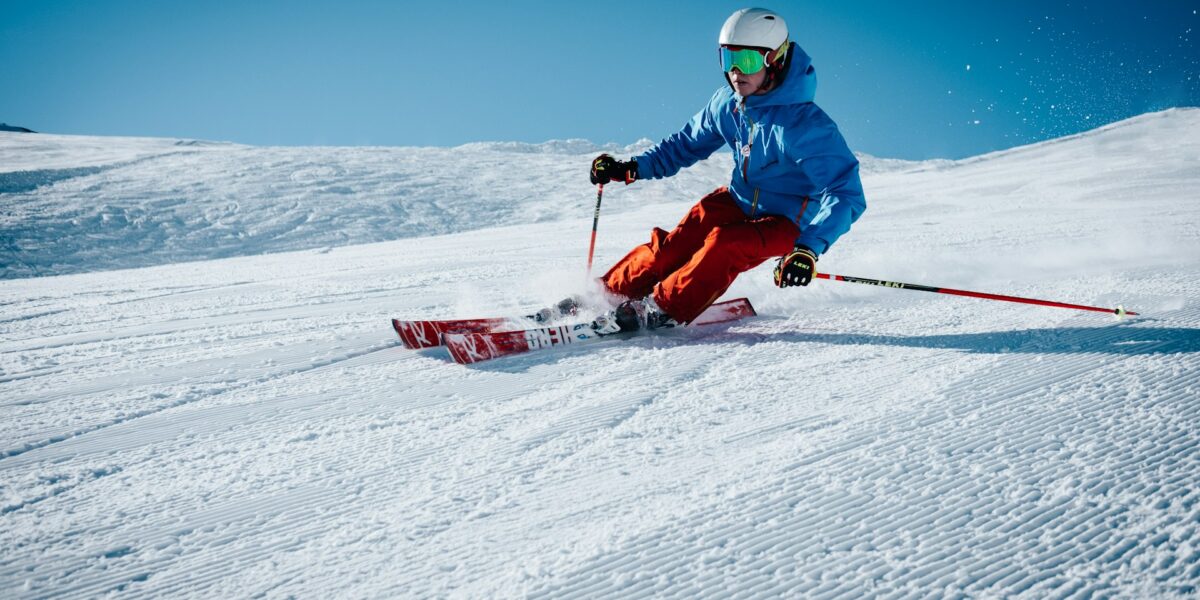
Even some ski resorts in Europe and North America are high enough to cause mild altitude sickness, especially if travellers fly in and go straight skiing the next morning.
When planning trips to high altitude destinations, it is worth building acclimatisation days into your itinerary, otherwise you may lose days of your trip feeling unwell.
Packing List for High Altitude Travel
Travelling to high altitude destinations requires slightly different preparation compared to normal trips. A few simple items can make a big difference if altitude sickness starts.
Important items to consider bringing include basic painkillers for headaches, anti-nausea tablets, rehydration salts, and high SPF sunscreen because UV exposure is much stronger at altitude. Lip balm and moisturiser are also useful because the air is very dry.
Many travellers also bring a small oxygen canister for emergency use or difficult first days at altitude. These are commonly sold in high altitude tourist destinations as well.
Layered clothing is important because temperatures can change quickly at altitude, especially in mountain regions where warm days can turn into very cold evenings. Good walking shoes are also important because high altitude destinations often involve hills, stairs, and uneven streets.
The biggest mistake travellers make is packing normally and not preparing for altitude conditions, which are often colder, drier, and more physically demanding than expected.
Travel Insurance and Altitude Limits
This is something many travellers do not realise until it is too late. Not all travel insurance policies cover high altitude travel, and many have altitude limits written into the policy.
Typical travel insurance altitude limits are:
- Standard policies often cover up to 2,500–3,000 metres
- Trekking policies may cover up to 4,000–6,000 metres
- Mountaineering requires specialist insurance
This is very important for destinations such as Peru, Bolivia, Nepal, and Tibet. If you need medical evacuation from a high altitude area, the cost of helicopter evacuation can be extremely high, sometimes tens of thousands of pounds.
Before travelling to high altitude destinations, always check:
- Maximum altitude covered
- Whether trekking is covered
- Emergency evacuation cover
- Pre-existing condition rules
Travel insurance is especially important at altitude because the most common treatment for serious altitude sickness is evacuation to lower altitude.
Key Altitude Sickness Rules Every Traveller Should Remember
If travellers remember only a few things about altitude sickness, these are the most important rules.
Ascend slowly if possible and avoid flying directly to very high altitude without acclimatisation time. Drink more water than usual and avoid alcohol in the first couple of days. Do not do heavy exercise on the first day at altitude. Eat light meals and get plenty of rest.
Most importantly, never ignore altitude sickness symptoms and never go higher if symptoms are getting worse. If symptoms become severe, the correct treatment is always to descend to a lower altitude.
Altitude sickness is very common but also very manageable if travellers understand how it works and plan properly.
When To See a Doctor About Altitude Sickness
Most mild altitude sickness improves on its own after a day or two at the same altitude, but there are times when altitude sickness becomes dangerous and medical help is needed. Travellers should never ignore worsening symptoms at altitude.
You should seek medical help or descend immediately if symptoms include severe breathlessness when resting, confusion, difficulty walking in a straight line, chest tightness, persistent coughing, or coughing up pink or frothy liquid. These can be signs of serious altitude illnesses such as high altitude pulmonary edema (fluid in the lungs) or high altitude cerebral edema (swelling of the brain). Both conditions are medical emergencies.
Another warning sign is when symptoms do not improve after 24–48 hours at the same altitude. Mild altitude sickness should slowly improve as the body acclimatises. If symptoms stay the same or get worse, the safest action is always to descend to a lower altitude.
Many high altitude destinations have clinics and doctors experienced in treating altitude sickness, especially in places like Cusco, La Paz, and trekking regions in Nepal. Hotels in high altitude cities are often used to helping guests with altitude sickness and can arrange oxygen or medical help if needed.
The key rule remains simple and is used worldwide in mountain travel:
If symptoms get worse, go down.
Planning Your Trip To Avoid Altitude Problems
Altitude sickness can often be avoided completely with good travel planning. One of the biggest mistakes travellers make is planning an itinerary based only on distances and not altitude changes.
When travelling to high altitude destinations, it is usually better to sleep at a lower altitude first and gradually travel higher over several days. This gives your body time to adjust and greatly reduces the chance of altitude sickness.
For example, in Peru many travellers now start in the Sacred Valley before going to Cusco because it sits at a lower altitude. In Bolivia, some travellers stay a night in a slightly lower area before exploring La Paz. In Nepal, trekking routes are designed with acclimatisation days built into the itinerary.
It is also important to plan light activities for the first day at altitude. Instead of walking long distances, climbing hills, or doing tours immediately, it is better to rest, drink water, and allow your body to adjust. Many travellers lose the first day of their trip feeling ill simply because they try to do too much too quickly.
Another useful tip is to avoid heavy meals and alcohol on the first evening at altitude. Light food, plenty of water, and a good night’s sleep will help the body acclimatise much faster.
Altitude sickness is very predictable in many ways, and most problems happen because travellers ascend too quickly and do not allow time for acclimatisation.

Rupert’s Handy Travel Tips
Heading to a high altitude destination like Cusco, La Paz, Quito or the Himalayas? Altitude sickness can catch travellers off guard, but a few simple steps can make a big difference.
- Take your first day slowly: Don’t plan long walks, hikes or heavy sightseeing on the day you arrive.
- Drink plenty of water: Altitude air is very dry and dehydration makes headaches and symptoms worse.
- Avoid alcohol at first: Alcohol hits harder at altitude and can make altitude sickness worse.
- Sleep at a lower altitude if possible: Gradual ascent is the best way to prevent altitude sickness.
- If you feel worse, go lower: Descending even a few hundred metres can improve symptoms quickly.
Want to meet the reindeer behind our travel tips? Find out more in our page Who is Rupert?.
Frequently Asked Questions About Altitude Sickness
At what altitude does altitude sickness start?
Most people start to feel altitude effects from around 2,500 metres above sea level, although some people feel symptoms lower than this.
How long does altitude sickness last?
Mild altitude sickness usually improves within 24 to 48 hours as the body acclimatises, as long as you do not continue to climb higher.
Is altitude sickness dangerous?
Mild altitude sickness is common and usually not dangerous, but severe altitude sickness can be life-threatening and requires immediate descent and medical help.
Can you prevent altitude sickness completely?
You cannot always prevent it, but ascending slowly, drinking plenty of water, avoiding alcohol early, and resting on the first day greatly reduces the risk.
Does fitness prevent altitude sickness?
No. Fitness does not prevent altitude sickness. Very fit people can get altitude sickness just as easily as anyone else.
Further Reading & Related Travel Guides
If you are travelling to remote areas, mountains or long-haul destinations, these guides will help you stay safe, healthy and prepared for your trip.
Jet Lag: How to Avoid It and Recover Faster
Learn how to reduce jet lag, adjust to new time zones and recover faster after long flights and overnight travel.
Food & Drink Safety While Travelling
Avoid food poisoning and stomach problems while travelling with simple tips for street food, bottled water and restaurant hygiene.
Travel Insurance Guide: What You Need to Know Before You Travel
Understand what travel insurance covers, including medical emergencies, cancellations, delays and lost luggage.
eSIM Apps for Travel: Stay Connected Worldwide
Stay connected when travelling so you can access maps, bookings and emergency information without expensive roaming charges.
Last Updated
March 2026
Affiliate Disclosure
This page contains affiliate links. If you click through and make a purchase or booking, we may earn a small commission at no extra cost to you. This helps support our work and allows us to continue providing detailed, independent travel advice. We only recommend apps and services we personally use or have verified as high-quality.